- For appointment (+91) 97904 97905
Diabetes Health Check-Up: Tests, Screening and What to Expect
Diabetes can develop gradually, and some people may have high blood sugar without noticing clear symptoms. A diabetes health check-up can help assess blood glucose and other aspects of metabolic health. Understanding which tests are included and why they are performed can help patients make informed decisions about screening and follow-up care.
Deepam Hospitals Group provides healthcare through its multispeciality hospital facilities in Tambaram, Guduvanchery and SP Koil, as well as healthcare centres in Maraimalai Nagar, Perungalathur and Urapakkam. The services and investigations available can vary by facility, so patients should confirm availability before visiting.
What Is a Diabetes Health Check-Up?
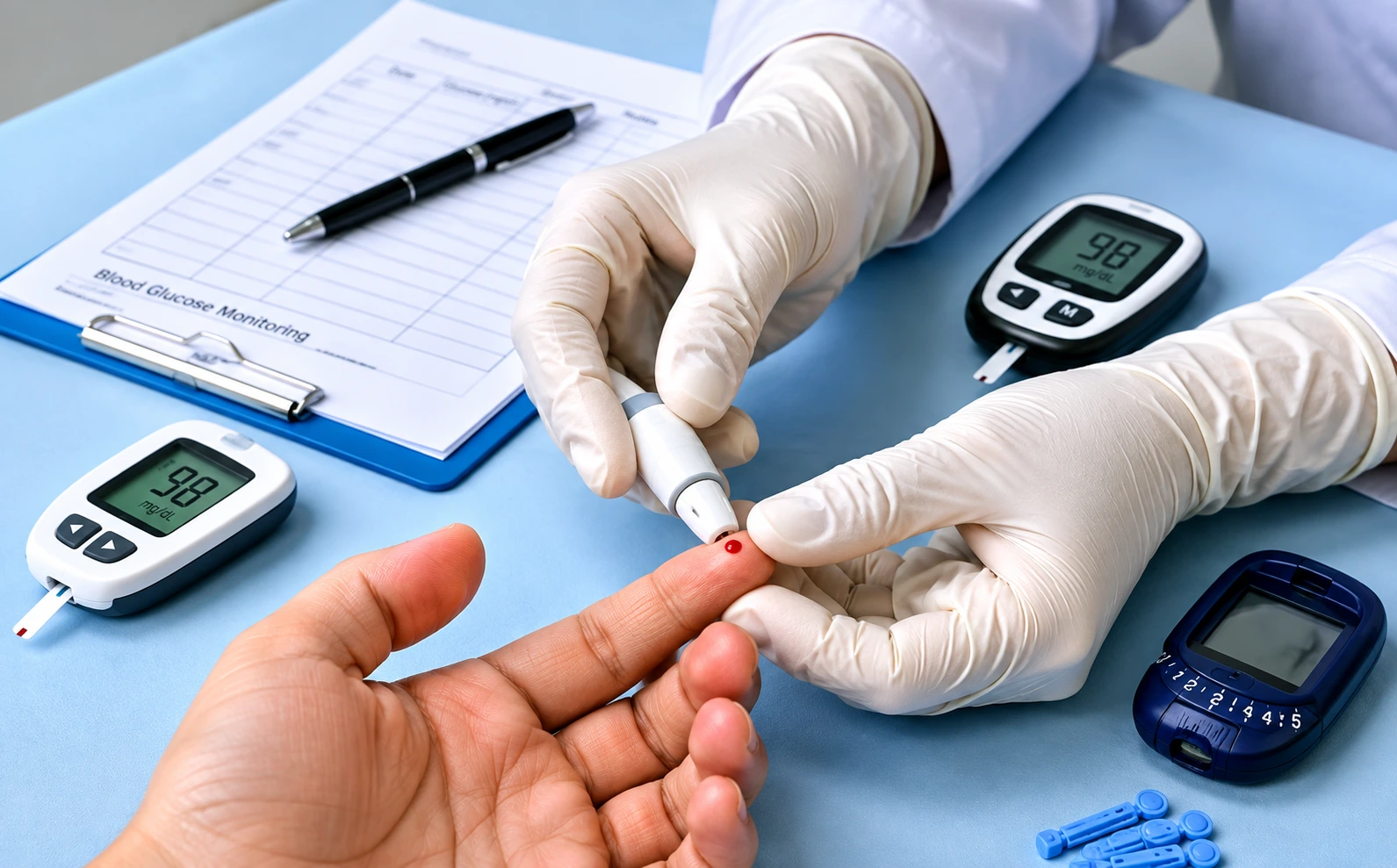
A diabetes health check-up is a medical assessment that evaluates blood glucose and may include other investigations that help doctors understand a person's overall metabolic health. Depending on the patient's circumstances and the package offered, testing may include fasting blood sugar, postprandial blood sugar, HbA1c and other investigations, along with medical consultation.
A health check-up is not simply about obtaining one blood sugar reading. A healthcare professional may consider symptoms, medical history, risk factors, previous reports and other findings when determining what further evaluation may be appropriate.
Comprehensive Diabetes Health Check-Up at Deepam Hospitals – ₹699
The Comprehensive Diabetes Health Check-Up shown in the Deepam Hospitals promotional material is offered at ₹699, with the creative stating a value of ₹2,500.
The package shown includes:
- Fasting Blood Sugar
- Postprandial Blood Sugar
- HbA1c
- Lipid Profile
- Urine Routine
- Senior Doctor Consultation
- Dietitian Consultation
Offer Information: The ₹699 price and package details are based on the promotional creative provided for this blog. Patients should confirm the current price, availability, terms and facility offering with Deepam Hospitals before booking.
What Does the ₹699 Diabetes Health Check-Up Include?
| Test / Consultation | Purpose |
|---|---|
| Fasting Blood Sugar | Assesses blood glucose in a fasting state |
| Postprandial Blood Sugar | Assesses blood glucose after eating |
| HbA1c | Provides an indication of average blood glucose over a longer period |
| Lipid Profile | Assesses blood lipid levels such as cholesterol and triglycerides |
| Urine Routine | Examines a urine sample for various findings |
| Senior Doctor Consultation | Provides clinical assessment and interpretation |
| Dietitian Consultation | Provides nutrition-related guidance where included |
The tests provide different types of information, so the value of a comprehensive assessment is not simply the number of tests included.
What Tests Are Included in a Diabetes Health Check-Up?
The exact investigations can vary between health-check packages. The Deepam package shown in the provided promotional material includes five investigations and two consultations.
Fasting Blood Sugar Test
A fasting blood sugar test measures blood glucose after a specified period of fasting. It is commonly used when evaluating blood glucose levels.
The healthcare provider or laboratory should provide instructions about how long you need to fast before the test.
Postprandial Blood Sugar Test
Postprandial blood sugar refers to blood glucose measured after eating.
This measurement provides information that is different from a fasting blood sugar result. A doctor can consider both results together with other findings when evaluating glucose levels.
HbA1c Test
The HbA1c test, also known as glycated haemoglobin testing, provides an indication of average blood glucose over a longer period than a single blood sugar measurement.
This makes HbA1c an important test when assessing or monitoring diabetes. However, the result should be interpreted alongside the patient's clinical history and other relevant findings.
Lipid Profile Test
A lipid profile measures blood lipids such as cholesterol and triglycerides.
For people being evaluated for diabetes or metabolic health concerns, lipid information can provide additional context because blood glucose and cardiovascular risk factors may need to be considered together.
Urine Routine Test
A urine routine test examines a urine sample for various findings.
It is different from a blood glucose test and does not, by itself, establish a diagnosis of diabetes. The results need to be interpreted in the appropriate clinical context.
Why Are Multiple Tests Used for Diabetes Screening?
Different diabetes tests provide different types of information, so doctors may consider several results together rather than relying on one measurement.
For example, fasting blood sugar looks at glucose in a fasting state, postprandial testing provides information after food, while HbA1c gives a longer-term view of average blood glucose.
A lipid profile provides additional information about blood lipids, while a urine routine examination can provide other health information.
This broader view can help a healthcare professional decide whether additional assessment or follow-up is appropriate.
Who Should Consider a Diabetes Health Screening?
A person does not necessarily need to wait for noticeable symptoms before discussing diabetes screening with a healthcare professional.
A doctor may consider screening based on factors such as:
- Previous Abnormal Blood Glucose Results
- Family History of Diabetes
- Symptoms That May Be Associated With Elevated Blood Glucose
- Previous Diagnosis of Prediabetes
- Overweight or Obesity
- Low Physical Activity
- Certain Existing Health Conditions
- Other Individual Risk Factors
The appropriate tests and frequency of screening depend on the individual's circumstances.
Can Diabetes Develop Without Obvious Symptoms?
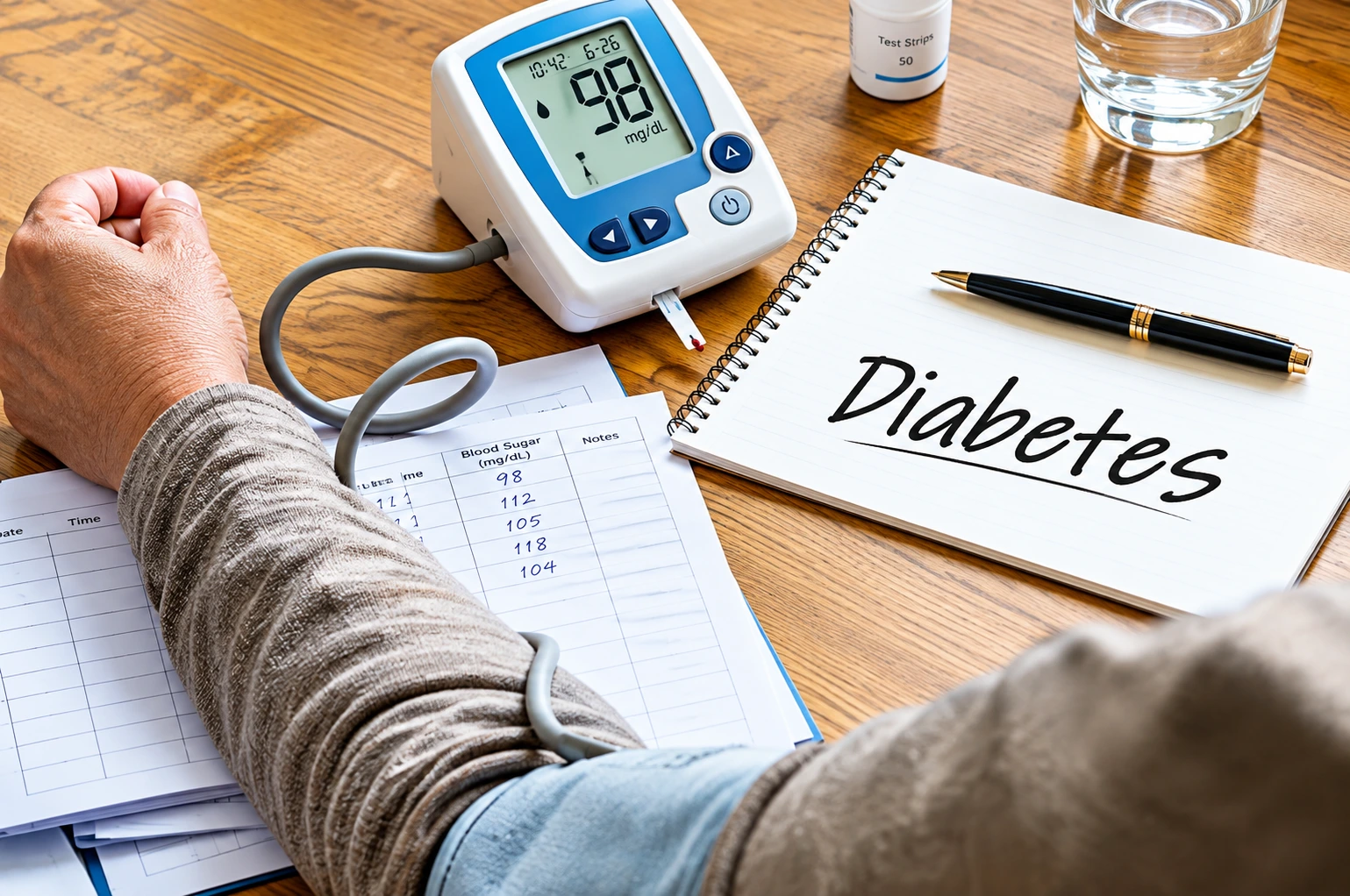
Yes. Diabetes or elevated blood glucose may sometimes occur without obvious symptoms, particularly during earlier stages.
Some people may discover abnormal blood glucose during routine medical testing rather than because they feel unwell.
Possible symptoms associated with diabetes can include:
- Increased Thirst
- Frequent Urination
- Increased Tiredness
- Unexplained Weight Changes
- Blurred Vision
- Increased Hunger
- Slow Healing of Wounds
These symptoms can also occur for other reasons. They should not be used to self-diagnose diabetes.
When Should You Get Tested for Diabetes?
There is no single testing schedule that applies to every person.
The timing of diabetes screening may depend on:
- Age
- Family History
- Previous Blood Sugar Results
- Existing Health Conditions
- Lifestyle Factors
- Previous Diagnosis of Prediabetes or Diabetes
- Advice From a Healthcare Professional
If you have concerns about your blood glucose or diabetes risk, a medical consultation can help determine whether testing is appropriate.
What Happens During a Diabetes Health Check-Up?
A diabetes check-up involves more than simply taking a blood sample.
1. Health Information Is Reviewed
The healthcare professional may ask about symptoms, medical history, family history, lifestyle and previous test results.
2. Recommended Tests Are Performed
Depending on the package and clinical requirements, testing may include fasting blood sugar, postprandial blood sugar, HbA1c and other investigations.
3. Results Are Reviewed
Individual test results should be interpreted together rather than considered in isolation.
4. Further Steps Are Discussed
Depending on the findings, a doctor may recommend monitoring, lifestyle changes, additional investigations or appropriate treatment.
5. Nutrition May Be Discussed
Where a dietitian consultation is included, patients can discuss dietary habits and practical nutrition-related considerations.
What Is the Difference Between Diabetes Screening and Diabetes Monitoring?
Diabetes screening generally refers to evaluating someone for diabetes or abnormal blood glucose, while diabetes monitoring involves following a person who has already been diagnosed or is being followed for an existing glucose-related condition.
The tests, frequency and objectives can therefore differ.
Someone undergoing initial screening may require a different evaluation from someone who is already receiving diabetes care.
Why Is HbA1c Important in a Diabetes Check-Up?
HbA1c is useful because it provides information about average blood glucose over a longer period rather than reflecting only one point in time.
A person may therefore have different fasting, post-meal and HbA1c results, with each providing a different perspective.
A healthcare professional should interpret HbA1c according to the individual's circumstances and other clinical information.
Does a Lipid Profile Test Diagnose Diabetes?
No. A lipid profile does not diagnose diabetes.
It measures blood lipids, including cholesterol and triglycerides. It may nevertheless be included in a broader health assessment because cardiovascular and metabolic health can be relevant when evaluating people with diabetes or diabetes risk.
What Should You Do Before a Diabetes Blood Test?
Preparation depends on the tests being performed.
If fasting blood sugar is included, you may need to fast for a specified period. Follow the preparation instructions given by the healthcare facility.
Before Your Appointment:
- Confirm Whether Fasting Is Required.
- Ask When You Should Have Your Last Meal.
- Follow the Laboratory's Preparation Instructions.
- Inform the Healthcare Professional About Medicines You Take.
- Carry Previous Reports if They Are Relevant.
Do not stop prescribed medication on your own before testing. Ask your healthcare professional if you need specific instructions.
What If Your Diabetes Test Results Are Abnormal?
An abnormal result does not necessarily provide the complete clinical picture by itself.
A doctor may consider:
- Which Test Was Abnormal
- Previous Test Results
- Symptoms
- Medical History
- Other Investigation Results
- Relevant Risk Factors
- Whether Additional Testing Is Required
Further evaluation may be recommended depending on the findings.
This is why patients should avoid diagnosing themselves based on a single test result.
Diabetes and Overall Health
Diabetes management involves more than monitoring blood glucose alone.
Depending on the individual, healthcare professionals may also consider:
- Blood Pressure
- Cholesterol and Triglycerides
- Cardiovascular Health
- Kidney Health
- Eye Health
- Nerve Health
- Nutrition
- Physical Activity
- Medication Requirements
- Long-Term Blood Glucose Control
A healthcare professional can determine which aspects require assessment based on the individual's health status.
Diabetes Health Check-Up at Deepam Hospitals
Deepam Hospitals Group has different types of healthcare facilities serving patients across the region.

Deepam Multispeciality Hospitals
- Tambaram
- Guduvanchery
- SP Koil
Deepam Healthcare Centres
- Maraimalai Nagar
- Perungalathur
- Urapakkam
The three locations above are healthcare centres, while Tambaram, Guduvanchery and SP Koil are identified as multispeciality hospital facilities. This distinction should be maintained throughout the website so patients and search engines receive accurate information about each facility.
Patients should confirm which location provides the specific diabetes consultation, investigation or health-check service they require.
Questions to Ask Before Booking a Diabetes Check-Up
Before booking a diabetes health screening, you may want to ask:
- What Tests Are Included in the Package?
- Do I Need to Fast Before the Tests?
- How Long Should I Fast?
- Will a Doctor Review the Reports?
- Is Dietitian Consultation Included?
- When Will the Reports Be Available?
- Do I Need to Bring Previous Reports?
- Will Additional Testing Be Recommended if Necessary?
- Which Deepam Facility Provides the Required Service?
- What Are the Current Package Price and Terms?
These questions can help you understand what the health check-up includes before you book.
Frequently Asked Questions
A diabetes health check-up is an assessment used to evaluate blood glucose and other relevant health factors. Depending on the package, it may include fasting blood sugar, postprandial blood sugar, HbA1c, lipid profile, urine testing and medical consultation.
The promotional material provided for this article lists fasting blood sugar, postprandial blood sugar, HbA1c, lipid profile, urine routine, senior doctor consultation and dietitian consultation. The displayed offer price is ₹699. Current availability and pricing should be confirmed with Deepam Hospitals.
HbA1c provides an indication of average blood glucose over a longer period than a single blood sugar test. Doctors interpret the result together with other clinical information.
Fasting blood sugar is measured after a specified period without food, while postprandial blood sugar is measured after eating. Both provide different information about blood glucose.
Yes. Some people may have diabetes or elevated blood glucose without obvious symptoms. Appropriate screening and medical assessment can help identify abnormal blood glucose.
No. Diabetes screening may also be discussed by people who have risk factors, previous abnormal results or concerns about their blood glucose.
A routine urine test does not by itself diagnose diabetes. Diabetes evaluation generally requires appropriate blood glucose testing and clinical interpretation.
It depends on the tests included. Fasting may be required for a fasting blood sugar test. Follow the instructions provided by the healthcare facility.
The appropriate frequency varies according to your health status, risk factors, previous results and whether you have already been diagnosed with diabetes. A healthcare professional can recommend an appropriate schedule.
Deepam Hospitals Group has multispeciality hospital facilities in Tambaram, Guduvanchery and SP Koil, and healthcare centres in Maraimalai Nagar, Perungalathur and Urapakkam. Confirm the required service and availability with the appropriate facility before visiting.
Take the Next Step With a Diabetes Health Check-Up
Understanding your blood glucose is an important part of looking after your health, particularly when you have risk factors or concerns about diabetes.
The Comprehensive Diabetes Health Check-Up shown in Deepam Hospitals' promotional material is priced at ₹699 and includes fasting blood sugar, postprandial blood sugar, HbA1c, lipid profile, urine routine, senior doctor consultation and dietitian consultation.
Contact Deepam Hospitals to confirm the current ₹699 offer, package inclusions, preparation requirements and the appropriate facility before booking.
Contact Us