- For appointment (+91) 97904 97905
10 Essential Facilities Every Multispecialty Hospital Should Have for Better Patient Care
Choosing a hospital for yourself or your family involves more than looking at the number of departments or how well-known the hospital is. A truly comprehensive multispecialty hospital needs the infrastructure, clinical support and trained teams required to manage different stages of care, from emergency assessment and diagnosis to treatment, critical care, recovery and follow-up.
For families in and around Tambaram, this becomes particularly important because healthcare needs can change unexpectedly. A routine consultation may require only a specialist and basic investigations, while an accident, cardiac emergency, serious infection or surgical condition may require several clinical teams and hospital services to work together within a short period.
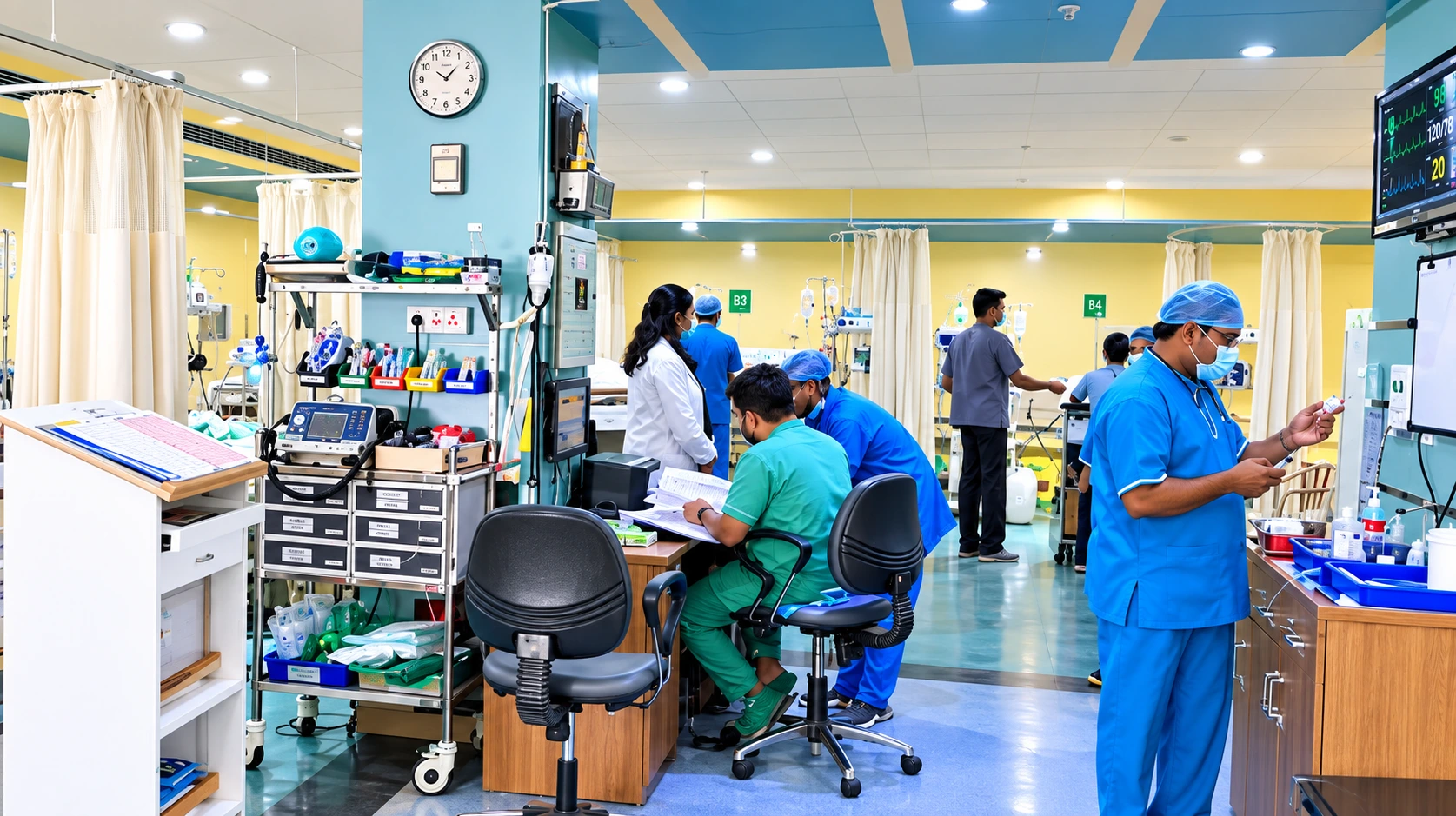
The practical benchmark is therefore not simply how many departments a hospital lists. It is whether the hospital has the clinical infrastructure, supporting services and coordination needed to respond appropriately to different levels of medical need.
What Should I Check Before Choosing a Hospital for My Family or Me?
Most people searching for a "good hospital near me" are really asking whether the hospital can provide the right care when it is actually needed. Important considerations include 24/7 emergency support, critical care, specialist access, diagnostic services, patient-safety systems, ambulance support and insurance or cashless options where applicable.
For someone looking for a multispecialty hospital in Tambaram, the availability and coordination of these services can influence how efficiently a patient moves from assessment to diagnosis and treatment. Hospital size or reputation alone does not explain how well the clinical system can respond to a patient's changing needs.
What Makes a Multispecialty Hospital Truly Comprehensive?
Having several medical departments under one roof does not automatically make a hospital comprehensive.
A patient arriving with severe chest pain, for example, may need emergency assessment, ECG, laboratory investigations, cardiac evaluation, specialist review and continuous monitoring. Someone undergoing major surgery may require pre-operative testing, anaesthesia assessment, an operating theatre, post-operative monitoring and rehabilitation.
This highlights an important principle:
A multispecialty hospital should not only have multiple specialists; it should have the supporting infrastructure that allows those specialists to deliver coordinated care.
A well-connected healthcare environment can support a broader pathway:
Assessment → Diagnosis → Specialist Evaluation → Treatment → Monitoring → Recovery → Follow-Up
The usefulness of a hospital therefore depends not only on what services exist, but also on whether the right service can be accessed at the right stage of care.
Multispecialty vs General Hospital: What Is the Difference?
The main difference is the breadth of medical specialties and supporting infrastructure available within the same healthcare setting.
A general hospital may provide a broad range of common medical and surgical services, while a multispecialty hospital brings together multiple medical and surgical specialties along with supporting diagnostics, emergency care, critical care and other hospital services.
| Aspect | General Hospital | Multispecialty Hospital |
|---|---|---|
| Range of specialties | Primarily general medical and surgical care | Multiple medical and surgical specialties |
| Specialist access | May have selected specialists depending on the hospital | Broader access to different specialist departments |
| Diagnostic support | Basic or commonly required investigations may be available | Broader diagnostic capabilities may support multiple specialties |
| Emergency care | Depends on the hospital's infrastructure and scope | May support a wider range of medical emergencies |
| Critical care | Availability varies | May include multiple levels or types of critical-care support |
| Surgical services | General surgical procedures may be available | Broader surgical capabilities across different specialties |
| Complex healthcare needs | May require referral when specialized care is unavailable | Can potentially coordinate care across multiple specialties |
| Continuity of care | Depends on available departments and services | Multiple stages of care may be coordinated within one hospital environment |
When Can a Multispecialty Hospital Be Useful?
A multispecialty setting can be particularly useful when a patient's condition requires more than one area of medical expertise.
For example, a patient with a complex medical condition may initially require one specialist but later need diagnostic evaluation, another specialist's opinion, inpatient monitoring or rehabilitation. Having these services within the same hospital can reduce the need to coordinate every stage across separate healthcare facilities.
However, multispecialty does not automatically mean better for every patient. Someone requiring a routine consultation or straightforward treatment may not need the broader infrastructure of a multispecialty hospital.
The more practical question is:
Does the hospital have the medical expertise, facilities and level of care appropriate for the patient's actual healthcare needs?
1. 24/7 Emergency, Casualty and Triage Facilities
A comprehensive multispecialty hospital should have a 24-hour emergency and casualty service capable of rapidly assessing and stabilizing patients with urgent medical conditions, injuries and accidents.
Emergency patients may arrive without a confirmed diagnosis, and their condition can change quickly. The first priority is to identify immediate risks, determine the severity of the condition and decide what level of treatment is required.
What Should a Strong Emergency Facility Support?
- 24/7 Emergency or Casualty Services
- Dedicated Triage and Assessment
- Rapid Clinical Evaluation
- Resuscitation and Stabilization
- Emergency Procedures
- Continuous Patient Monitoring
- Access to Urgent Investigations
- Specialist Support When Clinically Required
- Appropriate Isolation Arrangements
Why Is Triage Important?
Triage prioritizes patients according to the urgency and severity of their condition, rather than simply treating them in the order they arrive.
A patient showing signs of a potentially life-threatening emergency may therefore require immediate attention even if another patient has been waiting longer.
This makes triage a clinical decision-making process rather than simply an administrative step.
What Makes Emergency Infrastructure More Useful?
Emergency care is most effective when it can connect quickly with diagnostics, specialists, critical care and procedures when required.
For example:
Triage → Emergency Assessment → Investigation → Specialist Review → Treatment or Escalation
This coordinated approach is particularly relevant for trauma, cardiac emergencies, severe infections, breathing difficulties, neurological emergencies and other time-sensitive conditions.
2. Advanced Critical Care Units
A comprehensive hospital should have critical-care capability for patients who require continuous monitoring, intensive treatment or advanced medical support.
Depending on the hospital's clinical scope, critical-care services may include:
- Medical ICU for Critically Ill Medical Patients
- Surgical ICU for Patients Requiring Intensive Care Around Major Surgery
- NICU for Critically Ill or Medically Vulnerable Newborns
- PICU for Children Requiring Intensive Monitoring and Treatment
The effectiveness of critical care depends on more than equipment. It also requires appropriately trained doctors, experienced nursing teams, continuous monitoring and the ability to respond quickly when a patient's condition changes.
Why Do Different Critical-Care Units Matter?
A newborn, child, post-operative adult and critically ill medical patient can have very different clinical requirements.
Age-specific and condition-specific critical care allows treatment to be adapted according to the patient's physiological needs rather than using the same approach for everyone. For families, this can be particularly relevant when a hospital needs to manage adult, paediatric, neonatal or post-operative emergencies within the same healthcare environment.
3. Advanced Diagnostic and Laboratory Facilities
Accurate diagnosis depends on access to appropriate investigations.
A multispecialty hospital should therefore have diagnostic and laboratory capabilities that support routine consultations, emergency assessment, surgical planning and ongoing monitoring.
Imaging Capabilities May Include
- MRI
- CT
- Digital X-Ray
- Ultrasound
- Doppler Imaging
- Portable Imaging for Selected Critically Ill Patients
Laboratory Support May Include
- Pathology
- Microbiology
- Blood Investigations
- Other Clinically Required Laboratory Testing
Cardiac Investigations May Include
- ECG
- Echocardiography
- Treadmill Testing
- Other Appropriate Cardiac Investigations
The important consideration is not simply whether a hospital has a particular machine.
The clinical value of diagnostics depends on timely access, appropriate interpretation and communication of results to the treating team.
An emergency patient may require an investigation before treatment can be decided. A surgical patient may need pre-operative testing, while someone receiving treatment for a chronic condition may require repeated investigations to monitor progress.
Diagnostic infrastructure is therefore part of clinical decision-making rather than an isolated hospital feature.
4. Modern Operating Theatres and Surgical Support
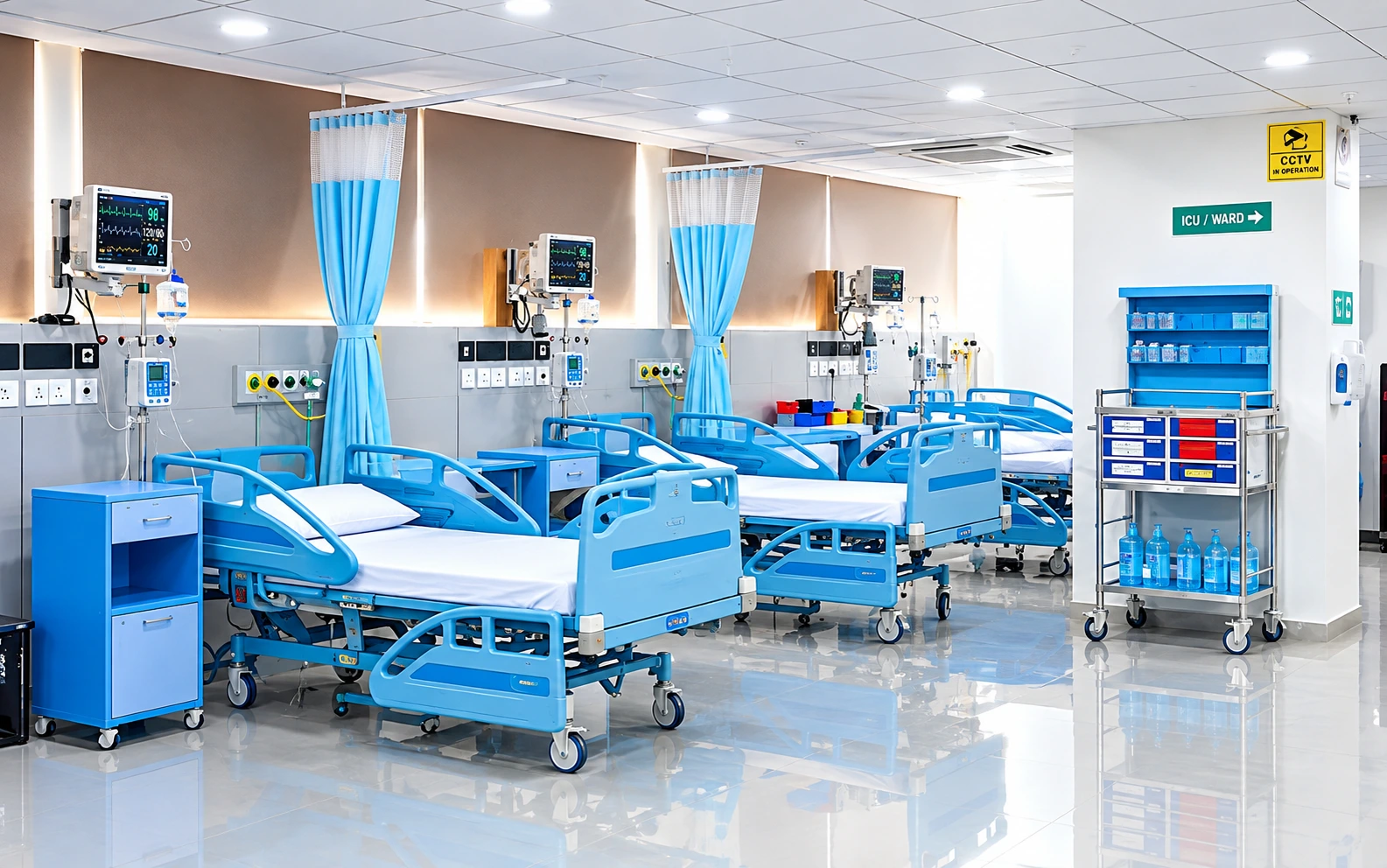
A comprehensive multispecialty hospital should have appropriately equipped operating theatres supported by anaesthesia, surgical, sterilization and post-operative care infrastructure. Safe surgery involves more than the procedure itself. Patients may need pre-operative assessment, anaesthesia evaluation, specialized instruments, continuous monitoring and appropriate recovery support.
What Should Comprehensive Surgical Infrastructure Support?
- Modular Operating Theatres
- Appropriate Anaesthesia Equipment
- Trained Anaesthesia Professionals
- Specialty-Specific Surgical Equipment
- Controlled Sterile Environments
- Pre-Operative Preparation
- Post-Operative Recovery and Monitoring
- Access to Laboratory and Imaging Support
- Blood-Support Services When Clinically Required
- Critical-Care Support for Patients Requiring Closer Observation
The requirements can vary depending on the procedure. Orthopaedic surgery, abdominal surgery, ophthalmic procedures and minimally invasive operations may require different equipment, workflows and specialist support.
Why Are Modular Operating Theatres Important?
A modular operating theatre is designed to provide a controlled surgical environment that supports infection prevention, efficient workflow and equipment integration.
However, the presence of a modular OT alone does not determine the quality of surgical care. The surrounding clinical support is equally important.
What About Advanced Surgical Procedures?
Some multispecialty hospitals also provide specialized infrastructure such as a Cath Lab for interventional cardiac procedures and equipment for laparoscopic or minimally invasive surgery.
These capabilities can expand the range of procedures that can be performed within the hospital. Their effectiveness, however, depends on appropriately trained specialists, anaesthesia support, monitoring and suitable emergency backup.
5. Dialysis and Renal Care Support
A comprehensive multispecialty hospital should have access to dialysis and appropriate renal-care support for patients who require kidney-related treatment or renal replacement therapy.
Kidney disease may occur independently or alongside other medical conditions. Patients with advanced kidney failure may require regular dialysis, while hospitalized patients can develop acute kidney problems that need close monitoring and specialist management.
What Should a Hospital Dialysis Service Support?
- Appropriate Dialysis Equipment
- Patient Monitoring During Treatment
- Trained Healthcare Personnel
- Medical Supervision
- Infection-Prevention Practices
- Laboratory Monitoring When Clinically Required
- Coordination With Nephrology and Relevant Specialties
Why Is Renal Support Valuable in a Multispecialty Setting?
The importance of dialysis extends beyond patients who already receive regular treatment.
A patient admitted with a serious infection, cardiovascular condition, major surgery or another complex illness may develop kidney-related complications during hospitalization. In such situations, renal care may need to be coordinated with the patient's wider treatment plan.
Having appropriate renal support within a broader hospital environment can make this coordination more practical when clinically required.
6. 24/7 Pharmacy and Medication Support
A hospital providing continuous medical care should ideally have round-the-clock pharmacy support where applicable, allowing prescribed and essential medications to be accessed without unnecessary delays.
Medication needs can arise at any time. Emergency patients may require immediate treatment, admitted patients may have changing prescriptions and patients undergoing procedures may need specific medicines before or after treatment.
What Should Effective Hospital Pharmacy Support Provide?
- Access During the Hospital's Operating Pharmacy Hours
- Dispensing of Prescribed Medicines
- Inpatient Medication Support
- Emergency Medication Availability
- Appropriate Medicine Storage
- Accurate Dispensing and Labelling
- Medication-Related Guidance When Required
A hospital pharmacy is more than a place where medicines are dispensed.
It contributes to the wider medication-management process by connecting the prescription with appropriate dispensing, storage and patient instructions.
Why Does 24/7 Pharmacy Access Matter?
Consider a patient who receives emergency treatment late at night and is prescribed medication before discharge. If the required medicine is not readily accessible, the patient or family may need to locate an external pharmacy at an already stressful time.
Where round-the-clock pharmacy services are available, the process can be more convenient:
Prescription → Medication Review → Dispensing → Instructions → Continued Treatment
For admitted patients, pharmacy support can also contribute to medication continuity as treatment changes during the hospital stay.
7. Blood Bank and Transfusion Support
A multispecialty hospital should have reliable access to blood and transfusion support when blood or blood components are clinically required.
Blood support can become particularly important during major trauma, significant blood loss, selected surgical procedures and certain obstetric or medical emergencies.
What Should Blood-Support Infrastructure Involve?
- Appropriate Blood Storage
- Blood Grouping and Compatibility Procedures
- Safe Handling and Issue of Blood Components
- Transfusion Support
- Coordination With Emergency and Surgical Teams
- Processes for Urgent Blood Requirements
A blood bank is therefore not simply a storage facility.
Transfusion safety depends on the complete process, from appropriate testing and storage to correct identification, issue and administration.
Why Is Timely Access Important?
When significant blood loss occurs, clinicians may need to act quickly. Delays in obtaining compatible blood can complicate emergency management.
This makes blood-support capability an important part of a hospital's preparedness for situations where transfusion becomes clinically necessary.
8. Inpatient and Outpatient Care Facilities
A comprehensive hospital should provide well-organized outpatient and inpatient services that support patients at different stages of treatment.
Outpatient care generally involves consultation, assessment, investigation, treatment and follow-up without hospital admission. Inpatient care provides a supervised environment for people who require continued observation, treatment or recovery within the hospital.
What Should Outpatient Services Support?
- Specialist Consultations
- Initial Medical Assessment
- Follow-Up Consultations
- Specialty Clinics
- Diagnostic Referrals
- Treatment Planning
- Pre-Operative Consultations
For many patients, outpatient consultation is the starting point of their healthcare journey. A well-organized process can help patients move toward appropriate investigation, treatment or specialist referral.
What Should Inpatient Facilities Support?
Depending on the hospital's scope, inpatient care may include:
- General Wards
- Individual or Private Rooms Where Available
- Semi-Private Accommodation
- Trained Nursing Staff
- Regular Medical Review
- Patient Monitoring
- Medication Administration
- Post-Operative Care
- Access to Specialist and Diagnostic Services When Required
The quality of inpatient care is not determined by room comfort alone.
It also depends on how effectively doctors, nurses and supporting teams monitor the patient's condition, respond to changes and coordinate care throughout the admission.
Why Are Inpatient and Outpatient Services Both Important?
A patient's healthcare journey may move between these settings. Someone may begin with an outpatient consultation, undergo investigations, require admission for treatment and later return for follow-up.
This makes both settings important components of a comprehensive hospital environment.
9. Ambulance and Emergency Transport Services
A hospital providing emergency care should have reliable ambulance support appropriate to the types of emergencies it manages.
An ambulance is not simply a vehicle for transporting a patient. For someone with an unstable medical condition, the journey itself may require monitoring, emergency equipment and trained personnel.
What Should Hospital Ambulance Support Include?
- 24/7 Availability Where Provided
- Appropriate Emergency Equipment
- Life-Support Equipment Suited to the Ambulance
- Ventilator Support Where Equipped
- Trained Paramedical Personnel
- Safe Patient-Transfer Procedures
- Communication With the Receiving Emergency Team
A patient with serious trauma, breathing difficulty, altered consciousness or another unstable condition may deteriorate during transportation.
A properly equipped ambulance can therefore provide an important clinical link between the location of the emergency and the hospital's emergency department.
What Should Families Look for Beyond "Ambulance Available"?
The more useful question is whether the ambulance is appropriately equipped and staffed for the type of emergency being managed.
For serious cases, coordination between the ambulance team and receiving emergency department can also help prepare the hospital for the patient's arrival.
10. Rehabilitation and Continuity of Care
A patient's treatment does not necessarily end when the immediate medical problem has been addressed.
A comprehensive healthcare environment should therefore provide appropriate rehabilitation and follow-up support for patients who need continued recovery assistance.
Rehabilitation May Be Relevant After:
- Orthopaedic Procedures
- Joint Replacement
- Major Injuries
- Stroke and Neurological Conditions
- Prolonged Hospitalization
- Certain Surgeries
- Conditions Affecting Mobility or Physical Function
What Can Rehabilitation Support Include?
- Physiotherapy
- Mobility and Strengthening Exercises
- Functional Recovery
- Post-Operative Rehabilitation
- Exercise Guidance Where Clinically Appropriate
- Follow-Up Assessment
- Home Healthcare Support Where Available
The rehabilitation plan should be based on the patient's diagnosis, procedure, physical condition and recovery goals rather than applying the same programme to everyone.
Why Does Recovery Continue After Discharge?
Discharge does not necessarily mean that recovery is complete. Patients may still need clear guidance about:
- Medicines to Continue
- Activities to Avoid or Gradually Resume
- Follow-Up Appointments
- Warning Symptoms Requiring Medical Attention
- Physiotherapy or Rehabilitation
- Follow-Up Investigations Where Clinically Required
A hospital's role in patient care can therefore extend beyond the immediate procedure or admission, particularly for patients who need structured recovery and ongoing medical supervision.
Why Deepam Multispeciality Hospital Can Be a Practical Choice for Your Healthcare
For families considering healthcare in Tambaram, the value of a multispecialty hospital lies in having medical expertise and supporting infrastructure available within a connected healthcare environment.
Deepam Multispeciality Hospital is located at 327, Muthurangam Road, West Tambaram, Chennai, Tamil Nadu 600045, giving patients and families a clearly identifiable healthcare location when looking for multispecialty care in and around Tambaram.
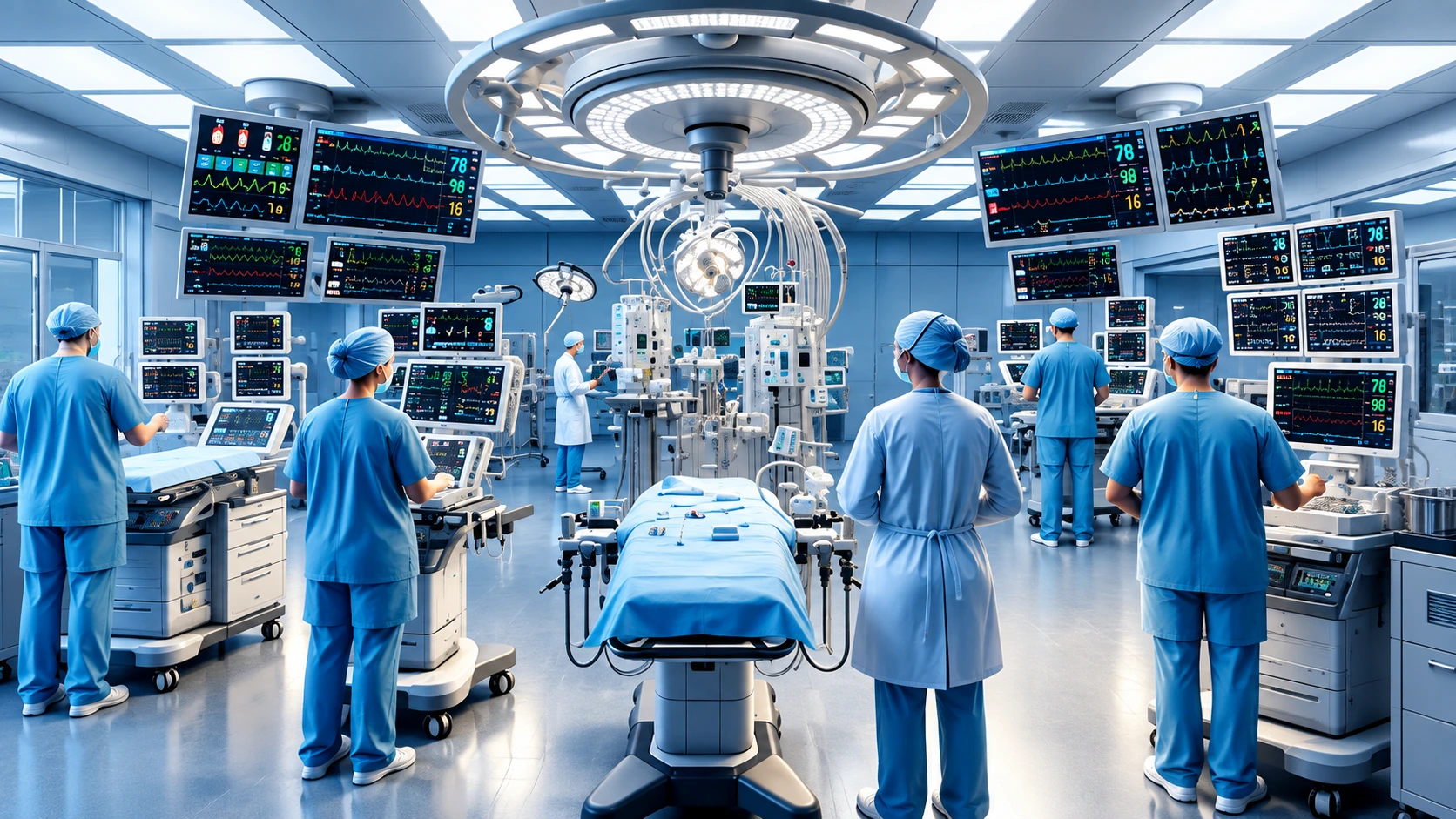
Deepam provides a broad healthcare environment where patients can access medical consultation, diagnostic evaluation, emergency support, treatment and recovery-related care according to their individual requirements.
What Makes This Practical for Patients?
- Multiple Areas of Medical Expertise – Different medical and surgical specialties are available within a broader multispecialty healthcare setting, which can be useful when a patient's condition requires more than one area of expertise.
- Round-the-Clock Emergency Capability – Continuous emergency and casualty support can be important when sudden illness, injury or other urgent medical situations occur outside routine consultation hours.
- Integrated Diagnostic Support – Diagnostic and laboratory capabilities can assist clinicians with assessment, treatment planning and monitoring when investigations are clinically required.
- Critical-Care Capability – Intensive-care infrastructure provides an appropriate environment for patients who require closer observation, advanced monitoring or intensive medical management.
- Surgical and Procedural Support – Operating theatre infrastructure and related clinical services support patients undergoing planned or urgent procedures.
- Continuity Across Treatment Stages – Patients may move from consultation and investigation to treatment, admission, recovery and follow-up according to their clinical requirements.
- Recovery and Rehabilitation Support – Physiotherapy and rehabilitation can help suitable patients continue working toward improved mobility, function and independence after treatment.
For individuals and families in Tambaram and West Tambaram, this combination of medical expertise and supporting infrastructure can make Deepam Multispeciality Hospital a practical option when looking for comprehensive healthcare within one hospital environment.
How Should You Evaluate a Multispecialty Hospital Beyond Its Facility List?
A hospital may list numerous departments, technologies and services, but the presence of a facility alone does not explain how effectively it supports patient care.
A more meaningful evaluation looks at how the hospital operates around those facilities and whether the available resources match the patient's actual healthcare needs. Consider:
- Availability – Is the required service available when the patient is likely to need it?
- Clinical Staffing – Are appropriately trained healthcare professionals available to provide and support the service?
- Response Capability – Can the hospital escalate care when a patient's condition becomes more serious?
- Communication – Can relevant clinical teams access and communicate important patient information when different areas of care are involved?
- Continuity – Does care remain coordinated beyond the immediate consultation, procedure or admission?
- Patient Safety – Are appropriate processes followed for patient identification, medication use, monitoring, infection prevention and clinical escalation?
- Accessibility – Is the hospital reasonably accessible from the patient's home, workplace or usual area?
- Insurance and Financial Support – Does the hospital accept the patient's relevant insurance or provide applicable cashless options?
These factors provide a more realistic picture of hospital capability than simply counting departments, machines or services.
Which Hospital Facilities Matter Most for Different Patient Needs?
Not every patient requires every hospital service at the same time. The most relevant capabilities depend on the patient's condition, urgency and stage of treatment.
| Patient Situation | Particularly Relevant Capabilities |
|---|---|
| Accident or serious injury | Emergency assessment, triage, imaging, critical care, blood support and ambulance |
| Sudden chest pain | Emergency assessment, ECG, cardiac diagnostics, specialist evaluation and critical care |
| Major surgery | Pre-operative assessment, diagnostics, operating theatre, anaesthesia, inpatient and post-operative support |
| Kidney failure | Nephrology, dialysis, laboratory monitoring and medication support |
| Newborn requiring intensive care | Neonatal care, NICU, paediatric support and appropriate diagnostics |
| Child requiring intensive monitoring | Paediatric care, PICU, emergency assessment and diagnostics |
| Chronic medical condition | Specialist consultation, investigations, medication management and follow-up |
| Recovery after surgery or injury | Inpatient care, rehabilitation, physiotherapy and follow-up |
This is why there is no single hospital facility that can be considered the most important for everyone.
The right combination depends on the patient's condition, urgency, age, treatment requirements and stage of recovery.
What Are Commonly Overlooked Hospital Capabilities?
Patients often focus on visible features such as room categories, hospital size or the number of specialists. However, some important elements of patient care are less visible.
Infection Prevention Practices
Appropriate infection-prevention practices are important across hospital departments, particularly for patients undergoing procedures or staying in the hospital for longer periods.
Patient Identification and Safety Processes
Correct patient identification, medication verification and clear communication of important clinical information are fundamental components of safe healthcare delivery.
Discharge Planning
A well-planned discharge should give patients and caregivers clear information about medicines, follow-up appointments, activity restrictions, warning symptoms and ongoing care requirements.
Communication Between Care Teams
Patients with complex conditions may require input from more than one specialty. Clear communication between teams can help reduce fragmented decision-making.
Escalation of Care
A patient's condition can change after admission or treatment. Hospitals need processes that allow deterioration or new concerns to be recognized and addressed appropriately.
Family and Caregiver Communication
For children, older adults and seriously ill patients, families or caregivers may play an important role in understanding treatment instructions, follow-up requirements and recovery plans.
These capabilities may not appear as separate departments on a hospital website, but they can influence the safety, continuity and overall coordination of patient care.
Why Does Facility Integration Matter More Than a Long List of Services?
A hospital can have many departments without those departments necessarily functioning as a connected system.
The real value of multispecialty care becomes clearer when a patient's needs change during treatment.
A patient may begin with one specialist but later require additional diagnostic evaluation, another specialist's opinion, inpatient observation or rehabilitation. When relevant services can communicate and coordinate within the same healthcare environment, the patient's pathway can become more organized.
The important question is:
Can the hospital adapt the care pathway when the patient's needs change?
The objective is not to make every patient use every department. It is to ensure that the appropriate clinical support is available when the patient's condition requires it.
That is one of the key advantages of a well-organized multispecialty healthcare environment.
Frequently Asked Questions About Multispecialty Hospital Facilities
A comprehensive multispecialty hospital should ideally provide emergency and triage support, critical-care services, diagnostic and laboratory facilities, surgical infrastructure, renal-care support, pharmacy services, blood and transfusion support, inpatient and outpatient care, ambulance services and rehabilitation.
The exact facilities can vary depending on the hospital's specialties, clinical scope and level of care.
Medical emergencies can occur at any time. A 24/7 emergency department allows patients with sudden illness, injuries or potentially serious conditions to receive timely assessment, stabilization and appropriate treatment or escalation.
Triage helps healthcare professionals assess emergency patients according to the urgency and severity of their condition. It allows patients requiring immediate attention to be identified promptly rather than relying only on the order in which patients arrive.
These units provide intensive monitoring and treatment for different patient groups. An ICU generally supports critically ill adults, while a NICU provides specialized care for newborns and a PICU provides intensive care for children.
Investigations such as blood tests, X-ray, ultrasound, CT, MRI and cardiac testing can provide information doctors need to diagnose conditions, plan treatment and monitor a patient's response to care. The appropriate investigation depends on the patient's symptoms and clinical situation.
Blood and blood components may be required when a patient experiences significant blood loss or undergoes a procedure where transfusion is clinically necessary. Timely access can be particularly important in trauma, major surgery and certain medical or obstetric emergencies.
Yes. Round-the-clock pharmacy access can help patients obtain prescribed medicines during emergencies, hospitalization and treatment outside normal daytime hours, depending on the hospital's pharmacy arrangements.
Treatment of the underlying medical condition may not immediately restore strength, mobility or everyday function. Physiotherapy and rehabilitation can help appropriate patients work toward improved physical function and recovery after surgery, injury, neurological conditions or prolonged hospitalization.
A general hospital typically provides broader general medical and surgical care, while a multispecialty hospital brings together multiple medical and surgical specialties with supporting infrastructure.
The exact scope varies between hospitals, so patients should consider the specific expertise and facilities relevant to their healthcare needs.
Consider whether the hospital provides the specialties, clinical infrastructure and level of care relevant to your needs. Emergency readiness, critical care, diagnostics, surgical support, inpatient services, accessibility, ambulance support, rehabilitation and applicable insurance or cashless options may also be relevant.
For families in Tambaram, proximity can be particularly important during urgent situations, while the availability of appropriate specialist and supporting services becomes more important when managing complex or ongoing healthcare needs.
Conclusion
A comprehensive multispecialty hospital should be evaluated by more than the number of departments or machines it lists.
The more important consideration is whether its medical expertise, infrastructure, supporting services, and care processes work together to meet changing patient needs.
Emergency readiness becomes important when care is urgent. Diagnostic capabilities support clinical decision-making. Critical-care infrastructure is relevant when patients require intensive monitoring. Surgical support becomes important when procedures are needed, while rehabilitation and follow-up can support recovery beyond the immediate treatment period.
With branches across Tambaram, Guduvanchery, Perungalathur, Urapakkam, Maraimalai Nagar and Singaperumal Koil (SP Kovil), Deepam Multispeciality Hospital extends its healthcare services to patients and families across these surrounding areas.
Ultimately, the most useful hospital is not necessarily the one with the longest facility list. It is the one with the appropriate expertise, infrastructure, availability and coordination to support the patient's actual healthcare journey.
Contact Us