PCOS vs PCOD Explained by a Gynaecologist: Symptoms, Fertility, Pregnancy & Treatment
Understanding PCOS and PCOD
Introduction
"Doctor, I have irregular periods. Does that mean I have PCOS?"
"I've been told I have PCOD. Is it the same as PCOS?"
"Can I still get pregnant if I have PCOS?"
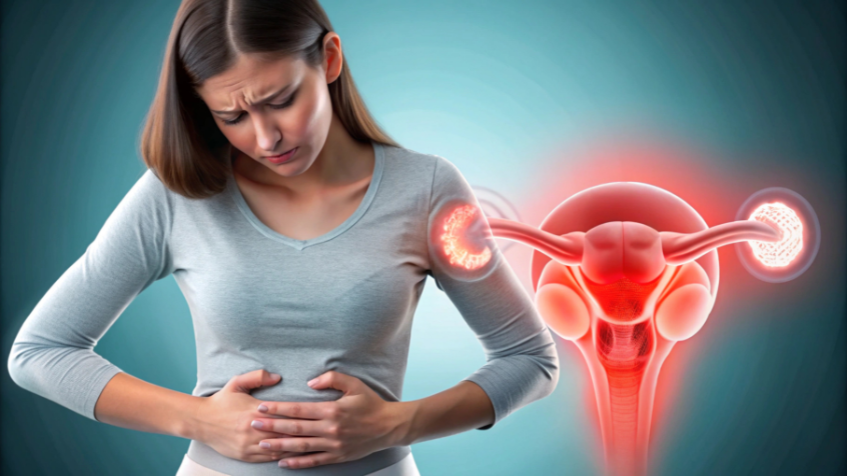
These are some of the most common questions women ask during a consultation. With so much information available online, it's easy to feel confused about what PCOS and PCOD really mean. While the two terms are often used interchangeably, they are not exactly the same. Understanding the difference is the first step towards taking control of your reproductive and overall health.
As a gynaecologist, one of the most rewarding aspects of my practice is helping women understand their bodies and providing the right guidance for their health concerns. Every woman is unique, and conditions like PCOS and PCOD affect each individual differently. With timely diagnosis, the right treatment, and healthy lifestyle changes, most women can successfully manage these conditions and lead healthy lives.
Whether you're experiencing irregular periods, struggling with acne, finding it difficult to conceive, or simply looking to understand your diagnosis better, this guide will help answer your questions in simple and easy-to-understand language
What is PCOS?
Polycystic Ovary Syndrome (PCOS) is a hormonal and metabolic disorder that affects how a woman's ovaries function. It is one of the most common endocrine disorders among women of reproductive age and can influence menstrual cycles, fertility, metabolism, and overall health.
Normally, the ovaries release an egg every month during ovulation. In women with PCOS, hormonal imbalances may interfere with this process, preventing regular ovulation. As a result, small immature follicles may accumulate in the ovaries, giving them a "polycystic" appearance on an ultrasound. However, not every woman with PCOS will have ovarian cysts.
PCOS is more than just a reproductive condition. It can also increase the risk of insulin resistance, weight gain, type 2 diabetes, high cholesterol, and cardiovascular disease if left unmanaged. That's why early diagnosis and long-term care are essential.
Common Features of PCOS
Women with PCOS may experience:
- Irregular or Missed Menstrual Periods
- Difficulty Ovulating
- Excess Facial or Body Hair (Hirsutism)
- Persistent Acne or Oily Skin
- Weight Gain, Particularly Around the Abdomen
- Thinning Hair or Hair Loss
- Difficulty Conceiving
- Darkened Skin Around the Neck or Underarms (A Sign of Insulin Resistance)
Not every woman experiences all these symptoms. Some women may have regular periods but still have PCOS, while others may only notice fertility issues when trying to conceive.
What is PCOD?
Polycystic Ovarian Disease (PCOD) is a condition in which the ovaries produce multiple immature eggs that do not mature properly. These immature follicles remain inside the ovaries and may appear as small cysts on an ultrasound scan.
Unlike PCOS, PCOD is generally considered a less complex condition and is often associated with lifestyle factors such as poor dietary habits, lack of exercise, obesity, stress, and hormonal fluctuations.
Many women with PCOD continue to ovulate, although their menstrual cycles may be irregular. In many cases, lifestyle modifications alone can significantly improve symptoms and restore hormonal balance.
Common Symptoms of PCOD
Women with PCOD may experience::
- Irregular Menstrual Cycles
- Mild Hormonal Imbalance
- Weight Gain
- Acne
- Oily Skin
- Occasional Difficulty with Ovulation
- Mild Facial Hair Growth
Early diagnosis and healthy lifestyle habits can help prevent the condition from progressing and reduce the risk of future complications.
PCOS vs PCOD: What's the Difference?
Although PCOS and PCOD share similar symptoms, they are not identical. Understanding the distinction helps doctors recommend the most appropriate treatment plan.
| PCOS | PCOD |
|---|---|
| A hormonal and metabolic disorder | Primarily an ovarian condition |
| Ovulation is often absent or irregular | Ovulation may still occur |
| Can significantly affect fertility | Fertility is usually less affected |
| Associated with insulin resistance | Less commonly linked to insulin resistance |
| May increase the risk of diabetes, hypertension, and heart disease | Usually has fewer long-term metabolic complications |
| Often requires medical management along with lifestyle changes | Frequently improves with lifestyle modifications |
| Considered a syndrome affecting multiple body systems | Mainly affects ovarian function |
The important thing to remember is that both conditions are manageable. With timely diagnosis and the right care, women with PCOS or PCOD can achieve good reproductive health and improve their overall well-being.
What Causes PCOS and PCOD?
One of the biggest misconceptions is that women develop PCOS or PCOD because they did something wrong. In reality, these conditions are influenced by several biological and lifestyle factors, many of which are beyond a person's control.
Doctors believe that a combination of genetics, hormones, metabolism, and environmental factors contributes to the development of these conditions.
Possible Causes of PCOS
Several factors are believed to play a role in PCOS, including:
- Hormonal Imbalance
- Insulin Resistance
- Elevated Androgen (Male Hormone) Levels
- Family History of PCOS
- Obesity or Excess Body Weight
- Chronic Low-Grade Inflammation
- Sedentary Lifestyle
These factors can disrupt normal ovulation and lead to the symptoms commonly associated with PCOS.
Possible Causes of PCOD
PCOD is often linked to lifestyle and hormonal changes, such as:
- Unhealthy Eating Habits
- Physical Inactivity
- Weight Gain
- Stress
- Hormonal Fluctuations
- Family History
Adopting healthier habits early can often improve symptoms and reduce the impact of PCOD on daily life.
Recognizing the Symptoms: When Should You Pay Attention?
Many women ignore early symptoms, assuming they're simply part of a busy lifestyle or temporary hormonal changes. However, persistent symptoms should never be overlooked.
Common Symptoms of PCOS and PCOD Include:
- Irregular, Infrequent, or Missed Periods
- Heavy or Prolonged Menstrual Bleeding
- Difficulty Becoming Pregnant
- Persistent Acne Beyond the Teenage Years
- Excess Facial, Chest, or Abdominal Hair
- Hair Thinning or Excessive Hair Fall
- Weight Gain or Difficulty Losing Weight
- Dark Patches of Skin Around the Neck, Underarms, or Groin
- Mood Changes, Anxiety, or Depression
- Fatigue and Low Energy Levels
While these symptoms may not always indicate PCOS or PCOD, they should be evaluated by a qualified gynaecologist, especially if they persist for several months.
A Doctor's Advice
One of the most important things I tell my patients is not to panic if they're diagnosed with PCOS or PCOD. These conditions are common, and with the right guidance, they can be managed effectively. The earlier we identify the problem, the better we can protect your fertility, hormonal health, and long-term well-being.
If you've been experiencing irregular periods, difficulty conceiving, unexplained weight gain, or persistent hormonal symptoms, don't ignore them. Seeking medical advice early can make a significant difference in your health journey.
Can PCOS or PCOD Affect Fertility?
One of the biggest concerns women share during consultations is, "Doctor, will I be able to become a mother?" Hearing the words PCOS or PCOD often leads to anxiety, especially for women who are planning a family.
The reassuring news is that having PCOS or PCOD does not mean you cannot get pregnant. Many women with these conditions go on to have healthy pregnancies with the right medical guidance and timely treatment.
The main reason fertility is affected is because both conditions can interfere with ovulation, the process where the ovary releases a mature egg each month. Without regular ovulation, conception becomes more challenging.
How PCOS Affects Fertility
PCOS is one of the leading causes of ovulation-related infertility. Hormonal imbalances can prevent the ovaries from releasing eggs regularly, making it difficult to predict fertile days and achieve pregnancy naturally.
Women with PCOS may experience:
- Irregular or Absent Ovulation
- Infrequent Menstrual Cycles
- Difficulty Conceiving Naturally
- Hormonal Imbalance Affecting Egg Quality
- Insulin Resistance That Impacts Reproductive Health
However, fertility treatments, medications, and lifestyle modifications have helped many women with PCOS successfully conceive.
How PCOD Affects Fertility
PCOD generally has a milder impact on fertility compared to PCOS. Many women with PCOD continue to ovulate, although their menstrual cycles may be irregular.
In many cases, improving diet, maintaining a healthy weight, reducing stress, and exercising regularly can restore ovulation and improve the chances of pregnancy.
The key is not to delay evaluation if pregnancy does not occur after trying for several months, particularly if your menstrual cycles are irregular.
Can Women with PCOS Get Pregnant Naturally?
The answer is yes.
Many women assume that a diagnosis of PCOS means infertility, but that is not true. While PCOS can make conception more challenging, it does not make pregnancy impossible.
Your chances of conceiving depend on factors such as:
- Your Age
- Frequency of Ovulation
- Body Weight
- Overall Hormonal Balance
- Presence of Insulin Resistance
- Your Partner's Fertility
Some women conceive naturally after making lifestyle changes, while others may benefit from medications that stimulate ovulation or fertility treatments recommended by a reproductive medicine specialist.
The earlier PCOS is diagnosed and managed, the better the chances of achieving a healthy pregnancy.
Can PCOS Increase Pregnancy Risks?
Women with PCOS can have healthy pregnancies, but they may require closer monitoring throughout pregnancy.
Because PCOS is associated with hormonal and metabolic changes, some women have a slightly higher risk of developing pregnancy-related complications.
These may include:
- Gestational Diabetes
- Pregnancy-Induced Hypertension
- Preeclampsia
- Miscarriage
- Preterm Delivery
- Larger-Than-Average Baby
- Increased Likelihood of Cesarean Delivery
This does not mean every woman with PCOS will experience complications. Regular antenatal check-ups, appropriate weight management, healthy nutrition, and timely ultrasound monitoring help ensure the best possible outcomes for both mother and baby.
When Should You Consult a Gynaecologist?
Many women ignore irregular periods for years, believing they will become normal with time. Others postpone seeking medical advice until they face difficulty conceiving.
It's important to remember that your menstrual cycle is often an indicator of your overall reproductive health. Persistent changes should not be overlooked.
You should schedule a consultation if you experience:
- Irregular or Missed Periods
- Heavy Menstrual Bleeding
- Difficulty Becoming Pregnant After Trying
- Excessive Facial or Body Hair
- Severe Acne That Doesn't Improve
- Rapid Weight Gain
- Hair Thinning
- Pelvic Pain
- Multiple Ovarian Cysts on Ultrasound
- Recurrent Miscarriages
Maintaining healthy cholesterol levels early in life contributes to better heart health over the long term.
Early medical evaluation allows doctors to identify the underlying cause and begin appropriate treatment before complications develop.
How Are PCOS and PCOD Diagnosed?
There is no single test that confirms PCOS or PCOD. Instead, your gynaecologist evaluates your symptoms, medical history, physical examination findings, and diagnostic investigations before making a diagnosis.
The assessment usually includes:
Medical History
Your doctor may ask about:
- Menstrual Cycle Pattern
- Weight Changes
- Acne
- Hair Growth
- Family History
- Pregnancy History
- Previous Medical Conditions
Physical Examination
This may include assessment of:
- Body Mass Index (BMI)
- Blood Pressure
- Hair Growth Patterns
- Skin Pigmentation
- Acne
- Waist Circumference
Blood Tests
Hormonal investigations may include:
- LH and FSH
- Testosterone Levels
- Thyroid Function
- Prolactin
- Blood Sugar
- HbA1c
- Insulin Levels
- Lipid Profile
These tests help identify hormonal imbalances and metabolic conditions that often accompany PCOS.
Pelvic Ultrasound
An ultrasound scan helps evaluate the ovaries and uterus.
Women with PCOS often have multiple small follicles arranged around the ovaries, while ultrasound findings in PCOD may vary depending on the severity of the condition.
Ultrasound is an important diagnostic tool but is only one part of the overall assessment.
Treatment for PCOS and PCOD
Every woman is different, which means treatment is always personalized. The right treatment depends on your age, symptoms, future pregnancy plans, and overall health.
Rather than focusing only on symptoms, treatment aims to improve hormonal balance, regulate menstrual cycles, protect fertility, and reduce long-term health risks.
Treatment options may include:
Lifestyle Modifications
For many women, healthy lifestyle changes form the foundation of treatment.
These include:
- Maintaining a Healthy Body Weight
- Eating a Balanced Diet Rich in Vegetables, Fruits, Whole Grains, and Lean Protein
- Reducing Refined Sugars and Processed Foods
- Exercising Regularly
- Managing Stress
- Getting Adequate Sleep
Even modest weight loss can help improve ovulation and hormonal balance in women who are overweight.
Medications
Depending on your symptoms, your doctor may recommend medications to:
- Regulate Menstrual Cycles
- Improve Ovulation
- Reduce Insulin Resistance
- Manage Acne
- Control Excessive Hair Growth
- Support Fertility
These medications should always be taken under medical supervision.
Fertility Treatment
For women planning pregnancy, treatment may involve:
- Ovulation Induction Medications
- Follicular Monitoring with Ultrasound
- Timed Intercourse
- Intrauterine Insemination (IUI)
- Advanced Fertility Treatments, If Required
The treatment plan is individualized based on each woman's reproductive goals.
Surgical Management
In selected cases where conservative treatment is unsuccessful or other gynaecological conditions are present, minimally invasive procedures such as laparoscopic surgery or hysteroscopic surgery may be recommended.
These procedures are considered only after careful evaluation and when clinically appropriate.
Can Lifestyle Changes Really Make a Difference?
Absolutely.
One of the most encouraging aspects of managing PCOS and PCOD is that lifestyle changes can significantly improve symptoms and overall health.
Simple, sustainable habits can have a positive impact, including:
- Maintaining a Healthy Weight
- Exercising for at Least 30 Minutes Most Days
- Choosing Nutritious, Balanced Meals
- Managing Stress Through Yoga or Meditation
- Sleeping 7–8 Hours Each Night
- Keeping Regular Follow-Up Appointments
Lifestyle improvements not only support hormonal balance but also reduce the risk of diabetes, heart disease, and pregnancy complications.
Why Choose Dr. Manjula Pandian for PCOS & PCOD Care?
Managing PCOS or PCOD is about more than treating irregular periods or helping you conceive. These conditions can affect your hormonal balance, fertility, pregnancy, metabolism, and long-term health. That's why receiving care from an experienced gynaecologist who understands every stage of a woman's reproductive journey is essential.
At Deepam Hospitals, Dr. Manjula Pandian (MBBS, DGO, Fellow in Reproductive Medicine & Laparoscopy) provides comprehensive and personalized care for women experiencing hormonal disorders, fertility concerns, menstrual irregularities, and pregnancy-related conditions.
With expertise in Reproductive Medicine, High-Risk Pregnancy, Laparoscopic Gynaecology, and Obstetrics, Dr. Manjula believes in identifying the root cause of each patient's concerns rather than simply treating symptoms. Every treatment plan is tailored to the individual's age, lifestyle, reproductive goals, and overall health.
Whether you're trying to regulate your menstrual cycle, planning your first pregnancy, or looking for expert support through a high-risk pregnancy, you can expect compassionate, evidence-based care every step of the way.
Women's Healthcare Services Offered by Dr. Manjula Pandian
Women often visit a gynaecologist for different reasons throughout their lives—from adolescence and family planning to pregnancy, childbirth, and menopause. Dr. Manjula offers a wide range of obstetric and gynaecological services designed to support women at every stage.
Obstetrics Services
- Normal Vaginal Delivery
- Cesarean Section Delivery
- Antenatal Care
- Pregnancy Monitoring
- High-Risk Pregnancy Management
- Obstetric Ultrasound
- Postnatal Care
Gynaecology Services
- PCOS & PCOD Management
- Menstrual Disorder Evaluation
- Hormonal Imbalance Treatment
- Infertility Evaluation & Management
- Family Planning & Preconception Counselling
- Cervical Health Screening
- Menopause Care
Advanced Minimally Invasive Procedures
- Laparoscopic Gynaecological Surgeries
- Laparoscopic Hysterectomy
- Vaginal Hysterectomy
- Hysteroscopic Procedures
- Diagnostic & Operative Hysteroscopy
These advanced techniques often help reduce postoperative discomfort, minimize hospital stay, and support a quicker recovery when clinically appropriate.
When Should You Book an Appointment?
You shouldn't wait until symptoms become severe before consulting a gynaecologist.
Consider scheduling an appointment if you experience:
- Irregular or Missed Menstrual Cycles
- Difficulty Becoming Pregnant
- Recurrent Miscarriages
- Severe Menstrual Pain
- Heavy Bleeding
- Excess Facial Hair
- Persistent Acne
- Rapid Weight Gain
- Pelvic Pain
- Abnormal Ultrasound Findings
- Hormonal Imbalance Symptoms
Early evaluation allows many conditions to be diagnosed sooner, making treatment more effective and helping to reduce the risk of future complications.
Frequently Asked Questions
No. Although the terms are often used interchangeably, PCOS is a hormonal and metabolic syndrome, while PCOD primarily affects the ovaries. Both conditions require proper medical evaluation for an accurate diagnosis.
PCOS generally has a greater impact on hormonal balance, fertility, and long-term metabolic health. However, both conditions should be monitored and managed under the guidance of a gynaecologist.
Yes. Many women with PCOS conceive naturally, while others may benefit from lifestyle changes, ovulation-inducing medications, or fertility treatments based on their individual needs.
No. Fertility treatment is recommended only when pregnancy does not occur naturally after appropriate evaluation and depending on each woman's reproductive goals.
For women who are overweight, losing even a small amount of weight may help improve hormonal balance, regulate menstrual cycles, and support ovulation.
PCOS is considered a long-term condition, but its symptoms can often be effectively managed through lifestyle changes, medications, and regular medical follow-up.
No. Many women with PCOD ovulate regularly and conceive naturally. If pregnancy is delayed, medical evaluation can help identify the cause and guide appropriate treatment.
A balanced diet rich in vegetables, fruits, whole grains, lean proteins, and healthy fats, while limiting refined sugars and processed foods, is generally recommended. A dietitian or your doctor can provide personalised advice.
Women with PCOS may have a higher likelihood of conditions such as gestational diabetes or pregnancy-related hypertension. Regular antenatal care helps monitor and manage these risks.
If your menstrual cycles are consistently irregular, absent, unusually heavy, or accompanied by symptoms such as pelvic pain, acne, excessive hair growth, or difficulty conceiving, it is advisable to seek medical evaluation.
Diagnosis is based on a combination of your medical history, symptoms, physical examination, blood tests, and ultrasound findings. No single test can confirm PCOS.
Stress may influence hormonal balance and can contribute to worsening symptoms in some women. Managing stress through healthy lifestyle habits can support overall well-being alongside medical care.
Final Thoughts
Receiving a diagnosis of PCOS or PCOD can feel overwhelming, but it doesn't define your future. With the right medical guidance, a healthy lifestyle, and ongoing support, these conditions can be effectively managed.
If you've been experiencing irregular periods, difficulty conceiving, unwanted hair growth, persistent acne, or unexplained weight changes, don't ignore these signs. Early consultation can help identify the cause, prevent complications, and support your reproductive health goals.
Whether you're planning for pregnancy, managing hormonal concerns, or simply prioritizing your overall well-being, seeking expert care is an important first step toward a healthier future.
Dr. Manjula Pandian
Consultant Obstetrician & Gynaecologist
Dr. Manjula Pandian provides comprehensive obstetric and gynaecological care with expertise in reproductive medicine and laparoscopic procedures. She is committed to providing personalised care for women's health needs across different stages of life, including fertility, pregnancy, menstrual health, and preventive healthcare.
Areas of Expertise
