- For appointment (+91) 97904 97905
24/7 Emergency & Intensive Care Unit(ICU) Hospital in Singaperumal Koil (SP Koil)
Rapid Emergency Response. Advanced Critical Care. Compassionate Treatment When Every Second Counts.
Deepam Hospitals provides 24/7 Emergency & Trauma Care at its multispeciality hospital in Singaperumal Koil (SP Koil), delivering immediate medical attention for accidents, heart attacks, strokes, breathing emergencies, fractures, burns, poisoning, and other life-threatening conditions. Supported by experienced emergency doctors, advanced ICU facilities, ambulance services, diagnostic imaging, and multidisciplinary specialists, we are equipped to respond quickly when every minute matters.
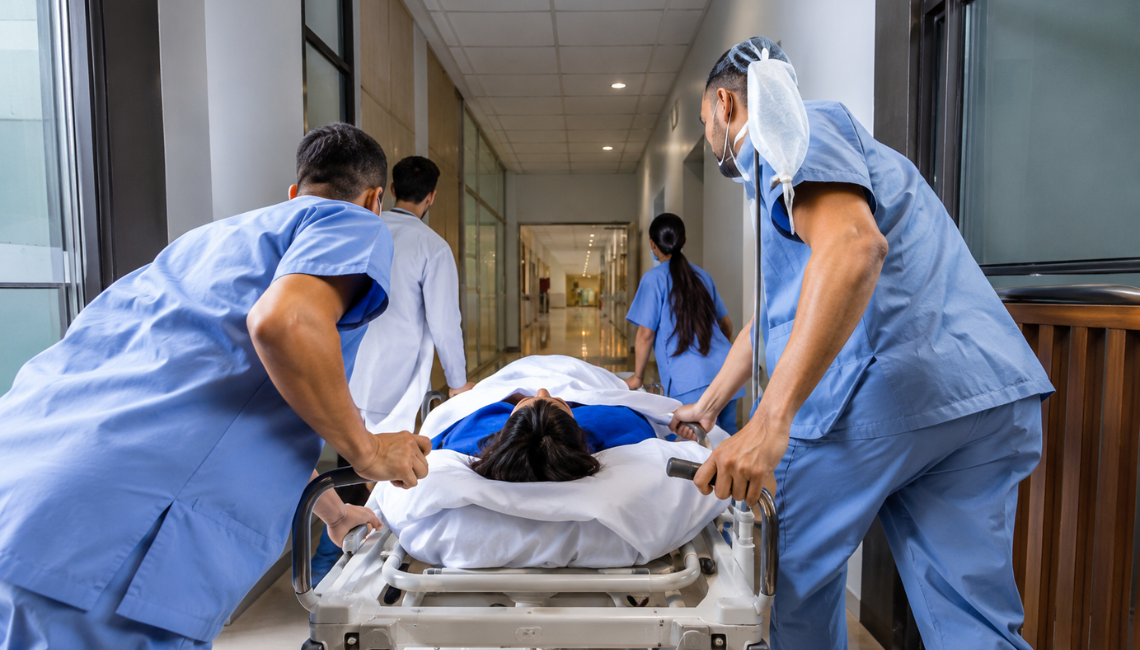
Emergency Care That Never Stops
Medical emergencies can occur without warning, whether it is a serious road traffic accident, sudden chest pain, difficulty breathing, stroke symptoms, severe injuries, or any condition requiring urgent medical attention. During these critical moments, immediate assessment and timely treatment can significantly influence patient outcomes.
At Deepam Hospitals, we understand that emergency care requires speed, expertise, coordination, and advanced medical infrastructure. Our healthcare network includes multispeciality hospitals in Tambaram, Guduvanchery, and Singaperumal Koil (SP Koil), supported by healthcare centres in Perungalathur, Urapakkam, and Maraimalai Nagar. This integrated network enables patients to receive immediate emergency stabilisation, advanced critical care, specialist consultations, and seamless follow-up services across multiple locations.
Our 24-hour Emergency & Trauma Care Department in Singaperumal Koil is designed to manage medical, surgical, orthopaedic, neurological, cardiac, paediatric, and trauma-related emergencies through a coordinated multidisciplinary approach. From emergency triage and resuscitation to intensive care support and emergency procedures, our team works around the clock to deliver prompt, evidence-based care for patients of all ages.
Why Choose Deepam Hospitals for Emergency & Trauma Care?
Medical emergencies require rapid decision-making, immediate access to diagnostics, experienced clinicians, and continuous monitoring. Deepam Hospitals combines these essential elements to provide comprehensive emergency and critical care under one roof.
Our Emergency & Trauma Care Highlights
- 24×7 Emergency Medical Services
- Dedicated Emergency & Trauma Care Team
- Advanced ICU & Critical Care Support
- Medical ICU (MICU)
- Surgical ICU (SICU)
- Cardiac Care Unit (CCU)
- Neonatal Intensive Care Unit (NICU)
- Paediatric Intensive Care Unit (PICU)
- High Dependency Unit (HDU)
- Ventilator & Life Support Facilities
- Advanced Cardiac Life Support
- Emergency Operation Theatre
- Digital X-ray, Ultrasound & CT Imaging Support
- Comprehensive Laboratory Services
- Multidisciplinary Specialist Support
- 24/7 Ambulance Assistance
- Continuous Patient Monitoring
- Coordinated care across multispeciality hospitals in Tambaram, Guduvanchery, and Singaperumal Koil, with follow-up support through healthcare centres in Perungalathur, Urapakkam, and Maraimalai Nagar
Families across Singaperumal Koil, Chengalpattu, Maraimalai Nagar, Guduvanchery, Perungalathur, Urapakkam, Tambaram, and surrounding areas trust Deepam Hospitals for timely emergency medical care.
What is Emergency & Trauma Care?
Immediate Medical Care for Critical Health Conditions
Emergency and Trauma Care is a specialised medical service that provides immediate assessment, stabilisation, diagnosis, and treatment for patients experiencing life-threatening illnesses, serious injuries, or medical emergencies that require urgent intervention.
Unlike routine outpatient care, emergency medicine focuses on conditions where delays in treatment may increase the risk of serious complications. Emergency physicians work closely with specialists across multiple disciplines to provide rapid diagnosis, stabilise the patient, and initiate appropriate treatment without delay.
Trauma care specifically addresses injuries caused by road traffic accidents, falls, workplace injuries, sports injuries, burns, and other forms of physical trauma. Depending on the severity of the injury, patients may require emergency procedures, surgery, intensive care, or ongoing rehabilitation.
Medical Emergencies We Commonly Treat
Our Emergency & Trauma Care Department is equipped to evaluate and manage a wide range of adult and paediatric emergencies.
Medical Emergencies
- Chest pain and suspected heart attack
- Stroke symptoms
- Sudden difficulty breathing
- Severe asthma attacks
- High fever with complications
- Uncontrolled seizures
- Severe allergic reactions (Anaphylaxis)
- Diabetic emergencies
- Poisoning and drug overdose
- Loss of consciousness
Trauma Emergencies
- Road traffic accidents
- Head injuries
- Fractures and dislocations
- Deep cuts and lacerations
- Sports injuries
- Crush injuries
- Burns and electrical injuries
- Workplace injuries
- Fall-related trauma
- Multiple injuries (Polytrauma)
Surgical Emergencies
- Acute abdominal pain
- Appendicitis
- Gastrointestinal bleeding
- Hernia complications
- Bowel obstruction
- Emergency surgical conditions
Every patient undergoes a structured clinical assessment to determine the severity of the condition and prioritise treatment according to medical urgency.
When Should You Visit the Emergency Department?
Some medical conditions require immediate emergency evaluation rather than waiting for a routine appointment. Recognising these warning signs can help patients receive timely medical attention.
Seek emergency care immediately if you experience:
- Sudden or severe chest pain
- Difficulty breathing or persistent shortness of breath
- Weakness or numbness affecting one side of the body
- Difficulty speaking or sudden confusion
- Loss of consciousness
- Severe head injury
- Heavy bleeding that does not stop
- Major burns
- Serious fractures or deformities
- Seizures lasting longer than expected
- Poison ingestion
- Severe allergic reactions with facial swelling or breathing difficulty
- Persistent severe abdominal pain
- Sudden vision loss
- Serious injuries following an accident
If you are uncertain whether a condition is an emergency, it is safer to seek immediate medical assessment rather than delay treatment.
Every Minute Matters in an Emergency
Why Early Medical Attention Can Save Lives
Many emergency conditions, including heart attacks, strokes, severe trauma, and respiratory distress, are time-sensitive. Early diagnosis and immediate medical intervention can reduce complications and improve the chances of recovery.
During an emergency, the first few minutes are often the most critical. Prompt assessment allows emergency physicians to identify life-threatening conditions, stabilise vital functions, begin appropriate treatment, and arrange specialist care whenever necessary.
At Deepam Hospitals, emergency care follows internationally recognised emergency medicine principles, ensuring patients receive timely evaluation, continuous monitoring, and coordinated treatment based on their clinical condition.
Our Emergency Assessment & Triage Process
Every patient arriving at the Emergency Department is evaluated through a structured triage system that helps prioritise treatment according to the severity of the illness or injury.
Step 1 — Immediate Triage
Emergency nurses and physicians rapidly assess the patient's condition, vital signs, symptoms, and level of urgency.
Step 2 — Initial Stabilisation
Life-threatening conditions such as breathing difficulties, severe bleeding, cardiac arrest, or shock are treated immediately to stabilise the patient.
Step 3 — Emergency Diagnosis
Depending on the clinical situation, diagnostic investigations such as blood tests, ECG, X-rays, CT scans, ultrasound, or other imaging studies may be performed to identify the underlying cause.
Step 4 — Specialist Consultation
When required, emergency physicians collaborate with specialists in cardiology, orthopaedics, neurology, general surgery, anaesthesiology, paediatrics, and critical care to ensure comprehensive management.
Step 5 — Ongoing Care
Based on the patient's condition, treatment may continue in the Emergency Department, Intensive Care Unit (ICU), operating theatre, or inpatient ward, with continuous monitoring and follow-up.
Emergency Care at a Glance
| Emergency Condition | Warning Signs | Immediate Care Available |
|---|---|---|
| Heart Attack | Chest pain, sweating, shortness of breath | Emergency assessment, ECG, cardiac stabilisation, ICU support |
| Stroke | Facial drooping, arm weakness, speech difficulty | Rapid neurological assessment, imaging, critical care |
| Trauma & Accidents | Fractures, bleeding, head injury | Trauma stabilisation, imaging, surgery if required |
| Breathing Emergencies | Severe breathlessness, asthma attack | Oxygen therapy, ventilator support, ICU care |
| Burns & Poisoning | Severe burns, toxic ingestion | Emergency stabilisation, critical care, specialist management |
| Surgical Emergencies | Severe abdominal pain, internal bleeding | Emergency evaluation, diagnostics, surgical intervention |
Advanced Trauma Care for Critical Injuries
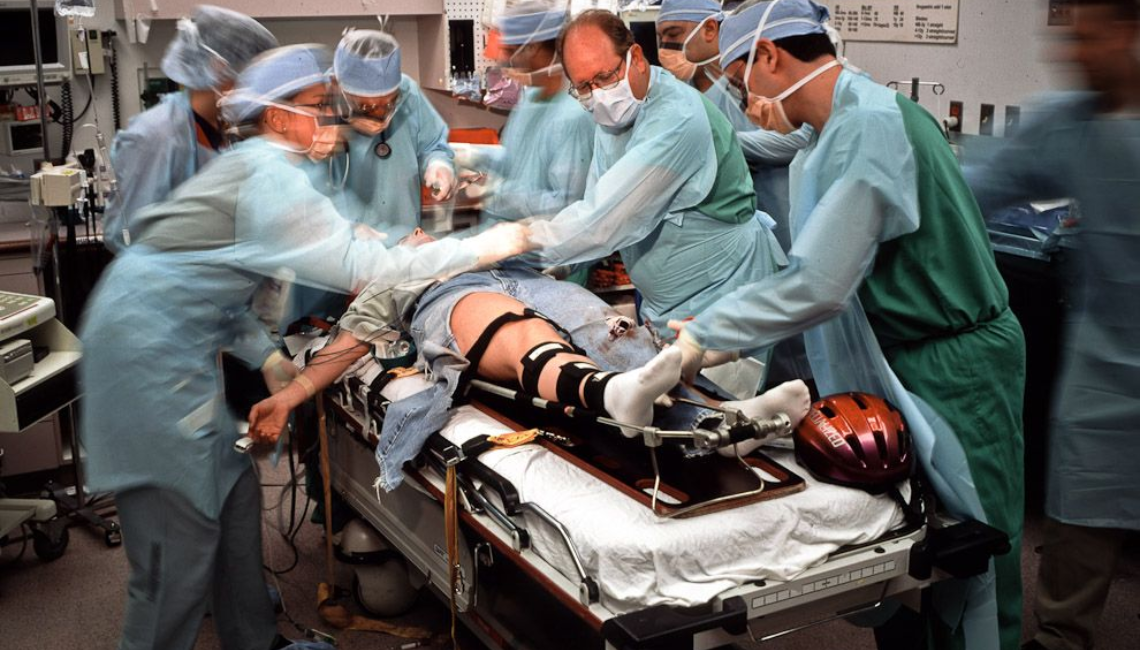
Traumatic injuries require immediate medical attention, rapid stabilisation, and coordinated care from multiple specialists. Whether caused by road traffic accidents, falls, workplace incidents, sports injuries, or other emergencies, prompt intervention plays a vital role in reducing complications and improving recovery.
At Deepam Hospitals, our 24/7 Emergency & Trauma Care Department is equipped to manage patients with minor injuries as well as complex, life-threatening trauma. Our emergency physicians work alongside orthopaedic surgeons, general surgeons, anaesthesiologists, critical care specialists, radiologists, and other experts to deliver timely and comprehensive trauma care.
We provide emergency care for:
- Road traffic accidents
- Polytrauma (multiple injuries)
- Head and facial injuries
- Chest trauma
- Abdominal trauma
- Fractures and dislocations
Why Choose 24/7 Emergency Care Instead of Waiting?
Seeking immediate emergency medical attention can make a significant difference in preventing complications and improving treatment outcomes. At Deepam Hospitals, our 24/7 Emergency & Trauma Care team is always prepared to respond when every second counts.
Why immediate emergency care matters:
- Early diagnosis of serious illnesses and life-threatening conditions.
- Immediate treatment without unnecessary delays.
- Rapid stabilisation for critically ill or injured patients.
- 24/7 access to experienced emergency physicians.
- Advanced diagnostic support, including ECG, CT Scan, X-ray, ultrasound, and laboratory services.
- Immediate access to ICU, CCU, MICU, SICU, NICU, PICU, and HDU when critical care is required.
- Emergency Operation Theatre available for urgent surgical interventions.
- Multidisciplinary specialist support for cardiac, neurological, orthopaedic, surgical, paediatric, and trauma emergencies.
- Continuous patient monitoring using advanced life-support equipment.
- Improved chances of recovery through timely, coordinated, and evidence-based emergency care.
- Soft tissue injuries
- Severe cuts and lacerations
- Workplace and industrial injuries
- Sports-related trauma
Road Traffic Accident (RTA) Emergency Care
Road traffic accidents are among the leading causes of serious injuries and require rapid medical evaluation. Patients may present with fractures, internal bleeding, head injuries, spinal injuries, chest trauma, or multiple organ injuries that demand immediate intervention.
At Deepam Hospitals, every trauma patient undergoes a structured emergency assessment to identify life-threatening conditions quickly. Our multidisciplinary team works together to stabilise the patient, perform necessary diagnostic investigations, and initiate definitive treatment without unnecessary delays.
Emergency care may include:
- Airway and breathing stabilisation
- Bleeding control
- Fracture immobilisation
- Pain management
- Emergency imaging
- Blood investigations
- Emergency surgical intervention, when required
- Intensive monitoring for critically injured patients
Cardiac Emergencies
Sudden chest pain, heart attack, abnormal heart rhythms, or cardiac arrest require immediate medical attention. Delayed treatment can increase the risk of permanent heart damage and other serious complications.
Our emergency physicians rapidly evaluate patients with suspected cardiac emergencies using clinical assessment, ECG, laboratory investigations, and continuous cardiac monitoring. Patients requiring intensive observation receive specialised care in the Cardiac Care Unit (CCU) with support from cardiologists and critical care specialists.
Common cardiac emergencies include:
- Heart attack (Myocardial Infarction)
- Unstable angina
- Cardiac arrest
- Serious heart rhythm disorders
- Acute heart failure
- Hypertensive emergencies
Stroke & Neurological Emergencies
Stroke is a medical emergency where early diagnosis and treatment are essential for preserving brain function. Immediate evaluation can improve treatment outcomes and reduce long-term disability.
Patients presenting with sudden weakness, facial drooping, speech difficulty, severe headache, dizziness, confusion, or loss of consciousness receive prompt neurological assessment and advanced imaging when clinically indicated.
Our emergency team coordinates care with neurologists, radiologists, intensivists, and rehabilitation specialists to ensure timely management.
Seek immediate medical care if you notice:
- Facial drooping
- Sudden arm or leg weakness
- Difficulty speaking
- Sudden confusion
- Loss of balance
- Severe headache
- Sudden vision changes
Respiratory Emergencies
Breathing difficulties can rapidly become life-threatening without prompt medical intervention. Our emergency department is prepared to evaluate and stabilise patients experiencing respiratory distress using advanced monitoring and life-support equipment.
We provide emergency care for:
- Severe asthma attacks
- Acute respiratory infections
- Pneumonia
- COPD exacerbations
- Respiratory failure
- Allergic airway reactions
- Low oxygen levels
- Breathing difficulties requiring ventilator support
Patients requiring intensive respiratory management receive continuous monitoring in the Intensive Care Unit with access to advanced ventilatory support.
Burns & Wound Care Emergencies
Burn injuries vary in severity and may require immediate medical assessment to prevent infection, reduce tissue damage, and support optimal healing.
Our emergency team evaluates:
- Thermal burns
- Electrical burns
- Chemical burns
- Scald injuries
- Deep lacerations
- Crush wounds
- Bite injuries
- Soft tissue trauma
Treatment is tailored according to the severity and location of the injury and may include wound cleaning, dressing, pain management, fluid replacement, infection prevention, and surgical consultation when necessary.
Poisoning & Drug Overdose
Accidental poisoning and drug overdose require urgent medical evaluation. Early identification of the substance involved and timely supportive treatment are essential to minimise complications.
Seek immediate medical care if you notice:Our emergency physicians provide rapid assessment and continuous monitoring for patients affected by:
- Household chemical poisoning
- Medication overdose
- Food poisoning with severe symptoms
- Agricultural chemical exposure
- Toxic inhalation
- Alcohol-related emergencies
Each patient receives individualised treatment based on clinical evaluation and the nature of the exposure.
Orthopaedic Emergencies
Musculoskeletal injuries require prompt diagnosis to restore function and prevent long-term complications.
Common orthopaedic emergencies treated include:
- Bone fractures
- Joint dislocations
- Ligament injuries
- Tendon injuries
- Crush injuries
- Sports-related injuries
- Pelvic injuries
Emergency management may involve pain control, splinting, casting, reduction procedures, advanced imaging, and surgical intervention when required.
Surgical Emergencies
Certain medical conditions require immediate surgical evaluation to prevent serious complications. Our emergency physicians collaborate closely with general surgeons and anaesthesiologists to provide timely surgical care.
Emergency surgical conditions include:
- Acute appendicitis
- Intestinal obstruction
- Gastrointestinal perforation
- Internal bleeding
- Acute gallbladder inflammation
- Hernia complications
- Severe abdominal trauma
Patients requiring surgery benefit from access to a fully equipped Emergency Operation Theatre and continuous postoperative monitoring.
Comprehensive ICU & Critical Care Services
Patients with severe illnesses or traumatic injuries often require specialised intensive care after emergency stabilisation. Deepam Hospitals provides comprehensive ICU services supported by experienced intensivists, emergency physicians, specialised nurses, and advanced life-support technology.
Our critical care facilities include:
Medical Intensive Care Unit (MICU)
Provides advanced monitoring and treatment for patients with severe infections, respiratory failure, organ dysfunction, poisoning, and other critical medical conditions.
Surgical Intensive Care Unit (SICU)
Supports patients recovering from emergency surgeries, major trauma, and complex surgical procedures requiring close observation.
Cardiac Care Unit (CCU)
Dedicated care for patients experiencing heart attacks, serious cardiac rhythm abnormalities, acute heart failure, and other cardiovascular emergencies.
Neonatal Intensive Care Unit (NICU)
Specialised care for critically ill and premature newborns requiring advanced neonatal monitoring and treatment.
Paediatric Intensive Care Unit (PICU)
Provides intensive care for infants and children with life-threatening illnesses, severe infections, trauma, or respiratory emergencies.
High Dependency Unit (HDU)
Designed for patients who require close monitoring beyond routine inpatient care but do not require full intensive care support.
Advanced Ventilator Support
Mechanical ventilation is available for patients experiencing severe respiratory failure or other conditions requiring assisted breathing, with continuous monitoring by our critical care team.
Advanced Emergency Diagnostics
Accurate diagnosis is essential during medical emergencies. Our emergency department has access to advanced diagnostic facilities that support rapid clinical decision-making and timely treatment.
Available diagnostic services include:
- Digital X-ray
- CT Scan
- Ultrasound Imaging
- Electrocardiogram (ECG)
- Comprehensive Laboratory Services
- Blood Gas Analysis
- Cardiac Biomarker Testing
- Continuous Vital Sign Monitoring
These diagnostic capabilities help emergency physicians quickly identify critical conditions and initiate appropriate treatment without delay.
Multidisciplinary Critical Care Team
Emergency care often requires collaboration between multiple medical specialties. At Deepam Hospitals, patients benefit from coordinated care delivered by experienced professionals working together to manage complex medical emergencies.
Our multidisciplinary emergency team includes:
- Emergency Physicians
- Intensivists
- General Surgeons
- Orthopaedic Surgeons
- Cardiologists
- Neurologists
- Anaesthesiologists
- Paediatricians
- Neonatologists
- Radiologists
- Critical Care Nurses
- Respiratory Therapists
- Emergency Medical Technicians (EMTs)
This collaborative approach ensures seamless care from the emergency department to the ICU, operating theatre, inpatient wards, and rehabilitation, helping patients receive comprehensive treatment throughout their recovery journey.
Experienced Emergency & Critical Care Team
Medical emergencies demand quick decisions, clinical expertise, and seamless coordination between multiple healthcare professionals. At Deepam Hospitals, our 24/7 Emergency & Trauma Care Department is led by experienced emergency physicians who work closely with intensivists, surgeons, anaesthesiologists, cardiologists, neurologists, orthopaedic specialists, paediatricians, and critical care nurses to deliver timely, evidence-based treatment.
From the moment a patient arrives, our team focuses on rapid assessment, immediate stabilisation, accurate diagnosis, and appropriate intervention to improve outcomes during critical situations.
Our emergency care team includes:
- Emergency Physicians
- Critical Care Specialists (Intensivists)
- General & Trauma Surgeons
- Orthopaedic Specialists
- Cardiologists
- Neurologists
- Anaesthesiologists
- Paediatricians & Neonatologists
- Emergency Nurses
- Respiratory Therapists
- Radiologists
- Laboratory Professionals
- Emergency Medical Technicians (EMTs)
Your Emergency Care Journey at Deepam Hospitals
Every medical emergency is managed through a structured clinical pathway to ensure patients receive immediate attention without unnecessary delays.
Step 1 — Emergency Arrival & Registration
Patients arriving by ambulance or walk-in are immediately received by the emergency team for rapid registration and assessment.
Step 2 — Triage Assessment
Our emergency physicians and nurses quickly evaluate the patient's condition, vital signs, symptoms, and medical history to determine the urgency of treatment.
Step 3 — Immediate Stabilisation
Patients with life-threatening conditions receive prompt interventions such as oxygen therapy, airway management, bleeding control, cardiac monitoring, intravenous medications, or resuscitation as required.
Step 4 — Advanced Diagnosis
Our emergency department provides access to laboratory investigations, ECG, Digital X-rays, CT Scan, Ultrasound, and other diagnostic services to identify the underlying condition quickly.
Step 5 — Definitive Treatment
Based on the diagnosis, patients receive appropriate medical treatment, emergency surgery, trauma care, ICU admission, or specialist intervention.
Step 6 — Recovery & Follow-up Care
After emergency stabilisation, patients continue their recovery through inpatient care, intensive care, rehabilitation, or scheduled follow-up consultations as recommended by the treating specialists.
Signs That Require Immediate Emergency Medical Attention
Some symptoms should never be ignored, as delaying treatment can increase the risk of serious complications.
Seek immediate emergency care if you experience:
- Sudden chest pain or pressure
- Difficulty breathing or severe breathlessness
- Sudden weakness or numbness on one side of the body
- Difficulty speaking or understanding speech
- Loss of consciousness or fainting
- Severe head injury
- Heavy bleeding that cannot be controlled
- Major fractures or bone deformities
- Burns involving large areas of the body
- Seizures or repeated convulsions
- Severe allergic reactions with facial swelling or breathing difficulty
- Poison ingestion or suspected drug overdose
- Severe abdominal pain
- Persistent vomiting with dehydration
- Serious injuries following road traffic accidents or falls
If you are unsure whether a condition is an emergency, it is always safer to seek immediate medical evaluation.
Emergency Preparedness Tips
While emergencies cannot always be prevented, being prepared can help ensure faster medical care when every second matters.
Be prepared by:
- Saving your nearest emergency hospital contact number.
- Knowing the quickest route to the hospital.
- Keeping important medical records easily accessible.
- Carrying a list of current medications and allergies.
- Learning basic first aid and CPR if possible.
- Supervising children and elderly family members closely.
- Wearing helmets and seat belts while travelling.
- Seeking immediate medical care instead of delaying treatment.
Emergency Care at a Glance
| Emergency Situation | Immediate Response at Deepam Hospitals |
|---|---|
| Heart Attack | ECG, cardiac stabilisation, CCU support |
| Stroke | Rapid neurological assessment and emergency imaging |
| Road Traffic Accident | Trauma stabilisation, fracture care, surgery if required |
| Severe Breathing Difficulty | Oxygen therapy, ventilator support, ICU admission |
| Major Burns | Emergency burn care, wound management, critical care |
| Poisoning | Immediate stabilisation, monitoring, supportive treatment |
| Severe Fractures | Orthopaedic evaluation, immobilisation, surgical care |
| Surgical Emergencies | Emergency diagnosis and operation theatre access |
Frequently Asked Questions
Yes. Deepam Hospitals provides 24/7 Emergency & Trauma Care, ensuring immediate medical assistance throughout the day and night.
Chest pain, stroke symptoms, breathing difficulties, severe injuries, heavy bleeding, fractures, burns, poisoning, seizures, and loss of consciousness require immediate medical evaluation.
Yes. Our emergency services are supported by MICU, SICU, CCU, NICU, PICU, HDU, and advanced ventilator support for patients requiring intensive monitoring and critical care.
Yes. Ambulance services are available to transport patients safely to the Emergency Department for immediate assessment and treatment.
Yes. Our Emergency Operation Theatre is available for urgent surgical procedures whenever clinically required.
If possible, bring previous medical records, current medications, allergy information, identity proof, and insurance details. However, emergency treatment should never be delayed if these documents are unavailable.
Yes. Our emergency department provides care for infants and children with support from experienced paediatricians, neonatologists, and the Paediatric Intensive Care Unit (PICU) and Neonatal Intensive Care Unit (NICU) when required.
Patients are prioritised based on the severity of their condition through a structured triage system, ensuring critically ill or injured patients receive immediate attention.
No. ICU admission is recommended only for patients who require advanced monitoring or life-support. Many emergency conditions can be treated and managed without intensive care.
Our 24/7 Emergency & Trauma Care services are available at the Deepam Hospitals multispeciality hospital in Singaperumal Koil (SP Koil), with integrated support from our multispeciality hospitals in Tambaram and Guduvanchery, along with follow-up care through our healthcare centres in Perungalathur, Urapakkam, and Maraimalai Nagar.
Medical Disclaimer
The information provided on this page is intended for educational purposes only and should not replace professional medical advice, diagnosis, or emergency medical treatment. If you or someone near you is experiencing a medical emergency, seek immediate medical attention or visit the nearest emergency department without delay.
Get Immediate Emergency Medical Care at Deepam Hospitals
Medical emergencies require prompt action and expert care. Whether you are experiencing a heart attack, stroke, serious injury, breathing difficulty, severe burns, poisoning, or any other life-threatening condition, the experienced emergency team at Deepam Hospitals is available 24 hours a day, 7 days a week to provide rapid assessment, advanced treatment, and comprehensive critical care.
Visit the 24/7 Emergency & Trauma Care Department at Deepam Hospitals, Singaperumal Koil (SP Koil) for immediate medical assistance. Supported by our multispeciality hospitals in Tambaram, Guduvanchery, and Singaperumal Koil, along with our healthcare centres in Perungalathur, Urapakkam, and Maraimalai Nagar, we are committed to delivering timely, compassionate, and life-saving care whenever you need it most.
Contact Us