- For appointment (+91) 97904 97905
Best Physiotherapy & Rehabilitation Centre in Singaperumal Koil (SP Koil)
Expert Rehabilitation Care to Restore Movement, Strength & Independence
Pain, injury, surgery, neurological conditions, and age-related mobility challenges can significantly impact daily life. Physiotherapy and rehabilitation play a vital role in helping individuals recover physical function, improve mobility, reduce pain, and regain confidence in performing everyday activities.
At Deepam Hospitals, our Rehabilitation Medicine & Physiotherapy Department provides comprehensive rehabilitation services tailored to each patient's individual needs. Under the care of Dr. Sandhiya, Physiotherapist, we focus on helping patients achieve optimal recovery through structured rehabilitation programs, evidence-based physiotherapy techniques, and patient-centred care.
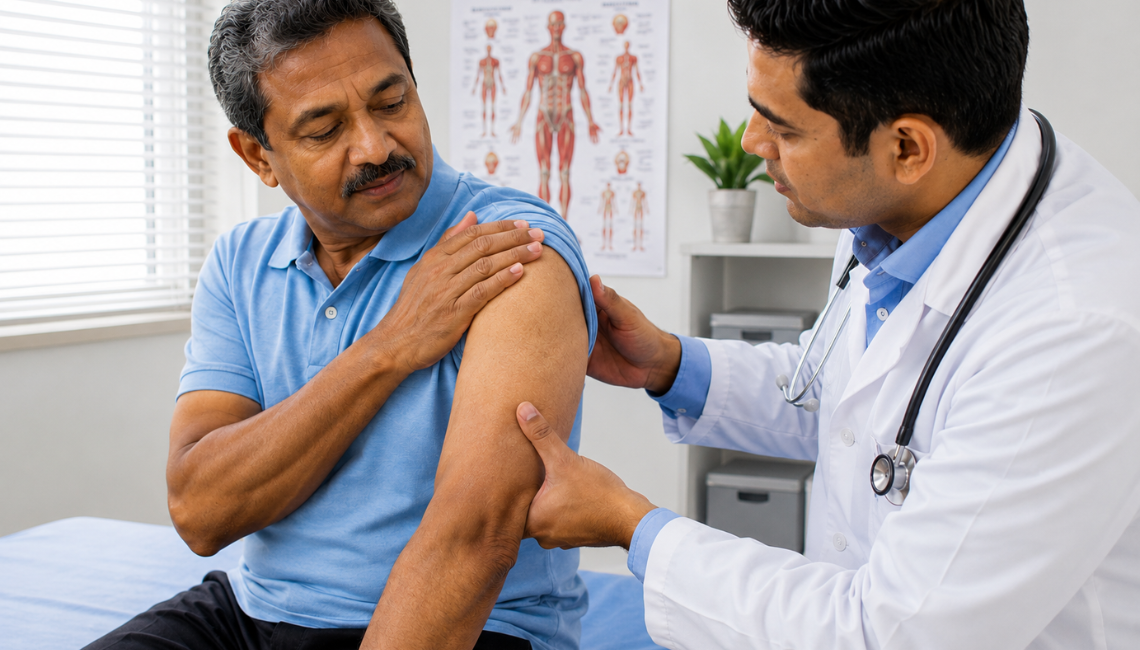
Whether you are recovering from surgery, managing chronic pain, recovering from a stroke, dealing with sports injuries, or seeking to improve mobility and physical function, our rehabilitation team is committed to supporting your recovery journey.
Comprehensive Physiotherapy Services for All Age Groups
Every patient experiences recovery differently. Effective rehabilitation requires a personalised approach that addresses the underlying condition, functional limitations, lifestyle requirements, and long-term health goals.
At Deepam Hospitals, our rehabilitation services support patients with:
- Orthopaedic Conditions
- Sports Injuries
- Post-Surgical Recovery
- Stroke Rehabilitation
- Neurological Disorders
- Spine Disorders
- Joint Pain & Arthritis
- Muscle Injuries
- Chronic Pain Conditions
- Balance & Mobility Disorders
- Geriatric Rehabilitation
- Functional Movement Limitations
With multispeciality hospitals in Tambaram, Guduvanchery, and Singaperumal Koil (SP Koil) and healthcare centres in Perungalathur, Urapakkam, and Maraimalai Nagar, patients have convenient access to integrated rehabilitation care close to home.
Why Choose Deepam Hospitals for Physiotherapy & Rehabilitation?
Successful rehabilitation requires more than symptom management. Our goal is to help patients restore function, improve mobility, prevent future injuries, and achieve greater independence.
Our Rehabilitation Services Include:
- Comprehensive Physiotherapy Assessment
- Pain Management Physiotherapy
- Post-Surgical Rehabilitation
- Orthopaedic Rehabilitation
- Sports Injury Rehabilitation
- Neurological Rehabilitation
- Stroke Rehabilitation
- Gait Training
- Balance & Coordination Training
- Joint Mobility Programs
- Strengthening Exercises
- Functional Rehabilitation
- Fall Prevention Programs
- Home Exercise Guidance
- Long-Term Recovery Support
Patients from Singaperumal Koil, Chengalpattu, Maraimalai Nagar, Mahindra World City, Guduvanchery, Urapakkam, Perungalathur, Tambaram, and surrounding areas trust Deepam Hospitals for comprehensive rehabilitation services focused on long-term recovery and improved quality of life.
What is Physiotherapy?
Physiotherapy is a healthcare profession focused on restoring movement, function, and physical well-being through scientifically supported rehabilitation techniques. It helps patients recover from injuries, surgeries, neurological conditions, musculoskeletal disorders, and mobility limitations.
Physiotherapy aims to:
- Reduce pain
- Improve movement
- Restore muscle strength
- Enhance flexibility
- Improve balance and coordination
- Promote functional independence
- Support long-term recovery
Treatment programs are individualized based on the patient's diagnosis, physical condition, rehabilitation goals, and overall health status.
Understanding Rehabilitation Medicine
Rehabilitation Medicine focuses on helping patients regain physical, functional, and cognitive abilities affected by illness, injury, surgery, or chronic health conditions.
The rehabilitation process often involves collaboration between physiotherapists, orthopaedic specialists, neurologists, physicians, pain specialists, and other healthcare professionals to support complete recovery.
Goals of Rehabilitation Include:
- Restoring physical function
- Improving mobility
- Managing pain effectively
- Preventing complications
- Enhancing independence
- Improving quality of life
- Supporting safe return to daily activities
Conditions Commonly Managed Through Physiotherapy
Our Physiotherapy Department provides rehabilitation programs for a wide range of conditions.
Musculoskeletal Conditions
- Neck Pain
- Back Pain
- Shoulder Pain
- Knee Pain
- Joint Stiffness
- Arthritis
- Muscle Strains
- Tendon Injuries
Orthopaedic Rehabilitation
- Fracture Recovery
- Ligament Injuries
- Joint Replacement Recovery
- Post-Orthopaedic Surgery Rehabilitation
- Mobility Restoration Programs
Neurological Rehabilitation
- Stroke Recovery
- Balance Disorders
- Nerve Injuries
- Neuromuscular Weakness
- Functional Mobility Limitations
Sports Injury Rehabilitation
- Muscle Tears
- Ligament Sprains
- Sports Trauma
- Overuse Injuries
- Return-to-Sport Conditioning
Geriatric Rehabilitation
- Age-Related Mobility Challenges
- Fall Prevention
- Balance Training
- Strength Building
- Functional Independence Programs
Signs You May Benefit From Physiotherapy
Many patients wait until symptoms become severe before seeking rehabilitation care. Early intervention often improves recovery outcomes and helps prevent long-term complications.
You may benefit from physiotherapy if you experience:
- Persistent pain
- Reduced mobility
- Joint stiffness
- Muscle weakness
- Difficulty walking
- Balance problems
- Sports-related injuries
- Recovery after surgery
- Stroke-related movement difficulties
- Difficulty performing daily activities
- Recurrent musculoskeletal injuries
Early assessment allows rehabilitation programs to begin before functional limitations become more severe.
Comprehensive Rehabilitation Assessment
Every rehabilitation program begins with a detailed evaluation designed to identify physical limitations and recovery goals.
Our Assessment Process Includes:
- Pain Assessment
- Joint Mobility Evaluation
- Muscle Strength Testing
- Functional Movement Assessment
- Postural Analysis
- Balance Assessment
- Gait Evaluation
- Flexibility Assessment
- Rehabilitation Goal Planning
These assessments help create a personalised treatment plan that supports safe, effective, and measurable recovery.
Physiotherapy Care at a Glance
| Condition | Common Challenges | Physiotherapy Approach |
|---|---|---|
| Back & Neck Pain | Stiffness, reduced movement | Mobility exercises and strengthening programs |
| Sports Injuries | Pain, instability, weakness | Rehabilitation and return-to-activity training |
| Stroke Recovery | Weakness and movement limitations | Neurological rehabilitation and mobility training |
| Joint Replacement | Reduced mobility and stiffness | Structured post-operative physiotherapy |
| Balance Disorders | Falls and instability | Balance training and functional exercises |
| Arthritis | Pain and restricted movement | Joint mobility and strengthening exercises |
Why Early Rehabilitation Matters
Starting physiotherapy at the appropriate time can significantly improve recovery outcomes and help patients regain function more effectively.
Benefits of Early Physiotherapy Include:
- Faster recovery after injury or surgery
- Reduced pain and stiffness
- Improved flexibility and mobility
- Better muscle strength
- Enhanced balance and coordination
- Reduced risk of complications
- Improved independence
- Better long-term functional outcomes
Orthopaedic Rehabilitation & Post-Surgical Recovery
Recovery after orthopaedic injuries and surgical procedures requires structured rehabilitation to restore strength, flexibility, mobility, and confidence. Physiotherapy plays a critical role in helping patients regain normal movement patterns while reducing pain and preventing long-term complications.
At Deepam Hospitals, rehabilitation programs are designed according to each patient's diagnosis, surgical procedure, physical condition, and recovery goals.
Conditions Commonly Requiring Orthopaedic Rehabilitation
- Fracture Recovery
- Knee Replacement Surgery
- Hip Replacement Surgery
- Ligament Injuries
- Meniscus Injuries
- Shoulder Disorders
- Rotator Cuff Injuries
- Tendon Injuries
- Spine Surgery Recovery
- Joint Reconstruction Procedures
Benefits of Structured Rehabilitation
- Improved joint mobility
- Faster functional recovery
- Reduced pain and stiffness
- Better muscle strength
- Improved balance and coordination
- Enhanced confidence during movement
- Reduced risk of re-injury
Sports Injury Rehabilitation
Sports injuries can affect athletes, fitness enthusiasts, and individuals involved in recreational activities. Appropriate rehabilitation is essential to support recovery and safely return patients to their desired activity levels.
Our rehabilitation programs focus on restoring strength, flexibility, endurance, and movement efficiency while reducing the risk of future injuries.
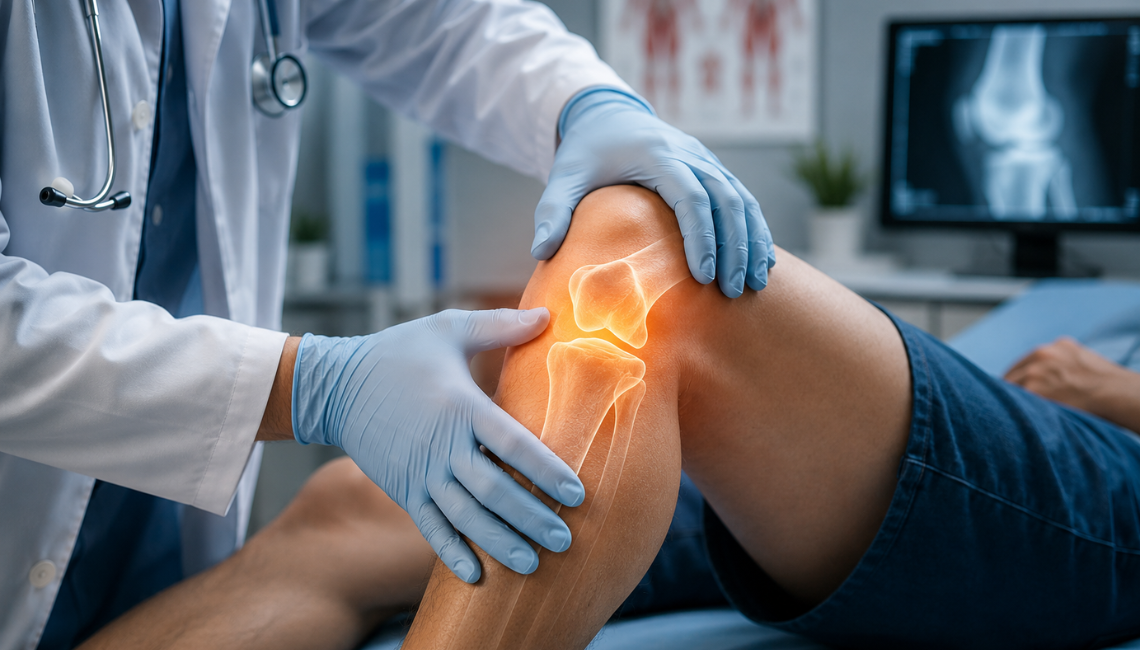
Sports Injuries We Commonly Manage
- Muscle Strains
- Ligament Sprains
- Tendon Injuries
- Sports-Related Knee Injuries
- Shoulder Injuries
- Ankle Injuries
- Overuse Injuries
- Exercise-Related Pain Syndromes
Rehabilitation Goals
- Pain reduction
- Tissue healing support
- Muscle strengthening
- Joint stability improvement
- Movement correction
- Safe return to sports and physical activity
Rehabilitation Focus Areas
- Balance training
- Gait retraining
- Mobility improvement
- Muscle strengthening
- Functional movement training
- SIndependence enhancement
Stroke Rehabilitation
Stroke recovery often requires a multidisciplinary rehabilitation approach to help patients regain movement, strength, balance, and functional independence.
Early rehabilitation can significantly improve recovery outcomes and support long-term quality of life.
Stroke Rehabilitation May Focus On:
- Walking and mobility training
- Balance improvement
- Muscle strengthening
- Coordination exercises
- Functional activity retraining
- Fall prevention strategies
- Independence in daily activities
At Deepam Hospitals, physiotherapists work alongside neurologists and rehabilitation specialists to create personalised recovery plans.
Back Pain, Neck Pain & Spine Rehabilitation
Back pain and neck pain are among the most common reasons people seek physiotherapy. These conditions may result from poor posture, muscle strain, degenerative changes, prolonged sitting, injuries, or occupational factors.
Our rehabilitation programs aim to reduce discomfort while improving spinal mobility, posture, and overall function.
Common Conditions Managed
- Mechanical Back Pain
- Neck Pain
- Postural Dysfunction
- Muscle Tightness
- Spine-Related Mobility Issues
- Chronic Musculoskeletal Pain
Treatment Approaches May Include
- Therapeutic exercises
- Postural correction
- Mobility training
- Flexibility exercises
- Core strengthening programs
- Ergonomic educations
Arthritis & Joint Pain Rehabilitation
Joint pain and arthritis can affect mobility, daily activities, and overall quality of life. Physiotherapy helps patients maintain movement, improve strength, and reduce functional limitations.
Conditions Commonly Treated
- Osteoarthritis
- Age-Related Joint Pain
- Knee Arthritis
- Hip Arthritis
- Shoulder Arthritis
- Joint Stiffness
Rehabilitation Benefits
- Improved joint flexibility
- Better muscle support around joints
- Enhanced mobility
- Reduced stiffness
- Improved physical function
- Greater independence
Geriatric Rehabilitation & Fall Prevention
As people age, changes in muscle strength, balance, coordination, and mobility can increase the risk of falls and injuries. Rehabilitation programs for older adults focus on maintaining independence and promoting safe movement.
Areas of Focus
- Strength Training
- Balance Improvement
- Ligament sprains
- Walking Assessment
- Mobility Enhancement
- Fall Prevention Strategies
- Functional Independence Training
Benefits of Geriatric Rehabilitation
- Reduced fall risk
- Improved confidence
- Better mobility
- Enhanced quality of life
- Increased independence in daily activities
Pain Management Physiotherapy
Persistent pain can interfere with daily activities, work performance, sleep quality, and emotional well-being. Physiotherapy provides non-surgical strategies to manage pain and improve physical function.
Conditions That May Benefit From Pain Management Physiotherapy
- Chronic Back Pain
- Chronic Neck Pain
- Joint Pain
- Muscle Pain
- Sports Injuries
- Post-Surgical Pain
- Movement-Related Pain Conditions
Treatment plans are individualised and may combine exercise therapy, movement training, posture correction, and rehabilitation techniques based on clinical assessment.
Gait, Balance & Mobility Training
Difficulty walking or maintaining balance can increase the risk of falls and affect independence. Our rehabilitation team provides structured programs designed to improve movement efficiency, stability, and confidence.
Patients Who May Benefit Include:
- Older Adults
- Stroke Survivors
- Post-Surgical Patients
- Individuals Recovering From Injury
- Patients With Balance Disorders
Training May Include:
- Walking retraining
- Balance exercises
- Strengthening programs
- Functional movement training
- Fall prevention education
Personalised Rehabilitation Programs
No two patients have identical recovery needs. Every rehabilitation plan at Deepam Hospitals is customised based on the patient's condition, mobility limitations, treatment goals, and overall health status.
Our Patient-Centred Rehabilitation Approach Includes:
- Comprehensive assessment
- Individualised treatment planning
- Evidence-based physiotherapy techniques
- Functional recovery programs
- Mobility restoration strategies
- Patient education and self-management guidance
- Home exercise recommendations
- Continuous progress monitoring
Advanced Rehabilitation Care Close to Home
Deepam Hospitals provides coordinated rehabilitation services through its healthcare network, ensuring patients receive timely and accessible care throughout their recovery journey.
With multispeciality hospitals in Tambaram, Guduvanchery, and Singaperumal Koil (SP Koil) and healthcare centres in Perungalathur, Urapakkam, and Maraimalai Nagar, patients can access comprehensive rehabilitation support, specialist consultations, diagnostic services, and long-term follow-up care under one trusted healthcare network.
Dr. Sandhiya
Physiotherapist
Dr. Sandhiya is committed to helping patients improve mobility, restore physical function, manage pain, and regain independence through evidence-based physiotherapy and rehabilitation programs. She works closely with patients recovering from injuries, surgeries, neurological conditions, musculoskeletal disorders, and age-related mobility challenges, providing personalised treatment plans tailored to their individual recovery goals.
Her patient-focused approach emphasizes safe rehabilitation, functional improvement, injury prevention, and long-term physical wellness. By combining clinical assessment with structured rehabilitation strategies, Dr. Sandhiya helps patients achieve optimal recovery and improved quality of life.
Areas of Focus
Your Physiotherapy & Rehabilitation Journey
At Deepam Hospitals, rehabilitation begins with understanding each patient's unique challenges, recovery goals, and functional limitations. Our structured rehabilitation process ensures personalised care and measurable progress throughout the recovery journey.
Step 1 – Comprehensive Assessment
Your physiotherapist conducts a detailed evaluation of your symptoms, medical history, physical limitations, mobility, strength, posture, and rehabilitation needs.
Step 2 – Functional Evaluation
Movement patterns, joint mobility, muscle strength, balance, coordination, and functional abilities are assessed to identify areas requiring rehabilitation.
Step 3 – Personalised Treatment Planning
Based on the assessment findings, an individualised rehabilitation program is developed to support recovery, mobility improvement, pain management, and functional restoration.
Step 4 – Structured Rehabilitation Sessions
Treatment may include therapeutic exercises, mobility training, strengthening programs, balance exercises, functional rehabilitation, and patient education.
Step 5 – Progress Monitoring
Recovery progress is regularly evaluated, and treatment plans are adjusted when necessary to ensure continued improvement.
Step 6 – Long-Term Wellness Support
Patients receive guidance on home exercises, injury prevention strategies, posture improvement, and lifestyle modifications to support long-term physical health.
Recovery & Rehabilitation Goals
The rehabilitation process aims to help patients safely return to their daily routines, work responsibilities, recreational activities, and physical goals.
Common Rehabilitation Objectives Include:
- Pain reduction
- Improved mobility
- Increased flexibility
- Enhanced muscle strength
- Better balance and coordination
- Improved endurance
- Functional independence
- Safe return to daily activities
Home Exercise & Self-Management Support
Successful rehabilitation often extends beyond clinic visits. Patients are encouraged to actively participate in their recovery through prescribed home exercise programs and healthy lifestyle habits.
Home Exercise & Self-Management Support
Successful rehabilitation often extends beyond clinic visits. Patients are encouraged to actively participate in their recovery through prescribed home exercise programs and healthy lifestyle habits.
Benefits of Home Exercise Programs
- Improved treatment outcomes
- Faster recovery progression
- Better mobility maintenance
- Enhanced muscle strength
- Reduced risk of recurrence
- Greater long-term independence
Our physiotherapy team provides personalised guidance to help patients safely continue their rehabilitation outside the clinic setting.
Tips for Maintaining Strong Bones, Joints & Muscles
Healthy movement begins with proactive physical care. Adopting healthy habits can help reduce the risk of injuries, mobility limitations, and chronic musculoskeletal problems.
Healthy Habits for Better Physical Function
- Stay physically active
- Perform regular stretching exercises
- Maintain a healthy body weight
- Follow proper posture practices
- Strengthen core muscles
- Use ergonomic workstations
- Stay hydrated
- Eat a balanced diet rich in nutrients
- Avoid prolonged sitting
- Seek early treatment for pain or injuries
When Should You Consult a Physiotherapist?
Physiotherapy is beneficial for individuals experiencing movement difficulties, pain, physical limitations, or delayed recovery following injury or surgery.
Consider consulting a physiotherapist if you experience:
- Persistent neck pain
- Chronic back pain
- Hormonal investigations
- Joint stiffness
- Reduced mobility
- Sports injuries
- Muscle weakness
- Balance difficulties
- Walking problems
- Post-surgical recovery challenges
- Stroke-related movement limitations
- Recurrent musculoskeletal injuries
- Difficulty performing daily activities
Early physiotherapy intervention often helps improve recovery outcomes and prevent further complications.
Physiotherapy & Rehabilitation Care at a Glance
| Rehabilitation Need | Symptoms or Challenges | Treatment Focus |
|---|---|---|
| Post-Surgical Recovery | Stiffness, weakness | Mobility restoration and strengthening |
| Sports Injuries | Pain, instability | Functional rehabilitation and conditioning |
| Joint Pain & Arthritis | Reduced mobility | Strengthening and flexibility training |
| Joint Pain & Arthritis | Reduced mobility | Strengthening and flexibility training |
| Back & Neck Pain | Pain, restricted movement | Postural correction and rehabilitation |
| Balance Disorders | Falls, instability | Balance and gait training |
Frequently Asked Questions
Physiotherapy can assist with musculoskeletal pain, sports injuries, post-surgical recovery, neurological conditions, stroke rehabilitation, mobility limitations, balance disorders, and chronic pain management.
The timing depends on the procedure and your surgeon's recommendations. Early rehabilitation is often beneficial and may support improved recovery outcomes.
No. Physiotherapy is also used for neurological conditions, post-operative rehabilitation, arthritis management, mobility improvement, fall prevention, and chronic pain conditions.
The number of sessions varies depending on the condition being treated, its severity, recovery goals, and individual response to rehabilitation.
Many patients with chronic back pain benefit from physiotherapy programs that focus on mobility, posture correction, flexibility, and strengthening exercises.
A physiotherapy assessment typically includes reviewing medical history, evaluating movement patterns, assessing strength and flexibility, and identifying functional limitations.
Yes. Physiotherapy plays an important role in helping patients regain mobility, improve strength, and restore function following joint replacement procedures.
Physiotherapy programs often include strengthening exercises, movement correction, posture training, and injury prevention strategies that may help reduce future injury risk.
Yes. Geriatric rehabilitation programs can help improve mobility, balance, strength, fall prevention, and overall independence in older adults.
Patients can receive rehabilitation care at Deepam Hospitals, Singaperumal Koil (SP Koil), supported by our multispeciality hospitals in Tambaram, Guduvanchery, and Singaperumal Koil, as well as our healthcare centres in Perungalathur, Urapakkam, and Maraimalai Nagar.
Medical Disclaimer
The information provided on this page is intended for educational purposes only and should not be considered a substitute for professional medical advice, diagnosis, or treatment. Every patient's condition and rehabilitation needs are unique. Treatment recommendations are based on individual clinical assessment. If you are experiencing pain, mobility limitations, injury-related concerns, or recovery challenges, consult a qualified healthcare professional for personalised evaluation and treatment.
Begin Your Recovery Journey with Expert Physiotherapy Care at Deepam Hospitals
Physical limitations, injuries, and chronic pain can affect every aspect of daily life, but the right rehabilitation program can help restore movement, confidence, and independence. Whether you are recovering from surgery, managing a sports injury, seeking stroke rehabilitation, or addressing chronic musculoskeletal pain, our dedicated physiotherapy team is here to support your recovery.
Visit the Rehabilitation Medicine & Physiotherapy Department at Deepam Hospitals, Singaperumal Koil (SP Koil) and consult Dr. Sandhiya, Physiotherapist, for personalised rehabilitation care. Supported by our multispeciality hospitals in Tambaram, Guduvanchery, and Singaperumal Koil, along with our healthcare centres in Perungalathur, Urapakkam, and Maraimalai Nagar, we are committed to helping patients regain mobility, restore function, improve physical well-being, and achieve long-term recovery through evidence-based physiotherapy and rehabilitation services.
