- For appointment (+91) 97904 97905
Best Anaesthesiology Services in Singaperumal Koil (SP Koil)
Safe, Personalised Anaesthesia Care Before, During, and After Every Procedure
Anaesthesiology plays a vital role in modern healthcare by ensuring patients remain safe, comfortable, and pain-free during surgical, diagnostic, and emergency procedures. Anaesthesiologists are responsible not only for administering anaesthesia but also for carefully assessing patients before treatment, monitoring vital functions throughout procedures, managing pain effectively, and supporting a smooth recovery afterwards.
At Deepam Hospitals, our Department of Anaesthesiology delivers comprehensive perioperative care using evidence-based practices and advanced monitoring techniques. Whether you are undergoing a planned surgery, an emergency procedure, or a minimally invasive intervention, our experienced anaesthesia team develops a personalised anaesthesia plan based on your medical history, overall health, age, and the type of procedure being performed.
Our commitment is to provide safe anaesthesia care while maintaining the highest standards of patient safety, comfort, and clinical excellence throughout your treatment journey.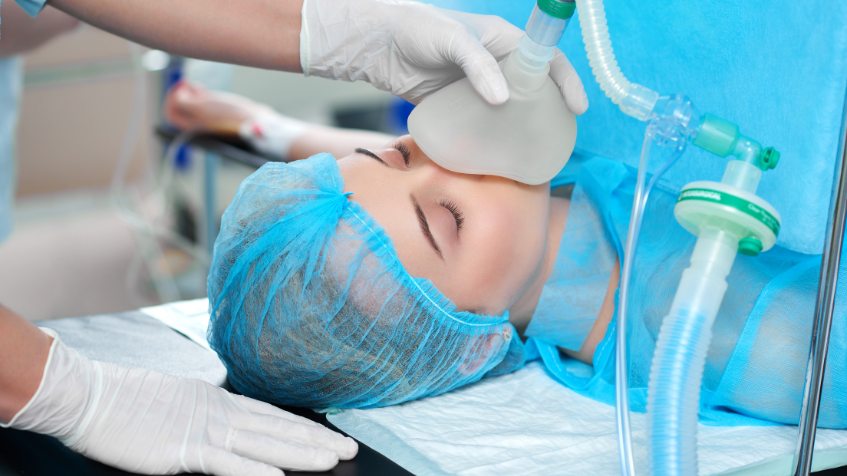
Comprehensive Anaesthesia Care for Every Patient
Anaesthesia is much more than providing pain relief during surgery. It involves careful planning before the procedure, continuous monitoring during treatment, and dedicated postoperative care to help patients recover safely and comfortably.
At Deepam Hospitals, our anaesthesiologists work collaboratively with surgeons, physicians, intensivists, emergency medicine specialists, nurses, and rehabilitation teams to deliver coordinated, patient-centred care across multiple medical specialties.
Our Department of Anaesthesiology supports patients undergoing procedures in:
- General Surgery
- Orthopaedics & Joint Replacement
- Plastic & Cosmetic Surgery
- Urology
- Gastroenterology
- Obstetrics & Gynaecology
- Paediatrics
- ENT Surgery
- Emergency & Trauma Care
- Critical Care Services
- Endoscopy & Day-Care Procedures
Supported by our multispeciality hospitals in Singaperumal Koil (SP Koil), Tambaram, and Guduvanchery, along with our healthcare centres in Perungalathur, Urapakkam, and Maraimalai Nagar, Deepam Hospitals provides accessible, high-quality anaesthesia services for patients across the region.
Why Choose Deepam Hospitals for Anaesthesiology?
Patient safety is the foundation of every anaesthesia service we provide. Our anaesthesiology team follows internationally accepted clinical protocols, advanced monitoring practices, and personalised treatment planning to minimise risks and support better surgical outcomes.
Our Anaesthesiology Services Include
- Pre-Anaesthesia Evaluation
- General Anaesthesia
- Regional Anaesthesia
- Spinal & Epidural Anaesthesia
- Local Anaesthesia
- Conscious Sedation
- Monitored Anaesthesia Care (MAC)
- Airway Management
- Perioperative Monitoring
- Postoperative Pain Management
- Emergency Anaesthesia
- Critical Care Anaesthesia Support
- Ultrasound-Guided Regional Anaesthesia
- Remote Anaesthesia Services
- Interventional Pain Management
Patients from Singaperumal Koil, Chengalpattu, Maraimalai Nagar, Guduvanchery, Urapakkam, Perungalathur, Tambaram, Mahindra World City, and surrounding communities trust Deepam Hospitals for safe, compassionate, and evidence-based anaesthesia care.
What is Anaesthesiology?
Anaesthesiology is a specialised branch of medicine focused on providing pain relief, sedation, and continuous physiological monitoring before, during, and after medical or surgical procedures. Anaesthesiologists ensure that patients remain stable and comfortable while carefully monitoring heart function, breathing, blood pressure, oxygen levels, and other vital parameters throughout treatment.
Beyond the operating theatre, anaesthesiologists also contribute significantly to pain management, intensive care medicine, emergency medicine, trauma care, and life-support services.
The primary goals of anaesthesia care include:
- Providing safe and effective pain relief
- Maintaining patient comfort during procedures
- Supporting stable heart and lung function
- Reducing surgical stress on the body
- Managing pain after surgery
- Promoting safe recovery and early mobilisation
Anaesthesia Services We Provide
Our Department of Anaesthesiology offers comprehensive anaesthesia services for patients of all ages undergoing elective, emergency, and minimally invasive procedures.
Our Services Include
- General Anaesthesia
- Regional Anaesthesia
- Spinal Anaesthesia
- Epidural Anaesthesia
- Local Anaesthesia
- Conscious Sedation
- Day-Care Procedure Anaesthesia
- Emergency Anaesthesia
- Airway Management
- Ultrasound-Guided Regional Blocks
- Perioperative Monitoring
- Postoperative Pain Management
- Critical Care Support
- Remote Anaesthesia Services
Each anaesthesia technique is selected after a detailed medical assessment to ensure the safest and most appropriate approach for every patient.
Who May Need Anaesthesia Services?
Anaesthesia is recommended for patients undergoing procedures that require pain control, sedation, or temporary loss of consciousness to allow treatment to be performed safely and comfortably.
You may require anaesthesia if you are:
- Preparing for elective surgery
- Undergoing emergency surgery
- Scheduled for minimally invasive procedures
- Having diagnostic procedures requiring sedation
- Receiving orthopaedic surgery
- Undergoing plastic or reconstructive surgery
- Having gastrointestinal endoscopy
- Delivering by Caesarean section
- Requiring specialised pain interventions
- Receiving treatment in critical care settings
Why Pre-Anaesthesia Assessment Matters
A comprehensive pre-anaesthesia assessment helps identify health conditions that may influence the choice of anaesthesia or perioperative care. Careful planning improves patient safety, reduces potential complications, and supports a smoother surgical experience.
Benefits of Pre-Anaesthesia Assessment
- Individualised anaesthesia planning
- Identification of medical risk factors
- Review of medications and allergies
- Improved patient safety during surgery
- Better postoperative pain management
- Enhanced communication between specialists
- Reduced perioperative complications
- Faster and safer recovery
Anaesthesiology at a Glance
| Service | Purpose | Patient Benefit |
|---|---|---|
| Pre-Anaesthesia Evaluation | Assess medical fitness | Safer surgical planning |
| General Anaesthesia | Complete unconsciousness | Comfortable surgery |
| Regional Anaesthesia | Numb specific body areas | Effective pain control |
| Procedural Sedation | Relaxation during procedures | Reduced anxiety and discomfort |
| Postoperative Pain Management | Pain relief after surgery | Faster recovery |
| Critical Care Support | Intensive monitoring | Enhanced patient safety |
Pre-Anaesthesia Evaluation
Every patient has unique healthcare needs, and safe anaesthesia begins with a comprehensive pre-anaesthesia evaluation. Before any surgical or diagnostic procedure, our anaesthesiologists carefully assess your overall health to determine the safest anaesthesia technique while reducing potential perioperative risks.
This evaluation allows the anaesthesia team to understand your medical history, identify existing health conditions, and develop an individualised anaesthesia plan that supports patient safety throughout the procedure.
During the Pre-Anaesthesia Assessment, We May Review:
- Medical history
- Previous surgeries and anaesthesia experience
- Current medications
- Drug and food allergies
- Heart and lung health
- Existing medical conditions
- Airway assessment
- Laboratory investigations (when clinically required)
- Diagnostic reports relevant to surgery
Every assessment is personalised to ensure the safest possible anaesthesia care.
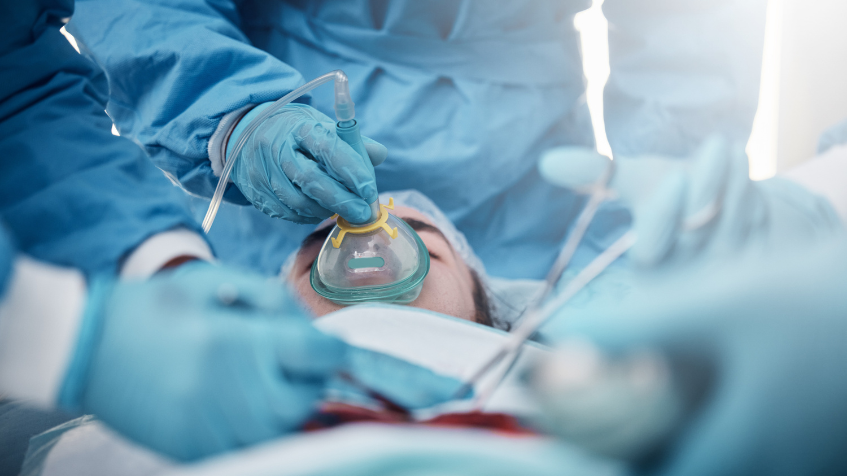
General Anaesthesiah
General anaesthesia temporarily produces a controlled state of unconsciousness, allowing surgical procedures to be performed safely without pain or awareness.
During the procedure, our anaesthesiology team continuously monitors heart function, breathing, blood pressure, oxygen levels, and other vital parameters while adjusting anaesthesia according to the patient's condition.
General anaesthesia is commonly used for:
- Major surgical procedures
- Abdominal surgery
- Orthopaedic surgery
- Plastic and reconstructive surgery
- Emergency surgery
- Selected paediatric procedures
- Complex surgical interventions
Continuous monitoring ensures patient safety from the beginning of surgery until recovery.
Regional Anaesthesia
Regional anaesthesia temporarily blocks sensation in a specific region of the body while allowing patients to remain awake or receive light sedation if required.
This approach provides effective pain relief during surgery and may continue to offer pain control during the early recovery period.
Regional Anaesthesia Techniques Include:
- Spinal anaesthesia
- Epidural anaesthesia
- Peripheral nerve blocks
- Ultrasound-guided regional blocks
The choice of regional anaesthesia depends on the surgical procedure, patient's health status, and clinical recommendations.
Local Anaesthesia & Procedural Sedation
Many diagnostic and minimally invasive procedures can be safely performed using local anaesthesia or procedural sedation.
Local anaesthesia numbs only the treatment area, while procedural sedation helps patients remain relaxed and comfortable without complete unconsciousness.
These techniques are commonly used for:
- Minor surgical procedures
- Endoscopy
- Diagnostic interventions
- Pain management procedures
- Selected outpatient procedures
Patients remain under continuous observation throughout the procedure to ensure safety and comfort.
Ultrasound-Guided Regional Anaesthesia
Ultrasound guidance has significantly improved the accuracy and safety of regional anaesthesia. Real-time imaging allows anaesthesiologists to clearly visualise nerves, muscles, blood vessels, and surrounding tissues while administering local anaesthetic medications.
Benefits of Ultrasound Guidance Include:
- Improved procedural precision
- Better visualisation of anatomical structures
- Enhanced patient safety
- Accurate nerve localisation
- Reduced discomfort during selected procedures
- Individualised regional anaesthesia planning
Ultrasound-guided techniques are widely used for nerve blocks and postoperative pain management.
Airway Management
Maintaining a clear and secure airway is one of the most important responsibilities of an anaesthesiologist during surgery and emergency care.
Our team performs a detailed airway assessment before surgery and uses advanced airway management techniques whenever necessary to ensure safe breathing throughout the procedure.
Airway management includes:
- Preoperative airway assessment
- Oxygen administration
- Ventilation support
- Advanced airway techniques
- Continuous respiratory monitoring
- Emergency airway management
Careful airway management helps maintain adequate oxygen delivery and supports safe anaesthesia care.
Continuous Monitoring During Surgery
Patient safety depends on continuous monitoring throughout every stage of anaesthesia.
During surgery, our anaesthesiology team carefully observes vital body functions and makes immediate adjustments whenever necessary.
We Continuously Monitor:
- Heart rate
- Blood pressure
- Oxygen saturation
- Respiratory function
- Cardiac rhythm
- Body temperature
- Fluid balance
- Depth of anaesthesia
Advanced monitoring enables prompt identification of any changes in the patient's condition and supports safe surgical care.
Postoperative Pain Management
Effective pain control after surgery plays an important role in recovery, early mobilisation, improved breathing, and overall patient comfort.
Our anaesthesiology team develops personalised postoperative pain management plans based on the type of surgery, expected recovery, and individual patient needs.
Pain management options may include:
- Multimodal pain management
- Regional nerve blocks
- Oral pain medications
- Intravenous pain relief
- Patient-controlled analgesia (when appropriate)
- Ongoing pain assessment
Our goal is to help patients recover comfortably while reducing postoperative discomfort.
Anaesthesia for Emergency & Trauma Care
Emergency surgeries often require immediate anaesthesia support while managing critically ill or injured patients.
Our anaesthesiologists work closely with the mergency & Trauma Care, surgical, and intensive care teams to provide rapid assessment, airway stabilisation, anaesthesia administration, and continuous monitoring during emergency procedures.
Emergency anaesthesia services include:
- Rapid patient assessment
- Emergency airway management
- Trauma anaesthesia
- Emergency surgical support
- Haemodynamic monitoring
- Intensive postoperative care
Timely anaesthesia support plays an essential role in emergency patient care.
Critical Care & Intensive Care Support
Anaesthesiologists contribute significantly to the care of critically ill patients requiring intensive monitoring and life-support measures.
Working alongside intensivists and multidisciplinary specialists, our anaesthesia team supports patients requiring advanced respiratory care, haemodynamic monitoring, and emergency interventions.
Critical care responsibilities include:
- Ventilator management
- Advanced airway support
- Sedation management
- Haemodynamic monitoring
- Resuscitation support
- Multidisciplinary ICU care
Remote Anaesthesia Services
Our department also provides Remote Anaesthesia Services for selected procedures performed outside the conventional operating theatre where appropriate facilities, monitoring equipment, and patient safety protocols are available.
These services are delivered following established anaesthesia safety standards, ensuring continuous monitoring and coordinated multidisciplinary care throughout the procedure.
Personalised Anaesthesia Care
At Deepam Hospitals, every anaesthesia plan is carefully designed according to the patient's medical history, age, surgical procedure, and overall health.
Our Patient-Centred Anaesthesia Approach Includes:
- Comprehensive pre-anaesthesia evaluation
- Individualised anaesthesia planning
- Advanced patient monitoring
- Safe airway management
- Ultrasound-guided regional anaesthesia
- Evidence-based postoperative pain management
- Critical care and emergency anaesthesia support
- Collaboration with multidisciplinary specialists
- Focus on patient safety and faster recovery
Dr. Rajarajan Balasubramanian
Consultant Anaesthesiologist & Interventional Pain Management Specialist
At Deepam Hospitals, our Department of Anaesthesiology is committed to delivering safe, personalised, and evidence-based anaesthesia care for patients undergoing surgical, diagnostic, emergency, and minimally invasive procedures. Our anaesthesiology team works closely with surgeons, physicians, intensivists, nurses, and operating theatre professionals to ensure patient safety before, during, and after every procedure.
Our department is led by an experienced consultant who combines expertise in anaesthesia, perioperative medicine, and advanced pain management to provide comprehensive patient care.
Areas of Expertise
Dr. Rajarajan Balasubramanian focuses on providing safe anaesthesia care while ensuring patient comfort, effective pain control, and smooth recovery through evidence-based clinical practice.
Our Anaesthesiology Department also collaborates closely with specialists in General Surgery, Orthopaedics, Plastic & Cosmetic Surgery, Obstetrics & Gynaecology, Urology, Gastroenterology, Paediatrics, Emergency & Trauma Care, Critical Care, ENT, and Diagnostic Services to provide coordinated multidisciplinary care.
Your Anaesthesia Care Journey
Every surgical procedure follows a carefully planned anaesthesia pathway to maximise safety and improve patient outcomes.
Step 1 – Pre-Anaesthesia Consultation
Your anaesthesiologist reviews your medical history, previous surgeries, allergies, medications, and existing medical conditions while discussing the planned procedure and appropriate anaesthesia options.
Step 2 – Comprehensive Assessment
A physical examination and review of relevant investigations help determine your fitness for anaesthesia. Additional tests may be recommended if clinically required.
Step 3 – Personalised Anaesthesia Plan
Based on your health status, age, and the type of procedure, an individualised anaesthesia plan is developed to provide the safest and most effective care.
Step 4 – Continuous Monitoring During the Procedure
Throughout surgery, your heart rate, blood pressure, oxygen levels, breathing, temperature, and other vital signs are continuously monitored by the anaesthesiology team.
Step 5 – Recovery & Postoperative Care
After the procedure, patients are closely monitored in the recovery area while pain control, comfort, and overall medical condition continue to be assessed until it is safe to return to the ward or go home.
Preparing for Anaesthesia
Preparing well before surgery helps improve patient safety and contributes to a smoother recovery.
Before Your Procedure
- Follow fasting instructions provided by your healthcare team
- Inform your doctor about all medications and supplements
- Mention any allergies or previous reactions to anaesthesia
- Share your complete medical history
- Inform your doctor if you develop fever or illness before surgery
- Avoid smoking and alcohol if advised
- Arrange transportation after day-care procedures
- Ask questions if you have concerns about anaesthesia
Recovery After Anaesthesia
Recovery time varies depending on the type of anaesthesia, the procedure performed, and individual health factors. Our team provides continuous monitoring and guidance to support a safe recovery.
During Recovery
- Follow all postoperative instructions carefully
- Take prescribed medications as directed
- Resume eating and drinking only when advised
- Avoid driving or operating machinery after sedation until medically cleared
- Report severe pain, breathing difficulty, or unusual symptoms immediately
- Attend scheduled follow-up appointments
- Resume normal activities gradually based on medical advice
When Should You Consult an Anaesthesiologist?
Although patients commonly meet an anaesthesiologist before surgery, consultation may also be required in several clinical situations.
Consult our Anaesthesiology team if you:
- Are preparing for elective surgery
- Require emergency surgery
- Need procedural sedation
- Require specialised postoperative pain management
- Have chronic medical conditions before surgery
- Have experienced previous anaesthesia-related complications
- Require advanced airway management
- Need interventional pain management
- Require critical care support
- Wish to discuss anaesthesia options before treatment
Anaesthesiology at a Glance
| Service | Purpose | Benefit |
|---|---|---|
| Pre-Anaesthesia Evaluation | Assess medical fitness | Safer surgical planning |
| General Anaesthesia | Pain-free surgery | Patient comfort |
| Regional Anaesthesia | Numb specific body areas | Effective pain control |
| Procedural Sedation | Relaxation during procedures | Reduced anxiety |
| Postoperative Pain Management | Pain relief after surgery | Faster recovery |
| Critical Care Support | Advanced monitoring | Improved patient safety |
Frequently Asked Questions
Anaesthesiology is the medical specialty responsible for providing anaesthesia, pain management, sedation, and continuous monitoring before, during, and after surgical or diagnostic procedures.
A pre-anaesthesia evaluation helps assess your overall health, review medications and allergies, identify potential risks, and develop a personalised anaesthesia plan.
Depending on your procedure, your anaesthesiologist may recommend general anaesthesia, regional anaesthesia, spinal anaesthesia, epidural anaesthesia, local anaesthesia, or procedural sedation.
Modern anaesthesia is generally very safe when administered by qualified anaesthesiologists using appropriate monitoring and evidence-based protocols.
The anaesthesia technique is selected to keep you comfortable during the procedure. Your anaesthesiologist continuously monitors you and adjusts anaesthesia as needed.
Some medications may need to be continued while others may require temporary adjustment. Your anaesthesiologist will provide individual guidance before surgery.
Pain management may include medications, regional anaesthesia techniques, nerve blocks, and other evidence-based approaches depending on the procedure and your recovery needs.
Follow fasting instructions, inform your healthcare team about medications and allergies, provide your medical history, and carefully follow all preoperative advice.
No. Anaesthesiologists also provide care in intensive care units, emergency departments, labour rooms, endoscopy suites, pain management clinics, and other procedural areas.
You can access expert Anaesthesiology Services at Deepam Hospitals, Singaperumal Koil (SP Koil). Our services are supported by multispeciality hospitals in Singaperumal Koil, Tambaram, and Guduvanchery, along with our healthcare centres in Perungalathur, Urapakkam, and Maraimalai Nagar, ensuring safe perioperative care close to your community.
Medical Disclaimer
The information provided on this page is intended for educational purposes only and should not replace professional medical advice, diagnosis, or treatment. Anaesthesia is personalised according to each patient's medical history, overall health, medications, allergies, and the planned procedure. Decisions regarding anaesthesia are made only after a comprehensive evaluation by a qualified anaesthesiologist. Always follow the advice of your healthcare team before and after surgery.
Safe Anaesthesia Care You Can Trust
At Deepam Hospitals, we understand that safe anaesthesia is fundamental to successful surgical care. Our Department of Anaesthesiology is dedicated to providing comprehensive perioperative care with a strong focus on patient safety, comfort, and evidence-based clinical practice.
Led by Dr. Rajarajan Balasubramanian, our department offers pre-anaesthesia evaluation, general and regional anaesthesia, procedural sedation, postoperative pain management, ultrasound-guided regional techniques, critical care support, remote anaesthesia services, and interventional pain management tailored to each patient's needs.
Supported by our multispeciality hospitals in Singaperumal Koil (SP Koil), Tambaram, and Guduvanchery, along with our healthcare centres in Perungalathur, Urapakkam, and Maraimalai Nagar, Deepam Hospitals provides compassionate, high-quality anaesthesia care to help patients experience safer procedures, smoother recoveries, and better surgical outcomes.
Expert Women's Healthcare Starts Here
Whether you require a routine women's health check-up, pregnancy care, fertility evaluation, or treatment for a gynaecological condition, our specialists are committed to providing compassionate, evidence-based care tailored to your needs.
Visit the Obstetrics & Gynaecology Department at Deepam Hospitals, Singaperumal Koil (SP Koil), and benefit from the expertise of our wider network of multispeciality hospitals in Tambaram, Guduvanchery, along with healthcare centres in Perungalathur, Urapakkam, and Maraimalai Nagar.
Schedule your consultation today and take the next step towards better women's health with confidence.
Contact Us