- For appointment (+91) 97904 97905
Best Physiotherapy & Rehabilitation Hospital in Tambaram
Restoring Movement, Relieving Pain & Helping You Return to an Active Life
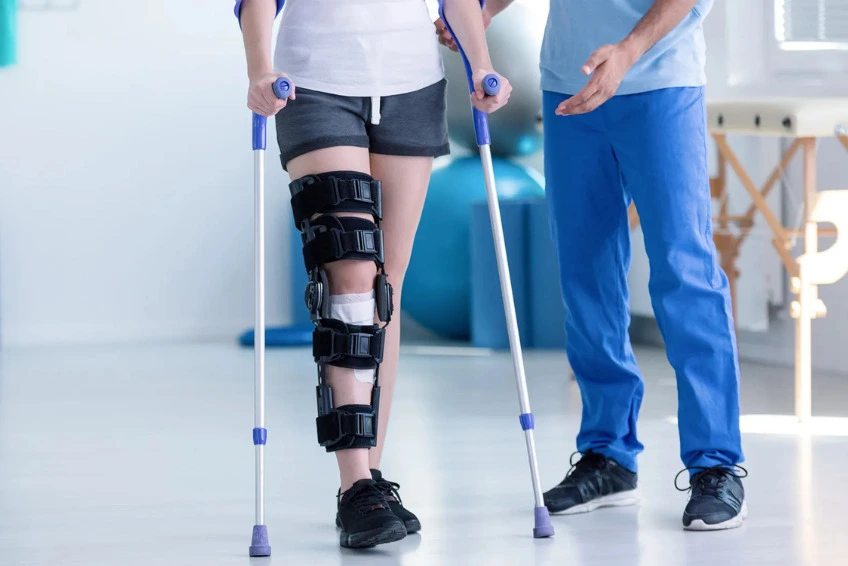
Physical movement is essential for maintaining independence, productivity, and overall quality of life. However, injuries, surgery, neurological conditions, chronic pain, ageing, or prolonged inactivity can significantly affect strength, mobility, flexibility, and functional independence. Rehabilitation Medicine and Physiotherapy play an important role in helping individuals recover safely, restore physical function, reduce discomfort, and regain confidence in performing everyday activities.
At Deepam Hospitals, Tambaram, our Department of Rehabilitation Medicine & Physiotherapy provides evidence-based rehabilitation programmes tailored to each individual's condition, physical abilities, and recovery goals. Whether recovering from an injury, surgery, sports-related condition, neurological illness, or chronic musculoskeletal problem, our rehabilitation services focus on improving movement, enhancing physical function, and supporting long-term wellness through personalised physiotherapy care.
Deepam Hospitals is a trusted healthcare network with multispeciality hospitals in Tambaram, Guduvanchery, and Singaperumal Koil (SP Koil), supported by healthcare centres in Perungalathur, Urapakkam, and Maraimalai Nagar.
Patients from Tambaram, East Tambaram, West Tambaram, Selaiyur, Camp Road, Chromepet, Chitlapakkam, Sembakkam, Perungalathur, Mudichur, Urapakkam, Guduvanchery, Maraimalai Nagar, and surrounding communities trust Deepam Hospitals for comprehensive physiotherapy and rehabilitation services designed to improve mobility, physical performance, and overall quality of life.
Giving Every Child the Best Start in Life
Our department is led by an experienced team of specialists:
Dr. S. Robert Wilson
– Consultant Neurologist
Specialising in the diagnosis and medical management of neurological disorders including stroke, epilepsy, migraine, Parkinson's disease, dementia, neuropathy, vertigo, and neuromuscular conditions.
Dr. P. Bhaskar Naidu
Consultant Neurosurgeon
Expert in brain tumour surgery, spine surgery, neuro trauma, cerebrovascular surgery, skull base surgery, hydrocephalus management, and minimally invasive neurosurgical procedures.
Dr. A.R. Baskar
Consultant Neurosurgeon
Experienced in complex brain and spine surgery, spinal cord disorders, head injuries, neuro trauma, degenerative spine diseases, and advanced neurosurgical interventions.
Together, our specialists work collaboratively to ensure accurate diagnosis, timely intervention, and comprehensive neurological care for patients of all ages.
Deepam Hospitals is a trusted healthcare network with multispeciality hospitals in Tambaram, Guduvanchery, and Singaperumal Koil (SP Koil), supported by healthcare centres in Perungalathur, Urapakkam, and Maraimalai Nagar. We proudly serve patients from Guduvanchery, Potheri, Maraimalai Nagar, Kattankulathur, Chengalpattu, Vandalur, and surrounding communities with advanced neurological and neurosurgical care under one roof.
Your Rehabilitation & Physiotherapy Questions, Answered
Rehabilitation Medicine focuses on restoring physical function, improving mobility, reducing disability, and helping individuals regain independence after illness, injury, surgery, or neurological conditions. It combines medical knowledge with structured rehabilitation programmes designed to maximise functional recovery.
What does a physiotherapist do?
A physiotherapist evaluates movement, muscle strength, joint function, posture, flexibility, balance, and physical performance to develop personalised rehabilitation programmes. Physiotherapy aims to improve mobility, relieve pain, restore physical function, and support safe recovery through evidence-based therapeutic techniques and exercise.
When should I see a physiotherapist?
You may benefit from physiotherapy if you experience persistent pain, reduced mobility, muscle weakness, sports injuries, difficulty walking, balance problems, joint stiffness, post-surgical limitations, or neurological conditions affecting movement. Early rehabilitation often supports better functional recovery.
Is physiotherapy only for injuries?
No. Physiotherapy is beneficial for a wide range of conditions, including chronic pain, arthritis, neurological disorders, stroke recovery, post-operative rehabilitation, age-related mobility problems, sports performance, workplace injuries, and preventive physical conditioning.
Can physiotherapy help avoid surgery?
In selected conditions, physiotherapy may improve strength, flexibility, joint function, and movement sufficiently to reduce symptoms and improve physical performance. However, whether surgery can be avoided depends entirely on the individual's diagnosis, severity of the condition, and medical evaluation by the treating specialist.
- Experienced Paediatrician & Neonatologist
- Comprehensive healthcare from newborns to adolescents
- Preventive child healthcare and routine health check-ups
- Growth, nutrition, and developmental monitoring
- Childhood vaccination guidance
- Diagnosis and treatment of common childhood illnesses
- Family-focused consultations with parental education
- Access to laboratory and diagnostic imaging services
- Multidisciplinary care when specialist support is required
- Coordinated healthcare through our multispeciality hospitals in Tambaram, Guduvanchery, and Singaperumal Koil, supported by healthcare centres in Perungalathur, Urapakkam, and Maraimalai Nagar
Why Choose Deepam Hospitals for Physiotherapy & Rehabilitation in Tambaram?
Recovery involves much more than healing an injury or completing a medical procedure. It requires restoring movement, rebuilding physical strength, improving balance, and helping individuals return safely to work, sports, and daily life. At Deepam Hospitals, our rehabilitation team focuses on delivering personalised physiotherapy programmes that address each patient's unique physical needs and recovery goals.
Why Patients Choose Deepam Hospitals
- Experienced physiotherapy expertise
- Individualised rehabilitation programmes
- Comprehensive musculoskeletal rehabilitation
- Post-operative recovery support
- Sports injury rehabilitation
- Neurological rehabilitation programmes
- Mobility and balance training
- Functional movement assessment
- Evidence-based exercise therapy
- Patient-centred rehabilitation planning
Understanding Rehabilitation Medicine & Physiotherapy
Rehabilitation Medicine focuses on helping individuals regain their highest possible level of physical function following injury, illness, surgery, or disability. Rather than concentrating solely on a medical diagnosis, rehabilitation evaluates how a condition affects everyday movement, independence, and quality of life.
Physiotherapy is an important component of rehabilitation medicine. It aims to restore normal movement patterns, improve muscle performance, increase joint mobility, enhance flexibility, strengthen balance, and reduce physical limitations that interfere with daily activities.
A structured rehabilitation programme considers several factors, including:
- Functional ability
- Mobility
- Muscle strength
- Joint movement
- Coordination
- Balance
- Endurance
- Individual recovery goals
This comprehensive approach allows rehabilitation plans to be personalised according to each patient's condition and lifestyle requirements.
Conditions That May Benefit from Physiotherapy
Many medical conditions can affect physical function, making rehabilitation an important part of recovery. Physiotherapy is commonly recommended for individuals experiencing movement limitations caused by injury, surgery, neurological disorders, chronic pain, or age-related physical changes.
Common conditions include:
- Neck pain
- Back pain
- Shoulder pain
- Joint pain
- Tumours
- Sports injuries
- Muscle strains
- Ligament injuries
- Frozen shoulder
- Post-operative recovery
- Stroke rehabilitation
- Balance disorders
- Walking difficulties
- Muscle weakness
- Age-related mobility decline
Every rehabilitation programme is developed according to the individual's diagnosis, physical abilities, and functional goals.
When Should You Consider Rehabilitation?
Many people delay physiotherapy because they believe discomfort will resolve naturally. However, persistent pain, reduced movement, muscle weakness, or difficulty performing everyday activities may indicate the need for professional rehabilitation.
You should consider a physiotherapy assessment if you experience:
- Persistent joint or muscle pain
- Difficulty walking
- Reduced flexibility
- Limited joint movement
- Frequent balance problems
- Muscle weakness
- Difficulty climbing stairs
- Delayed recovery after surgery
- Reduced physical performance
- Difficulty returning to work or sports after an injury
Early rehabilitation can help improve physical function while reducing the risk of long-term movement limitations.
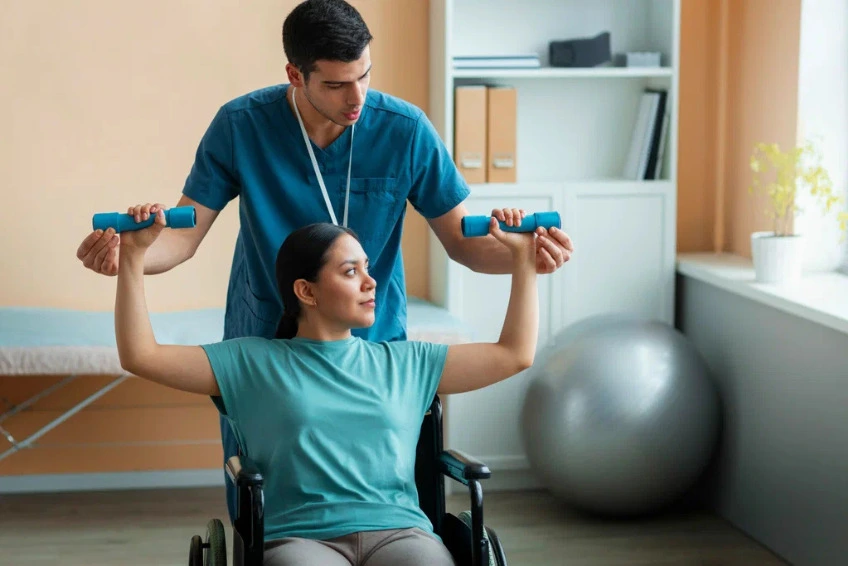
Common Rehabilitation Needs & Primary Goals
| Rehabilitation Need | Primary Goal |
|---|---|
| Sports Injury | Restore strength, flexibility, and safe return to activity |
| Post-Surgical Recovery | Improve mobility and regain functional independence |
| Chronic Joint Pain | Enhance movement and reduce physical limitations |
| Neurological Conditions | Improve coordination, balance, and mobility |
| Muscle Weakness | Build strength and improve functional performance |
| Balance Disorders | Reduce fall risk and improve stability |
| Age-Related Mobility Decline | Maintain independence and physical function |
Why Early Rehabilitation Makes a Difference
Recovery often begins long before complete healing occurs. Starting rehabilitation at the appropriate stage helps patients regain movement safely while minimising stiffness, muscle weakness, reduced flexibility, and loss of physical function.
Early rehabilitation may support:
- Improved joint mobility
- Better muscle strength
- Enhanced flexibility
- Improved balance and coordination
- Greater physical independence
- Better participation in daily activities
- Safer return to work and recreation
- Improved overall quality of life
By addressing physical limitations early, rehabilitation supports more confident movement and encourages healthier long-term physical function.
Personalised Functional Assessment & Rehabilitation Planning
Successful rehabilitation begins with understanding how a medical condition affects a person's movement, strength, balance, endurance, and ability to perform daily activities. Since every patient has unique recovery goals, rehabilitation programmes must be tailored to individual needs rather than following a standard approach.
At Deepam Hospitals, Tambaram, every rehabilitation programme begins with a comprehensive functional assessment. Our physiotherapist evaluates posture, joint mobility, muscle strength, flexibility, coordination, gait, balance, and functional limitations to create an individualised rehabilitation plan that aligns with the patient's medical condition, lifestyle, and recovery objectives.
Musculoskeletal Rehabilitation
Musculoskeletal disorders can affect muscles, bones, joints, ligaments, tendons, and soft tissues, often limiting movement and physical performance. Rehabilitation focuses on restoring normal body mechanics, improving movement efficiency, and helping patients regain confidence in everyday activities.
Our musculoskeletal rehabilitation programmes support individuals recovering from:
- Joint disorders
- Muscle injuries
- Tendon conditions
- Ligament injuries
- Soft tissue injuries
- Chronic musculoskeletal pain
- Reduced joint mobility
- Occupational movement-related disorders
Each programme is continuously reviewed and adjusted according to the patient's progress and functional improvements.
Pain Management Through Physiotherapy
Pain can interfere with mobility, sleep, work, and overall quality of life. Physiotherapy provides non-invasive, evidence-based strategies that help improve physical function while addressing movement limitations associated with painful musculoskeletal conditions.
Pain management programmes may include:
- Manual therapy techniques
- Therapeutic exercises
- Joint mobilisation
- Soft tissue mobilisation
- Stretching programmes
- Postural correction
- Movement retraining
- Functional activity modification
The primary goal is to improve movement quality while helping patients perform daily activities with greater comfort and confidence.
Post-Operative Rehabilitation
Recovery after surgery extends beyond wound healing. Patients often require structured rehabilitation to restore mobility, rebuild muscle strength, improve flexibility, and safely return to their normal routine.
Post-operative rehabilitation is available following various orthopaedic and other surgical procedures, with programmes designed according to the type of surgery, healing stage, and individual recovery goals.
Rehabilitation focuses on:
- Restoring joint mobility
- Improving muscle function
- Regaining flexibility
- Enhancing functional movement
- Supporting safe return to daily activities
Close coordination with the treating surgeon ensures rehabilitation progresses appropriately throughout recovery.
Sports Injury Rehabilitation
Returning to sport requires more than symptom relief—it requires restoring strength, endurance, agility, coordination, and movement efficiency while reducing the likelihood of future injuries.
Our sports rehabilitation programmes are tailored for recreational and competitive athletes recovering from sports-related musculoskeletal injuries.
Rehabilitation plans may focus on:
- Functional movement restoration
- Muscle strengthening
- Flexibility training
- Joint stability
- Balance and coordination
- Sport-specific movement preparation
- Progressive return-to-activity planning
Every programme is adapted to the individual's sporting demands and performance goals.
Neurological Rehabilitation
Neurological conditions can affect movement, coordination, muscle control, balance, and functional independence. Rehabilitation aims to maximise physical abilities by improving movement patterns and helping patients adapt to changes in physical function.
Neurological rehabilitation may benefit individuals recovering from conditions affecting:
- Walking ability
- Balance
- Muscle coordination
- Functional mobility
- Limb movement
- Daily activities
Rehabilitation programmes are designed according to each patient's neurological condition, current functional ability, and rehabilitation potential.
Geriatric Rehabilitation for Healthy Ageing
Age-related changes in strength, balance, flexibility, and endurance can affect mobility and increase the risk of falls. Physiotherapy helps older adults maintain physical independence while supporting safe movement and improved confidence.
Our geriatric rehabilitation services focus on:
- Mobility improvement
- Fall prevention strategies
- Functional strengthening
- Balance enhancement
- Walking efficiency
- Joint flexibility
- Everyday movement training
Individualised rehabilitation programmes help older adults remain active while maintaining independence in daily life.
Balance, Gait & Mobility Training
Walking confidently requires coordinated muscle activity, balance, posture, and joint control. Following injury, surgery, neurological illness, or prolonged inactivity, patients may experience difficulty walking or maintaining stability.
Our rehabilitation programmes include structured gait and mobility training designed to improve:
Our neurological services include evaluation of:
- Walking pattern
- Balance control
- Weight transfer
- Coordination
- Functional mobility
- Stair climbing ability
- Movement confidence
Progress is regularly monitored to ensure rehabilitation remains aligned with each patient's functional goMovement confidenceals.
Individualised Exercise Therapy
Exercise therapy forms an essential component of rehabilitation by helping restore movement, improve endurance, and strengthen the musculoskeletal system. Every exercise programme is customised based on the patient's diagnosis, physical abilities, and stage of recovery.
Exercise therapy may include:
- Strengthening exercises
- Flexibility trainingy
- Range-of-motion exercises
- Functional movement exercises
- Core stability training
- Endurance conditioning
- Balance exercises
- Progressive activity programmes
Programmes are modified throughout rehabilitation to match the patient's improving physical capabilities.
Multidisciplinary Rehabilitation Approach
Many patients benefit from coordinated care involving multiple healthcare professionals. At Deepam Hospitals, physiotherapy services work closely with orthopaedic surgeons,
neurologists, general physicians, rehabilitation specialists, radiologists, nursing teams, and other medical experts whenever multidisciplinary care is required.
This collaborative approach ensures rehabilitation is fully integrated with the patient's overall medical treatment, promoting safe recovery, improved communication between specialists, and better long-term functional outcomes.
Technology-Supported Rehabilitation & Progress Monitoring
Effective rehabilitation depends on continuous assessment and measurable progress. Regular functional evaluations help monitor improvements in mobility, strength, flexibility, balance, and physical performance, allowing rehabilitation programmes to be adjusted according to each patient's recovery.
By tracking clinical progress at every stage, our physiotherapy team ensures that rehabilitation remains goal-oriented, evidence-based, and focused on helping patients achieve the highest possible level of physical function.
Dr. Sandhiya
Consultant Physiotherapist
Dr. Sandhiya is committed to helping patients restore movement, improve physical function, and regain confidence through personalised physiotherapy and rehabilitation programmes. Her patient-centred approach focuses on understanding each individual's lifestyle, functional limitations, and recovery goals before developing an appropriate rehabilitation pathway.
By combining clinical expertise with compassionate care, Dr. Sandhiya works closely with patients to support safe, progressive recovery while encouraging long-term physical wellbeing and independence.
Your Rehabilitation Journey
Rehabilitation is a gradual process that focuses on restoring physical function rather than simply resolving symptoms. Every patient's journey is unique, depending on their medical condition, age, physical abilities, and personal goals.
At Deepam Hospitals, rehabilitation is designed as a structured partnership between the physiotherapist and the patient. From the initial consultation through follow-up sessions, progress is continuously reviewed to ensure the rehabilitation programme remains aligned with changing functional needs
Each stage of rehabilitation is aimed at helping patients regain confidence in movement while supporting a safe return to everyday activities.
Setting Meaningful Recovery Goals
Recovery is most successful when clear and realistic goals are established from the beginning. Rather than comparing progress with others, rehabilitation focuses on achieving improvements that are meaningful for each individual.
Goals may include:
- Walking comfortably
- Returning to work
- Climbing stairs independently
- Participating in recreational activities
- Improving flexibility
- Enhancing physical endurance
- Performing household activities with ease
- Regaining confidence in daily movement
These goals are reviewed regularly and adjusted according to the patient's progress throughout rehabilitation.
Building Confidence Through Consistent Rehabilitation
Successful rehabilitation depends on consistency. Regular attendance, active participation, and following prescribed exercise programmes help maximise physical recovery and functional improvement.
Throughout rehabilitation, patients receive continuous encouragement, progress monitoring, and personalised guidance to help them remain motivated and committed to their recovery plan.
Consistency often contributes to:
- Better movement quality
- Improved muscle performance
- Greater flexibility
- Enhanced physical confidence
- Improved functional independence
Every rehabilitation programme is adapted as recovery progresses, ensuring patients continue to work toward achievable milestones.
Returning to Everyday Activities Safely
One of the primary objectives of rehabilitation is helping individuals return safely to the activities that matter most in their personal and professional lives. This may involve work-related tasks, household responsibilities, recreational activities, or sports participation.
Before returning to higher levels of physical activity, patients receive guidance on:
- Gradual activity progression
- Safe movement techniques
- Body mechanics
- Physical workload management
- Activity modification when required
- Functional readiness
This structured approach helps reduce unnecessary physical strain while promoting sustainable recovery.
Maintaining Long-Term Physical Health
Completing rehabilitation is not the end of the journey. Maintaining strength, flexibility, mobility, and overall physical fitness remains important for preserving long-term musculoskeletal health.
Our physiotherapy team encourages patients to continue healthy movement habits by:
- Remaining physically active
- Performing recommended home exercises
- Maintaining good posture
- Following ergonomic principles at work
- Managing body weight
- Including flexibility and strengthening exercises in daily routines
- Seeking timely medical advice for new movement concerns
These lifestyle practices help support ongoing physical wellbeing and reduce the likelihood of future functional limitations.
Your Physiotherapy Questions, Answered
The number of sessions depends on your medical condition, recovery goals, overall health, and response to rehabilitation. Your physiotherapist will regularly assess your progress and adjust the rehabilitation plan accordingly.
Some rehabilitation exercises may temporarily challenge muscles or joints as strength and mobility improve. However, physiotherapy programmes are designed to be safe, progressive, and tailored to each patient's comfort level and clinical condition.
Many patients can continue working with appropriate activity modifications. Your physiotherapist can provide guidance regarding workplace activities based on your physical abilities and rehabilitation progress.
Yes. Home exercise programmes often form an important part of rehabilitation by helping patients continue improving between supervised physiotherapy sessions.
Depending on your condition, you may be referred by another specialist or consult the physiotherapy department directly. If additional medical evaluation is required, appropriate referrals can be coordinated within Deepam Hospitals.
Why Patients Trust Deepam Hospitals for Physiotherapy & Rehabilitation
Patients choose Deepam Hospitals because rehabilitation is delivered through a personalised, evidence-based, and patient-focused approach. Our goal is to help every individual regain physical independence while supporting safe, sustainable recovery.
Patients value our rehabilitation services for:
- Experienced physiotherapy care
- Individualised rehabilitation programmes
- Functional goal-based recovery planning
- Integrated multidisciplinary healthcare
- Continuous progress monitoring
- Patient education and exercise guidance
- Compassionate, patient-centred care
- Focus on restoring independence and quality of life
- Evidence-based rehabilitation practices
- Commitment to long-term physical wellness
Medical Disclaimer
The information provided on this page is for educational purposes only and should not be considered medical advice, diagnosis, or treatment. Rehabilitation programmes should always be undertaken under the guidance of a qualified healthcare professional. Individual recovery timelines and outcomes may vary depending on the patient's condition and overall health.
Begin Your Journey Towards Better Movement
Whether you are recovering from surgery, managing chronic pain, overcoming a sports injury, or working to improve strength and mobility, the Department of Rehabilitation Medicine & Physiotherapy at Deepam Hospitals, Tambaram is committed to supporting every step of your recovery.
Consult Dr. Sandhiya for personalised physiotherapy programmes designed to restore movement, improve function, and help you return to an active, confident, and independent life.
Contact Us