- For appointment (+91) 97904 97905
24/7 Emergency Care Hospital Near Perungalathur
Immediate Emergency Medical Care When Time Matters Most…
Medical emergencies are unpredictable. They can occur at home, on the road, at work, or during everyday activities, often without any warning. A sudden road traffic accident, severe chest pain, breathing difficulty, uncontrolled bleeding, seizures, stroke symptoms, poisoning, burns, or a serious fall can quickly become life-threatening if immediate medical care is delayed. During these critical moments, rapid assessment and timely treatment are essential to stabilise the patient, reduce complications, and improve recovery.
Emergency medicine is different from routine healthcare because every decision must be made quickly while managing potentially life-threatening conditions. Emergency physicians are trained to evaluate patients within minutes, prioritise the most critical medical problems, begin life-saving treatment immediately, and coordinate care with multiple specialists whenever necessary. Whether the emergency is caused by trauma, acute illness, cardiac events, neurological emergencies, severe infections, or accidental injuries, the primary goal is to protect vital organs, preserve life, and provide the right treatment without delay.
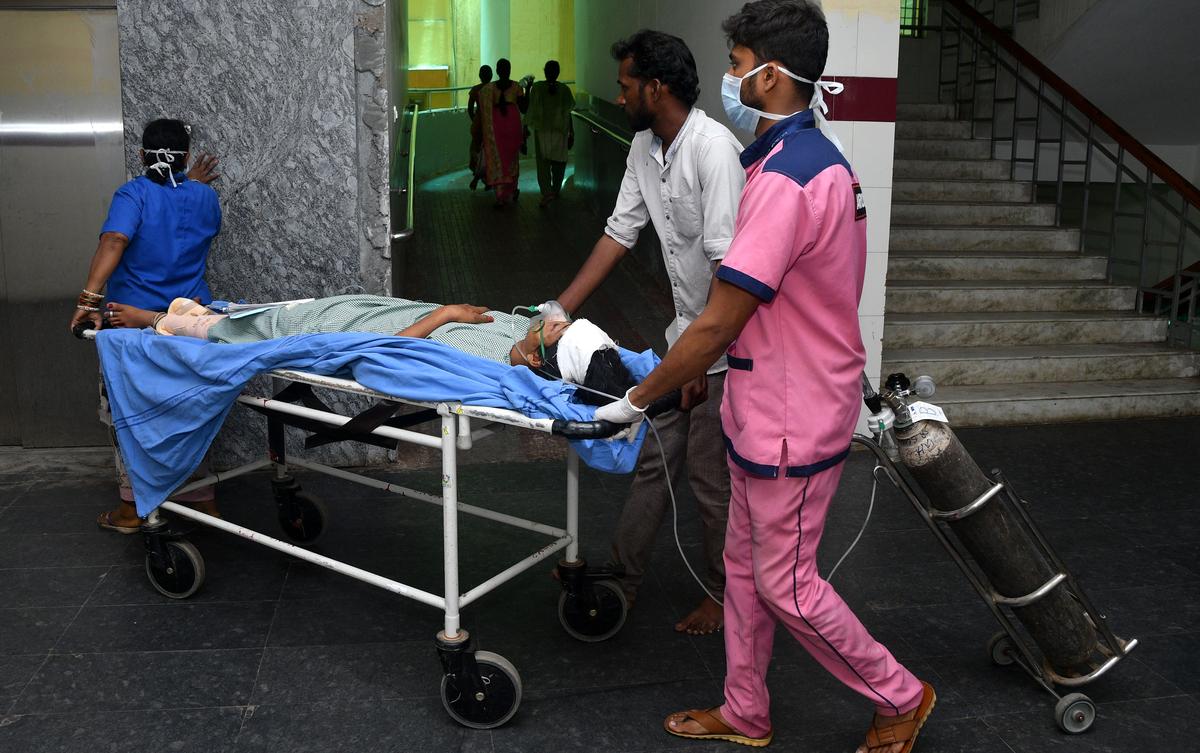
At Deepam Hospitals near Perungalathur, our Department of Emergency & Trauma Care provides round-the-clock emergency medical services for patients requiring immediate medical attention. Our department is equipped to manage medical emergencies, traumatic injuries, accident cases, fractures, burns, poisoning, respiratory emergencies, and other critical conditions through organised emergency response systems, rapid diagnosis, continuous monitoring, and multidisciplinary medical support.
Deepam Hospitals is a trusted healthcare network with multispeciality hospitals in Tambaram, Guduvanchery, and Singaperumal Koil (SP Koil), supported by healthcare centres in Perungalathur, Urapakkam, and Maraimalai Nagar.
Our Emergency & Trauma Care Department is headed by Dr. Arthi Sathish (MBBS, DNB – Emergency Medicine, FCCM), an experienced Emergency Physician specialising in emergency stabilisation, trauma care, critical illness management, advanced life-support, accident care, and emergency decision-making. Every patient is assessed based on the severity of their condition to ensure immediate intervention, appropriate investigations, and coordinated treatment that supports the best possible clinical outcome.
Patients from Perungalathur, Peerkankaranai, West Tambaram, East Tambaram, Mudichur, Vandalur, Mannivakkam, Urapakkam, Irumbuliyur, Guduvanchery, and nearby communities rely on Deepam Hospitals for prompt emergency medical care delivered with speed, expertise, precision, and compassion whenever urgent medical attention is required.
Looking for a 24/7 Emergency & Trauma Care Hospital near Perungalathur? Deepam Hospitals provides immediate emergency medical care under the expertise of Dr. Arthi Sathish (MBBS, DNB – Emergency Medicine, FCCM). Our emergency department manages accidents, severe injuries, chest pain, stroke symptoms, breathing emergencies, burns, fractures, poisoning, seizures, allergic reactions, and other critical medical conditions through rapid assessment, emergency stabilisation, advanced life-support, and coordinated multidisciplinary care available around the clock.
Quick Answers at a Glance
Medical Emergencies
Conditions such as severe chest pain, breathing difficulty, stroke symptoms, seizures, unconsciousness, or severe bleeding require immediate evaluation in the emergency department.
Accident & Trauma Care
Patients involved in road traffic accidents, falls, workplace injuries, sports injuries, or major trauma should undergo emergency assessment even if external injuries appear minor.
Emergency Stabilisation
The first priority in emergency medicine is to assess airway, breathing, circulation, neurological status, and vital signs before beginning immediate treatment.
Stroke Symptoms
Sudden facial drooping, weakness in one arm or leg, slurred speech, confusion, or sudden loss of vision should always be treated as medical emergencies.
Breathing Emergencies
Severe asthma attacks, sudden breathing difficulty, choking, or allergic reactions affecting breathing require urgent emergency medical care.
Critical Care Support
Patients with severe infections, shock, poisoning, burns, or rapidly worsening medical conditions receive continuous monitoring and emergency management until they are stabilised.
Key Highlights
- 24/7 Emergency Medical Services
- Expert Care by Dr. Arthi Sathish
- Rapid Emergency Assessment
- Trauma & Accident Care
- Emergency Stabilisation
- Critical Care Support
- Advanced Life-Support Management
- Multidisciplinary Emergency Coordination
- Continuous Patient Monitoring
- Easily Accessible for Families Near Perungalathur
Why Choose Deepam Hospitals
Medical emergencies demand quick decisions, skilled emergency physicians, and coordinated multidisciplinary care. At Deepam Hospitals near Perungalathur, our emergency department is designed to provide immediate evaluation, rapid stabilisation, and continuous monitoring for patients experiencing life-threatening illnesses or traumatic injuries.
Why Patients Trust Our Emergency Department
- Experienced Emergency Medicine Specialist
- 24/7 Emergency Medical Care
- Rapid Patient Triage & Assessment
- Advanced Trauma Management
- Immediate Critical Care Support
- Continuous Emergency Monitoring
- Multispecialty Medical Coordination
- Patient-Centred Emergency Care
- Evidence-Based Emergency Treatment
- Easily Accessible for Perungalathur Families
Every Minute Can Make a Difference
During a medical emergency, acting quickly can significantly improve treatment outcomes. Prompt recognition of serious symptoms and immediate access to emergency medical care often reduces complications while improving the chances of recovery.
At Deepam Hospitals, our Emergency & Trauma Care team remains prepared around the clock to provide timely, organised, and compassionate emergency treatment whenever patients need urgent medical attention.
Did You Know?
- The first few minutes after a medical emergency often have the greatest impact on recovery.
- Internal injuries may occur even when there are no obvious external wounds after an accident.
- Stroke, heart attack, severe trauma, and breathing emergencies require immediate hospital evaluation.
- Delaying treatment during severe allergic reactions or uncontrolled bleeding may become life-threatening.
- Emergency physicians are specially trained to manage multiple life-threatening conditions simultaneously while coordinating specialist care.
When Should You Visit the Emergency Department?
Seek immediate emergency medical care if you experience:
- Severe chest pain
- Difficulty breathing
- Sudden weakness or paralysis
- Loss of consciousness
- Severe bleeding
- Road traffic accidents
- Serious falls
- Head injuries
- Seizures
- Severe burns
- Poisoning
- Sudden allergic reactions with swelling or breathing difficulty
Emergency Care Begins the Moment You Arrive
Emergency treatment is more than providing immediate medical attention. It involves rapid clinical assessment, prioritising life-threatening conditions, stabilising the patient, coordinating investigations, and ensuring timely specialist care whenever required.
At Deepam Hospitals near Perungalathur, our Emergency & Trauma Care Department is committed to delivering prompt, organised, and evidence-based emergency care that supports better patient outcomes during every medical emergency.
Related Healthcare Services
Our Emergency & Trauma Care Department works closely with:
- Critical Care Medicine
- General Medicine
- Cardiology
- Neurology
- Orthopaedics
- General Surgery
- Radiology & Imaging
- Laboratory Services
This multidisciplinary emergency care approach enables faster diagnosis, coordinated treatment, advanced life-support, and comprehensive emergency management for patients requiring immediate medical attention.
What Is Emergency & Trauma Care?
Emergency & Trauma Care is a specialised branch of medicine that provides immediate medical attention for patients experiencing sudden illnesses, serious injuries, or life-threatening conditions. Unlike scheduled consultations, emergency medicine focuses on stabilising patients, identifying the cause of their condition quickly, and starting treatment without delay.
Emergency physicians are trained to manage a wide variety of situations ranging from heart attacks and strokes to severe infections, fractures, burns, poisoning, allergic reactions, and road traffic accidents. Every emergency is managed according to its urgency, ensuring that critically ill patients receive immediate care while maintaining patient safety throughout the treatment process.
How Emergency Departments Save Lives
Every emergency department follows a structured system that helps doctors assess patients quickly and prioritise those with the most serious conditions. This organised approach allows multiple patients with different medical problems to receive appropriate care without unnecessary delay.
Emergency care generally involves:
- Rapid patient assessment
- Immediate triage
- Stabilisation of vital functions
- Emergency investigations
- Pain management
- Continuous monitoring
- Specialist consultation when required
- Admission or discharge planning
This coordinated approach helps improve survival while reducing complications during medical emergencies.
Medical Emergencies That Require Immediate Attention
Certain symptoms should never be ignored because they may indicate life-threatening conditions requiring urgent hospital care. Delaying treatment may increase the risk of serious complications.
Medical emergencies include:
- Severe chest pain
- Difficulty breathing
- Stroke symptoms
- Sudden loss of consciousness
- Seizures
- Severe allergic reactions
- High fever with confusion
- Uncontrolled bleeding
- Poisoning
- Severe dehydration
- Sudden severe abdominal pain
- Shock
Prompt emergency evaluation allows doctors to begin treatment as early as possible.
Understanding Trauma Care
Trauma refers to serious physical injuries caused by external forces such as road traffic accidents, falls, workplace injuries, sports injuries, burns, or violence. Some traumatic injuries are immediately obvious, while others involve internal organs and require urgent medical evaluation.
Trauma care focuses on:
- Assessing life-threatening injuries
- Controlling bleeding
- Stabilising fractures
- Protecting the airway
- Managing shock
- Preventing further injury
- Coordinating surgical care when required
Early trauma management significantly improves patient outcomes.
Why Triage Is So Important
Not every patient arriving at the emergency department requires the same level of urgency. Triage is the process of assessing patients according to the severity of their condition so that those requiring immediate life-saving treatment are cared for first.
During triage, healthcare professionals assess:
- Consciousness
- Breathing
- Heart rate
- Blood pressure
- Oxygen levels
- Severity of pain
- Type of injury
- Overall clinical condition
This process ensures that emergency resources are used efficiently while prioritising patients with the greatest medical need.
Common Reasons People Visit the Emergency Department
Emergency physicians manage a wide variety of conditions affecting people of all age groups.
Common reasons include:
- Road traffic accidents
- Falls and fractures
- Chest pain
- Stroke symptoms
- Asthma attacks
- Severe infections
- High fever
- Poisoning
- Burns
- Seizures
- Animal bites
- Sudden allergic reactions
Each patient receives treatment based on the urgency and complexity of their condition.
What Happens When You Arrive at the Emergency Department?
Many patients and families feel anxious during emergencies because they are unsure what to expect. Understanding the emergency care process helps reduce uncertainty during stressful situations.
After arrival, patients usually undergo:
- Registration
- Immediate triage
- Clinical examination
- Vital sign monitoring
- Emergency investigations if required
- Stabilisation
- Specialist referral when necessary
- Observation, admission, or discharge
Every step is designed to ensure prompt diagnosis while delivering safe and effective medical care.
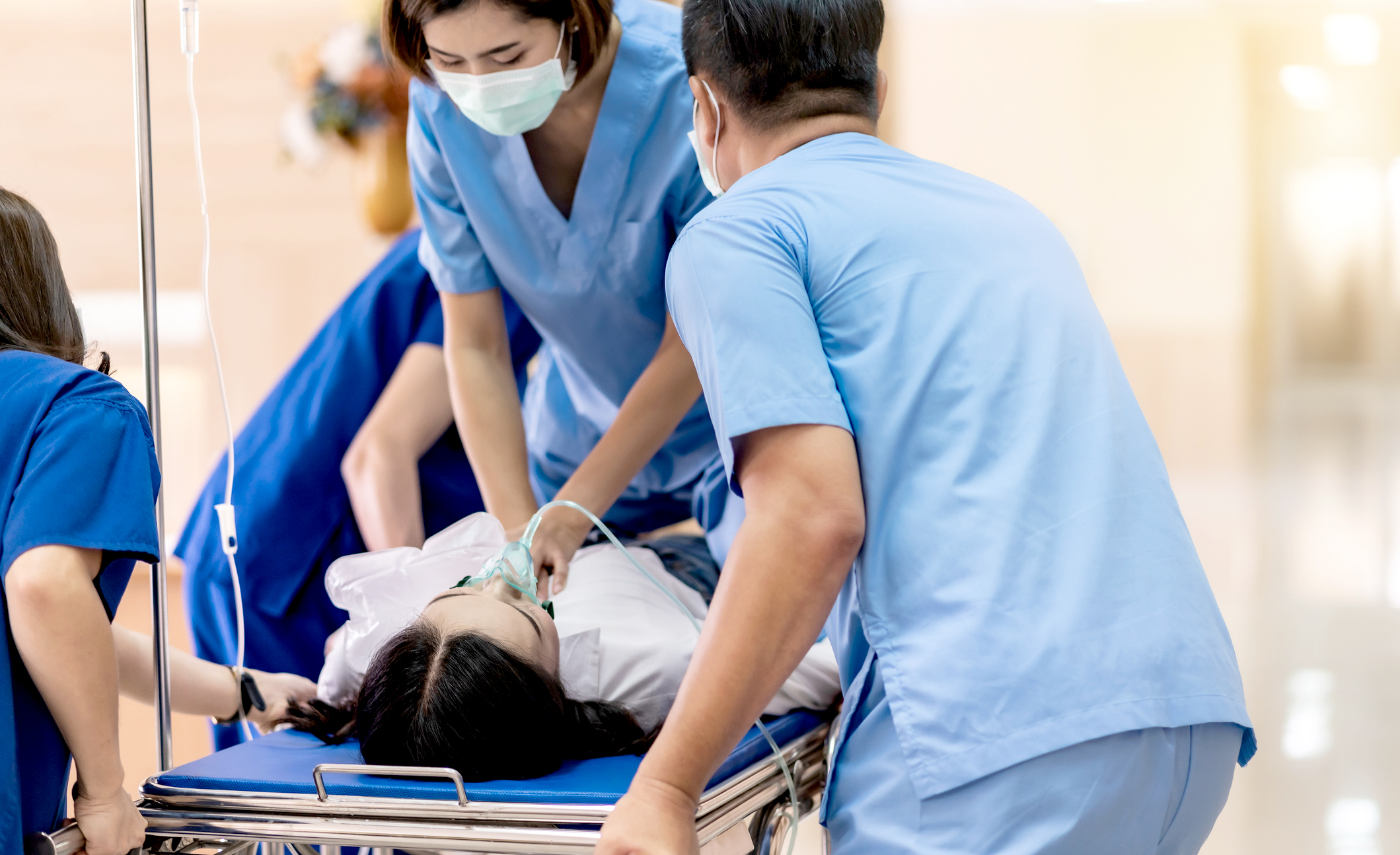
When Should You Call for Emergency Help Instead of Waiting?
Some symptoms require immediate hospital care rather than waiting for a routine medical appointment.
Do not delay medical attention if someone experiences:
- Sudden collapse
- Severe breathing difficulty
- Heavy bleeding
- Chest pain lasting several minutes
- Loss of consciousness
- Major head injury
- Severe burns
- Suspected stroke
- Severe allergic reaction
- Repeated seizures
Rapid treatment often improves both survival and recovery.
Emergency Care Snapshot
Emergency Assessment
Purpose
Rapidly identify life-threatening conditions, stabilise patients, begin emergency treatment, and coordinate ongoing medical care.
Who Needs Emergency Care?
- Accident victims
- Patients with severe chest pain
- Individuals with stroke symptoms
- People experiencing breathing difficulty
- Patients with major burns
- Individuals with severe bleeding or shock
Benefits
- Immediate medical assessment
- Early life-saving treatment
- Faster diagnosis
- Continuous monitoring
- Improved recovery outcomes
- Reduced complications
Symptoms That Should Never Wait
| Emergency Symptom | Why Immediate Medical Care Is Important |
|---|---|
| Severe chest pain | May indicate a heart attack requiring urgent treatment. |
| Sudden weakness or facial drooping | Could be an early sign of stroke where every minute matters. |
| Difficulty breathing | May rapidly become life-threatening without emergency support. |
| Heavy bleeding | Immediate bleeding control reduces the risk of shock. |
| Loss of consciousness | Requires urgent evaluation to identify the underlying cause. |
| Major accident or fall | Internal injuries may not be immediately visible but can be serious. |
Why Every Minute Counts During an Emergency
Medical emergencies progress quickly. Conditions such as stroke, heart attack, severe trauma, uncontrolled bleeding, or breathing failure can worsen within minutes if treatment is delayed.
Early emergency care helps:
- Preserve vital organ function
- Control life-threatening bleeding
- Improve survival
- Reduce permanent disability
- Prevent complications
- Stabilise critical patients
- Support faster recovery
- Improve overall treatment outcomes
Recognising emergency warning signs and seeking immediate medical attention can make a life-saving difference for patients and their families.
Rapid Emergency Assessment
Every emergency begins with one important objective—understanding how serious the patient's condition is within the shortest possible time. Emergency physicians are trained to make quick clinical decisions while identifying problems that require immediate intervention.
At Deepam Hospitals near Perungalathur, every patient arriving at the Emergency Department undergoes a structured assessment that helps prioritise treatment according to the severity of the illness or injury.
Our emergency assessment includes:
- Immediate triage evaluation
- Airway assessment
- Breathing evaluation
- Circulation assessment
- Neurological examination
- Vital signs monitoring
- Pain assessment
- Emergency investigations when required
This systematic approach allows treatment to begin without unnecessary delays while ensuring patient safety.
Trauma & Accident Management
Trauma patients often require simultaneous evaluation of multiple injuries because external wounds do not always reflect the severity of internal damage. Our trauma care team works rapidly to identify injuries while protecting vital organs and preventing further complications.
Our trauma services include:
- Road traffic accident evaluation
- Fall-related injury assessment
- Head injury management
- Chest trauma evaluation
- Abdominal trauma assessment
- Fracture stabilisation
- Soft tissue injury care
- Emergency surgical coordination
Every trauma patient receives continuous monitoring throughout the stabilisation process.
Emergency Care Snapshot
Purpose
Provide immediate assessment, stabilisation, and emergency treatment for critically ill or seriously injured patients.
Recommended For
- Road traffic accidents
- Severe medical emergencies
- Trauma victims
- Sudden breathing difficulty
- Suspected stroke
- Cardiac emergencies
- Faster emergency intervention
- Early stabilisation
- Rapid clinical decision-making
- Continuous monitoring
- Coordinated specialist care
Advanced Life Support & Resuscitation
Some emergencies require immediate life-support measures to maintain breathing, circulation, and organ function while further treatment is being arranged.
Our emergency team is trained to provide:
- Cardiopulmonary resuscitation (CPR)
- Airway management
- Oxygen therapy
- Cardiac monitoring
- Emergency stabilisation
- Fluid resuscitation
- Shock management
- Continuous emergency observation
These interventions are initiated according to the patient's clinical condition and emergency requirements.
Cardiac & Chest Pain Emergencies
Chest pain should never be dismissed without medical evaluation because it may indicate a potentially serious heart condition. Emergency physicians rapidly assess patients with cardiac symptoms while coordinating specialist cardiac care whenever necessary.
Emergency cardiac assessment includes:
- Clinical evaluation
- ECG assessment
- Blood pressure monitoring
- Oxygen level monitoring
- Cardiac risk evaluation
- Continuous observation
- Immediate stabilisation
- Specialist referral when indicated
Early assessment helps reduce delays in treatment during cardiac emergencies.
Stroke & Neurological Emergencies
Neurological emergencies require immediate attention because delays may increase the risk of permanent brain injury. Emergency physicians work closely with neurologists to provide rapid assessment and early intervention.
Emergency neurological care includes:
- Stroke symptom recognition
- Neurological examination
- Consciousness assessment
- Emergency brain evaluation
- Seizure management
- Emergency stabilisation
- Specialist neurological coordination
Rapid intervention improves the possibility of better neurological recovery.
Emergency Medicine Insight
Many emergency conditions become more difficult to treat when patients delay seeking medical attention. Even symptoms that appear to improve temporarily should be medically evaluated if they involve chest pain, severe injury, neurological changes, or breathing difficulty.
Medical Emergencies & Critical Illness
The Emergency Department manages a wide range of acute medical conditions that require immediate diagnosis and treatment to prevent deterioration.
Our emergency medical services include evaluation and stabilisation of:
- Severe infections
- High fever with altered consciousness
- Severe dehydration
- Poisoning
- Drug reactions
- Allergic emergencies
- Acute asthma attacks
- Diabetic emergencies
Each patient receives continuous monitoring until their condition becomes stable.
Emergency Observation & Continuous Monitoring
Not every emergency patient requires immediate hospital admission or surgery. Some patients benefit from close observation while doctors monitor symptoms, response to treatment, and overall clinical progress.
Observation services include:
- Vital signs monitoring
- Pain reassessment
- Neurological observation
- Cardiac monitoring
- Repeat clinical evaluation
- Treatment response monitoring
Continuous observation allows early recognition of any change in the patient's condition.
Immediate Treatment vs Delayed Emergency Care
| Immediate Emergency Care | Delayed Medical Attention |
|---|---|
| Early diagnosis begins without delay | Serious conditions may worsen before treatment starts |
| Faster stabilisation of vital functions | Higher risk of complications |
| Rapid access to specialist care | Delayed specialist intervention |
| Better opportunity for recovery | Increased likelihood of long-term disability or critical illness |
Conditions Commonly Managed in Our Emergency Department
Our Emergency & Trauma Care Department provides immediate medical care for:
- Road traffic accidents
- Polytrauma
- Fractures and dislocations
- Head injuries
- Chest pain
- Heart attack symptoms
- Stroke symptoms
- Breathing emergencies
- Severe allergic reactions
- Poisoning
- Burns
- Seizures
- Severe abdominal pain
- Uncontrolled bleeding
- Diabetic emergencies
- Shock and collapse
Every patient is managed according to internationally accepted emergency care principles with treatment prioritised according to the severity of the condition.
Multidisciplinary Emergency Response
Managing emergencies often requires collaboration between several medical specialties. Once the patient has been stabilised, emergency physicians coordinate further treatment with the appropriate specialists to ensure seamless continuity of care.
Our Emergency & Trauma Care Department works closely with:
- General Medicine
- Critical Care Medicine (ICU)
- Cardiology
- Neurology & Neurosurgery
- Orthopaedics & Joint Replacement
- General Surgery
- Urology
- Obstetrics & Gynaecology
- Paediatrics & Neonatology
- Radiology & Imaging
- Laboratory Services
This multidisciplinary approach ensures that patients receive timely specialist evaluation while emergency care continues without interruption.
Dr. Arthi Sathish
Consultant – Emergency & Trauma Care
Medical emergencies demand rapid clinical judgement, clear decision-making, and the ability to manage multiple critical situations simultaneously. Every emergency patient requires immediate attention, accurate assessment, and timely treatment to improve outcomes and reduce complications.
Dr. Arthi Sathish specialises in Emergency Medicine and Critical Care, providing immediate medical management for patients experiencing acute illness, trauma, life-threatening emergencies, and critical medical conditions. Her expertise includes emergency stabilisation, trauma management, advanced life support, accident care, critical illness management, and multidisciplinary emergency coordination.
By combining rapid clinical assessment with evidence-based emergency treatment, Dr. Arthi Sathish ensures that every patient receives prompt, safe, and personalised care during some of the most critical moments of their lives.
What Happens During Your Emergency Visit?
Medical emergencies can be overwhelming for both patients and families. Understanding what happens after arriving at the emergency department helps reduce anxiety while preparing patients for the treatment process.
Step 1 – Immediate Triage
Every patient is assessed immediately upon arrival. Based on the seriousness of the illness or injury, the emergency team determines the priority for treatment, ensuring critically ill patients receive immediate attention.
Step 2 – Rapid Clinical Assessment
The emergency physician evaluates vital signs, symptoms, injuries, medical history, and overall condition to identify life-threatening problems and begin immediate treatment.
Step 3 – Emergency Stabilisation
If required, emergency interventions are initiated to support breathing, circulation, bleeding control, pain relief, and overall patient stability before further treatment.
Step 4 – Diagnostic Evaluation
Investigations such as blood tests, imaging, ECG, or other emergency diagnostic procedures may be performed to identify the exact cause of the medical emergency.
Step 5 – Ongoing Care Planning
Once the patient is stabilised, the emergency team determines whether observation, hospital admission, specialist referral, surgery, or safe discharge is the most appropriate next step.
Recovery After Emergency Treatment
Emergency care does not end once the immediate danger has passed. Recovery continues through appropriate follow-up, medication, rehabilitation when required, and monitoring for any delayed complications.
Patients are advised to:
- Follow discharge instructions carefully
- Take prescribed medications as directed
- Attend scheduled follow-up appointments
- Watch for new or worsening symptoms
- Complete recommended investigations
- Return immediately if emergency symptoms recur
- Follow activity restrictions where advised
- Maintain communication with healthcare providers
Careful follow-up supports safer recovery after emergency treatment.
Emergency Recovery Snapshot
Focus
Ensuring safe recovery while preventing complications after emergency medical treatment.
Recovery Priorities
- Medication compliance
- Wound care when required
- Follow-up appointments
- Monitoring recovery
- Managing underlying medical conditions
- Returning safely to daily activities
Goal
Help patients recover safely while reducing the risk of repeat emergencies or delayed complications.
Being Prepared for Medical Emergencies
Although emergencies cannot always be prevented, being prepared allows faster medical decision-making during critical situations.
Helpful emergency preparedness includes:
- Knowing the nearest emergency hospital
- Keeping emergency contact numbers accessible
- Maintaining an updated list of medications
- Carrying information about allergies
- Knowing existing medical conditions
- Learning basic first aid
- Seeking medical help without delay
- Avoiding self-treatment during serious emergencies
Preparation helps patients receive appropriate care more quickly when emergencies occur.
Supporting Families During Emergency Care
Medical emergencies affect entire families. Clear communication, timely updates, and compassionate guidance help reduce uncertainty while supporting informed decision-making throughout treatment.
Families are encouraged to:
- Share accurate medical information
- Inform doctors about existing illnesses
- Carry previous medical records if available
- Remain calm during evaluation
- Follow emergency department guidance
- Discuss discharge instructions before leaving
- Arrange follow-up care promptly
- Seek clarification whenever needed
Strong communication between families and the emergency team contributes to safer and more coordinated patient care.
Frequently Asked Questions
The emergency department treats serious conditions such as severe chest pain, stroke symptoms, breathing difficulty, major injuries, severe bleeding, seizures, burns, poisoning, allergic reactions, and sudden loss of consciousness.
Triage is the process of assessing patients according to the seriousness of their condition. Patients with life-threatening emergencies receive treatment before less urgent cases.
Yes. Some internal injuries, head injuries, or bleeding may not produce immediate symptoms. Medical evaluation helps identify hidden injuries early.
Seek immediate emergency care if someone experiences chest pain, severe breathing difficulty, sudden weakness, heavy bleeding, seizures, collapse, major burns, poisoning, or loss of consciousness.
The duration depends on your medical condition, response to treatment, investigations required, and whether observation, admission, or discharge is appropriate.
Yes. Emergency physicians coordinate care with specialists such as cardiologists, neurologists, orthopaedic surgeons, general surgeons, and intensivists whenever additional expertise is needed.
Yes. Children experiencing medical emergencies receive prompt assessment and, when necessary, coordinated care with the Paediatrics Department.
If time allows, bring identification, previous medical records, medication details, allergy information, and any relevant investigation reports. However, in a life-threatening emergency, reaching the hospital quickly is always the priority.
Related Healthcare Services
Our Emergency & Trauma Care Department works in close coordination with:
- Critical Care Medicine (ICU)
- General Medicine
- Cardiology
- Neurology & Neurosurgery
- Orthopaedics & Joint Replacement
- General Surgery
- Urology
- Obstetrics & Gynaecology
- Paediatrics & Neonatology
- Radiology & Imaging
- Laboratory Services
This multidisciplinary emergency network ensures patients receive seamless care from initial emergency stabilisation through specialist treatment, surgery, rehabilitation, and recovery.
Medical Disclaimer
The information provided on this page is intended for educational purposes only and should not replace professional emergency medical advice, diagnosis, or treatment. Medical emergencies require immediate clinical evaluation, and treatment varies according to the patient's condition. If you or someone around you experiences severe chest pain, difficulty breathing, stroke symptoms, uncontrolled bleeding, major trauma, seizures, loss of consciousness, poisoning, or any life-threatening emergency, seek immediate emergency medical care without delay. Do not postpone treatment while waiting for symptoms to improve.
Immediate Care. Continuous Support.
Every emergency deserves prompt attention, skilled medical care, and coordinated treatment. Whether the emergency involves trauma, sudden illness, cardiac symptoms, neurological emergencies, or critical medical conditions, rapid intervention plays a vital role in protecting health and saving lives.
Consult Dr. Arthi Sathish and the Emergency & Trauma Care team at Deepam Hospitals near Perungalathur for immediate emergency medical assessment, trauma stabilisation, critical care support, and comprehensive emergency management delivered with speed, precision, and compassion.
Schedule your consultation today and take the next step towards better women's health with confidence.
Contact Us