- For appointment (+91) 97904 97905
Best Neurology & Neurosurgery Hospital Near Perungalathur
Expert Care for Brain, Spine & Nervous System Disorders
TThe human brain weighs only about 1.4 kilograms, yet it controls everything you do—from your heartbeat and breathing to your memory, emotions, movement, speech, and decision-making. Working together with the spinal cord and billions of nerve cells, it forms a sophisticated communication network that keeps every part of the body functioning in perfect coordination. When this network is affected by disease, injury, or reduced blood supply, even simple daily activities such as walking, speaking, writing, or remembering familiar faces can become difficult.
Unlike many other medical conditions, neurological disorders often present with symptoms that people initially ignore or mistake for stress, ageing, or fatigue. Persistent headaches, sudden weakness, numbness, tremors, seizures, balance problems, dizziness, memory loss, or changes in speech should never be considered normal. Some neurological conditions progress gradually over months, while others, such as stroke, require immediate medical attention where every minute can influence recovery. Seeking expert neurological evaluation at the earliest stage allows timely diagnosis, appropriate treatment, and better long-term outcomes.
At Deepam Hospitals near Perungalathur, our Department of Neurology & Neurosurgery provides comprehensive care for disorders affecting the brain, spinal cord, peripheral nerves, and nervous system. Our approach combines detailed neurological examination, advanced diagnostic evaluation, evidence-based treatment, and personalised rehabilitation planning to help patients regain function, preserve independence, and improve their quality of life.
Deepam Hospitals is a trusted healthcare network with multispeciality hospitals in Tambaram, Guduvanchery, and Singaperumal Koil (SP Koil), supported by healthcare centres in Perungalathur, Urapakkam, and Maraimalai Nagar.
Our department is headed by Dr. Lakshmanan (MBBS, MD – General Medicine, DM, DrNB – Neurology), an experienced Neurologist with expertise in diagnosing and managing a wide spectrum of neurological disorders. His clinical interests include stroke care, epilepsy, headache disorders, Parkinson's disease, movement disorders, nerve disorders, memory-related conditions, spinal neurological diseases, and comprehensive neurological assessment. Every treatment plan is designed according to the patient's symptoms, neurological findings, lifestyle, and long-term recovery goals.
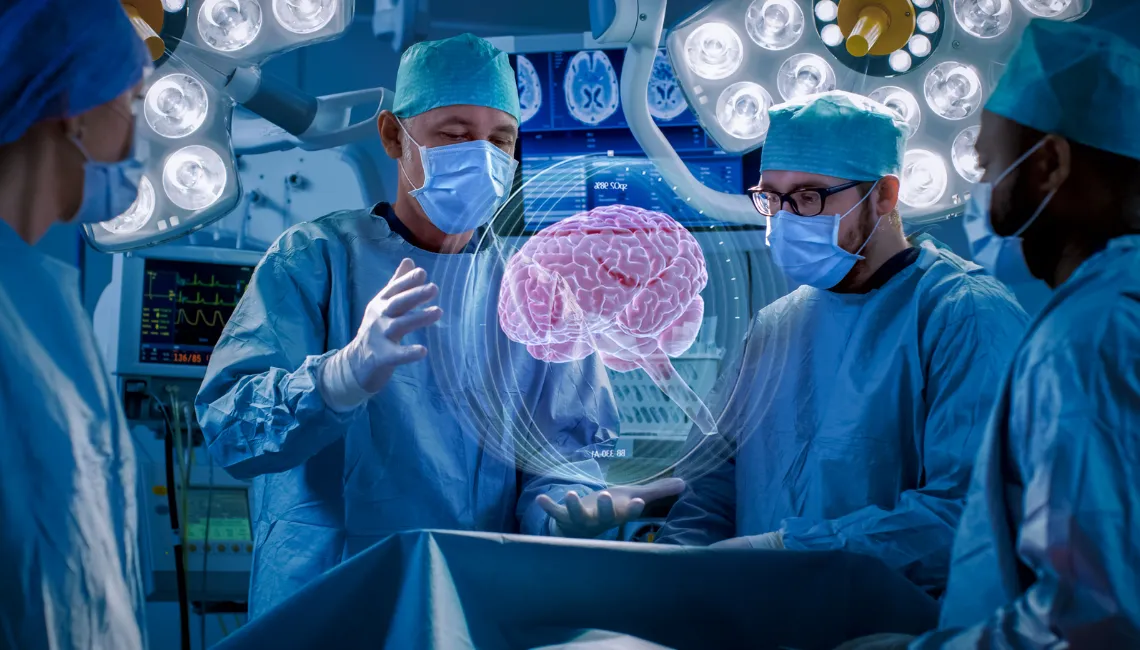
Looking for a Neurology & Neurosurgery Hospital near Perungalathur? Deepam Hospitals offers specialised neurological care under the expertise of Dr. Lakshmanan (MBBS, MD, DM, DrNB – Neurology). Our department provides comprehensive evaluation and treatment for stroke, epilepsy, migraines, headaches, Parkinson's disease, nerve disorders, spine-related neurological conditions, memory disorders, dizziness, and movement disorders. We focus on early diagnosis, advanced neurological assessment, personalised treatment, and long-term rehabilitation to help patients maintain better brain function, mobility, and quality of life.
Quick Answers at a Glance
Stroke Care
Sudden weakness on one side of the body, difficulty speaking, facial drooping, or sudden vision changes require immediate emergency medical attention. Early neurological treatment can significantly improve recovery.
Headaches & Migraines
Occasional headaches are common, but severe, persistent, or recurring headaches associated with vomiting, blurred vision, weakness, or neurological symptoms should be evaluated by a neurologist.
Seizures & Epilepsy
A seizure may occur due to various neurological conditions affecting the brain. Accurate diagnosis helps identify the cause and determine the most appropriate long-term treatment plan.
Numbness & Tingling
Persistent numbness, tingling, muscle weakness, or loss of sensation may indicate disorders involving the brain, spinal cord, or peripheral nerves and should not be ignored.
Memory & Cognitive Problems
Progressive forgetfulness, confusion, behavioural changes, or difficulty performing familiar tasks should be assessed early to identify neurological or cognitive disorders.
Spine & Nerve Disorders
Neck pain, lower back pain associated with radiating pain, numbness, weakness, or difficulty walking may indicate nerve compression or spinal neurological disorders requiring specialist evaluation.
Key Highlights
- Comprehensive Neurology & Neurosurgery Services
- Expert Care by Dr. LakshmananStroke Evaluation & Emergency Neurological Care
- Epilepsy & Seizure Management
- Headache & Migraine Assessment
- Parkinson's & Movement Disorder Care
- Nerve & Spine Disorder Evaluation
- Memory & Cognitive Assessment
- Personalised Neurological Treatment Plans
- Easily Accessible for Families Near Perungalathur
Why Choose Deepam Hospitals
Neurological conditions often require specialised assessment because symptoms may involve multiple parts of the nervous system and vary significantly from one patient to another. At Deepam Hospitals near Perungalathur, we combine neurological expertise, advanced diagnostic support, personalised treatment planning, and rehabilitation-focused care to help patients recover function while improving long-term neurological health.
Why Patients Trust Our Neurology Department
- Experienced Neurology Specialist
- Comprehensive Brain & Nerve Assessment
- Stroke & Emergency Neurological Evaluation
- Personalised Treatment Strategies
- Advanced Diagnostic Support
- Rehabilitation-Oriented Care
- Multidisciplinary Medical Collaboration
- Long-Term Neurological Follow-up
- Patient-Centred Clinical Approach
- Convenient Access for Perungalathur Families
Your Nervous System Controls Every Moment of Life
Every thought, movement, sensation, memory, and emotion depends on a healthy nervous system. Even subtle neurological symptoms may indicate conditions that benefit from early medical evaluation. Timely diagnosis not only improves treatment options but also helps preserve brain function, reduce disability, and support better recovery.
At Deepam Hospitals, we are committed to providing comprehensive neurological care that helps patients maintain independence, improve function, and continue living active lives through evidence-based treatment and compassionate medical support.
Did You Know?
- Stroke is a medical emergency where immediate treatment can significantly improve recovery and reduce long-term disability.
- Not all headaches are migraines, but persistent or unusual headaches should always be medically evaluated.
- Many neurological disorders develop gradually, making early diagnosis important for better long-term outcomes.
- Numbness or weakness affecting one side of the body should never be ignored, even if symptoms improve within a short time.
- Lifestyle factors such as uncontrolled diabetes, hypertension, smoking, and high cholesterol can increase the risk of several neurological conditions.
When Should You Consult a Neurologist?
You should seek neurological evaluation if you experience:
- Sudden weakness in the face, arm, or leg
- Frequent or severe headaches
- Recurrent seizures
- Persistent dizziness or balance problems
- Tremors or involuntary movements
- Memory loss or confusion
- Numbness or tingling sensations
- Difficulty speaking or understanding speech
- Double vision or unexplained vision changes
- Difficulty walking or poor coordination
- Persistent neck pain with radiating arm symptoms
- Lower back pain associated with leg weakness or numbness
Protecting Brain Health Through Early Neurological Care
The nervous system influences every aspect of daily life, making early neurological evaluation one of the most important steps in protecting long-term health. Whether symptoms develop gradually or appear suddenly, prompt medical assessment improves diagnostic accuracy, expands treatment options, and supports better recovery.
At Deepam Hospitals near Perungalathur, our Neurology & Neurosurgery Department is dedicated to helping patients achieve better neurological health through accurate diagnosis, personalised treatment, rehabilitation support, and long-term follow-up designed to improve independence and overall quality of life.
Related Healthcare Services
Our Neurology & Neurosurgery Department works closely with:
- General Medicine
- Emergency & Trauma Care
- Cardiology
- Critical Care Medicine
- Physiotherapy & Rehabilitation
- Radiology & Imaging
- Laboratory Services
- Geriatrics Medicine
This multidisciplinary approach ensures comprehensive diagnosis, coordinated treatment, rehabilitation, and long-term neurological care for patients with disorders affecting the brain, spine, and nervous system.
Why Is the Nervous System So Important?
When this communication pathway is disrupted by disease, injury, inflammation, reduced blood flow, or nerve damage, it may affect movement, coordination, speech, memory, balance, or sensation. Because neurological symptoms often develop gradually or appear unexpectedly, recognising them early allows prompt diagnosis and appropriate treatment.
How the Brain, Spine & Nerves Work Together
The brain acts as the body's control centre, processing information and sending instructions throughout the nervous system. The spinal cord serves as the main communication pathway between the brain and the rest of the body, while peripheral nerves deliver messages to muscles, organs, and skin.
Each part has a unique role:
- Brain – Controls thinking, memory, speech, movement, and emotions.
- Spinal Cord – Transfers signals between the brain and body.
- Peripheral Nerves – Control sensation and muscle movement.
- Cranial Nerves – Support vision, hearing, facial movement, swallowing, and balance.
- Autonomic Nervous System – Regulates heartbeat, breathing, digestion, and blood pressure.
Healthy neurological function depends on all these components working together continuously.
Common Neurological Disorders
Neurological disorders affect people of all ages and may involve the brain, spinal cord, nerves, or muscles. Some conditions develop gradually over several years, while others require immediate emergency treatment.
Common neurological conditions include:
- Stroke
- Epilepsy
- Migraine and chronic headaches
- Parkinson's disease
- Peripheral neuropathy
- Multiple sclerosis
- Brain infections
- Movement disorders
- Memory disorders
- Nerve compression syndromes
- Spinal neurological disorders
- Balance disorders
Many neurological conditions can be effectively managed when diagnosed early.
Understanding Stroke
A stroke occurs when the blood supply to part of the brain is interrupted or reduced, preventing brain tissue from receiving oxygen and nutrients. Without prompt treatment, brain cells begin to suffer damage within minutes, making stroke one of the most time-sensitive medical emergencies.
Common warning signs include:
- Sudden weakness of the face, arm, or leg
- Difficulty speaking or understanding speech
- Sudden loss of vision
- Severe dizziness
- Difficulty walking
- Loss of coordination
- Sudden severe headache
- Facial drooping
Immediate medical attention improves the chances of recovery and reduces the risk of permanent disability.
Understanding Epilepsy & Seizures
A seizure occurs when there is a sudden burst of abnormal electrical activity in the brain. While not every seizure indicates epilepsy, repeated seizures require careful neurological evaluation to determine the underlying cause.
Possible symptoms include:
- Temporary loss of awareness
- Uncontrolled body movements
- Staring episodes
- Muscle stiffness
- Sudden collapse
- Confusion after an episode
Accurate diagnosis helps determine appropriate treatment and long-term management.
Headaches: When Are They More Than Just a Headache?
Headaches are among the most common neurological symptoms, but not every headache has the same cause. While occasional headaches may not be serious, persistent, severe, or unusual headaches deserve medical evaluation.
Seek neurological assessment if headaches are associated with:
- Blurred vision
- Vomiting
- Sudden severe onset
- Weakness
- Numbness
- Speech difficulty
- Recurrent episodes
- Progressive worsening
Early diagnosis helps identify underlying neurological conditions requiring treatment.
Protecting Your Brain Through Healthy Living
Although some neurological disorders cannot be prevented, healthy lifestyle choices contribute significantly to reducing the risk of stroke and other neurological diseases.
Healthy habits include:
- Controlling blood pressure
- Managing diabetes
- Maintaining healthy cholesterol levels
- Exercising regularly
- Eating a balanced diet
- Avoiding tobacco products
- Limiting alcohol consumption
- Managing stress
- Getting adequate sleep
- Attending routine health check-ups
Good overall health also supports healthy brain ageing.
Neurological Symptoms You Should Never Ignore
Neurological symptoms often indicate changes within the brain, spinal cord, or nerves. Seeking medical advice early allows faster diagnosis and more effective treatment.
Consult a neurologist if you experience:
- Sudden weakness
- Persistent numbness
- Recurrent seizures
- Frequent severe headaches
- Tremors
- Memory loss
- Difficulty speaking
- Poor balance
- Double vision
- Loss of coordination
- Difficulty walking
- Persistent dizziness
Prompt evaluation helps reduce complications while improving recovery.
Neurological Health Snapshot
Comprehensive Neurological Assessment
Purpose
Evaluate disorders affecting the brain, spinal cord, peripheral nerves, muscles, memory, movement, and balance through detailed neurological examination.
Who Should Consider a Neurological Evaluation?
- Individuals with severe headaches
- Patients with seizures
- People experiencing weakness or numbness
- Individuals with tremors
- Patients with memory concerns
- Anyone with sudden neurological symptoms
Benefits
- Early diagnosis
- Better treatment planning
- Reduced neurological complications
- Improved recovery
- Better quality of life
- Long-term neurological monitoring
Common Neurological Symptoms & Why They Matter
| Symptom | Possible Neurological Concern | Why Early Evaluation Matters |
|---|---|---|
| Sudden weakness | Stroke or nerve disorder | Immediate assessment can reduce permanent neurological damage. |
| Frequent severe headaches | Migraine or neurological condition | Helps identify underlying causes requiring treatment. |
| Recurrent seizures | Epilepsy or brain disorder | Early diagnosis supports safer long-term management. |
| Numbness or tingling | Peripheral nerve or spinal disorder | Prevents progression of nerve damage through timely treatment. |
| Memory changes | Cognitive or neurological disorder | Early evaluation allows appropriate medical planning and management. |
| Tremors | Movement disorder | Identifies neurological conditions before symptoms progress further. |
Why Early Neurological Care Makes a Difference
Many neurological conditions respond better when recognised during their early stages. Prompt evaluation helps identify the underlying cause, prevents disease progression where possible, improves treatment options, and supports better functional recovery.
Early neurological care helps:
- Detect neurological disorders sooner
- Reduce the risk of disability
- Improve stroke recovery outcomes
- Preserve memory and cognitive function
- Protect nerve function
- Improve mobility and balance
- Support long-term neurological health
- Enhance overall quality of life
Early recognition of neurological symptoms allows patients to receive timely medical care, improving both recovery and long-term independence.
Comprehensive Neurological Evaluation
Neurological symptoms are often complex because the same symptom may arise from different conditions affecting the brain, spinal cord, peripheral nerves, or muscles. A thorough neurological evaluation helps identify the exact cause and guides the most appropriate treatment plan.
At Deepam Hospitals near Perungalathur, every neurological consultation begins with a detailed assessment that focuses on understanding the patient's symptoms, medical history, functional abilities, and overall neurological health.
Our neurological evaluation includes:
- Detailed neurological history
- Assessment of presenting symptoms
- Brain and nerve function examination
- Muscle strength evaluation
- Reflex assessment
- Balance and coordination testing
- Sensory examination
- Diagnostic investigations when clinically required
A comprehensive evaluation allows accurate diagnosis while reducing unnecessary delays in treatment.
Stroke Evaluation & Immediate Neurological Care
Stroke is one of the most time-sensitive neurological emergencies. Every minute after a stroke begins, brain cells may be affected, making rapid evaluation extremely important.
Our stroke evaluation focuses on:
- Sudden neurological symptom assessment
- Brain function evaluation
- Speech assessment
- Limb weakness evaluation
- Facial movement assessment
- Swallowing assessment
- Emergency neurological decision-making
- Individualised treatment planning
Rapid diagnosis supports faster intervention and improves the chances of functional recovery.
Neurological Assessment Snapshot
Purpose
Identify disorders affecting the brain, spinal cord, nerves, muscles, movement, memory, and coordination through comprehensive neurological evaluation.
Recommended For
- Individuals with sudden neurological symptoms
- Patients experiencing recurrent headaches
- People with seizures
- Individuals with memory concerns
- Patients with balance disorders
- People experiencing numbness or weakness
Benefits
- Earlier diagnosis
- Personalised treatment planning
- Improved neurological recovery
- Better functional independence
- Long-term neurological monitoring
Headache & Migraine Assessment
Headaches vary widely in their cause, severity, and frequency. While many headaches are not serious, persistent or unusual headaches require neurological evaluation to rule out underlying brain or nerve disorders.
Our assessment includes:
- Headache pattern analysis
- Symptom evaluation
- Neurological examination
- Lifestyle assessment
- Trigger identification
- Individualised management planning
Understanding the characteristics of each headache helps guide appropriate treatment while improving long-term symptom control.
Epilepsy & Seizure Management
Seizures require careful neurological evaluation because they may occur due to several different medical conditions. Identifying the underlying cause allows doctors to recommend the safest and most effective long-term management plan.
Our epilepsy care includes:
- Seizure history assessment
- Neurological examination
- Diagnostic evaluation
- Medication planning
- Long-term monitoring
- Lifestyle counselling
- Safety guidance
- Regular neurological follow-up
Continuous monitoring helps patients achieve better seizure control while maintaining everyday independence.
Brain Health Insight
Not every episode of dizziness, memory loss, or headache is caused by a serious neurological disease. However, symptoms that persist, worsen, or repeatedly occur should always be medically evaluated to identify conditions that benefit from early treatment.
Movement Disorder Evaluation
Movement disorders affect the body's ability to perform smooth, controlled movements. Symptoms may gradually interfere with walking, writing, speaking, balance, or daily activities.
Our assessment evaluates:
- Tremors
- Muscle stiffness
- Slowed movement
- Walking pattern
- Balance
- Coordination
- Functional ability
- Disease progression
Early neurological care helps improve mobility while supporting long-term independence.
Memory & Cognitive Assessment
Memory changes may occur due to ageing, medical illness, or neurological disorders. A structured neurological assessment helps distinguish normal age-related changes from conditions requiring further evaluation.
Our cognitive assessment includes:
- Memory evaluation
- Attention assessment
- Language function
- Problem-solving ability
- Behavioural observations
- Daily functioning review
Early diagnosis allows patients and families to better understand the condition while planning appropriate care.
Spine & Peripheral Nerve Assessment
Neurological symptoms affecting the neck, back, arms, or legs often involve the spinal cord or peripheral nerves. Conditions such as nerve compression or spinal disorders may cause pain, numbness, weakness, or reduced mobility.
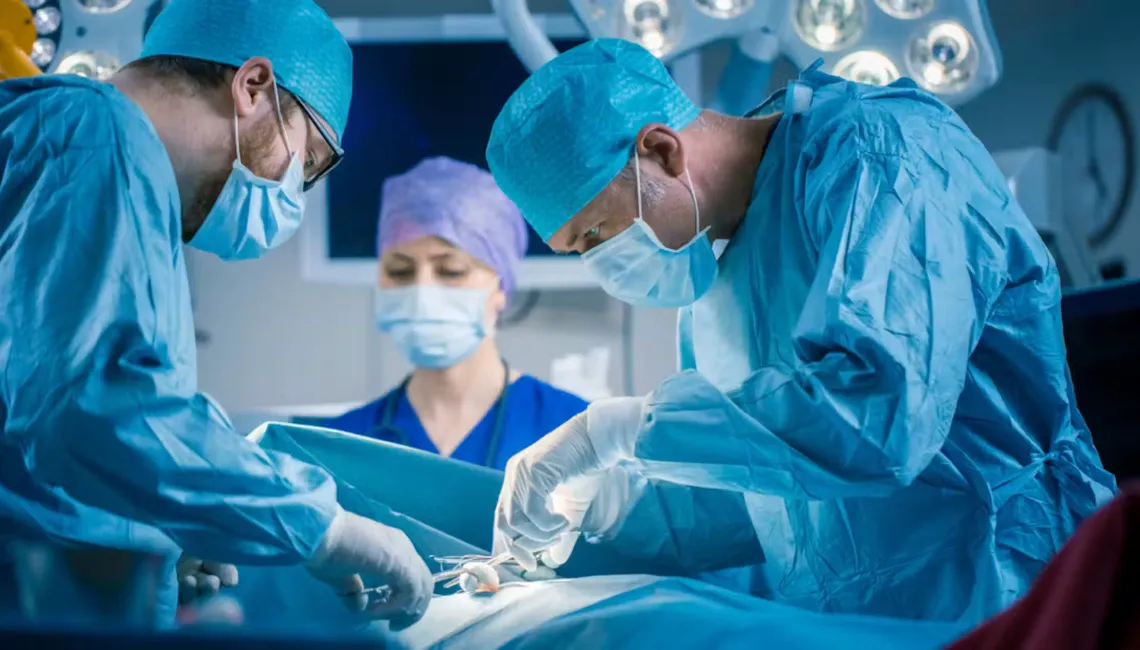
Our evaluation focuses on:
- Neck and back-related neurological symptoms
- Nerve function assessment
- Muscle strength testing
- Reflex examination
- Sensory evaluation
- Walking assessment
- Functional mobility
- Individualised treatment planning
Early intervention helps prevent worsening nerve damage while improving physical function.
Early Evaluation vs Delayed Neurological Care
| Early Neurological Evaluation | Delayed Medical Attention |
|---|---|
| Identifies neurological conditions sooner | Diagnosis may be delayed until symptoms worsen |
| Expands treatment opportunities | Disease progression may reduce treatment options |
| Supports better recovery | Recovery may become more difficult |
| Helps preserve neurological function | Higher risk of long-term disability |
Our Neurology & Neurosurgery Department provides comprehensive care for:
- Stroke
- Epilepsy
- Migraine
- Chronic headaches
- Parkinson's disease
- Peripheral neuropathy
- Memory disorders
- Balance disorders
- Tremors
- Spinal neurological disorders
- Nerve compression syndromes
- General neurological disorders
Each patient receives an individualised care plan based on neurological findings, overall health, functional needs, and long-term recovery goals.
Collaborative Neurological Care
Neurological disorders often require coordinated care involving multiple medical specialties to achieve the best possible outcomes. At Deepam Hospitals, our Neurology & Neurosurgery Department works closely with other specialists to provide integrated patient care.
Our department collaborates with:
- General Medicine
- Emergency & Trauma Care
- Cardiology
- Critical Care Medicine
- Physiotherapy & Rehabilitation
- Radiology & Imaging
- Laboratory Services
- Geriatrics Medicine
This multidisciplinary approach supports accurate diagnosis, coordinated treatment, rehabilitation planning, and comprehensive long-term neurological care.
Dr. Lakshmanan
Consultant – Neurology & Neurosurgery
Dr. Lakshmanan provides comprehensive neurological care for patients experiencing disorders affecting the brain, spinal cord, nerves, and muscles. His clinical approach combines detailed neurological assessment with evidence-based treatment to develop personalised care plans that address both immediate symptoms and long-term neurological wellbeing.
Whether treating stroke, epilepsy, movement disorders, chronic headaches, memory problems, or nerve-related conditions, Dr. Lakshmanan focuses on improving functional recovery while supporting patients and their families throughout every stage of treatment.
Your Neurological Care Journey
Neurological symptoms can affect physical movement, communication, memory, emotions, and independence. At Deepam Hospitals, every patient follows a structured neurological care pathway that ensures accurate diagnosis, appropriate treatment, and continuous support throughout recovery.
Step 1 — Listening to Your Symptoms
Your consultation begins with understanding your symptoms, when they started, how they have progressed, previous medical history, medications, lifestyle, and family history of neurological conditions.
Step 2 — Comprehensive Neurological Examination
A detailed neurological examination evaluates muscle strength, coordination, sensation, reflexes, balance, speech, memory, and cognitive function to identify possible nervous system disorders.
Step 3 — Personalised Treatment Planning
Based on the clinical findings and investigations, an individual treatment plan is prepared. Management may include medication, lifestyle modification, neurological rehabilitation, or referral for specialised procedures whenever required.
Step 4 — Rehabilitation & Recovery Support
Many neurological conditions benefit from ongoing rehabilitation. Depending on the patient's condition, recovery may include physiotherapy, balance training, speech therapy, occupational rehabilitation, and regular neurological follow-up.
Step 5 — Long-Term Neurological Monitoring
Certain neurological conditions require regular review to monitor disease progression, adjust treatment, prevent complications, and maintain the highest possible level of independence and quality of life.
Recovery After a Neurological Condition
Recovery differs for every patient because neurological disorders affect individuals in different ways. Factors such as early diagnosis, severity of the condition, overall health, and adherence to treatment all influence recovery outcomes.
During recovery, patients are encouraged to:
- Take medications exactly as prescribed
- Attend regular neurological follow-up visits
- Participate in recommended rehabilitation programmes
- Remain physically active within medical advice
- Follow healthy sleep routines
- Maintain balanced nutrition
- Control diabetes, blood pressure, and cholesterol
- Report any new neurological symptoms promptly
A consistent recovery plan supports better physical function and long-term neurological health.
Recovery Snapshot
Focus
- Medication adherence
- Rehabilitation participation
- Cognitive wellbeing
- Physical activity
- Regular neurological review
- Lifestyle modification
Goal
Enable patients to regain maximum functional independence while reducing the risk of future neurological complications.
Protecting Your Brain Health Every Day
Looking after brain health involves much more than treating neurological illness. Everyday lifestyle choices influence the health of the brain, blood vessels, nerves, and muscles throughout life.
Healthy habits that support neurological wellbeing include:
- Keeping blood pressure under control
- Managing diabetes effectively
- Maintaining healthy cholesterol levels
- Exercising regularly
- Eating a nutritious, balanced diet
- Getting adequate sleep
- Avoiding tobacco products
- Limiting alcohol consumption
- Staying mentally active
- Attending regular medical check-ups
These habits contribute to healthier ageing while reducing the risk of several neurological disorders.
Supporting Families Throughout Neurological Care
Neurological illnesses often affect not only the patient but also family members and caregivers. Emotional support, regular communication, and understanding the treatment plan play an important role in improving recovery and maintaining independence.
Families can help by:
- Encouraging medication adherence
- Assisting with follow-up appointments
- Supporting rehabilitation exercises
- Monitoring changes in symptoms
- Encouraging healthy daily routines
- Promoting emotional wellbeing
- Helping maintain a safe home environment
- Communicating concerns with the healthcare team
Working together allows patients to receive comprehensive care both inside and outside the hospital.
Related Healthcare Services
Our Neurology & Neurosurgery Department collaborates closely with:
- General Medicine
- Emergency & Trauma Care
- Cardiology
- Critical Care Medicine
- Physiotherapy & Rehabilitation
- Radiology & Imaging
- Laboratory Services
- Geriatrics Medicine
This integrated approach enables patients to receive coordinated neurological care, rehabilitation support, advanced diagnostics, and long-term medical management under one healthcare network.
Frequently Asked Questions
You should seek neurological evaluation if you experience persistent headaches, seizures, numbness, weakness, memory changes, tremors, balance problems, dizziness, or sudden neurological symptoms such as facial drooping or difficulty speaking.
Common warning signs include sudden weakness on one side of the body, facial drooping, difficulty speaking, sudden vision changes, severe dizziness, or loss of coordination. Stroke is a medical emergency that requires immediate medical attention.
Many neurological conditions can be effectively managed through early diagnosis, appropriate medication, rehabilitation, lifestyle changes, and regular neurological follow-up.
No. Many headaches are harmless, but persistent, severe, recurring, or unusual headaches should be evaluated to determine whether further neurological assessment is needed.
Early diagnosis often improves treatment options, helps preserve neurological function, reduces complications, and supports better long-term recovery.
Yes. Rehabilitation helps many patients improve movement, balance, coordination, speech, and daily functioning following neurological illness or injury.
Healthy eating, exercise, blood pressure control, diabetes management, adequate sleep, and avoiding smoking all contribute to maintaining healthier brain and nervous system function.
Seek immediate medical attention if you experience sudden weakness, facial drooping, seizures lasting longer than usual, severe head injury, sudden confusion, loss of consciousness, or difficulty speaking.
Medical Disclaimer
The information provided on this page is intended for educational purposes only and should not replace professional medical advice, diagnosis, or treatment. Neurological disorders vary widely in severity and presentation, and every patient requires an individual clinical evaluation. Please consult a qualified neurologist for personalised medical advice regarding neurological symptoms, brain disorders, spinal conditions, or nerve-related problems. If you or someone around you experiences sudden weakness, facial drooping, difficulty speaking, seizures, loss of consciousness, or any symptoms suggestive of a stroke or neurological emergency, seek immediate medical attention without delay.
Helping You Live Better with Expert Neurological Care
Neurological conditions can affect many aspects of everyday life, but timely diagnosis, appropriate treatment, rehabilitation, and continuous medical support can make a meaningful difference. At Deepam Hospitals, our goal is not only to treat neurological disorders but also to help every patient regain confidence, preserve independence, and enjoy a better quality of life.
Consult Dr. Lakshmanan at Deepam Hospitals near Perungalathur for comprehensive neurological evaluation, personalised treatment, stroke care, epilepsy management, headache assessment, movement disorder care, and long-term neurological follow-up delivered with expertise and compassion.
Contact Us