- For appointment (+91) 97904 97905
Best Orthopaedics & Joint Replacement Hospital Near Perungalathur
Comprehensive Bone, Joint & Mobility Care to Help You Live Without Limitations
Freedom of movement is something many people take for granted until pain, injury, or joint stiffness begins to interfere with everyday life. Whether it's walking to work, climbing stairs, lifting a child, playing sports, or simply getting out of bed comfortably, healthy bones and joints make every movement possible. When musculoskeletal conditions develop, they can gradually affect mobility, independence, productivity, and overall quality of life. Seeking early orthopaedic care not only helps relieve pain but also prevents further damage and supports a quicker return to normal activities.
Orthopaedic conditions are no longer limited to older adults. Modern lifestyles, prolonged desk work, obesity, sports injuries, road traffic accidents, repetitive movements, and age-related joint degeneration have made bone and joint disorders increasingly common across all age groups. Persistent knee pain, shoulder discomfort, back pain, fractures, ligament injuries, and joint stiffness should never be ignored, as timely diagnosis often leads to more effective treatment and improved long-term outcomes.
At Deepam Hospitals near Perungalathur, our Department of Orthopaedics & Joint Replacement provides comprehensive care for conditions affecting bones, joints, muscles, ligaments, tendons, and the entire musculoskeletal system. Our goal extends beyond treating injuries; we focus on restoring strength, improving movement, relieving pain, and helping patients regain confidence in their daily lives through personalised orthopaedic care.
Deepam Hospitals is a trusted healthcare network with multispeciality hospitals in Tambaram, Guduvanchery, and Singaperumal Koil (SP Koil), supported by healthcare centres in Perungalathur, Urapakkam, and Maraimalai Nagar.
Our department is led by Dr. Hari Prasath K (MBBS, DNB – Orthopaedics), an experienced Orthopaedic Surgeon dedicated to providing evidence-based diagnosis, advanced orthopaedic treatment, and patient-focused rehabilitation. Whether managing fractures, sports injuries, arthritis, traumatic injuries, or planning joint replacement surgery, Dr. Hari Prasath K develops personalised treatment plans that consider each patient's medical condition, age, activity level, occupation, and long-term mobility goals.
Patients from Perungalathur, Peerkankaranai, West Tambaram, East Tambaram, Mudichur, Vandalur, Mannivakkam, Urapakkam, Irumbuliyur, Guduvanchery, and nearby communities choose Deepam Hospitals for reliable orthopaedic expertise, advanced bone and joint care, comprehensive rehabilitation, and compassionate support throughout every stage of recovery.
Deepam Hospitals near Perungalathur offers advanced Orthopaedics & Joint Replacement services under the care of Dr. Hari Prasath K. Our department provides expert evaluation and treatment for fractures, sports injuries, arthritis, traumatic injuries, knee replacement, joint replacement surgery, and musculoskeletal disorders, helping patients restore mobility, reduce pain, and improve long-term joint health.
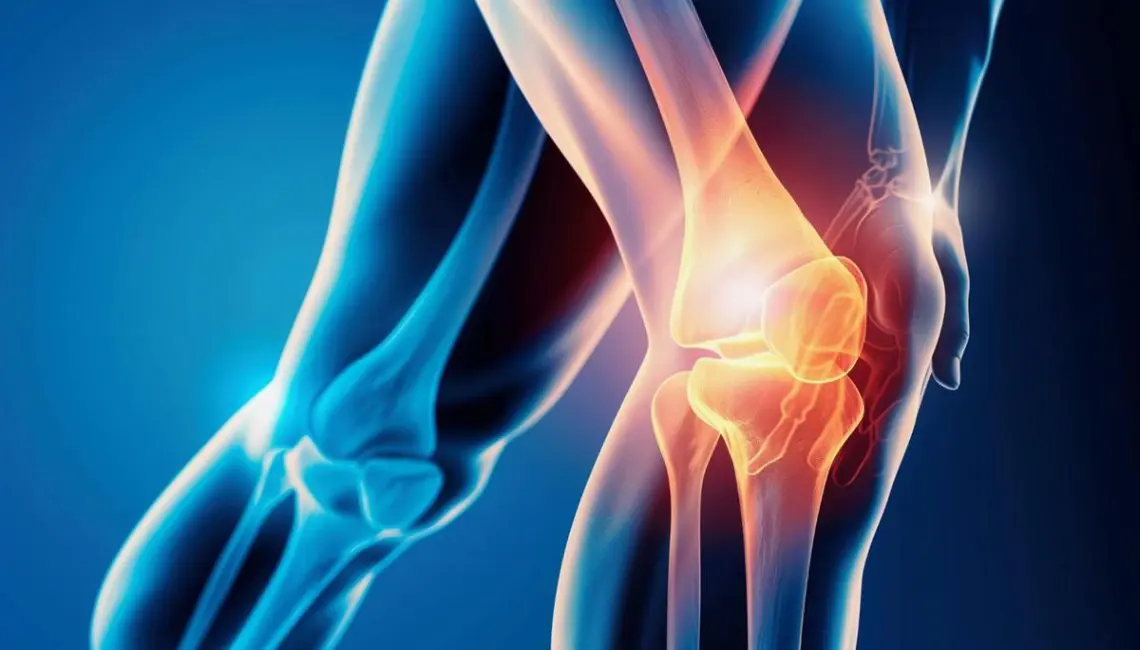
Quick Answers at a Glance
Bone & Joint Pain
Persistent bone or joint pain should be evaluated early to identify the underlying cause and prevent further damage that may affect movement and daily activities.
Fracture Management
Prompt diagnosis and appropriate fracture care promote proper bone healing, restore alignment, and help patients return safely to normal activities.
Knee Replacement
When severe knee arthritis limits mobility and daily function, knee replacement surgery may provide long-term pain relief and improved joint function after careful assessment.
Joint Replacement Surgery
Joint replacement helps restore movement by replacing damaged joint surfaces when conservative treatments no longer provide adequate relief.
Sports & Traumatic Injuries
Orthopaedic care for sports injuries and accidental trauma focuses on restoring strength, stability, flexibility, and long-term physical function.
Rehabilitation & Recovery
Successful orthopaedic treatment includes structured rehabilitation that helps improve strength, flexibility, balance, and confidence after injury or surgery.
Key Highlights
- Comprehensive Orthopaedics & Joint Replacement Care
- Expert Orthopaedic Surgeon – Dr. Hari Prasath K
- Advanced Fracture & Trauma Management
- Knee Replacement Surgery
- Joint Replacement Procedures
- Sports Injury Evaluation & Treatment
- Arthritis & Joint Pain Management
- Personalised Rehabilitation Planning
- Individualised Treatment for Every Patient
- Convenient Care Near Perungalathur
Why Choose Deepam Hospitals
Choosing the right orthopaedic hospital is essential for achieving better recovery, preserving mobility, and improving long-term quality of life. At Deepam Hospitals near Perungalathur, we combine experienced orthopaedic expertise, modern diagnostics, personalised treatment planning, and rehabilitation-focused care to support patients through every stage of recovery.
Why Patients Choose Our Orthopaedics Department
- Experienced Orthopaedic Specialist
- Comprehensive Bone & Joint Care
- Advanced Fracture & Trauma Services
- Knee & Joint Replacement Expertise
- Personalised Treatment Planning
- Modern Diagnostic Support
- Rehabilitation-Oriented Recovery
- Multidisciplinary Medical Care
- Patient-Centred Orthopaedic Management
- Easily Accessible for Families Near Perungalathur
Restoring Movement, One Step at a Time
Movement is essential to living an active, independent, and fulfilling life. Whether recovering from an accident, managing chronic joint pain, or seeking advanced orthopaedic treatment, every patient deserves care that focuses on long-term function rather than temporary symptom relief.
At Deepam Hospitals, our orthopaedic team works closely with each patient to develop personalised care plans that emphasise accurate diagnosis, appropriate treatment, rehabilitation, and preventive strategies. Our goal is to help patients regain confidence in movement, reduce pain, and return to work, family life, sports, and everyday activities with improved comfort and mobility.
Did You Know?
- Joint pain lasting more than a few weeks should always be medically evaluated instead of being considered a normal part of ageing.
- Many sports injuries recover more successfully when treated early with appropriate orthopaedic care.
- Maintaining strong muscles around your joints helps improve stability and reduces the risk of future injuries.
- Not every patient with arthritis requires joint replacement; many conditions can initially be managed through personalised non-surgical treatment.
- Rehabilitation is just as important as treatment because it helps restore flexibility, muscle strength, and functional movement.
When Should You Consult an Orthopaedic Specialist?
Consult an orthopaedic specialist if you experience:
- Persistent knee, hip, shoulder, or ankle pain
- Joint stiffness affecting daily activities
- Swelling after an injury
- Difficulty walking or climbing stairs
- Suspected fractures or dislocations
- Recurrent sports injuries
- Back or neck pain that does not improve
- Difficulty lifting or moving a joint
- Joint instability or frequent locking
- Pain affecting sleep or routine activities
- Reduced range of movement
- Arthritis symptoms affecting mobility
Supporting Better Bone & Joint Health for Every Stage of Life
Healthy bones and joints are essential for maintaining independence, productivity, and an active lifestyle. Early diagnosis, evidence-based treatment, structured rehabilitation, and preventive orthopaedic care all contribute to healthier movement and improved long-term wellbeing.
At Deepam Hospitals near Perungalathur, we are committed to helping every patient achieve better mobility, reduced pain, and improved physical function through comprehensive orthopaedic care tailored to their individual needs.
Related Orthopaedic Services
Our Orthopaedics & Joint Replacement Department works closely with:
- Physiotherapy & Rehabilitation
- Emergency & Trauma Care
- Radiology & Imaging
- General Medicine
- Diabetology
- Nutrition & Dietetics
- Laboratory Services
- Pain Management
This collaborative approach ensures comprehensive diagnosis, treatment, rehabilitation, and long-term musculoskeletal care for patients across Perungalathur and nearby communities.
How Your Musculoskeletal System Supports Everyday Movement
The musculoskeletal system is one of the most important systems in the human body. It consists of bones, joints, muscles, cartilage, ligaments, tendons, and connective tissues that work together to provide stability, balance, flexibility, and movement. Every activity—from getting out of bed and walking to lifting objects, exercising, or playing with children—depends on healthy bones and properly functioning joints.
As we grow older, natural ageing, injuries, repetitive strain, medical conditions, and lifestyle habits can gradually affect this system. When these structures become damaged or weakened, they may cause pain, stiffness, swelling, instability, or reduced mobility that interferes with daily life. Understanding how the musculoskeletal system works encourages people to seek timely orthopaedic care before symptoms become more severe.
Why Joint Health Changes Over Time
Healthy joints contain smooth cartilage that allows bones to move freely without friction. Over the years, this protective cartilage may gradually wear down due to ageing, repeated stress, previous injuries, excess body weight, or inflammatory conditions. As the cushioning between bones decreases, movements can become painful and joints may lose their normal flexibility.
Joint degeneration most commonly affects:
- Knees
- Hips
- Shoulders
- Ankles
- Spine
- Hands
Although these changes become more common with advancing age, maintaining an active lifestyle and seeking early orthopaedic care can help preserve joint function for many years.
Common Reasons People Develop Orthopaedic Problems
Bone and joint conditions can occur suddenly after an accident or develop gradually over time. Identifying the underlying cause helps orthopaedic specialists recommend the most appropriate treatment and long-term management plan.
Common causes include:
- Road traffic accidents
- Falls
- Sports injuries
- Repetitive workplace movements
- Arthritis
- Osteoporosis
- Obesity
- Poor posture
- Age-related joint wear
- Previous fractures
- Muscle weakness
- Ligament injuries
Many of these factors can be managed effectively when recognised early.
Arthritis – More Than Just Ageing
Arthritis is one of the most common causes of long-term joint pain, but it is not simply a normal part of growing older. It refers to conditions that affect the joints, leading to pain, swelling, stiffness, and reduced movement. While some forms of arthritis develop gradually with age, others may occur due to autoimmune diseases, previous injuries, or other medical conditions.
Commonly affected joints include:
- Knees
- Hips
- Shoulders
- Fingers
- Ankles
Early diagnosis allows patients to explore appropriate treatment options before significant joint damage develops.
Lifestyle Habits That Influence Bone & Joint Health
Daily habits play an important role in maintaining strong bones and flexible joints throughout life. Even small lifestyle improvements can reduce unnecessary stress on the musculoskeletal system while supporting long-term mobility.
Healthy habits include:
- Maintaining a healthy body weight
- Regular physical activity
- Strength and flexibility exercises
- Eating calcium-rich foods
- Maintaining adequate Vitamin D levels
- Correct sitting posture
- Safe lifting techniques
- Wearing supportive footwear
- Avoiding prolonged inactivity
- Preventing falls
These habits contribute to healthier joints and improved overall physical function.
Bone Health Across Different Stages of Life
Bone and joint health needs change with age. Understanding these changes helps individuals take preventive steps appropriate to their stage of life.
Children & Teenagers
Growing bones require proper nutrition, physical activity, and injury prevention to support healthy skeletal development.
Young Adults
Sports participation, physically demanding work, and accidents commonly contribute to fractures, ligament injuries, and muscle strains.
Middle-Aged Adults
Joint pain, repetitive strain injuries, and early arthritis become more common as occupational and lifestyle demands increase.
Older Adults
Age-related bone loss, osteoporosis, arthritis, and reduced balance increase the likelihood of fractures and mobility problems.
Maintaining healthy lifestyle habits throughout life helps protect bone strength and joint function.
Warning Signs You Should Never Ignore
Bone and joint disorders often begin with mild symptoms that gradually become more noticeable. Ignoring these warning signs may allow conditions to progress and affect long-term mobility.
Seek orthopaedic evaluation if you experience:
- Persistent joint pain
- Swollen joints
- Morning stiffness
- Difficulty bending or straightening a joint
- Reduced range of movement
- Pain after an injury
- Bone tenderness
- Joint instability
- Clicking or locking sensations
- Difficulty walking
- Visible deformity after trauma
- Pain that limits everyday activities
Early diagnosis provides more opportunities for successful treatment and recovery.
Orthopaedic Wellness Snapshot
Routine Bone & Joint Evaluation – Purpose
Assess musculoskeletal health, identify the cause of pain or injury, and recommend appropriate treatment before long-term damage develops.
Who May Benefit?
- Individuals with persistent joint pain
- Patients recovering from fractures
- Athletes and active adults
- Older adults with arthritis
- People experiencing reduced mobility
Benefits
- Accurate diagnosis
- Better pain management
- Improved joint function
- Early treatment planning
- Reduced risk of complications
- Better quality of life
Bone & Joint Health Through Different Life Stages
| Age Group | Common Orthopaedic Concerns | Why Regular Orthopaedic Care Matters |
|---|---|---|
| Children & Adolescents | Fractures, sports injuries, growth-related conditions | Supports healthy bone development and proper injury management. |
| Young Adults | Ligament injuries, muscle strains, accidental trauma | Encourages faster recovery and helps prevent long-term complications. |
| Middle-Aged Adults | Early arthritis, repetitive strain injuries, back pain | Helps maintain joint function and mobility through timely intervention. |
| Older Adults | Osteoarthritis, osteoporosis, fractures, reduced balance | Promotes independence, reduces fracture risk, and improves quality of life. |
Why Early Orthopaedic Care Improves Long-Term Mobility
Many musculoskeletal conditions progress gradually, making early medical evaluation one of the most important steps in preserving healthy movement. Timely diagnosis allows orthopaedic specialists to identify the underlying problem before severe joint damage, chronic pain, or permanent functional limitations develop.
Seeking orthopaedic care early can help:
- Preserve joint function
- Improve mobility
- Relieve pain more effectively
- Reduce the risk of disability
- Promote better fracture healing
- Support faster return to everyday activities
- Delay progression of degenerative joint disease
- Improve long-term physical independence
Taking action when symptoms first appear allows patients to stay active, maintain independence, and enjoy a better quality of life for years to come.
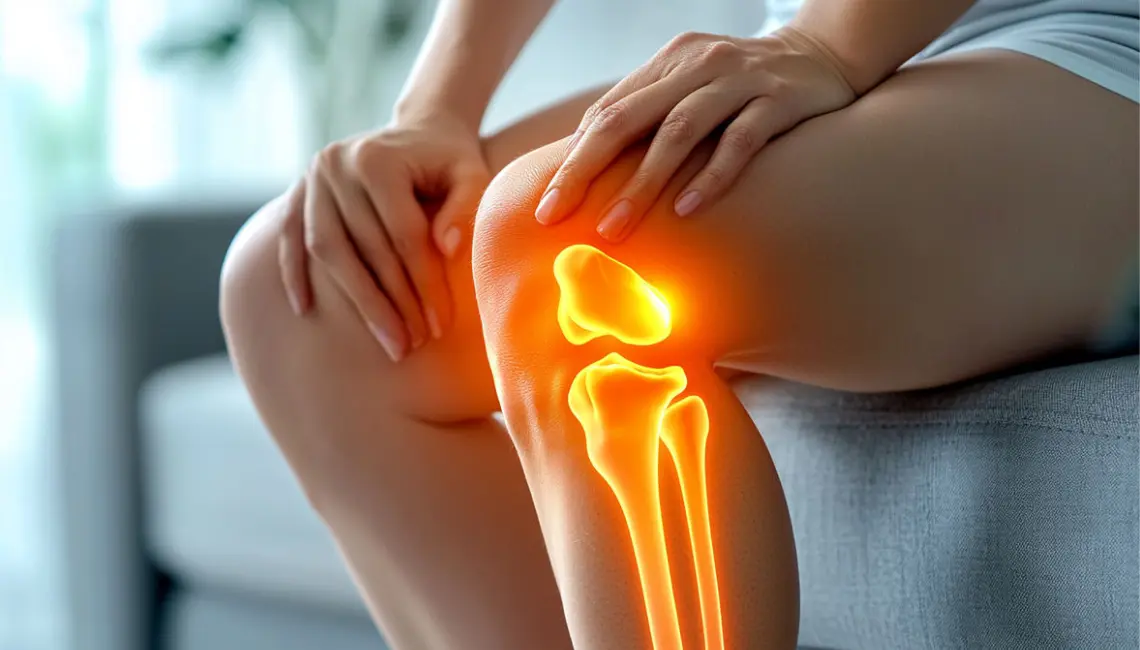
Comprehensive Orthopaedic Consultation
Every patient experiences bone and joint problems differently. The cause of pain, stiffness, or restricted movement can vary depending on age, occupation, lifestyle, previous injuries, and underlying medical conditions. At Deepam Hospitals near Perungalathur, every orthopaedic consultation begins with a detailed clinical assessment to understand the patient's symptoms and determine the most appropriate treatment approach.
Our evaluation includes:
- Complete medical history
- Assessment of previous injuries
- Physical examination
- Joint movement analysis
- Muscle strength evaluation
- Functional mobility assessment
- Review of diagnostic imaging when required
This personalised assessment allows our orthopaedic specialist to recommend treatment plans that focus on relieving pain while improving mobility and long-term joint health.
Precision Diagnosis for Bone & Joint Conditions
Accurate diagnosis forms the foundation of successful orthopaedic treatment. Different bone and joint disorders may produce similar symptoms, making careful clinical evaluation essential before deciding on treatment.
Our diagnostic approach helps evaluate:
- Bone injuries
- Joint disorders
- Ligament injuries
- Tendon problems
- Cartilage damage
- Degenerative joint disease
- Sports-related injuries
- Trauma-related conditions
By identifying the exact source of pain and dysfunction, we can develop targeted treatment strategies that improve recovery outcomes.
Orthopaedic Evaluation Snapshot
Purpose
Identify the underlying cause of musculoskeletal pain, injury, or reduced mobility.
Recommended For
- Persistent joint pain
- Fracture assessment
- Sports injuries
- Arthritis symptoms
- Difficulty walking
- Reduced joint movement
Benefits
- Early diagnosis
- Individualised treatment
- Better treatment planning
- Improved functional recovery
- Reduced risk of complications
Fracture & Trauma Management
Bone fractures require timely medical care to restore alignment, promote proper healing, and minimise long-term complications. Whether injuries occur due to road traffic accidents, falls, workplace incidents, or sports activities, our orthopaedic team provides comprehensive fracture management based on the severity and location of the injury.
Our fracture care services include:
- Initial fracture evaluation
- Closed fracture management
- Complex fracture assessment
- Joint dislocation management
- Follow-up monitoring
- Functional recovery planning
- Long-term orthopaedic review
Every treatment plan is designed to support healthy bone healing while helping patients regain normal function.
Sports Injury Assessment & Treatment
Sports and recreational activities can place considerable stress on bones, muscles, ligaments, and tendons. Prompt diagnosis and appropriate treatment help athletes and active individuals recover safely while reducing the risk of recurrent injuries.
We commonly evaluate:
- Ligament injuries
- Muscle strains
- Tendon injuries
- Joint sprains
- Overuse injuries
- Sports-related fractures
Treatment recommendations are based on the patient's activity level, functional goals, and expected recovery timeline.
Arthritis & Joint Preservation
Joint pain does not always require surgery. Many patients with early or moderate arthritis benefit from personalised treatment strategies aimed at preserving natural joint function and delaying disease progression.
Joint preservation focuses on:
- Early diagnosis
- Pain management
- Improving joint movement
- Supporting muscle strength
- Activity modification
- Lifestyle guidance
The objective is to maintain mobility and improve quality of life while preserving healthy joint function whenever possible.
Joint Care Insight
Many people delay seeking treatment because they believe joint pain is a normal part of ageing. In reality, early orthopaedic assessment often provides more treatment options and may help preserve joint function before advanced damage develops.
Knee Replacement Surgery
The knee is one of the most frequently affected joints in patients with advanced arthritis and degenerative joint disease. When severe pain and stiffness significantly interfere with walking, climbing stairs, or daily activities, knee replacement surgery may be considered.
Our knee replacement programme includes:
- Detailed clinical assessment
- Evaluation of joint damage
- Personalised surgical planning
- Preoperative counselling
- Functional rehabilitation planning
- Postoperative follow-up
The decision to recommend surgery is based on clinical findings, imaging studies, patient expectations, and overall health status.
Conservative Care vs Knee Replacement
| Conservative Treatment | Knee Replacement Surgery |
|---|---|
| Suitable for early-stage joint disease | Considered for advanced joint degeneration |
| Focuses on symptom management | Replaces damaged joint surfaces |
| Aims to preserve natural joint function | Restores movement when severe damage is present |
| Often combined with rehabilitation | Followed by structured rehabilitation programme |
Joint Replacement Surgery
Joint replacement surgery offers an effective solution for carefully selected patients with advanced joint damage that significantly limits mobility and daily function. The procedure replaces damaged joint surfaces with artificial implants designed to restore movement and reduce pain.
Joint replacement may be recommended for:
- Advanced osteoarthritis
- Severe joint degeneration
- Persistent joint pain
- Significant loss of mobility
- Joint deformity
- Failure of conservative treatment
Each patient undergoes detailed evaluation before surgery is recommended to ensure the treatment aligns with their functional needs and long-term goals.
Rehabilitation & Functional Recovery
Successful orthopaedic care continues beyond treatment or surgery. Rehabilitation plays a crucial role in restoring strength, flexibility, coordination, and confidence during movement.
Our rehabilitation plans are customised according to:
- Type of injury
- Surgical procedure performed
- Patient's age
- General health
- Occupation
- Physical activity level
- Functional recovery goals
A structured rehabilitation programme helps patients return safely to work, sports, and everyday life.
Conditions We Commonly Treat
Our Orthopaedics & Joint Replacement Department provides comprehensive evaluation and treatment for:
- Bone fractures
- Joint dislocations
- Knee arthritis
- Hip arthritis
- Shoulder disorders
- Sports injuries
- Ligament injuries
- Tendon disorders
- Traumatic injuries
- Chronic joint pain
- Degenerative joint disease
- Musculoskeletal disorders
Each treatment plan is carefully tailored to the patient's diagnosis, lifestyle, and long-term mobility requirements.
Collaborative Orthopaedic Care
Orthopaedic recovery often benefits from coordinated care involving multiple medical specialties. Our department works closely with:
- Physiotherapy & Rehabilitation
- Emergency & Trauma Care
- Radiology & Imaging
- General Medicine
- Diabetology
- Nutrition & Dietetics
- Anaesthesiology
- Laboratory Services
This multidisciplinary approach ensures comprehensive diagnosis, effective treatment, smooth recovery, and long-term musculoskeletal health for every patient.
Dr. Hari Prasath K
Consultant – Orthopaedics & Joint Replacement
Successful orthopaedic care is about more than treating fractures or replacing joints. It is about restoring movement, improving independence, and helping patients return to the activities they enjoy. Every patient deserves personalised care that considers not only the medical condition but also their lifestyle, occupation, and long-term mobility goals.
Dr. Hari Prasath K is dedicated to providing comprehensive orthopaedic care for patients experiencing bone, joint, muscle, and ligament disorders. His clinical approach combines accurate diagnosis, evidence-based treatment, and structured rehabilitation to help patients achieve lasting recovery.
With expertise in managing fractures, traumatic injuries, arthritis, sports injuries, and joint replacement surgery, Dr. Hari Prasath K develops personalised treatment plans that prioritise both immediate recovery and long-term musculoskeletal health. His goal is to help every patient regain mobility safely while improving overall quality of life.
Your Orthopaedic Care Journey
Every orthopaedic condition follows a different path, and every patient deserves care that is personalised from the very first consultation. At Deepam Hospitals, we follow a systematic approach that ensures accurate diagnosis, informed decision-making, and continuous support throughout recovery.
Step 1 – Listening to Your Concerns
The consultation begins with understanding your symptoms, medical history, previous injuries, occupation, lifestyle, and how your condition affects your daily routine and physical activities.
Step 2 – Clinical Examination & Diagnosis
A detailed physical examination, movement assessment, and appropriate diagnostic investigations help identify the exact cause of pain, instability, or reduced mobility before treatment is planned.
Step 3 – Individualised Treatment Planning
After confirming the diagnosis, your orthopaedic specialist explains the available treatment options and develops a personalised care plan based on your condition, age, activity level, and recovery expectations.
Step 4 – Treatment & Functional Improvement
Whether treatment involves fracture management, conservative care, or joint replacement surgery, every stage is designed to restore stability, reduce pain, and improve physical function.
Step 5 – Follow-up & Long-Term Monitoring
Regular follow-up appointments help monitor healing, assess mobility, evaluate rehabilitation progress, and support long-term musculoskeletal health after treatment.
Recovery After Orthopaedic Treatment
Healing continues well beyond the completion of treatment or surgery. Recovery depends on several factors, including the type of injury, treatment received, age, overall health, and commitment to rehabilitation.
Patients are encouraged to:
- Follow prescribed medications
- Protect the treated limb or joint
- Attend scheduled follow-up visits
- Perform recommended rehabilitation exercises
- Maintain a nutritious diet
- Avoid activities that delay healing
- Report unusual swelling or severe pain promptly
- Follow lifestyle recommendations provided by the orthopaedic specialist
Consistent medical supervision helps promote safe recovery while reducing the risk of complications.
Recovery Snapshot
Focus
Supporting complete healing while restoring strength, flexibility, and confidence during movement.
Recovery Priorities
- Pain control
- Healthy bone healing
- Improved joint mobility
- Muscle strengthening
- Balance restoration
- Safe return to daily activities
Goal
Help patients achieve long-term mobility, independence, and improved quality of life following orthopaedic treatment.
Rehabilitation – Building Strength After Recovery
Rehabilitation is a key part of successful orthopaedic care. Whether recovering from a fracture, ligament injury, trauma, or joint replacement surgery, guided rehabilitation helps patients regain physical function and return to normal activities safely.
Rehabilitation programmes may include:
- Joint mobility exercises
- Muscle strengthening
- Balance improvement
- Walking and gait training
- Flexibility exercises
- Functional movement training
- Activity-specific rehabilitation
Every rehabilitation programme is individually designed according to the patient's diagnosis, treatment, and recovery goals.
Looking After Your Bones & Joints for the Future
Strong bones and healthy joints require lifelong care. Adopting healthy lifestyle habits after recovery helps protect joint function, improve bone strength, and reduce the likelihood of future injuries.
Helpful recommendations include:
- Maintain a healthy body weight
- Stay physically active
- Perform regular strengthening exercises
- Eat a balanced diet rich in calcium and protein
- Ensure adequate Vitamin D intake
- Avoid smoking and excessive alcohol consumption
- Use proper posture while sitting and lifting
- Prevent falls at home and in the workplace
- Attend periodic orthopaedic reviews when advised
Long-term preventive care supports better mobility and healthier ageing.
Frequently Asked Questions
Joint pain that persists for several weeks, limits movement, causes swelling, or interferes with daily activities should be evaluated by an orthopaedic specialist.
No. Many fractures heal successfully without surgery. The treatment depends on the location, severity, alignment, and stability of the fracture.
Knee replacement may be recommended when advanced arthritis causes severe pain, stiffness, and difficulty performing routine activities despite appropriate non-surgical treatment.
Rehabilitation is essential because it helps restore joint movement, muscle strength, flexibility, balance, and overall physical function after injury or surgery.
Many patients return to work after completing recovery and rehabilitation. The timing depends on the type of surgery, occupation, and individual healing progress.
Maintaining bone health through proper nutrition, regular exercise, fall prevention, and early management of osteoporosis or other bone disorders helps reduce fracture risk.
Occasional stiffness may occur, but persistent or worsening stiffness should be medically evaluated to identify underlying joint disorders before they progress.
Seek immediate medical attention if you experience severe pain after trauma, inability to move a limb, visible deformity, heavy bleeding, numbness, or suspected fractures following an accident.
Related Specialties
Our Orthopaedics & Joint Replacement Department works closely with:
- Physiotherapy & Rehabilitation
- Emergency & Trauma Care
- Radiology & Imaging
- General Medicine
- Diabetology
- Nutrition & Dietetics
- Laboratory Services
- Anaesthesiology
This multidisciplinary approach ensures coordinated care for patients requiring comprehensive bone, joint, and musculoskeletal treatment.
Medical Disclaimer
The information provided on this page is intended for educational purposes only and should not replace professional medical advice, diagnosis, or treatment. Every orthopaedic condition is unique, and treatment recommendations vary based on individual clinical evaluation. Please consult a qualified orthopaedic specialist for personalised medical guidance. If you experience severe pain following an injury, suspected fractures, joint deformity, inability to move a limb, or any orthopaedic emergency, seek immediate medical attention without delay.
Move Towards Better Bone & Joint Health
Bone and joint problems should never stop you from enjoying an active and independent life. Whether you are recovering from an injury, experiencing persistent joint pain, or considering advanced orthopaedic treatment, timely medical care can help restore movement and improve long-term quality of life.
Consult Dr. Hari Prasath K at Deepam Hospitals near Perungalathur for comprehensive orthopaedic evaluation, personalised treatment, and rehabilitation-focused care designed to help you move with greater comfort, confidence, and independence.
Contact Us