- For appointment (+91) 97904 97905
Best Rehabilitation Medicine & Physiotherapy Centre Near Perungalathur
Personalised Rehabilitation Care to Restore Movement, Function & Independence
Movement is an important part of everyday life. When pain, injury, surgery, illness, or physical limitations make it difficult to move comfortably, rehabilitation and physiotherapy can play an important role in helping individuals regain mobility and return to their daily activities.
Rehabilitation is not limited to treating pain. It focuses on improving physical function, restoring movement, strengthening affected muscles, enhancing flexibility, and helping individuals become more confident in performing everyday activities.
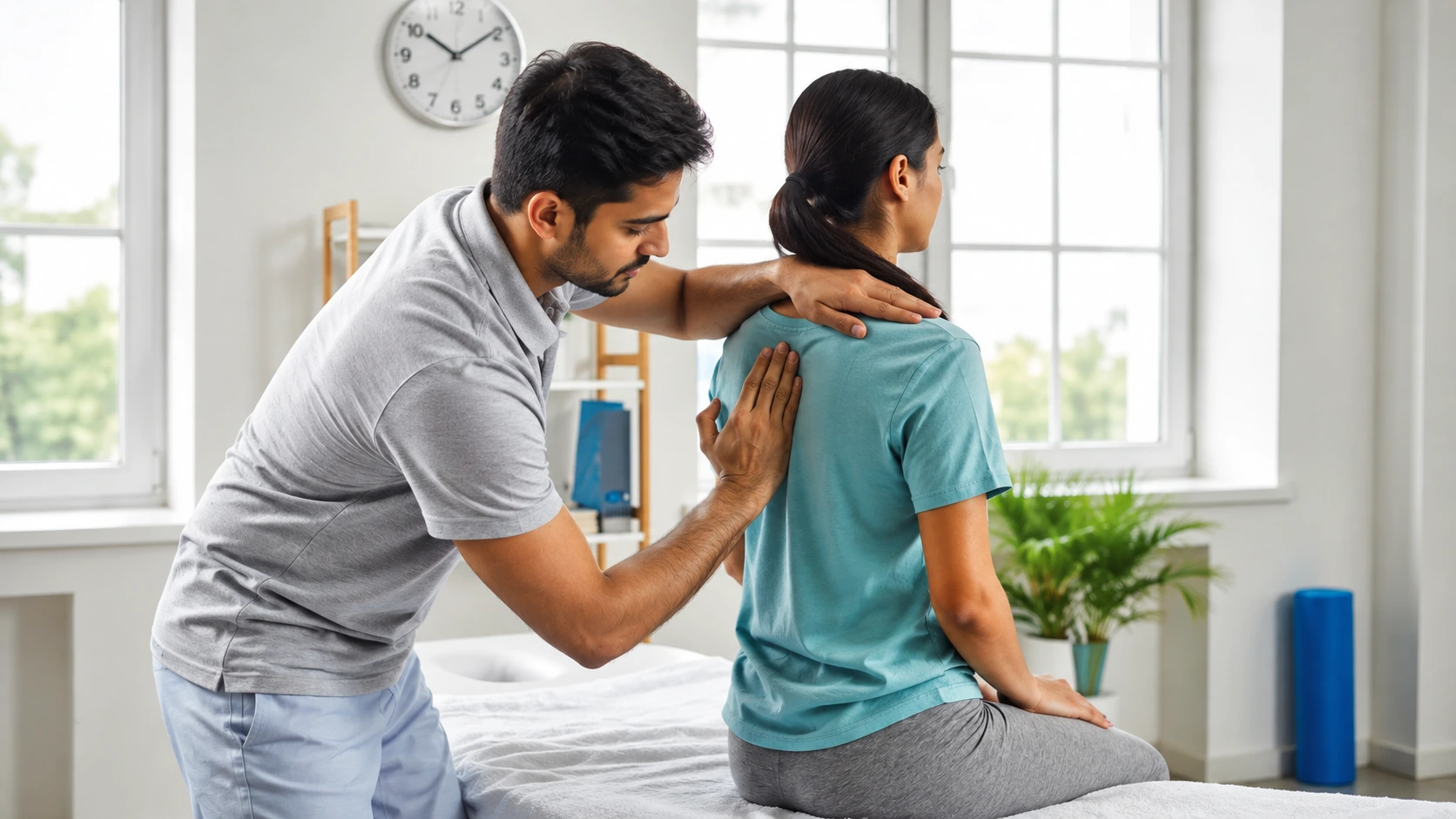
For people living in Perungalathur and surrounding areas, timely access to physiotherapy and rehabilitation support can make the recovery process more structured and manageable. Whether you are recovering from an orthopaedic condition, surgery, sports injury, or experiencing difficulty with movement, a personalised rehabilitation programme can help address your specific functional needs.
At Deepam Hospitals near Perungalathur, our Rehabilitation Medicine / Physiotherapy services focus on patient-specific care designed around individual health conditions, physical abilities, and recovery goals. Our approach combines clinical assessment, therapeutic exercises, movement-based rehabilitation, and ongoing progress monitoring to support functional recovery.
Our rehabilitation services are provided by Ms. Narmatha P.T, who focuses on helping patients improve mobility, manage physical limitations, and work towards better functional independence through personalised physiotherapy care.
Rehabilitation may be beneficial for individuals experiencing:
- Musculoskeletal pain
- Joint stiffness
- Reduced mobility
- Muscle weakness
- Post-surgical limitations
- Sports-related injuries
- Difficulty performing daily activities
- Recovery following certain injuries or medical conditions
The appropriate physiotherapy programme depends on the patient's diagnosis, physical condition, medical history, and recovery requirements.
Deepam Hospitals is a multispeciality healthcare network with hospitals in Tambaram, Guduvanchery, and Singaperumal Koil (SP Koil), supported by healthcare centres in Perungalathur, Urapakkam, and Maraimalai Nagar.
Patients from Perungalathur, Peerkankaranai, West Tambaram, East Tambaram, Mudichur, Vandalur, Mannivakkam, Urapakkam, Irumbuliyur, and nearby localities can access rehabilitation and physiotherapy support as part of their recovery journey.
Our goal is to help patients work towards improved movement, greater physical confidence, and better participation in everyday life through structured and individualised rehabilitation.
Deepam Hospitals near Perungalathur provides personalised Rehabilitation Medicine and Physiotherapy services under Ms. Narmatha P.T. Rehabilitation care focuses on improving mobility, physical function, strength, flexibility, and independence for patients recovering from injuries, surgery, musculoskeletal conditions, and other movement-related limitations.
Quick Answers at a Glance
What Is Physiotherapy?
Physiotherapy is a healthcare discipline that uses movement-based techniques, therapeutic exercises, and other physical rehabilitation methods to help improve mobility, function, strength, and physical wellbeing.
Who Can Benefit From Rehabilitation?
People recovering from injuries, surgery, musculoskeletal problems, joint stiffness, muscle weakness, or conditions affecting movement may benefit from a personalised rehabilitation assessment.
Can Physiotherapy Help After Surgery?
Yes. Physiotherapy may be recommended after certain surgeries to support mobility, restore strength, improve function, and help patients gradually return to daily activities.
How Is a Physiotherapy Plan Decided?
A physiotherapist assesses your symptoms, movement, strength, flexibility, functional limitations, medical history, and recovery goals before developing an appropriate treatment plan.
Is Physiotherapy Only for Pain?
No. Physiotherapy may also focus on improving mobility, flexibility, strength, balance, coordination, physical function, and independence.
How Long Will I Need Physiotherapy?
The duration varies depending on the underlying condition, severity, treatment goals, response to rehabilitation, and individual progress. Your physiotherapist will guide you based on your assessment.
Key Takeaways
- Personalised physiotherapy assessment
- Rehabilitation-focused care
- Care provided by Ms. Narmatha P.T
- Mobility and movement improvement
- Support for post-surgical recovery
- Musculoskeletal rehabilitation
- Injury recovery support
- Strength and flexibility training
- Functional rehabilitation
- Individualised recovery planning
- Convenient access near Perungalathur
Why Choose Deepam Hospitals for Rehabilitation & Physiotherapy?
Successful rehabilitation requires consistency, appropriate exercises, professional supervision, and a treatment programme that matches the patient's individual condition. At Deepam Hospitals near Perungalathur, our approach focuses on understanding the patient's functional limitations and creating a rehabilitation pathway suited to their recovery needs
Our Rehabilitation Approach Includes
- Individualised physical assessment
- Patient-specific rehabilitation planning
- Focus on functional improvement
- Movement and mobility training
- Progressive therapeutic exercises
- Recovery monitoring
- Guidance for safe physical activity
- Support for returning to daily activities
- Coordination with other medical specialties when required
- Patient education for long-term physical wellbeing
The aim is to help patients actively participate in their recovery while gradually working towards improved function and independence.
Understanding Rehabilitation Medicine & Physiotherapy
Rehabilitation Medicine and Physiotherapy focus on helping individuals regain or maintain physical function when movement has been affected by injury, illness, surgery, pain, or other medical conditions.
Depending on the patient's needs, rehabilitation may focus on:
- Restoring movement
- Improving muscle strength
- Increasing flexibility
- Improving balance and coordination
- Managing physical limitations
- Enhancing functional independence
- Supporting safe return to daily activities
The rehabilitation process is often progressive, meaning exercises and activities may be adjusted as the patient improves.
Did You Know?
- Rehabilitation can be an important part of recovery after certain surgeries and injuries.
- Physiotherapy may address movement limitations even when pain is not the primary concern.
- Consistent participation in a personalised rehabilitation programme can support functional recovery.
- Strength, flexibility, balance, and coordination can all be important components of physical rehabilitation.
- Rehabilitation goals may differ significantly between individuals, depending on their lifestyle and daily activities.
When Should You Consult a Physiotherapist?
Consider consulting a physiotherapist if you experience:
- Persistent muscle or joint discomfort
- Difficulty moving a joint
- Reduced flexibility
- Muscle weakness
- Difficulty walking or performing daily activities
- Reduced mobility after surgery
- Recovery following an injury
- Difficulty returning to physical activity
- Stiffness after prolonged inactivity
- Reduced physical function
A professional assessment can help identify the underlying functional limitations and determine whether physiotherapy may be appropriate.
Rehabilitation Is a Journey, Not Just a Treatment
Recovery does not always happen overnight. Depending on the condition, rehabilitation may involve gradual improvements in strength, mobility, flexibility, balance, and confidence.
A structured rehabilitation programme can help patients understand their physical limitations while working progressively towards meaningful functional goals.
At Deepam Hospitals near Perungalathur, our Rehabilitation Medicine and Physiotherapy services focus on supporting patients throughout this journey with personalised care and professional guidance.
Supporting Your Return to Everyday Life
The ultimate goal of rehabilitation is often to help patients participate more comfortably and confidently in their everyday activities.
Depending on individual needs, rehabilitation goals may include:
- Walking more comfortably
- Improving joint movement
- Regaining muscle strength
- Returning to work
- Resuming physical activities
- Performing household tasks
- Improving balance
- Becoming more physically independent
Treatment goals are established according to the patient's condition, lifestyle, and functional requirements.
Related Medical Services
Rehabilitation and physiotherapy may work alongside other specialties depending on the patient's condition, including:
- Orthopaedics & Joint Replacement
- General Surgery
- Plastic Surgery
- Neurology
- Emergency & Trauma Care
- Pain Management
- Radiology & Imaging
- General Medicine
A coordinated approach may help patients receive comprehensive care when rehabilitation is part of a larger treatment plan.
What Happens When Movement Becomes Difficult?
Movement can be affected by many factors, including injury, surgery, prolonged inactivity, joint problems, muscle weakness, or certain medical conditions. Even simple activities such as walking, climbing stairs, getting up from a chair, or reaching overhead may become challenging.
When physical function is affected, rehabilitation focuses on identifying the specific limitations and working towards improving movement and independence.
Depending on the individual, rehabilitation may address:
- Reduced joint mobility
- Muscle weakness
- Stiffness
- Poor balance
- Reduced flexibility
- Difficulty walking
- Limited physical endurance
- Problems performing everyday activities
The rehabilitation process is tailored to the patient's condition and functional goals.
Rehabilitation After an Injury
Injuries can temporarily or permanently affect how the body moves. After the initial medical treatment, rehabilitation may help individuals gradually regain strength, flexibility, coordination, and confidence.
Depending on the injury, rehabilitation may support:
- Recovery of joint movement
- Muscle strengthening
- Improvement in flexibility
- Gradual return to activity
- Restoration of functional movement
- Prevention of movement-related limitations
The timing and intensity of rehabilitation depend on the nature and severity of the injury and should be guided by a qualified healthcare professional.
Physiotherapy After Surgery
Following certain surgical procedures, patients may experience stiffness, weakness, swelling, or difficulty returning to normal activities. Physiotherapy may be incorporated into the recovery plan to support gradual restoration of physical function.
Post-surgical rehabilitation may focus on:
- Restoring mobility
- Improving muscle strength
- Regaining flexibility
- Improving functional movement
- Supporting safe activity progression
- Helping patients return to daily routines
The rehabilitation programme should always be appropriate for the type of surgery and the patient's stage of recovery.
Managing Mobility Challenges
Mobility refers to the ability to move safely and independently. Reduced mobility can affect work, household activities, social participation, and overall quality of life.
Mobility difficulties may be associated with:
- Joint stiffness
- Muscle weakness
- Previous injury
- Surgery
- Long periods of inactivity
- Age-related physical changes
- Balance difficulties
- Certain neurological or medical conditions
A physiotherapy assessment can help identify functional limitations and determine an appropriate rehabilitation approach.
Understanding Muscle Weakness
Muscle weakness may develop after injury, surgery, prolonged bed rest, inactivity, or certain health conditions. Reduced strength can make everyday tasks more difficult and may affect balance and mobility.
Rehabilitation may focus on gradually improving:
- Muscle strength
- Physical endurance
- Coordination
- Functional movement
- Balance
- Confidence during activity
The exercise programme should be adapted to the individual's physical capacity and medical condition.
Joint Stiffness & Reduced Flexibility
Joint stiffness can restrict movement and make routine activities uncomfortable or difficult. It may occur following injury, surgery, prolonged inactivity, or certain musculoskeletal conditions.
Physiotherapy may help address functional limitations through an appropriately designed rehabilitation programme that may include:
- Mobility exercises
- Flexibility training
- Therapeutic movement
- Strengthening activities
- Functional exercises
The appropriate approach depends on the underlying cause of stiffness.
Rehabilitation for Daily Activities
The success of rehabilitation is often measured not only by physical improvements but also by the ability to perform everyday activities more independently.
Functional rehabilitation may focus on activities such as:
- Walking
- Standing
- Sitting and getting up
- Climbing stairs
- Reaching
- Lifting appropriate objects
- Maintaining balance
- Performing household tasks
Treatment goals are personalised according to the patient's lifestyle and daily requirements.
Factors That May Affect Recovery
Recovery can vary considerably from one person to another. Several factors may influence the rehabilitation process.
These include:
- Type and severity of the condition
- Age
- General health
- Existing medical conditions
- Physical activity level
- Muscle strength
- Nutrition
- Sleep and rest
- Consistency with rehabilitation
- Following professional guidance
Understanding these factors helps patients set realistic recovery goals.
Why Consistency Matters in Rehabilitation
Physiotherapy is often most effective when patients actively participate in their rehabilitation programme. Depending on the condition, progress may require repeated exercises and gradual increases in physical activity.p>
Consistency can help patients:
- Build physical strength
- Improve movement patterns
- Develop better flexibility
- Increase confidence
- Support functional independence
- Work progressively towards recovery goals
Patients should perform exercises only as recommended by their healthcare professional and avoid making major changes to their programme without guidance.
Warning Signs That Require Medical Attention
Not every physical problem should be treated with physiotherapy alone. Certain symptoms may require prompt medical evaluation before beginning or continuing rehabilitation.
Seek medical attention if you experience:
- Sudden severe pain
- Sudden loss of movement
- New or worsening weakness
- Significant swelling after an injury
- Inability to bear weight after trauma
- Numbness or loss of sensation
- Sudden difficulty walking
- Unexplained loss of balance
- Symptoms that rapidly worsen
A proper medical assessment helps determine the underlying cause and the safest treatment approach.
When Should You Consider Rehabilitation?
Rehabilitation may be appropriate when physical limitations begin affecting your daily life.
You may consider a professional assessment if you experience:
- Difficulty walking
- Reduced range of movement
- Persistent stiffness
- Muscle weakness
- Difficulty returning to activity after surgery
- Reduced physical function following an injury
- Problems performing routine tasks
- Reduced confidence with movement
Early assessment can help identify functional limitations and establish appropriate recovery goals.
Rehabilitation Health Snapshot
Primary Focus
Improving movement, strength, flexibility, balance, and functional independence.
Common Reasons for Rehabilitation
- Injury recovery
- Post-surgical recovery
- Joint stiffness
- Muscle weakness
- Mobility limitations
- Reduced physical function
Key Components
- Physical assessment
- Individualised exercise
- Movement training
- Strengthening
- Mobility work
- Functional rehabilitation
- Progress monitoring
Overall Goal
To help individuals improve physical function and participate more confidently in everyday activities.
Physiotherapy vs Rehabilitation: What's the Difference?
| Physiotherapy | Rehabilitation |
|---|---|
| Often focuses on improving specific physical problems | Takes a broader approach to restoring overall function |
| May use therapeutic exercises and movement-based techniques | May include physiotherapy along with other supportive services |
| Can address pain, stiffness, weakness, and mobility issues | May support recovery after injury, surgery, illness, or disability |
| Usually focuses on physical movement and function | May focus on returning to daily activities and independence |
| Can form one part of a wider recovery programme | May involve coordinated care from multiple healthcare professionals |
In simple terms: Physiotherapy is often an important component of rehabilitation, while rehabilitation may involve a broader recovery plan based on the patient's overall functional needs.
The Importance of Starting Rehabilitation at the Right Time
Timely diagnosis is often one of the most important factors influencing treatment success. Imaging studies help identify abnormalities at earlier stages, allowing healthcare professionals to intervene before conditions become more advanced.
A qualified healthcare professional can determine when rehabilitation should begin and how the programme should progress.
Building Confidence Through Recovery
Physical limitations can sometimes make individuals hesitant to move or return to their usual activities. A structured rehabilitation programme can help patients understand their physical abilities and gradually work towards meaningful functional goals.
Progress may involve small steps, such as:
Improving movement → Building strength → Increasing activity → Regaining function → Returning to daily life
The pace of progress is different for every individual and should be guided by their condition and response to treatment.
Moving Towards Better Physical Function
Rehabilitation is about more than treating a specific symptom. It is about helping individuals work towards meaningful improvements in movement and everyday function.
With appropriate assessment, personalised guidance, and active participation, patients can work progressively towards their recovery goals.
At Deepam Hospitals near Perungalathur, Rehabilitation Medicine and Physiotherapy services under Ms. Narmatha P.T are designed to support patients through individualised rehabilitation pathways based on their physical needs and functional goals.
Comprehensive Physiotherapy Assessment
Every rehabilitation programme should begin with an understanding of the patient's individual physical condition and functional limitations. At Deepam Hospitals near Perungalathur, physiotherapy care begins with an assessment designed to understand how a patient's condition affects movement and everyday activities.
The assessment may consider:
- Current symptoms
- Medical history
- Previous injuries or surgeries
- Joint mobility
- Muscle strength
- Flexibility
- Balance and coordination
- Walking pattern
- Functional limitations
- Daily activity requirements
This evaluation helps establish realistic rehabilitation goals and determine an appropriate treatment approach.
Personalised Rehabilitation Programme
No two patients have exactly the same recovery requirements. A rehabilitation programme is designed according to the individual's diagnosis, physical capacity, lifestyle, and functional goals.
A personalised programme may include:
- Therapeutic exercises
- Mobility training
- Strengthening exercises
- Flexibility activities
- Balance training
- Functional movement practice
- Activity progression
- Home exercise guidance
The programme may be adjusted over time based on the patient's progress and response to treatment.
Musculoskeletal Physiotherapy
Musculoskeletal physiotherapy focuses on physical problems affecting muscles, joints, bones, ligaments, and other structures involved in movement.
Patients may seek physiotherapy for:
- Joint stiffness
- Muscle weakness
- Movement limitations
- Back-related problems
- Neck-related discomfort
- Reduced flexibility
- Physical limitations following injury
The rehabilitation approach is based on the underlying condition and the patient's functional requirements.
Orthopaedic Rehabilitation
Orthopaedic conditions and injuries can affect mobility and physical independence. Rehabilitation may form an important part of recovery following orthopaedic treatment.
Orthopaedic rehabilitation may support patients recovering from:
- Fractures
- Joint injuries
- Ligament injuries
- Musculoskeletal conditions
- Orthopaedic surgery
- Joint replacement procedures
The focus may include restoring movement, rebuilding strength, improving functional abilities, and supporting a gradual return to daily activities.
Post-Surgical Rehabilitation
After surgery, patients may experience reduced strength, stiffness, limited mobility, or difficulty performing normal activities. Physiotherapy may be recommended as part of the recovery plan when clinically appropriate.
Postoperative rehabilitation may focus on:
- Regaining mobility
- Improving muscle strength
- Restoring flexibility
- Supporting functional movement
- Gradually increasing physical activity
- Returning to routine activities
The rehabilitation programme is adapted according to the type of surgery and the patient's recovery stage.
Sports Injury Rehabilitation
Sports and physical activities can sometimes result in injuries affecting muscles, joints, ligaments, or other tissues. Appropriate rehabilitation can help individuals work towards restoring physical function and safely returning to their activities.
Sports rehabilitation may focus on:
- Restoring movement
- Improving strength
- Developing flexibility
- Improving balance
- Rebuilding physical confidence
- Gradually progressing activity levels
The return to sport or intense physical activity should be based on individual recovery and professional assessment.
Neurological Rehabilitation
Certain neurological conditions can affect movement, balance, coordination, muscle control, and independence. Rehabilitation may help individuals work towards improving functional abilities and adapting to physical limitations.
Neurological rehabilitation may focus on:
- Movement training
- Balance activities
- Coordination exercises
- Walking practice
- Functional mobility
- Strength maintenance
- Independence in daily activities
The rehabilitation approach varies significantly depending on the underlying neurological condition.
Mobility & Functional Training
Functional rehabilitation focuses on helping patients perform everyday activities more safely and independently.
Training may include:
- Walking practice
- Sit-to-stand movements
- Stair navigation
- Balance activities
- Transfer training
- Functional strengthening
- Movement coordination
The exercises are selected according to the patient's current abilities and specific daily requirements.
Therapeutic Exercise
Therapeutic exercise is often an important component of physiotherapy and rehabilitation. Exercises are selected based on the patient's condition and may be progressed gradually as physical capacity improves.
Exercise-based rehabilitation may help address:
- Muscle weakness
- Reduced flexibility
- Joint stiffness
- Poor balance
- Reduced endurance
- Functional limitations
Patients are guided on appropriate exercise techniques and progression to support safe participation in their rehabilitation programme.
Pain-Related Functional Rehabilitation
Pain can sometimes affect how a person moves and participates in daily activities. When appropriate, physiotherapy may form part of a broader treatment plan designed to improve physical function and movement.
Rehabilitation may focus on:
- Improving movement patterns
- Maintaining mobility
- Gradually building strength
- Improving flexibility
- Increasing confidence with physical activity
- Supporting return to everyday tasks
The underlying cause of pain should be evaluated before developing a suitable rehabilitation plan.
Balance & Coordination Training
Balance and coordination are important for safe movement and everyday independence. Some individuals may experience difficulties with balance following injury, surgery, illness, or certain medical conditions.
Rehabilitation may include exercises designed to improve:
- Postural control
- Balance
- Coordination
- Movement awareness
- Functional stability
The programme is adapted according to the patient's abilities and safety requirements.
Rehabilitation for Improved Independence
For many patients, the ultimate goal of rehabilitation is to become more independent in daily life.
Functional goals may include:
- Walking independently
- Performing household activities
- Returning to work
- Improving physical confidence
- Managing stairs
- Resuming appropriate recreational activities
- Performing personal care activities
The goals are determined collaboratively based on each patient's lifestyle and priorities.
Home Exercise & Self-Management Guidance
Rehabilitation does not always end when a physiotherapy session is completed. Depending on the condition, patients may receive guidance for appropriate exercises and activities to continue at home.
Home-based guidance may help patients:
- Maintain mobility
- Continue strengthening
- Improve flexibility
- Support functional progress
- Build consistency in recovery
Patients should follow the exercises recommended by their physiotherapist and seek professional advice before significantly changing their rehabilitation programme.
Rehabilitation Progress Monitoring
Recovery is monitored over time to understand whether the patient is progressing towards their functional goals.
Progress assessment may consider:
- Movement improvement
- Strength changes
- Flexibility
- Balance
- Walking ability
- Functional performance
- Ability to perform daily activities
Based on progress, the rehabilitation programme may be modified to match the patient's changing needs.
Multidisciplinary Rehabilitation Support
Some patients may require coordinated care involving multiple medical specialties. Rehabilitation services can work alongside other departments to provide a more comprehensive approach.
Depending on the patient's condition, rehabilitation may be coordinated with:
- Orthopaedics & Joint Replacement
- General Surgery
- Plastic Surgery
- Emergency & Trauma Care
- Neurology
- General Medicine
- Radiology & Imaging
- Pain Management
This multidisciplinary approach is particularly valuable when physical rehabilitation is part of recovery from a complex medical condition, injury, or surgery.
Your Rehabilitation Care Pathway
Initial Consultation
Your physical concerns, medical history, and recovery goals are discussed.
Functional Assessment
Movement, strength, flexibility, balance, and daily activity limitations are evaluated.
Goal Setting
Realistic and measurable rehabilitation goals are established according to your individual needs.
Personalised Programme
A suitable physiotherapy and rehabilitation programme is developed.
Progressive Recovery
Exercises and activities may be gradually adjusted as your physical abilities improve.
Functional Return
The focus gradually shifts towards helping you return to appropriate daily, occupational, or recreational activities.
Who May Benefit From Our Rehabilitation Services?
Our Rehabilitation Medicine / Physiotherapy services may be suitable for individuals experiencing:
- Musculoskeletal problems
- Joint stiffness
- Muscle weakness
- Mobility limitations
- Post-surgical physical limitations
- Orthopaedic recovery needs
- Sports-related injuries
- Balance difficulties
- Functional movement problems
- Reduced physical independence
A professional assessment is recommended to determine whether physiotherapy is appropriate for your condition.
Why Personalised Rehabilitation Matters
A rehabilitation programme should reflect the patient's actual physical abilities and functional requirements. Exercises that are appropriate for one person may not be suitable for another.
At Deepam Hospitals near Perungalathur, Ms. Narmatha P.T provides patient-focused rehabilitation support designed around individual needs, helping patients work progressively towards improved physical function and greater independence.
Ms. Narmatha P.T
Effective rehabilitation requires a personalised approach that considers the patient's physical condition, functional limitations, lifestyle, and recovery goals. A qualified physiotherapy professional can help patients understand their movement-related challenges and work towards meaningful functional improvements.
Ms. Narmatha P.T provides physiotherapy and rehabilitation support focused on helping patients improve physical function, mobility, strength, flexibility, and independence.
Her approach involves understanding each patient's individual needs and supporting them through a structured rehabilitation pathway. Depending on the patient's condition, rehabilitation may focus on improving movement, restoring physical abilities, supporting recovery after injury or surgery, and helping individuals return to appropriate daily activities.
The rehabilitation programme is tailored to each patient's condition and may be progressively modified based on their response and functional progress.
Your Rehabilitation Journey at Deepam Hospitals
Recovery is a gradual process. At Deepam Hospitals near Perungalathur, physiotherapy care follows a structured approach that helps patients understand their physical limitations and work progressively towards their recovery goals.
Step 1 – Understanding Your Concerns
Your physiotherapist discusses your symptoms, medical history, previous injuries or surgeries, current physical limitations, and daily activity requirements.
Step 2 – Physical & Functional Assessment
Your movement, strength, flexibility, balance, coordination, and functional abilities are assessed to understand how your condition affects everyday activities.
Step 3 – Setting Individual Recovery Goals
Your rehabilitation goals are established based on your physical condition and personal requirements. These may include improving mobility, returning to work, or becoming more independent in daily activities.
Step 4 – Starting Your Rehabilitation Programme
A personalised programme is introduced based on your assessment. It may include therapeutic exercises, movement training, strengthening, flexibility work, balance activities, or functional rehabilitation.
Step 5 – Monitoring Your Progress
Your progress is reviewed regularly. Exercises and rehabilitation activities may be adjusted as your strength, mobility, and physical abilities change.
Step 6 – Working Towards Functional Independence
The long-term focus is to help you safely return to appropriate everyday activities and maintain the physical improvements achieved during rehabilitation.
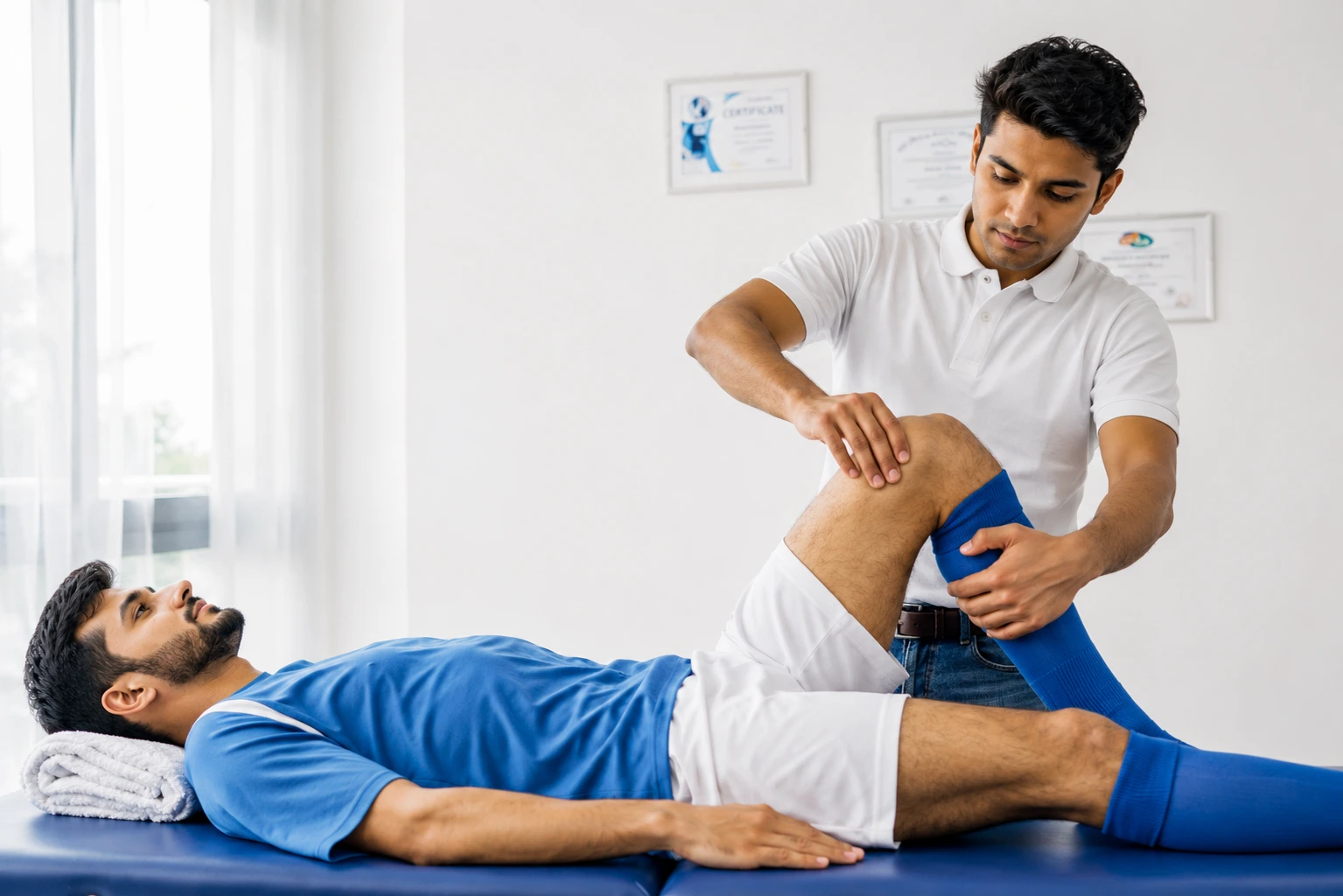
What to Expect During a Physiotherapy Session
Your physiotherapy session will depend on your individual condition and rehabilitation goals.
A typical session may involve:
- Reviewing your current progress
- Assessing movement or functional limitations
- Performing recommended therapeutic exercises
- Practising specific movements
- Working on strength or flexibility
- Performing mobility or balance activities
- Receiving guidance for home exercises
The treatment plan may change over time as your physical abilities improve.
Preparing for Your First Physiotherapy Appointment
To make your consultation more useful, consider bringing:
- Previous medical reports
- X-rays or scan reports, if available
- Details of previous surgeries
- Current medication information
- Relevant medical history
- Referral notes, if applicable
- Comfortable clothing that allows appropriate movement
You may also prepare questions about your recovery timeline, exercises, activity restrictions, and expected rehabilitation goals.
Making the Most of Your Rehabilitation Programme
Active participation is an important part of the rehabilitation process. Patients can support their recovery by following professional guidance and maintaining consistency.
Helpful practices may include:
- Attending scheduled physiotherapy sessions
- Performing prescribed home exercises
- Following activity recommendations
- Avoiding movements that have been restricted
- Maintaining adequate rest
- Eating a balanced diet
- Staying appropriately hydrated
- Communicating any new or worsening symptoms
Always follow the specific instructions provided by your healthcare professional.
Rehabilitation Beyond the Physiotherapy Clinic
The progress made during physiotherapy sessions can be supported by incorporating appropriate movement and healthy habits into everyday life.
Depending on your condition, your physiotherapist may guide you on:
- Safe movement patterns
- Correct posture
- Appropriate physical activity
- Home exercises
- Workplace ergonomics
- Gradual activity progression
- Injury prevention strategies
The aim is to help patients understand how to maintain their physical progress beyond individual treatment sessions.
Returning to Daily Activities
A major goal of rehabilitation is often to help patients resume meaningful activities. The definition of recovery is different for every individual.
For one person, the goal may be walking independently. For another, it may involve returning to work, managing household activities, or resuming recreational activities.
Your rehabilitation goals may include:
- Improved walking ability
- Better joint movement
- Increased muscle strength
- Improved balance
- Greater physical confidence
- Returning to work
- Resuming appropriate physical activities
- Greater independence
Your physiotherapist can help establish realistic goals based on your individual needs.
Frequently Asked Questions
Comfortable clothing that allows the physiotherapist to assess movement and perform appropriate exercises is generally recommended.
It depends on your condition. A physiotherapist can assess your physical function and determine whether further medical evaluation or imaging may be necessary.
The number of sessions varies depending on your condition, severity, recovery goals, and response to treatment. Your physiotherapist can provide guidance after assessment.
Physiotherapy may support recovery after certain surgeries by helping improve mobility, strength, flexibility, and functional abilities. The rehabilitation plan depends on the type of surgery and your individual recovery.
If home exercises are prescribed by your physiotherapist, following the recommended programme can support your rehabilitation progress. Perform exercises only as instructed.
The cause of pain should first be evaluated. Physiotherapy may be appropriate for certain conditions, but treatment should be based on a professional assessment.
Inform your physiotherapist if you experience new or worsening symptoms. Your rehabilitation programme may need to be reassessed or modified.
Physiotherapy may include balance and coordination training for suitable patients. The underlying cause of balance difficulties should be assessed to determine the appropriate treatment.
No. People of different ages may require rehabilitation following injuries, surgery, sports-related problems, or other conditions affecting physical function.
The duration of rehabilitation depends on individual recovery. Your physiotherapist will assess your progress and advise when formal treatment can be reduced, completed, or transitioned to a self-management programme.
Related Medical Departments
Depending on your condition, rehabilitation care may be coordinated with:
- Orthopaedics & Joint Replacement
- Plastic Surgery
- General Surgery
- Emergency & Trauma Care
- Neurology
- General Medicine
- Radiology & Imaging
- Laboratory Services
This multidisciplinary approach allows patients to receive coordinated medical care when rehabilitation is part of a wider treatment plan.
Medical Disclaimer
The information provided on this page is intended for general educational purposes and should not replace professional medical advice, diagnosis, or treatment. Physiotherapy and rehabilitation plans are individualised according to each patient's medical condition and functional requirements. Please consult a qualified healthcare professional for personalised assessment and treatment recommendations. If you experience sudden severe pain, sudden weakness, significant injury, loss of sensation, or any medical emergency, seek immediate medical attention.
Take the Next Step Towards Better Movement
Whether you are recovering from surgery, managing a physical limitation, dealing with reduced mobility, or working towards returning to everyday activities, professional rehabilitation can help you understand your physical needs and establish a structured path towards recovery.
Consult Ms. Narmatha P.T at Deepam Hospitals near Perungalathur for personalised Rehabilitation Medicine and Physiotherapy care focused on improving movement, physical function, and independence.
Book a physiotherapy consultation and begin your personalised rehabilitation journey.
Contact Us