- For appointment (+91) 97904 97905
Medical Oncologist Near Perungalathur
Personalised Cancer Care with Compassion, Expertise & Long-Term Support
A cancer diagnosis often brings many questions, concerns, and uncertainties for both patients and their families. Along with understanding the disease itself, patients need clear medical guidance, timely treatment, emotional reassurance, and continuous support throughout every stage of care. Modern cancer treatment focuses not only on controlling the disease but also on improving quality of life, reducing treatment-related complications, and helping patients continue their daily lives with confidence whenever possible.
Cancer develops when certain cells in the body begin growing in an uncontrolled manner. Depending on the type of cancer, the disease may affect different organs and require different treatment approaches. Advances in medical oncology now allow many cancers to be treated more effectively through personalised treatment plans based on the type of cancer, stage of disease, overall health, and individual patient needs. Early diagnosis and timely medical intervention often provide more treatment options and better long-term outcomes.
At Deepam Hospitals near Perungalathur, our Department of Medical Oncology provides comprehensive evaluation, cancer treatment planning, systemic cancer therapy, supportive oncology care, symptom management, and long-term follow-up for patients living with different types of cancer. Every treatment plan is developed using evidence-based medical practices while focusing on the patient's physical health, emotional wellbeing, and overall quality of life.
Deepam Hospitals is a trusted healthcare network with multispeciality hospitals in Tambaram, Guduvanchery, and Singaperumal Koil (SP Koil), supported by healthcare centres in Perungalathur, Urapakkam, and Maraimalai Nagar.
Our Medical Oncology Department is led by Dr. Vijay (MBBS, MD), an experienced physician dedicated to providing compassionate, patient-centred cancer care. From the initial consultation through treatment planning, supportive care, and long-term monitoring, every patient receives an individualised approach based on their diagnosis, treatment goals, and overall health. The focus is not only on treating cancer but also on helping patients maintain comfort, dignity, and the best possible quality of life throughout their treatment journey.
Patients from Perungalathur, Peerkankaranai, West Tambaram, East Tambaram, Mudichur, Vandalur, Mannivakkam, Urapakkam, Irumbuliyur, Guduvanchery, and surrounding areas trust Deepam Hospitals for comprehensive oncology care delivered with clinical expertise, compassion, and continuous support at every stage of treatment.
Looking for a Medical Oncologist near Perungalathur? Deepam Hospitals provides comprehensive cancer care under the guidance of Dr. Vijay (MBBS, MD). Our Medical Oncology Department offers personalised cancer evaluation, chemotherapy planning, systemic cancer treatment, supportive oncology care, symptom management, treatment monitoring, and long-term follow-up. Every treatment plan is tailored to the patient's cancer type, stage, overall health, and individual treatment goals while focusing on improving both clinical outcomes and quality of life.
Quick Answers at a Glance
What Does a Medical Oncologist Do?
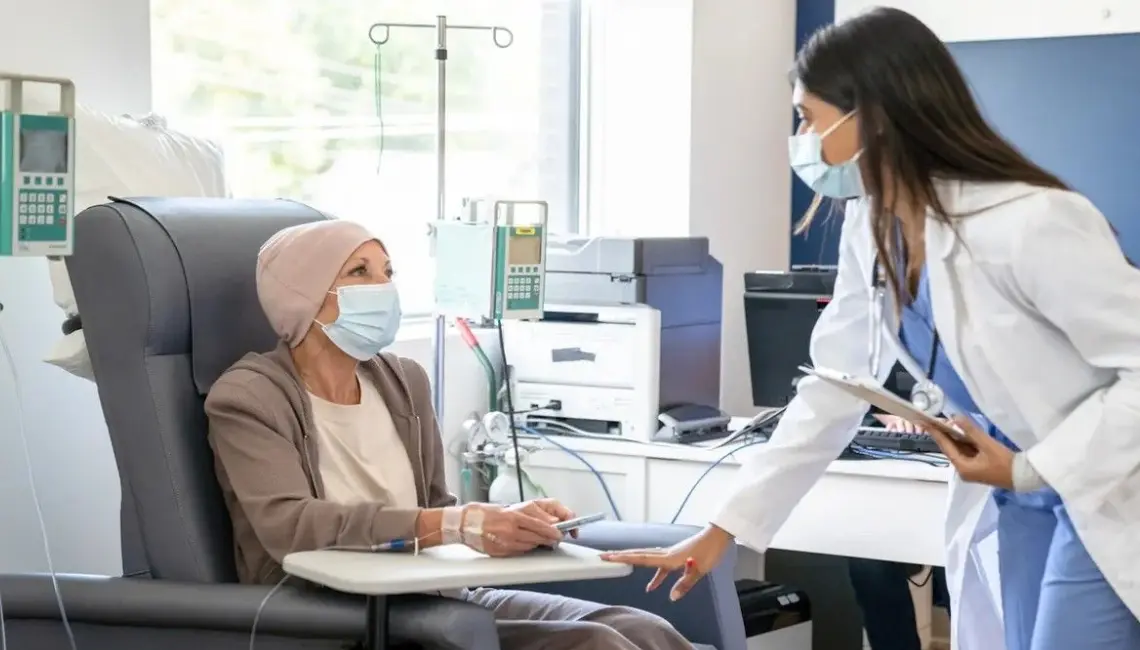
A medical oncologist diagnoses, plans, and manages cancer treatment using systemic therapies such as chemotherapy, targeted therapy, immunotherapy, hormonal therapy, and supportive medical care while coordinating treatment with other cancer specialists.
Is Every Cancer Treated the Same Way?
No. Every cancer is different. Treatment depends on the type of cancer, stage, location, overall health, laboratory findings, and individual patient factors.
Can Cancer Be Treated Successfully?
Many cancers can be treated effectively, especially when diagnosed early. Advances in oncology continue to improve treatment outcomes, symptom control, and long-term survival for many patients.
Why Is Early Diagnosis Important?
Early detection often allows more treatment options, may reduce the extent of disease, and can improve treatment success and long-term recovery.
What Is Supportive Cancer Care?
Supportive care focuses on managing treatment side effects, maintaining nutrition, controlling pain, improving comfort, and supporting emotional wellbeing throughout cancer treatment.
Long-Term Cancer Follow-Up
Regular follow-up helps monitor treatment response, detect recurrence early when applicable, manage long-term health, and support ongoing recovery.
Key Highlights
- Comprehensive Medical Oncology Services
- Expert Care by Dr. Vijay
- Personalised Cancer Treatment Planning
- Chemotherapy & Systemic Therapy Management
- Supportive Oncology Care
- Symptom & Side Effect Management
- Long-Term Cancer Follow-up
- Multidisciplinary Cancer Care
- Patient & Family Counselling
- Easily Accessible for Families Near Perungalathur
Why Choose Deepam Hospitals
Cancer treatment requires careful planning, continuous monitoring, and coordinated medical care. At Deepam Hospitals near Perungalathur, we combine evidence-based oncology treatment, personalised care plans, multidisciplinary collaboration, and compassionate patient support to help individuals navigate every stage of their cancer journey with confidence.
Why Patients Trust Our Medical Oncology Department
- Experienced Medical Oncologist
- Personalised Cancer Care Plans
- Evidence-Based Treatment Approach
- Multidisciplinary Cancer Management
- Supportive Oncology Services
- Continuous Treatment Monitoring
- Patient & Family Guidance
- Long-Term Follow-up Care
- Compassionate Clinical Support
- Convenient Access for Families Near Perungalathur
Every Cancer Journey Deserves Personalised Care
Cancer care is about more than treating a disease—it is about supporting the individual through diagnosis, treatment, recovery, and long-term follow-up. With timely medical care, personalised treatment strategies, and compassionate support, many patients are able to continue living meaningful and active lives throughout their treatment journey.
At Deepam Hospitals, our Medical Oncology Department is committed to delivering comprehensive cancer care that combines medical expertise, personalised treatment, and ongoing support to help every patient achieve the best possible outcome.
What Is Cancer?
Cancer is a group of diseases in which certain cells in the body begin to grow and divide in an uncontrolled manner. Unlike healthy cells that follow the body's normal growth cycle, cancer cells continue multiplying and may invade nearby tissues or spread to other parts of the body over time.
Cancer can develop in almost any organ, including the breast, lungs, colon, stomach, blood, prostate, liver, ovaries, and many other parts of the body. Every type of cancer behaves differently, which is why treatment plans are always personalised according to the specific diagnosis, stage of disease, and overall health of the patient.
How Does Cancer Develop?
The human body continuously produces new cells to replace old or damaged ones. Occasionally, changes occur within the genetic material of certain cells, causing them to grow abnormally. These abnormal cells may eventually form a tumour or affect blood-forming tissues, depending on the type of cancer.
Several factors may influence cancer development, including:
- Increasing age
- Family history of certain cancers
- Tobacco use
- Alcohol consumption
- Obesity
- Physical inactivity
- Certain viral infections
- Environmental and occupational exposures
- Long-term inflammation
- Genetic changes
Not every person with these risk factors develops cancer, and many patients diagnosed with cancer have no obvious risk factors.
Why Early Diagnosis Matters
One of the most important factors influencing cancer treatment is the stage at which the disease is diagnosed. Detecting cancer before it spreads often allows more treatment options and may improve treatment outcomes.
Early diagnosis helps:
- Begin treatment sooner
- Improve treatment planning
- Reduce disease progression
- Preserve organ function
- Improve quality of life
- Reduce treatment-related complications
- Support better long-term outcomes
- Provide timely supportive care
Recognising symptoms early and seeking medical advice promptly can make a significant difference.
Common Warning Signs That Should Not Be Ignored
Many cancers do not produce symptoms during their early stages, while others may cause subtle changes that gradually become more noticeable.
Medical evaluation is recommended if you experience:
- Unexplained weight loss
- Persistent fatigue
- A lump or swelling
- Changes in bowel habits
- Blood in urine or stool
- Persistent cough
- Difficulty swallowing
- Non-healing wounds
- Unusual bleeding
- Persistent pain
- Changes in moles or skin lesions
- Loss of appetite
These symptoms do not always indicate cancer, but they deserve timely medical evaluation.
Understanding Medical Oncology
Medical Oncology is the branch of medicine that specialises in treating cancer using medicines that travel throughout the body. Unlike surgery, which removes a tumour, or radiation therapy, which targets a specific area, medical oncology treats cancer systemically and plays an important role in managing many different types of cancer.
Medical oncologists are responsible for:
- Confirming treatment plans
- Planning systemic therapy
- Monitoring treatment response
- Managing treatment side effects
- Coordinating multidisciplinary care
- Supporting long-term follow-up
Every treatment plan is tailored according to the patient's diagnosis and overall health.
Types of Medical Cancer Treatment
Modern oncology uses several different treatment approaches depending on the cancer type and stage. Every patient may not require the same treatment, and many patients receive a combination of therapies.
Medical oncology may include:
- Chemotherapy
- Targeted therapy
- Immunotherapy
- Hormonal therapy
- Supportive medical treatment
- Symptom management
- Palliative medical care when appropriate
- Long-term treatment monitoring
Treatment recommendations are individualised after careful clinical evaluation.
Living Well During Cancer Treatment
Cancer treatment is often a journey that extends over several weeks or months. Looking after overall health during treatment plays an important role in supporting recovery and improving quality of life.
Patients are encouraged to:
- Follow prescribed treatment schedules
- Maintain good nutrition
- Stay physically active when possible
- Get adequate rest
- Stay well hydrated
- Attend follow-up appointments
- Report new symptoms promptly
- Seek emotional support when needed
Small lifestyle adjustments can contribute positively throughout treatment.
Who May Benefit from an Oncology Consultation?
An oncology consultation is valuable not only after a confirmed diagnosis but also when further evaluation or treatment planning is required.
Patients who may benefit include:
- Individuals with a newly diagnosed cancer
- Patients referred after biopsy results
- People requiring chemotherapy planning
- Patients needing targeted therapy
- Individuals seeking a second opinion
- Patients requiring long-term oncology follow-up
- Individuals with recurrent cancer
- Patients needing supportive oncology care
Early specialist consultation helps create a structured treatment plan.
Medical Oncology Snapshot
Comprehensive Oncology Evaluation – Purpose
Develop an individualised cancer treatment strategy, coordinate multidisciplinary care, manage systemic therapies, and support long-term patient wellbeing.
Who Should Consider an Oncology Consultation?
- Newly diagnosed cancer patients
- Patients referred after biopsy confirmation
- Individuals requiring chemotherapy
- Patients considering targeted therapy
- People needing supportive cancer care
- Patients seeking treatment planning
Benefits
- Personalised treatment planning
- Evidence-based cancer care
- Better treatment coordination
- Side-effect management
- Continuous monitoring
- Long-term follow-up support
Common Cancer Warning Signs & Why Early Evaluation Matters
| Symptom | Possible Concern | Why Early Medical Evaluation Is Important |
|---|---|---|
| Persistent lump or swelling | May require further investigation | Early assessment helps determine the cause and plan appropriate care. |
| Unexplained weight loss | Underlying medical condition | Medical evaluation identifies the reason behind unexpected weight changes. |
| Persistent cough | Lung or respiratory condition | Long-lasting symptoms should be assessed to determine the underlying cause. |
| Blood in stool or urine | Gastrointestinal or urinary condition | Early diagnosis helps identify both cancerous and non-cancerous causes. |
| Difficulty swallowing | Oesophageal or throat disorder | Prompt assessment supports earlier diagnosis and treatment planning. |
| Persistent fatigue | Various medical conditions | Clinical evaluation helps identify underlying health concerns requiring treatment. |
Why Personalised Cancer Treatment Matters
Every cancer is unique, and no single treatment approach is suitable for every patient. Factors such as the type of cancer, stage of disease, age, general health, and individual treatment goals all influence medical decision-making.
Personalised oncology care helps:
- Select the most appropriate treatment
- Monitor treatment response
- Manage side effects effectively
- Improve quality of life
- Coordinate multidisciplinary care
- Support long-term recovery
- Encourage informed decision-making
- Provide continuous medical guidance
Cancer care is most effective when treatment is tailored to the individual rather than following a one-size-fits-all approach.
Personalised Cancer Evaluation & Treatment Planning
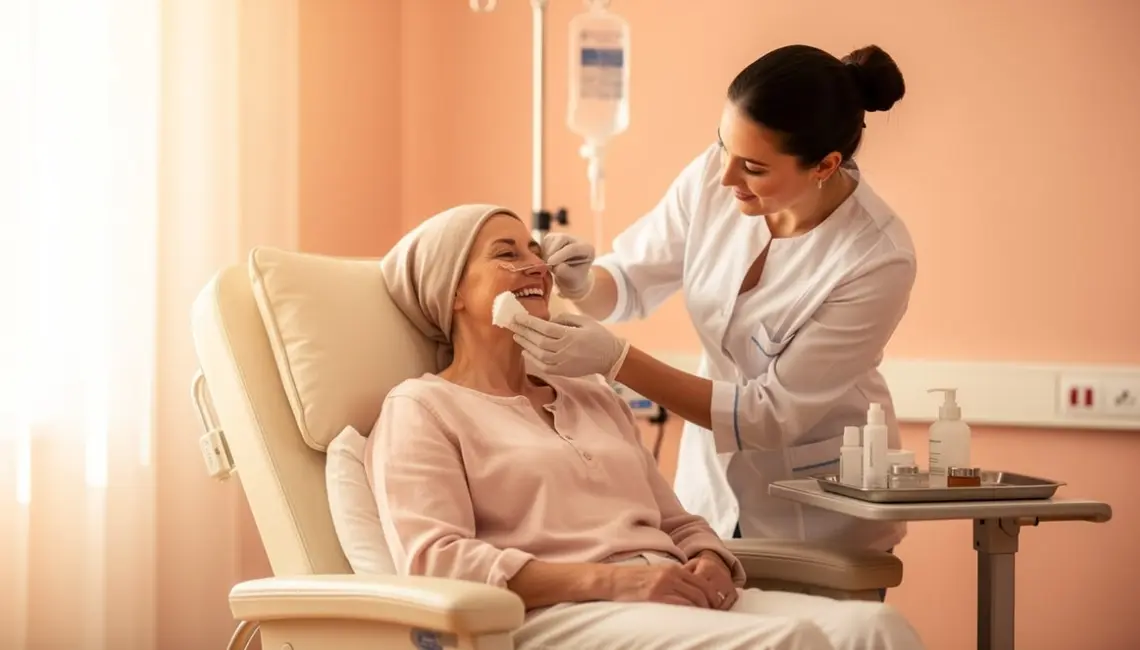
Cancer treatment begins with understanding the complete picture rather than focusing only on the diagnosis. Every patient requires careful evaluation before deciding the most appropriate treatment pathway.
At Deepam Hospitals near Perungalathur, every oncology consultation includes a comprehensive assessment that helps develop a personalised treatment strategy based on evidence-based medical practice.
Our evaluation includes:
- Review of biopsy and pathology reports
- Assessment of cancer type and stage
- Medical history evaluation
- Physical examination
- Review of laboratory findings
- Imaging assessment when required
- Overall health assessment
- Individualised treatment planning
This personalised approach ensures that treatment decisions are appropriate for each patient's medical condition and long-term goals.
Chemotherapy Planning & Administration
Chemotherapy remains one of the most widely used treatments for many types of cancer. It uses specialised medicines to destroy cancer cells, slow disease progression, or reduce the risk of recurrence depending on the type and stage of cancer.
Our chemotherapy services include:
- Individual chemotherapy planning
- Pre-treatment evaluation
- Treatment scheduling
- Monitoring during therapy
- Side-effect assessment
- Treatment response evaluation
- Follow-up consultations
- Ongoing patient education
Every chemotherapy plan is carefully designed to maximise treatment benefits while maintaining patient safety.
Oncology Care Snapshot
Purpose
Deliver personalised systemic cancer treatment while supporting patient safety, symptom control, and long-term wellbeing.
Recommended For
- Newly diagnosed cancer patients
- Individuals requiring chemotherapy
- Patients referred after biopsy
- People needing systemic cancer treatment
- Patients requiring supportive oncology care
- Individuals requiring long-term cancer follow-up
Benefits
- Personalised treatment strategy
- Evidence-based cancer care
- Continuous treatment monitoring
- Better symptom management
- Coordinated multidisciplinary care
Targeted Therapy & Precision Cancer Care
Advances in cancer treatment have introduced therapies that specifically target certain cancer cells while reducing damage to healthy tissues. Targeted therapy is recommended only for selected cancers after careful clinical evaluation.
Our targeted therapy services include:
- Treatment suitability assessment
- Review of diagnostic findings
- Individual treatment planning
- Monitoring treatment response
- Side-effect management
- Regular follow-up
Every patient is evaluated individually to determine whether targeted therapy forms part of the most appropriate treatment plan.
Immunotherapy Assessment
Immunotherapy helps the body's own immune system recognise and fight certain types of cancer. It is not suitable for every cancer, making specialist evaluation essential before treatment begins.
Our immunotherapy care focuses on:
- Clinical eligibility assessment
- Treatment planning
- Monitoring immune-related effects
- Evaluating treatment response
- Long-term clinical follow-up
Treatment recommendations are based on internationally accepted oncology guidelines and the patient's individual diagnosis.
Oncology Insight
Modern cancer treatment is rarely based on a single therapy alone. Many patients benefit from a personalised combination of systemic treatment, surgery, radiation therapy, supportive care, and long-term monitoring depending on the type and stage of cancer.
Supportive Oncology Care
Cancer treatment involves more than controlling the disease itself. Many patients require additional medical support to manage treatment-related symptoms and maintain their overall wellbeing throughout therapy.
Supportive oncology services include:
- Fatigue management
- Nausea and vomiting control
- Nutritional guidance
- Pain management
- Infection prevention advice
- Emotional wellbeing support
- General symptom management
- Ongoing medical monitoring
Supportive care helps patients tolerate treatment better while improving their quality of life.
Treatment Monitoring & Follow-Up
Cancer treatment requires continuous monitoring to evaluate response, identify side effects, and adjust treatment plans whenever necessary. Regular follow-up appointments allow doctors to review progress and provide ongoing medical guidance.
Follow-up care includes:
- Clinical review
- Treatment response assessment
- Laboratory monitoring
- Medication review
- Side-effect evaluation
- Long-term surveillance
- Recovery support
- Future care planning
Continuous monitoring remains an important part of successful oncology care.
Survivorship & Long-Term Cancer Care
Completing active cancer treatment is an important milestone, but ongoing medical care remains essential. Cancer survivors benefit from regular follow-up that focuses on maintaining health, identifying late treatment effects, and supporting long-term wellbeing.
Long-term survivorship care includes:
- Routine health assessments
- Monitoring for recurrence
- Lifestyle counselling
- Nutritional advice
- Management of long-term treatment effects
- Emotional support
- Preventive healthcare guidance
- Scheduled follow-up visits
The goal is to help patients return to everyday life while maintaining the best possible health after treatment.
Personalised Treatment vs Standard Treatment Approach
| Personalised Oncology Care | Standard One-Size-Fits-All Approach |
|---|---|
| Treatment is planned according to cancer type, stage, and patient health | Same treatment approach for every patient |
| Considers individual medical history and overall fitness | Limited individualisation |
| Regular treatment monitoring and adjustments | Minimal treatment modification |
| Focuses on both survival and quality of life | Focus mainly on disease management |
Conditions Commonly Managed
Our Medical Oncology Department provides comprehensive care for patients diagnosed with:
- Breast cancer
- Lung cancer
- Colorectal cancer
- Stomach cancer
- Liver cancer
- Ovarian cancer
- Cervical cancer
- Prostate cancer
- Blood cancers
- Lymphoma
- Multiple myeloma
- Other solid organ malignancies
Every patient receives a personalised treatment strategy based on the specific diagnosis, stage of disease, treatment goals, and overall health condition.
Multidisciplinary Cancer Care
Effective cancer treatment often involves several medical specialties working together to provide coordinated care throughout diagnosis, treatment, and recovery. Our Medical Oncology Department collaborates closely with:
- General Medicine
- General Surgery
- Radiology & Imaging
- Pathology & Laboratory Services
- Critical Care Medicine
- Nutrition & Dietetics
- Pain Management
- Physiotherapy & Rehabilitation
This multidisciplinary approach supports accurate diagnosis, comprehensive treatment planning, coordinated cancer care, and long-term patient support.
Dr. Vijay
Consultant – Medical Oncology
Cancer treatment is not only about selecting the right medicines. It also involves understanding each patient's diagnosis, addressing individual concerns, monitoring progress closely, and providing continuous medical support throughout treatment and recovery.
Dr. Vijay provides comprehensive medical oncology care for patients diagnosed with a wide range of cancers. His approach focuses on evidence-based treatment, personalised care planning, symptom management, and long-term follow-up, ensuring every patient receives treatment that aligns with their medical condition and personal healthcare goals.
Working closely with other specialists, Dr. Vijay helps patients navigate every stage of cancer care with compassion, clear communication, and continuous medical guidance.
Your Cancer Care Journey
Every patient's cancer journey is unique. At Deepam Hospitals, treatment follows a structured pathway that ensures every decision is based on careful evaluation, accurate diagnosis, and individual treatment needs.
Step 1 – Understanding the Diagnosis
Your consultation begins with reviewing biopsy results, laboratory reports, imaging findings, previous treatments if any, medical history, and your current health status.
Step 2 – Comprehensive Treatment Planning
Based on the diagnosis, your oncologist discusses available treatment options, expected benefits, possible side effects, and the overall treatment strategy so that you and your family can make informed decisions.
Step 3 – Beginning Personalised Treatment
Once the treatment plan is finalised, therapy begins according to your individual schedule. Throughout treatment, your health is monitored regularly to ensure safety and evaluate treatment response.
Step 4 – Managing Treatment Side Effects
Many patients experience temporary side effects during cancer treatment. Our oncology team provides supportive care to minimise discomfort while helping patients continue treatment as safely and comfortably as possible.
Step 5 – Long-Term Follow-Up & Survivorship
After completing active treatment, regular follow-up visits help monitor recovery, assess overall health, identify any recurrence at an early stage when applicable, and support long-term wellbeing.
Living Well During Cancer Treatment
Cancer treatment affects every individual differently. Maintaining overall health throughout treatment can improve strength, reduce complications, and enhance quality of life.
Patients are encouraged to:
- Attend all scheduled treatment sessions
- Follow medication instructions carefully
- Eat a balanced and nutritious diet
- Stay physically active within medical advice
- Get adequate sleep and rest
- Maintain hydration
- Report new symptoms promptly
- Attend regular follow-up appointments
A healthy lifestyle supports the body throughout treatment while improving recovery.
Cancer Care Snapshot
Focus
Delivering personalised cancer treatment while supporting physical health, emotional wellbeing, and long-term recovery.
Care Priorities
- Individualised treatment
- Side-effect management
- Nutritional support
- Regular monitoring
- Emotional wellbeing
- Long-term follow-up
Goal
Provide comprehensive oncology care that helps patients achieve the best possible treatment outcomes while maintaining quality of life.
Emotional Wellbeing During Cancer Care
A cancer diagnosis often affects emotional health as much as physical health. Feelings of anxiety, uncertainty, or stress are common for both patients and their families.
Supportive care includes:
- Clear communication about treatment
- Patient and family education
- Emotional reassurance
- Guidance throughout treatment
- Encouraging healthy coping strategies
- Continuous medical support
Providing compassionate care helps patients feel informed, supported, and confident throughout their treatment journey.
Life After Cancer Treatment
Completing treatment is an important milestone, but maintaining long-term health remains equally important. Regular follow-up allows doctors to monitor recovery while supporting patients as they return to their daily activities.
Long-term care focuses on:
- Routine medical reviews
- Monitoring overall health
- Managing late treatment effects
- Encouraging healthy lifestyle habits
- Supporting physical recovery
- Promoting emotional wellbeing
- Preventive healthcare guidance
- Continuing cancer surveillance when required
Survivorship care helps patients move forward with confidence while maintaining their long-term health.
Frequently Asked Questions
You should consult a medical oncologist after a confirmed cancer diagnosis, when referred by another specialist, or if you require expert advice regarding chemotherapy, systemic cancer treatment, or ongoing oncology care.
No. Treatment depends on the type of cancer, its stage, and individual patient factors. Some patients may require chemotherapy, while others benefit from targeted therapy, immunotherapy, hormonal therapy, surgery, radiation therapy, or a combination of treatments.
Yes. Every treatment plan is designed according to the cancer type, stage, overall health, medical history, and individual treatment goals.
Some treatments may temporarily affect energy levels or daily activities. Your oncologist will provide guidance on maintaining nutrition, activity, and overall wellbeing during treatment.
Follow-up appointments help monitor treatment response, manage side effects, assess recovery, and identify any concerns as early as possible.
Many patients continue some level of daily activity during treatment, although this varies depending on the treatment plan and individual health. Your oncologist will advise what is appropriate for your situation.
Bring previous medical records, biopsy reports, imaging studies, laboratory reports, current medication details, and a list of any symptoms or questions you wish to discuss.
Cancer treatment often requires collaboration between medical oncologists, surgeons, radiologists, pathologists, and other specialists to ensure patients receive comprehensive and coordinated care.
Supporting You Throughout Your Cancer Journey
Cancer care extends beyond treatment alone. It includes accurate diagnosis, personalised treatment planning, symptom management, emotional support, and continuous medical guidance at every stage of recovery.
At Deepam Hospitals near Perungalathur, Dr. Vijay and our Medical Oncology team are committed to delivering compassionate, evidence-based cancer care that focuses on improving treatment outcomes while helping patients maintain dignity, confidence, and the best possible quality of life.
Related Healthcare Services
Our Medical Oncology Department works closely with:
- General Medicine
- General Surgery
- Critical Care Medicine
- Radiology & Imaging
- Pathology & Laboratory Services
- Nutrition & Dietetics
- Pain Management
- Physiotherapy & Rehabilitation
This multidisciplinary approach allows patients to receive coordinated diagnosis, personalised treatment planning, supportive care, and long-term oncology follow-up under one healthcare network.
Medical Disclaimer
The information provided on this page is intended for educational purposes only and should not replace professional medical advice, diagnosis, or treatment. Cancer is a complex medical condition, and every patient's diagnosis and treatment plan are unique. Please consult a qualified medical oncologist for personalised advice regarding cancer diagnosis, treatment options, chemotherapy, or ongoing oncology care. If you experience sudden worsening of symptoms, severe treatment-related side effects, persistent fever during cancer treatment, uncontrolled pain, or any medical emergency, seek immediate medical attention without delay.
Personalised Cancer Care Starts Here
A cancer diagnosis can feel overwhelming, but you don't have to face it alone. With timely medical care, personalised treatment planning, and continuous support, many patients are able to navigate their cancer journey with confidence and improved quality of life.
Consult Dr. Vijay at Deepam Hospitals near Perungalathur for comprehensive cancer evaluation, personalised treatment planning, and compassionate oncology care designed to support you at every stage of your treatment journey.
Contact Us