- For appointment (+91) 97904 97905
Infectious Disease Specialist Near Perungalathur
Expert Diagnosis & Treatment for Viral, Bacterial, Fungal & Tropical Infections…
Illnesses caused by bacteria, viruses, fungi, and parasites remain one of the most common reasons people seek medical care. While many infections are mild and resolve with appropriate treatment, others can progress rapidly, affect multiple organs, or spread to family members and the community if left untreated. Identifying the exact cause of an infection is often the first and most important step towards effective treatment and complete recovery.
Infections can affect people of every age, from children and working adults to older individuals with underlying medical conditions. Symptoms such as persistent fever, chills, prolonged cough, severe diarrhoea, unexplained fatigue, skin infections, urinary infections, or recurrent illnesses should not be ignored, especially when they do not improve as expected. Some infectious diseases may initially resemble common viral illnesses but require specialised medical evaluation to prevent serious complications.
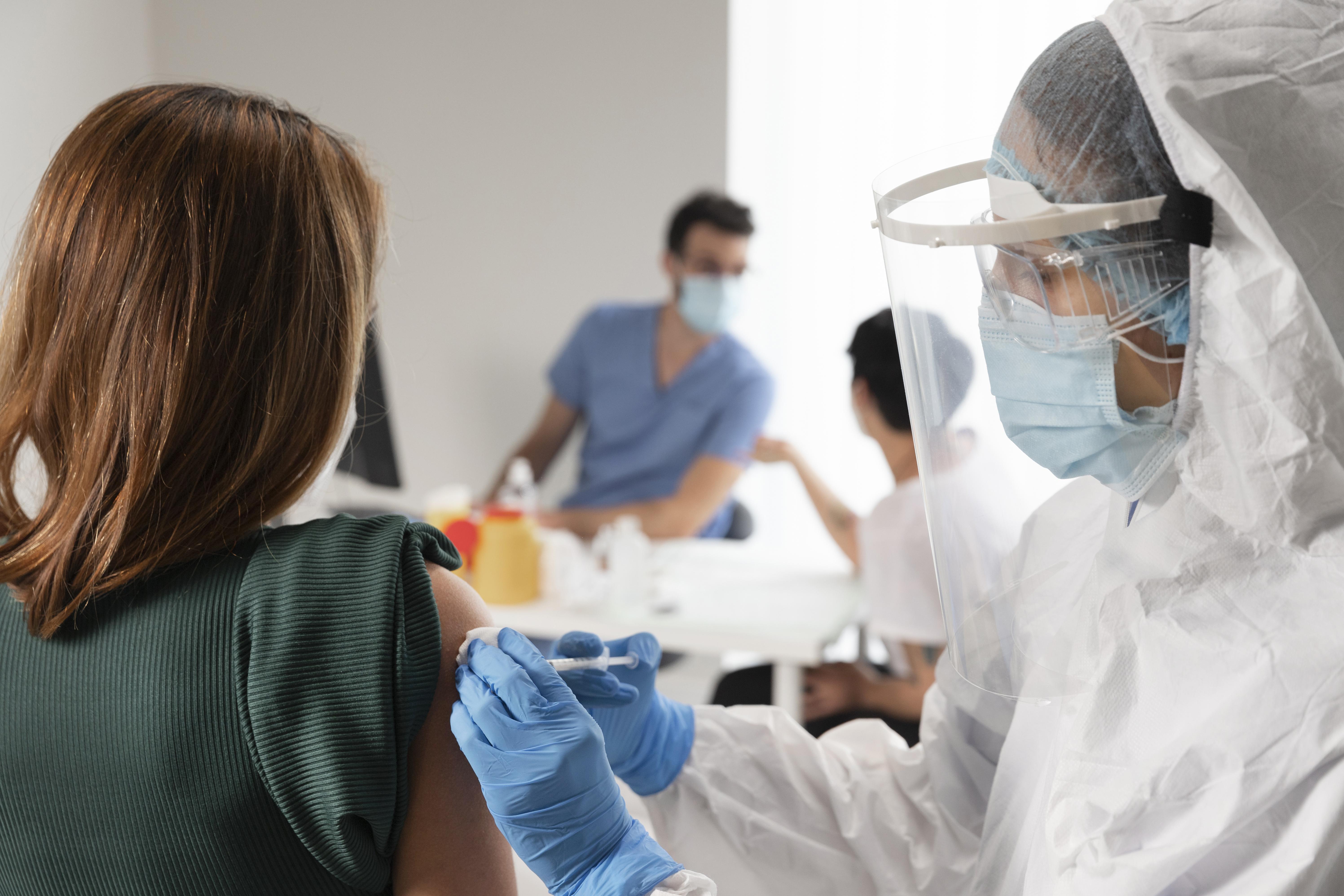
At Deepam Hospitals near Perungalathur, our Department of Infectious Disease Care provides comprehensive evaluation, diagnosis, treatment, and long-term management for a wide range of infectious conditions. Our approach combines careful clinical assessment, laboratory-supported diagnosis, evidence-based treatment, infection prevention strategies, and patient education to ensure safe recovery while reducing the risk of disease transmission.
Deepam Hospitals is a trusted healthcare network with multispeciality hospitals in Tambaram, Guduvanchery, and Singaperumal Koil (SP Koil), supported by healthcare centres in Perungalathur, Urapakkam, and Maraimalai Nagar.
Our department is led by Dr. Jennie Suresh (MBBS, MD, AFIH, CCEBDM), an experienced physician with expertise in diagnosing and managing infectious diseases, recurrent fevers, respiratory infections, tropical illnesses, and other communicable diseases. Every patient receives an individualised treatment plan based on clinical symptoms, medical history, laboratory findings, existing health conditions, and overall recovery needs.
Patients from Perungalathur, Peerkankaranai, West Tambaram, East Tambaram, Mudichur, Vandalur, Mannivakkam, Urapakkam, Irumbuliyur, Guduvanchery, and surrounding areas trust Deepam Hospitals for timely diagnosis, personalised infection management, preventive healthcare guidance, and compassionate medical care that supports faster recovery and long-term wellbeing.
Looking for an Infectious Disease Specialist near Perungalathur? Deepam Hospitals provides expert diagnosis and treatment for viral, bacterial, fungal, and parasitic infections under the care of Dr. Jennie Suresh (MBBS, MD, AFIH, CCEBDM). Our department evaluates recurrent fever, dengue, typhoid, respiratory infections, urinary tract infections, skin infections, gastrointestinal infections, tropical diseases, and other communicable illnesses using evidence-based treatment and personalised medical care.
Quick Answers at a Glance
Persistent Fever
A fever lasting more than a few days or recurring frequently should be medically evaluated to identify bacterial, viral, parasitic, or other infectious causes.
Viral & Bacterial Infections
Although symptoms may appear similar, viral and bacterial infections require different treatment approaches. Accurate diagnosis helps ensure appropriate medical management.
Dengue & Seasonal Fevers
High fever accompanied by severe body pain, headache, skin rash, or low platelet counts requires prompt medical evaluation, particularly during seasonal outbreaks.
Respiratory Infections
Persistent cough, sore throat, breathing difficulty, or fever may indicate respiratory infections that require clinical assessment to determine the underlying cause.
Gastrointestinal Infections
Severe diarrhoea, vomiting, abdominal pain, or dehydration should be evaluated promptly, especially in children, older adults, and individuals with chronic medical conditions.
Infection Prevention
Simple preventive measures such as vaccination, hand hygiene, safe food practices, clean drinking water, and early medical consultation play an important role in reducing the spread of infectious diseases.
Key Highlights
- Comprehensive Infectious Disease Care
- Expert Care by Dr. Jennie Suresh
- Fever Evaluation & Diagnosis
- Viral & Bacterial Infection Management
- Dengue & Tropical Disease Care
- Respiratory Infection Treatment
- Gastrointestinal Infection Management
- Infection Prevention Guidance
- Personalised Treatment Plans
- Easily Accessible for Families Near Perungalathur
Why Choose Deepam Hospitals
Accurate diagnosis is essential because many infectious diseases share similar symptoms but require different treatment approaches. At Deepam Hospitals near Perungalathur, we combine experienced medical expertise, laboratory-supported diagnosis, evidence-based treatment, and patient education to deliver safe, timely, and comprehensive infectious disease care.
Why Patients Trust Our Infectious Disease Department
- Experienced Infectious Disease Physician
- Comprehensive Fever Assessment
- Evidence-Based Infection Management
- Laboratory-Supported Diagnosis
- Personalised Treatment Plans
- Focus on Infection Prevention
- Multidisciplinary Medical Support
- Long-Term Follow-up When Required
- Patient-Centred Clinical Care
- Convenient Access for Families Near Perungalathur
Fighting Infections Starts with Early Diagnosis
Many infectious diseases respond well to treatment when recognised early. Prompt medical evaluation helps identify the exact cause of illness, prevents complications, reduces the spread of infection, and supports faster recovery.
At Deepam Hospitals, we are committed to providing accurate diagnosis, timely treatment, and compassionate care that helps individuals and families recover safely while protecting the health of the wider community.
What Are Infectious Diseases?
Infectious diseases are illnesses caused by microorganisms such as bacteria, viruses, fungi, or parasites that enter the body and multiply. Some infections remain mild and resolve with appropriate treatment, while others may spread rapidly, affect multiple organs, or become life-threatening if not recognised early.
Although the body's immune system works continuously to fight harmful organisms, certain infections can overcome these natural defences, particularly in young children, older adults, pregnant women, and individuals with weakened immunity. Accurate diagnosis helps identify the exact cause of infection and guides the most appropriate treatment.
How Do Infections Spread?
Understanding how infections spread is one of the most effective ways to reduce the risk of illness. Different infectious diseases spread through different routes, making preventive measures equally important.
Common modes of transmission include:
- Airborne droplets from coughing or sneezing
- Direct contact with infected individuals
- Contaminated food or drinking water
- Mosquito and insect bites
- Contaminated surfaces
- Poor hand hygiene
- Exposure to infected blood or body fluids
- Animal-to-human transmission
Simple preventive measures can significantly reduce the spread of many common infections.
Common Infectious Diseases
Infectious diseases can affect different organs and body systems, producing symptoms that vary depending on the organism responsible.
Common infectious diseases include:
- Viral fever
- Dengue fever
- Typhoid fever
- Influenza
- COVID-19 and other respiratory viral infections
- Pneumonia
- Tuberculosis
- Urinary tract infections
- Skin and soft tissue infections
- Gastrointestinal infections
- Hepatitis
- Fungal infections
Many of these conditions respond well to treatment when diagnosed early.
Understanding Fever: When Is It More Than a Common Viral Illness?
Fever is one of the body's natural responses to infection. While many fevers are caused by self-limiting viral illnesses, persistent or high-grade fever may indicate bacterial, parasitic, or other serious infections that require medical evaluation.
Medical assessment is recommended when fever is associated with:
- Persistent high temperature
- Severe chills
- Difficulty breathing
- Persistent vomiting
- Severe dehydration
- Confusion
- Severe body pain
- Skin rash
- Persistent cough
- Reduced urine output
Early evaluation helps identify the underlying infection before complications develop.
Seasonal & Tropical Infections
Certain infections become more common during specific seasons due to changes in weather, mosquito breeding, food contamination, or environmental conditions.
Seasonal infections frequently seen include:
- Dengue fever
- Chikungunya
- Influenza
- Viral fever
- Gastroenteritis
- Food-borne infections
- Water-borne illnesses
Being aware of seasonal disease patterns encourages early medical consultation and timely treatment.
Who Is More Vulnerable to Serious Infections?
Although anyone can develop an infection, certain individuals have a higher risk of severe illness due to age, medical conditions, or reduced immunity.
Higher-risk groups include:
- Infants and young children
- Older adults
- Pregnant women
- People with diabetes
- Patients with chronic kidney disease
- Individuals receiving chemotherapy
- Organ transplant recipients
- People with weakened immune systems
These individuals often benefit from early medical evaluation even when symptoms appear mild.
Everyday Habits That Help Prevent Infections
Many infectious diseases can be prevented through simple lifestyle and hygiene practices that reduce exposure to harmful microorganisms.
Helpful preventive habits include:
- Washing hands regularly
- Drinking safe, clean water
- Eating freshly prepared food
- Maintaining personal hygiene
- Covering the mouth while coughing or sneezing
- Avoiding close contact with sick individuals
- Keeping vaccinations up to date
- Preventing mosquito bites
- Managing chronic illnesses effectively
- Seeking medical advice early when symptoms develop
Preventive healthcare protects both individuals and the wider community.
Warning Signs You Should Never Ignore
Some infections progress rapidly and require immediate medical attention. Recognising serious warning signs helps ensure timely diagnosis and treatment.
Consult a doctor immediately if you experience:
- Fever lasting more than three days
- Difficulty breathing
- Persistent vomiting
- Severe diarrhoea
- Confusion or drowsiness
- Severe dehydration
- Skin rash with fever
- Blood in stools or urine
- Persistent cough with fever
- Sudden worsening of symptoms
- Reduced urine output
- High fever with chills
Prompt treatment reduces the risk of complications and supports faster recovery.
Infectious Disease Assessment
Snapshot
Purpose
Identify the cause of infection, evaluate disease severity, begin appropriate treatment, and reduce the risk of complications and disease transmission.
Who Should Consider an Infectious Disease Evaluation?
- Individuals with persistent fever
- Patients with recurrent infections
- People with prolonged cough
- Individuals with unexplained weight loss
- Patients with severe diarrhoea or vomiting
- Anyone with suspected tropical or seasonal infections
Benefits
- Early diagnosis
- Accurate identification of infection
- Appropriate treatment planning
- Reduced complications
- Faster recovery
- Better infection control
Common Symptoms & Why Medical Evaluation Is Important
| Symptom | Possible Infection | Why Early Medical Evaluation Matters |
|---|---|---|
| Persistent fever | Viral, bacterial, or parasitic infection | Helps identify the exact cause before complications develop. |
| Persistent cough | Respiratory infection or tuberculosis | Early diagnosis reduces disease progression and transmission. |
| Severe diarrhoea | Food-borne or gastrointestinal infection | Prevents dehydration and identifies infections requiring treatment. |
| Painful urination | Urinary tract infection | Early treatment reduces the risk of kidney involvement. |
| Skin redness or swelling | Skin or soft tissue infection | Prompt care prevents deeper tissue infection. |
| High fever with body pain | Dengue or other viral illnesses | Early monitoring helps reduce the risk of serious complications. |
Why Early Diagnosis Is Important in Infectious Diseases
Many infectious illnesses begin with symptoms that resemble common viral infections, making it difficult to recognise potentially serious conditions without proper medical evaluation. Early diagnosis allows doctors to identify the source of infection, start appropriate treatment, and prevent further spread.
Early medical care helps:
- Identify infections accurately
- Begin appropriate treatment sooner
- Reduce the spread of infectious diseases
- Prevent serious complications
- Shorten recovery time
- Protect vulnerable family members
- Reduce unnecessary antibiotic use
- Support better long-term health outcomes
Recognising symptoms early and seeking timely medical attention plays an important role in protecting both individual health and public health.
Comprehensive Infectious Disease Evaluation
Not every infection presents with obvious symptoms, and many illnesses such as dengue, typhoid, influenza, tuberculosis, urinary infections, or respiratory infections may initially resemble a common viral fever. Identifying the exact cause is essential because every infection requires a different treatment approach.
At Deepam Hospitals near Perungalathur, every patient undergoes a thorough clinical evaluation that combines medical history, symptom assessment, physical examination, and appropriate laboratory investigations to establish an accurate diagnosis.
Our comprehensive evaluation includes:
- Detailed symptom assessment
- Fever pattern evaluation
- Travel and exposure history
- Medical history review
- Physical examination
- Laboratory investigations when required
- Infection source identification
- Personalised treatment planning
Early diagnosis allows treatment to begin promptly while reducing the risk of complications.
Persistent & Recurrent Fever Assessment
Fever is one of the most common reasons patients seek medical attention, but when it persists or returns repeatedly, further evaluation becomes important. Rather than treating only the fever, our focus is on identifying the underlying medical condition responsible for the illness.
Our fever evaluation includes:
- Duration and pattern of fever
- Associated symptoms
- Infection risk assessment
- Laboratory evaluation
- Assessment for tropical diseases
- Monitoring of clinical progress
- Individualised treatment planning
Accurate diagnosis helps avoid unnecessary medication while ensuring appropriate care.
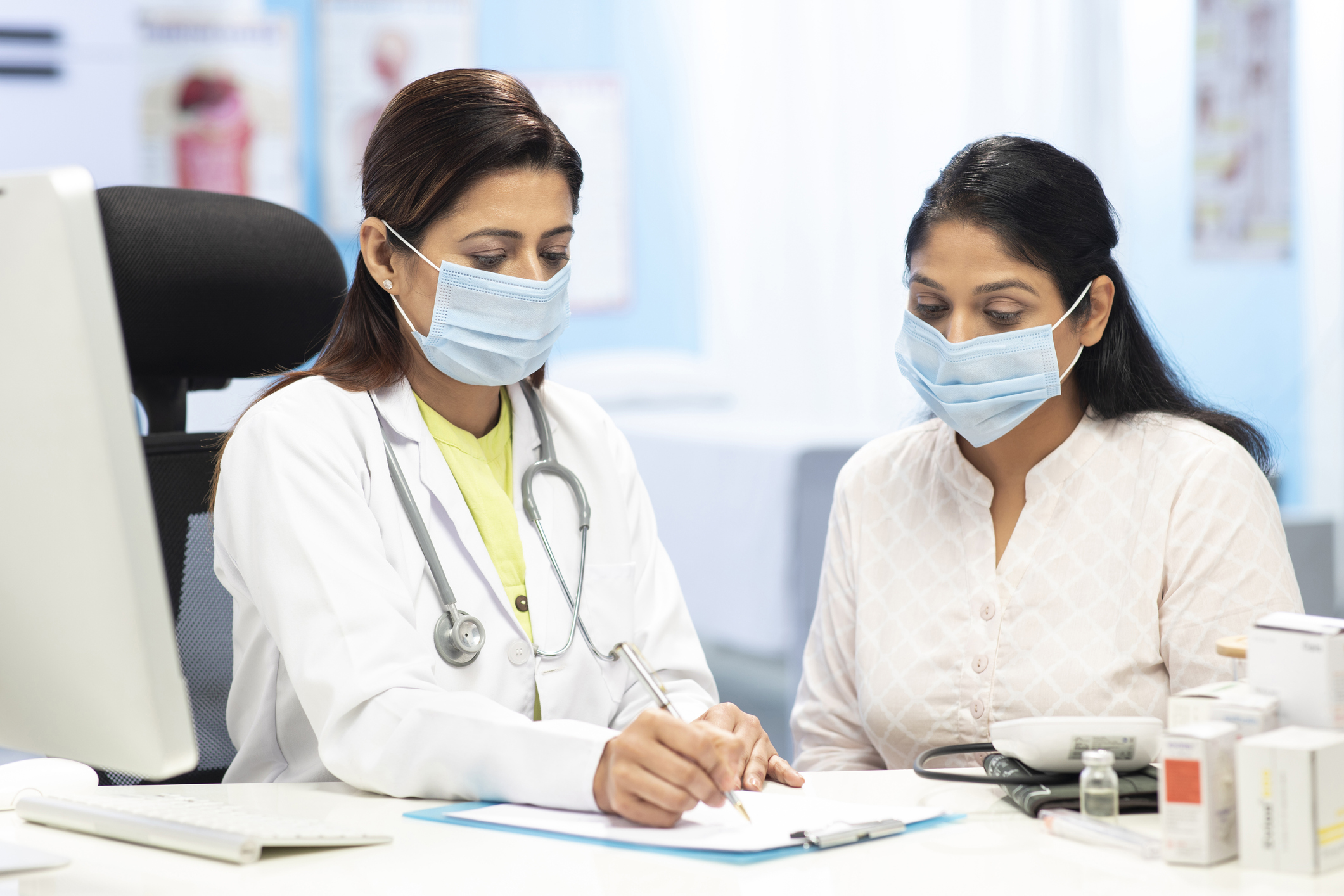
Infectious Disease Assessment Snapshot
Purpose
Identify infectious organisms, determine disease severity, guide appropriate treatment, and prevent further spread of infection.
Recommended For
- Persistent fever
- Recurrent infections
- Suspected dengue or typhoid
- Respiratory infections
- Severe gastrointestinal infections
- Individuals with weakened immunity
Benefits
- Accurate diagnosis
- Early treatment
- Better infection control
- Reduced complications
- Faster clinical recovery
Respiratory Infection Evaluation
Respiratory infections range from common viral illnesses to more serious bacterial infections affecting the lungs. Early evaluation helps distinguish between mild infections and conditions requiring closer medical attention.
Our respiratory infection assessment includes:
- Persistent cough evaluation
- Fever assessment
- Breathing assessment
- Chest examination
- Infection severity assessment
- Laboratory and imaging support when indicated
- Treatment planning
Timely diagnosis supports effective recovery while helping reduce disease transmission.
Dengue, Typhoid & Tropical Disease Management
Seasonal and tropical infections are commonly seen during periods of increased mosquito activity or contaminated food and water exposure. Early recognition is important because these illnesses may progress rapidly without appropriate medical care.
Our tropical disease services include evaluation and management of:
- Dengue fever
- Typhoid fever
- Chikungunya
- Malaria
- Seasonal viral fevers
- Other regionally prevalent infectious illnesses
Treatment plans are based on clinical findings, laboratory results, hydration status, and overall patient condition.
Infection Control Insight
Many infectious diseases spread before patients realise they are seriously ill. Early diagnosis not only benefits the individual patient but also helps reduce the risk of transmitting infections to family members, colleagues, and the wider community.
Skin, Soft Tissue & Urinary Infection Care
Certain bacterial and fungal infections affect the skin, underlying tissues, or urinary tract, causing discomfort and increasing the risk of complications if treatment is delayed.
Our evaluation focuses on:
- Skin redness and swelling
- Wound infections
- Abscess assessment
- Painful urination
- Recurrent urinary infections
- Fungal skin infections
- Soft tissue infections
- Individualised treatment planning
Prompt medical care helps prevent infection from spreading to deeper tissues or other organs.
Infection Prevention & Risk Reduction
Preventing infections is as important as treating them. Education, vaccination, hygiene practices, and lifestyle modifications all contribute to reducing the risk of future illness.
Preventive care includes:
- Vaccination guidance
- Hand hygiene education
- Food and water safety advice
- Mosquito bite prevention
- Travel-related health counselling
- Chronic disease management
- Infection prevention education
- Follow-up monitoring where required
Preventive strategies help protect individuals, families, and the community from avoidable infections.
Care for Patients with Weakened Immunity
People with diabetes, kidney disease, cancer, autoimmune disorders, or those receiving immunosuppressive treatment often have a higher risk of developing severe infections. These patients require careful evaluation and close monitoring.
Our approach includes:
- Early infection detection
- Severity assessment
- Targeted treatment planning
- Monitoring response to therapy
- Prevention of recurrent infections
- Long-term medical follow-up
Individualised care helps reduce complications while supporting better overall health.
Early Diagnosis vs Delayed Treatment
| Early Infectious Disease Evaluation | Delayed Medical Care |
|---|---|
| Identifies the exact cause of infection sooner | Infection may spread or become more severe |
| Enables targeted treatment | Delayed recovery and increased complications |
| Helps reduce disease transmission | Greater risk of infecting others |
| Supports faster recovery | May require prolonged treatment or hospitalisation |
Conditions Commonly Managed
Our Infectious Disease Department provides comprehensive evaluation and treatment for:
- Viral fever
- Dengue fever
- Typhoid fever
- Chikungunya
- Malaria
- Respiratory tract infections
- Pneumonia
- Tuberculosis
- Urinary tract infections
- Skin and soft tissue infections
- Gastrointestinal infections
- Fungal infections
- Recurrent fever
- Complex infectious diseases
Every patient receives an individualised treatment plan based on the type of infection, severity of illness, underlying health conditions, and recovery goals.
Collaborative Infectious Disease Care
Managing infectious diseases often requires coordination between multiple medical specialties, especially when infections affect different organs or occur in patients with chronic medical conditions.
Our Infectious Disease Department works closely with:
- General Medicine
- Pulmonology
- Critical Care Medicine
- Nephrology
- Diabetology
- Paediatrics
- Laboratory Services
- Radiology & Imaging
This multidisciplinary approach ensures accurate diagnosis, evidence-based treatment, continuous monitoring, and comprehensive care for both common and complex infectious diseases.
Dr. Jennie Suresh
Consultant – Infectious Disease Care
Treating an infection involves much more than controlling symptoms. The most important step is identifying the exact cause of illness, selecting the right treatment, monitoring recovery, and preventing future complications or recurrence. Every infection behaves differently, making personalised medical care essential for achieving the best possible outcome.
Dr. Jennie Suresh provides comprehensive care for patients with bacterial, viral, fungal, parasitic, and tropical infections. Her approach combines detailed clinical evaluation, laboratory-supported diagnosis, evidence-based treatment, and preventive healthcare to ensure safe recovery while minimising the risk of disease progression and transmission.
From managing prolonged fever and seasonal infections to caring for patients with recurrent or complex infectious diseases, Dr. Jennie Suresh focuses on delivering personalised treatment that restores health while promoting long-term infection prevention.
Your Infectious Disease Care Journey
Every infection is different. Some illnesses recover within a few days, while others require careful monitoring and longer treatment. At Deepam Hospitals, every patient receives structured medical care designed to achieve an accurate diagnosis, effective treatment, and complete recovery.
Step 1 – Understanding Your Illness
The consultation begins with a detailed discussion about your symptoms, duration of illness, travel history, recent infections, medical conditions, medications, vaccination history, and possible exposure to infectious diseases.
Step 2 – Clinical Evaluation & Diagnostic Assessment
Your doctor performs a thorough clinical examination and recommends appropriate laboratory investigations whenever necessary to identify the source of infection and evaluate its severity.
Step 3 – Personalised Treatment Planning
Treatment is planned according to the type of infection, severity of illness, underlying medical conditions, and overall health status. Individualised care helps ensure the most appropriate management while avoiding unnecessary medication.
Step 4 – Monitoring Recovery
During treatment, your symptoms, clinical response, and laboratory findings are monitored to ensure that the infection is responding appropriately and complications are avoided.
Step 5 – Prevention & Long-Term Health
Once recovery is complete, patients receive practical advice on preventing future infections through healthy lifestyle habits, vaccination guidance, hygiene practices, and management of underlying medical conditions.
Recovering After an Infectious Illness
Although many infections improve with appropriate treatment, recovery continues even after the major symptoms disappear. Giving the body adequate time to heal helps restore normal energy levels and reduces the risk of relapse.
During recovery, patients are encouraged to:
- Complete the full course of prescribed medication
- Drink adequate fluids
- Eat a balanced, nutritious diet
- Get sufficient rest
- Monitor for recurring symptoms
- Attend follow-up appointments when advised
- Practise good personal hygiene
- Seek medical advice if symptoms return
Following medical advice carefully supports complete recovery while preventing unnecessary complications.
Recovery Snapshot
Focus
Achieving complete recovery while preventing recurrence and protecting long-term health.
Recovery Priorities
- Completing prescribed treatment
- Maintaining hydration
- Balanced nutrition
- Adequate rest
- Follow-up when required
- Preventing reinfection
Goal
Restore overall health safely while reducing the likelihood of future infectious illnesses.
Protecting Yourself & Your Family from Infections
Many infectious diseases can be prevented through simple precautions followed consistently at home, at work, and in public places. Preventive healthcare not only protects individuals but also helps reduce the spread of infections within families and the community.
Healthy preventive habits include:
- Washing hands regularly
- Drinking clean and safe water
- Eating properly cooked food
- Following recommended vaccinations
- Preventing mosquito bites
- Avoiding unnecessary antibiotic use
- Covering coughs and sneezes
- Staying home when seriously ill
- Managing chronic illnesses effectively
- Seeking early medical care for persistent symptoms
Prevention remains one of the most effective ways to reduce the burden of infectious diseases.
Responsible Use of Antibiotics
Antibiotics are highly effective against bacterial infections, but they are not useful for every illness. Taking antibiotics without medical advice or stopping treatment early may contribute to antibiotic resistance, making future infections more difficult to treat.
Patients should always:
- Take antibiotics only when prescribed
- Complete the full prescribed course
- Avoid sharing medicines with others
- Never self-medicate with leftover antibiotics
- Follow medical advice regarding dosage and duration
- Return for review if symptoms do not improve
Responsible antibiotic use helps preserve the effectiveness of these medicines for future generations.
Frequently Asked Questions
You should seek specialist evaluation if you have persistent fever, recurrent infections, prolonged cough, unexplained weight loss, suspected dengue or typhoid, tropical infections, or infections that do not improve with routine treatment.
Yes. Many viral and bacterial infections present with similar symptoms such as fever, cough, sore throat, or body pain. Medical evaluation helps identify the exact cause and determine appropriate treatment.
Antibiotics only treat bacterial infections. Taking them unnecessarily may not improve your illness and can contribute to antibiotic resistance, making future bacterial infections more difficult to treat.
Good hand hygiene, safe food and drinking water, mosquito bite prevention, recommended vaccinations, and early medical care for persistent symptoms all help reduce the risk of seasonal infectious diseases.
A fever should be medically evaluated if it lasts more than a few days, is associated with breathing difficulty, severe weakness, persistent vomiting, confusion, severe dehydration, or other concerning symptoms.
Sometimes. Frequent infections may be associated with diabetes, immune system disorders, nutritional deficiencies, or other underlying medical conditions that require evaluation.
Many infections can be prevented through vaccination, good hygiene, healthy lifestyle practices, safe food preparation, mosquito control, and timely medical care.
Seek immediate medical care if you develop severe breathing difficulty, persistent confusion, uncontrolled vomiting, signs of dehydration, severe allergic reactions, or a rapidly worsening infection.
Related Healthcare Services
Our Infectious Disease Department collaborates closely with:
- General Medicine
- Pulmonology
- Critical Care Medicine
- Nephrology
- Diabetology
- Paediatrics
- Laboratory Services
- Radiology & Imaging
This multidisciplinary approach enables comprehensive diagnosis, targeted treatment, continuous monitoring, and coordinated care for patients with common, recurrent, and complex infectious diseases.
Medical Disclaimer
The information provided on this page is intended for educational purposes only and should not replace professional medical advice, diagnosis, or treatment. Infectious diseases vary in severity, and treatment recommendations depend on the type of infection, individual health status, and clinical evaluation. Please consult a qualified physician for personalised medical advice regarding fever, infections, or communicable diseases. If you experience severe breathing difficulty, persistent high fever, confusion, uncontrolled vomiting, signs of severe dehydration, or any rapidly worsening illness, seek immediate medical attention without delay.
Protecting Health Through Early Diagnosis & Prevention
Early diagnosis remains one of the most effective ways to control infectious diseases, prevent complications, and support complete recovery. Timely medical care, responsible medication use, healthy lifestyle practices, and preventive measures work together to protect both individual health and the wellbeing of the wider community.
Consult Dr. Jennie Suresh at Deepam Hospitals near Perungalathur for comprehensive evaluation, accurate diagnosis, personalised treatment, and long-term management of infectious diseases delivered with compassion, clinical expertise, and evidence-based medical care.
Schedule your consultation today and take the next step towards better women's health with confidence.
Contact Us