- For appointment (+91) 97904 97905
Best Diabetologist in Maraimalai Nagar
Personalised Diabetes Care for Better Blood Sugar Control, Healthier Living & Long-Term Wellness
Diabetes is one of the most common long-term health conditions affecting millions of people worldwide. When left uncontrolled, high blood sugar can gradually damage vital organs, including the heart, kidneys, eyes, nerves, and blood vessels, often without causing noticeable symptoms during the early stages. The good news is that with early diagnosis, regular monitoring, appropriate treatment, and healthy lifestyle choices, diabetes can be effectively managed while significantly reducing the risk of serious complications.
Diabetology is a specialised field of medicine dedicated to the prevention, diagnosis, treatment, and long-term management of diabetes and related metabolic disorders. Beyond controlling blood sugar levels, modern diabetes care focuses on improving overall metabolic health, preventing complications, supporting healthy lifestyle changes, and helping patients lead active, fulfilling lives. Every individual with diabetes has different healthcare needs, making personalised care essential for achieving the best long-term outcomes.
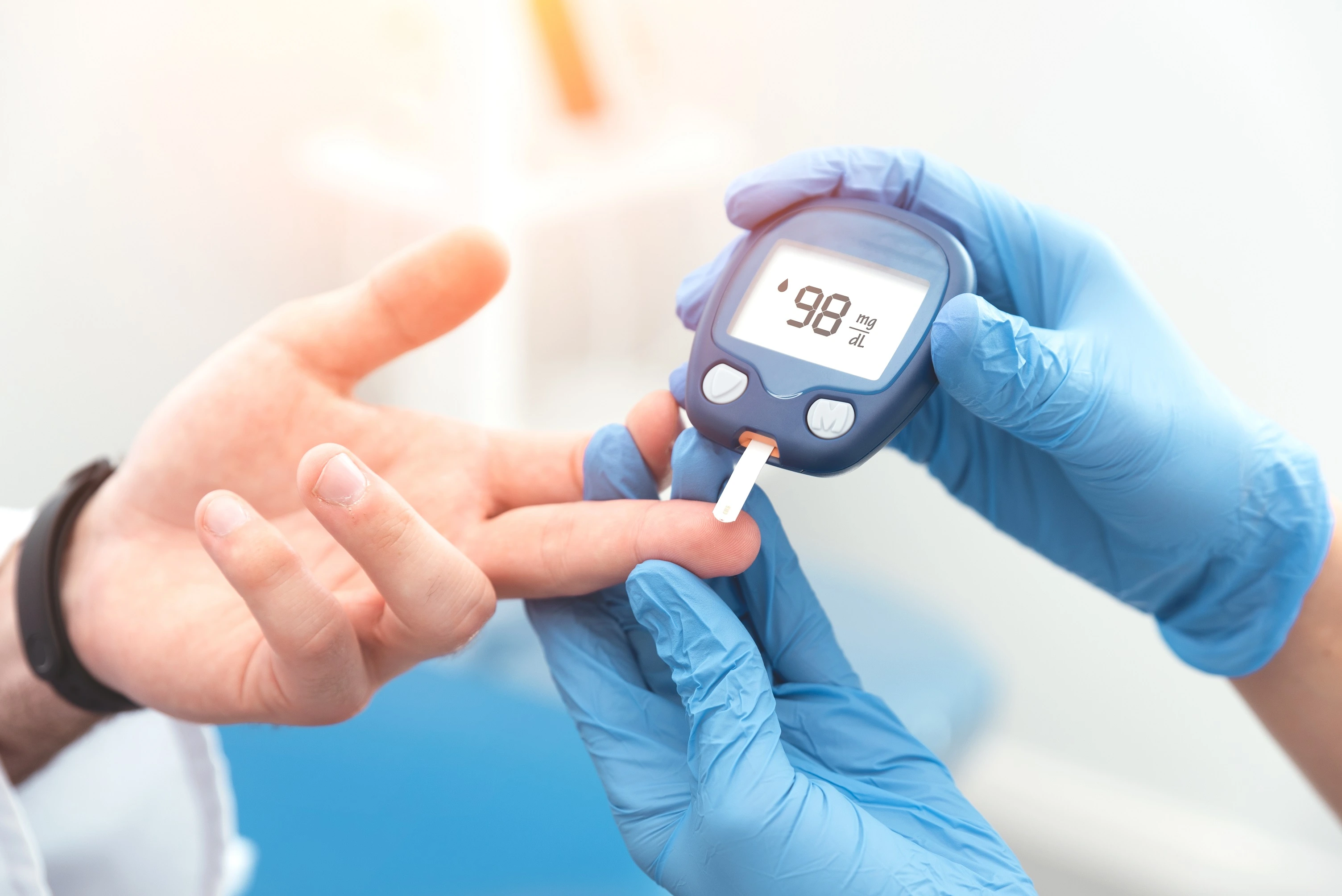
At Deepam Hospitals, our Diabetology Department in Maraimalai Nagar provides comprehensive diabetes care under the expertise of Dr. Jennie Suresh (MBBS, MD, AFIH, CCEBDM). We offer personalised evaluation and treatment for Type 1 Diabetes, Type 2 Diabetes, Prediabetes, Gestational Diabetes, insulin resistance, and diabetes-related health concerns through evidence-based medical care and continuous follow-up. Patients from Maraimalai Nagar, Kattankulathur, Potheri, Guduvanchery, Mahindra World City, Singaperumal Koil, Chengalpattu, Urapakkam, and surrounding communities trust Deepam Hospitals for compassionate Diabetology care focused on achieving healthy blood sugar control and protecting long-term wellbeing.
Deepam Hospitals offers comprehensive Diabetology services in Maraimalai Nagar under the care of Dr. Jennie Suresh (MBBS, MD, AFIH, CCEBDM). Our department specialises in diabetes diagnosis, blood sugar management, insulin resistance, Prediabetes care, Type 1 and Type 2 Diabetes treatment, Gestational Diabetes monitoring, diabetes complication screening, lifestyle modification, and long-term metabolic health management. Every patient receives an individualised care plan designed to achieve better blood sugar control, prevent complications, and improve overall quality of life.
Quick Answers
What Does a Diabetologist Treat?
A Diabetologist specialises in diagnosing and managing diabetes, Prediabetes, insulin resistance, diabetes-related complications, and other metabolic conditions that affect blood sugar regulation.
Can Diabetes Be Managed Successfully?
Yes. Although diabetes is usually a long-term condition, it can often be managed effectively through appropriate medication, healthy eating, regular physical activity, routine monitoring, and continuous medical follow-up.
What Is Prediabetes?
Prediabetes is a condition where blood sugar levels are higher than normal but not yet high enough to be diagnosed as diabetes. Early lifestyle changes and medical guidance can help delay or prevent the development of Type 2 Diabetes.
When Should I Consult a Diabetologist?
You should seek medical advice if you have consistently high blood sugar levels, symptoms of diabetes, a family history of diabetes, obesity, insulin resistance, or difficulty controlling diabetes despite treatment.
Can Diabetes Affect Other Organs?
Yes. Poorly controlled diabetes can affect the heart, kidneys, eyes, nerves, blood vessels, and feet over time. Regular monitoring and appropriate treatment help reduce these risks.
Key Highlights
- Comprehensive Diabetology evaluation and treatment
- Expert care by Dr. Jennie Suresh (MBBS, MD, AFIH, CCEBDM)
- Personalised diabetes management plans
- Type 1 and Type 2 Diabetes care
- Prediabetes assessment and prevention
- Blood sugar monitoring and metabolic health management
- Diabetes complication screening
- Lifestyle and nutrition guidance
- Long-term diabetes follow-up
- Trusted Diabetology services across Maraimalai Nagar and surrounding communities
Why Choose Deepam Hospitals for Diabetology?
Managing diabetes requires much more than lowering blood sugar levels. Successful diabetes care involves understanding each patient's medical history, lifestyle, eating habits, risk factors, and long-term health goals while continuously monitoring treatment effectiveness. At Deepam Hospitals, our Diabetology Department provides evidence-based, patient-centred care that focuses on achieving stable blood sugar control while preventing complications and supporting healthier living.
Every patient receives a comprehensive assessment before treatment begins. Our personalised care plans combine medical management, nutrition guidance, lifestyle counselling, regular monitoring, and preventive healthcare to help patients confidently manage diabetes throughout every stage of life. Through continuous education and long-term follow-up, we empower patients to make informed decisions that support better health and improved quality of life.
Why Patients Choose Deepam Hospitals
- Experienced Diabetology specialist
- Comprehensive diabetes evaluation
- Personalised blood sugar management plans
- Evidence-based diabetes treatment
- Focus on preventing diabetes complications
- Lifestyle and nutrition counselling
- Regular monitoring and follow-up
- Early identification of metabolic risk factors
- Patient education for long-term self-management
- Trusted diabetes care for Maraimalai Nagar and surrounding communities
Better Diabetes Control Begins with Personalised Care
Living with diabetes requires continuous care, informed decision-making, and regular health monitoring. With timely diagnosis, personalised treatment, and healthy lifestyle changes, it is possible to maintain stable blood sugar levels, reduce complications, and enjoy a healthy, active life. At Deepam Hospitals, our Diabetology Department is committed to helping every patient achieve long-term metabolic health through compassionate, evidence-based, and personalised diabetes care.
Understanding Diabetes
Diabetes is a long-term metabolic condition that affects the way the body uses glucose (blood sugar), which is the primary source of energy for the body's cells. Normally, the hormone insulin helps glucose move from the bloodstream into the cells where it is used for energy. When the body does not produce enough insulin or cannot use insulin effectively, glucose builds up in the blood, leading to high blood sugar levels.
If left uncontrolled, diabetes can gradually affect many parts of the body, including the heart, kidneys, eyes, nerves, and blood vessels. Early diagnosis, regular monitoring, appropriate treatment, and healthy lifestyle habits play a vital role in maintaining good health and preventing long-term complications.
How Does the Body Regulate Blood Sugar?
The body continuously works to maintain healthy blood sugar levels throughout the day. After eating, carbohydrates are broken down into glucose, which enters the bloodstream. In response, the pancreas releases insulin, allowing glucose to enter the body's cells where it is converted into energy.
When this process is disrupted because the body produces too little insulin or becomes resistant to its effects, blood sugar levels remain elevated. Over time, persistently high blood sugar may lead to complications affecting multiple organs, making ongoing diabetes management essential for protecting overall health.
Types of Diabetes
Diabetes is not a single condition. Different types require different approaches to treatment and long-term management.
Type 1 Diabetes
Type 1 Diabetes develops when the body's immune system mistakenly attacks the insulin-producing cells of the pancreas. As a result, the body produces little or no insulin, and lifelong insulin therapy is required.
Type 2 Diabetes
Type 2 Diabetes is the most common form of diabetes. It develops when the body becomes resistant to insulin or does not produce enough insulin to maintain normal blood sugar levels. Lifestyle changes, medications, and regular monitoring are important for effective management.
Gestational Diabetes
Gestational Diabetes develops during pregnancy in some women. Careful monitoring and treatment help protect both mother and baby, and blood sugar levels usually improve after childbirth, although future diabetes risk may remain higher.
Prediabetes
Prediabetes occurs when blood sugar levels are higher than normal but not yet within the diabetic range. Early lifestyle modifications and medical guidance can often delay or prevent the progression to Type 2 Diabetes.
Prediabetes – Why Early Action Matters
Prediabetes often develops without noticeable symptoms, which means many individuals are unaware they have it until routine screening identifies elevated blood sugar levels. Although it is not yet diabetes, it serves as an important warning sign that the body is becoming less effective at regulating glucose.
Early intervention through healthier eating habits, regular physical activity, maintaining a healthy body weight, and regular medical monitoring can significantly reduce the likelihood of developing Type 2 Diabetes while improving long-term metabolic health.
Common Myths About Diabetes
Misunderstanding diabetes can delay diagnosis and affect long-term health. Knowing the facts helps patients make informed decisions about their care.
Myth: Eating sugar alone causes diabetes.
Fact: Diabetes develops due to a combination of genetic factors, insulin resistance, lifestyle, body weight, and other health influences. While excessive sugar intake may contribute to weight gain, diabetes has multiple underlying causes.
Myth: People with diabetes must completely avoid carbohydrates.
Fact: Carbohydrates remain an important part of a healthy diet. The focus is on choosing nutritious carbohydrates, managing portion sizes, and maintaining balanced meals under medical guidance.
Myth: If I don't have symptoms, my diabetes is under control.
Fact: Diabetes may continue to damage organs even when symptoms are absent. Regular blood sugar monitoring and medical follow-up are essential.
Myth: Starting diabetes medication means the condition has become severe.
Fact: Treatment plans are individualised. Medication is often introduced to achieve better blood sugar control and reduce the risk of future complications.
Early Symptoms That Should Not Be Ignored
Diabetes often develops gradually, and symptoms may be mild during the early stages. Recognising warning signs early allows timely diagnosis and treatment.
Consult a Diabetologist if you experience:
- Frequent urination
- Increased thirst
- Unexplained weight loss
- Persistent tiredness
- Increased hunger
- Blurred vision
- Slow-healing wounds
- Frequent infections
- Tingling or numbness in the hands or feet
- Repeatedly elevated blood sugar readings
Early diagnosis allows treatment to begin before complications develop.
Everyday Habits That Support Healthy Blood Sugar
Long-term diabetes management depends on consistent daily habits that support healthy blood sugar levels and overall metabolic wellbeing.
Healthy lifestyle practices include:
- Eating balanced meals at regular times
- Staying physically active
- Maintaining a healthy body weight
- Taking medications exactly as prescribed
- Monitoring blood sugar as advised
- Drinking adequate water
- Getting sufficient sleep
- Managing stress effectively
- Attending regular medical follow-up appointments
- Avoiding tobacco products
These habits work together to improve diabetes control and support long-term health.
Diabetes Prevention Snapshot
| Healthy Practice | Why It Matters |
|---|---|
| Regular Blood Sugar Screening | Helps identify Prediabetes and Diabetes early |
| Healthy Weight Management | Reduces insulin resistance and metabolic risk |
| Balanced Nutrition | Supports stable blood glucose levels |
| Regular Physical Activity | Improves insulin sensitivity |
| Routine Medical Follow-Up | Enables timely treatment adjustments |
| Healthy Lifestyle Habits | Helps reduce the risk of diabetes-related complications |
Why Early Diabetes Management Improves Long-Term Health
Diabetes is a condition that requires continuous care rather than short-term treatment. Early diagnosis and consistent blood sugar management help reduce the risk of complications affecting the heart, kidneys, eyes, nerves, and blood vessels. With personalised treatment, regular monitoring, healthy lifestyle changes, and ongoing medical guidance, many people with diabetes successfully maintain stable blood sugar levels, protect their overall health, and continue leading active, productive lives.
Comprehensive Diabetology Services at Deepam Hospitals
Diabetes is a lifelong condition that requires consistent monitoring, personalised treatment, and proactive lifestyle management. Effective diabetes care goes beyond lowering blood sugar—it focuses on preventing complications, improving metabolic health, and helping patients maintain an active, healthy life. At Deepam Hospitals, our Diabetology Department provides comprehensive diabetes care that combines medical expertise, patient education, preventive screening, and long-term follow-up to support sustainable blood sugar control.
Under the expertise of Dr. Jennie Suresh (MBBS, MD, AFIH, CCEBDM), every patient receives an individualised diabetes management plan based on their type of diabetes, blood sugar levels, lifestyle, existing medical conditions, and long-term health goals. Our objective is to achieve stable glycaemic control while reducing the risk of diabetes-related complications affecting the heart, kidneys, eyes, nerves, and blood vessels.
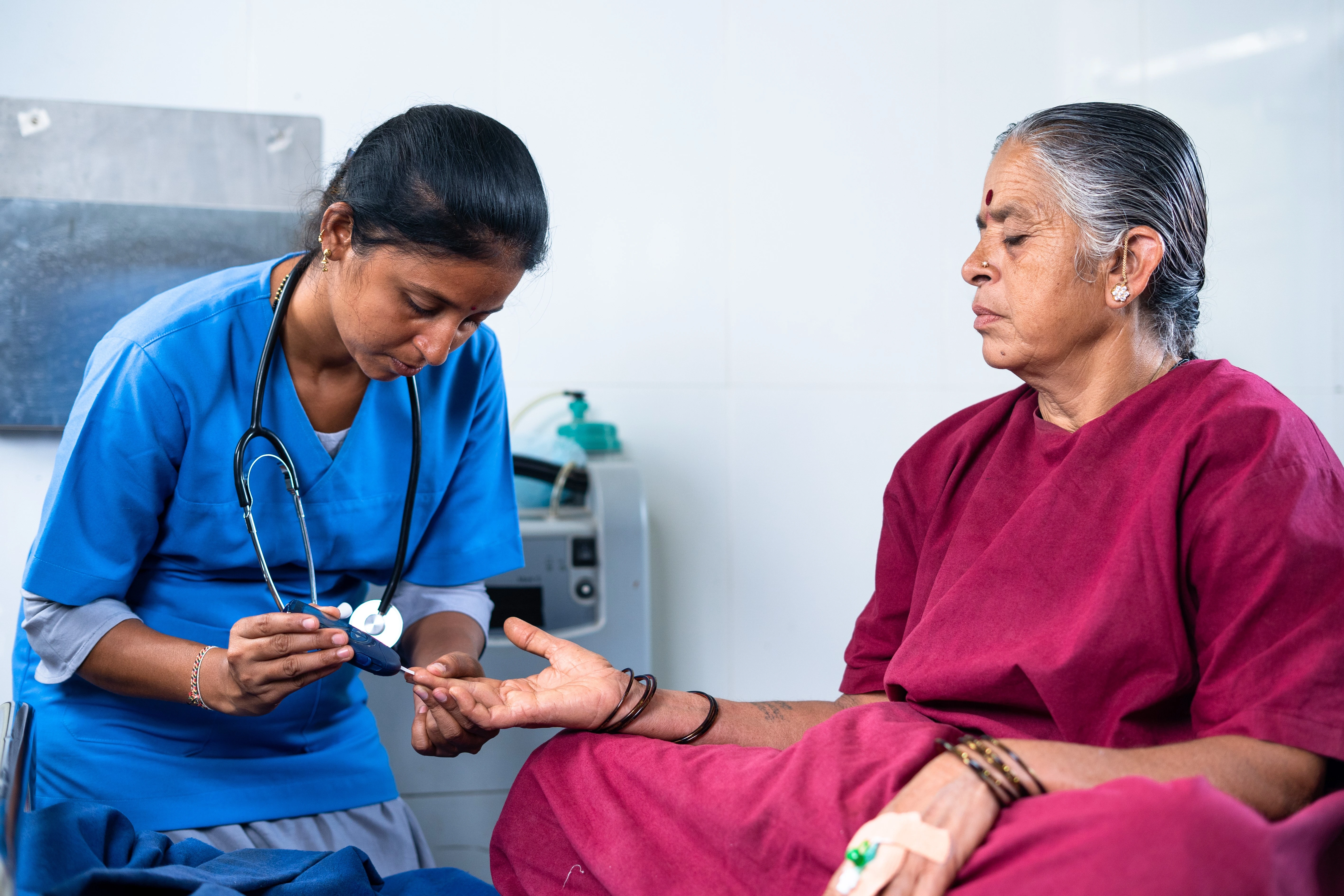
Comprehensive Diabetes Evaluation
Every patient has unique healthcare needs, making a thorough clinical assessment essential before beginning or modifying diabetes treatment.
Our diabetes evaluation includes:
- Detailed medical history
- Blood sugar assessment
- Review of previous diabetes treatment
- Lifestyle and dietary evaluation
- Family history assessment
- Body weight and metabolic risk evaluation
- Medication review
- Diabetes complication risk assessment
- Individual treatment goal setting
- Personalised diabetes management planning
A comprehensive evaluation allows treatment to be tailored according to each patient's medical condition and lifestyle.
Type 1 & Type 2 Diabetes Management
Effective diabetes management requires a structured approach that combines medication, healthy lifestyle choices, regular monitoring, and continuous medical guidance.
Our diabetes care includes:
- Individualised treatment planning
- Blood sugar optimisation
- Medication adjustment
- Insulin therapy guidance where appropriate
- Regular blood glucose monitoring
- Lifestyle modification support
- Long-term disease monitoring
- Ongoing follow-up consultations
Our goal is to help patients maintain stable blood sugar levels while improving their overall health and quality of life.
Prediabetes Assessment & Prevention
Prediabetes offers an important opportunity to reduce the future risk of developing Type 2 Diabetes. Early intervention can significantly improve long-term metabolic health.
Our Prediabetes services include:
- Blood sugar screening
- Metabolic risk assessment
- Weight management counselling
- Lifestyle modification planning
- Nutritional guidance
- Exercise recommendations
- Progress monitoring
- Regular follow-up evaluations
Timely intervention helps many individuals delay or prevent the progression to diabetes.
Gestational Diabetes Monitoring
Diabetes during pregnancy requires specialised monitoring to protect the health of both mother and baby. Careful blood sugar control helps reduce pregnancy-related complications.
Our care includes:
- Pregnancy blood sugar monitoring
- Individualised treatment planning
- Nutritional counselling
- Safe medication management when required
- Maternal health assessment
- Fetal wellbeing coordination
- Regular follow-up
- Post-pregnancy diabetes evaluation
Management is provided in coordination with the Obstetrics & Gynaecology team whenever appropriate.
Diabetes Medication Optimisation
Diabetes treatment plans may need adjustment over time as blood sugar levels, lifestyle, and overall health change. Regular review ensures treatment remains safe and effective.
Medication management includes:
- Review of current medications
- Treatment effectiveness assessment
- Dose adjustment when required
- Insulin therapy review
- Medication safety monitoring
- Side-effect evaluation
- Individualised treatment optimisation
- Long-term medication planning
Treatment decisions are based on clinical evaluation and current diabetes management guidelines.
Lifestyle & Nutrition Counselling
Healthy lifestyle habits play a central role in successful diabetes management. Personalised guidance helps patients make sustainable changes that support healthy blood sugar control.
Lifestyle counselling may include:
- Balanced meal planning
- Portion control education
- Healthy carbohydrate choices
- Weight management strategies
- Physical activity guidance
- Sleep improvement recommendations
- Stress management techniques
- Long-term healthy lifestyle planning
Practical lifestyle modifications complement medical treatment and contribute to better metabolic health.
Diabetes Complication Screening
Regular screening helps detect diabetes-related complications before they become severe, allowing early intervention and better long-term outcomes.
Our screening programmes include assessment for:
- Kidney health
- Eye-related complications
- Nerve damage
- Cardiovascular risk
- Blood pressure control
- Cholesterol management
- Foot health
- Overall metabolic status
Routine screening is an essential part of comprehensive diabetes care.
Foot Care & Neuropathy Assessment
Diabetes may affect the nerves and blood circulation in the feet, increasing the risk of ulcers and infections. Preventive foot care helps reduce these risks.
Our foot care services include:
- Foot examination
- Neuropathy assessment
- Circulation evaluation
- Foot care education
- Skin assessment
- Nail health guidance
- Footwear recommendations
- Regular follow-up monitoring
Early detection of foot problems supports timely treatment and helps prevent complications.
Continuous Blood Sugar Monitoring & Follow-Up
Diabetes management requires regular review to ensure blood sugar remains within target levels and treatment continues to meet the patient's needs.
Our follow-up care includes:
- Blood glucose review
- HbA1c monitoring
- Medication review
- Lifestyle progress assessment
- Weight monitoring
- Blood pressure evaluation
- Treatment modification when necessary
- Long-term diabetes follow-up
Continuous monitoring supports better glycaemic control and long-term health protection.
Conditions We Commonly Manage
Our Diabetology Department provides comprehensive care for:
- Type 1 Diabetes
- Type 2 Diabetes
- Prediabetes
- Gestational Diabetes
- Insulin resistance
- Diabetes-related obesity
- Diabetic neuropathy
- Diabetic kidney disease risk
- Metabolic syndrome
- Blood sugar fluctuations
- Diabetes-related cardiovascular risk
- Long-term diabetes management
Every treatment plan is personalised according to the patient's diagnosis, lifestyle, and long-term health objectives.
Multidisciplinary Diabetes Care
Diabetes can affect multiple organs and often requires coordinated care across different medical specialties.
Our Diabetology Department works closely with:
- Cardiology
- Nephrology
- Ophthalmology
- Family Medicine
- Geriatrics Medicine
- Nutrition & Dietetics
- Podiatry & Wound Care
- General Medicine
This multidisciplinary approach supports comprehensive diabetes management while helping prevent and manage long-term complications.
Diabetology Services at a Glance
| Service | Purpose | Who Can Benefit |
|---|---|---|
| Comprehensive Diabetes Evaluation | Diagnoses diabetes and assesses metabolic health | Individuals with suspected or confirmed diabetes |
| Type 1 & Type 2 Diabetes Management | Maintains healthy blood sugar control | Patients living with diabetes |
| Prediabetes Assessment | Identifies future diabetes risk | Individuals with elevated blood sugar levels |
| Gestational Diabetes Care | Supports healthy pregnancy outcomes | Pregnant women with gestational diabetes |
| Medication Optimisation | Improves treatment effectiveness | Patients requiring diabetes medication review |
| Lifestyle & Nutrition Counselling | Encourages healthier daily habits | Individuals seeking better metabolic health |
| Diabetes Complication Screening | Detects complications early | Patients with long-term diabetes |
| Continuous Monitoring & Follow-Up | Supports long-term glycaemic control | Patients requiring ongoing diabetes management |
Comprehensive Diabetes Care for Better Health Today & Tomorrow
Managing diabetes successfully requires a combination of medical expertise, healthy lifestyle choices, regular monitoring, and continuous support. At Deepam Hospitals, our Diabetology Department is committed to providing personalised diabetes care that helps patients achieve better blood sugar control, reduce the risk of complications, and maintain long-term health. Through evidence-based treatment, preventive screening, and patient-focused care, we empower individuals to live healthier and more confident lives with diabetes.
Dr. Jennie Suresh
Consultant – Diabetology
Managing diabetes successfully requires more than prescribing medication—it requires understanding each patient's lifestyle, health risks, treatment goals, and long-term wellbeing. Dr. Jennie Suresh provides comprehensive Diabetology care with a strong focus on early diagnosis, personalised diabetes management, prevention of complications, and continuous patient education to help individuals achieve better blood sugar control and healthier lives.
Whether managing newly diagnosed diabetes, long-standing Type 2 Diabetes, insulin resistance, Prediabetes, or diabetes during pregnancy, Dr. Jennie Suresh develops evidence-based treatment plans tailored to each patient's medical condition and daily routine. Through regular follow-up, lifestyle guidance, and proactive monitoring, she helps patients maintain healthy blood glucose levels while reducing the risk of long-term complications.
Her areas of expertise include Type 1 Diabetes, Type 2 Diabetes, Prediabetes, Gestational Diabetes, insulin resistance, diabetes complication prevention, metabolic health management, lifestyle modification, and long-term diabetes care.
Areas of Expertise
Your Diabetes Care Journey at Deepam Hospitals
Diabetes is a lifelong condition that requires continuous care, regular monitoring, and personalised management. At Deepam Hospitals, we follow a structured care pathway that helps patients achieve stable blood sugar control while protecting their long-term health.
Step 1 — Comprehensive Diabetes Consultation
Your consultation begins with a detailed discussion about your symptoms, medical history, family history of diabetes, lifestyle, eating habits, physical activity, medications, and previous blood sugar records. This helps us understand your individual healthcare needs.
Step 2 — Blood Sugar & Metabolic Assessment
A comprehensive clinical evaluation is performed, including review of blood glucose levels, HbA1c, metabolic health, body weight, blood pressure, and risk factors for diabetes-related complications. Additional investigations may be recommended based on your condition.
Step 3 — Personalised Diabetes Management Plan
Based on the evaluation, an individualised treatment plan is developed. This may include medication optimisation, nutrition guidance, physical activity recommendations, blood sugar monitoring, weight management strategies, and preventive healthcare planning.
Step 4 — Regular Monitoring & Treatment Optimisation
Diabetes management changes over time. Scheduled follow-up appointments help review blood sugar control, assess treatment response, monitor for complications, and make timely adjustments to medications or lifestyle recommendations whenever needed.
Step 5 — Long-Term Health Protection
Ongoing diabetes care focuses on preventing complications affecting the heart, kidneys, eyes, nerves, and blood vessels. Through continuous monitoring, patient education, and healthy lifestyle support, we help patients maintain better health and improve their quality of life over the long term.
Preparing for Your Diabetology Consultation
Bringing complete health information allows your Diabetologist to develop a more accurate and personalised diabetes management plan.
Before your consultation, it is helpful to bring:
- Previous blood sugar reports
- HbA1c test results
- Current prescription medications
- Blood pressure records, if available
- Blood glucose monitoring log
- Previous medical records
- Details of your current diet and physical activity
- A list of questions or concerns regarding diabetes management
Having complete information supports better clinical decision-making and more effective long-term diabetes care.
Living Well with Diabetes
Diabetes management extends beyond clinic visits. Daily lifestyle choices have a significant influence on blood sugar control, energy levels, and long-term health outcomes.
Healthy habits that support diabetes management include:
- Eating balanced meals at consistent times
- Staying physically active most days of the week
- Monitoring blood sugar as advised
- Taking medications regularly
- Maintaining a healthy body weight
- Drinking adequate water
- Getting sufficient sleep
- Managing stress effectively
Following these healthy habits alongside regular medical care helps improve glycaemic control and supports overall wellbeing.
Protecting Your Health from Diabetes-Related Complications
Consistently maintaining healthy blood sugar levels is one of the most effective ways to reduce the risk of long-term complications. Regular medical reviews help identify early changes before they progress into serious health problems.
Long-term diabetes care includes:
- Routine HbA1c monitoring
- Blood pressure management
- Kidney health assessment
- Eye screening
- Foot examination
- Cholesterol monitoring
- Healthy weight management
- Regular follow-up consultations
Preventive care plays a key role in preserving long-term health and maintaining independence.
Frequently Asked Questions
You should consult a Diabetologist if you have high blood sugar levels, Prediabetes, newly diagnosed diabetes, difficulty controlling diabetes, recurring episodes of low blood sugar, or concerns about diabetes-related complications.
Many people with Type 2 Diabetes successfully manage their condition through healthy lifestyle changes, oral medications, or other non-insulin treatments. However, treatment recommendations depend on individual medical needs.
The frequency depends on your type of diabetes, treatment plan, and overall health. Your Diabetologist will recommend a monitoring schedule appropriate for your condition.
Yes. High blood sugar can gradually affect the heart, kidneys, eyes, nerves, and blood vessels even before noticeable symptoms develop. Regular screening helps detect complications early.
Many individuals with Prediabetes can improve their blood sugar levels through healthy eating, regular exercise, weight management, and ongoing medical guidance, reducing the risk of developing Type 2 Diabetes.
HbA1c reflects the average blood sugar level over the previous two to three months and helps evaluate how effectively diabetes is being managed over time.
Yes. With appropriate treatment, healthy eating, regular physical activity, and routine medical follow-up, many individuals with diabetes lead active, productive, and healthy lives.
Diabetes management requires ongoing assessment to review blood sugar control, adjust treatment, monitor complications, and provide continued education that supports long-term health.
Related Departments
Our Diabetology Department works closely with multiple specialties to provide comprehensive diabetes care, including:
- Cardiology
- Nephrology
- Ophthalmology
- Family Medicine
- Nutrition & Dietetics
- Geriatrics Medicine
- General Medicine
- Wound Care & Foot Care Services
This multidisciplinary approach ensures patients receive coordinated care that supports both blood sugar management and the prevention of diabetes-related complications.
Medical Disclaimer
The information provided on this page is intended for educational purposes only and should not replace professional medical advice, diagnosis, or treatment. Diabetes management varies according to the type of diabetes, blood sugar levels, age, overall health, and associated medical conditions. Diagnosis, treatment, and medication adjustments should always be based on a qualified healthcare professional's clinical assessment and appropriate investigations. If you experience symptoms such as severe low blood sugar, persistent high blood sugar, chest pain, confusion, difficulty breathing, or loss of consciousness, seek immediate medical attention.
Comprehensive Diabetes Care for a Healthier Future
Managing diabetes successfully requires commitment, regular medical guidance, and a personalised treatment approach. With early diagnosis, continuous monitoring, and healthy lifestyle changes, many people with diabetes can achieve excellent blood sugar control while protecting their long-term health.
Consult Dr. Jennie Suresh (MBBS, MD, AFIH, CCEBDM) at Deepam Hospitals, Maraimalai Nagar, for expert Diabetology care, personalised diabetes management, complication prevention, and long-term support to help you live a healthier and more confident life.
Contact Us