- For appointment (+91) 97904 97905
Best Gastroenterology & Laparoscopy Care in Maraimalai Nagar
Advanced Digestive Health & Minimally Invasive Surgical Care for Better Outcomes
The digestive system plays a vital role in overall health by helping the body absorb nutrients, eliminate waste, and maintain essential bodily functions. When digestive health is affected, it can impact daily comfort, nutrition, energy levels, and quality of life. Symptoms such as persistent abdominal pain, acidity, bloating, difficulty swallowing, changes in bowel habits, unexplained weight loss, or digestive discomfort should never be ignored, as they may indicate an underlying gastrointestinal condition requiring medical attention.
Gastrointestinal disorders can affect any part of the digestive tract, including the oesophagus, stomach, liver, gallbladder, pancreas, small intestine, colon, and rectum. While many digestive conditions can be managed with lifestyle modifications and medical treatment, some situations require specialised surgical intervention. Advances in modern medicine now allow many gastrointestinal procedures to be performed through minimally invasive laparoscopic techniques, helping reduce surgical trauma and support faster recovery. Laparoscopic surgery uses small incisions and specialised instruments to diagnose or treat various abdominal conditions while often resulting in less pain and quicker recovery compared to traditional open surgery.
At Deepam Hospitals, our Gastroenterology & Laparoscopy Department in Maraimalai Nagar provides comprehensive digestive healthcare under the expertise of Dr. Sugaprakash (MBBS, MS, MRCS, DNB, MCh-SGE), Consultant in Gastroenterology & Laparoscopy. We offer personalised evaluation, advanced diagnostics, minimally invasive surgical solutions, and long-term digestive health management for patients across Maraimalai Nagar, Kattankulathur, Potheri, Guduvanchery, Mahindra World City, Singaperumal Koil, Chengalpattu, Urapakkam, and surrounding communities.
Deepam Hospitals provides comprehensive Gastroenterology & Laparoscopy services in Maraimalai Nagar under the care of Dr. Sugaprakash (MBBS, MS, MRCS, DNB, MCh-SGE). Our department focuses on the diagnosis, treatment, and management of digestive system disorders affecting the oesophagus, stomach, liver, gallbladder, pancreas, intestines, and colorectal region. We also offer advanced laparoscopic procedures that utilise minimally invasive techniques for selected gastrointestinal conditions. Our approach combines accurate diagnosis, personalised treatment planning, modern surgical techniques, and long-term digestive health support to help patients achieve better outcomes and improved quality of life.
Quick Answers
Why Should Persistent Digestive Symptoms Be Evaluated?
Persistent symptoms such as abdominal pain, bloating, acidity, indigestion, or changes in bowel habits may indicate an underlying digestive disorder that benefits from early medical assessment.
What Is Laparoscopic Surgery?
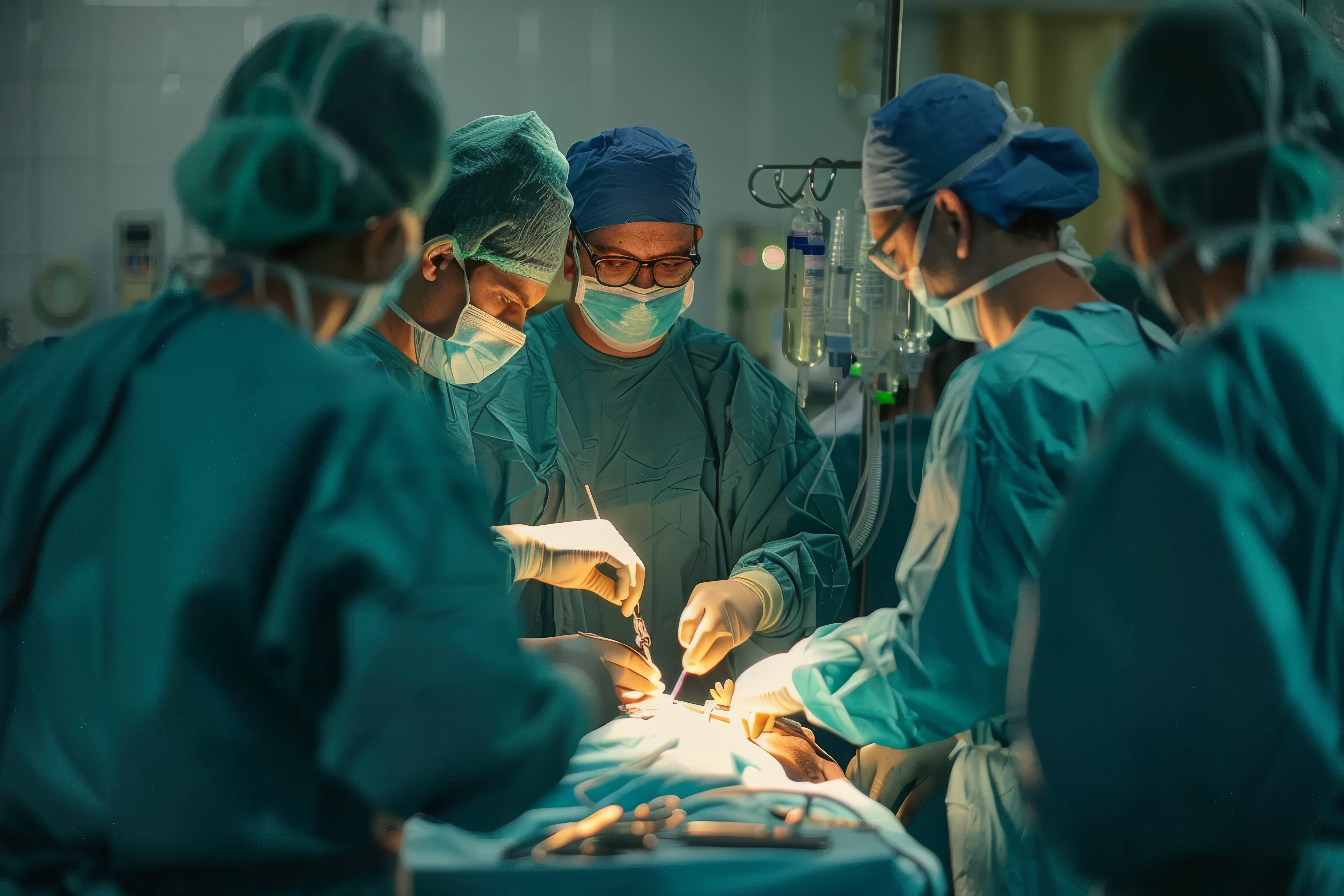
Laparoscopic surgery is a minimally invasive surgical technique performed through small incisions using a camera and specialised instruments to diagnose or treat abdominal conditions.
When Should I Consult a Gastroenterology Specialist?
You should consider a consultation if you experience ongoing digestive discomfort, swallowing difficulties, persistent reflux, unexplained weight loss, chronic constipation, diarrhoea, or other gastrointestinal concerns.
Can Digestive Disorders Affect Overall Health?
Yes. Digestive health influences nutrition, energy levels, metabolism, immunity, and overall wellbeing. Untreated digestive conditions can sometimes affect multiple aspects of health.
Are All Gastrointestinal Conditions Treated With Surgery?
No. Many digestive disorders can be managed with medication, dietary modifications, lifestyle changes, and regular monitoring. Surgery is recommended only when clinically necessary.
Key Highlights
- Comprehensive digestive health evaluation and management
- Expert care by Dr. Sugaprakash (MBBS, MS, MRCS, DNB, MCh-SGE)
- Assessment of upper and lower gastrointestinal disorders
- Advanced laparoscopic surgical expertise
- Personalised treatment planning
- Management of common and complex digestive conditions
- Minimally invasive surgical options when appropriate
- Modern diagnostic support
- Multidisciplinary care approach
- Trusted digestive healthcare in Maraimalai Nagar
Why Choose Deepam Hospitals for Gastroenterology & Laparoscopy?
Digestive health concerns often require careful evaluation because symptoms can arise from a wide range of conditions affecting different parts of the gastrointestinal system. Effective treatment depends on accurate diagnosis, personalised medical guidance, and access to appropriate medical or surgical care when required.
At Deepam Hospitals, we focus on delivering patient-centred Gastroenterology & Laparoscopy services that combine clinical expertise with modern diagnostic capabilities. Our goal is not only to treat symptoms but also to identify their underlying cause and develop treatment plans that support both immediate relief and long-term digestive health.
Why Patients Trust Deepam Hospitals
- Experienced Gastroenterology & Laparoscopy specialist
- Comprehensive digestive health assessment
- Individualised treatment planning
- Expertise in minimally invasive laparoscopic procedures
- Advanced diagnostic support
- Evidence-based treatment approach
- Multidisciplinary clinical collaboration
- Patient-focused consultations and counselling
- Convenient access for patients across Maraimalai Nagar
- Ongoing follow-up and digestive health monitoring
Supporting Better Digestive Health for Life
Digestive health plays a central role in overall wellbeing. Early recognition of symptoms, timely medical consultation, appropriate treatment, and healthy lifestyle habits can significantly improve long-term outcomes for many gastrointestinal conditions. At Deepam Hospitals, we are committed to helping patients understand their digestive health, make informed healthcare decisions, and access comprehensive Gastroenterology & Laparoscopy care tailored to their individual needs.
Understanding Digestive Health & the Gastrointestinal System
The digestive system is responsible for breaking down food, absorbing nutrients, processing fluids, and eliminating waste from the body. It functions through a complex network of organs that work together to support nutrition, metabolism, immunity, and overall health. When any part of the digestive tract is affected by disease or dysfunction, it can lead to symptoms that range from mild discomfort to significant health concerns.
Many digestive conditions develop gradually and may initially present with subtle symptoms such as bloating, acidity, indigestion, abdominal discomfort, or changes in appetite. Because these symptoms are often ignored or self-treated, underlying conditions may remain undiagnosed for long periods. Understanding how the digestive system functions can help individuals recognise warning signs early and seek appropriate medical care before complications develop.
How the Digestive System Works
The digestive process begins when food enters the mouth and continues through several interconnected organs that perform specific functions.
| Digestive Organ | Primary Function |
|---|---|
| Oesophagus | Transports food from the mouth to the stomach |
| Stomach | Breaks down food using digestive acids and enzymes |
| Small Intestine | Absorbs nutrients, vitamins, and minerals |
| Large Intestine (Colon) | Absorbs water and forms stool |
| Liver | Produces bile and supports metabolism |
| Gallbladder | Stores and releases bile for digestion |
| Pancreas | Produces digestive enzymes and regulates blood sugar |
| Rectum & Anus | Eliminate waste from the body |
Each organ plays an essential role in maintaining digestive balance and overall health.
Common Digestive Disorders
Digestive disorders can affect different parts of the gastrointestinal tract and may vary widely in severity. Some conditions are temporary and manageable, while others may require long-term medical care or surgical treatment.
Common gastrointestinal conditions include:
- Acid reflux and gastroesophageal reflux disease (GERD)
- Gastritis
- Peptic ulcers
- Gallbladder disorders
- Gallstones
- Irritable Bowel Syndrome (IBS)
- Constipation
- Chronic diarrhoea
- Haemorrhoids (Piles)
- Fatty liver disease
- Liver disorders
- Pancreatic conditions
- Hernias
- Colorectal disorders
Because many digestive disorders produce similar symptoms, professional evaluation is often necessary for accurate diagnosis.
The Connection Between Gut Health and Overall Wellbeing
The digestive system does more than process food. It plays a critical role in supporting overall health through nutrient absorption, immune function, and metabolic regulation.
Poor digestive health may contribute to:
- Nutritional deficiencies
- Fatigue and low energy levels
- Reduced immunity
- Unexplained weight changes
- Difficulty maintaining healthy metabolism
- Poor appetite
- Reduced quality of life
Maintaining a healthy digestive system supports multiple aspects of physical wellbeing and long-term health.
Understanding Liver, Gallbladder & Pancreatic Health
The liver, gallbladder, and pancreas are closely connected to digestive function and play important roles in processing nutrients and maintaining metabolic balance.
The Liver
The liver performs numerous functions, including:
- Producing bile
- Processing nutrients
- Supporting metabolism
- Removing toxins from the bloodstream
- Storing energy reserves
The Gallbladder
The gallbladder stores bile produced by the liver and releases it to help digest fats.
The Pancreas
The pancreas produces digestive enzymes and hormones that help regulate blood sugar levels.
Conditions affecting these organs may influence digestion, appetite, metabolism, and overall health, making early medical assessment important when symptoms occur.
Common Myths About Digestive Health
Misinformation about digestive health often causes people to delay seeking medical advice.
Myth: Acidity is always caused by spicy food.
Fact: While certain foods may worsen symptoms, acidity can also be associated with reflux disease, gastritis, lifestyle factors, and other digestive conditions.
Myth: Abdominal pain is usually not serious.
Fact: Persistent or recurrent abdominal pain may indicate an underlying digestive disorder that requires medical evaluation.
Myth: Constipation is a normal part of ageing.
Fact: Although bowel habits can change with age, persistent constipation should be evaluated to identify possible underlying causes.
Myth: All digestive problems can be managed through home remedies.
Fact: While lifestyle changes may help some symptoms, persistent digestive concerns should be assessed by a qualified healthcare professional.
Lifestyle Factors That Influence Digestive Health
Daily habits have a significant impact on gastrointestinal function and long-term digestive wellbeing.
Factors that may affect digestive health include:
- Irregular eating patterns
- Poor dietary habits
- Low fibre intake
- Inadequate hydration
- Sedentary lifestyle
- Obesity
- Smoking
- Excessive alcohol consumption
- Chronic stress
- Inadequate sleep
Positive lifestyle modifications often play an important role in supporting digestive health and complementing medical treatment when needed.
Preventive Digestive Healthcare
Preventive care focuses on recognising potential concerns early and maintaining digestive wellness before significant symptoms develop.
Preventive digestive healthcare may include:
- Routine medical consultations
- Assessment of persistent digestive symptoms
- Nutritional counselling
- Lifestyle guidance
- Monitoring of chronic digestive conditions
- Risk assessment based on family history
- Appropriate diagnostic investigations when indicated
Early intervention often leads to better outcomes and may help prevent complications associated with untreated digestive disorders.
Warning Signs You Should Not Ignore
ertain symptoms may indicate an underlying gastrointestinal condition and should be evaluated promptly.
Seek medical advice if you experience:
- Persistent abdominal pain
- Frequent acidity or reflux symptoms
- Difficulty swallowing
- Unexplained weight loss
- Blood in stools
- Persistent constipation
- Chronic diarrhoea
- Persistent bloating
- Nausea or vomiting that does not improve
- Yellowing of the skin or eyes (jaundice)
- Changes in bowel habits lasting several weeks
Early assessment helps identify potential problems before they become more serious.
Digestive Health Snapshot
| Healthcare Area | Why It Matters |
|---|---|
| Stomach Health | Supports digestion and nutrient breakdown |
| Intestinal Health | Enables nutrient absorption and waste elimination |
| Liver Health | Essential for metabolism and detoxification |
| Gallbladder Health | Supports fat digestion |
| Pancreatic Health | Aids digestion and blood sugar regulation |
| Preventive Care | Encourages early diagnosis and better outcomes |
Why Early Gastrointestinal Evaluation Matters
Many gastrointestinal conditions become easier to manage when identified during their early stages. Symptoms such as persistent acidity, abdominal discomfort, altered bowel habits, or unexplained weight changes should not be ignored simply because they seem minor. Timely evaluation allows healthcare professionals to determine the underlying cause, recommend appropriate treatment, and monitor digestive health more effectively.
By combining healthy lifestyle habits, preventive healthcare, and timely medical consultation, individuals can take proactive steps toward maintaining digestive wellness and reducing the risk of long-term complications. Early attention to digestive symptoms often contributes to better treatment outcomes, improved quality of life, and stronger overall health.
Comprehensive Gastroenterology & Laparoscopy Services at Deepam Hospitals
Digestive health concerns can affect people of all ages and may range from temporary discomfort to complex gastrointestinal conditions requiring long-term medical care or surgical intervention. Effective treatment begins with understanding the root cause of symptoms rather than simply managing discomfort. At Deepam Hospitals, our Gastroenterology & Laparoscopy Department provides comprehensive evaluation, diagnosis, treatment, and follow-up care tailored to each patient's individual health needs.
Under the expertise of Dr. Sugaprakash (MBBS, MS, MRCS, DNB, MCh-SGE), Consultant in Gastroenterology & Laparoscopy, we combine advanced diagnostic support, evidence-based treatment, and minimally invasive surgical techniques to deliver personalised digestive healthcare for patients across Maraimalai Nagar, Kattankulathur, Potheri, Guduvanchery, Mahindra World City, Chengalpattu, Singaperumal Koil, and surrounding communities.
Personalised Digestive Health Assessment
Every digestive condition presents differently. Symptoms such as abdominal pain, bloating, reflux, nausea, altered bowel habits, or unexplained weight loss may arise from various gastrointestinal disorders, making accurate evaluation essential.
Your consultation may include:
- Detailed symptom assessment
- Medical and surgical history review
- Dietary and lifestyle evaluation
- Family history assessment
- Physical examination
- Review of previous investigations
- Risk factor identification
- Personalised treatment planning
A comprehensive assessment helps determine the most appropriate diagnostic and treatment pathway for each patient.
Evaluation of Upper Gastrointestinal Disorders
The upper gastrointestinal tract includes the oesophagus, stomach, and upper portion of the digestive system. Conditions affecting these areas can significantly impact comfort, nutrition, and daily activities.
Our department evaluates patients experiencing:
- Persistent acidity or heartburn
- Reflux symptoms
- Indigestion
- Difficulty swallowing
- Upper abdominal discomfort
- Gastric disorders
- Peptic ulcer-related concerns
- Unexplained nausea or vomiting
Early evaluation helps identify the cause of symptoms and supports timely treatment.
Assessment & Management of Lower Gastrointestinal Conditions
The intestines and colorectal region play a crucial role in digestion, nutrient absorption, and waste elimination. Persistent bowel-related symptoms should be medically assessed rather than ignored.
We provide evaluation and treatment support for:
- Chronic constipation
- Persistent diarrhoea
- Irritable bowel symptoms
- Abdominal bloating
- Rectal discomfort
- Changes in bowel habits
- Colorectal concerns
- Digestive disturbances affecting daily life
Personalised management plans are developed according to each patient's diagnosis and overall health status.
Liver, Gallbladder & Pancreatic Care
The liver, gallbladder, and pancreas are essential organs that contribute to digestion, metabolism, and nutrient processing. Disorders affecting these organs often require specialised evaluation and ongoing monitoring.
Our services include assessment for:
- Fatty liver disease
- Liver function abnormalities
- Gallstones
- Gallbladder disorders
- Jaundice-related concerns
- Pancreatic disorders
- Digestive enzyme-related issues
- Metabolic digestive conditions
Comprehensive evaluation helps identify underlying causes and guide appropriate treatment.
Minimally Invasive Laparoscopic Surgery
Advances in surgical technology have transformed the way many abdominal conditions are treated. Laparoscopic surgery allows selected procedures to be performed through small incisions using specialised instruments and camera-guided visualisation.
Potential advantages of laparoscopic surgery may include:
- Smaller surgical incisions
- Reduced postoperative discomfort
- Shorter hospital stay in suitable cases
- Faster recovery
- Earlier return to routine activities
- Reduced surgical trauma
Every patient undergoes careful evaluation to determine whether laparoscopic treatment is appropriate for their condition.
Surgical Management of Gastrointestinal Conditions
While many digestive disorders can be managed medically, some conditions may require surgical intervention for effective treatment.
Our department provides surgical evaluation for conditions such as:
- Gallbladder disorders
- Hernias
- Certain gastrointestinal conditions
- Selected abdominal disorders
- Conditions requiring minimally invasive surgery
- Complex digestive surgical concerns
Surgical recommendations are based on clinical findings, diagnostic results, symptom severity, and overall patient health.
Advanced Diagnostic Support
Accurate diagnosis forms the foundation of effective digestive healthcare. Our department uses modern diagnostic tools and investigations to identify gastrointestinal conditions and guide treatment decisions.
Depending on the patient's symptoms and clinical requirements, evaluation may include:
- Blood investigations
- Liver function assessment
- Pancreatic evaluation
- Ultrasound imaging
- Radiological investigations
- Gastrointestinal diagnostic procedures
- Preoperative assessment
- Follow-up monitoring
Investigations are recommended based on individual clinical needs rather than as routine requirements.
Nutritional & Lifestyle Guidance for Digestive Wellness
Medical treatment is often most effective when combined with appropriate dietary and lifestyle modifications. Many gastrointestinal conditions benefit from long-term strategies that support digestive function and overall wellbeing.
Guidance may include:
- Healthy eating recommendations
- Weight management advice
- Dietary modification support
- Hydration guidance
- Lifestyle counselling
- Digestive health education
- Preventive care strategies
- Long-term symptom management plans
Personalised recommendations are provided according to each patient's diagnosis and health goals.
Conditions We Commonly Manage
Our Gastroenterology & Laparoscopy Department provides evaluation and treatment for a wide range of digestive and abdominal conditions, including:
- Gastroesophageal Reflux Disease (GERD)
- Gastritis
- Peptic ulcer disease
- Gallstones
- Gallbladder disorders
- Fatty liver disease
- Liver disorders
- Pancreatic conditions
- Irritable Bowel Syndrome (IBS)
- Chronic constipation
- Chronic diarrhoea
- Hernias
- Haemorrhoids (Piles)
- Abdominal pain disorders
- Digestive tract disorders
Each treatment plan is individualised based on the patient's symptoms, diagnosis, and overall health profile.
Multidisciplinary Digestive Healthcare
Many gastrointestinal conditions benefit from coordinated care involving multiple medical specialties. At Deepam Hospitals, our Gastroenterology & Laparoscopy Department collaborates closely with other healthcare professionals whenever additional expertise is required.
Our multidisciplinary support network includes:
- General Medicine
- Radiology & Imaging
- Anaesthesiology
- Emergency & Critical Care
- Nutrition & Dietetics
- Laboratory Services
- Surgical Care Teams
- Postoperative Rehabilitation Support
This collaborative approach helps ensure continuity of care throughout diagnosis, treatment, surgery, recovery, and long-term follow-up.
Gastroenterology & Laparoscopy Services at a Glance
| Service | Purpose | Who Can Benefit |
|---|---|---|
| Digestive Health Consultation | Evaluation of gastrointestinal symptoms | Adults with digestive concerns |
| Upper GI Assessment | Investigation of stomach and reflux-related symptoms | Patients with upper digestive tract symptoms |
| Lower GI Evaluation | Assessment of bowel-related concerns | Patients with intestinal and colorectal symptoms |
| Liver & Gallbladder Care | Evaluation of hepatobiliary conditions | Patients with liver or gallbladder disorders |
| Laparoscopic Surgery | Minimally invasive treatment of selected abdominal conditions | Suitable surgical candidates |
| Nutritional Guidance | Support for digestive wellness | Patients requiring lifestyle modifications |
| Follow-up Care | Long-term monitoring and symptom management | Patients receiving ongoing treatment |
Delivering Comprehensive Digestive Healthcare
Digestive disorders can affect comfort, nutrition, productivity, and overall quality of life. Timely diagnosis, appropriate treatment, and long-term monitoring are essential for maintaining digestive health and preventing complications. At Deepam Hospitals, our Gastroenterology & Laparoscopy Department is committed to providing patient-centred care that combines clinical expertise, modern diagnostics, minimally invasive surgical options, and ongoing support to help patients achieve better digestive health and improved wellbeing.
Dr. Sugaprakash
Consultant – Gastroenterology & Laparoscopy
Consultant – Gastroenterology & Laparoscopy
Digestive health concerns can significantly affect daily comfort, nutrition, energy levels, and overall quality of life. Effective management requires not only accurate diagnosis but also a personalised treatment approach that considers each patient's symptoms, medical history, lifestyle, and long-term health goals.
Dr. Sugaprakash is committed to delivering comprehensive Gastroenterology & Laparoscopy care through evidence-based medical practice, advanced surgical expertise, and patient-centred treatment planning. His approach focuses on identifying the root cause of digestive symptoms, explaining conditions clearly, and helping patients make informed healthcare decisions.
His areas of expertise include digestive health evaluation, gastrointestinal disease management, liver and gallbladder disorders, minimally invasive laparoscopic surgery, abdominal conditions, and long-term digestive wellness support.
Step 1 – Understanding Your Symptoms
Your consultation begins with a detailed discussion regarding your symptoms, medical history, dietary habits, lifestyle factors, previous treatments, and overall health concerns. Understanding the complete clinical picture helps guide further evaluation.
Step 2 – Comprehensive Clinical Assessment
A thorough examination and appropriate investigations help identify potential gastrointestinal or abdominal conditions. Diagnostic recommendations are made according to individual clinical requirements.
Step 3 – Personalised Treatment Planning
Based on the findings, Dr. Sugaprakash develops a treatment plan tailored to your condition, symptom severity, health status, and treatment goals. This may include medical management, lifestyle guidance, monitoring, or surgical evaluation when necessary.
Step 4 – Treatment & Ongoing Monitoring
Whether your treatment involves medication, digestive health management, or laparoscopic surgery, regular monitoring helps assess progress and optimise outcomes.
Step 5 – Recovery & Long-Term Follow-up
Follow-up appointments allow your recovery, symptom improvement, and long-term digestive health to be reviewed while addressing any ongoing concerns.
Preparing for Your First Consultation
Being prepared before your appointment can help ensure a more productive consultation and allow your doctor to gain a better understanding of your digestive health concerns.
You may find it helpful to bring:
- Previous medical records
- Laboratory investigation reports
- Imaging reports (Ultrasound, CT, MRI, etc.)
- Current medication list
- Details of ongoing health conditions
- Previous surgical records
- Information about dietary habits
- Notes regarding symptoms and their duration
- Questions you would like to discuss
Providing complete information supports accurate diagnosis and personalised treatment planning.
Recovery After Laparoscopic Surgery
Recovery varies depending on the condition treated, the procedure performed, and the patient's overall health. One of the advantages of minimally invasive surgery is that many patients may experience faster recovery compared to traditional open surgical approaches.
General recovery recommendations may include:
- Following prescribed medications
- Attending scheduled follow-up appointments
- Maintaining adequate hydration
- Following dietary instructions
- Gradually increasing physical activity as advised
- Avoiding strenuous activities during early recovery
- Monitoring surgical wounds as instructed
- Reporting unusual symptoms promptly
Recovery timelines differ between individuals, and specific guidance is always tailored to each patient's condition and procedure.
Supporting Long-Term Digestive Health
Managing digestive health often extends beyond treating a single episode of illness. Long-term digestive wellness requires ongoing attention to lifestyle habits, nutrition, preventive healthcare, and timely medical consultation.
Healthy digestive habits may include:
- Eating balanced meals regularly
- Maintaining adequate fibre intake
- Drinking sufficient water
- Staying physically active
- Managing stress effectively
- Avoiding tobacco products
- Limiting excessive alcohol consumption
- Maintaining a healthy body weight
- Following medical advice for chronic digestive conditions
- Seeking evaluation for persistent symptoms
Small lifestyle changes can contribute significantly to digestive wellbeing over time.
Understanding When Follow-up Care Is Important
Follow-up consultations play an important role in monitoring recovery, evaluating treatment effectiveness, and identifying any changes that may require further attention.
Regular follow-up may be beneficial for patients with:
- Chronic digestive disorders
- Liver conditions
- Gallbladder-related concerns
- Recurrent gastrointestinal symptoms
- Postoperative recovery needs
- Long-term digestive health management plans
Ongoing monitoring allows treatment strategies to be adjusted whenever necessary and helps support better long-term outcomes.
Frequently Asked Questions
You should seek medical evaluation if you experience persistent digestive symptoms such as abdominal pain, reflux, bloating, constipation, diarrhoea, swallowing difficulties, or unexplained weight loss.
Gastroenterology specialists evaluate and manage disorders affecting the digestive system, including conditions involving the stomach, intestines, liver, gallbladder, pancreas, and colorectal region.
No. Many gastrointestinal conditions can be effectively managed through medication, dietary modifications, lifestyle changes, and regular medical monitoring. Surgery is recommended only when clinically appropriate.
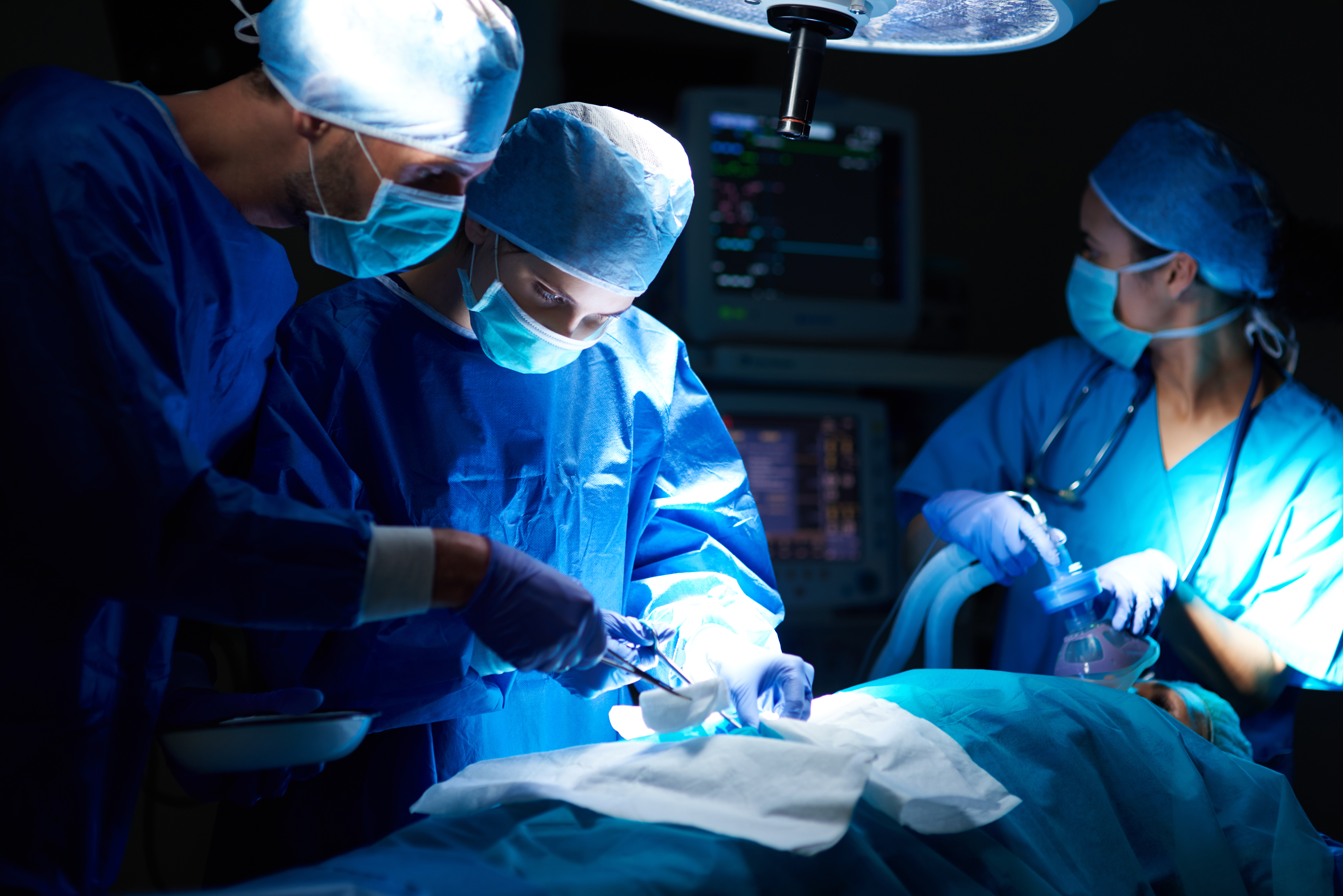
Laparoscopic surgery uses small incisions and specialised instruments, which may help reduce postoperative discomfort, minimise surgical trauma, and support faster recovery in suitable cases.
While many digestive symptoms have manageable causes, persistent or worsening symptoms should always be medically evaluated to determine the underlying condition.
A balanced diet, regular physical activity, proper hydration, adequate sleep, stress management, and avoiding tobacco use can contribute positively to digestive wellness.
Persistent, recurrent, severe, or unexplained abdominal pain should be assessed by a healthcare professional, particularly when accompanied by additional symptoms such as vomiting, fever, weight loss, or changes in bowel habits.
Early diagnosis often allows conditions to be treated more effectively, may reduce the risk of complications, and helps support better long-term digestive health outcomes.
Related Departments
Our Gastroenterology & Laparoscopy Department works closely with multiple specialties to provide coordinated and comprehensive patient care, including:
- General Medicine
- Anaesthesiology
- Radiology & Imaging
- Emergency & Critical Care
- Nutrition & Dietetics
- Laboratory Services
- Surgical Services
- Rehabilitation & Recovery Support
This multidisciplinary approach ensures patients receive seamless care throughout diagnosis, treatment, surgery, recovery, and follow-up.
Medical Disclaimer
The information provided on this page is intended for educational purposes only and should not be considered a substitute for professional medical advice, diagnosis, or treatment. Every patient's condition, symptoms, and treatment requirements are unique. Please consult Dr. Sugaprakash (MBBS, MS, MRCS, DNB, MCh-SGE) or another qualified healthcare professional for personalised medical guidance. If you experience severe abdominal pain, persistent vomiting, difficulty swallowing, gastrointestinal bleeding, jaundice, sudden unexplained weight loss, or any medical emergency, seek immediate medical attention without delay.
Take the Next Step Towards Better Digestive Health
Digestive symptoms should never be ignored when they persist, worsen, or begin affecting daily life. Early evaluation, accurate diagnosis, and timely treatment can make a significant difference in managing gastrointestinal conditions and improving overall wellbeing.
Whether you require digestive health assessment, treatment for a gastrointestinal condition, evaluation of liver or gallbladder concerns, or advanced laparoscopic surgical care, Dr. Sugaprakash (MBBS, MS, MRCS, DNB, MCh-SGE) and the team at Deepam Hospitals, Maraimalai Nagar are committed to providing comprehensive, patient-focused care designed to support your long-term digestive health.
Contact Us