- For appointment (+91) 97904 97905
Best Neurology & Neurosurgery Care in Maraimalai Nagar
Comprehensive Brain, Spine & Nerve Care for Better Neurological Health and Quality of Life
The brain, spinal cord, and nerves form one of the most complex and essential systems in the human body. Together, they control movement, memory, speech, balance, sensation, coordination, breathing, heartbeat, and countless other vital functions that allow us to live independently. When the nervous system is affected by disease, injury, stroke, or other neurological conditions, it can influence almost every aspect of daily life, making timely medical attention essential for preserving function and improving recovery.
Neurological disorders can affect people of all ages and often develop gradually or appear suddenly without warning. Conditions such as stroke, epilepsy, persistent headaches, movement disorders, nerve compression, spinal disorders, memory problems, and weakness should never be ignored. Many neurological conditions respond more effectively when diagnosed early, allowing appropriate medical treatment, rehabilitation, or surgical intervention before permanent complications develop.
At Deepam Hospitals, our Neurology & Neurosurgery Department in Maraimalai Nagar provides comprehensive diagnosis, treatment, and long-term management for a wide range of neurological conditions under the expertise of Dr. S. Robert Wilson (MBBS, MD, DM). Our department combines advanced neurological evaluation, modern diagnostic technology, evidence-based treatment, and personalised patient care to support better brain, spine, and nerve health. Patients from Maraimalai Nagar, Kattankulathur, Potheri, Guduvanchery, Mahindra World City, Singaperumal Koil, Chengalpattu, Urapakkam, and surrounding communities trust us for compassionate neurological care delivered close to home.
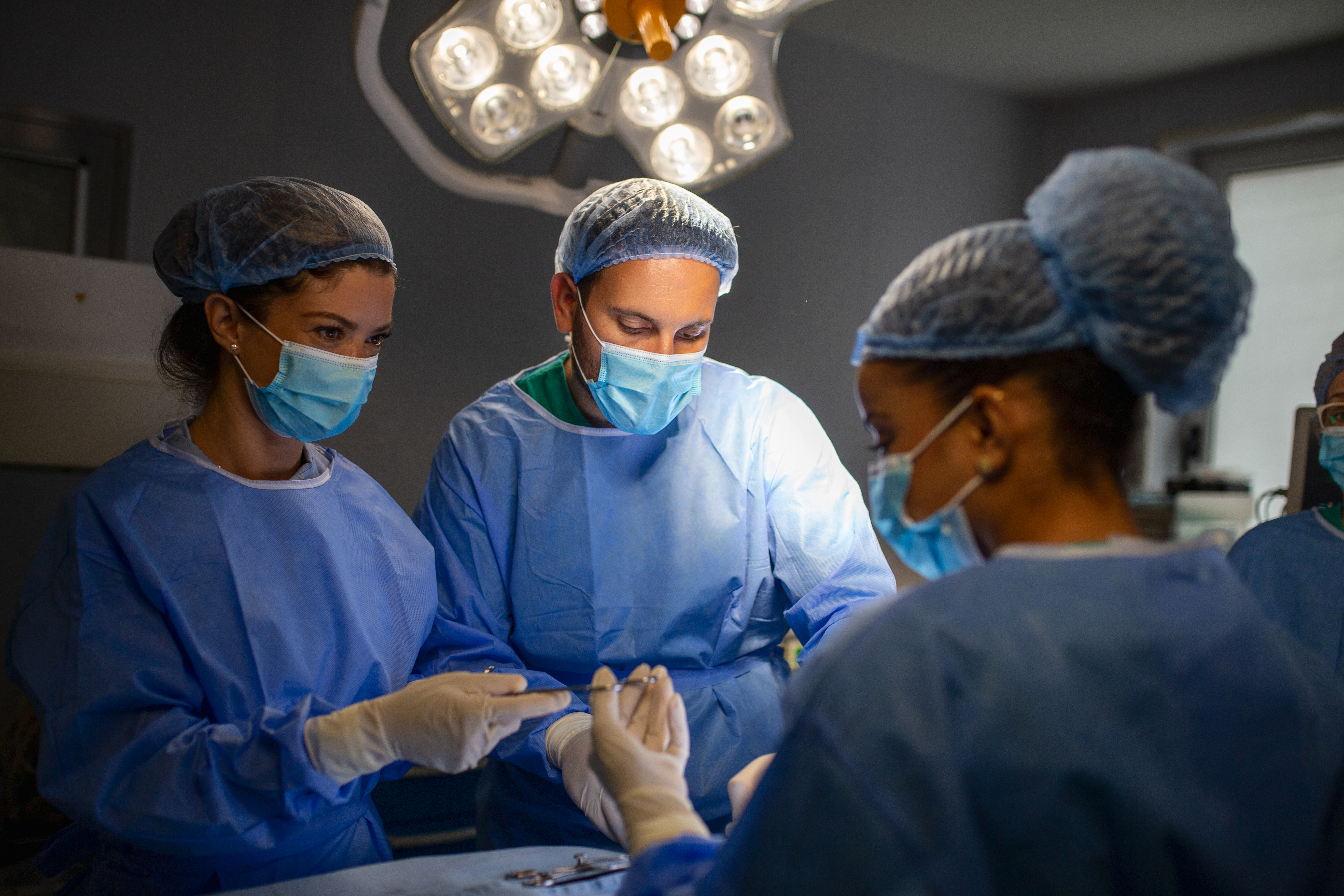
Deepam Hospitals offers comprehensive Neurology & Neurosurgery services in Maraimalai Nagar under the care of Dr. S. Robert Wilson (MBBS, MD, DM). Our department provides expert evaluation and treatment for stroke, epilepsy, headaches, migraines, movement disorders, Parkinson's disease, nerve disorders, spinal conditions, brain disorders, neuromuscular diseases, and other neurological conditions. Every patient receives a personalised treatment plan focused on accurate diagnosis, preserving neurological function, relieving symptoms, supporting recovery, and improving long-term quality of life.
Quick Answers
When Should I Consult a Neurologist?
You should consult a Neurologist if you experience persistent headaches, seizures, weakness in the arms or legs, numbness, balance problems, memory changes, tremors, dizziness, difficulty speaking, or any sudden neurological symptoms that affect normal daily activities.
What Are the Early Warning Signs of a Stroke?
Sudden weakness on one side of the body, facial drooping, difficulty speaking, loss of balance, sudden vision changes, severe unexplained headache, or confusion require immediate emergency medical attention because early treatment is critical.
Can Persistent Headaches Indicate a Neurological Condition?
Many headaches are not caused by serious neurological disease. However, severe, recurring, worsening, or unusual headaches should be evaluated to identify the underlying cause and determine whether specialised treatment is required.
Who May Need a Neurosurgical Evaluation?
A neurosurgical assessment may be recommended for selected patients with brain tumours, spinal disorders, traumatic injuries, nerve compression, certain vascular conditions, or other neurological disorders when surgery is considered an appropriate treatment option.
Can Neurological Disorders Be Managed Successfully?
Many neurological conditions can be effectively managed through early diagnosis, medication, rehabilitation, lifestyle modifications, and surgical treatment when clinically indicated. Timely medical care often improves long-term outcomes.
Key Highlights
- Comprehensive Neurology & Neurosurgery care for adults and older children where appropriate
- Expert care by Dr. S. Robert Wilson (MBBS, MD, DM)
- Stroke evaluation and neurological emergency assessment
- Headache and migraine management
- Epilepsy and seizure care
- Brain, spine, and peripheral nerve disorder evaluation
- Advanced neurological diagnostic services
- Personalised treatment and rehabilitation planning
- Long-term management of neurological conditions
- Trusted neurological care for patients across Maraimalai Nagar and surrounding communities
Why Choose Deepam Hospitals for Neurology & Neurosurgery?
Neurological conditions often require highly specialised assessment because symptoms affecting the brain, spine, or nerves may resemble many other medical conditions. At Deepam Hospitals, our focus is on identifying the precise neurological cause through detailed clinical evaluation and appropriate investigations before developing an individualised treatment plan. This careful approach supports accurate diagnosis, timely intervention, and better long-term neurological outcomes.
Our Neurology & Neurosurgery Department combines clinical expertise with advanced diagnostic support and multidisciplinary care to provide comprehensive management for a wide range of neurological disorders. Whether evaluating sudden neurological symptoms, managing chronic neurological diseases, or assessing conditions that may require neurosurgical treatment, our goal is to deliver compassionate, evidence-based care while helping patients preserve independence, improve function, and enhance their quality of life.
Why Patients Choose Deepam Hospitals
- Experienced Neurology & Neurosurgery Specialist
- Comprehensive Brain, Spine, and Nerve Care
- Personalised Neurological Evaluation and Treatment
- Advanced Diagnostic Support
- Stroke Assessment and Long-Term Neurological Care
- Evidence-Based Management of Neurological Disorders
- Individualised Rehabilitation Planning
- Multidisciplinary Care for Complex Neurological Conditions
- Patient-Focused Approach with Continuous Follow-Up
- Convenient Access for Patients Across Maraimalai Nagar and Neighbouring Communities
Supporting Better Brain & Nervous System Health Every Day
Your nervous system influences every movement, thought, sensation, and daily activity. Protecting neurological health through early diagnosis, appropriate treatment, and regular follow-up can help preserve independence and improve long-term wellbeing. At Deepam Hospitals, our Neurology & Neurosurgery Department is committed to delivering compassionate, personalised care that supports patients and families through every stage of neurological treatment and recovery.
Understanding Your Brain, Spine & Nervous System
The nervous system is the body's communication network, responsible for controlling every voluntary and involuntary activity. It enables us to think, speak, move, remember, feel sensations, maintain balance, regulate breathing, and coordinate countless functions every second. The brain, spinal cord, and nerves work together continuously, sending and receiving signals that allow every organ and body system to function normally.
When this complex network is affected by neurological disorders, communication between the brain and the rest of the body may become disrupted. Depending on the area involved, neurological conditions can influence movement, sensation, speech, memory, coordination, vision, behaviour, or balance. Recognising symptoms early and seeking prompt neurological evaluation can help diagnose many conditions before they progress, improving treatment options and long-term outcomes.
How the Brain, Spine & Nerves Work Together
The nervous system consists of interconnected structures that coordinate every function of the human body. Each component has a specialised role while working together as one integrated system.
The nervous system includes:
- Brain – Controls thinking, memory, emotions, movement, speech, vision, and body functions
- Spinal Cord – Transmits messages between the brain and the rest of the body
- Peripheral Nerves – Carry signals that control movement, sensation, and organ function
- Cranial Nerves – Regulate facial movement, hearing, vision, swallowing, and other essential functions
- Autonomic Nervous System – Controls involuntary activities such as heartbeat, blood pressure, breathing, and digestion
Because these systems are closely connected, disorders affecting one area can influence multiple aspects of daily life.
Common Neurological Disorders
Neurological conditions involve the brain, spinal cord, nerves, or muscles and can present with a wide variety of symptoms. Some disorders develop gradually, while others require immediate medical attention.
Common neurological conditions include:
- Stroke
- Epilepsy and seizure disorders
- Migraine and chronic headaches
- Parkinson's disease
- Peripheral neuropathy
- Multiple sclerosis
- Alzheimer's disease and dementia
- Brain tumours
- Spinal cord disorders
- Sciatica and nerve compression
- Tremors
- Neuromuscular disorders
Many neurological disorders can be managed more effectively when diagnosed and treated early.
Understanding Stroke & Why Every Minute Matters
A stroke occurs when blood flow to part of the brain is interrupted or when a blood vessel within the brain ruptures. Without adequate oxygen, brain cells begin to sustain damage within minutes. Immediate medical attention is critical because early treatment may help reduce brain injury and improve recovery.
People should seek emergency medical care immediately if they notice:
- Sudden weakness of the face, arm, or leg
- Difficulty speaking or understanding speech
- Sudden vision changes
- Loss of balance or coordination
- Sudden severe headache without a known cause
- Confusion or altered awareness
- Difficulty walking
- Sudden numbness affecting one side of the body
Recognising these warning signs quickly can significantly influence treatment outcomes.
Common Myths About Brain & Nerve Disorders
Misconceptions about neurological conditions often delay diagnosis and treatment. Understanding the facts helps individuals seek medical care at the appropriate time.
Myth: Headaches always indicate a brain tumour.
Fact: Most headaches are not caused by brain tumours. However, persistent, severe, or changing headache patterns should be medically evaluated.
Myth: Stroke affects only older adults.
Fact: Although the risk increases with age, stroke can occur in younger adults depending on individual risk factors and underlying medical conditions.
Myth: Seizures always involve violent shaking.
Fact: Some seizures involve brief staring episodes, altered awareness, unusual sensations, or subtle movements rather than full-body convulsions.
Myth: Memory loss is always a normal part of ageing.
Fact: Mild age-related memory changes may occur, but persistent or progressive memory decline should always be medically assessed.
Everyday Habits That Support Brain Health
Healthy daily habits contribute to better neurological health and may reduce the risk of certain neurological and vascular conditions.
Healthy brain-supporting habits include:
- Staying physically active
- Eating a balanced diet
- Maintaining healthy blood pressure
- Managing blood sugar effectively
- Keeping cholesterol under control
- Getting adequate sleep
- Managing stress
- Avoiding tobacco products
- Limiting excessive alcohol consumption
- Remaining mentally and socially active
These lifestyle measures support both brain function and overall health throughout life.
Warning Signs You Should Never Ignore
Neurological symptoms should never be dismissed, especially when they appear suddenly or continue to worsen over time.
Seek neurological evaluation if you experience:
- Sudden weakness or numbness
- Difficulty speaking
- Persistent or severe headaches
- Recurrent seizures
- Loss of balance or coordination
- Tremors affecting daily activities
- Persistent dizziness
- Vision changes
- Memory problems that interfere with daily life
- Difficulty walking
- Unexplained muscle weakness
- Persistent tingling or loss of sensation
Prompt evaluation helps identify the underlying neurological condition and allows appropriate treatment to begin without unnecessary delay.
Brain & Nervous System Health Snapshot
| Neurological Health Area | Why It Matters |
|---|---|
| Brain Function | Supports memory, thinking, speech, and decision-making |
| Stroke Prevention | Helps reduce the risk of permanent neurological disability |
| Nerve Health | Maintains sensation, coordination, and muscle function |
| Spine Health | Supports communication between the brain and body |
| Cognitive Health | Encourages healthy memory and mental function |
| Early Neurological Assessment | Helps diagnose neurological disorders before they progress |
Why Early Neurological Diagnosis Can Improve Recovery
Many neurological conditions respond more effectively when identified during their early stages. Delaying medical evaluation may allow symptoms to worsen and, in some cases, increase the risk of long-term neurological impairment. Early diagnosis enables timely treatment, appropriate rehabilitation, and ongoing monitoring, helping patients preserve function, improve recovery, and maintain a better quality of life.
Comprehensive Neurology & Neurosurgery Services at Deepam Hospitals
Neurological conditions can affect movement, sensation, speech, memory, balance, and many other essential body functions. Some disorders develop gradually over time, while others, such as stroke or acute nerve compression, require immediate medical attention. At Deepam Hospitals, our Neurology & Neurosurgery Department provides comprehensive evaluation, advanced diagnostics, medical treatment, and neurosurgical care for a wide range of disorders affecting the brain, spinal cord, peripheral nerves, and neuromuscular system.
Under the expertise of Dr. S. Robert Wilson (MBBS, MD, DM), every patient receives a personalised treatment plan based on their symptoms, neurological examination, medical history, diagnostic findings, and functional needs. Our goal is to provide timely diagnosis, preserve neurological function, relieve symptoms, improve recovery, and enhance long-term quality of life through evidence-based neurological care.
Comprehensive Neurological Assessment
Every neurological condition presents differently, making detailed evaluation essential for an accurate diagnosis. A comprehensive neurological assessment helps determine which part of the nervous system is affected and guides the most appropriate treatment strategy.
Your neurological assessment may include:
- Detailed medical history
- Review of neurological symptoms
- Physical and neurological examination
- Assessment of muscle strength
- Evaluation of sensation and reflexes
- Balance and coordination assessment
- Speech and language evaluation
- Cognitive function assessment
- Review of previous investigations
- Individualised treatment planning
A structured assessment helps identify neurological conditions early and supports precise, patient-specific care.
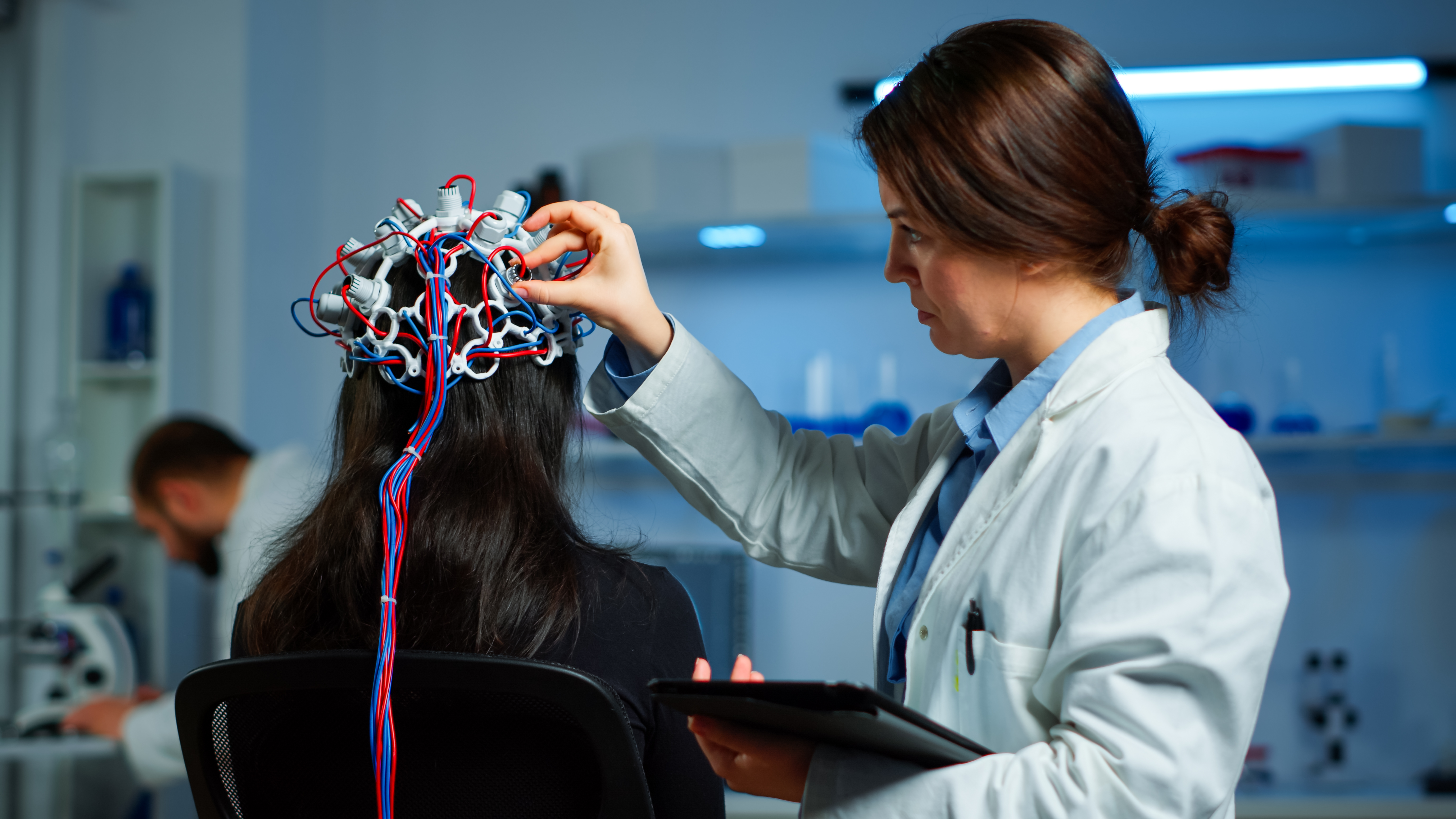
Stroke Evaluation & Long-Term Stroke Care
Stroke is one of the leading neurological emergencies where every minute counts. Prompt evaluation allows rapid diagnosis, appropriate medical management, and planning for rehabilitation to improve recovery and reduce long-term disability.
Our stroke services include:
- Emergency stroke assessment
- Neurological examination
- Brain imaging review
- Identification of stroke risk factors
- Medical management planning
- Secondary stroke prevention
- Functional recovery assessment
- Long-term neurological follow-up
Early recognition and coordinated care play an important role in improving neurological outcomes after stroke.
Headache & Migraine Management
Headaches are among the most common neurological symptoms, but persistent or severe headaches require careful evaluation to determine their underlying cause. Treatment depends on the type, frequency, severity, and associated symptoms.
We provide evaluation and management for:
- Migraine
- Tension-type headaches
- Cluster headaches
- Chronic daily headaches
- Recurrent headaches
- Secondary headaches requiring neurological evaluation
- Medication-related headaches
- Headache prevention planning
Every treatment plan is tailored to reduce symptom frequency, improve daily functioning, and enhance quality of life.
Epilepsy & Seizure Disorder Care
Seizures occur due to abnormal electrical activity within the brain and may affect individuals differently. Some episodes involve convulsions, while others may present with brief loss of awareness or unusual sensations.
Our epilepsy services include:
- First seizure evaluation
- Epilepsy diagnosis
- Seizure classification
- Medication management
- Long-term seizure monitoring
- Lifestyle and safety counselling
- Follow-up care
- Referral for advanced evaluation when appropriate
The primary goal is to achieve optimal seizure control while supporting everyday activities and long-term wellbeing.
Parkinson's Disease & Movement Disorder Care
Movement disorders can gradually affect mobility, coordination, balance, and muscle control. Early diagnosis helps optimise treatment and supports better long-term function.
Our movement disorder services include:
- Parkinson's disease evaluation
- Tremor assessment
- Gait analysis
- Muscle stiffness evaluation
- Coordination assessment
- Individualised medical management
- Functional rehabilitation planning
- Ongoing neurological monitoring
Treatment focuses on maintaining independence and improving daily quality of life.
Spine & Peripheral Nerve Disorder Evaluation
Conditions affecting the spinal cord and peripheral nerves can cause pain, weakness, numbness, tingling, or difficulty performing routine activities. A detailed neurological evaluation helps identify the source of these symptoms and determine appropriate management.
Our services include evaluation for:
- Nerve compression disorders
- Peripheral neuropathy
- Cervical spine disorders
- Lumbar spine disorders
- Sciatica
- Muscle weakness
- Numbness and tingling
- Neuromuscular conditions
Early diagnosis helps prevent progression and supports timely treatment.
Neurosurgical Assessment
While many neurological disorders can be managed medically, certain conditions may require neurosurgical evaluation. Careful assessment helps determine whether surgery is appropriate and identifies the safest treatment approach.
Neurosurgical evaluation may be recommended for:
- Brain tumours
- Spinal tumours
- Brain injuries
- Spine disorders requiring surgery
- Nerve compression syndromes
- Certain vascular abnormalities
- Hydrocephalus
- Other complex neurological conditions
Every surgical recommendation is based on comprehensive clinical evaluation and diagnostic findings.
Advanced Neurological Diagnostic Services
Accurate diagnosis is fundamental to effective neurological care. Our department uses modern diagnostic investigations based on each patient's symptoms and clinical findings.
Diagnostic support may include:
- MRI brain and spine review
- CT brain evaluation
- Electroencephalogram (EEG)
- Nerve conduction studies (NCS)
- Electromyography (EMG)
- Laboratory investigations
- Neurological function assessment
- Additional specialised investigations when clinically indicated
Investigations are recommended only when they contribute meaningfully to diagnosis and treatment planning.
Neuro Rehabilitation & Functional Recovery
Recovery from neurological illness often continues beyond medical treatment. Rehabilitation helps patients regain strength, improve coordination, restore functional abilities, and adapt to changes caused by neurological conditions.
Rehabilitation planning may include:
- Balance training
- Mobility improvement
- Muscle strengthening
- Coordination exercises
- Functional independence training
- Speech rehabilitation referral when required
- Occupational rehabilitation support
- Long-term recovery monitoring
Rehabilitation programmes are individualised according to the patient's neurological condition, abilities, and recovery goals.
Conditions We Commonly Manage
Our Neurology & Neurosurgery Department provides comprehensive care for a wide range of neurological disorders, including:
- Stroke
- Epilepsy
- Migraine
- Chronic headaches
- Parkinson's disease
- Tremors
- Peripheral neuropathy
- Sciatica
- Nerve compression disorders
- Brain tumours
- Spine disorders
- Neuromuscular diseases
Each treatment plan is tailored to preserve neurological function, improve recovery, and enhance long-term wellbeing.
Collaborative Neurological Care
Many neurological disorders require coordinated care involving multiple medical specialties. Our department works closely with other specialists to ensure comprehensive diagnosis, treatment, rehabilitation, and follow-up.
Our multidisciplinary team collaborates with:
- General Medicine
- Neurosurgery
- Orthopaedics & Joint Replacement
- Physiotherapy & Rehabilitation
- Emergency & Critical Care
- Radiology & Imaging
- Laboratory Services
- Nutrition & Dietetics
This collaborative approach helps provide seamless neurological care from diagnosis through recovery.
Neurology & Neurosurgery Services at a Glance
| Service | Purpose | Who Can Benefit |
|---|---|---|
| Comprehensive Neurological Assessment | Identifies disorders affecting the brain, spine, and nerves | Patients with neurological symptoms |
| Stroke Evaluation & Care | Provides emergency assessment and long-term management | Patients with suspected or previous stroke |
| Headache & Migraine Management | Diagnoses and manages recurrent headache disorders | Individuals with persistent or severe headaches |
| Epilepsy & Seizure Care | Evaluates and treats seizure disorders | Patients with epilepsy or unexplained seizures |
| Movement Disorder Care | Assesses Parkinson's disease and tremor disorders | Patients with movement-related neurological symptoms |
| Spine & Nerve Evaluation | Identifies nerve compression and spinal disorders | Patients with numbness, weakness, or nerve pain |
| Neuro Rehabilitation Planning | Supports recovery after neurological illness or injury | Patients requiring functional rehabilitation |
| Advanced Neurological Diagnostics | Provides accurate diagnosis using specialised investigations | Patients requiring detailed neurological evaluation |
Personalised Neurological Care for Better Brain, Spine & Nerve Health
Neurological disorders often require specialised expertise, timely diagnosis, and ongoing support to achieve the best possible outcomes. At Deepam Hospitals, our Neurology & Neurosurgery Department is committed to delivering comprehensive care through advanced diagnostics, evidence-based treatment, rehabilitation planning, and long-term follow-up. Whether managing common neurological conditions or complex disorders affecting the brain, spine, or nerves, our focus remains on preserving neurological function, improving recovery, and helping patients lead healthier, more independent lives.
Dr. S. Robert Wilson
Consultant – Neurology & Neurosciences
Neurological disorders can affect movement, memory, speech, sensation, coordination, and many essential functions that influence everyday life. Dr. S. Robert Wilson is dedicated to providing comprehensive neurological care through accurate diagnosis, evidence-based treatment, and personalised management plans tailored to each patient's condition and recovery goals.
Every neurological condition is unique. Some patients require long-term medical management, while others may need emergency intervention, rehabilitation, or neurosurgical evaluation. Dr. Robert Wilson focuses on identifying the underlying neurological disorder through detailed clinical assessment and advanced diagnostic evaluation before developing an individualised treatment plan. His approach combines compassionate care with modern neurological practice to help patients preserve neurological function, improve recovery, and maintain their quality of life.
His clinical expertise includes stroke care, epilepsy management, headache and migraine treatment, Parkinson's disease, movement disorders, peripheral nerve disorders, spinal neurological conditions, neuromuscular diseases, cognitive disorders, and comprehensive neurological evaluation.
Your Neurology Care Journey at Deepam Hospitals
Every neurological symptom deserves careful evaluation because disorders affecting the brain, spinal cord, and nerves often require specialised diagnosis and long-term follow-up. At Deepam Hospitals, every patient follows a structured neurological care pathway designed to provide timely diagnosis, personalised treatment, and comprehensive recovery support.
Step 1 – Understanding Your Neurological Symptoms
Your consultation begins with a detailed discussion about your symptoms, medical history, family history, lifestyle, medications, previous neurological illnesses, and how the condition is affecting your daily activities. Understanding the progression of symptoms helps guide further neurological evaluation.
Step 2 – Comprehensive Neurological Examination
A detailed neurological examination is performed to assess brain function, muscle strength, sensation, coordination, balance, reflexes, speech, memory, and other neurological functions. Additional investigations are recommended only when clinically necessary to establish an accurate diagnosis.
Step 3 – Personalised Neurological Treatment Planning
Following diagnosis, Dr. S. Robert Wilson develops an individualised treatment plan based on the neurological condition, symptom severity, age, lifestyle, existing medical conditions, and long-term functional goals. Every treatment option is discussed clearly so patients and their families understand the recommended care pathway.
Step 4 – Treatment, Rehabilitation & Ongoing Monitoring
Treatment may involve medication, neurological monitoring, rehabilitation, minimally invasive procedures, or neurosurgical referral when clinically appropriate. Regular follow-up appointments help monitor progress, adjust treatment plans, and support recovery over time.
Step 5 – Long-Term Neurological Wellness
Many neurological conditions require continuous monitoring even after symptoms improve. Long-term neurological care focuses on maintaining independence, reducing the risk of complications, improving daily function, and supporting patients through every stage of recovery and ongoing management.
Preparing for Your Neurology Consultation
Bringing complete medical information helps your Neurologist better understand your symptoms and develop an accurate diagnosis and personalised treatment plan.
Before your consultation, it is helpful to bring:
- Previous MRI, CT scan, EEG, EMG, or nerve conduction study reports
- Blood investigation reports
- Previous hospital discharge summaries
- A list of current medications
- Details about previous neurological illnesses or surgeries
- Information regarding family history of neurological disorders
- Notes describing your symptoms and when they began
- Questions you would like to discuss during your consultation
Providing complete medical records helps avoid unnecessary investigations and supports effective clinical decision-making.
Recovery After Neurological Treatment
Recovery from neurological conditions varies depending on the diagnosis, severity of illness, treatment received, and each individual's overall health. Consistent medical follow-up and rehabilitation often play an important role in improving functional recovery.
During recovery, patients are encouraged to:
- Take medications exactly as prescribed
- Attend scheduled follow-up appointments
- Participate actively in rehabilitation programmes
- Perform recommended exercises consistently
- Maintain adequate nutrition and hydration
- Get sufficient rest and quality sleep
- Report any new or worsening neurological symptoms promptly
- Follow lifestyle recommendations provided by the healthcare team
Recovery is often gradual, and regular monitoring helps optimise neurological function over time.
Supporting Long-Term Brain & Nervous System Health
Maintaining neurological health involves more than treating existing conditions. Healthy lifestyle choices and regular medical care can support brain function, protect nerve health, and reduce the risk of certain neurological disorders.
Healthy neurological habits include:
- Managing blood pressure, diabetes, and cholesterol
- Staying physically active
- Following a balanced diet
- Getting adequate sleep
- Keeping the mind active through lifelong learning
- Participating in social activities
- Avoiding tobacco products
- Limiting excessive alcohol consumption
- Managing stress effectively
- Seeking medical advice whenever neurological symptoms develop
These measures contribute to healthier brain function and support long-term neurological wellbeing.
Frequently Asked Questions
You should consult a Neurologist if you experience persistent headaches, seizures, dizziness, weakness, numbness, tremors, memory problems, balance difficulties, changes in speech, or any unexplained neurological symptoms.
Sudden weakness affecting one side of the body, facial drooping, difficulty speaking, sudden vision loss, severe unexplained headache, seizures lasting several minutes, or sudden loss of consciousness require immediate emergency medical attention.
Yes. Many neurological conditions can be effectively managed with medication, rehabilitation, lifestyle modifications, and regular monitoring. Surgery is recommended only when clinically indicated.
Not necessarily. Many headaches are caused by migraines, tension headaches, or other non-serious conditions. However, persistent, worsening, or unusual headaches should always be evaluated by a healthcare professional.
Rehabilitation plays a significant role in improving mobility, coordination, speech, balance, muscle strength, and independence following many neurological conditions.
Although not every stroke can be prevented, controlling blood pressure, diabetes, cholesterol, maintaining a healthy lifestyle, avoiding tobacco use, and attending regular health check-ups can significantly reduce the risk.
These symptoms may result from nerve compression, peripheral neuropathy, spinal disorders, vitamin deficiencies, diabetes, or other neurological conditions. Proper medical evaluation is necessary to determine the underlying cause.
Early diagnosis allows timely treatment, helps slow disease progression in many neurological conditions, reduces the risk of complications, and supports better long-term recovery and quality of life.
Related Departments
Our Neurology & Neurosurgery Department works closely with multiple specialties to provide comprehensive neurological care, including:
- Emergency & Critical Care
- General Medicine
- Neurosurgery
- Orthopaedics & Joint Replacement
- Physiotherapy & Rehabilitation
- Radiology & Imaging
- Laboratory Services
- Nutrition & Dietetics
This collaborative approach ensures patients receive coordinated care throughout diagnosis, treatment, rehabilitation, and long-term neurological follow-up.
Medical Disclaimer
The information provided on this page is intended for educational purposes only and should not replace professional medical advice, diagnosis, or treatment. Every neurological condition is unique, and treatment recommendations depend on an individual's symptoms, medical history, neurological examination, and diagnostic findings. Please consult Dr. S. Robert Wilson (MBBS, MD, DM) or another qualified healthcare professional for personalised medical advice. If you experience symptoms suggestive of a stroke, sudden weakness, seizures, loss of consciousness, severe head injury, sudden vision loss, or any other neurological emergency, seek immediate medical attention without delay.
Expert Neurological Care for Better Brain, Spine & Nerve Health
Neurological symptoms should never be ignored, as early diagnosis can play a vital role in protecting brain function, preserving mobility, and improving recovery. Whether you require evaluation for headaches, stroke, seizures, nerve disorders, spinal conditions, or other neurological concerns, timely medical care can help achieve better health outcomes.
Consult Dr. S. Robert Wilson (MBBS, MD, DM) at Deepam Hospitals, Maraimalai Nagar, for comprehensive Neurology & Neurosurgery care focused on accurate diagnosis, advanced treatment, personalised recovery planning, and long-term neurological wellbeing.
Contact Us