- For appointment (+91) 97904 97905
Best Rehabilitation Medicine & Physiotherapy in Maraimalai Nagar
Comprehensive Rehabilitation Care to Restore Movement, Strength, Independence & Quality of Life
Recovery does not end when a medical condition is treated or surgery is completed. Many individuals require structured rehabilitation to regain strength, improve mobility, restore physical function, reduce pain, and safely return to their daily activities. Whether recovering from orthopaedic surgery, neurological conditions, sports injuries, fractures, chronic pain, or prolonged illness, a personalised rehabilitation programme plays a vital role in achieving the best possible recovery and improving long-term quality of life.
Rehabilitation Medicine and Physiotherapy work together to help individuals regain physical independence through comprehensive assessment, evidence-based therapies, and goal-oriented treatment plans. Rehabilitation Medicine focuses on restoring functional ability and managing physical disabilities caused by injury, illness, or surgery, while Physiotherapy uses specialised movement-based techniques, manual therapy, therapeutic exercises, and rehabilitation strategies to improve strength, flexibility, balance, and mobility. Together, these disciplines support safe recovery, reduce complications, and help patients return to everyday life with greater confidence.
At Deepam Hospitals, our Rehabilitation Medicine & Physiotherapy Department in Maraimalai Nagar provides integrated rehabilitation care under the expertise of Dr. G. Gopinath (MBBS, DNB (Ortho), MAM, FIT (Pune)), Consultant – Rehabilitation Medicine, and Dr. Natraj (MPT (Ortho), MIAP, CMOT, PhD), Consultant – Physiotherapy. Our multidisciplinary team develops personalised rehabilitation programmes for patients recovering from orthopaedic conditions, neurological disorders, sports injuries, chronic pain, and other physical limitations. fractures, joint replacement surgery, spinal conditions, and mobility-related challenges. Patients from Maraimalai Nagar, Kattankulathur, Potheri, Guduvanchery, Mahindra World City, Singaperumal Koil, Chengalpattu, Urapakkam, and surrounding communities trust Deepam Hospitals for comprehensive rehabilitation care focused on restoring movement, improving physical function, and enhancing long-term wellbeing.
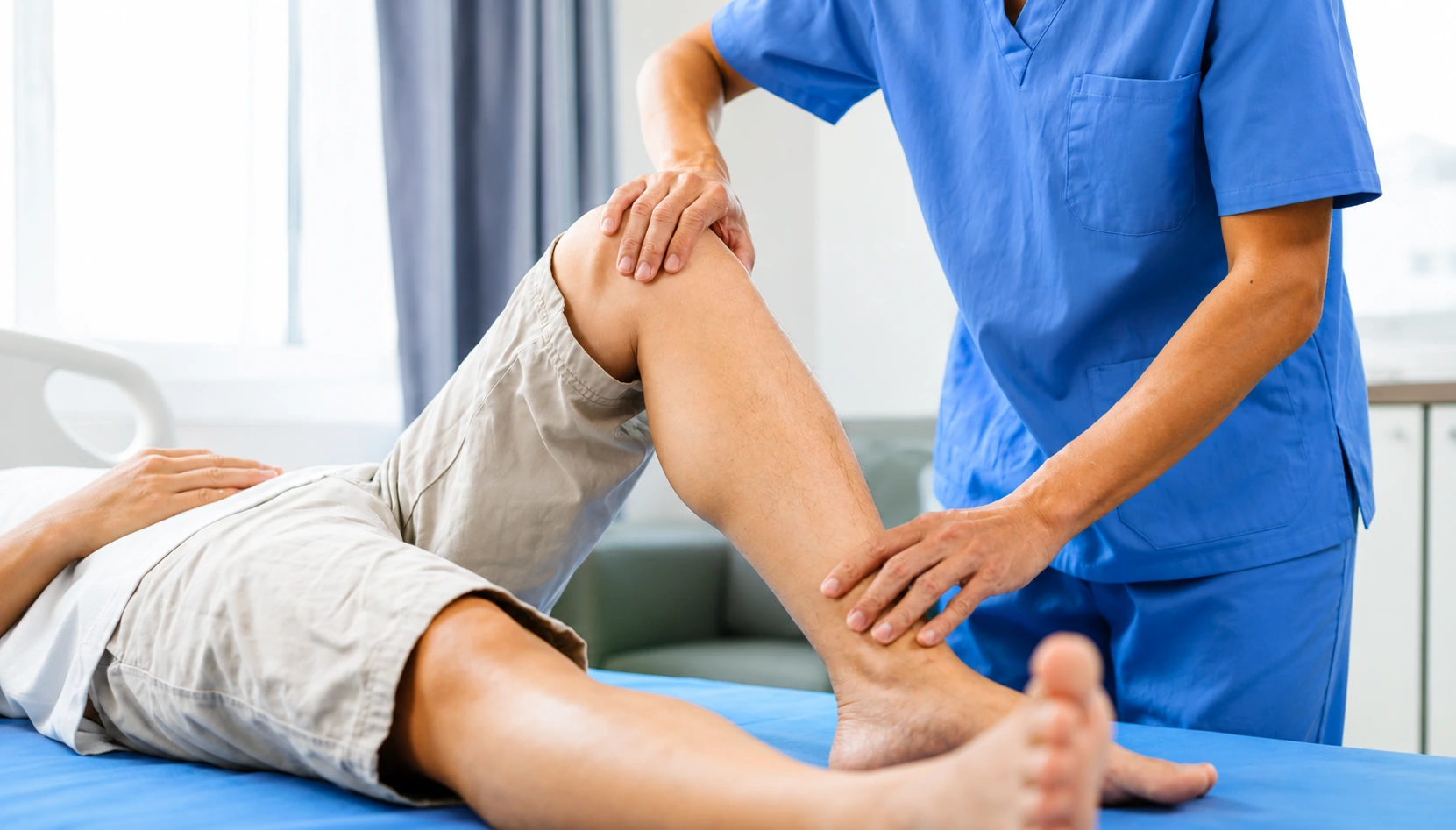
Deepam Hospitals provides comprehensive Rehabilitation Medicine & Physiotherapy services in Maraimalai Nagar under the care of Dr. G. Gopinath (MBBS, DNB (Ortho), MNAMS, FIT (Pune)) and Dr. Natraj (MPT (Ortho), MIAP, CMOT, PhD). Our department specialises in orthopaedic rehabilitation, neurological rehabilitation, post-surgical recovery, pain rehabilitation, mobility restoration, gait training, muscle strengthening, balance improvement, and functional rehabilitation. Every patient receives an individualised rehabilitation programme designed to restore movement, maximise independence, reduce pain, and improve overall quality of life.
Quick Answers
What Is Rehabilitation Medicine?
Rehabilitation Medicine is a specialised medical field that focuses on helping individuals recover physical function, mobility, and independence following injury, surgery, illness, or disability through comprehensive rehabilitation programmes.
What Does a Physiotherapist Do?
A physiotherapist evaluates movement, strength, flexibility, posture, and functional ability before developing personalised exercise programmes, manual therapy techniques, and rehabilitation strategies to improve physical recovery.
Who Can Benefit from Rehabilitation?
Rehabilitation may benefit individuals recovering from fractures, joint replacement surgery, neurological conditions, sports injuries, spinal disorders, chronic pain, muscle weakness, balance problems, or reduced mobility.
How Soon Should Rehabilitation Begin?
For many medical conditions, rehabilitation can begin as soon as it is considered medically appropriate. Early rehabilitation often supports better recovery, reduces complications, and helps restore function more effectively.
Can Rehabilitation Help Improve Daily Activities?
Yes. Rehabilitation programmes are designed to improve movement, balance, strength, coordination, endurance, and functional ability, helping patients return safely to work, home, and everyday activities.
Key Takeaways
- Comprehensive Rehabilitation Medicine services
- Expert care by Dr. G. Gopinath (MBBS, DNB (Ortho), MNAMS, FIT (Pune))
- Advanced Physiotherapy care by Dr. Natraj (MPT (Ortho), MIAP, CMOT, PhD)
- Personalised rehabilitation programmes
- Orthopaedic and neurological rehabilitation
- Post-surgical recovery programmes
- Pain rehabilitation and mobility restoration
- Balance, gait, and functional movement training
- Evidence-based physical rehabilitation
- Trusted Rehabilitation & Physiotherapy services across Maraimalai Nagar and surrounding communities
Why Choose Deepam Hospitals for Rehabilitation Medicine & Physiotherapy?
Successful rehabilitation is built on personalised care, structured recovery planning, and continuous progress monitoring. Every patient has unique rehabilitation needs depending on their diagnosis, physical condition, treatment history, lifestyle, and recovery goals. At Deepam Hospitals, our Rehabilitation Medicine & Physiotherapy Department delivers evidence-based rehabilitation programmes that focus on restoring movement, improving physical function, reducing pain, and helping patients regain independence with confidence.
Our rehabilitation approach begins with a comprehensive functional assessment that evaluates strength, flexibility, mobility, balance, posture, coordination, and overall physical performance. Based on these findings, an individualised rehabilitation programme is developed using appropriate therapeutic exercises, manual therapy techniques, functional training, and long-term recovery planning. Through multidisciplinary collaboration and regular reassessment, we help patients achieve meaningful and sustainable improvements in physical health.
Why Patients Choose Deepam Hospitals
- Experienced Rehabilitation Medicine Specialist
- Expert Physiotherapy Services
- Individualised Rehabilitation Programmes
- Comprehensive Functional Assessments
- Evidence-Based Rehabilitation Techniques
- Orthopaedic and Neurological Rehabilitation Expertise
- Post-Surgical Recovery Support
- Long-Term Mobility Restoration Programmes
- Continuous Progress Monitoring
- Trusted Rehabilitation Care for Maraimalai Nagar and Surrounding Communities
Helping You Move Better, Recover Stronger & Live More Independently
Recovery is a journey that requires expert guidance, commitment, and personalised care. Whether you are recovering from surgery, managing a neurological condition, overcoming a sports injury, or living with chronic pain, the right rehabilitation programme can make a significant difference to your long-term health and independence.
At Deepam Hospitals, our Rehabilitation Medicine & Physiotherapy Department is committed to helping every patient restore movement, regain confidence, improve physical function, and return to daily life through compassionate, evidence-based rehabilitation care.
Understanding Rehabilitation Medicine
Rehabilitation Medicine is a specialised medical field that focuses on helping individuals regain physical function, mobility, and independence following illness, injury, surgery, or disability. Rather than treating the disease itself, Rehabilitation Medicine concentrates on improving how the body functions during recovery and helping patients safely return to their everyday activities.
Recovery is different for every individual. Some people require rehabilitation after fractures or joint replacement surgery, while others may need support following neurological disorders, spinal conditions, sports injuries, or prolonged hospitalisation. A structured rehabilitation programme helps improve strength, movement, coordination, endurance, and overall quality of life while reducing the risk of long-term disability.
What Is Physiotherapy?
Physiotherapy is an essential part of rehabilitation that uses movement-based treatments to improve physical function, reduce pain, restore mobility, and strengthen muscles and joints. Physiotherapists assess each patient's physical abilities before designing personalised treatment programmes that support recovery at every stage.
Physiotherapy may include:
- Therapeutic exercises
- Manual therapy techniques
- Joint mobilisation
- Muscle strengthening
- Balance training
- Gait training
- Postural correction
- Functional movement retraining
- Pain management techniques
- Patient education
The overall goal is to help patients move more comfortably and regain confidence in their daily activities.
How Rehabilitation Supports Recovery
Recovery involves more than healing damaged tissues. Many patients need structured rehabilitation to restore normal movement patterns, improve muscle strength, regain balance, and safely return to work, sports, or independent living.
Rehabilitation supports recovery by helping patients:
- Improve mobility
- Increase muscle strength
- Restore flexibility
- Improve balance and coordination
- Reduce physical limitations
- Improve endurance
- Regain independence
- Return to everyday activities safely
- Improve overall physical confidence
- Enhance long-term quality of life
Every rehabilitation programme is designed according to the patient's individual recovery goals.
Understanding the Difference Between Rehabilitation Medicine & Physiotherapy
Although these two specialties work closely together, they perform different but complementary roles in patient recovery.
Rehabilitation Medicine
Rehabilitation Medicine is led by a medical specialist who evaluates the patient's overall physical condition, diagnoses functional limitations, coordinates rehabilitation planning, manages medical aspects of recovery, and supervises long-term rehabilitation goals.
Physiotherapy
Physiotherapy focuses on implementing the rehabilitation plan through therapeutic exercises, manual therapy, mobility training, strengthening programmes, posture correction, balance improvement, and functional rehabilitation techniques.
Together, Rehabilitation Medicine and Physiotherapy provide comprehensive care that supports faster recovery and better long-term outcomes.
Who Can Benefit from Rehabilitation?
Rehabilitation programmes are suitable for individuals of all ages experiencing reduced physical function due to injury, illness, surgery, or chronic health conditions.
People who commonly benefit include:
- Patients recovering from fractures
- Individuals after joint replacement surgery
- People recovering from spinal conditions
- Stroke survivors
- Patients with neurological disorders
- Individuals with chronic pain
- Sports injury patients
- People with balance problems
- Individuals with muscle weakness
- Patients experiencing mobility limitations
Treatment programmes are always personalised according to the individual's medical condition and rehabilitation goals.
Common Myths About Rehabilitation
Misunderstanding rehabilitation can cause unnecessary delays in starting treatment. Understanding the facts can help patients make informed decisions and support a more effective recovery.
Myth: Rehabilitation is only necessary after major surgery.
Fact: Rehabilitation can benefit individuals recovering from injuries, neurological conditions, chronic pain, fractures, sports injuries, balance problems, muscle weakness, and mobility limitations, even when surgery is not involved.
Myth: Physiotherapy only involves simple exercises.
Fact: Physiotherapy may include evidence-based assessment, therapeutic exercises, manual therapy, mobility training, strengthening, balance training, gait rehabilitation, pain management, and functional movement retraining.
Myth: Rest alone is enough for recovery.
Fact: While adequate rest is important, structured rehabilitation can help restore strength, flexibility, mobility, and physical function safely and progressively.
Myth: Rehabilitation is only for older adults.
Fact: Rehabilitation can benefit children, adults, athletes, and older individuals recovering from a wide range of medical conditions, injuries, and physical limitations.
Early Rehabilitation vs Delayed Rehabilitation
The timing of rehabilitation can significantly influence recovery outcomes.
Early Rehabilitation
When medically appropriate, early rehabilitation helps:
- Restore movement sooner
- Reduce muscle weakness
- Improve circulation
- Prevent joint stiffness
- Reduce hospital-related complications
- Support earlier return to daily activities
Delayed Rehabilitation
Delaying rehabilitation may increase the likelihood of:
- Muscle wasting
- Reduced flexibility
- Joint stiffness
- Balance difficulties
- Longer recovery periods
- Reduced physical confidence
Starting rehabilitation at the appropriate stage often leads to better long-term functional recovery.
Recovery Milestone Snapshot
| Rehabilitation Goal | Why It Matters |
|---|---|
| Pain Reduction | Improves comfort during movement |
| Mobility Restoration | Supports independent daily activities |
| Muscle Strengthening | Improves physical stability and endurance |
| Balance Improvement | Reduces the risk of falls |
| Functional Independence | Helps patients safely return to everyday life |
| Long-Term Physical Recovery | Supports sustained health and quality of life |
Why Structured Rehabilitation Improves Long-Term Recovery
Recovery is most successful when rehabilitation follows a structured, goal-oriented approach. Personalised rehabilitation programmes allow progress to be monitored regularly while treatment is adjusted according to each patient's recovery. Through coordinated Rehabilitation Medicine and Physiotherapy, patients often experience improved mobility, better strength, enhanced balance, greater independence, and a smoother return to their normal daily routines. Early intervention, consistent participation, and professional guidance all contribute to achieving the best possible long-term outcomes.
Comprehensive Rehabilitation Medicine & Physiotherapy Services at Deepam Hospitals
Successful rehabilitation is built on a personalised, goal-oriented approach that focuses on restoring movement, reducing pain, improving physical function, and helping patients regain independence. Whether recovering from surgery, neurological illness, or chronic musculoskeletal conditions, rehabilitation should be carefully planned according to each patient's medical condition, physical abilities, and long-term recovery goals.
At Deepam Hospitals, our Rehabilitation Medicine & Physiotherapy Department provides comprehensive rehabilitation programmes that combine medical expertise with evidence-based physiotherapy techniques to support complete physical recovery.
Under the expertise of Dr. G. Gopinath (MBBS, DNB (Ortho), MNAMS, FIT (Pune)), Consultant – Rehabilitation Medicine, and Dr. Natraj (MPT (Ortho), MIAP, CMOT, PhD), Consultant – Physiotherapy, every patient receives an individualised rehabilitation plan based on functional assessment, movement analysis, strength evaluation, mobility limitations, and overall health. Our objective is to help patients recover safely, restore independence, and improve their quality of life through structured rehabilitation.
Comprehensive Functional Assessment
Every successful rehabilitation programme begins with a detailed assessment of the patient's physical condition, movement patterns, and rehabilitation goals.
Our functional assessment includes:
- Medical history review
- Functional mobility evaluation
- Muscle strength assessment
- Joint movement analysis
- Balance and coordination assessment
- Walking pattern evaluation
- Postural assessment
- Pain assessment
- Daily activity evaluation
- Individual rehabilitation goal setting
This comprehensive assessment forms the foundation of a personalised rehabilitation programme.
Orthopaedic Rehabilitation
Orthopaedic rehabilitation supports recovery following fractures, joint replacement surgery, ligament injuries, tendon injuries, and other musculoskeletal conditions.
Our orthopaedic rehabilitation programmes include:
- Joint mobility restoration
- Muscle strengthening
- Pain reduction strategies
- Range of motion improvement
- Functional movement retraining
- Walking rehabilitation
- Balance improvement
- Progressive recovery monitoring
The aim is to restore physical function while helping patients safely return to everyday activities.
Neurological Rehabilitation
Neurological conditions may affect movement, coordination, muscle control, and balance. Specialised rehabilitation helps patients maximise their functional abilities and independence.
Our neurological rehabilitation services include:
- Mobility training
- Balance rehabilitation
- Coordination exercises
- Muscle re-education
- Functional movement training
- Walking practice
- Transfer training
- Long-term functional support
Each rehabilitation programme is adapted according to the patient's neurological condition and recovery potential.
Post-Surgical Rehabilitation
Following surgery, rehabilitation helps patients regain strength, flexibility, mobility, and confidence while supporting safe healing.
Post-surgical rehabilitation may include:
- Early movement programmes
- Joint flexibility exercises
- Muscle strengthening
- Walking progression
- Functional activity training
- Pain management techniques
- Recovery milestone monitoring
- Individual recovery planning
Structured rehabilitation supports a smoother recovery and improves long-term surgical outcomes.
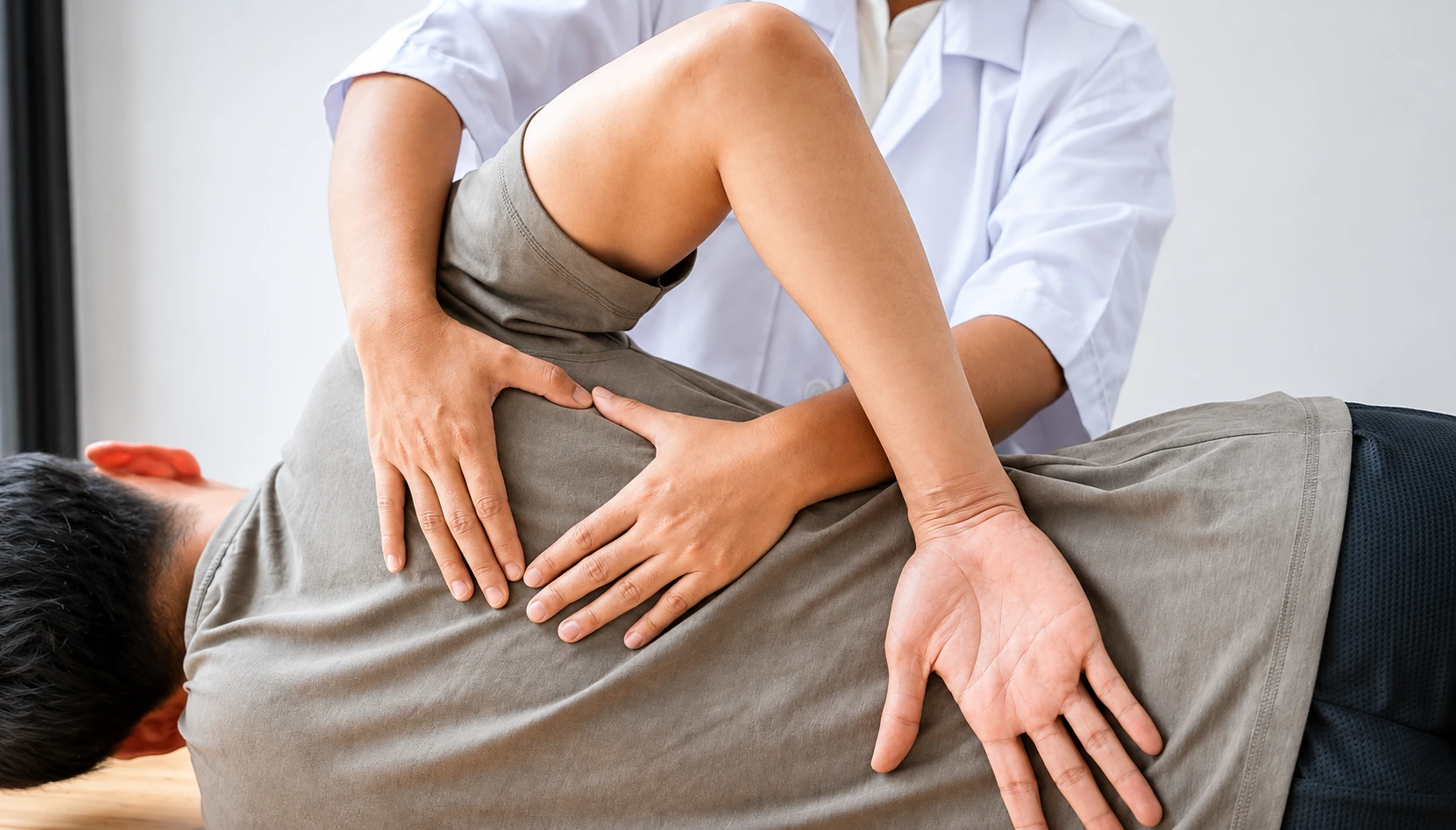
Post-Surgical Rehabilitation
Following surgery, rehabilitation helps patients regain strength, flexibility, mobility, and confidence while supporting safe healing.
Post-surgical rehabilitation may include:
- Early movement programmes
- Joint flexibility exercises
- Muscle strengthening
- Walking progression
- Functional activity training
- Pain management techniques
- Recovery milestone monitoring
- Individual recovery planning
Structured rehabilitation supports a smoother recovery and improves long-term surgical outcomes.
Gait & Balance Rehabilitation
Walking difficulties and balance problems can increase the risk of falls and may reduce confidence during everyday activities.
Our gait and balance rehabilitation includes:
- Walking pattern analysis
- Balance assessment
- Stability training
- Functional walking exercises
- Stair-climbing practice
- Fall prevention strategies
- Assistive device training when appropriate
- Progress monitoring
These programmes aim to improve safe and confident mobility.
Mobility Restoration Programmes
Reduced flexibility and movement can affect independence and quality of life. Mobility restoration programmes help patients recover functional movement safely.
Treatment focuses on:
- Joint flexibility improvement
- Muscle length restoration
- Functional stretching
- Progressive mobility exercises
- Daily activity training
- Movement confidence building
- Physical endurance improvement
- Long-term mobility maintenance
Improved mobility allows patients to perform daily activities more comfortably and independently.
Physiotherapy & Therapeutic Exercise Programmes
Therapeutic exercise forms the foundation of many rehabilitation programmes by improving physical performance and reducing future injury risk.
Physiotherapy programmes may include:
- Individual exercise prescription
- Progressive strengthening
- Flexibility training
- Core stability exercises
- Functional movement retraining
- Endurance improvement
- Home exercise guidance
- Periodic programme review
Exercise programmes are adjusted according to each patient's recovery progress.
Manual Therapy & Physical Rehabilitation
Manual therapy techniques are used alongside exercise programmes to improve joint movement, muscle flexibility, and physical function.
Manual rehabilitation techniques may include:
- Soft tissue mobilisation
- Joint mobilisation
- Muscle flexibility techniques
- Functional movement facilitation
- Movement pattern correction
- Manual stretching
- Mobility enhancement
- Individualised physical rehabilitation
These techniques are selected according to the patient's diagnosis and rehabilitation goals.
Electrotherapy & Pain Relief Techniques
Selected physiotherapy modalities may be incorporated into rehabilitation programmes to complement exercise-based treatment and support symptom relief where clinically appropriate.
These may include:
- Therapeutic electrotherapy
- Ultrasound therapy
- TENS therapy
- Heat therapy
- Cold therapy
- Muscle stimulation
- Pain-relieving physical modalities
- Functional rehabilitation support
The choice of modality depends on the patient's condition, rehabilitation goals, and clinical assessment.
Conditions We Commonly Manage
Our Rehabilitation Medicine & Physiotherapy Department provides comprehensive rehabilitation for:
- Post-operative recovery
- Joint replacement rehabilitation
- Fracture rehabilitation
- Sports injuries
- Back and neck pain
- Arthritis-related mobility problems
- Stroke rehabilitation
- Neurological movement disorders
- Muscle weakness
- Balance disorders
- Walking difficulties
- Chronic musculoskeletal pain
Every rehabilitation programme is personalised according to the patient's diagnosis, physical abilities, and recovery objectives.
Multidisciplinary Rehabilitation Care
Successful rehabilitation often requires close collaboration between multiple medical specialties.
Our department works closely with:
- Orthopaedics & Joint Replacement
- Neurology & Neurosurgery
- Sports Medicine
- Pain Medicine
- Rheumatology
- Geriatrics Medicine
- Home Health Care
- General Medicine
This multidisciplinary approach ensures patients receive coordinated rehabilitation that supports complete physical recovery and long-term functional independence.
Rehabilitation Medicine & Physiotherapy Services at a Glance
| Service | Purpose | Who Can Benefit |
|---|---|---|
| Comprehensive Functional Assessment | Evaluates physical function and rehabilitation needs | Patients with movement limitations |
| Orthopaedic Rehabilitation | Restores strength and mobility after musculoskeletal injuries | Patients recovering from fractures, joint replacement, or orthopaedic surgery |
| Neurological Rehabilitation | Improves movement and independence | Patients with neurological disorders |
| Post-Surgical Rehabilitation | Supports safe recovery after surgery | Individuals following surgical procedures |
| Pain Rehabilitation | Improves movement while reducing physical limitations | Patients with persistent musculoskeletal pain |
| Gait & Balance Rehabilitation | Restores safe walking and reduces fall risk | Individuals with balance or walking difficulties |
| Physiotherapy & Therapeutic Exercise | Strengthens muscles and improves mobility | Patients requiring physical rehabilitation |
| Manual Therapy & Electrotherapy | Complements rehabilitation through specialised physiotherapy techniques | Patients requiring structured physical recovery |
Personalised Rehabilitation for Stronger Recovery & Lasting Independence
Recovery is a gradual process that requires expert guidance, structured rehabilitation, and continuous support. At Deepam Hospitals, our Rehabilitation Medicine & Physiotherapy Department is dedicated to helping patients regain mobility, improve strength, restore physical function, and achieve greater independence through personalised rehabilitation programmes.
By combining medical expertise, physiotherapy, and evidence-based rehabilitation techniques, we support every patient on their journey towards a healthier, more active life.
Dr. G. Gopinath
Consultant – Rehabilitation Medicine
Recovery is a gradual process that requires expert medical guidance, structured rehabilitation, and continuous support to restore physical function and independence. Dr. G. Gopinath specialises in Rehabilitation Medicine, helping patients recover from injuries, surgeries, neurological conditions, musculoskeletal disorders, and long-term physical limitations through comprehensive rehabilitation planning and coordinated medical care.
Every rehabilitation programme is developed after carefully evaluating the patient's medical condition, functional limitations, mobility, strength, and personal recovery goals. By combining evidence-based rehabilitation strategies with regular progress monitoring, Dr. Gopinath helps patients regain confidence, improve physical performance, and safely return to their everyday activities.
His areas of expertise include orthopaedic rehabilitation, neurological rehabilitation, post-surgical rehabilitation, pain rehabilitation, mobility restoration, gait and balance rehabilitation, functional recovery, and long-term physical rehabilitation.
Dr. Natraj
Consultant – Physiotherapy
Physiotherapy plays an essential role in restoring movement, improving muscle strength, reducing pain, and helping patients achieve better physical function after injury, illness, or surgery. Dr. Natraj provides personalised physiotherapy programmes using evidence-based techniques that support safe recovery while improving mobility, flexibility, balance, posture, and overall physical performance.
Every treatment plan is customised according to the patient's diagnosis, physical condition, recovery stage, and functional goals. Through therapeutic exercises, manual therapy, movement retraining, posture correction, and continuous reassessment, Dr. Natraj helps patients recover more efficiently while promoting long-term physical wellbeing.
His areas of expertise include orthopaedic physiotherapy, post-surgical physiotherapy, sports injury rehabilitation, manual therapy, therapeutic exercise programmes, gait training, posture correction, electrotherapy, and functional movement rehabilitation.
Your Rehabilitation Journey at Deepam Hospitals
Recovery requires a structured approach that focuses on restoring movement, improving physical abilities, and helping patients regain independence. At Deepam Hospitals, every rehabilitation programme follows a carefully planned pathway designed to maximise recovery while ensuring patient safety and long-term functional improvement.
Step 1 – Comprehensive Rehabilitation Consultation
Your rehabilitation journey begins with a detailed discussion about your medical history, current symptoms, surgery or injury history, mobility challenges, pain levels, and personal recovery goals. A comprehensive physical examination helps identify functional limitations and rehabilitation priorities.
Step 2 – Functional Assessment & Rehabilitation Planning
A detailed assessment evaluates muscle strength, joint mobility, posture, balance, walking ability, flexibility, coordination, and functional performance. Based on these findings, a personalised rehabilitation programme is created according to your individual recovery needs.
Step 3 – Personalised Rehabilitation & Physiotherapy Programme
Your treatment programme may include therapeutic exercises, manual therapy, mobility training, muscle strengthening, balance exercises, gait training, posture correction, pain management techniques, and home exercise guidance. Every rehabilitation session is progressively adjusted as recovery improves.
Step 4 – Progress Monitoring & Functional Improvement
Regular reassessments allow your rehabilitation team to evaluate recovery, monitor functional improvements, adjust treatment goals, and safely increase activity levels according to your progress.
Step 5 – Long-Term Recovery & Independence
The final stage of rehabilitation focuses on maintaining physical improvements, preventing future injuries, improving endurance, supporting long-term mobility, and helping patients confidently return to work, sports, household activities, and independent living.
Preparing for Your Rehabilitation Consultation
Providing complete medical information allows your rehabilitation team to develop a personalised recovery programme suited to your condition and rehabilitation goals.
Before your consultation, it is helpful to bring:
- Previous medical records
- Surgical reports, if applicable
- X-rays, MRI, or CT scan reports
- Current prescription medications
- Previous physiotherapy records, if available
- Walking aids or braces currently being used
- A list of current physical limitations or symptoms
- Questions regarding your recovery goals
Sharing complete information helps ensure accurate assessment and effective rehabilitation planning.
Staying Active During Recovery
Recovery does not stop after rehabilitation sessions. Following healthy daily habits and remaining actively involved in your recovery can significantly improve long-term outcomes.
Healthy recovery practices include:
- Performing prescribed home exercises regularly
- Staying physically active within medical guidance
- Maintaining proper posture during daily activities
- Avoiding unnecessary physical strain
- Taking medications as prescribed
- Eating a balanced, protein-rich diet
- Getting adequate rest and sleep
- Attending scheduled rehabilitation appointments
Consistency plays a vital role in restoring strength, mobility, and overall physical function.
Maintaining Long-Term Mobility & Physical Health
Completing rehabilitation is an important milestone, but maintaining physical health requires continued attention to movement, strength, and flexibility.
Long-term mobility strategies include:
- Continuing regular strengthening exercises
- Maintaining joint flexibility
- Staying physically active
- Maintaining a healthy body weight
- Using proper body mechanics during daily activities
- Preventing falls through balance exercises
- Seeking early treatment for new pain or mobility problems
- Scheduling follow-up reviews when recommended
These measures help preserve mobility, improve physical performance, and reduce the risk of future injuries.
Frequently Asked Questions
Rehabilitation Medicine benefits individuals recovering from surgery, fractures, neurological disorders, sports injuries, chronic pain, spinal conditions, arthritis, and other health conditions affecting movement or physical function.
Rehabilitation Medicine focuses on medical evaluation, diagnosis, rehabilitation planning, and long-term functional management, while Physiotherapy delivers hands-on treatment, therapeutic exercises, and movement-based rehabilitation according to the rehabilitation plan.
The timing depends on the type of surgery and your overall medical condition. Your treating doctor and rehabilitation specialist will recommend when it is safe and appropriate to begin rehabilitation.
Recovery varies depending on the underlying condition, severity of injury, type of surgery, age, overall health, and participation in the rehabilitation programme. Your rehabilitation team will regularly assess your progress and adjust the programme accordingly.
Yes. Many rehabilitation programmes include movement-based treatments, strengthening exercises, posture correction, and functional training that help improve mobility while reducing pain and physical limitations.
Yes. Home exercise programmes are often an important part of rehabilitation and help maintain progress between therapy sessions while supporting long-term recovery.
Yes. Specialised gait training, balance exercises, muscle strengthening, and functional movement training help many patients improve walking ability, reduce fall risk, and regain confidence.
Regular reviews allow your rehabilitation team to monitor progress, adjust treatment plans, introduce new exercises, evaluate recovery milestones, and ensure that rehabilitation continues to meet your changing needs.
Related Departments
Our Dermatology Department collaborates with multiple medical specialties to provide comprehensive and coordinated patient care, including:
- General Medicine
- Endocrinology
- Paediatrics
- Allergy & Immunology
- Nutrition & Dietetics
- Laboratory Services
- Radiology & Imaging
- Emergency Care
This multidisciplinary approach supports accurate diagnosis, comprehensive treatment planning, and holistic patient care.
Medical Disclaimer
The information provided on this page is intended for educational purposes only and should not replace professional medical advice, diagnosis, or treatment. Rehabilitation programmes are individually designed based on each patient's medical condition, diagnosis, physical abilities, and recovery goals. Treatment duration, rehabilitation techniques, and outcomes vary from person to person. Always follow the advice of your treating rehabilitation specialist and physiotherapist, and seek prompt medical attention if you experience worsening symptoms, sudden weakness, severe pain, or new functional difficulties.
Helping You Recover Stronger, Move Better & Live More Independently
Recovery is about more than healing—it is about restoring confidence, improving movement, and returning to the activities that matter most. With expert rehabilitation guidance, structured physiotherapy, and personalised recovery programmes, patients can overcome physical limitations and achieve lasting improvements in function and quality of life.
Consult Dr. G. Gopinath (MBBS, DNB (Ortho), MNAMS, FIT (Pune)) for Rehabilitation Medicine and Dr. Natraj (MPT (Ortho), MIAP, CMOT, PhD) for Physiotherapy at Deepam Hospitals, Maraimalai Nagar, for comprehensive rehabilitation programmes designed to restore mobility, reduce pain, improve strength, and support long-term physical independence.
Contact Us