- For appointment (+91) 97904 97905
Best Sports Medicine Specialist in Maraimalai Nagar
Expert Sports Injury Care, Rehabilitation & Performance-Focused Treatment for an Active Lifestyle
Staying physically active offers numerous health benefits, but sports, exercise, and recreational activities can sometimes lead to injuries affecting muscles, ligaments, tendons, joints, and bones. Whether you are a professional athlete, a fitness enthusiast, a student involved in sports, or someone who enjoys regular physical activity, injuries can interrupt your daily routine, reduce performance, and affect overall quality of life. Early assessment and appropriate treatment are essential for restoring movement, preventing further damage, and helping individuals return safely to the activities they enjoy.
Sports Medicine is a specialised field that focuses on the prevention, diagnosis, treatment, rehabilitation, and prevention of recurrence of sports- and exercise-related injuries. While surgery may be necessary for certain conditions, many sports injuries can be managed successfully through early diagnosis, structured rehabilitation, activity modification, exercise therapy, and personalised recovery programmes. Sports Medicine also plays an important role in improving physical performance, preventing injuries, and promoting long-term musculoskeletal health for people of all activity levels.
At Deepam Hospitals, our Sports Medicine Department in Maraimalai Nagar provides comprehensive care under the expertise of Dr. Ezhilmaran (MBBS, MS). We offer evidence-based evaluation and treatment for acute sports injuries, overuse conditions, muscle and ligament injuries, tendon disorders, exercise-related problems, and rehabilitation programmes tailored to each individual's goals. Patients from Maraimalai Nagar, Kattankulathur, Potheri, Guduvanchery, Mahindra World City, Singaperumal Koil, Chengalpattu, Urapakkam, and surrounding communities trust Deepam Hospitals for personalised Sports Medicine services that support recovery, restore function, and help them safely return to an active lifestyle.
Deepam Hospitals provides comprehensive Sports Medicine services in Maraimalai Nagar under the care of Dr. Ezhilmaran (MBBS, MS). Our department specialises in sports injury assessment, muscle and ligament injury treatment, tendon care, non-surgical injury management, rehabilitation programmes, exercise medicine, return-to-sport planning, injury prevention strategies, and performance-focused recovery. Every treatment plan is personalised to help patients recover safely, regain strength and mobility, reduce the risk of future injuries, and confidently return to physical activity.
Quick Answers
What Is Sports Medicine?
Sports Medicine is a medical specialty that focuses on preventing, diagnosing, treating, and rehabilitating injuries related to sports, exercise, and physical activity while helping individuals return safely to their normal activities.
Do I Need to Be an Athlete to Consult a Sports Medicine Specialist?
No. Sports Medicine is suitable for anyone who experiences injuries related to exercise, walking, running, cycling, gym workouts, recreational sports, or other physical activities, regardless of age or fitness level.
Can Sports Injuries Be Treated Without Surgery?
Yes. Many sports injuries respond well to non-surgical treatment through appropriate medical care, rehabilitation exercises, activity modification, physiotherapy, and structured recovery programmes. Surgical treatment is recommended only when clinically necessary.
How Soon Should I Seek Treatment After a Sports Injury?
Early medical evaluation is important, especially if pain, swelling, instability, difficulty moving a joint, or reduced function persists after an injury. Prompt treatment may help reduce complications and support faster recovery.
Can Sports Medicine Help Prevent Future Injuries?
Yes. Sports Medicine includes injury prevention strategies, movement assessment, strength and flexibility programmes, exercise guidance, and return-to-activity planning to help reduce the likelihood of future injuries.
Key Highlights
- Comprehensive Sports Medicine evaluation and treatment
- Expert care by Dr. Ezhilmaran (MBBS, MS)
- Acute and overuse sports injury management
- Muscle, tendon, and ligament injury care
- Non-surgical sports injury treatment
- Personalised rehabilitation programmes
- Exercise medicine and movement optimisation
- Return-to-sport assessment and guidance
- Injury prevention strategies
- Trusted Sports Medicine care for patients across Maraimalai Nagar and surrounding communities
Why Choose Deepam Hospitals for Sports Medicine?
Recovering from a sports or exercise-related injury involves more than simply relieving pain. Successful recovery requires identifying the underlying cause of the injury, restoring strength and mobility, improving movement patterns, and reducing the risk of future problems. At Deepam Hospitals, our Sports Medicine Department provides evidence-based care that focuses on helping patients recover safely while supporting long-term physical performance and musculoskeletal health.
Every patient receives a personalised assessment based on their injury, level of physical activity, lifestyle, and recovery goals. Whether the objective is returning to competitive sports, resuming recreational exercise, or simply moving comfortably without pain, our treatment plans are designed to promote safe recovery, restore function, and improve confidence through structured rehabilitation and ongoing clinical support.
Why Patients Choose Deepam Hospitals
- Experienced Sports Medicine specialist
- Comprehensive sports injury evaluation
- Individualised treatment and rehabilitation plans
- Evidence-based non-surgical injury management
- Focus on safe return to activity
- Injury prevention and performance guidance
- Functional movement assessment
- Multidisciplinary rehabilitation support
- Continuous recovery monitoring
- Trusted Sports Medicine care for Maraimalai Nagar and surrounding communities
Helping You Recover Stronger & Return to the Activities You Love
Physical activity plays an important role in maintaining health, and injuries should not prevent you from enjoying an active lifestyle. With early diagnosis, personalised treatment, and structured rehabilitation, many sports and exercise-related injuries can be managed successfully while reducing the risk of recurrence. At Deepam Hospitals, our Sports Medicine Department is committed to helping every patient recover safely, regain confidence in movement, and return to sports, fitness, work, and daily activities with improved strength and function.
Understanding Sports Medicine
Sports Medicine is a specialised branch of healthcare dedicated to preventing, diagnosing, treating, and rehabilitating injuries related to physical activity, exercise, and sports participation. While it is commonly associated with professional athletes, Sports Medicine also benefits children, adults, fitness enthusiasts, recreational players, and anyone who wants to stay active without pain or movement limitations.
The goal of Sports Medicine is not only to treat injuries but also to restore strength, flexibility, balance, and function while helping individuals safely return to their preferred activities. By combining medical expertise with rehabilitation and injury prevention strategies, Sports Medicine supports long-term musculoskeletal health and active living.
How Do Sports Injuries Happen?
Sports and exercise place repeated stress on muscles, joints, ligaments, tendons, and bones. Injuries can occur suddenly during an accident or develop gradually because of repetitive movements, improper technique, or excessive training.
Common causes of sports injuries include:
- Sudden falls or collisions
- Twisting movements
- Improper warm-up before exercise
- Overtraining
- Poor exercise technique
- Muscle weakness or imbalance
- Inadequate recovery between workouts
- Using inappropriate sports equipment
- Returning to activity too early after an injury
- Lack of flexibility
Identifying the cause of an injury helps guide effective treatment and reduce the likelihood of future problems.
Common Sports & Exercise-Related Injuries
Sports injuries can affect different parts of the body depending on the type of activity performed. Early medical assessment helps determine the severity of the injury and supports appropriate treatment.
Common injuries include:
- Muscle strains
- Ligament sprains
- Tendon injuries
- Knee injuries
- Shoulder injuries
- Ankle sprains
- Tennis elbow
- Golfer's elbow
- Shin splints
- Stress fractures
- Rotator cuff injuries
- Achilles tendon problems
Each condition requires an individualised treatment and rehabilitation plan based on the patient's activity level and recovery goals.
Understanding Acute & Overuse Injuries
Sports injuries generally fall into two broad categories, and understanding the difference helps patients recognise symptoms early.
Acute Injuries
Acute injuries occur suddenly during physical activity. They are usually caused by falls, collisions, awkward landings, or sudden twisting movements.
Examples include:
- Ligament tears
- Muscle strains
- Joint dislocations
- Fractures
- Ankle sprains
Overuse Injuries
Overuse injuries develop gradually due to repetitive stress placed on muscles, tendons, bones, or joints over time without adequate recovery.
Examples include:
- Tendinitis
- Stress fractures
- Shin splints
- Tennis elbow
- Runner's knee
Recognising symptoms early allows treatment to begin before the injury becomes more severe.
Common Myths About Sports Injuries
Many people continue exercising despite injuries because of common misconceptions. Understanding the facts supports safer recovery.
Myth: Pain during exercise should always be ignored.
Fact: Persistent or worsening pain is often the body's way of signalling an injury that requires medical assessment.
Myth: Only professional athletes need Sports Medicine.
Fact: Sports Medicine benefits anyone who participates in physical activity, including recreational athletes, students, fitness enthusiasts, and older adults.
Myth: Rest alone can treat every sports injury.
Fact: While rest is important, many injuries also require medical evaluation, rehabilitation, strengthening exercises, and gradual return-to-activity programmes.
Myth: Returning to sports as soon as pain decreases is safe.
Fact: Returning too early before full recovery may increase the risk of reinjury or long-term joint and muscle problems.
Injury Prevention for Active Individuals
Many sports injuries can be reduced through proper preparation, conditioning, and safe exercise habits.
Helpful injury prevention strategies include:
- Performing proper warm-up exercises
- Cooling down after activity
- Maintaining flexibility
- Building muscle strength gradually
- Using correct sports techniques
- Wearing appropriate footwear and protective equipment
- Allowing adequate recovery between training sessions
- Staying hydrated
- Avoiding sudden increases in training intensity
- Listening to your body's warning signs
Preventive measures help individuals stay active while reducing injury risk.
Warning Signs That Should Not Be Ignored
Some symptoms may indicate a more significant injury and should be evaluated promptly.
Seek medical assessment if you experience:
- Severe joint pain
- Persistent swelling
- Inability to bear weight
- Joint instability
- Limited range of motion
- Muscle weakness
- Recurrent injuries
- Pain lasting beyond a few days
- Clicking or locking of a joint
- Difficulty returning to normal physical activity
Early treatment often supports quicker recovery and helps prevent chronic problems.
Sports Injury Prevention Snapshot
| Prevention Strategy | Why It Matters |
|---|---|
| Proper Warm-Up | Prepares muscles and joints for physical activity |
| Strength & Conditioning | Improves stability and reduces injury risk |
| Flexibility Training | Enhances movement and lowers muscle strain |
| Correct Exercise Technique | Reduces unnecessary stress on joints and muscles |
| Adequate Recovery | Allows tissues to repair between training sessions |
| Early Medical Evaluation | Prevents minor injuries from becoming long-term problems |
Why Early Treatment & Rehabilitation Improve Recovery
Prompt medical evaluation allows injuries to be accurately diagnosed before they worsen. Early treatment combined with structured rehabilitation helps reduce pain, restore mobility, rebuild strength, and improve movement patterns while lowering the risk of reinjury. A carefully planned recovery programme also enables patients to return to sports, exercise, work, and daily activities more safely and confidently.
Comprehensive Sports Medicine Services at Deepam Hospitals
Sports Medicine focuses on helping individuals recover from injuries, improve physical performance, and return safely to their daily activities or sporting goals. Every injury is unique, and successful treatment requires a detailed understanding of the patient's activity level, movement patterns, recovery expectations, and overall health. At Deepam Hospitals, our Sports Medicine Department provides comprehensive evaluation, personalised treatment, rehabilitation, and injury prevention programmes designed to restore function while minimising the risk of future injuries.
Under the expertise of Dr. Ezhilmaran (MBBS, MS), every patient receives an individualised care plan based on the type of injury, severity, functional limitations, and activity goals. Whether you are recovering from an acute sports injury or managing a long-standing overuse condition, our focus is on helping you regain strength, confidence, and safe movement through evidence-based Sports Medicine care.
Comprehensive Sports Injury Assessment
Accurate diagnosis is the foundation of successful recovery. A detailed assessment helps identify the injured structures, understand movement limitations, and determine the most effective treatment approach.
Our assessment may include:
- Detailed injury history
- Physical examination
- Joint stability assessment
- Muscle strength evaluation
- Functional movement assessment
- Range of motion evaluation
- Gait analysis
- Sports activity review
- Training history assessment
- Personalised recovery planning
A thorough assessment allows treatment to be tailored to both the injury and the patient's activity goals.
Muscle, Tendon & Ligament Injury Care
Soft tissue injuries are among the most common conditions managed in Sports Medicine. Prompt treatment helps reduce pain, promote healing, and restore normal function.
We provide care for:
- Muscle strains
- Ligament sprains
- Tendon injuries
- Tendinitis
- Tendinopathy
- Muscle tears
- Overuse soft tissue injuries
- Recurrent muscle injuries
Treatment is customised according to the severity of the injury and the patient's recovery requirements.
Joint Injury Management
Sports and physical activities place considerable stress on joints, making them vulnerable to injury. Early management helps improve stability, reduce pain, and restore movement.
Our Sports Medicine team manages:
- Knee injuries
- Shoulder injuries
- Ankle injuries
- Wrist injuries
- Elbow injuries
- Hip-related sports injuries
- Joint instability
- Exercise-related joint pain
Treatment focuses on preserving joint function while supporting safe recovery.
Non-Surgical Sports Injury Treatment
Many sports injuries can be successfully managed without surgery when diagnosed early and treated appropriately.
Our non-surgical treatment approach may include:
- Activity modification
- Pain management
- Functional rehabilitation
- Therapeutic exercises
- Joint protection strategies
- Muscle strengthening
- Flexibility improvement
- Progressive recovery planning
Whenever possible, conservative treatment is prioritised to help patients return to activity safely.
Sports Rehabilitation Programmes
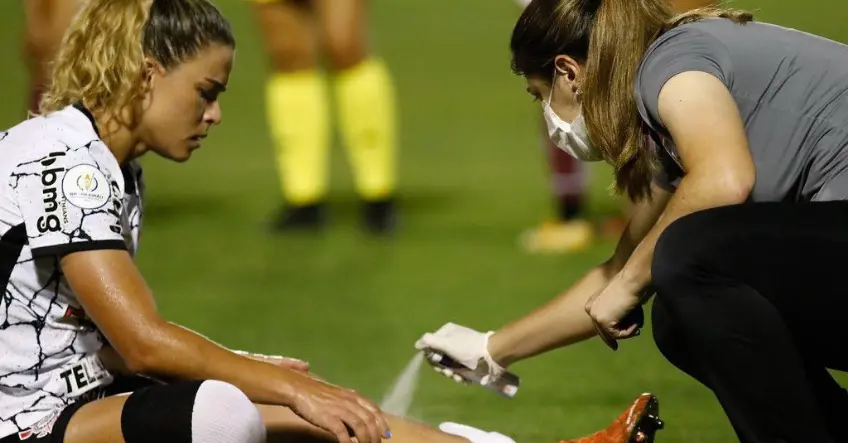
Rehabilitation is a vital part of Sports Medicine. Simply relieving pain is not enough; patients also need to rebuild strength, flexibility, endurance, coordination, and confidence before returning to physical activity.
Our rehabilitation programmes may include:
- Strength training
- Flexibility exercises
- Balance training
- Functional movement correction
- Sport-specific rehabilitation
- Core stability training
- Mobility restoration
- Progressive exercise programmes
Each rehabilitation plan is tailored according to the patient's sport, occupation, and recovery goals.
Exercise Prescription & Performance Optimisation
Exercise is an important component of both injury recovery and long-term physical health. Individualised exercise programmes help patients recover safely while improving overall movement quality.
Our exercise medicine services include:
- Personalised exercise planning
- Safe return-to-fitness guidance
- Strength development programmes
- Endurance improvement
- Mobility enhancement
- Flexibility training
- Movement efficiency assessment
- Performance optimisation strategies
Exercise prescriptions are adapted according to age, fitness level, medical condition, and physical goals.
Return-to-Sport Assessment
Returning to sports too early can increase the risk of reinjury. Before resuming full physical activity, patients undergo a structured assessment to determine whether recovery is sufficient.
Return-to-sport evaluation may include:
- Pain assessment
- Muscle strength testing
- Joint stability evaluation
- Functional movement analysis
- Agility assessment
- Balance testing
- Endurance evaluation
- Activity readiness assessment
A gradual return-to-sport programme helps patients resume activity safely while protecting long-term joint and muscle health.
Injury Prevention Programmes
Preventing injuries is an important part of Sports Medicine. Individualised prevention strategies help reduce future injury risk while improving physical performance.
Our prevention programmes focus on:
- Correct exercise technique
- Warm-up and cool-down routines
- Muscle strengthening
- Flexibility improvement
- Training load management
- Posture correction
- Movement pattern optimisation
- Safe progression of physical activity
Preventive care supports consistent participation in sports and exercise with a lower risk of injury.
Diagnostic & Functional Assessment
Understanding how the body moves during activity helps identify factors contributing to pain or recurrent injuries.
Functional assessment may include:
- Biomechanical evaluation
- Movement analysis
- Walking and running assessment
- Postural evaluation
- Joint mobility testing
- Muscle imbalance assessment
- Functional performance testing
- Progress monitoring throughout recovery
These assessments guide personalised rehabilitation and long-term injury prevention.
Conditions We Commonly Manage
Our Sports Medicine Department provides comprehensive care for a wide range of sports and exercise-related conditions, including:
- Muscle strains
- Ligament sprains
- Tendon injuries
- Rotator cuff disorders
- Tennis elbow
- Golfer's elbow
- Runner's knee
- Shin splints
- Achilles tendon disorders
- Ankle sprains
- Sports-related shoulder injuries
- Exercise-related musculoskeletal pain
Every treatment plan is personalised according to the patient's injury, activity level, and recovery objectives.
Multidisciplinary Sports Medicine Care
Successful recovery often requires collaboration between different healthcare professionals. Our Sports Medicine team works closely with multiple specialists to ensure patients receive comprehensive care throughout rehabilitation.
Our department collaborates with:
- Orthopaedics & Joint Replacement
- Physiotherapy & Rehabilitation
- Pain Management
- Radiology & Imaging
- General Medicine
- Emergency & Trauma Care
- Nutrition & Dietetics
- Home Health Care (for selected rehabilitation needs)
This multidisciplinary approach helps patients recover more effectively while supporting long-term physical health and performance.
Sports Medicine Services at a Glance
| Service | Purpose | Who Can Benefit |
|---|---|---|
| Sports Injury Assessment | Identifies the cause and severity of sports injuries | Individuals with exercise or sports-related injuries |
| Muscle, Tendon & Ligament Care | Treats soft tissue injuries and promotes recovery | Patients with strains, sprains, and tendon disorders |
| Joint Injury Management | Restores joint function and stability | Patients with knee, shoulder, ankle, and other joint injuries |
| Sports Rehabilitation | Improves strength, mobility, and function | Individuals recovering from sports injuries |
| Exercise Prescription | Supports safe fitness and recovery | Active individuals and patients returning to exercise |
| Return-to-Sport Assessment | Determines readiness for sports participation | Athletes and recreational sports participants |
| Injury Prevention Programmes | Reduces the risk of future injuries | Individuals of all activity levels |
| Functional Movement Assessment | Evaluates movement patterns for better recovery | Patients with recurrent injuries or movement limitations |
Helping You Move Better, Perform Better & Stay Injury-Free
Sports Medicine is about more than treating injuries—it is about restoring confidence, improving movement, and helping individuals continue leading active, healthy lives. At Deepam Hospitals, our Sports Medicine Department combines comprehensive assessment, evidence-based treatment, structured rehabilitation, and injury prevention strategies to support safe recovery and long-term physical wellbeing. Whether your goal is returning to competitive sports, recreational activities, or pain-free daily movement, we are committed to helping you achieve lasting results.
Meet Your Sports Medicine Specialist
Dr. Ezhilmaran
Consultant – Sports Medicine
Recovering from a sports injury requires more than pain relief—it requires restoring movement, rebuilding strength, preventing reinjury, and helping patients safely return to the activities they enjoy. Dr. Ezhilmaran provides comprehensive Sports Medicine care through detailed injury assessment, personalised treatment planning, structured rehabilitation, and long-term injury prevention strategies tailored to each patient's lifestyle and activity goals.
Whether treating recreational sports injuries, exercise-related conditions, workplace physical strain, or fitness-related musculoskeletal problems, Dr. Ezhilmaran focuses on restoring function while helping patients regain confidence in movement. Every treatment plan is designed to support safe recovery, improve physical performance, and promote long-term musculoskeletal health through evidence-based Sports Medicine care.
Areas of Expertise
Your Sports Medicine Care Journey at Deepam Hospitals
Every sports injury is different, and recovery should never follow a one-size-fits-all approach. At Deepam Hospitals, we follow a structured treatment pathway that focuses on accurate diagnosis, functional recovery, and a safe return to physical activity.
Step 1 – Injury Assessment & Activity Evaluation
Your consultation begins with a detailed discussion about how the injury occurred, your symptoms, activity level, sports participation, previous injuries, training routine, and recovery expectations. A clinical examination helps identify the affected muscles, joints, ligaments, or tendons.
Step 2 – Personalised Treatment Planning
Based on the diagnosis, a personalised treatment plan is developed according to the severity of the injury, your physical demands, occupation, sport, and long-term activity goals. Whenever appropriate, conservative and non-surgical treatment options are prioritised.
Step 3 – Recovery & Functional Rehabilitation
Treatment focuses on reducing pain, restoring mobility, improving muscle strength, correcting movement patterns, and rebuilding stability through structured rehabilitation programmes that support long-term recovery.
Step 4 – Progress Monitoring & Functional Reassessment
Throughout recovery, your progress is regularly reviewed to monitor healing, improve function, adjust rehabilitation exercises, and ensure that recovery is progressing safely according to your individual goals.
Step 5 – Safe Return to Activity
Before returning to sports, exercise, work, or recreational activities, your physical readiness is carefully assessed. Guidance is provided on gradually resuming activity while reducing the risk of reinjury and supporting long-term performance.
Preparing for Your Sports Medicine Consultation
Providing accurate information about your injury and physical activities helps your doctor develop the most appropriate recovery plan.
Before your consultation, it is helpful to bring:
- Previous medical records
- X-rays, MRI scans, or other imaging reports (if available)
- Earlier treatment records or physiotherapy notes
- Current medications
- Details of previous sports injuries
- Information about your regular physical activities or sport
- A list of current symptoms and their duration
- Comfortable clothing that allows physical examination if required
This information helps create a personalised treatment plan that matches your recovery goals.
Recovering Safely & Returning to an Active Lifestyle
Successful recovery depends not only on treating the injury but also on following the rehabilitation plan consistently. Returning to physical activity too early may increase the risk of reinjury and delay complete recovery.
During recovery, patients are encouraged to:
- Follow the prescribed rehabilitation programme
- Perform strengthening and flexibility exercises regularly
- Avoid activities that worsen pain
- Gradually increase activity levels under medical guidance
- Maintain proper hydration and balanced nutrition
- Attend scheduled follow-up appointments
- Use protective equipment when appropriate
- Report persistent pain or new symptoms promptly
Following a structured recovery plan helps improve movement, restore confidence, and support long-term physical performance.
Maintaining Long-Term Physical Performance
Sports Medicine is not only about recovering from injuries but also about maintaining healthy movement and preventing future problems. Adopting safe exercise habits can help improve performance while protecting muscles and joints over time.
Long-term musculoskeletal health can be supported by:
- Warming up before physical activity
- Cooling down after exercise
- Following proper exercise techniques
- Strengthening supporting muscle groups
- Maintaining flexibility and joint mobility
- Allowing adequate recovery between training sessions
- Avoiding sudden increases in training intensity
- Seeking early medical advice for recurring pain or injuries
These healthy practices help individuals remain active while reducing the likelihood of future sports-related injuries.
Frequently Asked Questions
No. Sports Medicine is suitable for anyone experiencing injuries related to physical activity, exercise, recreational sports, gym workouts, running, cycling, or other active lifestyles.
Yes. Many sports injuries can be treated successfully using non-surgical approaches, including activity modification, rehabilitation, strengthening programmes, and personalised exercise plans.
Recovery varies depending on the type of injury, its severity, the patient's overall health, and adherence to the rehabilitation programme. Your doctor will provide an individual recovery plan based on your condition.
Returning to sports depends on complete functional recovery rather than simply the absence of pain. Your Sports Medicine specialist will assess strength, flexibility, balance, and movement before recommending a safe return.
Many recurrent injuries can be reduced through proper rehabilitation, strength training, flexibility exercises, correcting movement patterns, and following injury prevention strategies.
Persistent or worsening pain should not be ignored. Continuing to exercise despite significant pain may worsen the injury. Medical assessment is recommended if symptoms continue.
Yes. Sports Medicine not only treats injuries but also helps improve movement efficiency, flexibility, conditioning, and injury prevention, supporting better overall physical performance.
Rehabilitation helps restore strength, mobility, coordination, and stability while reducing the risk of reinjury and supporting a safe return to physical activity.
Related Departments
Our Sports Medicine Department works closely with multiple specialties to provide comprehensive musculoskeletal care, including:
- Orthopaedics & Joint Replacement
- Physiotherapy & Rehabilitation
- Pain Medicine
- Emergency & Trauma Care
- Radiology & Imaging
- General Medicine
- Home Health Care
- Nutrition & Dietetics
This multidisciplinary approach ensures patients receive coordinated treatment from injury diagnosis through rehabilitation and long-term recovery.
Medical Disclaimer
The information provided on this page is intended for educational purposes only and should not replace professional medical advice, diagnosis, or treatment. Sports injuries vary in type and severity, and treatment recommendations depend on individual clinical assessment, physical examination, and appropriate investigations. Persistent pain, swelling, joint instability, reduced mobility, or injuries that interfere with daily activities or sports participation should be evaluated by a qualified healthcare professional for accurate diagnosis and appropriate management.
Recover Stronger. Move Better. Stay Active.
Whether you are recovering from a sports injury, managing exercise-related pain, or looking to safely return to an active lifestyle, expert Sports Medicine care can help you regain strength, restore movement, and reduce the risk of future injuries.
Consult Dr. Ezhilmaran (MBBS, MS) at Deepam Hospitals, Maraimalai Nagar, for comprehensive Sports Medicine, personalised rehabilitation, injury prevention strategies, and expert care that helps you move with confidence and achieve your activity goals.
Contact Us