- For appointment (+91) 97904 97905
Advanced Diagnostic & Radiology Services in Maraimalai Nagar
Accurate Imaging. Timely Diagnosis. Better Healthcare Decisions.
Modern healthcare relies heavily on accurate diagnostic information to support clinical decision-making. Many medical conditions cannot be fully evaluated through symptoms or physical examination alone, making diagnostic imaging an essential part of patient care. Radiological investigations help healthcare professionals visualise internal organs, tissues, bones, blood vessels, and other body structures, providing valuable information that supports diagnosis, treatment planning, and ongoing monitoring.
Diagnostic imaging plays a critical role across almost every medical specialty. From evaluating abdominal pain and musculoskeletal injuries to monitoring chronic diseases and supporting preventive health assessments, imaging studies provide important insights that help clinicians make informed healthcare decisions. Early and accurate diagnosis often contributes to more effective treatment, improved patient outcomes, and better long-term health management.
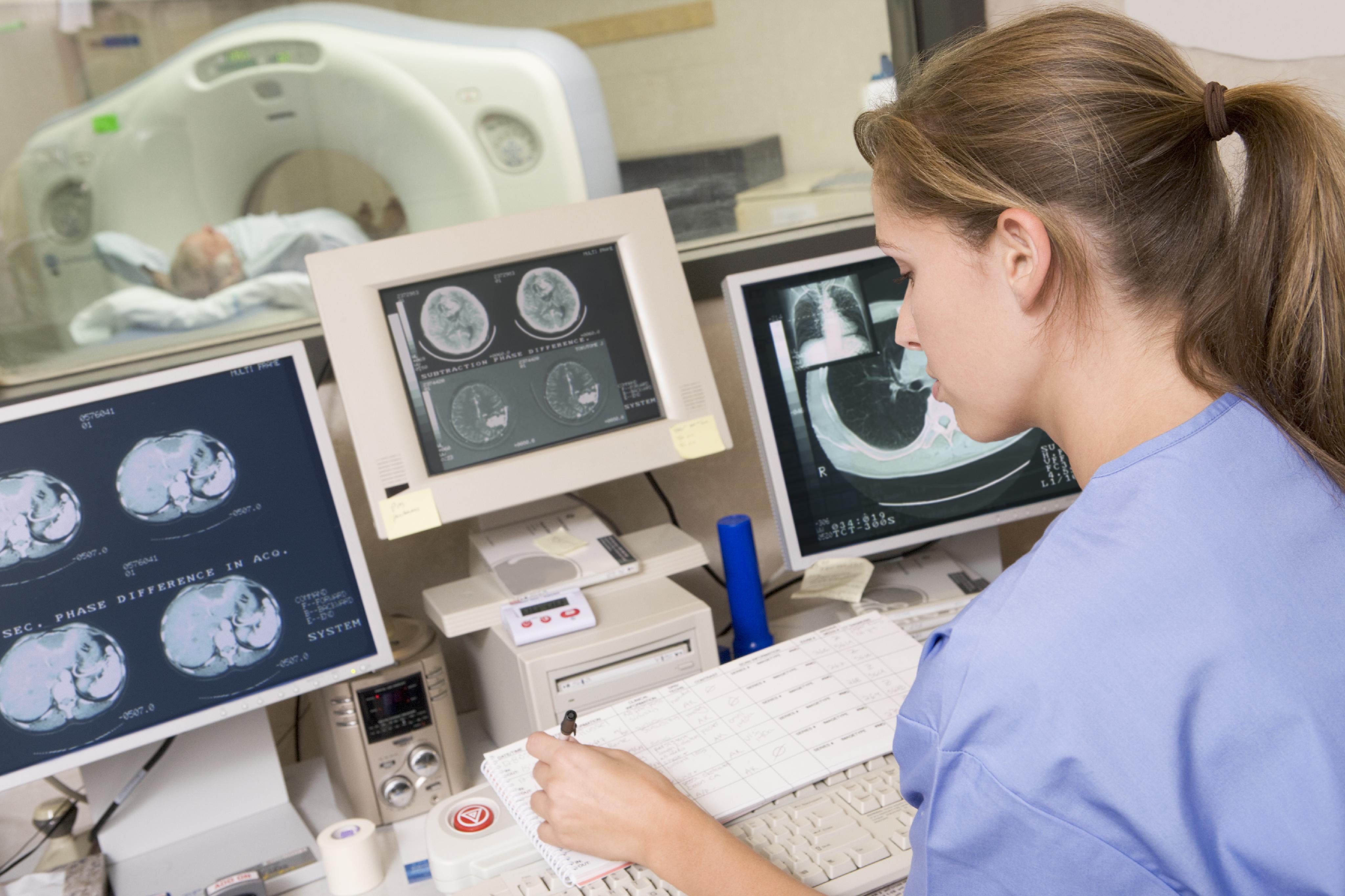
At Deepam Hospitals, our Diagnostic & Radiology Department delivers comprehensive imaging services designed to support accurate diagnosis and coordinated patient care. Under the expertise of Dr. S. Sujeeth (MBBS, MD (RD)), Consultant in Diagnostic & Radiology, we provide reliable imaging assessments, detailed radiological evaluation, and clinically relevant reporting that assist healthcare teams across multiple specialties. Patients from Maraimalai Nagar, Kattankulathur, Potheri, Guduvanchery, Mahindra World City, Singaperumal Koil, Chengalpattu, Urapakkam, and surrounding communities trust Deepam Hospitals for high-quality diagnostic imaging and radiology services.
Deepam Hospitals provides comprehensive Diagnostic & Radiology services in Maraimalai Nagar under the care of Dr. S. Sujeeth (MBBS, MD (RD)). Our department supports accurate diagnosis through advanced medical imaging, ultrasound studies, radiological assessments, diagnostic reporting, and multidisciplinary collaboration. We assist clinicians in evaluating a wide range of medical conditions while supporting early detection, treatment planning, preventive healthcare, and ongoing patient monitoring through precise and evidence-based imaging services.
Quick Answers
What Is Diagnostic & Radiology?
Diagnostic & Radiology is a medical specialty that uses imaging technologies to evaluate internal body structures and assist healthcare professionals in diagnosing, monitoring, and managing various health conditions.
Why Do Doctors Recommend Imaging Tests?
Imaging studies help provide detailed information about organs, tissues, bones, and other body structures that may not be fully assessed through symptoms or physical examination alone.
Can Diagnostic Imaging Help Detect Conditions Early?
Yes. Many medical conditions can be identified at an early stage through appropriate imaging investigations, allowing timely evaluation and treatment planning.
NIs Diagnostic Imaging Important for Treatment Decisions?
Diagnostic imaging provides valuable clinical information that helps healthcare professionals determine diagnoses, monitor disease progression, and guide treatment strategies.
When Might a Patient Need Radiology Services?
Radiology services may be recommended for evaluating symptoms, investigating medical concerns, assessing injuries, monitoring ongoing conditions, supporting preventive health assessments, or guiding treatment decisions.
Key Highlights
- Comprehensive Diagnostic & Radiology Services
- Expert Care by Dr. S. Sujeeth (MBBS, MD (RD))
- Accurate Medical Imaging Support
- Diagnostic Evaluation Across Multiple Specialties
- Ultrasound and Imaging Assessments
- Detailed Radiology Reporting
- Support for Early Diagnosis and Treatment Planning
- Collaborative Multidisciplinary Approach
- Modern Imaging Technology
- Trusted Imaging Services in Maraimalai Nagar
Why Choose Deepam Hospitals for Diagnostic & Radiology Services?
Accurate diagnosis is one of the most important foundations of effective healthcare. Diagnostic imaging serves as a critical tool that allows clinicians to better understand medical conditions, evaluate symptoms, monitor disease progression, and make informed treatment decisions. The quality of imaging studies and the accuracy of radiological interpretation play a significant role in supporting optimal patient care.
At Deepam Hospitals, our Diagnostic & Radiology Department combines clinical expertise, advanced imaging capabilities, and patient-centred care to provide reliable diagnostic support. We understand that imaging investigations are often a key step in a patient's healthcare journey, and we are committed to delivering accurate, timely, and clinically meaningful results that assist both patients and referring physicians.
Why Patients Trust Deepam Hospitals
- Experienced Consultant in Diagnostic & Radiology
- Accurate and Reliable Imaging Assessments
- Evidence-Based Radiological Interpretation
- Patient-Focused Diagnostic Care
- Comprehensive Imaging Support
- Timely Reporting and Evaluation
- Modern Diagnostic Infrastructure
- Multidisciplinary Clinical Collaboration
- Focus on Quality and Patient Safety
- Easily Accessible from Maraimalai Nagar and Nearby Communities
The Importance of Accurate Medical Imaging
Medical imaging has transformed modern healthcare by providing non-invasive methods to evaluate internal structures and identify abnormalities that may otherwise remain undetected. Whether investigating symptoms, confirming a diagnosis, monitoring treatment progress, or supporting preventive healthcare, imaging studies often provide critical information that influences clinical decision-making.
Accurate radiological assessment not only helps identify existing medical conditions but may also assist in ruling out potential concerns, reducing diagnostic uncertainty, and improving confidence in treatment planning. As healthcare continues to evolve, diagnostic imaging remains an essential component of comprehensive medical care, supporting patients and clinicians across a wide range of healthcare needs.
At Deepam Hospitals, we are committed to delivering dependable Diagnostic & Radiology services that support early detection, accurate diagnosis, and better healthcare outcomes through professional expertise, advanced imaging support, and patient-centred care.
Understanding Diagnostic Imaging & Radiology
Diagnostic imaging has become an essential part of modern healthcare, helping doctors look inside the body without the need for invasive procedures. While symptoms, physical examinations, and laboratory tests provide valuable information, medical imaging often offers a clearer understanding of what is happening internally, allowing healthcare professionals to make more informed decisions about diagnosis, treatment, and follow-up care.
Radiology plays a vital role in nearly every area of medicine. From investigating pain and injuries to monitoring chronic conditions and supporting preventive health assessments, imaging studies provide critical information that contributes to accurate and timely healthcare decisions.
What Is Diagnostic & Radiology?
Diagnostic & Radiology is a medical specialty that uses imaging technologies to evaluate organs, tissues, bones, blood vessels, and other internal structures of the body.
Radiologists are specially trained medical professionals who interpret imaging studies and provide detailed reports that assist referring doctors in understanding a patient's condition and planning appropriate care.
Diagnostic imaging serves as a bridge between symptoms and diagnosis, helping healthcare providers gather visual information that may not be available through other methods of evaluation.
Why Medical Imaging Is Important
Many health conditions develop internally before obvious symptoms appear. Diagnostic imaging allows doctors to visualise changes within the body and identify abnormalities that may require further evaluation or treatment.
Medical imaging can help:
- Investigate Unexplained Symptoms
- Support Clinical Diagnosis
- Monitor Ongoing Medical Conditions
- Evaluate Injuries
- Assess Treatment Effectiveness
- Guide Healthcare Planning
- Support Preventive Health Evaluations
- Detect Certain Conditions at Earlier Stages
Accurate imaging contributes to better-informed healthcare decisions and improved patient care.
How Diagnostic Imaging Supports Healthcare Decisions
Healthcare providers often combine information from multiple sources before making a diagnosis or recommending treatment. Imaging studies provide an additional layer of information that helps confirm, clarify, or rule out potential medical concerns.
Diagnostic imaging may assist in:
- Identifying Structural Abnormalities
- Evaluating Organ Health
- Assessing Injuries
- Monitoring Disease Progression
- Supporting Surgical Planning
- Guiding Treatment Decisions
- Evaluating Treatment Response
By providing detailed visual information, imaging studies contribute to a more comprehensive understanding of a patient's health.
Understanding Common Imaging Studies
Different imaging techniques are used depending on the area of the body being evaluated and the clinical information required.
Ultrasound Imaging
Ultrasound uses sound waves to create images of internal organs and soft tissues. It is commonly used to evaluate various parts of the body and does not involve ionising radiation.
Ultrasound may be used for:
- Abdominal Assessment
- Pelvic Evaluation
- Pregnancy-Related Imaging
- Soft Tissue Examination
- Vascular Assessment
X-Ray Imaging
X-rays are among the most commonly used imaging tools in healthcare. They provide images of bones and certain internal structures and are frequently used for evaluating injuries and medical conditions.
X-rays may assist in assessing:
- Bone Injuries
- Joint Concerns
- Chest Conditions
- Certain Structural Abnormalities
Other Diagnostic Imaging Modalities
Depending on clinical requirements, additional imaging technologies may be recommended by healthcare providers to obtain more detailed information regarding specific medical conditions.
Each imaging modality is selected based on the patient's symptoms, clinical findings, and diagnostic needs.
Common Reasons Doctors Recommend Imaging
Medical imaging may be recommended for a variety of healthcare situations. The purpose of imaging is not always to diagnose disease; it may also help monitor health, evaluate treatment progress, or provide reassurance when concerns need clarification.
- Persistent Pain
- Swelling
- Injury Evaluation
- Abdominal Symptoms
- Chest-Related Concerns
- Monitoring Chronic Conditions
- Preventive Health Assessments
- Follow-Up Investigations
- Evaluation of Unexplained Symptoms
- Treatment Planning
The type of imaging recommended depends on the specific clinical situation.
Imaging and Early Detection
Early detection is an important goal in modern healthcare. Certain medical conditions may develop gradually without obvious symptoms during their initial stages.
Diagnostic imaging may help identify:
- Structural Abnormalities
- Organ-Related Changes
- Certain Chronic Health Conditions
- Disease Progression
- Treatment-Related Changes
When concerns are identified early, healthcare teams may have more opportunities to evaluate and manage conditions appropriately.
Is Diagnostic Imaging Safe?
Patient safety is a fundamental priority in radiology. Imaging studies are recommended only when clinically appropriate and when the potential benefits outweigh any associated risks.
Healthcare professionals carefully consider:
- The Patient's Medical History
- Clinical Requirements
- Age and Individual Circumstances
- Previous Imaging Studies
- Expected Diagnostic Value
Imaging protocols are designed to follow established medical standards and safety practices.
Patients are encouraged to discuss any concerns about imaging procedures with their healthcare provider or radiology team.
Common Myths About Radiology & Imaging
Misunderstandings about medical imaging can sometimes create unnecessary anxiety. Understanding the facts helps patients make informed healthcare decisions.
Myth: Imaging tests are only needed when symptoms are severe.
Fact:Certain conditions require imaging studies to provide important information that may not be available through physical examination alone.
Myth: Every medical condition can be diagnosed without imaging.
Fact:Certain conditions require imaging studies to provide important information that may not be available through physical examination alone.
Myth: Imaging is only used after a diagnosis is made.
Fact:Diagnostic imaging often plays a key role in helping healthcare professionals reach a diagnosis.
Myth: All imaging tests are the same.
Fact:Different imaging techniques provide different types of information and are selected based on specific medical needs.
Myth: Imaging is only useful for treatment planning.
Fact:Imaging can support diagnosis, monitoring, preventive care, follow-up evaluation, and treatment assessment.
When Diagnostic Imaging May Be Recommended
While imaging recommendations vary according to individual circumstances, healthcare providers may suggest radiological evaluation when symptoms, examination findings, or medical history indicate a need for further investigation.
Situations where imaging may be considered include:
- Unexplained Pain
- Suspected Injury
- Organ-Related Symptoms
- Ongoing Medical Monitoring
- Preventive Evaluations
- Follow-Up Assessments
- Investigation of Abnormal Clinical Findings
- Assessment Before Certain Treatments or Procedures
Clinical judgement helps determine whether imaging is appropriate and which modality is most suitable.
Diagnostic Imaging Snapshot
| Imaging Aspect | Importance |
|---|---|
| Diagnosis Support | Helps Identify and Evaluate Medical Conditions |
| Early Detection | May Reveal Concerns Before Symptoms Become Severe |
| Treatment Planning | Supports Informed Healthcare Decisions |
| Monitoring | Tracks Disease Progression and Treatment Response |
| Preventive Care | Assists in Selected Health Assessments |
| Multidisciplinary Care | Provides Valuable Information to Multiple Specialties |
Why Timely Imaging Matters
In many healthcare situations, timely diagnostic imaging helps provide answers that guide clinical decision-making and patient management. Delays in evaluation may prolong uncertainty and sometimes affect the ability to assess symptoms effectively.
Prompt imaging, when recommended by a healthcare professional, can contribute to earlier diagnosis, more efficient treatment planning, and better coordination of care. Combined with clinical expertise, laboratory investigations, and patient history, radiological assessment remains one of the most valuable tools in modern medicine.
At Deepam Hospitals, Diagnostic & Radiology services support patients and healthcare providers through accurate imaging, detailed interpretation, and reliable diagnostic information that contributes to high-quality medical care.
Comprehensive Diagnostic & Radiology Services at Deepam Hospitals
Accurate diagnosis is one of the most important foundations of effective healthcare. Diagnostic imaging provides valuable information that helps clinicians evaluate symptoms, investigate medical concerns, monitor health conditions, and guide treatment decisions. By offering detailed visual assessment of internal structures, radiology services support timely and evidence-based patient care across multiple medical specialties.
At Deepam Hospitals, our Diagnostic & Radiology Department provides comprehensive imaging services designed to assist in diagnosis, clinical decision-making, preventive healthcare, and ongoing patient monitoring. Through a combination of advanced imaging technology, accurate interpretation, and multidisciplinary collaboration, we help healthcare teams deliver informed and effective patient care.
Comprehensive Diagnostic Imaging Evaluation
Every imaging study is performed with a specific clinical purpose. A comprehensive imaging evaluation begins with understanding the patient's symptoms, medical history, and the clinical questions that need to be addressed.
Diagnostic imaging assessments may support:
- Investigation of Unexplained Symptoms
- Evaluation of Organ Function and Structure
- Assessment of Injuries and Trauma
- Monitoring of Chronic Medical Conditions
- Follow-Up Evaluations
- Preventive Health Assessments
- Treatment Planning Support
The choice of imaging study depends on the individual's clinical needs and the information required for diagnosis or management.
Ultrasound Imaging Services
Ultrasound is a widely used diagnostic imaging technique that provides real-time visualisation of internal organs, soft tissues, and blood flow without the use of ionising radiation.
Ultrasound studies may be utilised for:
- Abdominal Evaluation
- Pelvic Assessment
- Pregnancy-Related Imaging
- Soft Tissue Examination
- Thyroid Assessment
- Vascular Evaluation
- Organ Monitoring
Because ultrasound provides dynamic imaging, it plays an important role in evaluating a wide range of clinical conditions.
X-Ray Imaging Services
X-ray imaging remains one of the most frequently used diagnostic tools in healthcare. It provides important information regarding bones, joints, and selected internal structures.
X-ray studies may assist in evaluating:
- Bone Injuries
- Joint Abnormalities
- Chest-Related Conditions
- Skeletal Assessments
- Follow-Up Monitoring
- Structural Changes
X-ray imaging often serves as an important first-line investigation for many medical concerns.
Women's Imaging Assessments
Radiological evaluation plays an important role in supporting women's healthcare across different stages of life.
Imaging assessments may be recommended for:
- Pelvic Health Evaluation
- Reproductive Health Assessment
- Pregnancy Monitoring
- Investigation of Specific Symptoms
- Follow-Up of Previously Identified Findings
- Preventive Healthcare Assessments
Imaging recommendations are individualised according to clinical needs and medical history.
Abdominal & Pelvic Imaging
Abdominal and pelvic symptoms often require detailed evaluation to help identify potential underlying causes.
Imaging may assist in assessing:
- Abdominal Discomfort
- Digestive System Concerns
- Urinary Tract-Related Symptoms
- Pelvic Symptoms
- Organ-Related Abnormalities
- Follow-Up of Known Conditions
Radiological evaluation provides valuable information that supports clinical diagnosis and treatment planning.
Musculoskeletal Imaging Support
Bones, joints, muscles, tendons, and surrounding structures may require imaging evaluation when symptoms, injuries, or mobility concerns arise.
Musculoskeletal imaging may support assessment of:
- Joint Pain
- Sports-Related Injuries
- Bone Injuries
- Soft Tissue Concerns
- Mobility Limitations
- Musculoskeletal Abnormalities
- Treatment Progress Monitoring
Accurate imaging helps clinicians better understand structural changes and develop appropriate management plans.
Preventive Health Imaging
Preventive healthcare focuses on identifying concerns before significant symptoms develop. In selected situations, imaging studies may form part of a broader health evaluation strategy.
Preventive imaging may contribute to:
- Health Monitoring
- Risk Assessment
- Early Identification of Abnormalities
- Baseline Health Evaluation
- Follow-Up of Previous Findings
Preventive recommendations are based on individual health profiles, risk factors, and clinical judgement.
Image-Guided Diagnostic Support
Certain diagnostic evaluations benefit from imaging guidance to improve accuracy and assist healthcare providers in obtaining essential clinical information.
Image-guided support may help with:
- Diagnostic Precision
- Targeted Assessment
- Clinical Decision-Making
- Evaluation of Complex Conditions
- Follow-Up Monitoring
- Multidisciplinary Treatment Planning
Radiology often serves as an integral component of coordinated patient care.
Advanced Diagnostic Reporting
The value of diagnostic imaging extends beyond image acquisition. Careful interpretation and detailed reporting are essential for transforming imaging findings into clinically meaningful information.
Radiological reporting focuses on:
- Accurate Image Interpretation
- Identification of Abnormalities
- Correlation with Clinical Information
- Structured Diagnostic Reporting
- Communication with Referring Clinicians
- Recommendations When Appropriate
- Follow-Up Assessment Support
High-quality reporting helps healthcare providers make informed decisions regarding patient management.
Conditions Commonly Investigated Through Diagnostic Imaging
Diagnostic imaging supports the evaluation of a broad range of clinical concerns across multiple specialties.
Common reasons for imaging referral include:
- Abdominal Symptoms
- Pelvic Concerns
- Chest-Related Symptoms
- Musculoskeletal Injuries
- Joint Disorders
- Soft Tissue Abnormalities
- Organ-Related Conditions
- Pregnancy Monitoring
- Chronic Disease Assessment
- Preventive Evaluations
- Follow-Up Monitoring
- Unexplained Clinical Findings
The specific imaging approach is selected according to the patient's symptoms and clinical requirements.
Collaborative Radiology & Clinical Care
Radiology is most effective when integrated into a multidisciplinary healthcare environment. Imaging findings often contribute to broader clinical discussions that involve multiple specialists working together to provide comprehensive patient care.
Diagnostic & Radiology services regularly support:
- General Medicine
- General Surgery
- Obstetrics & Gynaecology
- Paediatrics
- Orthopaedics
- Gastroenterology
- Urology
- Emergency Medicine
- Critical Care Services
This collaborative approach ensures that imaging findings contribute meaningfully to diagnosis, treatment planning, and ongoing patient management.
Advanced Diagnostic Infrastructure
Reliable imaging services depend on a combination of skilled radiological expertise, quality assurance processes, and modern diagnostic technology.
Our department focuses on:
- Accurate Image Acquisition
- Patient Safety Protocols
- Standardised Imaging Procedures
- Timely Reporting
- Quality-Focused Diagnostic Practices
- Clinical Collaboration
- Evidence-Based Interpretation
These principles help ensure dependable diagnostic support for patients and healthcare providers.
Diagnostic & Radiology Services at a Glance
| Service | Purpose | Who Can Benefit |
|---|---|---|
| Diagnostic Imaging Evaluation | Supports Clinical Diagnosis and Assessment | All Age Groups |
| Ultrasound Imaging | Evaluation of Organs, Tissues, and Blood Flow | Children and Adults |
| X-Ray Imaging | Assessment of Bones and Selected Internal Structures | Patients with Injuries or Medical Concerns |
| Women's Imaging Assessment | Supports Reproductive and Pelvic Health Evaluation | Women Across All Age Groups |
| Abdominal & Pelvic Imaging | Investigation of Abdominal and Pelvic Symptoms | Patients with Organ-Related Concerns |
| Musculoskeletal Imaging | Evaluation of Bones, Joints, and Soft Tissues | Patients with Injuries or Mobility Concerns |
| Preventive Health Imaging | Supports Selected Health Assessments | Individuals Requiring Preventive Evaluation |
| Diagnostic Reporting | Detailed Interpretation of Imaging Findings | Referring Clinicians and Patients |
Supporting Better Healthcare Through Accurate Diagnosis
Diagnostic imaging plays a vital role in helping healthcare professionals understand medical conditions, investigate symptoms, monitor health, and guide treatment decisions. Accurate imaging, timely reporting, and effective clinical collaboration contribute significantly to patient care across a wide range of medical specialties.
At Deepam Hospitals, our Diagnostic & Radiology Department is committed to providing dependable imaging services that support early detection, accurate diagnosis, and informed clinical decision-making. Whether imaging is required for symptom evaluation, preventive health assessment, treatment monitoring, or multidisciplinary care, our goal is to deliver reliable diagnostic information that helps patients receive the right care at the right time.
Dr. S. Sujeeth
MBBS, MD (RD)
Accurate medical imaging plays a crucial role in modern healthcare, helping clinicians evaluate symptoms, investigate medical concerns, monitor treatment progress, and support timely clinical decision-making. The quality of imaging interpretation can significantly influence diagnosis, treatment planning, and patient outcomes.
Dr. S. Sujeeth is committed to delivering precise, evidence-based radiological assessment through a patient-focused and clinically collaborative approach. His expertise involves interpreting diagnostic imaging studies, identifying relevant findings, and providing detailed reports that assist healthcare professionals in making informed decisions regarding patient care.
With a strong focus on diagnostic accuracy, quality reporting, and multidisciplinary collaboration, Dr. S. Sujeeth works closely with clinicians across various specialties to support comprehensive healthcare and improve diagnostic confidence.
Your Diagnostic Imaging Journey at Deepam Hospitals
Diagnostic imaging is often an important step in understanding a patient's health condition. At Deepam Hospitals, we follow a structured approach to ensure that imaging studies are performed efficiently, safely, and accurately.
Step 1 – Clinical Referral & Imaging Request
Your healthcare provider may recommend an imaging study based on your symptoms, medical history, examination findings, or treatment requirements.
Step 2 – Pre-Imaging Assessment
Before the procedure, relevant clinical information is reviewed to ensure that the most appropriate imaging study is performed. Patients may also receive preparation instructions when necessary.
Step 3 – Imaging Procedure
The recommended imaging examination is performed according to established clinical protocols. The duration and process vary depending on the type of imaging study being conducted.
Step 4 – Image Interpretation & Reporting
The acquired images are carefully reviewed and interpreted. A detailed radiology report is prepared to provide clinically meaningful information for the referring healthcare provider.
Step 5 – Clinical Review & Follow-Up
The imaging findings are reviewed alongside other clinical information to support diagnosis, treatment planning, further evaluation, or ongoing monitoring when required.
Preparing for Your Imaging Appointment
Appropriate preparation helps ensure that imaging studies are completed smoothly and that the resulting images provide optimal diagnostic information.
Depending on the type of examination, patients may be advised to:
- Bring Previous Imaging Reports if Available
- Carry Relevant Medical Records
- Share Details of Ongoing Medical Conditions
- Inform the Team About Current Medications
- Follow Fasting Instructions When Applicable
- Stay Hydrated if Advised
- Arrive Before the Scheduled Appointment Time
- Inform the Radiology Team About Pregnancy or Suspected Pregnancy
- Discuss Any Concerns Before the Procedure
Specific preparation instructions vary according to the imaging study being performed.
What to Expect During Diagnostic Imaging
Many patients feel more comfortable when they understand what to expect before an imaging examination.
While each procedure differs, most imaging studies generally involve:
- Verification of Patient Details
- Explanation of the Procedure
- Positioning for Image Acquisition
- Completion of the Imaging Study
- Review of Image Quality
- Post-Procedure Instructions When Necessary
Most diagnostic imaging examinations are completed within a relatively short period, although timing may vary depending on the type of investigation.
Understanding the Importance of Accurate Reporting
The value of diagnostic imaging depends not only on image quality but also on accurate interpretation and reporting.
Radiological reporting helps:
- Identify Significant Findings
- Support Diagnostic Evaluation
- Guide Treatment Decisions
- Assist Clinical Specialists
- Monitor Disease Progression
- Evaluate Treatment Response
- Support Follow-Up Planning
Comprehensive reporting contributes to better communication between radiologists and referring healthcare providers, supporting coordinated patient care.
Why Follow-Up Imaging May Be Recommended
In certain situations, healthcare providers may recommend repeat imaging studies as part of ongoing evaluation or monitoring.
Follow-up imaging may be useful for:
- Monitoring Known Medical Conditions
- Assessing Treatment Response
- Evaluating Symptom Progression
- Reviewing Previously Identified Findings
- Supporting Long-Term Disease Management
- Providing Updated Clinical Information
The timing and frequency of follow-up imaging depend on individual healthcare needs and clinical recommendations.
Supporting Patient Comfort During Imaging
At Deepam Hospitals, efforts are made to:
- Explain Procedures Clearly
- Address Patient Questions
- Ensure Privacy and Dignity
- Promote a Comfortable Environment
- Follow Safety-Focused Practices
- Provide Professional Support Throughout the Imaging Process
Clear communication helps patients feel informed and confident throughout their diagnostic journey.
Frequently Asked Questions
Diagnostic imaging helps healthcare professionals visualise internal structures of the body and obtain information that may not be available through symptoms, examination, or laboratory tests alone.
Imaging studies are performed according to established medical standards and are recommended only when clinically appropriate. Safety protocols are followed throughout the imaging process.
The duration varies depending on the type of imaging study being performed. Some examinations may take only a few minutes, while others may require additional time.
Yes. Diagnostic imaging may assist in identifying abnormalities or changes within the body that support early evaluation and clinical management.
Yes. Radiology reports are prepared to assist the referring healthcare provider in reviewing findings and making informed treatment decisions.
Repeat imaging may be recommended to monitor a condition, evaluate treatment effectiveness, review previous findings, or assess changes over time.
In selected situations, imaging may contribute to preventive health assessments and risk evaluation based on individual clinical requirements.
Related Departments
Our Diagnostic & Radiology Department works closely with numerous medical and surgical specialties, including:
- General Medicine
- General Surgery
- Obstetrics & Gynaecology
- Paediatrics
- Orthopaedics
- Gastroenterology
- Urology
- Emergency Medicine
- Critical Care
- Laboratory Medicine
This multidisciplinary collaboration helps ensure accurate diagnosis, coordinated treatment planning, and comprehensive patient care.
Medical Disclaimer
The information provided on this page is intended for educational purposes only and should not be considered a substitute for professional medical advice, diagnosis, or treatment. Imaging studies are recommended based on individual clinical circumstances, symptoms, and healthcare needs. Please consult Dr. S. Sujeeth (MBBS, MD (RD)), your treating physician, or another qualified healthcare professional for personalised medical guidance. If you experience severe symptoms, sudden health changes, or a medical emergency, seek immediate medical attention without delay.
Supporting Better Healthcare Through Accurate Imaging
Diagnostic imaging serves as one of the most valuable tools in modern medicine, helping clinicians evaluate symptoms, investigate medical conditions, guide treatment decisions, and monitor patient health. Accurate imaging and professional interpretation contribute significantly to effective healthcare delivery and improved patient outcomes.
Whether you require ultrasound evaluation, X-ray imaging, preventive diagnostic assessment, follow-up monitoring, or support for a specific medical concern, Dr. S. Sujeeth (MBBS, MD (RD)) and the Diagnostic & Radiology team at Deepam Hospitals, Maraimalai Nagar are committed to providing dependable imaging services that support accurate diagnosis and informed healthcare decisions.
Schedule your consultation today and take the next step towards better women's health with confidence.
Contact Us