- For appointment (+91) 97904 97905
Expert ENT Care in Maraimalai Nagar
Comprehensive Ear, Nose & Throat Care for Better Health and Quality of Life
The ear, nose, and throat are closely connected systems that play an essential role in communication, breathing, hearing, balance, swallowing, and overall wellbeing. When problems affect any of these areas, they can significantly impact daily activities, sleep quality, concentration, work performance, and overall quality of life. From recurring ear infections and hearing concerns to sinus problems, allergies, and throat discomfort, timely evaluation can help identify underlying causes and support appropriate treatment.
ENT conditions affect people of all ages, from young children experiencing recurrent ear infections to adults managing chronic sinus issues, allergies, voice disorders, or hearing-related concerns. While some symptoms may appear mild initially, persistent or recurring issues should not be ignored, as early assessment often helps prevent complications and supports better long-term outcomes.
At Deepam Hospitals, our ENT Department provides comprehensive evaluation and management of conditions affecting the ears, nose, throat, head, and neck. Under the expertise of Dr. Sathiyamoorthy K (MBBS, MS), Consultant – ENT, we focus on accurate diagnosis, patient-centred care, preventive guidance, and long-term management strategies tailored to each patient's individual needs. Patients from Maraimalai Nagar, Kattankulathur, Potheri, Guduvanchery, Mahindra World City, Singaperumal Koil, Chengalpattu, Urapakkam, and nearby communities trust Deepam Hospitals for reliable ENT care and comprehensive medical support.
Deepam Hospitals offers comprehensive ENT services in Maraimalai Nagar under the care of Dr. Sathiyamoorthy K (MBBS, MS). Our department provides evaluation and management for a wide range of ear, nose, and throat conditions, including sinus concerns, hearing-related issues, allergies, throat disorders, balance problems, and paediatric ENT conditions. We focus on accurate diagnosis, evidence-based treatment, preventive care, and long-term ENT health for patients of all age groups.

Quick Answers
When Should I Consult an ENT Specialist?
You should consider consulting an ENT specialist if you experience persistent ear pain, hearing difficulties, recurring sinus issues, nasal blockage, throat discomfort, voice changes, dizziness, or other symptoms affecting the ear, nose, or throat.
Can Sinus Problems Become Chronic?
Yes. Some sinus conditions may become recurrent or long-term if underlying causes such as allergies, infections, or structural issues are not properly evaluated and managed.
Why Do Hearing Problems Occur?
Hearing difficulties may develop due to infections, age-related changes, noise exposure, earwax buildup, injury, or other medical conditions affecting the ear.
Can Allergies Affect the Nose and Throat?
Yes. Allergies can contribute to symptoms such as nasal congestion, sneezing, postnasal drip, throat irritation, and sinus-related discomfort.
Why Is Early ENT Evaluation Important?
Early assessment helps identify the underlying cause of symptoms, supports timely treatment, and may help prevent complications or worsening of the condition.
Key Highlights
- Comprehensive ENT care for children and adults
- Expert care by Dr. Sathiyamoorthy K (MBBS, MS)
- Evaluation of ear, nose, and throat disorders
- Sinus and allergy-related assessment
- Hearing and balance evaluation
- Voice and throat health assessment
- Paediatric ENT care
- Preventive ENT health guidance
- Patient-focused treatment plans
- Trusted ENT services in Maraimalai Nagar
Why Choose Deepam Hospitals for ENT Care?
ENT conditions often involve interconnected systems, making specialised evaluation important for accurate diagnosis and effective treatment. Symptoms such as hearing difficulties, sinus congestion, recurrent infections, throat discomfort, and balance disturbances may arise from various underlying causes that require professional assessment and personalised care.
At Deepam Hospitals, we understand the impact ENT conditions can have on everyday life. Our approach combines clinical expertise, comprehensive evaluation, patient education, and long-term health management to ensure patients receive the highest standard of care. We focus not only on treating symptoms but also on identifying contributing factors and supporting overall ear, nose, and throat health.
Why Patients Trust Deepam Hospitals
- Experienced ENT specialist
- Comprehensive diagnostic evaluation
- Individualised treatment planning
- Evidence-based clinical care
- Focus on preventive healthcare
- Support for children and adults
- Multidisciplinary healthcare approach
- Patient-centred communication
- Modern diagnostic support
- Convenient access for Maraimalai Nagar and surrounding communities
The Importance of Healthy Ear, Nose & Throat Function
The ear, nose, and throat perform vital functions that influence many aspects of daily living. Healthy hearing supports communication and social interaction. Proper nasal function contributes to comfortable breathing and sleep quality. A healthy throat plays a key role in speaking, swallowing, and protecting the airway.
When ENT conditions develop, they may affect physical comfort, productivity, learning, communication, and overall wellbeing. Regular attention to symptoms, healthy lifestyle practices, and timely medical evaluation can help maintain optimal ENT health and support long-term quality of life.
At Deepam Hospitals, we are committed to providing comprehensive ENT services that emphasise early detection, accurate diagnosis, effective treatment, and preventive care. Our goal is to help patients achieve better ear, nose, and throat health through personalised, evidence-based medical care delivered with compassion and clinical excellence.
Understanding Ear, Nose & Throat Health
The ear, nose, and throat are closely connected parts of the body that work together to support hearing, breathing, speaking, swallowing, balance, and overall wellbeing. Because these systems are interconnected, a problem affecting one area can often influence another. Understanding how ENT health impacts daily life can help individuals recognise symptoms early and seek appropriate medical attention when necessary.
Many ENT conditions affect people of all ages and can range from temporary concerns to chronic conditions that require ongoing management. Early awareness and timely evaluation often play an important role in maintaining long-term ear, nose, and throat health.
Why Ear, Nose & Throat Health Matters
Healthy ENT function is essential for many activities that people perform every day without much thought.
The ears help with:
- Hearing and communication
- Maintaining balance
- Spatial awareness
- Social interaction
The nose plays a role in:
- Breathing
- Filtering airborne particles
- Humidifying inhaled air
- Supporting the sense of smell
The throat contributes to:
- Speaking
- Swallowing
- Airway protection
- Communication
When these systems are affected, symptoms may interfere with daily routines, work, school performance, sleep quality, and overall comfort.
Common ENT Conditions Across Different Age Groups
ENT conditions can affect both children and adults, although certain concerns may be more common at specific stages of life.
Common ENT-related concerns include:
- Ear infections
- Hearing difficulties
- Sinus problems
- Nasal allergies
- Nasal blockage
- Throat infections
- Voice changes
- Tonsil-related issues
- Balance disturbances
- Dizziness
- Snoring-related concerns
- Recurrent respiratory infections
Some conditions may resolve independently, while others require professional evaluation and management.
Understanding Sinus Health
The sinuses are air-filled spaces located within the bones of the face and skull. They help support normal breathing, humidify inhaled air, and contribute to overall nasal function.
Common concerns or factors may include:
- Facial pressure
- Nasal congestion
- Headache
- Postnasal drip
- Reduced sense of smell
- Breathing discomfort
When sinus health is affected, symptoms may occur due to infections, allergies, environmental factors, or other underlying conditions.
Causes of Frequent Throat Discomfort
Occasional throat discomfort is common, but persistent or recurring symptoms may indicate an underlying issue that requires further evaluation.
Common concerns or factors may include:
- Viral infections
- Bacterial infections
- Allergies
- Environmental irritants
- Voice strain
- Postnasal drip
- Reflux-related irritation
- Dry air exposure
Understanding the possible causes helps support timely assessment and appropriate management.
Hearing Health Awareness
Hearing is essential for communication, learning, safety, and social interaction. Changes in hearing ability can affect people of all ages and may influence both personal and professional life.
Common concerns or factors may include:
- Ear infections
- Noise exposure
- Age-related changes
- Earwax accumulation
- Injury
- Certain medical conditions
- Genetic influences
Recognising hearing concerns early can help support better long-term hearing health.
Balance and the Inner Ear
Many people are unaware that the inner ear plays a significant role in maintaining balance. Problems affecting the balance system may result in symptoms that interfere with mobility and daily activities.
Common concerns or factors may include:
- Dizziness
- Vertigo
- Unsteadiness
- Difficulty maintaining balance
- Motion sensitivity
Because balance-related symptoms may arise from different causes, professional evaluation is often important.
Nasal Allergies & Environmental Triggers
The nose is frequently exposed to environmental allergens and irritants. For some individuals, this can lead to ongoing nasal symptoms that affect comfort and quality of life.
Common concerns or factors may include:
- Dust
- Pollen
- Pollution
- Animal dander
- Weather changes
- Strong fragrances
- Smoke exposure
Nasal allergies may contribute to symptoms such as congestion, sneezing, itching, and postnasal drip.
Voice Health and Daily Communication
The voice plays an important role in communication, education, work, and social interaction. Persistent changes in voice quality should not be ignored.
Common concerns or factors may include:
- Excessive voice use
- Infections
- Allergies
- Environmental irritants
- Throat inflammation
- Vocal strain
Maintaining good voice habits can help support long-term vocal health.
Common Myths About ENT Conditions
Misunderstandings about ENT health may sometimes delay appropriate medical care.
Myth: Hearing loss only affects older adults.
Fact: Hearing difficulties can occur at any age and may result from various causes.
Myth: Every sinus problem is caused by infection.
Fact: Sinus symptoms may also occur due to allergies, inflammation, or structural factors.
Myth: Persistent throat irritation is always minor.
Fact: Ongoing throat symptoms should be evaluated when they persist or recur frequently.
Myth: Ear pain always indicates an ear infection.
Fact: Ear discomfort can arise from several different conditions affecting the ear, jaw, throat, or surrounding structures.
Myth: Dizziness is always caused by low blood pressure.
Fact: Balance-related symptoms may sometimes be associated with inner ear conditions and other medical causes.
Warning Signs That Should Not Be Ignored
Certain symptoms involving the ears, nose, or throat may require medical evaluation, particularly when they persist or worsen over time.
Seek professional assessment if you experience:
- Persistent hearing changes
- Recurring ear pain
- Frequent sinus symptoms
- Ongoing nasal blockage
- Recurrent nosebleeds
- Chronic throat discomfort
- Difficulty swallowing
- Persistent voice changes
- Unexplained dizziness
- Balance disturbances
- Recurrent ENT infections
Early evaluation often helps identify underlying causes and supports timely management.
ENT Health Snapshot
| Area | Why It Matters |
|---|---|
| Ear Health | Supports hearing and balance |
| Nose Health | Essential for breathing and smell |
| Sinus Health | Contributes to comfortable nasal function |
| Throat Health | Important for speaking and swallowing |
| Voice Health | Supports communication and daily interaction |
| Early Evaluation | Helps identify concerns before complications develop |
Benefits of Early ENT Evaluation
Many ENT conditions respond more effectively when identified and assessed at an early stage. Delaying evaluation may allow symptoms to worsen, affect daily activities, or increase the likelihood of complications in some situations.
Professional assessment can help determine the underlying cause of symptoms, identify contributing factors, and guide appropriate treatment recommendations. Combined with healthy lifestyle habits and preventive care, timely ENT evaluation supports better long-term outcomes and overall quality of life.
At Deepam Hospitals, we believe that awareness, early recognition of symptoms, and access to expert care are important components of maintaining healthy ear, nose, and throat function throughout life.
Comprehensive ENT Services at Deepam Hospitals
The ear, nose, and throat are closely connected systems that influence hearing, breathing, communication, balance, sleep quality, and overall wellbeing. Because ENT conditions can affect multiple functions simultaneously, accurate evaluation and personalised treatment are essential for achieving effective outcomes and maintaining long-term health.
At Deepam Hospitals, our ENT Department provides comprehensive diagnostic, preventive, and therapeutic care for a wide range of ear, nose, throat, head, and neck conditions. We focus on evidence-based treatment, patient education, long-term monitoring, and multidisciplinary care to help individuals achieve better ENT health and improved quality of life.
Comprehensive ENT Consultation
Every ENT condition presents differently, and similar symptoms may arise from various underlying causes. A detailed ENT consultation helps identify contributing factors, assess symptom patterns, and develop an appropriate care plan.
A comprehensive evaluation may include:
- Detailed medical history review
- Assessment of current symptoms
- Ear, nose, and throat examination
- Review of previous treatments
- Evaluation of lifestyle and environmental influences
- Identification of potential risk factors
- Diagnostic recommendations when required
- Personalised treatment planning
This structured approach helps support accurate diagnosis and effective management.
Ear Health Evaluation
The ears play a vital role in hearing, communication, and balance. Conditions affecting the ear can influence daily activities, learning, work performance, and social interaction.
ENT evaluation may help assess:
- Ear discomfort
- Hearing-related concerns
- Ear infections
- Ear blockage
- Ear discharge
- Tinnitus-related symptoms
- Recurrent ear problems
- Ear pressure sensations
Early assessment helps identify the underlying cause and supports timely intervention when necessary.
Hearing-Related Assessment
Hearing difficulties can affect individuals of all ages and may develop gradually or suddenly. Identifying hearing concerns early is important for maintaining communication abilities and overall quality of life.
Assessment may be recommended for:
- Reduced hearing ability
- Difficulty understanding speech
- Hearing changes
- Noise-related hearing concerns
- Age-related hearing changes
- Recurrent ear conditions affecting hearing
- Occupational hearing risks
Evaluation helps determine potential contributing factors and appropriate management pathways.
Nose & Sinus Evaluation
Nasal and sinus conditions can affect breathing, sleep quality, concentration, and daily comfort. Persistent symptoms often require specialised assessment to identify their cause.
Evaluation may be beneficial for:
- Nasal blockage
- Sinus discomfort
- Facial pressure
- Recurrent sinus concerns
- Nasal irritation
- Breathing difficulties through the nose
- Smell-related concerns
- Chronic nasal symptoms
A thorough assessment supports accurate diagnosis and personalised treatment planning.
Allergy-Related ENT Assessment
Allergies frequently affect the ear, nose, and throat and may contribute to recurring symptoms that interfere with daily life.
Assessment may help evaluate:
- Nasal allergies
- Sneezing episodes
- Postnasal drip
- Allergy-related throat irritation
- Seasonal symptoms
- Environmental triggers
- Recurrent congestion
- Chronic allergy-related complaints
Identifying triggers and contributing factors helps support long-term symptom management.
Throat & Voice Disorder Evaluation
The throat plays a critical role in speaking, swallowing, and airway protection. Persistent throat symptoms should be evaluated to determine the underlying cause and guide appropriate treatment.
Assessment may be recommended for:
- Persistent throat discomfort
- Voice changes
- Hoarseness
- Swallowing difficulties
- Recurrent throat infections
- Vocal strain
- Chronic throat irritation
- Speech-related concerns
Professional evaluation helps ensure accurate diagnosis and appropriate management.
Tonsil & Adenoid Assessment
Tonsils and adenoids play a role in the body's immune response, particularly during childhood. However, certain conditions affecting these structures may require specialised ENT evaluation.
Assessment may be useful for:
- Recurrent throat infections
- Enlarged tonsils
- Breathing concerns
- Sleep-related symptoms
- Swallowing difficulties
- Adenoid-related nasal symptoms
- Paediatric ENT concerns
Clinical evaluation helps determine the most appropriate management approach based on individual findings.
Balance & Dizziness Evaluation
The inner ear contributes significantly to balance and spatial orientation. Conditions affecting this system may result in symptoms that impact mobility and daily functioning.
Assessment may help evaluate:
- Dizziness
- Vertigo
- Balance disturbances
- Unsteadiness
- Motion sensitivity
- Recurrent balance concerns
- Inner ear-related symptoms
A detailed evaluation helps identify possible causes and guide treatment recommendations.
Paediatric ENT Assessment
Children commonly experience ENT-related conditions that may affect hearing, breathing, speech development, sleep quality, and overall wellbeing.
Paediatric ENT evaluation may assist in assessing:
- Ear infections
- Hearing concerns
- Nasal blockage
- Tonsil-related symptoms
- Adenoid enlargement
- Recurrent throat infections
- Speech-related concerns
- Breathing difficulties
Child-friendly assessment approaches help ensure comfortable and effective evaluation.
Diagnostic Support Services
Accurate diagnosis is essential for effective ENT care. Depending on the patient's symptoms and clinical findings, diagnostic investigations may be recommended to support evaluation and treatment planning.
Diagnostic support may include:
- Clinical ENT examination
- Hearing-related assessment
- Nasal evaluation
- Throat examination
- Balance assessment
- Follow-up monitoring
- Additional investigations when clinically indicated
Investigations are recommended according to individual healthcare needs rather than as routine procedures.
Conditions Commonly Evaluated & Managed
Our ENT Department provides evaluation and management for a broad range of conditions affecting the ear, nose, and throat.
Common concerns include:
- Ear infections
- Hearing difficulties
- Tinnitus-related symptoms
- Sinus conditions
- Nasal allergies
- Nasal obstruction
- Throat disorders
- Voice-related concerns
- Tonsil conditions
- Adenoid-related symptoms
- Balance disorders
- Vertigo-related symptoms
- Paediatric ENT conditions
- Recurrent ENT infections
Treatment plans are tailored according to the patient's age, symptoms, diagnosis, and overall healthcare needs.
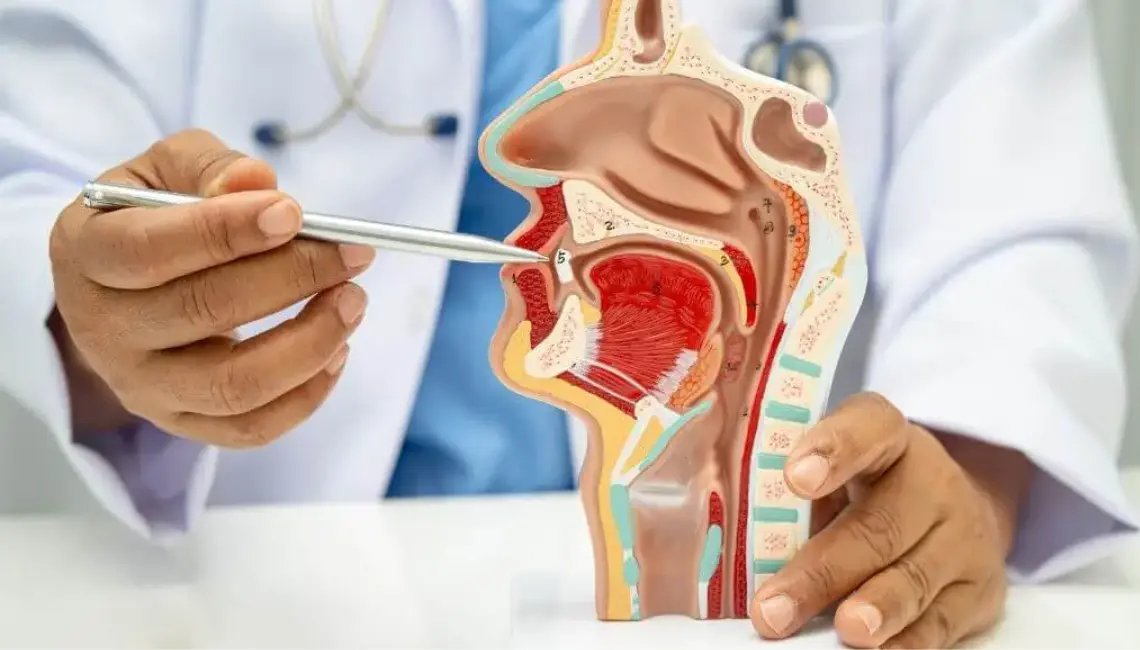
Multidisciplinary ENT Care
Certain ENT conditions may benefit from collaboration with other medical specialties to ensure comprehensive evaluation and treatment.
Our ENT Department works closely with:
- General Medicine
- Paediatrics
- Pulmonology
- Allergy & Immunology Support
- Neurology
- Audiology Services
- Radiology & Imaging
- Emergency Medicine
This multidisciplinary approach supports coordinated care and improved patient outcomes.
ENT Services at a Glance
| Service | Purpose | Who Can Benefit |
|---|---|---|
| ENT Consultation | Comprehensive assessment of ENT symptoms | Children and adults |
| Ear Health Evaluation | Assessment of ear-related conditions | Patients with ear concerns |
| Hearing Assessment | Evaluation of hearing-related symptoms | Individuals with hearing difficulties |
| Nose & Sinus Evaluation | Investigation of nasal and sinus symptoms | Patients with breathing or sinus concerns |
| Allergy Assessment | Evaluation of allergy-related ENT symptoms | Individuals with recurrent allergies |
| Throat & Voice Evaluation | Assessment of throat and voice concerns | Patients with swallowing or voice issues |
| Balance Assessment | Investigation of dizziness and vertigo | Individuals with balance-related symptoms |
| Paediatric ENT Care | ENT evaluation for children | Infants, children, and adolescents |
Supporting Long-Term Ear, Nose & Throat Health
Maintaining healthy ear, nose, and throat function is important for communication, breathing, hearing, balance, sleep quality, and overall wellbeing. Early diagnosis, personalised treatment, preventive care, and regular follow-up can help individuals manage ENT conditions more effectively and reduce the impact of symptoms on daily life.
At Deepam Hospitals, our ENT Department is committed to providing patient-centred care that combines clinical expertise, evidence-based treatment, and ongoing support. Whether you require evaluation for hearing concerns, sinus symptoms, throat discomfort, allergies, balance disorders, or paediatric ENT conditions, our goal is to help you achieve better health and improved quality of life through comprehensive ENT care.
Dr. Sathiyamoorthy K
Consultant – ENT
The ear, nose, and throat are interconnected systems that play an essential role in hearing, breathing, communication, swallowing, and balance. Conditions affecting these areas can significantly influence daily comfort, sleep quality, work performance, learning, and overall wellbeing. Accurate diagnosis and personalised treatment are important for effectively managing ENT concerns and preventing long-term complications.
Dr. Sathiyamoorthy K is committed to providing comprehensive ENT care through an evidence-based, patient-focused approach. His clinical practice emphasises detailed evaluation, accurate diagnosis, personalised treatment planning, and preventive healthcare to help patients achieve better ear, nose, and throat health.
With expertise in managing a wide range of ENT conditions affecting both children and adults, Dr. Sathiyamoorthy K works closely with patients to identify underlying causes, address symptoms effectively, and support long-term health through comprehensive medical care and ongoing follow-up.
Your ENT Care Journey at Deepam Hospitals
Every ENT condition is unique, and each patient requires an individualised approach to diagnosis and treatment. At Deepam Hospitals, we follow a structured process to ensure patients receive comprehensive and coordinated care.
Your ENT consultation will include:
Step 1 – Understanding Your Symptoms
Your consultation begins with a detailed discussion regarding your symptoms, medical history, lifestyle factors, previous treatments, and concerns related to hearing, breathing, swallowing, balance, or throat health.
Step 2 – Comprehensive ENT Evaluation
A thorough examination of the ear, nose, and throat is performed to identify potential causes of symptoms and determine whether additional investigations may be beneficial.
Step 3 – Diagnostic Assessment
When required, further evaluation may be recommended to better understand the condition and support accurate diagnosis.
Step 4 – Personalised Treatment Planning
Based on clinical findings, an individualised treatment plan is developed. Patients receive clear explanations regarding their diagnosis, treatment options, preventive strategies, and expected outcomes.
Step 5 – Ongoing Monitoring & Follow-Up
Regular follow-up helps assess treatment response, monitor progress, and ensure long-term management goals are achieved effectively.
Preparing for Your ENT Consultation
Being prepared for your appointment can help make the consultation more productive and support accurate assessment.
You may find it helpful to bring:
- Previous medical records
- Earlier ENT consultation notes
- Imaging reports, if available
- Hearing assessment reports
- Current medication list
- Allergy history
- Details regarding symptom duration
- Information about previous treatments
- Questions you would like to discuss
Providing complete information helps support a thorough evaluation and personalised care plan.
What to Expect During an ENT Evaluation
Many patients feel more comfortable when they understand what an ENT consultation typically involves.
During the evaluation, the specialist may:
- Review your medical history
- Discuss current symptoms
- Examine the ears, nose, and throat
- Assess symptom severity
- Evaluate possible contributing factors
- Recommend investigations when necessary
- Discuss treatment options
- Provide preventive health guidance
The specific assessment depends on the patient's symptoms, age, and healthcare needs.
The Importance of Early ENT Assessment
Many ENT conditions begin with mild symptoms that gradually become more noticeable over time. Early evaluation helps identify underlying causes before symptoms significantly affect daily life.
Early assessment may help:
- Improve diagnostic accuracy
- Support timely treatment
- Reduce symptom progression
- Improve quality of life
- Prevent certain complications
- Enhance long-term health outcomes
- Support better hearing, breathing, and communication
Prompt medical attention often contributes to more effective management and improved overall wellbeing.
Preventive Tips for Better ENT Health
Maintaining healthy daily habits can help support long-term ear, nose, and throat function.
General recommendations include:
- Protecting hearing from excessive noise exposure
- Practising good respiratory hygiene
- Managing allergies appropriately
- Staying adequately hydrated
- Avoiding tobacco smoke exposure
- Seeking treatment for recurring infections
- Maintaining good nasal and throat hygiene
- Following medical advice for chronic ENT conditions
- Attending recommended follow-up appointments
Preventive care plays an important role in maintaining overall ENT health throughout life.
Why Follow-Up Care Matters
Many ENT conditions benefit from ongoing monitoring, particularly when symptoms are chronic, recurring, or require long-term management.
Follow-up care may help:
- Assess treatment effectiveness
- Monitor symptom improvement
- Identify recurrence early
- Adjust treatment plans when needed
- Reinforce preventive strategies
- Support long-term disease management
Consistent follow-up allows healthcare providers to monitor progress and ensure optimal outcomes.
Frequently Asked Questions
You should seek ENT evaluation if you experience persistent ear pain, hearing difficulties, sinus problems, throat discomfort, voice changes, dizziness, swallowing difficulties, or recurring ENT infections.
Yes. Some sinus conditions may become chronic when underlying causes such as allergies, infections, or structural issues are not appropriately addressed.
Hearing difficulties may develop due to infections, age-related changes, noise exposure, earwax buildup, injury, or other medical conditions affecting the ear.
Yes. Allergies commonly affect the nose, throat, and sinuses, leading to symptoms such as congestion, sneezing, postnasal drip, and throat irritation.
Persistent or recurrent throat symptoms should be assessed, particularly if they affect swallowing, speaking, or daily comfort.
Yes. Ear infections, tonsil-related concerns, adenoid enlargement, nasal blockage, and throat infections are relatively common in children.
Early assessment helps identify the cause of symptoms, supports timely treatment, and may reduce the risk of complications or worsening conditions.
Yes. ENT disorders can influence hearing, breathing, sleep quality, communication, concentration, and overall daily functioning.
Related Departments
Our ENT Department collaborates closely with several medical specialties to provide comprehensive patient care, including:
- General Medicine
- Paediatrics
- Pulmonology
- Allergy & Immunology Support
- Neurology
- Audiology Services
- Radiology & Imaging
- Emergency Medicine
This multidisciplinary approach helps ensure accurate diagnosis, coordinated treatment planning, and holistic healthcare support.
Take the Next Step Towards Better ENT Health
Healthy ear, nose, and throat function is essential for communication, breathing, hearing, balance, and overall quality of life. Symptoms such as hearing difficulties, sinus congestion, recurrent throat discomfort, allergies, or dizziness should not be ignored when they persist or affect daily activities.
Whether you require evaluation for ear conditions, hearing concerns, sinus problems, allergy-related symptoms, throat disorders, balance issues, or paediatric ENT care, Dr. Sathiyamoorthy K (MBBS, MS) and the ENT team at Deepam Hospitals, Maraimalai Nagar are committed to providing comprehensive, patient-centred care that supports long-term health and wellbeing.
Medical Disclaimer
The information provided on this page is intended for educational purposes only and should not be considered a substitute for professional medical advice, diagnosis, or treatment. Every patient's symptoms, medical history, and healthcare needs are unique. Please consult Dr. Sathiyamoorthy K (MBBS, MS) or another qualified healthcare professional for personalised medical guidance. If you experience severe breathing difficulties, sudden hearing loss, significant dizziness, difficulty swallowing, or any medical emergency, seek immediate medical attention without delay.
