- For appointment (+91) 97904 97905
Best Medical Oncology Care in Maraimalai Nagar
Comprehensive Cancer Care with Personalised Treatment, Advanced Therapies & Compassionate Support
A cancer diagnosis can be one of the most challenging moments in a person's life, bringing not only physical concerns but also emotional, psychological, and practical challenges for both patients and their families. However, advances in medical oncology have transformed cancer care, offering more precise treatments, improved outcomes, and better quality of life through personalised treatment plans tailored to each patient's specific type and stage of cancer.
Medical Oncology is the specialty dedicated to diagnosing, treating, and managing cancer using medications such as chemotherapy, targeted therapy, immunotherapy, hormone therapy, and other systemic treatments. Modern cancer care extends beyond treating the disease itself. It also focuses on symptom management, reducing treatment-related side effects, improving overall wellbeing, and providing continuous support throughout every stage of the patient's cancer journey.
At Deepam Hospitals, our Medical Oncology Department in Maraimalai Nagar provides comprehensive cancer care under the guidance of our Consultant – Medical Oncology (MBBS, MD). Every treatment plan is developed after carefully evaluating the patient's diagnosis, cancer stage, overall health, and individual treatment goals. Through evidence-based oncology care, multidisciplinary collaboration, advanced treatment protocols, and compassionate patient support, we strive to deliver personalised cancer treatment while helping patients maintain the best possible quality of life. Patients from Maraimalai Nagar, Kattankulathur, Potheri, Guduvanchery, Mahindra World City, Singaperumal Koil, Chengalpattu, Urapakkam, and surrounding communities trust Deepam Hospitals for comprehensive Medical Oncology services.
Deepam Hospitals offers comprehensive Medical Oncology services in Maraimalai Nagar through expert evaluation, personalised cancer treatment, chemotherapy, targeted therapy, immunotherapy, hormone therapy, supportive cancer care, treatment monitoring, survivorship planning, and multidisciplinary oncology management. Every patient receives an individualised treatment plan based on the type of cancer, stage of disease, overall health, and personal treatment goals, ensuring compassionate, evidence-based care throughout the cancer journey.

Quick Answers
What Does a Medical Oncologist Treat?
A Medical Oncologist diagnoses, treats, and manages different types of cancer using systemic treatments such as chemotherapy, targeted therapy, immunotherapy, hormone therapy, and supportive cancer care.
Does Every Cancer Patient Need Chemotherapy?
No. Cancer treatment depends on the type, stage, location, and biological characteristics of the cancer. Some patients may benefit from targeted therapy, immunotherapy, hormone therapy, surgery, radiation therapy, or a combination of treatments instead of chemotherapy alone.
Can Cancer Be Treated Successfully If Detected Early?
Many cancers have better treatment outcomes when diagnosed during their early stages. Early evaluation and timely treatment play an important role in improving recovery and long-term survival.
What Is Personalised Cancer Treatment?
Personalised cancer treatment means developing an individual treatment plan based on the patient's cancer type, stage, overall health, laboratory findings, and specific treatment goals rather than using the same approach for every patient.
Will I Receive Support Throughout My Cancer Treatment?
Yes. Medical Oncology care includes continuous monitoring, symptom management, supportive care, treatment reviews, and coordinated care with multiple specialists to help patients throughout every stage of treatment and recovery.
Key Highlights
- Comprehensive Medical Oncology services
- Personalised cancer treatment planning
- Chemotherapy and systemic cancer therapies
- Targeted therapy and immunotherapy guidance
- Hormone therapy for appropriate cancers
- Supportive care during cancer treatment
- Multidisciplinary cancer management
- Ongoing treatment monitoring and follow-up
- Compassionate patient and family support
- Trusted cancer care for patients across Maraimalai Nagar and surrounding communities
Why Choose Deepam Hospitals for Medical Oncology?
Cancer treatment requires careful planning, accurate diagnosis, and coordinated care from multiple medical specialties. At Deepam Hospitals, our Medical Oncology Department provides evidence-based cancer treatment while placing equal importance on patient comfort, emotional wellbeing, symptom management, and long-term quality of life.
Every patient receives a personalised treatment plan developed after evaluating the type of cancer, stage of disease, overall medical condition, previous treatments, and individual healthcare goals. Throughout treatment, our oncology team works closely with surgeons, radiation specialists, pathologists, radiologists, and other healthcare professionals to ensure comprehensive and coordinated cancer care. Our focus is not only on treating cancer but also on supporting patients and their families with compassionate guidance throughout every stage of the treatment journey.
Why Patients Choose Deepam Hospitals
- Experienced Medical Oncology care
- Personalised cancer treatment planning
- Evidence-based chemotherapy and systemic therapies
- Multidisciplinary cancer management
- Comprehensive supportive care services
- Advanced diagnostic and treatment monitoring
- Individualised follow-up and survivorship planning
- Patient-centred communication and education
- Compassionate support for patients and families
- Convenient cancer care for Maraimalai Nagar and surrounding communities
Personalised Cancer Care with Compassion at Every Step
Every cancer journey is unique, and every patient deserves care that is personalised, evidence-based, and delivered with compassion. At Deepam Hospitals, our Medical Oncology Department is committed to providing comprehensive cancer treatment, supportive care, and long-term follow-up through a multidisciplinary approach that focuses on improving health outcomes while preserving quality of life. From diagnosis to recovery and survivorship, we remain dedicated to supporting patients and their families at every stage of care.
Understanding Cancer & Medical Oncology
Cancer is a group of diseases that develops when certain cells in the body begin to grow and divide in an uncontrolled manner. Instead of growing, functioning, and dying in an organised way like healthy cells, cancer cells continue multiplying and may form abnormal growths called tumours or spread to other parts of the body. Early diagnosis and appropriate medical treatment play a vital role in improving treatment outcomes, preserving quality of life, and supporting long-term recovery.
Medical Oncology is the specialty dedicated to treating cancer using medications that work throughout the body. Depending on the type and stage of cancer, treatment may include chemotherapy, targeted therapy, immunotherapy, hormone therapy, or a combination of these approaches. Every treatment plan is carefully personalised according to the patient's individual diagnosis and overall health.
How Does Cancer Develop?
The human body continuously produces new cells to replace old or damaged ones. Sometimes, changes occur within these cells that interfere with their normal growth and repair processes. Over time, these abnormal cells may continue multiplying, eventually forming cancer.
Although every cancer is different, several factors can increase the likelihood of developing cancer, including age, genetics, lifestyle factors, environmental exposures, chronic infections, and certain long-term medical conditions. However, many people who develop cancer may have no obvious risk factors, making regular health screening and early medical evaluation equally important.
Common Types of Cancer
Cancer can affect almost any organ or tissue in the body. The type of treatment depends on where the cancer begins, its stage, and its biological characteristics.
Common cancers managed through Medical Oncology include:
- Breast cancer
- Lung cancer
- Colorectal cancer
- Prostate cancer
- Ovarian cancer
- Cervical cancer
- Stomach cancer
- Liver cancer
- Pancreatic cancer
- Blood cancers
- Head and neck cancers
- Other solid organ malignancies
Every cancer requires an individualised treatment approach based on detailed clinical evaluation.
Understanding the Difference Between Benign & Malignant Tumours
Not every tumour is cancerous. Understanding the difference helps patients better understand their diagnosis and treatment options.
Benign Tumours
Benign tumours are non-cancerous growths that usually remain confined to one location and generally do not spread to other parts of the body. Depending on their size and location, some benign tumours may still require medical treatment or surgical removal.
Malignant Tumours
Malignant tumours are cancerous growths that have the ability to invade nearby tissues and, in some cases, spread to distant organs through the bloodstream or lymphatic system. Early diagnosis and appropriate treatment are important for achieving the best possible outcomes.
Accurate diagnosis through medical evaluation and investigations helps determine the nature of the tumour and guide appropriate management.
Common Myths About Cancer
Misconceptions about cancer often create unnecessary fear and may delay people from seeking medical attention. Understanding the facts encourages informed healthcare decisions.
Myth: Cancer always causes pain in its early stages.
Fact: Many cancers develop silently and may not cause noticeable symptoms during their early stages. This is one reason why routine health screening and early medical evaluation are important.
Myth: Every cancer patient receives chemotherapy.
Fact: Cancer treatment is highly individualised. Depending on the type and stage of cancer, treatment may include surgery, chemotherapy, targeted therapy, immunotherapy, hormone therapy, radiation therapy, or a combination of these approaches.
Myth: A cancer diagnosis always means there is no hope.
Fact: Advances in cancer diagnosis and treatment have significantly improved outcomes for many cancers. Early detection and evidence-based treatment have helped many patients achieve long-term disease control and improved quality of life.
Myth: Cancer is always inherited.
Fact: While some cancers have a hereditary component, most cancers develop due to a combination of genetic, environmental, lifestyle, and age-related factors.
Understanding Cancer Risk Factors
Although cancer can affect anyone, certain factors may increase an individual's risk. Having one or more risk factors does not necessarily mean that cancer will develop, but understanding these factors supports informed health decisions.
Common cancer risk factors include:
- Increasing age
- Family history of certain cancers
- Tobacco use
- Excessive alcohol consumption
- Obesity
- Physical inactivity
- Unhealthy dietary habits
- Prolonged exposure to ultraviolet radiation
- Certain chronic viral infections
- Environmental and occupational exposures
Managing modifiable risk factors and attending recommended health screenings can contribute to better long-term health.
Warning Signs That Should Not Be Ignored
Some symptoms may indicate the need for prompt medical evaluation. While these symptoms do not always mean cancer is present, persistent or unexplained changes should be assessed by a healthcare professional.
Seek medical evaluation if you notice:
- An unexplained lump or swelling
- Persistent unexplained weight loss
- Ongoing fatigue without a clear cause
- Changes in bowel or bladder habits
- Persistent cough or hoarseness
- Difficulty swallowing
- Unusual bleeding or discharge
- A sore that does not heal
- Changes in the appearance of a mole
- Persistent pain without an obvious explanation
Early evaluation allows timely diagnosis and appropriate treatment when necessary.
Cancer Prevention Snapshot
| Prevention Focus | Why It Matters |
|---|---|
| Regular Health Screenings | Helps identify certain cancers at an earlier stage |
| Tobacco Avoidance | Reduces the risk of several cancers |
| Healthy Nutrition | Supports overall health and may lower the risk of some cancers |
| Regular Physical Activity | Contributes to maintaining a healthy weight and overall wellbeing |
| Vaccination | Helps reduce the risk of certain infection-related cancers |
| Early Medical Evaluation | Allows prompt investigation of persistent or unusual symptoms |
Why Early Detection & Timely Treatment Matter
Early detection remains one of the most important factors influencing cancer outcomes. Identifying cancer before it progresses may expand treatment options, improve the effectiveness of therapy, reduce complications, and enhance long-term survival for many patients. Seeking medical attention for persistent symptoms, participating in recommended screening programmes, and following evidence-based treatment plans all contribute to achieving the best possible outcomes while supporting quality of life throughout the cancer care journey.
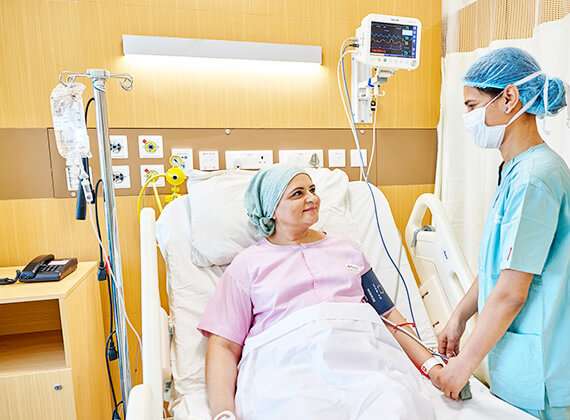
Comprehensive Medical Oncology Services at Deepam Hospitals
Cancer treatment is highly individualised because every patient, every tumour, and every stage of disease is different. Effective cancer care requires accurate diagnosis, careful treatment planning, continuous monitoring, and coordinated support throughout the treatment journey. At Deepam Hospitals, our Medical Oncology Department provides comprehensive systemic cancer treatment using evidence-based therapies designed to control disease, improve quality of life, and support long-term patient wellbeing.
Under the care of our Consultant – Medical Oncology (MBBS, MD), every patient receives a personalised treatment plan developed after evaluating the type of cancer, stage of disease, overall health, previous treatments, and individual treatment goals. Our multidisciplinary approach ensures patients receive comprehensive cancer care from diagnosis through treatment, recovery, and survivorship.
Comprehensive Cancer Evaluation
Every cancer diagnosis requires a detailed clinical evaluation before treatment begins. Understanding the characteristics of the disease helps determine the most appropriate treatment approach for each patient.
Our comprehensive cancer evaluation includes:
- Detailed medical history
- Review of previous investigations
- Physical examination
- Cancer staging assessment
- Review of biopsy and pathology reports
- Imaging study evaluation
- Laboratory investigation review
- Assessment of overall health and fitness
- Treatment goal discussion
- Personalised oncology treatment planning
A thorough evaluation ensures every patient receives an individualised treatment strategy based on clinical evidence.
Chemotherapy Services
Chemotherapy remains one of the most commonly used systemic cancer treatments. It works by targeting rapidly growing cancer cells and may be recommended as the primary treatment or in combination with surgery, radiation therapy, or other cancer treatments.
Our chemotherapy services include:
- Pre-treatment assessment
- Individualised chemotherapy planning
- Safe chemotherapy administration
- Monitoring during treatment
- Side effect assessment
- Supportive medication management
- Treatment response evaluation
- Scheduled follow-up care
Every chemotherapy plan is carefully tailored according to the patient's diagnosis, treatment goals, and overall health.
Targeted Therapy
Targeted therapy uses medicines designed to act on specific molecules or genetic changes involved in cancer growth. Unlike traditional chemotherapy, these treatments are selected based on the biological characteristics of the cancer.
Targeted therapy may be recommended for:
- Cancers with specific molecular markers
- Advanced cancers
- Selected recurrent cancers
- Certain lung cancers
- Breast cancers with targeted treatment options
- Colorectal cancers with appropriate biomarkers
- Other cancers where targeted medicines are clinically indicated
- Long-term disease control in selected patients
Treatment recommendations are based on tumour characteristics and established clinical guidelines.
Immunotherapy
Immunotherapy helps the body's immune system recognise and respond more effectively to certain types of cancer. It has become an important treatment option for selected cancers based on individual eligibility.
Our immunotherapy services include:
- Patient eligibility assessment
- Treatment planning
- Immunotherapy administration
- Monitoring for treatment response
- Management of treatment-related side effects
- Regular clinical review
- Ongoing disease assessment
- Long-term follow-up
Careful monitoring helps ensure treatment remains safe and effective throughout the course of therapy.
Hormone Therapy
Some cancers depend on hormones for growth. Hormone therapy works by reducing the effect of these hormones or blocking their action, helping slow or control disease progression.
Hormone therapy may be considered for:
- Hormone-sensitive breast cancer
- Prostate cancer
- Selected gynaecological cancers
- Long-term maintenance treatment
- Prevention of cancer recurrence in appropriate patients
- Combination treatment strategies
- Adjuvant therapy
- Advanced hormone-responsive cancers
The decision to use hormone therapy depends on the type of cancer and individual clinical evaluation.
Supportive Cancer Care
Cancer treatment involves more than controlling the disease. Supportive care focuses on improving comfort, managing treatment-related side effects, maintaining nutrition, and enhancing overall quality of life throughout the cancer journey.
Supportive care services include:
- Symptom management
- Pain management coordination
- Nutritional guidance
- Fatigue management
- Emotional wellbeing support
- Infection risk assessment
- Treatment side effect monitoring
- Patient and caregiver education
Comprehensive supportive care helps patients continue treatment safely while maintaining daily function and wellbeing.
Cancer Symptom Management
Cancer and its treatment may produce symptoms that require ongoing medical attention. Early management helps improve comfort and supports better treatment tolerance.
Our team provides management for symptoms such as:
- Cancer-related pain
- Fatigue
- Loss of appetite
- Nausea and vomiting
- Weight loss
- Anaemia-related symptoms
- Treatment-related discomfort
- General symptom monitoring
Individualised symptom management forms an important part of comprehensive oncology care.
Diagnostic Monitoring & Treatment Response Assessment
Continuous evaluation throughout treatment helps determine how well therapy is working and whether adjustments are required.
Monitoring may include:
- Clinical assessment
- Laboratory investigations
- Imaging review
- Treatment response evaluation
- Side effect monitoring
- Disease progression assessment
- Medication review
- Long-term surveillance planning
Regular monitoring supports informed clinical decisions and personalised cancer management.
Cancer Survivorship & Follow-Up Care
Cancer care continues even after active treatment is completed. Long-term follow-up helps monitor recovery, detect recurrence early when possible, manage late treatment effects, and support overall health.
Survivorship care may include:
- Scheduled follow-up consultations
- Clinical examinations
- Surveillance investigations
- Lifestyle counselling
- Nutrition guidance
- Management of long-term treatment effects
- Psychological wellbeing support
- Health maintenance planning
Long-term follow-up remains an essential part of comprehensive cancer care.
Cancers We Commonly Manage
Our Medical Oncology Department provides comprehensive care for a wide range of cancers, including:
- Breast cancer
- Lung cancer
- Colorectal cancer
- Prostate cancer
- Ovarian cancer
- Cervical cancer
- Stomach cancer
- Liver cancer
- Pancreatic cancer
- Blood cancers
- Head and neck cancers
- Other solid organ malignancies
Every treatment plan is individualised according to the patient's diagnosis, cancer stage, and long-term treatment objectives.
Multidisciplinary Cancer Care
Successful cancer treatment often requires collaboration between multiple specialties to provide comprehensive care throughout diagnosis, treatment, and recovery.
Our Medical Oncology Department works closely with:
- Surgical Oncology
- General Surgery
- Radiation Oncology
- Pathology
- Radiology & Imaging
- General Medicine
- Nutrition & Dietetics
- Palliative Care
This coordinated multidisciplinary approach ensures every patient receives comprehensive, evidence-based cancer care throughout their treatment journey.
Medical Oncology Services at a Glance
| Service | Purpose | Who Can Benefit |
|---|---|---|
| Comprehensive Cancer Evaluation | Determines the type, stage, and treatment approach | Patients with suspected or confirmed cancer |
| Chemotherapy Services | Provides systemic treatment to control cancer | Patients requiring chemotherapy |
| Targeted Therapy | Delivers precision treatment based on tumour biology | Patients with eligible cancers |
| Immunotherapy | Enhances the immune response against selected cancers | Patients suitable for immunotherapy |
| Hormone Therapy | Treats hormone-sensitive cancers | Patients with appropriate cancer types |
| Supportive Cancer Care | Improves comfort and treatment tolerance | Patients undergoing cancer treatment |
| Treatment Monitoring | Evaluates treatment effectiveness and safety | Patients receiving ongoing oncology care |
| Survivorship & Follow-Up Care | Supports long-term health after treatment | Cancer survivors requiring continued monitoring |
Comprehensive Cancer Care Focused on Treatment, Recovery & Quality of Life
Cancer care extends far beyond treating the disease itself. At Deepam Hospitals, our Medical Oncology Department is committed to delivering personalised, evidence-based treatment while supporting patients physically, emotionally, and medically throughout every stage of their cancer journey. Through advanced systemic therapies, continuous monitoring, multidisciplinary collaboration, and compassionate supportive care, we strive to help every patient achieve the best possible treatment outcomes and long-term quality of life.
Meet Your Medical Oncologist
Consultant – Medical Oncology
Medical Oncology Specialist
A cancer diagnosis requires more than medical treatment—it requires a personalised, evidence-based approach that considers the patient's type of cancer, stage of disease, overall health, treatment goals, and quality of life. Our Consultant – Medical Oncology (MBBS, MD) is committed to delivering comprehensive cancer care through accurate diagnosis, advanced systemic therapies, continuous treatment monitoring, and compassionate patient support.
Every patient receives an individualised treatment plan developed after careful clinical evaluation and multidisciplinary discussion. From newly diagnosed cancers to advanced disease requiring long-term management, our Medical Oncology team focuses on providing effective treatment while helping patients manage treatment-related side effects, maintain daily wellbeing, and navigate every stage of their cancer journey with confidence.
Our areas of expertise include chemotherapy, targeted therapy, immunotherapy, hormone therapy, supportive oncology care, symptom management, treatment monitoring, survivorship planning, and multidisciplinary cancer management.
Your Cancer Care Journey at Deepam Hospitals
Every patient's cancer journey is unique. At Deepam Hospitals, we follow a structured care pathway that ensures patients receive timely diagnosis, personalised treatment, continuous monitoring, and long-term support throughout every phase of cancer care.
Step 1 – Comprehensive Cancer Assessment
Your journey begins with a detailed consultation that includes reviewing your symptoms, medical history, biopsy reports, imaging studies, laboratory investigations, previous treatments, and overall health. This helps us understand your diagnosis and determine the most appropriate treatment approach.
Step 2 – Personalised Treatment Planning
Following evaluation, an individualised treatment plan is developed based on the type of cancer, stage of disease, biological characteristics of the tumour, overall health, and personal treatment goals. Every recommendation is discussed with the patient and family to support informed decision-making.
Step 3 – Systemic Cancer Treatment
Treatment may include chemotherapy, targeted therapy, immunotherapy, hormone therapy, or a combination of therapies depending on the diagnosis. Throughout treatment, patients are closely monitored to assess response, manage side effects, and maintain overall health.
Step 4 – Ongoing Monitoring & Supportive Care
Regular follow-up appointments allow the oncology team to monitor treatment effectiveness, review investigations, manage symptoms, address treatment-related side effects, and provide supportive care whenever needed.
Step 5 – Recovery, Survivorship & Long-Term Follow-Up
After active treatment, continued follow-up focuses on monitoring recovery, detecting recurrence when possible, managing long-term treatment effects, promoting healthy living, and supporting patients as they transition into survivorship.
Preparing for Your Medical Oncology Consultation
Bringing complete medical information helps your Medical Oncologist understand your diagnosis and develop the most appropriate treatment plan.
Before your consultation, it is helpful to bring:
- Previous biopsy and pathology reports
- Imaging reports (CT, MRI, PET-CT, or other scans)
- Blood investigation reports
- Previous hospital discharge summaries
- Details of earlier cancer treatments, if applicable
- Current prescription medications
- A list of existing medical conditions
- Questions you would like to discuss regarding your treatment
Providing complete medical records supports accurate evaluation and personalised treatment planning.
Living Well During Cancer Treatment
Cancer treatment can affect each patient differently. Along with medical therapy, healthy daily habits and supportive care can improve comfort, treatment tolerance, and overall wellbeing.
During treatment, patients are encouraged to:
- Take medications exactly as prescribed
- Maintain a balanced and nutritious diet
- Stay adequately hydrated
- Get sufficient rest and quality sleep
- Remain physically active within medically advised limits
- Attend all scheduled treatment and follow-up appointments
- Report new or worsening symptoms promptly
- Seek emotional support from family members or healthcare professionals whenever needed
Following your treatment plan consistently helps support recovery and improve overall quality of life.
Recovery & Long-Term Cancer Survivorship
Completing cancer treatment is an important milestone, but continued medical follow-up remains essential. Regular reviews allow the healthcare team to monitor overall health, identify any long-term treatment effects, and provide guidance that supports continued wellbeing.
Long-term survivorship care may include:
- Scheduled follow-up consultations
- Surveillance investigations when appropriate
- Monitoring for treatment-related effects
- Healthy lifestyle counselling
- Nutritional guidance
- Physical activity recommendations
- Emotional wellbeing support
- Ongoing communication with the oncology team
Survivorship care helps patients maintain their health while supporting long-term recovery and quality of life.
Frequently Asked Questions
You should consult a Medical Oncologist if cancer has been diagnosed, if investigations strongly suggest cancer, or if you have been referred by another specialist for systemic cancer treatment or further evaluation.
No. Cancer treatment is personalised according to the type of cancer, stage, tumour biology, overall health, previous treatments, and individual treatment goals.
Yes. Depending on the diagnosis, chemotherapy may be combined with surgery, radiation therapy, targeted therapy, immunotherapy, hormone therapy, or other treatment approaches as part of a comprehensive cancer care plan.
The frequency of follow-up depends on the type of cancer, treatment plan, response to therapy, and your overall health. Your Medical Oncologist will recommend an appropriate follow-up schedule.
Yes. Many treatment-related side effects can be reduced or managed through supportive medications, nutritional guidance, symptom management, and regular medical monitoring.
Cancer often requires input from multiple specialists. Collaboration between Medical Oncology, Surgical Oncology, Radiation Oncology, Pathology, Radiology, and other specialties helps ensure patients receive comprehensive and coordinated treatment.
Yes. Regular follow-up appointments are important for monitoring recovery, assessing overall health, identifying treatment-related effects, and detecting recurrence early when clinically appropriate.
Healthy nutrition, regular physical activity within medical guidance, adequate sleep, avoiding tobacco, limiting alcohol, and attending scheduled follow-up appointments can support overall wellbeing during and after cancer treatment.
Related Departments
Our Medical Oncology Department works closely with multiple specialties to provide comprehensive cancer care, including:
- General Surgery
- Surgical Oncology
- Radiation Oncology
- General Medicine
- Pathology
- Radiology & Imaging
- Nutrition & Dietetics
- Palliative Care
This multidisciplinary approach ensures patients receive coordinated care throughout diagnosis, treatment, recovery, and long-term survivorship.
Medical Disclaimer
The information provided on this page is intended for educational purposes only and should not replace professional medical advice, diagnosis, or treatment. Cancer diagnosis and treatment require individual clinical evaluation, appropriate investigations, and personalised medical planning. Treatment recommendations vary depending on the type of cancer, stage of disease, overall health, and other clinical factors. If you have been diagnosed with cancer or experience persistent symptoms that may require medical evaluation, consult a qualified healthcare professional promptly for appropriate assessment and treatment.
Compassionate Cancer Care Focused on Hope, Healing & Recovery
Cancer care is a journey that requires medical expertise, personalised treatment, and continuous support. Whether you have recently been diagnosed, are beginning treatment, or require ongoing follow-up, receiving comprehensive oncology care can make a meaningful difference in treatment outcomes and quality of life.
Consult our Medical Oncology team at Deepam Hospitals, Maraimalai Nagar, for personalised cancer treatment, advanced systemic therapies, compassionate supportive care, and long-term oncology follow-up tailored to your individual healthcare needs.
Contact Us