- For appointment (+91) 97904 97905
24/7 Emergency & Intensive Care Unit (ICU) in Guduvanchery
Immediate Emergency Medical Care When Every Second Matters
Medical emergencies can occur unexpectedly and often require immediate attention to protect health, prevent complications, and save lives. Whether it is a sudden illness, accident, injury, breathing difficulty, severe infection, chest pain, stroke symptoms, or another critical condition, timely medical intervention is essential.
Emergency medicine focuses on the rapid assessment, diagnosis, stabilization, and treatment of patients experiencing urgent or life-threatening medical conditions. In many situations, prompt medical care can significantly influence patient outcomes and recovery.
At Deepam Hospitals, Guduvanchery, our 24/7 Emergency & Intensive Care Unit (ICU) is dedicated to providing round-the-clock emergency medical services for patients of all age groups. Supported by a multidisciplinary team of doctors, specialists, nurses, and critical care professionals, we are prepared to manage a wide range of medical, surgical, traumatic, and critical healthcare emergencies.
Deepam Hospitals is a trusted healthcare network with multispeciality hospitals in Tambaram, Guduvanchery, and Singaperumal Koil (SP Koil), supported by healthcare centres in Perungalathur, Urapakkam, and Maraimalai Nagar. We proudly serve patients from Guduvanchery, Potheri, Kattankulathur, Maraimalai Nagar, Chengalpattu, Vandalur, and surrounding communities with accessible emergency and critical care services available 24 hours a day.
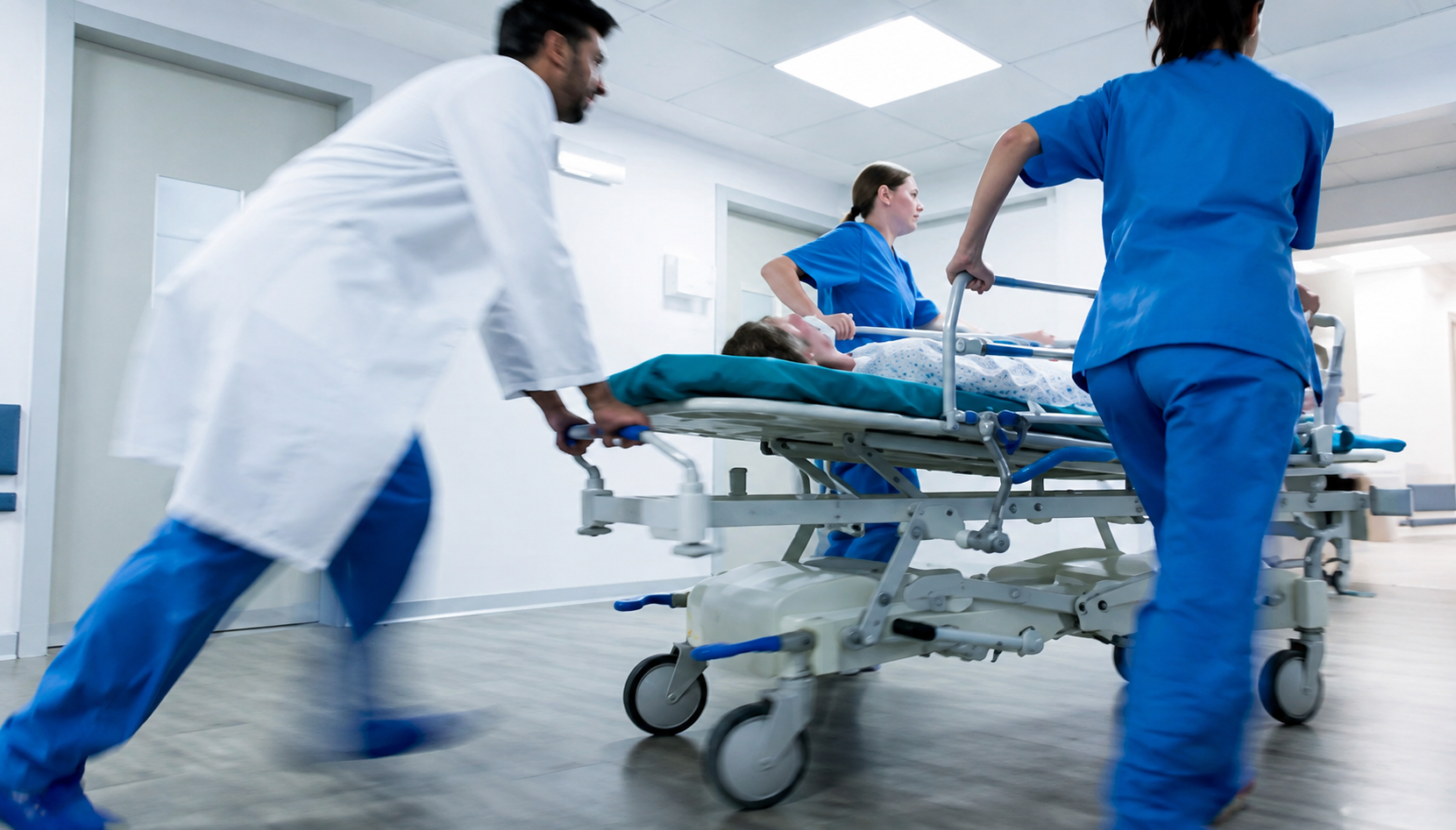
Your Emergency Care Questions Answered
Understanding when to seek emergency medical attention can help individuals and families respond appropriately during urgent situations.
What Is an Emergency Department?
An emergency department is a specialized healthcare facility designed to provide immediate medical assessment, stabilization, diagnosis, and treatment for urgent and life-threatening conditions.
When Should I Visit an Emergency Hospital?
You should seek emergency medical care if you experience symptoms such as severe chest pain, breathing difficulty, signs of stroke, major injuries, severe bleeding, sudden loss of consciousness, or any condition requiring immediate medical attention.
What Is an Intensive Care Unit (ICU)?
An Intensive Care Unit (ICU) is a specialized hospital unit that provides continuous monitoring and advanced medical support for critically ill patients who require close observation and intensive treatment.
What Conditions May Require ICU Care?
Patients with severe infections, respiratory failure, major trauma, cardiac emergencies, neurological emergencies, or other critical illnesses may require ICU admission based on their medical condition.
What Happens During an Emergency Visit?
Emergency teams rapidly assess the patient's condition, prioritize care based on severity, perform necessary evaluations, provide immediate treatment, and determine the appropriate level of ongoing care.
Why Is Timely Emergency Treatment Important?
Prompt medical intervention can help reduce complications, support stabilization, improve outcomes, and provide timely access to life-saving treatments when needed.
Why Is Timely Emergency Treatment Important?
Emergencies require rapid response, coordinated care, and access to medical expertise at all times. At Deepam Hospitals, our emergency and critical care services are designed to provide immediate support whenever patients need urgent medical attention.
24/7 Emergency Availability
Our emergency department operates around the clock to provide continuous medical care for urgent and critical health situations.
Multispeciality Medical Support
Emergency patients have access to specialists from various departments depending on the nature and severity of their condition.
Rapid Assessment & Stabilization
Prompt evaluation helps identify urgent medical concerns and initiate appropriate treatment without delay.
Critical Care & ICU Support
Patients requiring intensive monitoring and advanced medical management can receive care in a dedicated ICU environment.
Comprehensive Emergency Services
We manage a broad range of medical, surgical, traumatic, and critical healthcare emergencies affecting patients of all ages.
What Is Emergency Medicine?
Emergency medicine is a specialized field of healthcare focused on the immediate evaluation, diagnosis, treatment, and stabilization of acute illnesses, injuries, and medical emergencies.
Emergency teams are trained to manage conditions that require urgent intervention, including situations where delays in treatment may increase the risk of serious complications.
Emergency Medicine Focuses On
- Rapid medical assessment
- Emergency diagnosis
- Patient stabilization
- Critical care support
- Trauma management
- Acute illness treatment
- Emergency procedures
- Coordination of specialist care
This specialty plays a vital role in protecting health during urgent and life-threatening situations.
Common Medical Emergencies
Emergency departments provide care for a wide range of conditions that require immediate medical attention.
Cardiac Emergencies
Heart-related emergencies may present suddenly and require urgent medical evaluation.
Examples include:
- Chest pain
- Suspected heart attack
- Severe palpitations
- Sudden cardiovascular symptoms
Neurological Emergencies
Conditions affecting the brain and nervous system often require rapid intervention.
Examples include:
- Stroke symptoms
- Sudden weakness
- Loss of consciousness
- Seizures
- Acute neurological changes
Respiratory Emergencies
Breathing difficulties can become life-threatening if not treated promptly.
Examples include:
- Severe shortness of breath
- Acute respiratory distress
- Severe asthma attacks
- Sudden breathing difficulties
Trauma & Injury Emergencies
Accidents and injuries may require immediate medical attention to prevent complications.
Examples include:
- Road traffic accidents
- Falls
- Fractures
- Head injuries
- Severe wounds
Severe Infections & Acute Illnesses
Certain infections and medical conditions can progress rapidly and require urgent care.
Examples include:
- High fever with complications
- Severe dehydration
- Fractures
- Acute infections
- Sudden worsening of chronic illnesses
Severe Infections & Acute Illnesses
Recognizing warning signs early can help individuals seek medical care before a condition becomes more serious.
Seek Emergency Care Immediately If You Experience
- Severe chest pain
- Difficulty breathing
- Sudden weakness or paralysis
- Loss of consciousness
- Severe bleeding
- Major injuries
- Seizures
- Severe allergic reactions
- Persistent severe abdominal pain
- Sudden confusion
- Serious head injuries
- Signs of stroke
These symptoms should never be ignored and require immediate evaluation by healthcare professionals.
Understanding Critical Care & Intensive Monitoring
Some patients require advanced medical support beyond routine hospital care. Critical care services focus on patients who need continuous monitoring and intensive treatment due to serious or life-threatening medical conditions.
Critical Care May Be Required For
- Severe infections
- Respiratory failure
- Major trauma
- Cardiac emergencies
- Neurological emergencies
- Complex medical conditions requiring intensive monitoring
The goal of critical care is to provide close observation, advanced medical support, and timely interventions during serious health events.
Why Early Emergency Intervention Matters
In emergency medicine, early treatment can often make a significant difference in patient outcomes. Delays in seeking care may increase the risk of complications and affect recovery.
Benefits of Timely Emergency Care
- Rapid medical evaluation
- Early diagnosis
- Immediate treatment initiation
- Stabilization of critical conditions
- Reduced risk of complications
- Access to specialist support
- Continuous monitoring when required
- Improved patient safety
Seeking medical attention promptly can help ensure appropriate treatment during urgent situations.
Trusted Emergency Care When You Need It Most
Medical emergencies require immediate action, skilled healthcare professionals, and access to advanced medical support. Whether facing an unexpected illness, injury, accident, or critical health event, timely care can be crucial.
At Deepam Hospitals, our 24/7 Emergency & Intensive Care Unit is committed to providing comprehensive emergency medical services, rapid response, critical care support, and coordinated multispeciality management. Our goal is to ensure that patients receive prompt, compassionate, and evidence-based care whenever urgent medical needs arise.
Emergency Medical Services
Emergency medical care involves the rapid evaluation and treatment of patients experiencing urgent health conditions that require immediate attention. The primary goal is to stabilize the patient, identify the underlying medical issue, and initiate appropriate treatment without delay.
Core Components of Emergency Care
- Immediate patient assessment
- Emergency diagnosis
- Stabilization of vital functions
- Urgent medical intervention
- Continuous monitoring
- Coordination with specialists when required
Efficient emergency care helps ensure that patients receive timely medical support during critical situations.
Trauma & Accident Care
Accidents and traumatic injuries can occur unexpectedly and often require prompt medical evaluation. Trauma care focuses on identifying injuries, stabilizing patients, and preventing complications.
Common Trauma Situations
- Road traffic accidents
- Workplace injuries
- Sports-related injuries
- Falls and fractures
- Head injuries
- Soft tissue injuries
Trauma Care Priorities
- Assessment of injuries
- Stabilization of the patient
- Pain management
- Monitoring for complications
- Coordination of surgical or specialist care when needed
Early intervention is often essential in reducing the impact of traumatic injuries.
Cardiac Emergencies
Heart-related emergencies require immediate medical attention because delays in treatment may increase the risk of serious complications.
Conditions Commonly Seen in Emergency Settings
- Chest pain
- Suspected heart attack
- Irregular heart rhythms
- Acute cardiac symptoms
- Sudden cardiovascular instability
Emergency Cardiac Care Focuses On
- Rapid evaluation
- Cardiac monitoring
- Stabilization
- Diagnostic assessment
- Specialist consultation
- Ongoing observation when required
Prompt cardiac care can play a critical role in patient outcomes.

Stroke & Neurological Emergencies
Neurological emergencies often require urgent diagnosis and treatment because the brain and nervous system are highly sensitive to interruptions in blood flow and other acute conditions.
Common Neurological Emergencies
- Stroke
- Seizures
- Sudden weakness
- Loss of consciousness
- Acute neurological symptoms
- Severe head injuries
Importance of Rapid Evaluation
Early medical assessment helps identify the cause of symptoms and supports timely treatment decisions during neurological emergencies.
Respiratory Emergencies
Breathing difficulties can quickly become life-threatening if not addressed promptly. Respiratory emergencies require immediate assessment and close monitoring.
Common Respiratory Emergencies
- Severe shortness of breath
- Acute asthma attacks
- Respiratory distress
- Airway-related emergencies
- Severe respiratory infections
Emergency Respiratory Care May Include
- Airway assessment
- Oxygen support when required
- Monitoring of breathing status
- Treatment of underlying causes
Timely intervention helps support adequate oxygenation and patient stability.
Emergency Care for Infections & Acute Illnesses
Certain infections and acute medical conditions may progress rapidly and require urgent treatment, particularly in vulnerable individuals such as children, older adults, and those with chronic illnesses.
Conditions That May Require Emergency Evaluation
- Severe infections
- High fever with complications
- Severe dehydration
- Acute abdominal conditions
- Sudden worsening of chronic diseases
- Serious systemic illnesses
Emergency Management Goals
- Identify the underlying cause
- Stabilize the patient
- Prevent complications
- Initiate appropriate treatment
- Monitor clinical response
Prompt care is important when symptoms become severe or rapidly worsen.
Intensive Care Unit (ICU)
The Intensive Care Unit is designed for patients who require advanced medical support and continuous observation due to serious or life-threatening illnesses.
Patients Who May Require ICU Admission
- Critically ill patients
- Severe respiratory conditions
- Major trauma cases
- Serious infections
- Cardiac emergencies
- Neurological emergencies
- Patients requiring intensive monitoring
ICU Care Focuses On
- Continuous observation
- Advanced medical support
- Intensive treatment
- Frequent reassessment
- Multidisciplinary management
The ICU environment allows healthcare professionals to closely monitor patients and respond rapidly to changes in their condition.
Critical Care Monitoring
Critically ill patients often require continuous monitoring to assess their condition and guide treatment decisions.
Areas Commonly Monitored
- Heart function
- Breathing status
- Blood pressure
- Oxygen levels
- Neurological status
- Overall clinical stability
Benefits of Continuous Monitoring
- Early detection of changes
- Timely intervention
- Improved patient safety
- Ongoing treatment assessment
- Enhanced clinical decision-making
Close monitoring is a key component of effective critical care management.
Multispeciality Emergency Support
Emergency situations often involve multiple body systems and may require expertise from different medical specialties.
Specialist Support May Include
- Internal Medicine
- Cardiology
- Neurology
- Orthopaedics
- General Surgery
- Pulmonology
- Nephrology
- ENT
- Paediatrics
- Psychiatry and other specialties when required
This collaborative approach helps ensure comprehensive evaluation and coordinated patient care.
Advanced Emergency Response
Emergency care requires rapid coordination between healthcare professionals, diagnostic services, treatment teams, and critical care resources.
Components of Effective Emergency Response
- Fast patient triage
- Timely diagnosis
- Immediate stabilization
- Specialist involvement
- Critical care support
- Ongoing patient monitoring
An organized emergency response system helps provide efficient and timely medical care for patients experiencing urgent health conditions.
Emergency Care for Patients of All Age Groups
Medical emergencies can affect individuals at any stage of life. Emergency services are designed to address the healthcare needs of:
Patients Across All Age Groups
- Infants and children
- Adolescents
- Adults
- Senior citizens
Each patient receives individualized assessment and treatment based on their specific condition and healthcare requirements.
Comprehensive Emergency & Critical Care Services
Emergency medicine extends beyond immediate treatment. It involves coordinated assessment, stabilization, monitoring, specialist consultation, and ongoing care when necessary.
At Deepam Hospitals, our emergency and critical care services focus on:
Comprehensive Emergency Care
- 24/7 emergency medical services
- Trauma and accident care
- Cardiac emergency management
- Neurological emergency evaluation
- Respiratory emergency support
- Acute illness management
- Intensive care services
- Critical patient monitoring
- Multispeciality medical collaboration
- Continuous emergency response
Our goal is to provide timely, evidence-based, and patient-centred care during urgent and life-threatening medical situations.
Delivering Timely Care During Critical Moments
Emergencies require rapid action, accurate clinical decision-making, and coordinated healthcare support. Access to emergency medical services and critical care resources can make a significant difference when urgent treatment is needed.
At Deepam Hospitals, our Emergency Department and Intensive Care Unit work together to provide immediate medical attention, advanced monitoring, specialist support, and comprehensive care for patients facing serious health conditions. Through round-the-clock availability and a multidisciplinary approach, we remain committed to supporting patients and families during critical moments.
Our 24/7 Emergency & ICU Care Approach
Medical emergencies can be stressful and unpredictable for both patients and their families. At Deepam Hospitals, our Emergency Department and Intensive Care Unit are designed to provide prompt medical attention, continuous monitoring, and coordinated care for patients requiring urgent treatment.
Our emergency and critical care services are supported by a multidisciplinary team of healthcare professionals who work together to assess, stabilize, diagnose, and manage a wide range of medical emergencies.
Our Emergency Care Priorities
- Rapid patient assessment
- Immediate stabilization
- Timely diagnosis
- Continuous monitoring
- Specialist consultation when required
- Individualized treatment planning
- Ongoing critical care support
- Patient safety and comfort
This coordinated approach helps ensure that patients receive appropriate medical attention during urgent and life-threatening situations.
What to Expect During an Emergency Visit
Understanding the emergency care process can help reduce anxiety during stressful situations.
Initial Triage Assessment
Upon arrival, patients undergo a triage evaluation where healthcare professionals assess the severity of symptoms and prioritize treatment based on medical urgency.
Medical Evaluation
A detailed clinical assessment is performed to understand the patient's condition, symptoms, medical history, and immediate healthcare needs.
Diagnostic Support
Depending on the clinical situation, diagnostic investigations may be recommended to support diagnosis and treatment planning.
Immediate Treatment
Emergency interventions are initiated based on the patient's condition to stabilize vital functions and address urgent medical concerns.
Ongoing Monitoring
Patients may continue to receive observation, monitoring, specialist consultation, inpatient care, or ICU support depending on their medical requirements.
Family Support During Critical Care
Serious illnesses and emergencies can be challenging for families. Effective communication and compassionate support are important aspects of emergency and critical care.
Our Focus Includes
- Clear communication regarding patient status
- Timely updates when appropriate
- Coordination of specialist consultations
- Guidance regarding ongoing care needs
- Supportive and patient-centred care
Healthcare decisions are made based on the patient's clinical condition, medical needs, and professional medical judgment.
Frequently Asked Questions
An emergency medical condition is a serious illness or injury that requires immediate medical attention to prevent significant health complications or potential loss of life.
Emergency care should be sought for severe symptoms such as chest pain, difficulty breathing, stroke symptoms, major injuries, severe bleeding, seizures, loss of consciousness, or other urgent medical concerns.
Emergency care focuses on urgent and potentially life-threatening conditions that require immediate evaluation and treatment, whereas routine care addresses non-urgent health concerns and preventive healthcare.
The ICU is a specialized hospital unit where critically ill patients receive continuous monitoring, advanced medical support, and intensive treatment.
Patients with severe infections, respiratory failure, major trauma, cardiac emergencies, neurological emergencies, or other critical illnesses may require ICU care based on medical assessment.
Yes. Emergency patients may receive support from specialists across multiple departments depending on their condition and healthcare needs.
If available, it is helpful to bring previous medical records, medication details, identification documents, and information regarding existing medical conditions. However, emergency treatment should never be delayed if such information is unavailable.
Yes. Emergency services are available for patients of all age groups, including infants, children, adolescents, adults, and senior citizens.
Timely medical intervention can help stabilize serious conditions, reduce complications, and improve opportunities for effective treatment.
Seek immediate medical attention by visiting the nearest emergency department or contacting emergency medical services without delay.
Why Families Trust Deepam Hospitals for Emergency Care in Guduvanchery
Families choose Deepam Hospitals because of our commitment to providing timely, comprehensive, and patient-focused emergency medical services.
Our Strengths Include
- 24/7 emergency medical services
- Round-the-clock critical care support
- Multispeciality specialist availability
- Rapid patient assessment and triage
- Intensive Care Unit services
- Trauma and accident care
- Emergency care for all age groups
- Continuous patient monitoring
- Evidence-based medical practices
- Accessible healthcare network across multiple locations
Our focus is on delivering safe, coordinated, and compassionate care during medical emergencies and critical health situations.
Medical Disclaimer
The information provided on this page is for educational purposes only and should not be considered medical advice, diagnosis, or treatment. Always consult a qualified healthcare professional for personalised medical guidance. In case of a medical emergency, seek immediate medical attention or visit the nearest hospital.
Emergency Medical Care Available 24 Hours a Day
Medical emergencies can occur at any time and often require immediate professional attention. Delaying treatment may increase the risk of complications and worsen health outcomes.
At Deepam Hospitals, Guduvanchery, our 24/7 Emergency Department and Intensive Care Unit remain available around the clock to provide urgent medical assessment, stabilization, critical care support, and specialist consultation whenever needed.
Whether facing a sudden illness, accident, injury, breathing difficulty, severe infection, cardiac emergency, neurological emergency, or another urgent medical condition, our healthcare team is prepared to provide timely and appropriate medical care.
Seek Immediate Medical Attention For:
- Severe chest pain
- Difficulty breathing
- Stroke symptoms
- Loss of consciousness
- Severe bleeding
- Major injuries
- Seizures
- Serious allergic reactions
- Sudden confusion
- Severe abdominal pain
- Any condition that appears life-threatening
For medical emergencies, do not delay seeking professional medical care. Immediate evaluation can be critical in protecting health and supporting recovery.
Contact Us