- For appointment (+91) 97904 97905
Sports Medicine Hospital in Guduvanchery
Expert Care for Sports Injuries, Joint Health & Active Living
Physical activity, sports participation, fitness training, and recreational exercise offer numerous health benefits. However, sports and exercise-related activities can sometimes lead to injuries affecting muscles, joints, ligaments, tendons, and bones. Whether you are a professional athlete, fitness enthusiast, student athlete, or recreational sports participant, timely medical attention is important for proper recovery and long-term musculoskeletal health.
Sports injuries can occur suddenly due to trauma or develop gradually from repetitive stress and overuse. Ignoring pain, swelling, instability, or movement limitations may increase the risk of prolonged recovery and recurrent injury. Early diagnosis and appropriate treatment play a vital role in helping individuals return safely to their daily activities and sports participation.
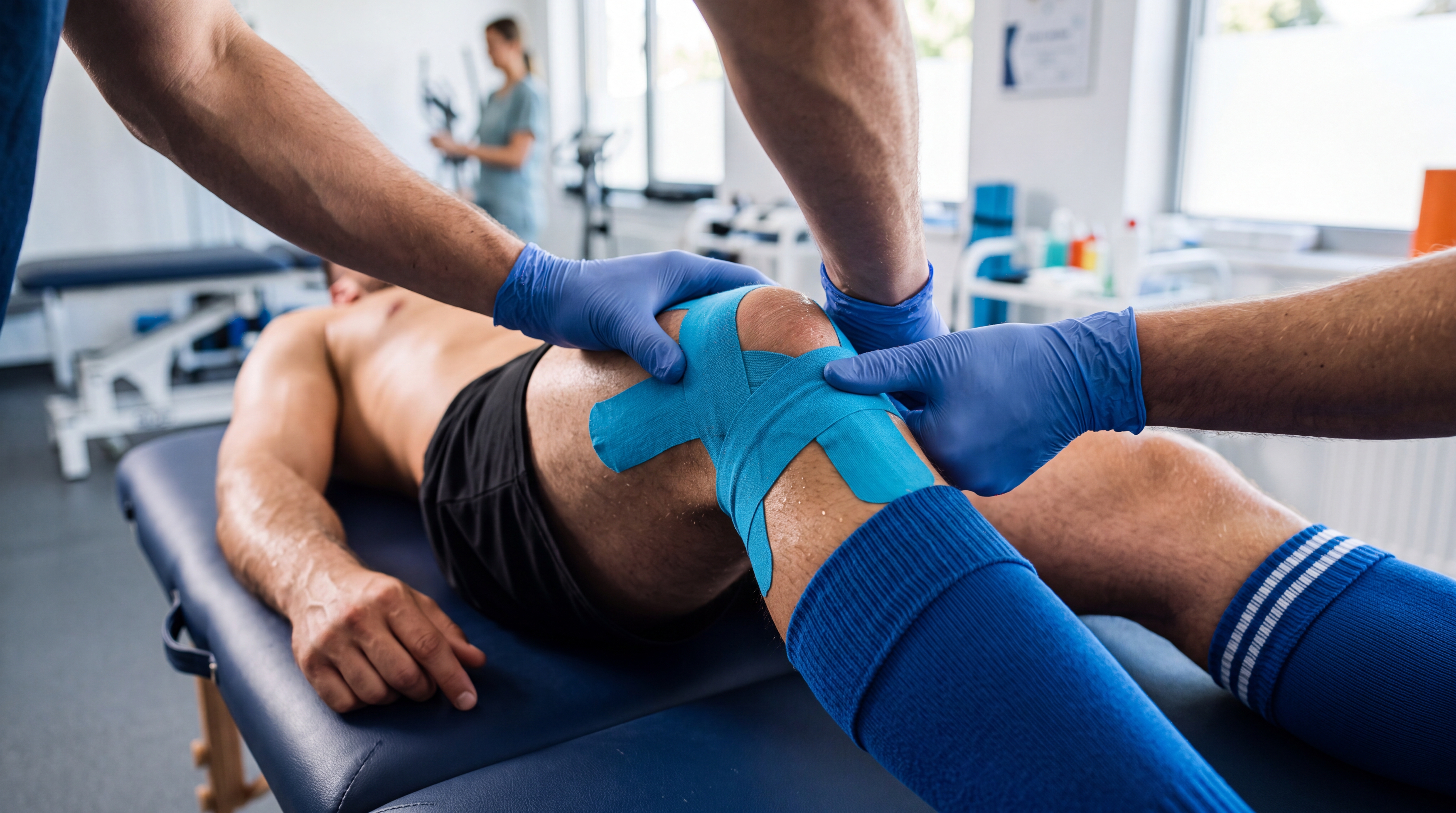
At Deepam Hospitals, Guduvanchery, our Sports Medicine Department focuses on the prevention, evaluation, treatment, rehabilitation, and recovery of sports-related and exercise-related injuries. We provide comprehensive care for patients experiencing musculoskeletal injuries, movement-related conditions, and physical activity-related health concerns.
Deepam Hospitals is a trusted healthcare network with multispeciality hospitals in Tambaram, Guduvanchery, and Singaperumal Koil (SP Koil), supported by healthcare centres in Perungalathur, Urapakkam, and Maraimalai Nagar. We proudly serve patients across Guduvanchery, Potheri, Kattankulathur, Maraimalai Nagar, Chengalpattu, Vandalur, and surrounding communities with specialized sports injury care and orthopaedic support.
Your Sports Injury Questions Answered
Sports injuries can affect people of all ages and activity levels. Understanding when to seek medical attention can help prevent complications and support a faster recovery.
What Does a Sports Medicine Specialist Treat?
A sports medicine specialist evaluates and manages injuries involving muscles, ligaments, tendons, joints, and bones that occur during sports, exercise, physical activity, or repetitive movement.
When Should I See a Sports Medicine Doctor?
You should seek evaluation if you experience persistent joint pain, swelling, instability, muscle injuries, limited movement, recurring sports injuries, or pain that affects athletic performance or daily activities.
What Are Most Common Sports Injuries?
Common sports injuries include ligament injuries, muscle strains, tendon injuries, knee injuries, shoulder injuries, ankle sprains, overuse injuries, and joint-related problems.
Can Sports Injuries Occur Without Playing Professional Sports?
Yes. Sports injuries can affect anyone involved in physical activity, including gym-goers, runners, cyclists, students, fitness enthusiasts, and individuals participating in recreational sports.
Why Is Early Sports Injury Assessment Important?
Early evaluation helps identify the severity of the injury, prevent further damage, support effective treatment planning, and improve recovery outcomes.
<4 class="cc">Can Repeated Sports Injuries Be Prevented?Many recurring injuries can be reduced through proper rehabilitation, conditioning, training techniques, injury prevention strategies, and timely medical care.
Why Choose Deepam Hospitals for Sports Medicine in Guduvanchery?
Sports injuries require specialized evaluation and a treatment approach that focuses not only on recovery but also on restoring strength, mobility, and functional performance.
Comprehensive Sports Injury Evaluation
We assess sports-related injuries thoroughly to understand the underlying cause and determine the most appropriate treatment plan.
Focus on Functional Recovery
Our goal is to help patients regain mobility, strength, flexibility, and confidence while minimizing the risk of reinjury.
Personalized Treatment Planning
Each patient receives individualized care based on the type of injury, activity level, physical demands, and recovery goals.
Preventive Sports Health Approach
In addition to treatment, we emphasize injury prevention, education, conditioning, and long-term musculoskeletal wellness.
Multidisciplinary Orthopaedic Support
Sports medicine often involves collaboration between orthopaedic specialists, rehabilitation professionals, and healthcare providers to ensure comprehensive care.
What Is Sports Medicine?
Sports medicine is a specialized field focused on the prevention, diagnosis, treatment, rehabilitation, and management of injuries related to sports, exercise, and physical activity.
While athletes commonly seek sports medicine care, the specialty also serves:
- Fitness enthusiasts
- Recreational athletes
- School and college athletes
- Active adults
- Individuals involved in physical labor
- People recovering from movement-related injuries
Sports medicine focuses on restoring function, improving movement, reducing pain, and helping patients safely return to their preferred activities.
The Importance of Musculoskeletal Health
Healthy muscles, joints, ligaments, tendons, and bones are essential for movement, balance, coordination, and physical performance.
When injuries occur, patients may experience:
- Joint pain
- Swelling
- Reduced mobility
- Muscle weakness
- Instability
- Difficulty performing daily activities
- Limitations in sports participation
Proper injury management helps support recovery and reduces the risk of long-term complications affecting mobility and quality of life.
Common Sports & Exercise-Related Injuries
Sports medicine specialists evaluate a wide range of injuries that can affect different parts of the musculoskeletal system.
Ligament Injuries
Ligaments connect bones and help stabilize joints. Ligament injuries may occur due to sudden twisting, impact, or excessive force during sports activities.
Muscle Strains
Muscle injuries may develop when muscle fibers are stretched beyond their normal limits or subjected to excessive stress.
Tendon Injuries
Tendons connect muscles to bones and can become injured due to overuse, repetitive motion, or sudden strain.
Knee Injuries
The knee is one of the most commonly injured joints in sports and physical activities because it is subjected to significant stress during movement.
Shoulder Injuries
Sports involving throwing, lifting, or repetitive upper-body motion may increase the risk of shoulder-related injuries.
Ankle Injuries
Ankle sprains and instability can occur during running, jumping, rapid direction changes, or accidental twisting movements.
Overuse Injuries
Repeated stress on muscles, tendons, or joints over time may result in chronic pain and movement limitations.
Symptoms That Should Not Be Ignored
Some sports injuries may appear minor initially but can worsen if left untreated.
Symptoms That May Require Medical Evaluation
- Persistent joint pain
- Swelling after activity
- Joint instability
- Difficulty bearing weight
- Reduced range of motion
- Muscle weakness
- Recurrent injuries
- Pain during exercise
- Difficulty returning to sports
- Persistent stiffness
- Clicking or locking sensations in joints
- Pain that interferes with daily activities
These symptoms should be evaluated by a qualified healthcare professional to determine the extent of injury and appropriate management.
Who Is at Risk for Sports Injuries?
Sports and exercise-related injuries can affect individuals across different age groups and activity levels.
Common Risk Factors Include
- Sudden increase in physical activity
- Inadequate warm-up routines
- Poor training techniques
- Overtraining
- Previous injuries
- Muscle imbalancess
- Improper footwear
- Lack of conditioning
- Repetitive movement patterns
- Participation in high-impact sports
Recognizing risk factors can help individuals take preventive measures and reduce injury risk.
Why Early Injury Assessment Matters
Delaying medical evaluation after an injury may increase the risk of prolonged recovery, persistent symptoms, and recurrent problems.
Benefits of Early Sports Medicine Evaluation
- Accurate diagnosis
- Early treatment planning
- Reduced risk of further injury
- Improved recovery outcomes
- Better pain management
- Enhanced rehabilitation strategies
- Faster return to daily activities
- Support for long-term joint and muscle health
Prompt medical attention helps patients receive appropriate care and make informed decisions regarding treatment and recovery.
Supporting Active Lifestyles Through Specialized Sports Medicine Care
Whether you are recovering from a sports injury, experiencing exercise-related pain, or seeking guidance on injury prevention, specialized sports medicine care can play an important role in maintaining mobility, performance, and overall musculoskeletal health.
At Deepam Hospitals, our Sports Medicine Department is committed to providing comprehensive injury assessment, evidence-based treatment, rehabilitation support, and preventive care. Through personalized treatment plans and patient-centred care, we help individuals recover safely, regain confidence, and return to the activities they enjoy.
Knee Injuries
The knee is one of the most frequently injured joints in sports and physical activities. It absorbs significant force during running, jumping, pivoting, squatting, and sudden directional changes, making it particularly vulnerable to injury.
Knee injuries can affect athletes, fitness enthusiasts, and even individuals engaged in routine physical activities.
Common Knee Problems Evaluated in Sports Medicine
- Sports-related knee injuries
- Ligament-related knee conditions
- Cartilage injuries
- Overuse-related knee pain
- Running-related knee problems
- Exercise-associated knee discomfort
- Knee instability
- Activity-related swelling
Symptoms That May Require Evaluation
- Knee pain during activity
- Swelling after exercise
- Difficulty bending or straightening the knee
- Joint instability
- Reduced athletic performance
- Recurrent knee discomfort
Early assessment helps identify the underlying cause and supports appropriate treatment planning and recovery.
Ligament Injuries
Ligaments are strong bands of tissue that connect bones and provide stability to joints. Sports involving sudden twisting movements, jumping, landing, or direct impact may increase the risk of ligament injuries.
Depending on the severity, ligament injuries can significantly affect mobility, stability, and physical performance.
Common Areas Affected
- Knee ligaments
- Ankle ligaments
- Shoulder stabilizing ligaments
- Wrist ligaments
- Elbow ligaments
Signs of Possible Ligament Injury
- Sudden pain during activity
- Swelling around a joint
- Shoulder stabilizing ligaments
- Joint instability
- Difficulty bearing weight
- Reduced range of motion
- Feeling that the joint may “give way”
Accurate diagnosis is essential to determine the extent of injury and guide recovery planning.
Shoulder Injuries in Sports & Physical Activity
The shoulder is one of the most mobile joints in the body, making it particularly susceptible to sports-related injuries.
Activities involving repetitive overhead motion, throwing, lifting, swimming, racquet sports, and gym training can place additional stress on the shoulder structures.
Common Shoulder Problems
- Overuse injuries
- Rotational movement-related injuries
- Joint instability
- Soft tissue injuries
- Exercise-related shoulder pain
- Activity-induced shoulder discomfort
Symptoms That Should Not Be Ignored
- Shoulder pain during movement
- Difficulty lifting the arm
- Reduced shoulder strength
- Joint stiffness
- Clicking sensations
- Discomfort during sports participation
Timely evaluation can help prevent worsening symptoms and prolonged limitations in activity.
Muscle Strains & Soft Tissue Injuries
Muscles play a vital role in movement, strength, coordination, and athletic performance. Sudden forceful movements, inadequate conditioning, overtraining, or improper technique can increase the risk of muscle injuries.
Common Muscle Injury Locations
- Hamstrings
- Quadriceps
- Calf muscles
- Groin muscles
- Back muscles
- Shoulder muscles
Symptoms of Muscle Strains
- Localized pain
- Muscle tightness
- Swelling
- Weakness
- Back muscles
- Difficulty performing movements
- Reduced flexibility
Appropriate management helps promote recovery and reduces the likelihood of recurring injuries.
Tendon Disorders & Overuse Injuries
Tendons connect muscles to bones and are subjected to repetitive stress during physical activity. Over time, repeated strain may contribute to tendon-related pain and dysfunction.
These conditions commonly affect individuals participating in sports, fitness training, repetitive occupational activities, and recreational exercise.
Areas Commonly Affected
- Shoulder tendons
- Knee tendons
- Achilles tendon
- Elbow tendons
- Wrist tendons
Factors That May Contribute
- Repetitive movements
- Training errors
- Sudden increase in activity levels
- Poor biomechanics
- Inadequate recovery periods
- Improve mobility
- Restore muscle strength
- Enhance flexibility
- Improve balance and coordination
- Reduce reinjury risk
- Support safe return to activity
- Improve overall function
- Activity modification
- Structured rehabilitation
- Physical conditioning
- Strengthening programs
- Flexibility training
- Pain management strategies
- Functional recovery planning
- Ongoing monitoring
- Proper warm-up routines
- Gradual progression of activity levels
- Adequate recovery time
- Strength and conditioning exercises
- Flexibility training
- Appropriate sports techniques
- Proper footwear and equipment
- Hydration and nutrition support
- Adequate healing
- Pain control
- Restoration of strength
- Functional mobility
- Joint stability
- Physical readiness
- Sport-specific performance requirements
- Injury assessment and diagnosis
- Sports-related musculoskeletal evaluation
- Personalized treatment planning
- Rehabilitation guidance
- Recovery monitoring
- Injury prevention education
- Functional performance support
- Long-term musculoskeletal health management
- Accurate diagnosis
- Individualized treatment plans
- Better rehabilitation outcomes
- Improved recovery monitoring
- Enhanced functional performance
- Reduced risk of recurrent injuries
- Long-term musculoskeletal wellness
- Pain management
- Mobility improvement
- Muscle strengthening
- Flexibility enhancement
- Balance and coordination training
- Functional movement restoration
- Activity progression guidance
- Injury prevention strategies
- Pain-free movement
- Joint stability
- Muscle strengthening
- Muscle strength
- Flexibility
- Functional performance
- Physical readiness
- Overall recovery progress
- Warm up before exercise
- Cool down after physical activity
- Follow proper training techniques
- Increase activity levels gradually
- Allow adequate recovery time
- Maintain flexibility and strength
- Use appropriate sports equipment
- Stay hydrated
- Listen to your body's warning signs
- Seek medical evaluation for persistent pain
- Experienced sports medicine specialists
- Comprehensive injury assessment
- Personalized treatment planning
- Focus on rehabilitation and recovery
- Functional movement evaluation
- Injury prevention guidance
- Patient-centred care approach
- Modern diagnostic support
- Multidisciplinary healthcare collaboration
- Convenient access through the Deepam Hospitals network
Early management of tendon disorders can help prevent chronic symptoms and support functional recovery.
Sports Rehabilitation
Recovery from an injury extends beyond symptom relief. Sports rehabilitation focuses on restoring strength, mobility, flexibility, balance, coordination, and functional performance.
The rehabilitation process is an important component of successful recovery and helps patients safely return to activity.
Goals of Sports Rehabilitation
Each rehabilitation program should be tailored to the individual's injury, activity level, and recovery goals.
Non-Surgical Sports Injury Management
Not all sports injuries require surgical intervention. Many conditions can be managed effectively through conservative treatment strategies, depending on the nature and severity of the injury.
Conservative Management Approaches May Include
The most appropriate treatment plan depends on individual assessment and clinical findings.
Injury Prevention Strategies
Preventing injuries is an important aspect of sports medicine. Proper preparation, conditioning, and training techniques can help reduce injury risk and support long-term athletic participation.
Key Injury Prevention Measures
Consistent injury prevention practices can help improve performance and reduce downtime caused by injuries.
Return-to-Sport Planning
Returning to sports too early after an injury may increase the risk of reinjury and prolonged recovery. A structured return-to-sport approach helps ensure that recovery milestones are achieved before resuming full activity.
Important Considerations Before Returning to Sports
Return-to-sport decisions should be individualized and based on clinical evaluation and recovery progress.
Comprehensive Sports Medicine Care
Sports medicine focuses on more than treating injuries. It aims to support long-term musculoskeletal health, optimize physical function, and help individuals remain active throughout life.
At Deepam Hospitals, sports medicine care includes:
Comprehensive Sports Injury Support
This comprehensive approach helps patients recover effectively while supporting future physical activity goals.
Multidisciplinary Approach to Sports Health
Sports injuries often involve multiple aspects of musculoskeletal function. Effective management may require collaboration between different healthcare professionals to provide comprehensive care.
Benefits of Collaborative Sports Medicine Care
A multidisciplinary approach helps ensure that every aspect of injury recovery and performance optimization is addressed.
Supporting Recovery, Performance & Active Living
Whether you are an athlete recovering from an injury, a fitness enthusiast dealing with exercise-related pain, or an active individual seeking guidance on injury prevention, specialized sports medicine care can help you achieve your health and performance goals.
At Deepam Hospitals, our Sports Medicine Department is committed to delivering evidence-based care focused on injury assessment, rehabilitation, functional recovery, and long-term musculoskeletal wellness. Through comprehensive evaluation and personalized treatment strategies, we help patients recover safely, improve movement, and confidently return to the activities they enjoy.
Dr. Muthukumar Balaji S
Orthopaedic Surgeon & Consultant in Sports Medicine
Dr. Muthukumar Balaji S specializes in the evaluation and management of sports-related injuries, joint conditions, and musculoskeletal disorders. His clinical approach focuses on accurate diagnosis, individualized treatment planning, injury prevention, and helping patients safely return to physical activity.
Dr. G. Gopinath
Consultant Obstetrician & Gynaecologist
Orthopaedic Surgeon & Consultant in Sports Medicine
Dr. G. Gopinath has extensive experience in orthopaedic and sports injury care, with a focus on restoring mobility, supporting functional recovery, and helping patients achieve their physical activity goals. His patient-centred approach emphasizes evidence-based treatment and long-term musculoskeletal health.
Your Sports Injury Care Journey at Deepam Hospitals
Every sports injury is unique. Recovery depends on the type of injury, the affected body part, activity level, and individual health factors. At Deepam Hospitals, we follow a structured approach to help patients recover safely and effectively.
Initial Consultation
The process begins with a detailed discussion about symptoms, how the injury occurred, activity level, previous injuries, and current functional limitations.
Clinical Assessment
A thorough musculoskeletal examination helps evaluate pain, movement, strength, stability, and overall joint function.
Diagnostic Evaluation
When necessary, appropriate investigations may be recommended to better understand the nature and extent of the injury.
Personalized Treatment Plan
Treatment recommendations are tailored to the patient's injury, physical demands, recovery goals, and overall health condition.
Recovery & Follow-Up
Regular monitoring helps assess progress, support rehabilitation, and guide a safe return to normal activities or sports participation.
What You Can Expect
Successful recovery involves more than symptom relief. Restoring normal movement patterns, strength, flexibility, and confidence is essential for long-term success.
Key Components of Recovery
A structured rehabilitation approach helps patients return to activity while minimizing the risk of future injury.
Returning to Physical Activity Safely
Many individuals are eager to return to sports, fitness training, or recreational activities after an injury. However, returning too early may increase the risk of reinjury.
A gradual and carefully monitored return-to-activity plan helps ensure that the body is physically prepared for increased demands.
Factors Considered Before Returning to Activity
The goal is to help patients return safely while protecting long-term joint and muscle health.
Long-Term Musculoskeletal Wellness
Sports medicine is not only about treating injuries—it is also about maintaining healthy movement throughout life.
Whether you participate in competitive sports, fitness training, walking programs, cycling, running, or recreational activities, maintaining musculoskeletal health can help improve performance, reduce injury risk, and support overall well-being.
Healthy Habits for Active Individuals
These habits can contribute to long-term mobility and physical performance.
Frequently Asked Questions
A sports medicine specialist evaluates and manages injuries involving muscles, ligaments, tendons, joints, and bones related to sports, exercise, physical activity, or repetitive movement.
You should seek evaluation if you experience ongoing joint pain, swelling, instability, reduced mobility, recurring injuries, or symptoms that interfere with sports participation or daily activities.
Common sports injuries include ligament injuries, muscle strains, tendon disorders, knee injuries, shoulder injuries, ankle sprains, and overuse-related conditions.
Yes. Sports medicine specialists frequently treat active individuals, fitness enthusiasts, students, recreational athletes, and people who experience exercise-related injuries.
Recovery time varies depending on the type and severity of the injury, the affected body part, treatment approach, and individual healing factors.
No. Many sports injuries can be managed successfully through conservative treatment, rehabilitation, activity modification, and ongoing monitoring.
Sports rehabilitation is a structured recovery process that focuses on restoring strength, flexibility, mobility, balance, and function after an injury.
Return-to-sport timing depends on healing progress, functional recovery, strength, stability, and clinical evaluation. Each patient requires an individualized assessment.
Proper conditioning, warm-up exercises, training techniques, recovery periods, flexibility programs, and injury awareness can help reduce injury risk.
Early diagnosis and management can help prevent further injury, improve recovery outcomes, and reduce the likelihood of long-term complications.
Why Patients Choose Deepam Hospitals for Sports Medicine in Guduvanchery
Patients choose Deepam Hospitals because of our commitment to comprehensive musculoskeletal care, patient-focused treatment, and evidence-based recovery strategies.
Our Strengths Include
Our objective is to help patients recover safely, regain confidence in movement, and return to active lifestyles with improved physical function.
Medical Disclaimer
The information provided on this page is for educational purposes only and should not be considered medical advice, diagnosis, or treatment. Always consult a qualified healthcare professional for personalised medical guidance. In case of a medical emergency, seek immediate medical attention or visit the nearest hospital.
Schedule Your Sports Medicine Consultation
Persistent pain, swelling, joint instability, movement limitations, or recurring sports injuries should not be ignored. Early evaluation can help identify the underlying cause and support effective treatment and recovery.
At Deepam Hospitals, Guduvanchery, our Sports Medicine Department provides specialized care for sports injuries, exercise-related conditions, musculoskeletal disorders, and rehabilitation needs.
Whether you are recovering from an injury, experiencing activity-related pain, or seeking expert guidance for safe return to sports, our team is committed to supporting your recovery journey.
Book your appointment at Deepam Hospitals, Guduvanchery, and take the next step toward better movement, stronger recovery, and long-term musculoskeletal health.
Contact Us