- For appointment (+91) 97904 97905
Best Neurology & Neurosurgery Hospital in Guduvanchery
Expert Brain, Spine & Nervous System Care with Advanced Neurological and Neurosurgical Treatment
The brain, spinal cord, and nervous system control every movement, sensation, thought, memory, and vital body function. When neurological disorders develop, they can significantly affect an individual's quality of life, mobility, communication, and independence. Conditions such as stroke, epilepsy, severe headaches, Parkinson's disease, brain tumours, spinal disorders, nerve injuries, and traumatic brain injuries require timely diagnosis and specialised treatment to minimise complications and improve long-term outcomes.
At Deepam Hospitals, Guduvanchery, our Department of Neurology & Neurosurgery provides comprehensive care for patients with disorders affecting the brain, spine, spinal cord, peripheral nerves, and neuromuscular system. Using advanced diagnostic technology, evidence-based treatment protocols, minimally invasive surgical techniques, and multidisciplinary rehabilitation, our team delivers personalised care tailored to every patient's condition.
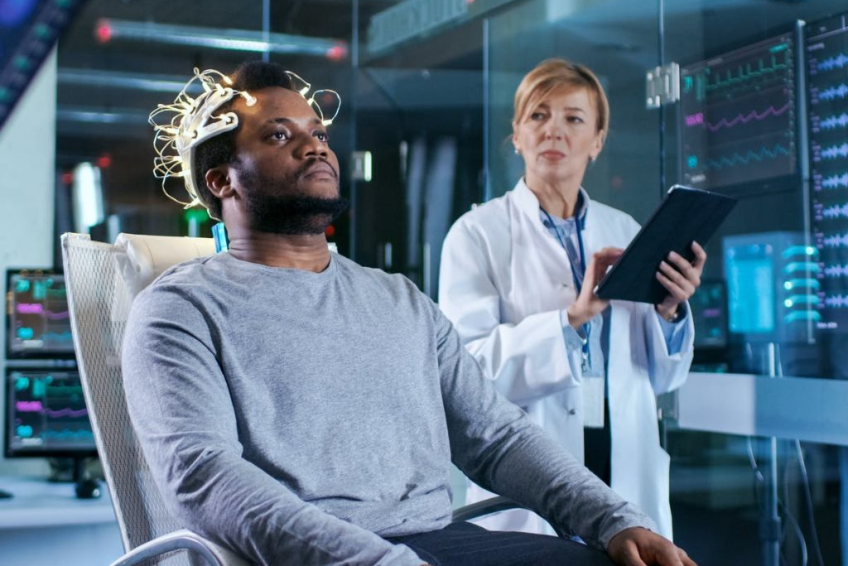
Our department is led by an experienced team of specialists:
RW
Meet Our Neurologists
Dr. S. Robert Wilson
Consultant Neurologist
MBBS, MD, DM
Dr. S. Robert Wilson specialises in the diagnosis and medical management of neurological disorders including stroke, epilepsy, migraine, Parkinson's disease, dementia, neuropathy, vertigo, and neuromuscular conditions.
Clinical Interests
Stroke Management
Epilepsy
Migraine
Parkinson's Disease
Dementia Care
Neuropathy
Vertigo
Neuromuscular Disorders
BN
Meet Our Neurosurgeons
Dr. P. Bhaskar Naidu
Consultant Neurosurgeon
MBBS, MS (Neurosurgery), MCh (Neurosurgery)
Dr. P. Bhaskar Naidu specialises in advanced neurosurgical procedures including brain tumour surgery, spine surgery, neuro trauma, cerebrovascular surgery, skull base surgery, hydrocephalus management, and minimally invasive neurosurgical techniques.
Clinical Interests
Brain Tumour Surgery
Spine Surgery
Neuro Trauma
Cerebrovascular Surgery
Skull Base Surgery
Hydrocephalus Management
Minimally Invasive Neurosurgery
BN
Meet Our Neurosurgeons
Dr. P. Bhaskar Naidu
Consultant Neurosurgeon
MBBS, MS (Neurosurgery), MCh (Neurosurgery)
Dr. P. Bhaskar Naidu has expertise in managing complex neurological conditions through advanced surgical techniques, with a focus on brain, spine, and cerebrovascular disorders.
Clinical Interests
Brain Surgery
Spine Disorders
Skull Base Surgery
Cerebrovascular Disorders
Neuro Trauma Care
Hydrocephalus Treatment
Your Neurology Questions Answered
Dr. S. Robert Wilson
Consultant Neurologist
Dr. S. Robert Wilson specialises in the diagnosis and medical management of neurological disorders including stroke, epilepsy, migraine, Parkinson's disease, dementia, neuropathy, vertigo, and neuromuscular conditions.
Clinical Interests
Dr. P. Bhaskar Naidu
Consultant Neurosurgeon
Dr. P. Bhaskar Naidu specialises in advanced neurosurgical procedures including brain tumour surgery, spine surgery, neuro trauma, cerebrovascular surgery, skull base surgery, hydrocephalus management, and minimally invasive neurosurgical techniques.
Clinical Interests
Dr. P. Bhaskar Naidu
Consultant Neurosurgeon
Dr. P. Bhaskar Naidu has expertise in managing complex neurological conditions through advanced surgical techniques, with a focus on brain, spine, and cerebrovascular disorders.
Clinical Interests
Neurological disorders often begin with subtle symptoms that are easy to ignore. Understanding these conditions and knowing when to seek medical attention can make a significant difference in recovery and long-term brain health.
What is Neurology?
Neurology is the branch of medicine that focuses on diagnosing, treating, and managing disorders affecting the brain, spinal cord, nerves, and muscles. Neurologists treat conditions such as stroke, epilepsy, migraine, Parkinson's disease, dementia, neuropathy, vertigo, and other nervous system disorders using medications, rehabilitation, and long-term medical management.
What is Neurosurgery?
Neurosurgery is the specialised field of surgery dedicated to treating diseases and injuries affecting the brain, spine, spinal cord, and peripheral nerves. Neurosurgeons perform procedures for brain tumours, spinal disorders, traumatic brain injuries, brain haemorrhage, hydrocephalus, nerve compression, and other complex neurological conditions when surgery is required.
When Should I Consult a Neurologist?
You should consult a neurologist if you experience persistent headaches, frequent dizziness, seizures, memory problems, numbness, weakness, difficulty walking, tremors, balance issues, speech difficulties, vision changes, or symptoms suggestive of a stroke.
When is Neurosurgery Required?
Neurosurgery may be recommended for conditions such as brain tumours, spinal cord compression, slipped discs, brain haemorrhage, head injuries, hydrocephalus, certain nerve disorders, and traumatic injuries that cannot be effectively managed through medications or conservative treatment.
What are the Warning Signs of a Stroke?
Common symptoms of stroke include sudden weakness on one side of the body, facial drooping, difficulty speaking, loss of balance, severe headache, blurred vision, confusion, or sudden numbness. Stroke is a medical emergency and requires immediate evaluation and treatment.
Can Neurological Disorders be Treated Successfully?
Many neurological disorders can be effectively managed when diagnosed early. Modern medications, minimally invasive procedures, advanced neurosurgery, rehabilitation, and long-term follow-up help improve quality of life and reduce complications for many patients.
Why Choose Deepam Hospitals for Neurology & Neurosurgery in Guduvanchery?
Neurological disorders require precise diagnosis, specialised expertise, and coordinated multidisciplinary care. At Deepam Hospitals, we combine advanced medical technology with experienced neurologists, neurosurgeons, rehabilitation specialists, and critical care teams to provide comprehensive treatment for a wide range of neurological conditions.
Our approach focuses not only on treating the disease but also on restoring function, improving quality of life, and supporting patients throughout their recovery journey.
Experienced Neurology & Neurosurgery Specialists
Our department brings together neurologists and neurosurgeons with expertise in managing both medical and surgical neurological disorders, ensuring seamless care under one roof.
Comprehensive Brain & Spine Care
From headaches and epilepsy to complex brain surgery and spinal procedures, we provide integrated neurological care for patients across all age groups.
Advanced Diagnostic Technology
Accurate diagnosis is essential for successful treatment. Our advanced diagnostic facilities help identify neurological disorders early, enabling timely intervention and personalised treatment planning.
Evidence-Based Treatment
Every treatment recommendation follows internationally accepted clinical guidelines, ensuring safe, effective, and patient-centred neurological care.
Multidisciplinary Rehabilitation
Recovery from neurological disorders often requires rehabilitation. Our integrated approach combines medical treatment, physiotherapy, occupational therapy, speech therapy, and long-term follow-up to maximise recovery and independence.
Compassionate Patient-Centred Care
Neurological conditions can affect both patients and their families. Our team provides clear communication, education, emotional support, and personalised care throughout every stage of treatment.
What is Neurology & Neurosurgery?
Neurology and Neurosurgery are complementary medical specialties dedicated to diagnosing and treating disorders of the nervous system.
Neurology focuses on medical management of diseases affecting the brain, spinal cord, nerves, and muscles. Neurologists diagnose neurological disorders through clinical evaluation, imaging studies, and specialised neurological testing while managing conditions using medications, lifestyle modifications, and rehabilitation.
Neurosurgery focuses on surgical treatment of disorders affecting the brain, spine, spinal cord, and peripheral nerves. Modern neurosurgical techniques include minimally invasive procedures, microsurgery, image-guided surgery, and advanced spinal surgery designed to improve patient outcomes while reducing recovery time whenever clinically appropriate.
At Deepam Hospitals, Guduvanchery, both specialties work closely together to provide comprehensive neurological care, ensuring patients receive the most appropriate treatment based on their diagnosis and overall health.
Common Neurological Conditions We Diagnose & Treat
Neurological disorders may affect people of all ages and can range from mild chronic conditions to life-threatening emergencies. Early diagnosis significantly improves treatment outcomes and reduces the risk of permanent neurological damage.
Our specialists evaluate and manage a wide range of conditions, including:
- Stroke and transient ischaemic attack (TIA)
- Epilepsy and seizure disorders
- Migraine and chronic headaches
- Parkinson's disease
- Dementia and memory disorders
- Alzheimer's disease
- Peripheral neuropathy
- Vertigo and balance disorders
- Multiple sclerosis
- Brain tumours
- Brain haemorrhage
- Traumatic brain injury
- Head injuries
- Spinal cord disorders
- Slipped disc (disc prolapse)
- Sciatica
- Degenerative spine disease
- Spinal cord compression
- Hydrocephalus
- Nerve compression syndromes
- Neuromuscular disorders
- Facial nerve disorders
- Movement disorders
- Tremors
- Chronic neck pain with nerve involvement
- Back pain caused by spinal disorders
Each patient undergoes a detailed neurological evaluation to identify the underlying cause of symptoms and receive a personalised treatment plan tailored to their medical needs.
Signs & Symptoms You Should Never Ignore
The brain and nervous system communicate with every organ in the body. Even mild neurological symptoms can sometimes indicate an underlying condition that requires prompt medical attention. Ignoring warning signs may delay treatment and increase the risk of permanent neurological damage.
You should consult a Neurologist in Guduvanchery if you experience any of the following symptoms:
- Sudden weakness or numbness in the face, arm, or leg
- Difficulty speaking or understanding speech
- Persistent or severe headaches
- Frequent migraines
- Seizures or episodes of loss of consciousness
- Dizziness or recurrent vertigo
- Loss of balance or coordination
- Tremors or involuntary body movements
- Memory loss or confusion
- Difficulty walking
- Double vision or sudden vision loss
- Persistent neck or back pain with numbness
- Tingling sensation in the hands or legs
- Muscle weakness
- Facial paralysis or facial drooping
- Difficulty swallowing
- Sudden behavioural or personality changes
- Unexplained fainting spells
- Loss of bladder or bowel control associated with spinal symptoms
Immediate medical evaluation can improve outcomes, especially in emergencies such as stroke, brain haemorrhage, spinal cord compression, or traumatic brain injury.
Why Early Neurological Diagnosis Matters
Neurological diseases often progress gradually before noticeable symptoms appear. Early diagnosis allows doctors to begin treatment before irreversible damage occurs, improving recovery, preserving neurological function, and enhancing long-term quality of life.
For example, rapid treatment during a stroke can significantly reduce brain damage and disability. Similarly, early management of Parkinson's disease, epilepsy, multiple sclerosis, and peripheral neuropathy helps slow disease progression and improve daily functioning.
At Deepam Hospitals, Guduvanchery, our neurologists and neurosurgeons work together to provide timely diagnosis using advanced imaging, neurological examinations, and evidence-based clinical protocols. Our goal is to identify neurological disorders at the earliest possible stage and provide personalised treatment that supports better outcomes.
Advanced Neurological Diagnostic Services
Accurate diagnosis is the foundation of successful neurological care. Since many neurological disorders present with similar symptoms, comprehensive evaluation is essential to identify the exact cause and determine the most effective treatment approach.
At Deepam Hospitals, our Department of Neurology & Neurosurgery is supported by advanced diagnostic technology that enables precise assessment of disorders affecting the brain, spinal cord, peripheral nerves, and muscles.
Our Neurological Diagnostic Services Include
- Comprehensive neurological consultation
- Detailed neurological examination
- Digital CT Scan
- MRI Brain
- MRI Spine
- Contrast-enhanced neuroimaging
- Electroencephalogram (EEG)
- Electromyography (EMG)
- Nerve Conduction Studies (NCS)
- Carotid Doppler Ultrasound
- Laboratory investigations
- Stroke risk assessment
- Neurocritical evaluation
- Pre-operative neurological assessment
- Post-operative neurological follow-up
These advanced diagnostic services help detect conditions such as stroke, epilepsy, brain tumours, spinal disorders, nerve compression, neuromuscular diseases, and other complex neurological conditions with greater accuracy.
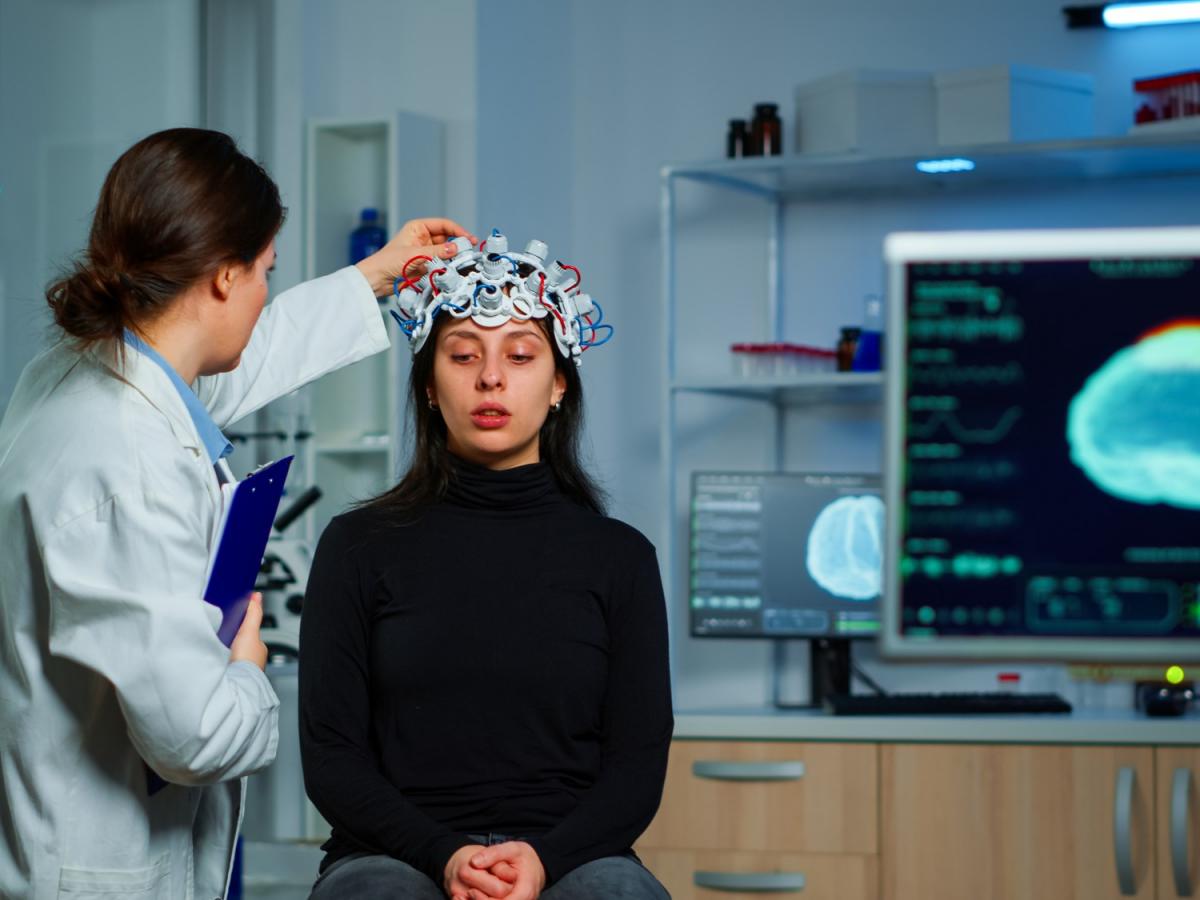
Neurology & Neurosurgery Care at a Glance
| Condition | Common Symptoms | Diagnostic Evaluation | Treatment Approach |
|---|---|---|---|
| Stroke | Weakness, slurred speech, facial drooping | CT Scan, MRI Brain | Emergency stroke management, medication, rehabilitation |
| Epilepsy | Seizures, loss of consciousness | EEG, MRI Brain | Anti-epileptic medication, long-term monitoring |
| Migraine | Severe headache, nausea, light sensitivity | Clinical evaluation | Medication, lifestyle management |
| Parkinson's Disease | Tremors, stiffness, slow movement | Neurological examination | Medication, rehabilitation |
| Brain Tumour | Persistent headache, seizures, weakness | MRI Brain, CT Scan | Neurosurgery, medical management |
| Spine Disorders | Neck pain, back pain, numbness | MRI Spine | Conservative care or spine surgery |
| Peripheral Neuropathy | Tingling, burning sensation, weakness | EMG, NCS | Medication, rehabilitation |
| Vertigo | Dizziness, imbalance | Neurological assessment | Medical management and vestibular rehabilitation |
| Head Injury | Loss of consciousness, confusion | CT Scan | Emergency neurological and neurosurgical care |
Benefits of Early Neurology & Neurosurgery Care
Timely neurological evaluation can significantly improve treatment outcomes while reducing the risk of permanent disability. Early intervention allows many neurological disorders to be managed before they become more severe.
Benefits of Seeking Early Neurological Care
- Early detection of neurological disorders
- Rapid diagnosis of stroke and neurological emergencies
- Better preservation of brain and nerve function
- Reduced risk of permanent disability
- Personalised treatment plans based on individual needs
- Access to advanced neurological diagnostics
- Minimally invasive neurosurgical options when appropriate
- Comprehensive rehabilitation for improved recovery
- Better symptom control and long-term disease management
- Improved quality of life and functional independence
Whether you are experiencing persistent headaches, seizures, memory problems, spinal pain, numbness, or symptoms of a neurological emergency, early evaluation can make a significant difference in your recovery.
At Deepam Hospitals, Guduvanchery, our integrated team of neurologists, neurosurgeons, rehabilitation specialists, emergency physicians, and critical care experts work together to deliver comprehensive brain, spine, and nervous system care using advanced medical technology and evidence-based treatment protocols.
Advanced Neurology & Neurosurgery Treatments
Comprehensive Stroke Diagnosis & Treatment
A stroke is a life-threatening medical emergency that occurs when blood flow to the brain is interrupted or when a blood vessel in the brain ruptures. Every minute counts during a stroke, as delayed treatment can result in permanent brain damage, disability, or even loss of life. Recognising the warning signs and seeking immediate medical care significantly improves the chances of recovery.
At Deepam Hospitals, Guduvanchery, our Neurology & Neurosurgery team provides rapid evaluation, advanced brain imaging, emergency stroke management, intensive neurological monitoring, and comprehensive rehabilitation to help patients recover safely.
Common Symptoms of Stroke
- Sudden weakness on one side of the body
- Facial drooping
- Difficulty speaking or understanding speech
- Sudden vision changes
- Loss of balance or coordination
- Severe headache with no known cause
- Confusion or altered consciousness
Our Stroke Care Includes
- Emergency neurological evaluation
- Advanced brain imaging
- Medical stroke management
- Neurosurgical intervention when required
- Neurocritical care monitoring
- Stroke rehabilitation
- Long-term follow-up and prevention strategies
Early diagnosis and timely treatment can reduce complications and improve neurological recovery.
Epilepsy & Seizure Disorder Management
Epilepsy is a neurological condition characterised by recurrent seizures caused by abnormal electrical activity in the brain. Although seizures may vary in severity, appropriate diagnosis and long-term management enable many individuals to lead healthy and active lives.
Our neurologists perform comprehensive assessments to determine the underlying cause of seizures and develop personalised treatment plans.
Conditions We Treat
- Generalised epilepsy
- Focal epilepsy
- First-time seizures
- Recurrent seizures
- Childhood epilepsy
- Drug-resistant epilepsy
- Seizures following head injury
Treatment Approach
- Neurological consultation
- EEG evaluation
- MRI Brain assessment
- Individualised medication plans
- Lifestyle modification counselling
- Long-term neurological monitoring
Our goal is to minimise seizure frequency, improve safety, and enhance overall quality of life.
Headache & Migraine Clinic
Recurring headaches and migraines should never be ignored, especially when they interfere with work, sleep, or daily activities. While many headaches are not serious, some may indicate underlying neurological disorders requiring specialised evaluation.
At Deepam Hospitals, we diagnose and manage various headache disorders through comprehensive neurological assessment.
We Treat
- Migraine
- Chronic migraine
- Tension headache
- Cluster headache
- Secondary headaches
- Medication-overuse headaches
Our Care Focuses On
- Identifying headache triggers
- Accurate neurological diagnosis
- Personalised medication management
- Preventive treatment strategies
- Lifestyle modification guidance
- Long-term follow-up care
Parkinson's Disease & Movement Disorder Care
Parkinson's disease is a progressive neurological disorder that affects movement, balance, coordination, and muscle control. Early diagnosis and ongoing treatment help reduce symptoms and maintain independence for as long as possible.
Our neurology specialists provide comprehensive evaluation and long-term management for patients with movement disorders.
Conditions Managed
- Parkinson's disease
- Essential tremor
- Dystonia
- Movement disorders
- Muscle rigidity
- Gait abnormalities
Treatment plans may include medications, rehabilitation, physiotherapy, occupational therapy, speech therapy, and regular neurological review based on each patient's condition.
Dementia & Memory Disorder Services
Memory loss is not always a normal part of ageing. Persistent forgetfulness, confusion, personality changes, or difficulty performing everyday tasks may indicate an underlying neurological condition.
Our specialists evaluate and manage:
- Dementia
- Alzheimer's disease
- Mild cognitive impairment
- Memory disorders
- Behavioural neurological disorders
Comprehensive assessment enables early intervention, symptom management, caregiver education, and long-term support.
Peripheral Neuropathy & Nerve Disorder Treatment
Peripheral nerves connect the brain and spinal cord to the rest of the body. Damage to these nerves can cause pain, numbness, tingling, weakness, and balance problems that interfere with everyday life.
Our specialists diagnose and manage:
- Diabetic neuropathy
- Peripheral neuropathy
- Nerve compression disorders
- Facial nerve disorders
- Neuromuscular diseases
- Entrapment neuropathies
Treatment may include medications, rehabilitation, physiotherapy, nerve conduction studies, and ongoing neurological care.
Advanced Brain Tumour Surgery
Brain tumours require highly specialised evaluation and treatment. Depending on the tumour's location, size, and type, treatment may involve surgery, medical management, or multidisciplinary cancer care.
Our neurosurgical team performs comprehensive assessment for patients with:
- Benign brain tumours
- Malignant brain tumours
- Skull base tumours
- Brain cysts
- Space-occupying lesions
Using advanced surgical techniques and precision planning, our goal is to safely remove or manage tumours while preserving critical neurological function whenever possible.
Spine Surgery & Spinal Disorder Management
Spinal disorders can cause chronic neck pain, back pain, weakness, numbness, and reduced mobility. Some conditions respond well to conservative treatment, while others require specialised spine surgery.
Our neurosurgeons evaluate and manage:
- Slipped disc
- Herniated disc
- Degenerative spine disease
- Spinal cord compression
- Cervical spondylosis
- Lumbar spinal stenosis
- Sciatica
- Spinal instability
Whenever clinically appropriate, minimally invasive surgical techniques are considered to reduce tissue damage, minimise hospital stay, and support faster recovery.
Neuro Trauma & Emergency Neurosurgical Care
Serious head injuries and spinal trauma require immediate specialist intervention. Delayed treatment can lead to permanent neurological damage, disability, or life-threatening complications.
At Deepam Hospitals, our emergency neurology and neurosurgery teams provide comprehensive care for:
- Traumatic brain injury
- Head injury
- Brain haemorrhage
- Skull fractures
- Spinal cord injury
- Neurocritical emergencies
Patients receive rapid diagnosis, emergency stabilisation, advanced neurosurgical care when indicated, intensive monitoring, and coordinated rehabilitation to maximise recovery.
Minimally Invasive Neurosurgery
Advancements in neurosurgical technology have made it possible to perform selected procedures using minimally invasive techniques. These approaches use smaller incisions and specialised surgical equipment, helping reduce tissue disruption and support a smoother recovery when clinically appropriate.
Potential benefits include:
- Smaller surgical incisions
- Reduced postoperative discomfort
- Lower risk of complications
- Shorter hospital stay
- Faster recovery
- Earlier return to daily activities
The suitability of minimally invasive neurosurgery depends on the patient's diagnosis, overall health, and clinical evaluation.
Comprehensive Neuro Rehabilitation
Recovery from neurological conditions often continues long after hospital treatment. A structured rehabilitation programme helps patients regain physical function, improve independence, and adapt to daily life.
Our rehabilitation services include:
- Neurological physiotherapy
- Occupational therapy
- Speech and swallowing therapy
- Balance and gait training
- Cognitive rehabilitation
- Strength and mobility exercises
- Functional independence training
- Long-term neurological follow-up
Every rehabilitation plan is personalised to the patient's condition, recovery goals, and functional abilities.
Multidisciplinary Neurology & Neurosurgery Care
Neurological disorders often require coordinated care from multiple specialists. At Deepam Hospitals, Guduvanchery, our neurologists and neurosurgeons work closely with emergency physicians, intensivists, neuroradiologists, anaesthesiologists, physiotherapists, occupational therapists, speech therapists, rehabilitation experts, and specialised nursing teams to deliver seamless, patient-centred care.
This multidisciplinary approach ensures accurate diagnosis, timely intervention, advanced medical and surgical treatment, comprehensive rehabilitation, and continuous follow-up for patients with disorders affecting the brain, spine, spinal cord, and nervous system. By combining clinical expertise with advanced technology and evidence-based practices, we strive to improve neurological outcomes, preserve function, and enhance the quality of life for every patient.
Meet Our Neurology & Neurosurgery Specialists
At Deepam Hospitals, Guduvanchery, our Department of Neurology & Neurosurgery is led by experienced specialists committed to providing comprehensive care for disorders affecting the brain, spine, spinal cord, and nervous system. By combining clinical expertise with advanced diagnostic technology and evidence-based treatment, our team delivers personalised care focused on improving neurological health and quality of life.
Dr. S. Robert Wilson – Consultant Neurologist
MBBS, MD, DM
Dr. S. Robert Wilson specialises in diagnosing and managing neurological disorders affecting the brain, spinal cord, peripheral nerves, and muscles. He has extensive experience in treating patients with stroke, epilepsy, migraine, Parkinson's disease, dementia, peripheral neuropathy, vertigo, and neuromuscular disorders. His patient-centred approach emphasises early diagnosis, long-term disease management, and improving functional independence through personalised treatment plans.
Dr. P. Bhaskar Naidu – Consultant Neurosurgeon
MBBS, MS (Neurosurgery), MCh (Neurosurgery)
Dr. P. Bhaskar Naidu is an experienced neurosurgeon with expertise in brain tumour surgery, spine surgery, neuro trauma, cerebrovascular surgery, skull base procedures, hydrocephalus management, and minimally invasive neurosurgical techniques. His focus is on delivering safe surgical care while preserving neurological function and promoting faster recovery whenever possible.
Dr. A.R. Baskar – Consultant Neurosurgeon
MBBS, Diploma in Orthopaedics, MS (General Surgery), MCh (Neurosurgery)
Dr. A.R. Baskar has extensive experience in managing complex brain and spine disorders, traumatic brain injuries, spinal cord disorders, degenerative spine diseases, slipped discs, and advanced neurosurgical procedures. He works closely with the multidisciplinary team to ensure every patient receives individualised treatment based on their specific neurological condition.
Together, our specialists provide coordinated medical and surgical neurological care, ensuring patients receive the right treatment at the right time.
Your Neurology Care Journey at Deepam Hospitals
Every neurological condition requires a systematic and personalised approach. At Deepam Hospitals, we guide patients through every stage of diagnosis, treatment, rehabilitation, and long-term follow-up.
Step 1 – Comprehensive Neurological Consultation
Your journey begins with a detailed discussion about your symptoms, medical history, lifestyle, medications, and family history. Our specialists carefully assess neurological complaints such as headaches, dizziness, seizures, weakness, numbness, memory problems, tremors, and spinal pain.
Step 2 – Advanced Diagnostic Evaluation
Depending on your symptoms, specialised neurological investigations such as MRI, CT Scan, EEG, EMG, Nerve Conduction Studies, laboratory investigations, and neurological examinations help identify the underlying cause accurately.
Step 3 – Personalised Treatment Planning
Once a diagnosis is confirmed, our neurologists and neurosurgeons create an individualised treatment plan that may include medications, rehabilitation, minimally invasive procedures, advanced neurosurgery, or long-term neurological monitoring.
Step 4 – Treatment & Surgical Care
Patients requiring surgical intervention receive expert neurosurgical care using advanced technology and evidence-based techniques. Our multidisciplinary team ensures comprehensive perioperative care, patient safety, and continuous neurological monitoring.
Step 5 – Recovery & Long-Term Follow-Up
Recovery continues through rehabilitation, regular neurological assessments, physiotherapy, occupational therapy, speech therapy when required, medication optimisation, and preventive strategies to minimise future complications.
Neuro Rehabilitation for Better Recovery
Many neurological disorders require ongoing rehabilitation to restore independence and improve everyday functioning. Recovery varies depending on the underlying condition, severity of neurological damage, and overall health of the patient.
Our comprehensive neuro rehabilitation programmes are designed to help patients achieve the highest possible level of recovery through coordinated therapy and continuous medical supervision.
Rehabilitation Services Include
- Neurological physiotherapy
- Occupational therapy
- Speech and language therapy
- Swallowing rehabilitation
- Balance and gait training
- Muscle strengthening programmes
- Cognitive rehabilitation
- Memory training
- Functional independence training
- Home exercise guidance
- Long-term neurological follow-up
Our rehabilitation specialists work closely with patients and caregivers to support physical recovery, cognitive improvement, emotional well-being, and reintegration into daily life.
Tips for Maintaining Brain & Nervous System Health
Although not every neurological condition can be prevented, adopting healthy lifestyle habits can significantly reduce the risk of stroke, nerve disorders, and several chronic neurological diseases.
Brain Health Recommendations
- Control blood pressure, diabetes, and cholesterol levels.
- Exercise regularly to improve blood circulation and brain health.
- Follow a balanced diet rich in fruits, vegetables, whole grains, and healthy fats.
- Avoid smoking and limit alcohol consumption.
- Maintain a healthy body weight.
- Get adequate sleep every night.
- Keep your mind active through reading, learning, and problem-solving activities.
- Wear helmets and seat belts to reduce the risk of head injuries.
- Seek immediate medical attention for sudden neurological symptoms.
- Attend regular health check-ups, especially if you have risk factors for stroke or neurological disorders.
Healthy lifestyle choices, combined with early medical evaluation, can help protect your brain and nervous system throughout life.
Frequently Asked Questions
Consult a neurologist if you experience persistent headaches, seizures, dizziness, memory loss, tremors, numbness, muscle weakness, difficulty walking, speech problems, or symptoms suggestive of a stroke.
A neurologist specialises in diagnosing and medically managing neurological disorders, while a neurosurgeon performs surgery for conditions affecting the brain, spine, spinal cord, and peripheral nerves when surgical treatment is necessary.
Sudden facial drooping, weakness on one side of the body, difficulty speaking, blurred vision, severe headache, confusion, and loss of balance are important warning signs that require immediate emergency medical attention.
Many people with epilepsy successfully manage their condition through appropriate medications, regular follow-up, lifestyle modifications, and specialist neurological care.
No. Many spinal conditions improve with medications, physiotherapy, rehabilitation, and conservative treatment. Surgery is considered only when clinically indicated after thorough evaluation.
Persistent headaches, seizures, weakness, personality changes, vision problems, balance difficulties, or unexplained neurological symptoms should be evaluated promptly by a specialist.
Diagnosis may involve neurological examination, MRI, CT Scan, EEG, EMG, Nerve Conduction Studies, blood investigations, and other specialised tests depending on the patient's symptoms.Diagnosis may involve neurological examination, MRI, CT Scan, EEG, EMG, Nerve Conduction Studies, blood investigations, and other specialised tests depending on the patient's symptoms.Diagnosis may involve neurological examination, MRI, CT Scan, EEG, EMG, Nerve Conduction Studies, blood investigations, and other specialised tests depending on the patient's symptoms.Diagnosis may involve neurological examination, MRI, CT Scan, EEG, EMG, Nerve Conduction Studies, blood investigations, and other specialised tests depending on the patient's symptoms.Diagnosis may involve neurological examination, MRI, CT Scan, EEG, EMG, Nerve Conduction Studies, blood investigations, and other specialised tests depending on the patient's symptoms.
Why Patients Trust Deepam Hospitals for Neurology & Neurosurgery
Patients and families trust Deepam Hospitals because we combine experienced specialists, advanced technology, multidisciplinary expertise, and compassionate care to provide comprehensive neurological services under one roof.
Why Choose Our Neurology Department?
- Experienced neurologists and neurosurgeons
- Comprehensive brain, spine, and nerve care
- Advanced neurological diagnostic facilities
- Emergency stroke and neuro trauma management
- Expertise in brain tumour and spine surgery
- Minimally invasive neurosurgical techniques
- Evidence-based neurological treatment protocols
- Personalised rehabilitation programmes
- Multidisciplinary neurological care
- Patient-focused treatment with long-term follow-up
- Multispeciality hospitals in Tambaram, Guduvanchery, and Singaperumal Koil (SP Koil) with healthcare centres in Perungalathur, Urapakkam, and Maraimalai Nagar, ensuring accessible care for surrounding communities.
Healthy lifestyle choices, combined with early medical evaluation, can help protect your brain and nervous system throughout life.
Medical Disclaimer
The information provided on this page is for educational purposes only and should not be considered medical advice, diagnosis, or treatment. Always consult a qualified healthcare professional for personalised medical guidance. In case of a medical emergency, seek immediate medical attention or visit the nearest hospital.
Take the First Step Towards Better Brain & Spine Health
Neurological symptoms should never be ignored. Whether you are experiencing persistent headaches, seizures, dizziness, memory problems, numbness, spinal pain, movement disorders, or signs of a neurological emergency, early diagnosis and expert care can make a significant difference.
At Deepam Hospitals, Guduvanchery, our experienced team of Neurologists and Neurosurgeons is committed to providing comprehensive medical and surgical care for disorders affecting the brain, spine, spinal cord, and nervous system. From advanced diagnostics and emergency stroke care to complex neurosurgery and long-term rehabilitation, we are dedicated to helping patients regain function, improve mobility, and achieve the best possible quality of life.
Schedule your consultation with our Neurology & Neurosurgery specialists today and receive expert neurological care tailored to your individual health needs.
Contact Us