- For appointment (+91) 97904 97905
Best Pain & Stress Management Hospital in Guduvanchery
Advanced Pain Relief & Comprehensive Stress Management at Deepam Hospitals
Living with persistent pain or ongoing stress can significantly affect your physical health, emotional well-being, work, sleep, and overall quality of life. Whether it is chronic back pain, neck pain, joint pain, nerve pain, migraine, cancer-related pain, or stress-related disorders, timely evaluation and specialized treatment can help improve daily functioning and restore comfort.
At Deepam Hospitals, Guduvanchery, our Department of Pain & Stress Management provides comprehensive evaluation, diagnosis, and personalized treatment for acute and chronic pain conditions using evidence-based, minimally invasive techniques. Our goal is not only to relieve pain but also to improve mobility, restore function, reduce dependence on long-term pain medications whenever possible, and enhance overall quality of life.
Our department is led by:
Dr. Rajarajan Balasubramanian
MBBS, MD, DNB, FNB, FIPP (USA), DABRM (USA), FIPM
With advanced training in pain medicine, Dr. Rajarajan specializes in identifying the underlying cause of pain and developing individualized treatment plans that combine modern interventional techniques with comprehensive patient care.
Deepam Hospitals is a trusted healthcare network with multispeciality hospitals in Tambaram, Guduvanchery, and Singaperumal Koil (SP Koil), supported by healthcare centres in Perungalathur, Urapakkam, and Maraimalai Nagar. Our Pain & Stress Management Centre in Guduvanchery serves patients from Guduvanchery, Potheri, Kattankulathur, Maraimalai Nagar, Chengalpattu, Vandalur, Urapakkam, and nearby communities, providing advanced pain management solutions close to home.
Whether you are experiencing chronic pain, sports injuries, arthritis-related discomfort, spine disorders, nerve pain, cancer pain, post-surgical pain, or stress-related symptoms, our specialists provide comprehensive evaluation and personalized treatment focused on long-term relief and improved well-being.
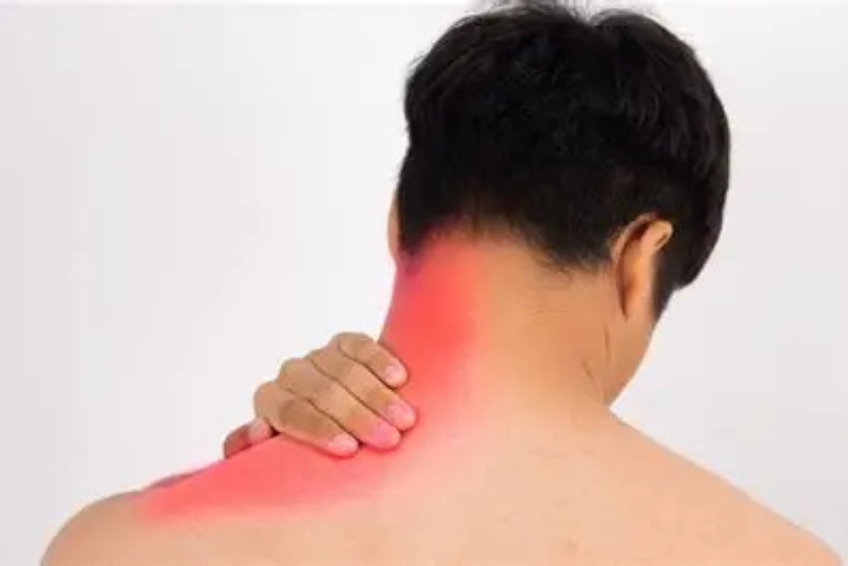
Your Questions About Pain Management Answered
Pain can have many causes and affects every individual differently. Understanding the available treatment options helps patients make informed healthcare decisions.
What is Pain Management?
Pain Management is a specialized branch of medicine dedicated to diagnosing, evaluating, treating, and preventing acute and chronic pain using medications, minimally invasive procedures, rehabilitation, regenerative therapies, and lifestyle modifications. The primary goal is to reduce pain, improve function, and enhance quality of life while addressing the underlying cause whenever possible.
Who should consult a Pain Management Specialist?
You should consider consulting a Pain Management Specialist in Guduvanchery if you experience:
- Persistent back pain
- Neck pain lasting several weeks
- Joint pain affecting daily activities
- Sciatica or nerve pain
- Arthritis-related pain
- Cancer-related pain
- Migraine or chronic headaches
- Shoulder pain
- Knee pain
- Hip pain
- Post-surgical pain
- Sports injury pain
- Facial pain
- Muscle pain
- Pain that does not improve with routine treatment
Early evaluation can help identify the cause of pain and prevent it from becoming a long-term condition.
What conditions are treated in Pain Medicine?
Our specialists evaluate and manage a wide range of painful conditions, including:
- Chronic back pain
- Neck pain
- Sciatica
- Slip disc-related pain
- Arthritis
- Osteoarthritis
- Frozen shoulder
- Tennis elbow
- Heel pain
- Neuropathic pain
- Trigeminal neuralgia
- Cancer pain
- Fibromyalgia
- Myofascial pain syndrome
- Post-operative pain
- Complex Regional Pain Syndrome (CRPS)
- Sports injuries
- Joint pain
- Spine disorders
Each treatment plan is personalized according to the patient's diagnosis, symptoms, medical history, and overall health.
When should I seek treatment for chronic pain?
Pain lasting longer than three months is generally considered chronic pain. If pain interferes with sleep, work, movement, or daily activities, it is advisable to seek medical evaluation. Early intervention can improve outcomes and may help prevent long-term disability.
Is surgery always necessary for chronic pain?
No. Many painful conditions can be effectively managed without surgery. Depending on the diagnosis, treatment may include medications, interventional pain procedures, ultrasound-guided injections, fluoroscopy-guided interventions, regenerative medicine, physiotherapy, rehabilitation, and lifestyle modifications.
Why Choose Deepam Hospitals for Pain & Stress Management?
Choosing an experienced Pain Management Hospital in Guduvanchery can make a significant difference in achieving long-term pain relief and restoring quality of life.
At Deepam Hospitals, our approach focuses on identifying the root cause of pain rather than simply masking symptoms.
Experienced Pain Medicine Specialist
Our department is led by Dr. Rajarajan Balasubramanian, an experienced specialist in interventional pain medicine with expertise in advanced minimally invasive pain procedures and regenerative therapies.
Personalized Pain Treatment Plans
Every patient's pain experience is unique. Treatment recommendations are individualized after a detailed assessment of:
- Medical history
- Pain characteristics
- Physical examination
- Imaging findings
- Functional limitations
- Previous treatments
- Overall health
- Lifestyle factors
This personalized approach ensures that treatment is tailored to the patient's specific needs and goals.
Advanced Interventional Pain Procedures
We provide modern, image-guided pain management techniques designed to target the source of pain with greater precision. Depending on the condition, these procedures may help reduce pain, improve mobility, and support faster recovery while minimizing the need for major surgery.
Comprehensive Multidisciplinary Care
Pain often requires collaboration between different medical specialties. Our team works closely with orthopaedic surgeons, neurologists, physiotherapists, rehabilitation specialists, anaesthesiologists, and other healthcare professionals to deliver coordinated, patient-centred care.
Patient-Centred Approach
We believe successful pain management involves more than treating symptoms. Our focus is on improving mobility, restoring independence, enhancing emotional well-being, and helping patients return to their normal daily activities with confidence.
Conditions We Treat at Our Pain & Stress Management Centre
Pain can arise from injuries, medical conditions, nerve disorders, arthritis, surgery, or long-term musculoskeletal problems. It may be temporary (acute pain) or continue for months (chronic pain), affecting movement, sleep, emotional health, and overall quality of life.
At Deepam Hospitals, Guduvanchery, our Pain & Stress Management Department provides comprehensive evaluation and personalized treatment for a wide range of pain conditions using evidence-based medical practices and advanced interventional techniques.
We Commonly Treat
- Chronic Back Pain
- Neck Pain
- Lower Back Pain
- Sciatica
- Cervical Spondylosis
- Lumbar Spondylosis
- Herniated (Slipped) Disc Pain
- Arthritis Pain
- Osteoarthritis
- Rheumatoid Arthritis Pain
- Knee Pain
- Hip Pain
- Shoulder Pain
- Frozen Shoulder
- Tennis Elbow
- Golfer's Elbow
- Heel Pain (Plantar Fasciitis)
- Joint Pain
- Muscle Pain
- Myofascial Pain Syndrome
- Fibromyalgia
- Neuropathic (Nerve) Pain
- Trigeminal Neuralgia
- Post-Herpetic Neuralgia
- Cancer-Related Pain
- Post-Surgical Pain
- Complex Regional Pain Syndrome (CRPS)
- Sports Injury Pain
- Repetitive Strain Injuries
- Chronic Headache
- Migraine
- Stress-Related Physical Symptoms
Every patient undergoes a detailed clinical assessment so that treatment addresses the underlying cause of pain rather than simply controlling symptoms.
Understanding Acute Pain and Chronic Pain
Pain is generally classified into two main categories based on its duration and cause.
Acute Pain
Acute pain develops suddenly, usually following an injury, surgery, infection, or medical illness. It often improves as the underlying condition heals.
Examples include:
- Fractures
- Sprains
- Muscle injuries
- Post-operative pain
- Dental pain
- Acute neck or back strain
Prompt medical care helps relieve symptoms and supports recovery.
Chronic Pain
Pain that persists for more than three months is generally considered chronic pain. It may continue even after the original injury has healed and can interfere with work, sleep, mobility, and emotional well-being.
Common causes include:
- Arthritis
- Degenerative spine disorders
- Nerve injuries
- Disc-related problems
- Chronic musculoskeletal disorders
- Cancer-related pain
- Fibromyalgia
Chronic pain often requires a multidisciplinary approach that combines medical treatment, interventional procedures, rehabilitation, and lifestyle modifications.
Common Symptoms That Should Not Be Ignored
Persistent pain is not a normal part of ageing and should not be ignored, especially if it begins to affect your daily activities or quality of life.
Consider consulting a Pain Management Specialist in Guduvanchery if you experience:
- Pain lasting longer than a few weeks
- Pain that worsens over time
- Difficulty walking or standing
- Persistent numbness or tingling
- Burning or shooting nerve pain
- Reduced joint movement
- Pain disturbing your sleep
- Recurrent headaches or migraines
- Pain after surgery that does not improve
- Joint stiffness affecting mobility
- Muscle weakness associated with pain
- Pain that limits work or daily activities
Early diagnosis allows treatment to begin before pain becomes more difficult to manage.
Common Causes of Chronic Pain
Many medical conditions can contribute to persistent pain. Identifying the underlying cause is essential for developing an effective treatment plan.
Some of the most common causes include:
- Age-related joint degeneration
- Osteoarthritis
- Rheumatoid arthritis
- Spine disorders
- Herniated discs
- Nerve compression
- Sports injuries
- Previous fractures
- Repetitive occupational strain
- Diabetes-related neuropathy
- Cancer and cancer treatments
- Autoimmune diseases
- Poor posture
- Obesity
- Sedentary lifestyle
Our specialists perform a thorough clinical evaluation to determine the cause of pain before recommending treatment.
Comprehensive Pain Assessment
Successful pain management begins with an accurate diagnosis. Before planning treatment, our specialists conduct a detailed assessment to understand the nature, location, intensity, and impact of pain.
Your evaluation may include:
- Detailed medical history
- Pain history and symptom assessment
- Physical examination
- Neurological examination
- Functional assessment
- Previous treatment review
- Medication history
- Laboratory investigations (when indicated)
- Digital X-rays
- Ultrasound evaluation
- CT Scan
- MRI Scan
- Diagnostic nerve blocks (when appropriate)
These investigations help identify the source of pain and guide personalized treatment planning.
Benefits of Early Pain Management
Seeking timely care from a qualified Pain Medicine Specialist can help improve both short-term recovery and long-term health outcomes.
Early intervention may help:
- Reduce pain intensity
- Improve mobility and flexibility
- Restore daily function
- Reduce reliance on long-term pain medications
- Improve sleep quality
- Enhance physical activity
- Support emotional well-being
- Prevent progression to chronic pain
- Improve rehabilitation outcomes
- Enhance overall quality of life
At Deepam Hospitals, Guduvanchery, we believe that effective pain management involves treating the whole person—not just the painful condition. Through advanced diagnostics, evidence-based therapies, minimally invasive interventions, and individualized care plans, our team is committed to helping patients achieve lasting pain relief and regain confidence in their daily lives.
Advanced Pain Management Treatments at Deepam Hospitals
Effective pain management begins with an accurate diagnosis and a treatment plan tailored to the individual patient. Since pain can have many causes, there is no single treatment that works for everyone. At Deepam Hospitals, Guduvanchery, our Department of Pain & Stress Management provides comprehensive, evidence-based care using advanced diagnostic techniques, minimally invasive procedures, and personalized treatment strategies to address both acute and chronic pain.
Our goal is to reduce pain, improve mobility, restore function, and enhance overall quality of life while helping patients return to their daily activities as safely and comfortably as possible.
Personalized Pain Management Plans
Every patient's pain experience is unique. Before recommending treatment, our Pain Medicine Specialist performs a thorough evaluation to understand the underlying cause, severity, duration, and impact of the pain on daily life.
A personalized treatment plan may be based on:
- Medical history
- Type and location of pain
- Duration of symptoms
- Physical examination findings
- Imaging results (X-ray, CT, MRI, or Ultrasound)
- Previous treatments and medications
- Lifestyle and occupational factors
- Existing medical conditions
- Functional limitations
- Patient expectations and treatment goals
This individualized approach helps ensure that each patient receives the most appropriate and effective treatment.
Interventional Pain Management
Interventional Pain Management is a specialised branch of pain medicine that uses image-guided, minimally invasive procedures to diagnose and treat pain at its source. These procedures are designed to target specific nerves, joints, muscles, or tissues responsible for pain, often providing relief when conservative treatments have not been sufficient.
At Deepam Hospitals, interventional pain procedures are performed only after a detailed clinical evaluation and when medically appropriate.
Interventional Pain Management may be beneficial for patients with:
- Chronic back pain
- Neck pain
- Sciatica
- Arthritis-related pain
- Joint pain
- Spine disorders
- Cancer-related pain
- Neuropathic pain
- Persistent post-surgical pain
- Sports injury-related pain
Our focus is to provide effective pain relief while minimizing recovery time and supporting improved physical function.
Minimally Invasive Pain Treatments
Many painful conditions can now be treated using minimally invasive techniques that require only small needle-based procedures rather than major surgery. These treatments are designed to precisely target the source of pain while reducing tissue trauma and supporting faster recovery.
Potential benefits of minimally invasive pain treatments include:
- Reduced pain
- Improved mobility
- Shorter recovery time
- Smaller procedural sites
- Reduced hospital stay for selected procedures
- Improved daily function
- Lower risk of complications compared with more invasive surgical procedures in appropriate cases
Treatment recommendations are always based on individual clinical assessment and current medical guidelines.
Ultrasound-Guided Pain Interventions
Ultrasound guidance allows specialists to visualise muscles, tendons, ligaments, joints, and nerves in real time during pain management procedures. This technology improves precision by helping the physician accurately place medications or perform targeted interventions while avoiding nearby structures.
Ultrasound-guided procedures may be considered for selected conditions, including:
- Shoulder pain
- Knee pain
- Hip pain
- Tendon injuries
- Bursitis
- Frozen shoulder
- Plantar fasciitis
- Peripheral nerve pain
- Soft tissue disorders
Using ultrasound guidance enhances procedural accuracy and supports patient safety.
Fluoroscopy-Guided Pain Procedures
Fluoroscopy is a specialised imaging technique that provides real-time X-ray guidance during certain interventional pain procedures. It helps specialists accurately identify the affected spinal structures, joints, or nerves and perform targeted treatments with greater precision.
Fluoroscopy-guided interventions may be recommended for carefully selected patients with:
- Chronic low back pain
- Neck pain
- Sciatica
- Degenerative spine disorders
- Facet joint pain
- Sacroiliac joint pain
- Spinal nerve irritation
These procedures are performed under strict clinical protocols with patient safety as the highest priority.
Regenerative Medicine for Pain Management
Regenerative medicine is an evolving area of pain management that focuses on supporting the body's natural healing processes. Depending on the patient's condition and clinical suitability, regenerative therapies may be considered as part of a comprehensive treatment plan for selected musculoskeletal disorders.
Regenerative medicine may be evaluated for conditions such as:
- Tendon injuries
- Ligament injuries
- Certain joint disorders
- Sports-related injuries
- Chronic musculoskeletal pain
The suitability of regenerative medicine is determined only after a comprehensive clinical assessment, imaging evaluation, and discussion of the expected benefits, limitations, and available treatment options.
Medication Management for Pain Relief
Medications may play an important role in managing both acute and chronic pain. However, medication is only one component of a comprehensive pain management plan and is prescribed after careful assessment of the patient's condition.
Depending on the diagnosis, treatment may include medications to:
- Reduce inflammation
- Relieve nerve-related pain
- Improve muscle relaxation
- Manage acute pain episodes
- Support long-term pain control when appropriate
Our specialists regularly review medication effectiveness, monitor for potential side effects, and adjust treatment plans based on each patient's progress.
Evidence-Based Pain Care
At Deepam Hospitals, Guduvanchery, every treatment recommendation is guided by current medical evidence, clinical expertise, and the individual needs of the patient. Rather than focusing solely on symptom relief, our Pain & Stress Management team aims to identify the root cause of pain and develop a comprehensive care plan that supports long-term recovery, improved function, and enhanced quality of life.
Through advanced interventional techniques, minimally invasive procedures, ultrasound-guided and fluoroscopy-guided interventions, regenerative medicine, and personalized medical care, we are committed to helping patients achieve meaningful and sustainable pain relief.
Comprehensive Stress Management & Holistic Pain Care
Pain and stress are closely connected. Living with persistent pain can contribute to emotional stress, anxiety, sleep disturbances, and reduced quality of life. Likewise, ongoing stress may increase muscle tension, worsen pain perception, and delay recovery. At Deepam Hospitals, Guduvanchery, our Pain & Stress Management Department adopts a holistic approach that addresses both the physical and emotional aspects of pain to support long-term health and well-being.
Our specialists develop individualized care plans that focus on reducing pain, improving physical function, supporting emotional resilience, and helping patients regain confidence in their daily lives.
Stress Management for Better Physical Health
Stress affects every individual differently. While occasional stress is a normal response to life's challenges, prolonged or unmanaged stress can contribute to physical symptoms and may aggravate existing medical conditions.
Common stress-related symptoms include:
- Persistent muscle tension
- Neck and shoulder pain
- Frequent headaches
- Difficulty sleeping
- Fatigue
- Reduced concentration
- Irritability
- Generalised body aches
- Reduced productivity
- Emotional exhaustion
Managing stress alongside pain treatment can improve overall recovery and help patients cope more effectively with chronic health conditions.
Rehabilitation & Functional Recovery
Pain relief is only one aspect of successful treatment. Restoring mobility, strength, flexibility, and independence is equally important for achieving long-term recovery.
Our rehabilitation-focused approach aims to help patients:
- Improve joint movement
- Increase muscle strength
- Enhance flexibility
- Restore physical function
- Improve posture and body mechanics
- Reduce the risk of recurrent pain
- Return safely to work and daily activities
- Improve overall physical endurance
Rehabilitation recommendations are tailored according to the patient's diagnosis, age, activity level, and treatment goals.
Managing Spine, Joint & Nerve Pain
Spinal disorders, joint conditions, and nerve-related pain are among the most common reasons patients seek specialised pain management. These conditions often require a comprehensive evaluation to identify the exact source of pain before treatment is recommended.
Our specialists evaluate and manage conditions involving:
- Cervical spine
- Thoracic spine
- Lumbar spine
- Sacroiliac joints
- Knee joints
- Hip joints
- Shoulder joints
- Peripheral nerves
- Muscles and soft tissues
Treatment plans are developed using a combination of clinical evaluation, diagnostic imaging, minimally invasive interventions, medication management, rehabilitation, and ongoing follow-up.
Cancer Pain Management
Pain associated with cancer or cancer treatment can significantly affect a patient's comfort and quality of life. Effective cancer pain management requires careful assessment, regular monitoring, and individualized treatment planning.
At Deepam Hospitals, our Pain Medicine Specialist works in coordination with oncologists and other healthcare professionals to support patients experiencing cancer-related pain.
Cancer pain management may include:
- Comprehensive pain assessment
- Medication optimization
- Interventional pain procedures when appropriate
- Supportive care
- Functional improvement strategies
- Regular follow-up and reassessment
Every treatment plan is designed according to the patient's diagnosis, symptoms, overall health, and ongoing cancer treatment.
Image-Guided Precision Pain Procedures
Modern pain medicine increasingly relies on image-guided technology to improve the accuracy and safety of interventional procedures.
At Deepam Hospitals, Guduvanchery, advanced imaging guidance may be used to assist in procedures involving:
- Spinal joints
- Peripheral nerves
- Shoulder joints
- Hip joints
- Knee joints
- Soft tissue structures
- Tendons
- Ligaments
Image-guided procedures help specialists accurately identify treatment areas while minimising unnecessary tissue injury and improving procedural precision.
Patient Safety During Pain Procedures
Patient safety remains a priority throughout every stage of treatment. Before recommending any intervention, our specialists conduct a detailed clinical evaluation to determine whether the procedure is appropriate for the individual patient.
Safety measures include:
- Comprehensive medical assessment
- Review of existing medications
- Allergy evaluation
- Imaging review
- Sterile procedural techniques
- Continuous patient monitoring
- Post-procedure observation
- Follow-up evaluation
Our team also educates patients about the expected benefits, possible risks, recovery process, and post-procedure care instructions to support informed decision-making.
Long-Term Pain Management & Follow-Up Care
Managing chronic pain often requires ongoing care rather than a single treatment. Regular follow-up appointments allow our specialists to monitor progress, evaluate treatment effectiveness, and make adjustments whenever necessary.
Long-term follow-up may include:
- Pain assessment
- Functional evaluation
- Medication review
- Lifestyle counselling
- Rehabilitation guidance
- Repeat imaging when clinically indicated
- Monitoring of treatment outcomes
- Preventive strategies to reduce recurrence
This structured approach helps patients maintain improvements and supports long-term pain control.
Why Choose Deepam Hospitals for Pain & Stress Management?
Choosing the right Pain Management Hospital in Guduvanchery is an important step toward improving your health and quality of life. At Deepam Hospitals, we combine clinical expertise, advanced technology, and compassionate care to deliver comprehensive pain management services for patients with acute and chronic pain conditions.
What Makes Us Different?
- Experienced Pain Medicine Specialist
- Advanced Interventional Pain Management
- Minimally Invasive Pain Treatments
- Ultrasound-Guided Pain Procedures
- Fluoroscopy-Guided Interventions
- Regenerative Medicine Expertise
- Comprehensive Chronic Pain Management
- Personalized Treatment Plans
- Evidence-Based Medical Care
- Multidisciplinary Collaboration
- Modern Diagnostic Facilities
- Patient-Centred Care
- Long-Term Follow-Up
- Convenient Access for Patients from Guduvanchery and Surrounding Communities
Our goal is to help every patient achieve meaningful pain relief, improved mobility, enhanced functional independence, and a better quality of life through safe, effective, and individualized care.
Pain Management Services at a Glance
| Pain Condition | Common Symptoms | Evaluation & Diagnosis | Treatment Approach |
|---|---|---|---|
| Chronic Back Pain | Persistent lower back pain, stiffness | Clinical examination, MRI, CT Scan | Interventional pain procedures, rehabilitation, medication management |
| Neck Pain | Neck stiffness, radiating arm pain | Physical examination, imaging studies | Minimally invasive pain treatment, ultrasound-guided interventions |
| Sciatica | Leg pain, numbness, tingling | Neurological assessment, MRI | Image-guided pain management, rehabilitation |
| Arthritis Pain | Joint pain, swelling, reduced mobility | Clinical assessment, X-ray | Personalized pain management, regenerative medicine evaluation |
| Sports Injury Pain | Muscle, ligament, or tendon pain | Physical examination, Ultrasound, MRI | Rehabilitation, minimally invasive procedures, functional recovery |
| Cancer-Related Pain | Persistent pain associated with cancer | Comprehensive pain assessment | Supportive care, medication management, interventional pain treatment |
Dr. Rajarajan Balasubramanian
Consultant – Anaesthesiology & Pain Medicine
Dr. Rajarajan Balasubramanian is a highly qualified Pain Medicine Specialist with extensive expertise in diagnosing and treating acute pain, chronic pain, spine-related disorders, joint pain, nerve pain, cancer pain, and musculoskeletal conditions. His approach combines advanced interventional pain procedures with evidence-based medical care to help patients achieve long-term pain relief and improved functional independence.
His clinical expertise includes:
Every treatment plan is carefully personalized after a detailed clinical assessment, ensuring patient safety, precision, and optimal treatment outcomes.
Your Journey to Pain Relief at Deepam Hospitals
Living with chronic pain can affect every aspect of life—from mobility and work performance to sleep, relationships, and emotional well-being. At Deepam Hospitals, Guduvanchery, we guide patients through every stage of diagnosis, treatment, rehabilitation, and recovery with a compassionate, patient-centred approach.
Step 1 – Comprehensive Consultation
Your journey begins with a detailed consultation with our Pain Medicine Specialist. During your visit, we discuss:
- Nature and location of pain
- Duration and severity of symptoms
- Previous injuries or surgeries
- Existing medical conditions
- Current medications
- Lifestyle and occupational activities
- Previous treatments and investigations
This information helps us understand your condition and identify the possible cause of pain.
Step 2 – Accurate Diagnosis
An accurate diagnosis is essential before planning treatment. Depending on your symptoms, we may recommend:
- Physical examination
- Neurological assessment
- Functional evaluation
- X-rays
- Ultrasound
- CT Scan
- MRI Scan
- Laboratory investigations
- Diagnostic pain procedures (when clinically indicated)
Understanding the underlying cause allows us to develop an effective and personalized treatment strategy.
Step 3 – Individualized Treatment Planning
Based on your diagnosis, our specialist develops a customized treatment plan that may include:
- Interventional pain management
- Minimally invasive procedures
- Ultrasound-guided interventions
- Fluoroscopy-guided procedures
- Medication management
- Regenerative medicine evaluation
- Rehabilitation recommendations
- Lifestyle modifications
- Stress management strategies
Treatment recommendations are always tailored to the patient's medical condition, overall health, and functional goals.
Step 4 – Ongoing Monitoring & Follow-Up
Pain management is often a continuous process. Regular follow-up appointments help us:
- Assess treatment effectiveness
- Monitor recovery
- Adjust medications if required
- Evaluate functional improvement
- Prevent recurrence
- Support long-term pain control
Continuous monitoring allows our team to optimize treatment while ensuring patient safety.
Lifestyle Tips for Managing Pain & Reducing Stress
Healthy lifestyle habits can complement medical treatment and support long-term recovery. Although lifestyle changes may not eliminate every type of pain, they often contribute to improved mobility, reduced discomfort, and better emotional well-being.
Our specialists commonly recommend:
- Maintain a healthy body weight to reduce stress on joints.
- Stay physically active with exercises recommended by your healthcare provider.
- Practice good posture while sitting, standing, and lifting objects.
- Stretch regularly to improve flexibility.
- Get adequate sleep to support healing and recovery.
- Eat a balanced diet rich in fruits, vegetables, lean proteins, and whole grains.
- Stay hydrated throughout the day.
- Avoid smoking, as it may impair healing and worsen certain pain conditions.
- Manage stress through relaxation techniques, breathing exercises, or mindfulness practices.
- Attend regular follow-up appointments and report any new or worsening symptoms.
These measures, combined with appropriate medical care, can improve overall health and support long-term pain management.
Frequently Asked Questions
Interventional pain management uses minimally invasive, image-guided procedures to diagnose and treat pain by targeting the affected nerves, joints, muscles, or other structures responsible for symptoms.
You should seek medical evaluation if pain lasts for several weeks, limits your daily activities, interferes with sleep, or does not improve with routine treatment.
Yes. Many patients benefit from medications, rehabilitation, image-guided interventions, regenerative medicine, and other minimally invasive treatments without requiring surgery. The appropriate treatment depends on the underlying diagnosis.
Ultrasound guidance helps specialists visualize nerves, muscles, tendons, and joints during procedures, improving precision and supporting patient safety when performed by trained professionals.
Regenerative medicine involves therapies that aim to support the body's natural healing processes. These treatments may be considered for selected musculoskeletal conditions after a thorough clinical evaluation.
Yes. Long-term stress may increase muscle tension, affect sleep quality, and influence how pain is perceived. Managing stress alongside medical treatment can contribute to overall well-being.
The duration of treatment varies depending on the underlying condition, severity of symptoms, response to therapy, and individual recovery goals. Your specialist will discuss an appropriate treatment and follow-up plan.
Not always. Imaging studies such as X-rays, Ultrasound, CT Scan, or MRI are recommended only when clinically indicated to help identify the underlying cause of pain.
Why Choose Deepam Hospitals for Pain & Stress Management?
Patients across Guduvanchery, Potheri, Kattankulathur, Maraimalai Nagar, Chengalpattu, Urapakkam, Vandalur, and nearby areas trust Deepam Hospitals for comprehensive pain management because we combine advanced technology, evidence-based medicine, and compassionate care under one roof.
Our Strengths
- Experienced Pain Medicine Specialist
- Personalized Pain Management Plans
- Advanced Interventional Pain Procedures
- Minimally Invasive Treatments
- Ultrasound-Guided Interventions
- Fluoroscopy-Guided Procedures
- Regenerative Medicine Expertise
- Comprehensive Chronic Pain Care
- Multidisciplinary Treatment Approach
- Modern Diagnostic Facilities
- Focus on Functional Recovery
- Long-Term Follow-Up Care
- Patient-Centred Healthcare
Multispeciality hospitals in Tambaram, Guduvanchery, and Singaperumal Koil (SP Koil) with healthcare centres in Perungalathur, Urapakkam, and Maraimalai Nagar, providing accessible, high-quality healthcare across the region.
Medical Disclaimer
The information provided on this page is for educational purposes only and should not be considered medical advice, diagnosis, or treatment. Always consult a qualified healthcare professional for personalised medical guidance. In case of a medical emergency, seek immediate medical attention or visit the nearest hospital.
Book Your Pain Management Consultation Today
Persistent pain should not prevent you from living an active and fulfilling life. If you are experiencing chronic back pain, neck pain, joint pain, nerve pain, arthritis, sports injuries, cancer-related pain, or other persistent pain conditions, expert evaluation can help identify the cause and guide appropriate treatment.
Consult Dr. Rajarajan Balasubramanian, Consultant in Anaesthesiology & Pain Medicine, at Deepam Hospitals, Guduvanchery for comprehensive assessment, personalized pain management, minimally invasive interventional procedures, regenerative medicine evaluation, and long-term follow-up care.
Our commitment is to provide safe, evidence-based, and patient-centred Pain & Stress Management services that help improve comfort, restore mobility, and enhance quality of life through advanced medical care tailored to every individual's needs.
Contact Us