- For appointment (+91) 97904 97905
Infectious Disease Care in Guduvanchery
Expert Evaluation, Diagnosis & Management of Infectious Diseases
Infectious diseases remain one of the most common causes of illness affecting individuals of all age groups. These conditions may be caused by bacteria, viruses, fungi, parasites, or other microorganisms and can range from mild infections to serious illnesses requiring specialized medical attention.
Early diagnosis and appropriate treatment play an important role in reducing complications, preventing the spread of infections, and supporting recovery. While many infections resolve with routine medical care, certain conditions may require specialized evaluation, particularly when symptoms are persistent, recurrent, complex, or difficult to diagnose.
At Deepam Hospitals, Guduvanchery, our Infectious Disease Care services focus on the diagnosis, treatment, monitoring, and prevention of a wide range of infectious conditions. We provide evidence-based medical care for patients experiencing acute infections, recurrent illnesses, unexplained fevers, travel-related infections, and other infectious disease concerns.
Deepam Hospitals serves patients from Guduvanchery, Potheri, Kattankulathur, Maraimalai Nagar, Chengalpattu, Vandalur, Urapakkam, and surrounding communities, providing access to specialized infection care and comprehensive healthcare support.

Your Infectious Disease Questions Answered
Understanding infectious diseases can help patients seek timely medical attention and make informed healthcare decisions.
What Is an Infectious Disease?
An infectious disease is a medical condition caused by microorganisms such as bacteria, viruses, fungi, or parasites that can affect different parts of the body.
What Does an Infectious Disease Specialist Do?
An infectious disease specialist evaluates, diagnoses, and manages infections, particularly those that are severe, recurrent, unusual, difficult to diagnose, or require specialized treatment approaches.
When Should I See an Infectious Disease Specialist?
Specialist consultation may be helpful for recurrent infections, prolonged fever, unexplained symptoms, complex infections, travel-related illnesses, or infections that do not improve as expected.
What Causes Recurrent Infections?
Recurrent infections may occur due to underlying medical conditions, immune system concerns, incomplete treatment, repeated exposure to infectious agents, or other health-related factors.
Can Infectious Diseases Be Prevented?
Many infectious diseases can be reduced through good hygiene practices, vaccination, infection control measures, healthy lifestyle habits, and early medical intervention when symptoms develop.
Why Is Early Diagnosis Important?
Early identification of infections helps support timely treatment, reduce complications, and improve overall healthcare outcomes.
Why Choose Deepam Hospitals for Infectious Disease Care in Guduvanchery?
Managing infectious diseases often requires careful evaluation, accurate diagnosis, and evidence-based treatment planning. At Deepam Hospitals, we provide patient-centred infectious disease services focused on clinical excellence and long-term health outcomes.
Comprehensive Infection Evaluation
We assess symptoms, medical history, risk factors, and diagnostic findings to identify potential infectious causes and guide appropriate management.
Evidence-Based Medical Care
Treatment recommendations are based on current medical knowledge, established clinical guidelines, and individual patient needs.
Focus on Early Diagnosis
Prompt medical evaluation helps identify infections at an early stage and supports timely intervention.
Management of Complex & Recurrent Infections
We provide specialized care for patients experiencing prolonged, recurrent, or difficult-to-diagnose infectious conditions.
Emphasis on Prevention
In addition to treatment, our approach includes education and preventive strategies aimed at reducing future infection risks.
What Is Infectious Disease Care?
Infectious Disease Care is a specialized area of medicine focused on the prevention, diagnosis, treatment, and monitoring of infections caused by microorganisms.
This field addresses a wide variety of infectious conditions affecting different organs and body systems, including respiratory infections, gastrointestinal infections, skin infections, urinary tract infections, bloodstream infections, and other communicable diseases.
Infectious Disease Care May Involve
- Fever evaluation
- Diagnostic assessment
- Infection monitoring
- Treatment planning
- Prevention strategies
- Management of recurrent infections
- Travel-related infection assessment
- Long-term follow-up when required
The goal is to provide accurate diagnosis and effective management while helping prevent complications and disease transmission.
Common Types of Infections
Infections can affect people in different ways depending on the type of microorganism involved, the site of infection, and the individual's overall health.
Bacterial Infections
Bacterial infections occur when harmful bacteria enter the body and multiply, leading to illness.
Viral Infections
Viruses are a common cause of respiratory illnesses, seasonal infections, and other communicable diseases.
Fungal Infections
Fungal infections may affect the skin, nails, respiratory system, or other parts of the body, particularly in certain high-risk individuals.
Parasitic Infections
Parasites can cause a range of health problems and may be associated with specific environmental or travel-related exposures.
Tropical & Seasonal Infections
Certain infections occur more commonly in particular geographic regions, climates, or seasons and may require specialized evaluation.
Healthcare-Associated Infections
Some infections may develop in healthcare settings and require careful medical assessment and treatment.
Symptoms That Should Not Be Ignored
While many infections are mild and self-limiting, certain symptoms may indicate a more serious underlying condition and warrant medical evaluation.
Seek Medical Attention If You Experience
- Persistent fever
- Recurrent fever episodes
- Unexplained weight loss
- Persistent cough
- Severe fatigue
- Shortness of breath
- Recurrent infections
- Persistent diarrhoea
- Skin infections that do not heal
- Swollen lymph nodes
- Symptoms following travel
- Worsening infection symptoms despite treatment
Early evaluation can help determine the cause of symptoms and guide appropriate medical management.
Why Early Diagnosis of Infections Matters
Prompt identification of infectious diseases is important because some infections may worsen over time or spread to other parts of the body if left untreated.
Benefits of Early Diagnosis
- Timely treatment initiation
- Reduced risk of complications
- Better symptom control
- Improved monitoring of disease progression
- Prevention of infection spread
- More effective healthcare planning
Early diagnosis also allows healthcare professionals to determine whether symptoms are caused by an infection or another medical condition that requires different treatment.
Supporting Better Health Outcomes
Patients who seek medical attention early for persistent fever, recurrent infections, unexplained symptoms, or worsening illness may benefit from faster diagnosis and more targeted treatment strategies.
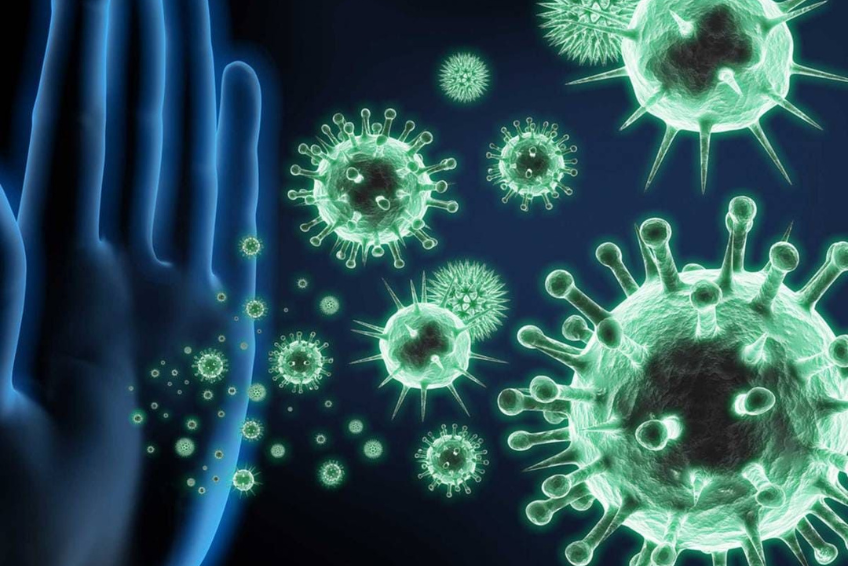
Comprehensive Care for Infectious Diseases
Infectious diseases can affect people of all ages and may present with a wide variety of symptoms. Appropriate diagnosis, timely treatment, and preventive healthcare measures play an essential role in protecting individual and community health.
At Deepam Hospitals, Guduvanchery, our Infectious Disease Care services focus on accurate diagnosis, evidence-based treatment, infection prevention, and long-term patient well-being. Through a patient-centred approach, we strive to help individuals receive the specialized care they need for both common and complex infectious conditions.
Fever Evaluation & Management
Fever is one of the most common reasons patients seek medical attention. While fever is often a normal response to infection, persistent, recurrent, or unexplained fever may require detailed medical evaluation to identify the underlying cause.
When Fever Requires Further Assessment
- Fever lasting longer than expected
- Recurrent fever episodes
- Fever associated with unexplained symptoms
- Fever after recent travel
- Fever in individuals with chronic medical conditions
- Fever accompanied by significant weakness or weight loss
A thorough clinical evaluation helps determine whether the fever is related to an infectious disease or another medical condition.
Bacterial Infections
Bacterial infections can affect various organs and body systems. Some infections are mild, while others may require specialized treatment and close monitoring.
Common Areas Affected by Bacterial Infections
- Respiratory system
- Urinary tract
- Skin and soft tissues
- Gastrointestinal tract
- Bloodstream
- Bones and joints
Importance of Accurate Diagnosis
Identifying the specific cause of infection helps guide appropriate treatment decisions and supports effective recovery.
Viral Infections
Viruses are responsible for many common illnesses affecting people of all age groups. Some viral infections are self-limiting, while others may require medical monitoring and supportive care.
Common Viral Illnesses
- Respiratory viral infections
- Seasonal viral fevers
- Gastrointestinal viral infections
- Viral skin conditions
- Certain chronic viral diseases
Medical Evaluation May Be Important When
- Symptoms persist or worsen
- High-risk individuals are affected
- Complications develop
- Symptoms are severe or unusual
Early assessment helps determine the most appropriate management approach.
Fungal Infections
Fungal infections may involve the skin, nails, respiratory system, or other body organs. Certain individuals may have a higher risk of developing fungal infections, particularly those with underlying health conditions or weakened immune systems.
Fungal Infections May Affect
- Skin
- Nails
- Mouth and throat
- Respiratory system
- Internal organs in selected cases
Why Early Recognition Matters
Timely diagnosis can help prevent progression of the infection and support effective treatment planning.
Tropical & Seasonal Infections
Certain infectious diseases occur more frequently during specific seasons or in particular geographic regions. Environmental conditions, climate, and travel patterns can influence the spread of these infections.
Factors Associated with Tropical & Seasonal Infections
- Climate conditions
- Mosquito-borne illnesses
- Waterborne infections
- Foodborne diseases
- Seasonal outbreaks
Importance of Early Medical Evaluation
Patients experiencing fever or illness during periods of increased infection activity may benefit from timely clinical assessment and appropriate investigation.
Recurrent & Complex Infections
Some individuals experience repeated infections or infections that do not respond as expected to routine treatment. These situations often require detailed medical evaluation to identify underlying causes.
Situations That May Require Specialist Assessment
- Frequent infections
- Persistent symptoms despite treatment
- Recurrent respiratory infections
- Repeated urinary infections
- Unexplained infectious illnesses
- Complex or unusual infections
A comprehensive assessment can help identify contributing factors and guide long-term management strategies.
Travel-Related Infections
International and domestic travel can sometimes expose individuals to infections that are uncommon in their usual environment.
When Travel History Is Important
- Fever after travel
- Gastrointestinal illness after travel
- Unexplained symptoms following travel
- Exposure to infectious disease outbreaks
- Travel to regions with specific infection risks
Providing accurate travel history can assist healthcare professionals in determining possible causes of illness.
Antibiotic Stewardship
Antibiotics play an important role in treating bacterial infections, but they should be used appropriately and only when medically indicated.
Why Responsible Antibiotic Use Matters
- Supports effective treatment
- Helps reduce antibiotic resistance
- Minimizes unnecessary medication exposure
- Improves patient safety
- Preserves future treatment options
Key Principles of Antibiotic Stewardship
- Appropriate antibiotic selection
- Correct dosage and duration
- Avoiding unnecessary antibiotic use
- Regular treatment review when required
Responsible antibiotic practices contribute to better healthcare outcomes for individuals and communities.
Infection Prevention & Public Health
Preventing infections is an important component of healthcare. Many infectious diseases can be reduced through simple preventive measures and public health awareness.
Infection Prevention Strategies
- Regular hand hygiene
- Vaccination when appropriate
- Safe food handling practices
- Access to clean water
- Respiratory hygiene measures
- Avoiding unnecessary exposure to infections
- Timely medical evaluation when symptoms develop
Public Health Importance
Effective infection prevention helps protect individuals, families, workplaces, schools, and the broader community from the spread of communicable diseases.
Infection Risk in Vulnerable Populations
Certain groups may have a higher risk of developing infections or experiencing complications from infectious diseases.
Higher-Risk Groups May Include
- Older adults
- Young children
- Pregnant women
- Individuals with chronic illnesses
- Patients with weakened immune systems
- Individuals receiving certain medical treatments
Early recognition and appropriate medical care are particularly important in these populations.
Comprehensive Infectious Disease Care
Infectious disease management involves more than treating symptoms. It includes identifying the cause of illness, evaluating risk factors, monitoring recovery, preventing complications, and supporting long-term health.
Areas of Comprehensive Infectious Disease Care
- Fever assessment
- Infection diagnosis
- Treatment planning
- Monitoring response to treatment
- Management of recurrent infections
- Travel-related infection evaluation
- Infection prevention counselling
- Antibiotic stewardship guidance
- Long-term follow-up when required
A patient-centred approach helps ensure that healthcare decisions are based on individual clinical needs and current medical evidence.
Supporting Better Health Through Accurate Diagnosis & Prevention
Infectious diseases continue to be a significant healthcare concern worldwide. Accurate diagnosis, appropriate treatment, responsible medication use, and preventive healthcare practices all play important roles in reducing illness and improving health outcomes.
At Deepam Hospitals, Guduvanchery, our Infectious Disease Care services are focused on delivering evidence-based evaluation, comprehensive infection management, preventive guidance, and individualized care for patients with both common and complex infectious conditions.
Dr. K. Arun
Consultant in Infectious Disease Care
Dr. K. Arun is a specialist in the diagnosis, evaluation, treatment, and prevention of infectious diseases affecting patients across various age groups. With advanced training in Internal Medicine and Infectious Disease management, he provides evidence-based medical care for patients with common, recurrent, complex, and travel-related infections.
His clinical approach emphasizes accurate diagnosis, individualized treatment planning, responsible antimicrobial use, infection prevention, and long-term patient well-being. He works closely with patients and other medical specialists when multidisciplinary care is required to ensure comprehensive healthcare management.
Areas of Clinical Interest
Our Approach to Infection Management
Effective infectious disease care involves more than treating symptoms. It requires identifying the cause of infection, assessing risk factors, monitoring response to treatment, and implementing preventive measures when appropriate.
At Deepam Hospitals, our approach focuses on delivering patient-centred, evidence-based care tailored to individual healthcare needs.
Our Care Approach Includes
- Comprehensive medical evaluation
- Detailed infection assessment
- Evidence-based treatment planning
- Monitoring treatment response
- Prevention-focused healthcare guidance
- Responsible antimicrobial management
- Long-term follow-up when required
- Coordination with other medical specialties when necessary
This structured approach supports accurate diagnosis, effective treatment, and improved health outcomes.
Reducing the Risk of Infectious Diseases
While not all infections can be prevented, adopting healthy habits and following recommended preventive measures can help reduce the risk of many infectious illnesses.
Infection Prevention Strategies
- Practice regular hand hygiene.
- Follow recommended vaccination schedules.
- Maintain safe food and water practices.
- Use appropriate respiratory hygiene measures.
- Avoid unnecessary exposure to infectious illnesses.
- Seek medical attention when symptoms develop.
- Follow prescribed treatment plans carefully.
- Attend follow-up appointments when advised.
Preventive healthcare plays an important role in protecting both individual and community health.
Frequently Asked Questions
An infectious disease specialist is a physician trained to diagnose, treat, monitor, and help prevent infections caused by bacteria, viruses, fungi, parasites, and other microorganisms.
Specialist evaluation may be recommended for recurrent infections, prolonged fever, unusual infections, travel-related illnesses, infections that do not improve with treatment, or complex infectious conditions.
Recurrent fever may be associated with infections, inflammatory conditions, immune system disorders, or other medical conditions. Proper evaluation helps identify the underlying cause.
No. While infections are a common cause of fever, other medical conditions may also result in elevated body temperature. Medical assessment is important when fever persists or recurs.
Many infections can be reduced through preventive measures such as vaccination, hand hygiene, safe food practices, infection control measures, and timely medical care.
Travel-related infections are illnesses acquired during travel, particularly when visiting regions where specific infectious diseases are more common.
Appropriate antibiotic use helps ensure effective treatment of bacterial infections while reducing the development of antibiotic resistance.
Antibiotics are generally used to treat bacterial infections and are not effective against most viral illnesses unless there is a bacterial co-infection requiring treatment.
Persistent or worsening symptoms should be evaluated by a healthcare professional to determine whether additional investigations or changes in treatment are necessary.
Early diagnosis helps support timely treatment, reduce complications, improve recovery, and limit the spread of certain infectious diseases.
Why Patients Choose Deepam Hospitals for Infectious Disease Care in Guduvanchery
Patients trust Deepam Hospitals because of our commitment to accurate diagnosis, evidence-based treatment, infection prevention, and comprehensive patient care.
Our Strengths Include
- Specialist infectious disease expertise
- Comprehensive infection evaluation
- Fever assessment and management
- Management of recurrent and complex infections
- Travel-related infection evaluation
- Evidence-based treatment approaches
- Focus on infection prevention
- Responsible antibiotic stewardship
- Multidisciplinary healthcare support
- Patient-centred medical care
Our goal is to provide high-quality infectious disease care while helping patients achieve better health outcomes through timely diagnosis and appropriate treatment.
Medical Disclaimer
The information provided on this page is for educational purposes only and should not be considered medical advice, diagnosis, or treatment. Always consult a qualified healthcare professional for personalised medical guidance. In case of a medical emergency, seek immediate medical attention or visit the nearest hospital.
Expert Infectious Disease Care in Guduvanchery
Persistent fever, recurrent infections, unexplained symptoms, travel-related illnesses, and complex infectious conditions often require specialized medical evaluation. Early assessment can help identify the underlying cause and support appropriate treatment planning.
At Deepam Hospitals, Guduvanchery, our Infectious Disease Care services provide comprehensive evaluation, diagnosis, treatment, monitoring, and prevention strategies for a wide range of infectious diseases.
Whether you are experiencing recurrent infections, prolonged fever, unusual symptoms, or require expert infectious disease consultation, our team is committed to delivering personalized and evidence-based healthcare.
Book an appointment with Dr. K. Arun at Deepam Hospitals, Guduvanchery, for expert Infectious Disease Care and comprehensive infection management.
Contact Us