- For appointment (+91) 97904 97905
Nephrology Hospital in Guduvanchery
Comprehensive Kidney Care for Better Renal Health
The kidneys are among the most important organs in the human body. They help remove waste products, maintain fluid balance, regulate blood pressure, support electrolyte balance, and contribute to overall health and well-being. Despite their critical role, kidney diseases often develop silently, with symptoms appearing only after significant damage has occurred.
Many individuals may not realize they have a kidney problem until routine blood tests, urine tests, or medical evaluations reveal abnormalities. Conditions such as diabetes, high blood pressure, recurrent urinary problems, and certain chronic illnesses can increase the risk of kidney disease and may require specialized nephrology care.
At Deepam Hospitals, Guduvanchery, our Department of Nephrology focuses on the prevention, evaluation, diagnosis, and management of various kidney-related conditions. Our goal is to help patients protect kidney function, identify health concerns early, and receive timely medical care that supports long-term renal health.
Deepam Hospitals is a trusted healthcare network with multispeciality hospitals in Tambaram, Guduvanchery, and Singaperumal Koil (SP Koil), supported by healthcare centres in Perungalathur, Urapakkam, and Maraimalai Nagar. We serve patients across Guduvanchery, Potheri, Kattankulathur, Maraimalai Nagar, Chengalpattu, Vandalur, and nearby communities with comprehensive kidney care and multispeciality medical support.
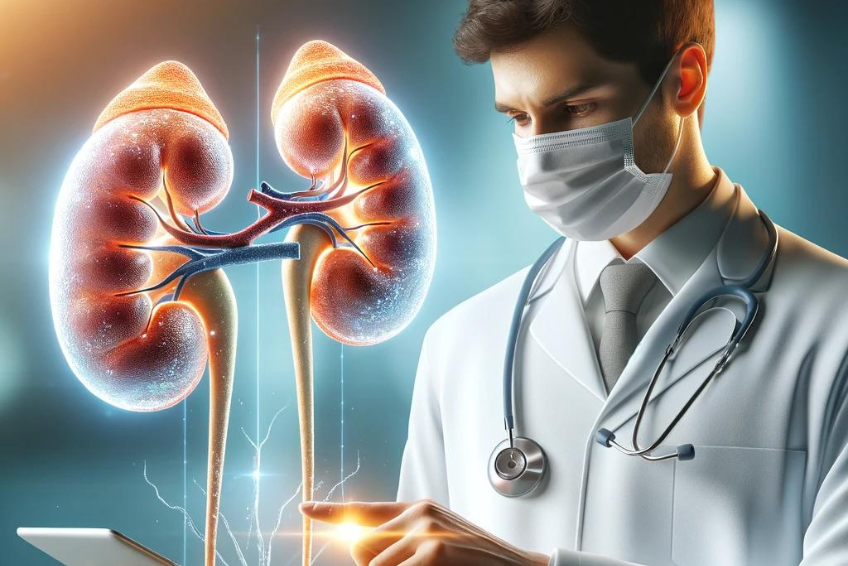
Your Kidney Health Questions Answered
Understanding kidney health is essential because early diagnosis and timely intervention can help reduce the risk of complications and support better long-term outcomes.
What Does a Nephrologist Treat?
A nephrologist is a medical specialist who diagnoses and manages diseases affecting the kidneys. These may include chronic kidney disease, diabetic kidney disease, hypertension-related kidney disorders, electrolyte imbalances, and other renal conditions.
When Should I See a Nephrologist?
You may benefit from a nephrology consultation if you have abnormal kidney function tests, persistent swelling, high blood pressure that is difficult to control, diabetes with kidney concerns, protein in the urine, or symptoms suggestive of kidney disease.
What Are the Early Signs of Kidney Disease?
Early kidney disease may not cause noticeable symptoms. As the condition progresses, patients may experience swelling, fatigue, changes in urination, elevated blood pressure, or abnormalities detected during routine health screening.
Can Diabetes Affect the Kidneys?
Yes. Diabetes is one of the leading causes of kidney disease. Long-term elevated blood sugar levels can damage the kidneys and affect their ability to function effectively.
Can High Blood Pressure Damage the Kidneys?
High blood pressure can place additional strain on the kidneys and may contribute to kidney damage over time if not properly managed.
Why Is Early Kidney Evaluation Important?
Early diagnosis allows healthcare providers to identify risk factors, monitor kidney function, and develop strategies that may help slow disease progression and support long-term kidney health.
Why Choose Deepam Hospitals for Nephrology Care in Guduvanchery?
Kidney diseases often require long-term monitoring, specialized evaluation, and coordinated care. At Deepam Hospitals, we focus on delivering patient-centred nephrology services supported by evidence-based medical practices.
Comprehensive Kidney Evaluation
Our nephrology services include detailed assessment of kidney health, risk factors, symptoms, and laboratory findings to support accurate diagnosis and treatment planning.
Focus on Early Detection
Early identification of kidney disease can help patients receive timely intervention and better long-term care.
Personalized Care Approach
Every patient receives individualized evaluation and management based on their medical condition, kidney function, lifestyle factors, and healthcare goals.
Multidisciplinary Medical Support
Kidney diseases are often associated with diabetes, hypertension, cardiovascular conditions, and other health concerns. Our multidisciplinary approach supports coordinated patient care.
Commitment to Long-Term Kidney Healt
Recovery from neurological disorders often requires rehabilitation. Our integrated approach combines medical treatment, physiotherapy, occupational therapy, speech therapy, and long-term follow-up to maximise recovery and independence.
What Is Nephrology?
Nephrology is the branch of medicine dedicated to the study, diagnosis, prevention, and management of kidney disorders. It focuses on preserving kidney function, identifying kidney disease at an early stage, and helping patients manage conditions that affect the renal system.
The kidneys perform several vital functions, including:
- Filtering waste products from the blood
- Regulating fluid balance
- Maintaining electrolyte levels
- Supporting blood pressure regulation
- Assisting in red blood cell production
- Contributing to bone health
- Supporting overall metabolic balance
Because the kidneys influence many other body systems, maintaining good kidney health is essential for overall wellness.
Why Kidney Health Matters
Healthy kidneys help maintain balance throughout the body. When kidney function becomes impaired, waste products and excess fluids may accumulate, potentially affecting multiple organs and systems.
Kidney disease can impact:
- Blood pressure regulation
- Heart health
- Fluid balance
- Electrolyte levels
- Energy levels
- Bone health
Many kidney disorders develop gradually and may not cause noticeable symptoms during the early stages. This is one reason routine health screenings and timely medical evaluation are important, especially for individuals at increased risk.
Common Kidney Disorders Evaluated by Nephrologists
Nephrologists assess and manage a wide range of kidney-related conditions that may affect patients of different ages and health backgrounds.
Chronic Kidney Disease (CKD)
A long-term condition in which kidney function gradually declines over time.
Diabetic Kidney Disease
Kidney damage that develops as a complication of diabetes and may affect kidney performance.
Hypertension-Related Kidney Disease
Kidney damage associated with long-standing or poorly controlled high blood pressure
Acute Kidney Injury
A sudden decline in kidney function that may occur due to various medical conditions or health events.
Proteinuria
The presence of excess protein in the urine, which may indicate underlying kidney disease.
Electrolyte Imbalances
Disruptions in mineral levels that may affect kidney function and overall health.
Fluid Retention Disorders
Conditions that cause swelling due to abnormal fluid accumulation in the body.
Other Kidney Health Concerns
Nephrologists also evaluate patients with abnormal kidney function tests, unexplained kidney-related symptoms, or risk factors for renal disease.
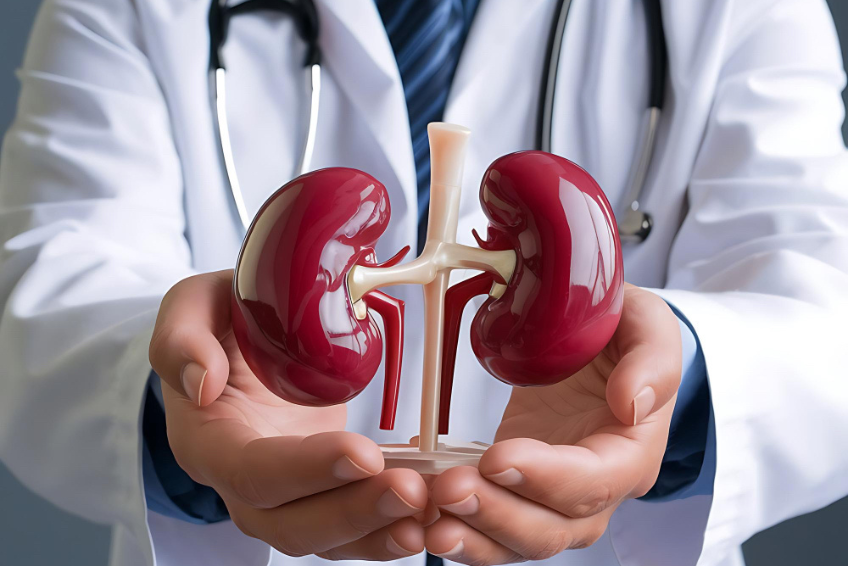
Symptoms That Should Not Be Ignored
Kidney disorders may develop gradually, making it important to recognize symptoms that could indicate a need for medical evaluation.
Possible Warning Signs of Kidney Problems
- Swelling of the feet, ankles, or legs
- Facial puffiness
- Persistent fatigue
- Changes in urination patterns
- Foamy urine
- Blood in urine
- High blood pressure
- Reduced urine output
- Persistent nausea
- Unexplained weakness
- Difficulty concentrating
- Fluid retention
These symptoms do not always indicate kidney disease, but they should be assessed by a healthcare professional to identify the underlying cause.
Who Is at Higher Risk for Kidney Disease?
Certain individuals may have a higher likelihood of developing kidney-related problems and may benefit from regular health monitoring.
Risk Factors Include
- Diabetes
- High blood pressure
- Family history of kidney disease
- Heart disease
- Obesity
- Advancing age
- Smoking
- Chronic medical conditions
- Previous kidney problems
- Long-term use of certain medications
Understanding personal risk factors can help support early detection and preventive healthcare strategies.
Understanding personal risk factors can help support early detection and preventive healthcare strategies.
One of the biggest challenges in kidney care is that many kidney diseases remain unnoticed during their early stages. By the time symptoms become obvious, significant kidney damage may already have occurred.
Early evaluation provides several advantages:
- Detection of kidney disease at an earlier stage
- Better understanding of kidney function
- Identification of risk factors
- Improved monitoring of chronic conditions
- Timely medical intervention
- Better long-term management strategies
- Reduced risk of complications
- Support for overall health and well-being
Routine health assessments and prompt medical consultation can play an important role in protecting kidney health and preventing disease progression.
Supporting Lifelong Kidney Health
Kidney health is closely connected to overall health. Protecting kidney function requires awareness, preventive care, regular health monitoring, and timely medical evaluation when concerns arise.
At Deepam Hospitals, our Department of Nephrology is committed to helping patients understand their kidney health, identify risk factors, and receive comprehensive medical care tailored to their individual needs. Through early detection, ongoing monitoring, and evidence-based nephrology care, we strive to support better health outcomes and long-term kidney wellness.
Chronic Kidney Disease (CKD)
Chronic Kidney Disease (CKD) is one of the most common kidney disorders worldwide. It occurs when the kidneys gradually lose their ability to filter waste products and excess fluids effectively over time.
Because CKD often develops slowly, many patients may not notice symptoms during the early stages. This makes routine health monitoring and regular medical evaluations especially important for individuals with risk factors such as diabetes, high blood pressure, heart disease, or a family history of kidney disorders.
Why Early CKD Detection Matters
- Helps identify kidney function decline at an earlier stage
- Supports timely medical intervention
- Enables better monitoring of disease progression
- Assists in managing associated health conditions
- Helps reduce the risk of future complications
At Deepam Hospitals, comprehensive nephrology evaluation helps assess kidney function and supports individualized management strategies for patients with chronic kidney disease.
Diabetic Kidney Disease
Diabetes is one of the leading causes of kidney-related complications. Persistently elevated blood sugar levels can gradually damage the delicate blood vessels within the kidneys, affecting their ability to perform essential filtering functions.
Not every individual with diabetes develops kidney disease, but long-term diabetes significantly increases the risk.
Importance of Kidney Monitoring in Diabetes
Patients living with diabetes benefit from regular kidney health assessments because early kidney damage may occur without noticeable symptoms.
Routine evaluation may help:
- Monitor kidney function
- Detect early changes in kidney health
- Assess disease progression
- Support treatment planning
- Reduce the risk of complications
Managing diabetes effectively and undergoing regular nephrology evaluations can contribute significantly to preserving kidney health./p>

Hypertension & Kidney Health
The relationship between high blood pressure and kidney disease is closely interconnected. High blood pressure can damage the kidneys over time, while kidney disease can also contribute to elevated blood pressure levels.
When blood pressure remains uncontrolled for extended periods, the kidneys may experience increased strain, potentially affecting their function.
Why Blood Pressure Management Is Important
Effective blood pressure control may help:
- Protect kidney function
- Reduce stress on blood vessels
- Support cardiovascular health
- Lower the risk of kidney complications
- Improve overall health outcomes
Patients with hypertension often benefit from regular kidney function assessments as part of their long-term health management plan.
Acute Kidney Injury (AKI)
Acute Kidney Injury (AKI) refers to a sudden decline in kidney function that develops over a relatively short period of time.
Various medical conditions, infections, dehydration, medications, and other health events may contribute to acute kidney injury.
Signs That May Require Immediate Evaluation
- Sudden reduction in urine output
- Significant swelling
- Unexplained fatigue
- Fluid retention
- Sudden changes in kidney function tests
- Symptoms associated with acute illness
Prompt medical assessment is important because early recognition and appropriate management can help support recovery and reduce the risk of long-term complications.
Proteinuria & Kidney Function Evaluation
Proteinuria refers to the presence of excess protein in the urine. Under normal circumstances, the kidneys help prevent significant amounts of protein from passing into the urine.
When protein is detected in urine, it may indicate an underlying kidney condition or other medical issue that requires further evaluation.
Why Proteinuria Matters
Proteinuria may:
- Signal early kidney damage
- Indicate chronic kidney disease
- Be associated with diabetes or hypertension
- Require ongoing monitoring
- Help guide treatment decisions
Early investigation of proteinuria can play an important role in identifying kidney disease before significant symptoms develop.
Electrolyte Disorders & Kidney Function
The kidneys help regulate important minerals and electrolytes that support normal body function.
When kidney function becomes impaired, electrolyte balance may be affected, potentially influencing several body systems.
Common Electrolytes Regulated by the Kidneys
- Sodium
- Potassium
- Calcium
- Phosphorus
- Magnesium
Maintaining proper electrolyte balance is important for:
- Heart function
- Muscle function
- Nerve signaling
- Fluid balance
- Overall metabolic health
Nephrology evaluation helps identify electrolyte abnormalities and determine appropriate management strategies.
Kidney Function Monitoring
Regular kidney function monitoring is an important aspect of preventive healthcare, particularly for individuals at increased risk of kidney disease.
Monitoring helps healthcare providers evaluate how well the kidneys are functioning and identify changes that may require medical attention.
Individuals Who May Benefit from Monitoring
- Patients with diabetes
- Individuals with hypertension
- People with a family history of kidney disease
- Patients with cardiovascular disease
- Older adults
- Individuals with previous kidney disorders
Regular follow-up assessments help support early detection and informed healthcare decisions.
Preventive Nephrology & Kidney Protection
Preventive nephrology focuses on reducing risk factors, preserving kidney function, and identifying kidney disease before significant damage occurs.
Prevention remains one of the most effective approaches to protecting long-term kidney health.
Strategies That Support Kidney Health
- Managing blood pressure effectively
- Maintaining healthy blood sugar levels
- Staying physically active
- Following a balanced diet
- Staying adequately hydrated
- Avoiding tobacco use
- Maintaining a healthy body weight
- Attending regular health screenings
- Following medical advice for chronic conditions
Preventive care helps individuals take proactive steps toward protecting kidney function and reducing future health risks.
Comprehensive Renal Care
Kidney diseases often require ongoing medical attention, regular monitoring, and long-term management. Effective renal care involves more than treating symptoms; it focuses on understanding the underlying condition and supporting overall health.
At Deepam Hospitals, nephrology care is designed to provide:
Comprehensive Kidney Health Support
- Detailed clinical evaluation
- Kidney function assessment
- Risk factor identification
- Long-term monitoring
- Preventive care guidance
- Individualized treatment planning
- Patient education and counselling
This holistic approach helps patients better understand their condition and actively participate in managing their kidney health.
Multidisciplinary Approach to Kidney Care
Kidney disease frequently affects multiple body systems and may coexist with other medical conditions. For this reason, nephrology often involves collaboration with various healthcare specialties.
Conditions Commonly Associated with Kidney Disease
- Diabetes
- Hypertension
- Cardiovascular disease
- Metabolic disorders
- Fluid balance abnormalities
- Electrolyte disorders
A multidisciplinary approach allows healthcare professionals to coordinate care effectively and address all aspects of a patient's health.
This collaborative model supports:
- Comprehensive medical evaluation
- Better disease management
- Improved monitoring
- Coordinated treatment planning
- Enhanced patient outcomes
Supporting Better Kidney Health Through Specialized Care
Kidney health plays a vital role in maintaining overall well-being. From filtering waste products and regulating fluid balance to supporting blood pressure control and metabolic function, healthy kidneys are essential for daily life.
Whether managing chronic kidney disease, monitoring diabetic kidney health, evaluating proteinuria, addressing hypertension-related kidney concerns, or focusing on preventive care, specialized nephrology services help patients receive the support they need to maintain kidney function and improve long-term health outcomes.
At Deepam Hospitals, our commitment is to provide comprehensive, evidence-based nephrology care that emphasizes early detection, personalized treatment, patient education, and long-term kidney health management.
Meet Our Nephrology Specialist
Dr. B. Karthikeyan
MBBS, MD, DM
Consultant Nephrologist
Dr. B. Karthikeyan is a dedicated Nephrologist specializing in the diagnosis, evaluation, and management of kidney-related disorders. With expertise in nephrology and renal medicine, he focuses on providing evidence-based care for patients with chronic kidney disease, diabetic kidney disease, hypertension-related kidney conditions, electrolyte disorders, and other renal health concerns.
His patient-centred approach emphasizes early diagnosis, long-term kidney function preservation, preventive care, and individualized treatment strategies designed to support better health outcomes and quality of life.
Your Nephrology Care Journey at Deepam Hospitals
Kidney diseases often require careful evaluation, ongoing monitoring, and personalized treatment planning. At Deepam Hospitals, we follow a structured approach to ensure every patient receives comprehensive nephrology care.
Initial Consultation
The first step involves a detailed discussion regarding symptoms, medical history, existing health conditions, medications, lifestyle factors, and family history of kidney disease.
Clinical Evaluation
A comprehensive assessment helps identify risk factors and determine the possible causes of kidney-related symptoms or abnormalities.
Diagnostic Assessment
Based on the patient's condition, appropriate laboratory investigations and kidney function assessments may be recommended to better understand renal health and guide treatment decisions.
Personalized Treatment Planning
Every treatment plan is tailored according to the patient's diagnosis, kidney function status, associated medical conditions, and overall healthcare goals.
Follow-Up & Monitoring
Regular follow-up appointments help monitor kidney health, assess treatment effectiveness, and identify any changes that may require medical attention.
Protecting Your Kidney Health
Maintaining healthy kidneys is essential for overall wellness. While some kidney conditions cannot always be prevented, healthy lifestyle choices and regular medical evaluations can significantly support kidney function.
Healthy Habits for Better Kidney Health
- Maintain healthy blood pressure levels.
- Keep blood sugar under control if you have diabetes.
- Stay physically active.
- Follow a balanced and nutritious diet.
- Maintain a healthy body weight.
- Stay adequately hydrated.
- Avoid smoking and tobacco products.
- Limit excessive salt consumption.
- Attend regular medical check-ups.
- Follow treatment plans for chronic health conditions.
Consistent healthy habits can play an important role in supporting long-term kidney health and reducing future complications.
Why Regular Kidney Screening Matters
Many kidney disorders develop gradually and may not cause symptoms in the early stages. Regular health evaluations can help identify kidney-related concerns before significant damage occurs.
Benefits of Routine Kidney Health Monitoring
- Early detection of kidney disease
- Identification of risk factors
- Monitoring of chronic medical conditions
- Assessment of kidney function changes
- Improved disease management
- Better long-term health outcomes
- Reduced risk of complications
- Support for preventive healthcare
Individuals with diabetes, hypertension, cardiovascular disease, or a family history of kidney disease may particularly benefit from regular kidney health assessments.
Frequently Asked Questions
A nephrologist specializes in diagnosing and managing diseases that affect the kidneys, including chronic kidney disease, diabetic kidney disease, hypertension-related kidney disorders, proteinuria, electrolyte imbalances, and other renal conditions.
You should consider consulting a nephrologist if you have abnormal kidney function tests, persistent swelling, protein in the urine, uncontrolled high blood pressure, diabetes-related kidney concerns, or symptoms suggestive of kidney disease.
Early kidney disease may not always cause noticeable symptoms. Some individuals may experience swelling, fatigue, changes in urination, elevated blood pressure, or abnormalities detected during routine health screenings.
Yes. Long-term diabetes can affect the kidneys and may lead to diabetic kidney disease if not properly monitored and managed.
High blood pressure can damage blood vessels within the kidneys over time, potentially reducing their ability to function effectively.
Chronic Kidney Disease (CKD) is a condition in which kidney function gradually declines over an extended period. Early diagnosis and ongoing monitoring are important for effective management.
Proteinuria refers to the presence of excess protein in the urine. It may indicate underlying kidney damage or another medical condition that requires evaluation.
While not all kidney diseases can be prevented, managing risk factors such as diabetes, hypertension, obesity, and smoking can help reduce the risk of kidney-related complications.
Early detection allows healthcare providers to identify kidney disease sooner, monitor kidney function, and implement strategies that may help preserve kidney health and reduce complications.
The frequency depends on individual risk factors, medical history, and existing health conditions. Your healthcare provider can recommend an appropriate monitoring schedule based on your needs.
Why Patients Choose Deepam Hospitals for Nephrology Care in Guduvanchery
Patients trust Deepam Hospitals for comprehensive kidney care because of our commitment to clinical excellence, patient education, and long-term health management.
Our Strengths Include
- Experienced nephrology expertise
- Comprehensive kidney health evaluation
- Personalized treatment planning
- Focus on early diagnosis and prevention
- Long-term kidney function monitoring
- Evidence-based clinical care
- Multidisciplinary healthcare support
- Patient-centred approach
- Modern diagnostic facilities
- Convenient access through the Deepam Hospitals healthcare network
Our goal is to help patients understand their kidney health, manage risk factors effectively, and receive the specialized care needed to support lifelong wellness.
Medical Disclaimer
The information provided on this page is for educational purposes only and should not be considered medical advice, diagnosis, or treatment. Always consult a qualified healthcare professional for personalised medical guidance. In case of a medical emergency, seek immediate medical attention or visit the nearest hospital.
Schedule Your Nephrology Consultation
Kidney diseases often progress silently, making early medical evaluation extremely important. Whether you have diabetes, high blood pressure, abnormal kidney function tests, swelling, protein in the urine, or concerns about your kidney health, timely consultation can help identify potential issues and support better long-term outcomes.
At Deepam Hospitals, Guduvanchery, our Nephrology Department provides comprehensive kidney care focused on prevention, diagnosis, monitoring, and personalized management.
Book your appointment today with Dr. B. Karthikeyan at Deepam Hospitals, Guduvanchery, and take a proactive step toward protecting your kidney health and overall well-being.
Contact Us