- For appointment (+91) 97904 97905
Best Diabetology Hospital in Guduvanchery
Comprehensive Diabetes & Internal Medicine Care for Long-Term Health
Diabetes and other chronic health conditions often require continuous medical attention, regular monitoring, and personalised care. When conditions such as diabetes, hypertension, thyroid disorders, or other long-term illnesses are not identified and managed appropriately, they can affect multiple organs and influence a person's overall quality of life. Early evaluation, regular health assessments, and timely medical guidance can play an important role in maintaining better health and reducing the risk of complications.
At Deepam Hospitals, Guduvanchery, our Department of Internal Medicine & Diabetology provides comprehensive medical care for people living with diabetes and a wide range of common and complex adult health conditions. Our approach focuses on understanding the individual patient's health profile, identifying underlying risk factors, supporting early diagnosis, and providing coordinated medical care based on clinical needs.
The department is supported by Dr. K. Arun (MBBS, MD, DNB, MRCP (UK)), an experienced specialist in Internal Medicine & Diabetology with expertise in Diabetes Management, Hypertension, Digestive Disorders, Infectious Diseases, Chronic Illness, and Thyroid Disorders. His approach to patient care focuses on comprehensive clinical evaluation and personalised medical guidance based on each patient's condition and long-term healthcare needs.
Deepam Hospitals is a trusted healthcare network with multispeciality hospitals in Tambaram, Guduvanchery, and Singaperumal Koil (SP Koil), supported by healthcare centres in Perungalathur, Urapakkam, and Maraimalai Nagar. We serve patients and families from Guduvanchery, Potheri, Kattankulathur, Maraimalai Nagar, Chengalpattu, Vandalur, and surrounding areas with accessible and comprehensive healthcare.
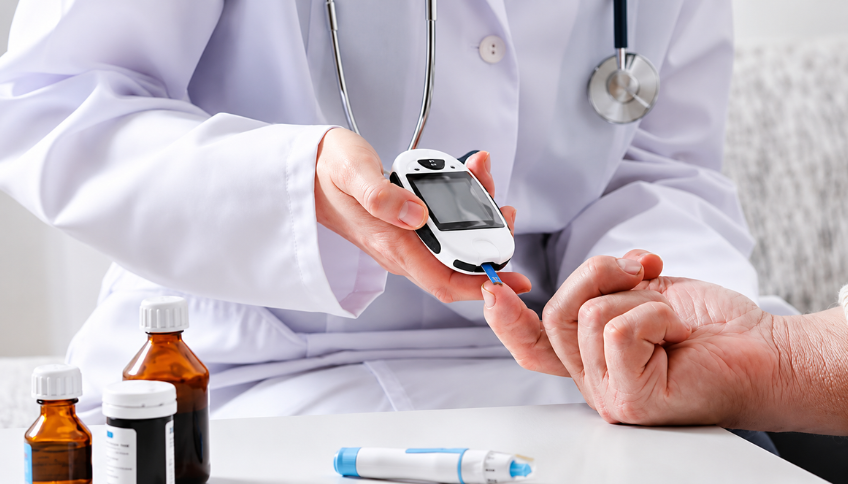
Your Diabetes & Internal Medicine Questions Answered
Managing diabetes or a chronic health condition can raise many questions about symptoms, testing, lifestyle, and when to seek medical attention. Understanding the basics can help individuals recognise potential warning signs and seek appropriate medical advice at the right time.
What is Diabetology?
Diabetology is the specialised field of medicine focused on the prevention, diagnosis, evaluation, and management of diabetes and related metabolic health conditions. Diabetes care involves more than monitoring blood glucose levels. It may also include assessing cardiovascular risk, blood pressure, kidney health, eye health, nerve function, nutrition, and other factors that can influence long-term well-being.
A diabetologist or physician specialising in diabetes can help patients understand their condition, monitor health parameters, identify risk factors, and develop an appropriate long-term care plan.
When should I consult a diabetologist?
You should consider consulting a diabetologist if you have persistently high blood sugar levels, symptoms suggestive of diabetes, a family history of diabetes, prediabetes, difficulty controlling blood glucose, or other metabolic risk factors.
People who have already been diagnosed with diabetes may also benefit from regular specialist consultations to monitor their health and address changing medical needs.
What are the common symptoms of diabetes?
Diabetes symptoms can vary between individuals. Common signs may include increased thirst, frequent urination, unusual tiredness, increased hunger, unexplained weight changes, blurred vision, slow healing of wounds, and recurrent infections.
Some people may have diabetes without noticeable symptoms, which is why screening and routine health assessments can be important, particularly for individuals with known risk factors.
Can diabetes and hypertension occur together?
Yes. Diabetes and hypertension frequently occur together, and having both conditions may increase the risk of cardiovascular and kidney-related complications. Regular monitoring of blood glucose and blood pressure, along with appropriate medical care and lifestyle measures, can help reduce health risks.
What is Internal Medicine?
Internal Medicine is a medical specialty focused on the prevention, diagnosis, and non-surgical management of diseases affecting adults. Internal medicine specialists evaluate patients with multiple or interconnected health concerns and can help coordinate care for complex or chronic medical conditions.
Why are regular health check-ups important for people with diabetes?
Diabetes can affect different parts of the body over time. Regular medical reviews can help monitor blood glucose, blood pressure, cholesterol, kidney function, and other relevant health parameters. Routine assessments may also help identify potential complications or risk factors at an earlier stage.
Understanding Diabetes & Metabolic Health
Diabetes is a chronic metabolic condition in which blood glucose levels remain higher than the normal range because the body does not produce enough insulin, does not use insulin effectively, or both. Insulin is a hormone that helps glucose move from the bloodstream into cells, where it is used for energy.
When blood glucose remains elevated over a prolonged period, it can affect blood vessels and nerves and may contribute to complications involving the heart, kidneys, eyes, and other organs. However, appropriate medical care, regular monitoring, healthy lifestyle practices, and adherence to an individualised treatment plan can help people manage diabetes and maintain their overall health.
Common Types of Diabetes
Type 1 Diabetes
Type 1 diabetes occurs when the body's immune system mistakenly attacks insulin-producing cells in the pancreas. People with Type 1 diabetes require insulin as part of their ongoing medical care.
Type 2 Diabetes
Type 2 diabetes is the most common form of diabetes. It develops when the body becomes less responsive to insulin and, over time, may not produce enough insulin to maintain normal blood glucose levels.
Gestational Diabetes
Gestational diabetes develops during pregnancy and requires appropriate medical monitoring. Although blood glucose levels may return to normal after delivery, women who have experienced gestational diabetes may have a higher future risk of developing Type 2 diabetes.
Prediabetes
Prediabetes refers to blood glucose levels that are higher than normal but not yet within the diagnostic range for diabetes. Identifying prediabetes can provide an opportunity to address risk factors and adopt appropriate lifestyle changes under medical guidance.
Recognising Diabetes Symptoms Early
Early recognition of diabetes symptoms can encourage timely medical evaluation. Some individuals may develop noticeable symptoms, while others may have elevated blood glucose without obvious warning signs.
Potential symptoms include:
- Increased thirst
- Frequent urination
- Increased hunger
- Persistent tiredness
- Unexplained weight changes
- Blurred vision
- Slow healing of wounds
- Recurrent infections
- Tingling or numbness in the hands or feet
- Dry or itchy skin
- Reduced energy levels
These symptoms do not necessarily indicate diabetes and may occur with other health conditions. A medical evaluation and appropriate laboratory testing are required for diagnosis.
Diabetes Risk Factors
Understanding risk factors can help individuals identify whether they may benefit from diabetes screening or preventive health evaluation.
Common risk factors may include:
- Family history of diabetes
- Overweight or obesity
- Physical inactivity
- Increasing age
- Previous gestational diabetes
- High blood pressure
- Abnormal cholesterol levels
- History of prediabetes
- Certain metabolic conditions
- Unhealthy dietary patterns
- Smoking
Having one or more risk factors does not mean that a person will definitely develop diabetes. However, discussing individual risk with a qualified healthcare professional can help determine whether screening or preventive measures are appropriate.
Diabetes and Related Health Conditions
Diabetes often occurs alongside other health conditions that require integrated medical attention. A comprehensive internal medicine and diabetology approach considers the patient's overall health rather than focusing only on blood glucose.
Diabetes and Hypertension
High blood pressure is common among people with diabetes. When both conditions are present, the combined effect may increase cardiovascular and kidney-related risks. Regular blood pressure monitoring and appropriate medical evaluation are important components of long-term health management.
Diabetes and Thyroid Disorders
Thyroid disorders can influence metabolism and may occur alongside other endocrine or metabolic conditions. Symptoms such as unexplained weight changes, fatigue, changes in heart rate, or altered tolerance to temperature may require medical evaluation.
Diabetes and Digestive Health
Digestive symptoms such as persistent abdominal discomfort, changes in bowel habits, indigestion, nausea, or unexplained weight loss may have different causes and should be evaluated appropriately. People with diabetes who develop persistent digestive symptoms may require a comprehensive medical assessment.
Diabetes and Infections
People with poorly controlled diabetes may be more vulnerable to certain infections or may experience delayed recovery from infections. Persistent fever, recurrent infections, or symptoms that do not improve as expected should be medically evaluated.
Diabetes and Chronic Illness
Individuals living with more than one chronic condition may require coordinated medical care. Managing multiple health conditions involves reviewing medications, monitoring relevant health parameters, and regularly assessing overall health.
When Should You Seek Medical Attention?
Some symptoms require prompt medical evaluation, particularly when they are severe, persistent, or occur in a person with an existing chronic condition.
You should seek medical advice if you experience:
- Persistent excessive thirst or urination
- Unexplained weight loss
- Recurrent infections
- Persistent fatigue
- Significant changes in vision
- Non-healing wounds
- Repeated episodes of unusually high or low blood glucose
- Persistent abdominal discomfort
- Prolonged fever
- Unexplained changes in blood pressure
- New or worsening symptoms associated with a chronic illness
Importance of Early Diagnosis in Diabetes & Internal Medicine
Early diagnosis can make a meaningful difference in the management of diabetes and other chronic diseases. Some conditions may remain unnoticed for a long time because symptoms can be mild or absent during their early stages.
Routine health assessments can help identify elevated blood glucose, high blood pressure, thyroid abnormalities, and other health concerns before they become more difficult to manage.
For people already diagnosed with diabetes or chronic illnesses, regular medical reviews help healthcare professionals understand how the condition is progressing and whether the current care plan needs adjustment.
Early evaluation may help:
- Identify diabetes or prediabetes
- Detect hypertension
- Recognise thyroid abnormalities
- Assess cardiovascular risk factors
- Monitor kidney health
- Identify potential diabetes-related complications
- Review long-term medication needs
- Support healthier lifestyle decisions
- Improve continuity of medical care
The goal of early diagnosis is not simply to identify a disease but to understand the patient's overall health and provide appropriate medical guidance at the right time.
Diagnostic Evaluation for Diabetes & Internal Medicine
Accurate diagnosis is the foundation of effective medical care. Depending on symptoms, medical history, age, family history, and risk factors, your physician may recommend different investigations.
Common Diagnostic Assessments May Include
- Fasting blood glucose
- Post-meal blood glucose
- HbA1c testing
- Oral glucose tolerance testing when indicated
- Blood pressure measurement
- Lipid profile
- Kidney function assessment
- Liver function assessment
- Thyroid function tests
- Urine examination
- Infection-related investigations when clinically required
- Other laboratory tests based on individual symptoms
Diagnostic testing should always be interpreted in the context of the patient's clinical history and examination. A healthcare professional can determine which tests are appropriate and explain the results in relation to the individual's overall health.
| Health Concern | Possible Signs or Risk Factors | Medical Evaluation |
|---|---|---|
| Diabetes | Increased thirst, frequent urination, fatigue | Blood glucose and HbA1c testing |
| Prediabetes | Often no obvious symptoms | Blood glucose assessment |
| Hypertension | Often asymptomatic | Blood pressure monitoring |
| Thyroid Disorders | Weight changes, fatigue, altered heart rate | Thyroid function testing |
| Digestive Disorders | Abdominal discomfort, indigestion, bowel changes | Clinical evaluation and appropriate tests |
| Infectious Diseases | Fever, weakness, localised symptoms | Clinical assessment and investigations |
| Chronic Illness | Persistent or recurring symptoms | Comprehensive medical evaluation |
Benefits of Regular Diabetes & Internal Medicine Care
Regular medical care is an important part of maintaining health, particularly for people living with diabetes, hypertension, thyroid disorders, or other chronic conditions.
Consistent healthcare can help with:
- Early identification of health concerns
- Regular monitoring of important health parameters
- Better understanding of individual risk factors
- Timely medical intervention
- Monitoring of chronic conditions
- Medication review when required
- Identification of potential complications
- Coordination of care for multiple health conditions
- Support for healthier lifestyle choices
- Long-term health planning
At Deepam Hospitals, Guduvanchery, our Department of Internal Medicine & Diabetology is committed to providing comprehensive medical care that considers the whole patient. With the expertise of Dr. K. Arun (MBBS, MD, DNB, MRCP (UK)), our approach focuses on careful clinical evaluation, appropriate diagnosis, and personalised medical guidance for diabetes and a range of adult health conditions.
From diabetes and hypertension to thyroid disorders, digestive concerns, infections, and chronic illnesses, our goal is to help patients make informed decisions about their health and receive appropriate care at every stage.
Comprehensive Diabetes Management in Guduvanchery
Diabetes management is a long-term process that involves more than keeping blood glucose within a target range. Effective diabetes care considers the patient's overall health, medical history, lifestyle, nutrition, medications, and risk of developing complications.
At Deepam Hospitals, Guduvanchery, the Department of Internal Medicine & Diabetology provides personalised diabetes care based on individual health needs. Dr. K. Arun (MBBS, MD, DNB, MRCP (UK)) provides medical evaluation and management for patients with diabetes and related health conditions.
The overall approach may include:
- Blood glucose monitoring
- HbA1c assessment
- Diabetes risk evaluation
- Medication review
- Lifestyle guidance
- Nutrition and dietary counselling
- Blood pressure monitoring
- Cholesterol and cardiovascular risk assessment
- Kidney health monitoring/li>
- Screening for diabetes-related complications
- Regular follow-up and health evaluation
The specific management plan is determined according to each patient's medical condition and clinical requirements.
Type 1 Diabetes Care
Ongoing medical care may focus on:
- Blood glucose monitoring
- Insulin management
- Recognising changes in blood glucose
- Nutrition planning
- Physical activity guidance
- Monitoring for potential complications
- Regular medical follow-up
The treatment plan should always be individualised and reviewed by a qualified healthcare professional.
Type 2 Diabetes Management
Type 2 diabetes is a chronic condition that can often be managed through a combination of lifestyle changes, prescribed medications, and regular medical monitoring.
Depending on the individual's health status, diabetes management may involve:
- Regular blood glucose monitoring
- HbA1c evaluation
- Prescribed oral or injectable medications
- Nutrition and meal planning
- Weight management guidance
- Regular physical activity
- Blood pressure monitoring
- Cholesterol assessment
- Cardiovascular risk evaluation
- Periodic screening for complications
Diabetes management is not the same for everyone. A personalised approach allows the healthcare team to consider factors such as age, duration of diabetes, existing medical conditions, medications, and individual health goals.
Blood Glucose Monitoring & HbA1c Assessment
Regular monitoring helps patients and healthcare professionals understand how diabetes is being managed over time.
Blood Glucose Testing
Blood glucose testing provides information about the glucose level at a specific point in time. Depending on the treatment plan, testing may be recommended at different times of the day or in relation to meals.
HbA1c Testing
HbA1c provides an estimate of average blood glucose levels over the preceding few months. It is commonly used to assess long-term glucose control and monitor changes in diabetes management.
The frequency of testing depends on individual circumstances, including the type of diabetes, treatment plan, and overall health.
Lifestyle & Nutrition Guidance for Diabetes
Lifestyle plays an important role in diabetes management. Healthy eating habits, regular physical activity, adequate sleep, and maintaining a healthy weight can support overall metabolic health.
Nutrition guidance may focus on:
- Balanced meals
- Appropriate portion sizes
- High-fibre food choices
- Limiting excess added sugars
- Choosing nutritious sources of carbohydrates
- Adequate protein intake
- Healthy fat choices
- Regular meal patterns where appropriate
- Meal timing and frequency
- Individualised dietary planning
People with diabetes should avoid making major dietary changes without appropriate medical or nutritional guidance, particularly when taking medications that can affect blood glucose.
Diabetes Complication Screening & Risk Assessment
Long-term diabetes can affect different organs and body systems, particularly when blood glucose remains elevated over time. Regular health assessments can help identify risk factors and possible complications at an earlier stage.
Depending on individual needs, diabetes care may include monitoring for:
Cardiovascular Health
Diabetes is associated with an increased risk of cardiovascular disease. Regular assessment of blood pressure, cholesterol, lifestyle factors, and other cardiovascular risks may form part of comprehensive diabetes care.
Kidney Health
Diabetes can affect kidney function. Periodic kidney function tests and urine assessments may be recommended to identify early changes.
Eye Health
Changes in blood vessels supplying the eyes can occur in people with diabetes. Regular eye examinations may be recommended based on individual risk and medical advice.
Nerve Health
Some people with diabetes may develop nerve-related symptoms such as tingling, numbness, or altered sensation, particularly in the feet. Regular assessment can help identify potential nerve complications.
Foot Health
Diabetes can increase the risk of foot problems, particularly when nerve or blood circulation issues are present. Regular foot examination and appropriate foot care are important components of diabetes management.
Hypertension Management
Hypertension, commonly known as high blood pressure, is often called a "silent" condition because many people may not experience noticeable symptoms. Regular blood pressure checks are therefore important for identifying and monitoring the condition.
At Deepam Hospitals, hypertension management may include:
- Regular blood pressure monitoring
- Cardiovascular risk assessment
- Lifestyle evaluation
- Nutrition guidance
- Review of prescribed medications
- Monitoring of associated health conditions
- Periodic medical follow-up
When hypertension occurs alongside diabetes, both conditions may require coordinated management to help reduce the risk of cardiovascular and kidney-related complications.
Diabetes & Hypertension: Integrated Medical Care
Diabetes and hypertension can frequently occur together. Managing both conditions requires a comprehensive approach that considers blood glucose, blood pressure, cholesterol, kidney health, lifestyle, and other cardiovascular risk factors.
Regular medical reviews can help assess:
- Blood glucose control
- Blood pressure levels
- Cholesterol profile
- Kidney function
- Medication adherence
- Physical activity
- Dietary habits
Cardiovascular risk factors
An integrated approach helps the physician understand the patient's overall health rather than managing each condition in isolation.
Thyroid Disorder Evaluation & Management
The thyroid gland produces hormones that influence metabolism, energy levels, heart rate, and several other functions in the body. Thyroid disorders can occur in different forms, including an underactive thyroid and an overactive thyroid.
Symptoms can vary depending on the underlying condition.
Possible Symptoms of Thyroid Disorders
- Unexplained weight changes
- Persistent tiredness
- Changes in heart rate
- Increased sensitivity to cold or heat
- Changes in bowel habits
- Sleep disturbances
- Changes in mood
- Changes in menstrual patterns
Evaluation may involve a clinical assessment and thyroid function tests. Treatment depends on the specific thyroid condition, its severity, and the patient's overall health.
People with diabetes and thyroid disorders may require coordinated monitoring because both conditions can influence metabolic health.
Digestive Disorder Care
Digestive symptoms can arise from a wide range of causes, from temporary gastrointestinal infections to chronic digestive disorders. Persistent or recurring symptoms require appropriate medical evaluation to determine the underlying cause.
Common digestive concerns may include:
- Indigestion
- Abdominal discomfort
- Acidity and heartburn
- Nausea
- Vomiting
- Changes in bowel habits
- Constipation
- Diarrhea
- Persistent bloating
- Unexplained weight loss
The evaluation process may involve a detailed medical history, physical examination, laboratory investigations, or additional diagnostic tests when clinically indicated.
Early assessment is particularly important when digestive symptoms are persistent, severe, or associated with unexplained weight loss, bleeding, prolonged vomiting, or other concerning signs.
Infectious Disease Evaluation & Medical Care
Infections can affect different parts of the body and may range from mild illnesses to conditions requiring urgent medical attention. People with diabetes or other chronic illnesses may require careful monitoring during an infection.
Our internal medicine services support the evaluation and management of common infectious conditions based on the patient's symptoms and clinical findings.
Medical evaluation may involve:
- Detailed symptom assessment
- Physical examination
- Laboratory investigations
- Infection screening when indicated
- Monitoring of vital signs
- Appropriate treatment based on the identified cause
- Follow-up assessment
Antibiotics or other antimicrobial medications should only be used when medically indicated and prescribed by a qualified healthcare professional.
Chronic Illness Management
Living with a chronic health condition often requires ongoing medical monitoring rather than one-time treatment. Conditions such as diabetes, hypertension, thyroid disorders, and other long-term illnesses may change over time and require periodic reassessment.
Comprehensive chronic disease management may include:
- Regular medical consultations
- Monitoring of disease progression
- Medication review
- Laboratory investigations
- Lifestyle counselling
- Risk-factor assessment
- Preventive healthcare
- Coordination with other medical specialists when required
The objective is to help patients understand their condition, maintain appropriate monitoring, and receive timely medical care when their health needs change.
Depending on age and individual risk factors, preventive health monitoring may include:
- Blood pressure assessment
- Blood glucose testing
- HbA1c evaluation
- Cholesterol testing
- Kidney function assessment
- Thyroid function testing
- Weight and BMI evaluation
- Lifestyle risk assessment
- Family medical history review
The appropriate screening schedule varies from person to person. Your physician can recommend suitable evaluations based on your age, medical history, symptoms, and risk factors.
Personalised Diabetes Care for Different Life Stages
Diabetes management may change throughout a person's life. Medical needs can vary based on age, duration of diabetes, other health conditions, and lifestyle.
Young Adults
Younger individuals may benefit from guidance on establishing sustainable habits related to nutrition, physical activity, medication adherence, and regular monitoring.
Working Adults
Busy schedules and irregular meal patterns can sometimes make diabetes management challenging. Personalised medical guidance can help patients incorporate appropriate health practices into their daily routines.
Older Adults
Older adults with diabetes may have multiple health conditions and take several medications. Their care may require closer monitoring, medication review, and assessment of overall health and functional needs.
Multidisciplinary Approach to Diabetes & Internal Medicine
Diabetes and chronic medical conditions can affect multiple aspects of health. In some cases, patients may benefit from coordinated care involving different healthcare professionals.
Depending on individual requirements, care may involve collaboration between:
- Internal Medicine Specialists
- Diabetologists
- Cardiologists
- Nephrologists
- Ophthalmologists
- Endocrinologists
- Nutritionists
- Physiotherapists
- Other relevant specialists
This coordinated approach can help patients receive appropriate care for different aspects of their health while maintaining continuity between medical consultations.

Why Regular Follow-Up Matters in Diabetes Care
Diabetes is a long-term condition, and health needs can change over time. Regular follow-up appointments allow healthcare professionals to review treatment progress, assess health parameters, and identify whether additional evaluation is needed.
Follow-up consultations may help with:
- Reviewing blood glucose trends
- Monitoring HbA1c
- Reviewing medications
- Evaluating lifestyle changes
- Monitoring kidney and cardiovascular health
- Screening for potential complications
- Addressing new symptoms
- Updating the management plan when necessary
Regular follow-up should be personalised according to the patient's medical condition and healthcare needs.
Comprehensive Internal Medicine & Diabetology Care at Deepam Hospitals
At Deepam Hospitals, Guduvanchery, our Department of Internal Medicine & Diabetology provides a comprehensive approach to adult healthcare, with a focus on diabetes and associated medical conditions.
Under the care of Dr. K. Arun (MBBS, MD, DNB, MRCP (UK)), patients can receive medical evaluation and ongoing care for:
- Diabetes Management
- Hypertension
- Digestive Disorders
- Infectious Diseases
- Chronic Illness
- Thyroid Disorders
Our approach focuses on understanding the patient's complete health profile, identifying medical concerns, supporting appropriate diagnosis, and developing personalised care plans based on clinical needs.
Whether you are seeking diabetes management, blood pressure evaluation, thyroid assessment, or medical care for a chronic condition, timely consultation can help you understand your health better and take appropriate steps toward long-term well-being.
Dr. K. Arun
Consultant in Internal Medicine & Diabetology
The Department of Internal Medicine & Diabetology at Deepam Hospitals, Guduvanchery, is supported by Dr. K. Arun, a specialist with expertise in managing diabetes and a broad range of adult medical conditions.
With qualifications including MBBS, MD, DNB, and MRCP (UK), Dr. K. Arun provides comprehensive medical evaluation and personalised care for patients with metabolic, chronic, and general medical conditions.
His areas of clinical expertise include:
His approach focuses on understanding the patient's complete medical history, evaluating associated risk factors, identifying health concerns, and developing an appropriate care plan based on individual clinical requirements.
For patients living with diabetes or multiple chronic conditions, ongoing medical supervision can help support better disease monitoring and timely identification of changes in health.
Your Diabetes Care Journey at Deepam Hospitals
Managing diabetes is an ongoing process. At Deepam Hospitals, we aim to provide patients with a structured healthcare experience from their initial consultation through regular follow-up.
Step 1 – Initial Consultation
Your consultation begins with a discussion about your symptoms, medical history, family history, lifestyle, existing health conditions, and current medications.
This information helps the physician understand your overall health and identify factors that may influence your condition.
Step 2 – Clinical Evaluation
A comprehensive medical assessment may include physical examination and relevant diagnostic investigations based on your symptoms and risk factors.
For diabetes-related concerns, this may involve reviewing blood glucose levels, HbA1c, blood pressure, cholesterol, kidney function, and other relevant health parameters.
Step 3 – Individualised Care Planning
After evaluating your condition, your physician may recommend an appropriate care plan. Depending on your medical needs, this may include lifestyle guidance, medication management, regular monitoring, or additional specialist evaluation.
Step 4 – Ongoing Monitoring
Diabetes and chronic diseases require regular assessment. Follow-up consultations allow your healthcare team to review your progress and identify any changes that may require further attention.
Step 5 – Long-Term Health Support
The goal of ongoing care is to help you understand your health condition, follow your prescribed treatment plan, monitor relevant health parameters, and make informed decisions about your long-term well-being.
Living Well With Diabetes
A diabetes diagnosis does not mean that you cannot lead an active and fulfilling life. With appropriate medical care and sustainable lifestyle habits, many people successfully manage diabetes as part of their everyday routine.
Healthy diabetes management involves understanding your condition and working closely with your healthcare professional.
Build Healthy Eating Habits
A balanced diet can support overall metabolic health. Focus on nutritious foods and appropriate portion sizes based on your individual dietary needs.
Depending on your medical condition, your healthcare professional may guide you regarding:
- Balanced carbohydrate intake
- Fibre-rich foods
- Adequate protein
- Healthy sources of fats
- Portion control
- Limiting excess added sugars
- Appropriate meal timing
Dietary requirements can vary significantly between individuals, particularly when diabetes is accompanied by kidney disease, hypertension, or other medical conditions. Personalised medical or nutritional advice is therefore recommended.
Stay Physically Active
Regular physical activity can support cardiovascular health, physical fitness, and metabolic well-being. The type and intensity of exercise should be appropriate for your age, fitness level, and medical condition.
If you have diabetes or another chronic illness, discuss suitable physical activity with your healthcare professional before starting a new exercise programme.
Take Prescribed Medicines as Directed
If your doctor has prescribed medication for diabetes, hypertension, thyroid disorders, or another chronic condition, take it according to the prescribed instructions.
Do not independently stop, change, or adjust prescribed medication without consulting your healthcare professional.
Monitor Your Health Regularly
Depending on your condition, regular monitoring may include blood glucose, blood pressure, HbA1c, cholesterol, kidney function, or other relevant health assessments.
Keeping track of your health information can also help you and your healthcare team understand changes over time.
Diabetes Prevention & Risk Reduction
Not every case of diabetes can be prevented, but certain lifestyle and health measures may help reduce the risk of developing Type 2 diabetes, particularly in people with prediabetes or other risk factors.
Helpful habits may include:
- Maintaining a healthy weight
- Staying physically active
- Choosing a balanced diet
- Limiting excessive intake of added sugars
- Avoiding tobacco use
- Getting adequate sleep
- Managing stress appropriately
- Attending recommended health screenings
- Monitoring blood pressure and cholesterol
- Seeking medical advice if you have diabetes risk factors
If you have a family history of diabetes or have been diagnosed with prediabetes, speak with a healthcare professional about appropriate screening and preventive strategies.
Managing Diabetes Alongside Other Chronic Conditions
Many adults live with more than one health condition. Diabetes may coexist with hypertension, thyroid disorders, cardiovascular risk factors, or other chronic illnesses.
When multiple conditions are present, healthcare decisions may need to consider the patient's complete medical profile.
For example, a person with diabetes and hypertension may require monitoring of blood pressure, blood glucose, kidney health, and cardiovascular risk. Similarly, a person with diabetes and thyroid disease may require regular assessment of both conditions.
An internal medicine specialist can help evaluate these interconnected health concerns and coordinate appropriate medical care when additional specialist input is required.
Diabetes Care for the Long Term
Diabetes management is not a one-time process. Medical needs can change as a person grows older, develops other health conditions, or experiences changes in lifestyle.
Long-term diabetes care may involve:
- Regular medical consultations
- Blood glucose monitoring
- HbA1c assessment
- Blood pressure monitoring
- Cholesterol evaluation
- Kidney health assessment
- Eye health screening
- Foot health assessment
- Medication review
- Lifestyle evaluation
- Cardiovascular risk assessment
The frequency and type of monitoring should be determined by your healthcare professional based on your individual medical history and risk profile.
Frequently Asked Questions About Diabetology & Internal Medicine
A diabetologist specialises in the evaluation and management of diabetes and related metabolic health concerns. Diabetes care may include blood glucose monitoring, medication management, lifestyle guidance, and assessment of risk factors and potential complications.
You may consider consulting a diabetes specialist if you have been diagnosed with diabetes or prediabetes, have persistently elevated blood glucose, experience symptoms suggestive of diabetes, or have difficulty managing your blood glucose levels.
The answer depends on the type of diabetes and the individual circumstances. Type 1 diabetes requires lifelong insulin replacement. Type 2 diabetes is a chronic condition that can often be managed effectively with lifestyle measures, medications, and regular medical care. Some people may achieve remission under specific circumstances, but this does not mean the condition can be considered permanently cured.
The frequency of blood glucose monitoring depends on the type of diabetes, medications, treatment plan, and individual health needs. Your doctor can recommend an appropriate monitoring schedule.
A diabetologist focuses particularly on diabetes and metabolic conditions, while an internal medicine specialist provides comprehensive care for adult medical conditions. A physician with expertise in both areas can help manage diabetes alongside conditions such as hypertension, thyroid disorders, infections, and other chronic illnesses.
Yes. Diabetes and hypertension commonly coexist. When both conditions are present, regular monitoring and appropriate medical management are important because they can collectively increase the risk of cardiovascular and kidney-related complications.
Diabetes and thyroid disorders are separate medical conditions, but they can occur together in some individuals. Appropriate medical evaluation and monitoring can help identify and manage both conditions.
Common tests include fasting blood glucose, HbA1c, and, when appropriate, an oral glucose tolerance test. Your physician will determine which tests are suitable based on your symptoms, medical history, and risk factors.
Some people with certain forms or stages of diabetes may achieve good glucose control through lifestyle changes, while others require medication or insulin. Treatment varies between individuals. It is important to follow a personalised care plan recommended by your healthcare professional.
When Should You Book a Diabetes Consultation?
Consider scheduling a consultation if you:
- Have consistently elevated blood glucose
- Have been diagnosed with prediabetes
- Experience excessive thirst or frequent urination
- Have a strong family history of diabetes
- Have difficulty controlling your blood glucose
- Have diabetes along with hypertension
- Need evaluation for thyroid abnormalities
- Experience persistent digestive symptoms
- Have recurring infections
- Need ongoing care for a chronic illness
- Require a comprehensive adult health evaluation
Early medical evaluation can help identify health concerns and determine whether further testing or ongoing monitoring is appropriate.
Why Choose Deepam Hospitals for Diabetology & Internal Medicine Care?
Choosing a healthcare provider for diabetes and chronic disease management is an important decision. Long-term conditions often require continuity of care, regular monitoring, and a clear understanding of the patient's overall health.
At Deepam Hospitals, Guduvanchery, our approach combines medical expertise with comprehensive adult healthcare.
Experienced Medical Expertise
Dr. K. Arun (MBBS, MD, DNB, MRCP (UK)) provides care across diabetes management and internal medicine, including hypertension, thyroid disorders, digestive disorders, infectious diseases, and chronic illnesses.
Comprehensive Medical Evaluation
Diabetes and chronic conditions can affect different aspects of health. Our approach considers the patient's overall medical profile rather than focusing on a single health parameter.
Personalised Care
Every patient's medical history, lifestyle, risk factors, and treatment requirements are different. Care plans are developed according to individual clinical needs.
Ongoing Health Monitoring
Long-term conditions require regular follow-up. Continued monitoring helps healthcare professionals assess progress and identify changes that may require attention.
Multispeciality Healthcare Network
Deepam Hospitals provides access to a broader healthcare network, with multispeciality hospitals in Tambaram, Guduvanchery, and Singaperumal Koil (SP Koil), supported by healthcare centres in Perungalathur, Urapakkam, and Maraimalai Nagar.
This network enables patients to access a range of medical services within the wider Deepam Hospitals healthcare system.
Patient-Centred Approach
Patient-Centred Approach We believe patients should understand their health conditions and participate in informed healthcare decisions. Our approach focuses on clear communication, appropriate medical evaluation, and personalised guidance.
Trusted Diabetes & Internal Medicine Care in Guduvanchery
Diabetes, hypertension, thyroid disorders, digestive conditions, infections, and chronic illnesses can affect your health in different ways. Timely medical evaluation and regular follow-up can help you understand your condition and receive appropriate care.
At Deepam Hospitals, Guduvanchery, Dr. K. Arun (MBBS, MD, DNB, MRCP (UK)) provides comprehensive care in Internal Medicine & Diabetology, with expertise in Diabetes Management, Hypertension, Digestive Disorders, Infectious Diseases, Chronic Illness, and Thyroid Disorders.
Whether you are seeking diabetes management, evaluating a new health concern, or looking for ongoing support for a chronic condition, our team is here to help you take informed steps toward better long-term health.
Medical Disclaimer
The information provided on this page is for educational purposes only and should not be considered medical advice, diagnosis, or treatment. Always consult a qualified healthcare professional for personalised medical guidance. In case of a medical emergency, seek immediate medical attention or visit the nearest hospital.
Take the Next Step Towards Better Health
If you have concerns about your blood glucose, blood pressure, thyroid health, digestive symptoms, recurrent infections, or an ongoing chronic illness, consider scheduling a consultation with our Internal Medicine & Diabetology specialist.
Book an appointment with Dr. K. Arun at Deepam Hospitals, Guduvanchery, for comprehensive medical evaluation and personalised diabetes and internal medicine care.
Your health deserves consistent attention. Start your journey towards better long-term health with the right medical guidance.
Contact Us