- For appointment (+91) 97904 97905
Best Physiotherapy Hospital in Guduvanchery
Restore Movement, Relieve Pain & Improve Your Quality of Life with Expert Physiotherapy Care
Physiotherapy is a healthcare profession dedicated to improving movement, restoring physical function, reducing pain, and enhancing overall quality of life. Whether recovering from an injury, surgery, neurological condition, sports-related problem, or chronic musculoskeletal disorder, physiotherapy plays an important role in helping individuals regain independence and perform daily activities safely and confidently.
At Deepam Hospitals, Guduvanchery, our Department of Physiotherapy provides evidence-based rehabilitation programmes that are tailored to each patient's condition, age, functional limitations, and recovery goals. Every rehabilitation plan begins with a comprehensive assessment to understand the patient's symptoms, medical history, mobility, strength, balance, and overall physical function before recommending an appropriate course of therapy.
Our Physiotherapy Department is led by Dr. Raveena (BPT), who is committed to delivering compassionate, patient-centred rehabilitation services focused on improving mobility, reducing discomfort, supporting recovery, and promoting long-term physical wellness through structured therapy programmes.
Deepam Hospitals is a trusted healthcare network with multispeciality hospitals in Tambaram, Guduvanchery, and Singaperumal Koil (SP Koil), supported by healthcare centres in Perungalathur, Urapakkam, and Maraimalai Nagar. Our rehabilitation services are easily accessible to patients from Guduvanchery, Potheri, Kattankulathur, Maraimalai Nagar, Urapakkam, Vandalur, Chengalpattu, and surrounding communities.
Your Physiotherapy Questions Answered
What is Physiotherapy?
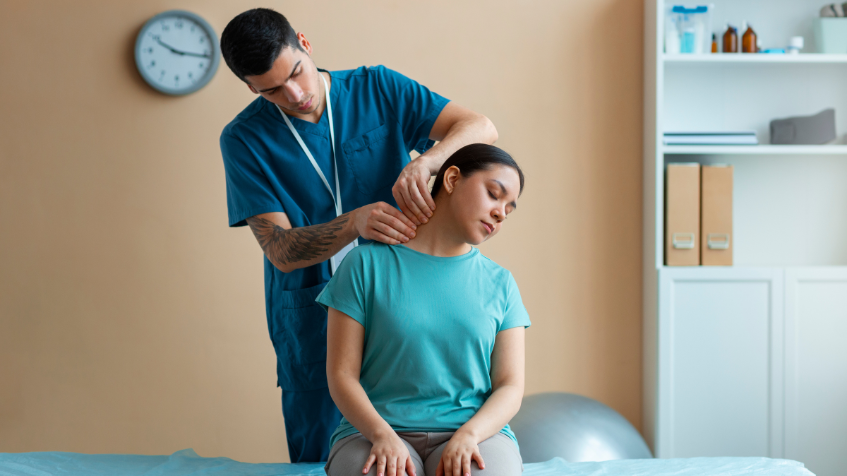
Physiotherapy is a healthcare discipline that focuses on restoring movement, improving physical function, relieving pain, and supporting recovery after illness, injury, or surgery through scientifically guided rehabilitation techniques and therapeutic exercises.
Who can benefit from Physiotherapy?
Physiotherapy may benefit individuals experiencing joint pain, muscle injuries, sports injuries, neck pain, back pain, post-operative recovery, arthritis, neurological disorders, balance problems, mobility limitations, or age-related physical decline. Treatment recommendations are always based on an individual clinical assessment.
Is Physiotherapy only for people recovering from injuries?
No. Physiotherapy also plays an important role in preventing future injuries, improving posture, enhancing flexibility, managing chronic pain, supporting neurological rehabilitation, improving balance, and promoting long-term physical health.
When should I consult a Physiotherapist?
You should consider consulting a Physiotherapist if you experience persistent pain, reduced joint movement, muscle weakness, difficulty walking, balance problems, sports-related injuries, delayed recovery after surgery, or physical limitations that interfere with daily activities.
Does every patient receive the same exercises?
No. Physiotherapy programmes are highly individualised. Exercises, manual therapy, rehabilitation goals, and treatment frequency vary depending on the patient's diagnosis, physical condition, medical history, and recovery progress.
Why Choose Deepam Hospitals for Physiotherapy in Guduvanchery?
Our Department of Physiotherapy combines clinical knowledge, structured rehabilitation programmes, and patient-focused care to help individuals regain movement safely and confidently.
Personalised Rehabilitation Programmes
Every rehabilitation plan is designed after a detailed physical assessment, ensuring therapy is appropriate for each patient's condition and functional goals.
Evidence-Based Physiotherapy Care
Treatment plans are guided by accepted rehabilitation principles and current physiotherapy practices to support safe and effective recovery.
Multidisciplinary Healthcare
Our Physiotherapy Department works closely with Orthopaedics, Neurology, General Medicine, Paediatrics, General Surgery, and other specialties whenever coordinated rehabilitation is required.
Focus on Functional Recovery
Our goal extends beyond pain relief—we aim to improve strength, mobility, flexibility, balance, coordination, endurance, and independence in daily life.
Patient Education
Patients receive guidance on posture, body mechanics, home exercise programmes, activity modification, and injury prevention to support long-term recovery.
Conditions Commonly Managed Through Physiotherapy
Our Physiotherapy Department provides assessment and rehabilitation for a wide range of musculoskeletal, neurological, and post-operative conditions, including:
Common Conditions
- Neck Pain
- Back Pain
- Shoulder Pain
- Knee Pain
- Arthritis-Related Mobility Limitations
- Sports Injuries
- Muscle Strains
- Ligament Injuries
- Joint Stiffness
- Frozen Shoulder
- Sciatica
- Post-Fracture Rehabilitation
- Joint Replacement Rehabilitation
- Spine Rehabilitation
- Stroke Rehabilitation
- Neurological Rehabilitation
- Balance Disorders
- Gait Abnormalities
- Post-Surgical Rehabilitation
- Age-Related Mobility Concerns
- Workplace Ergonomic Issues
Treatment recommendations are individualised after a comprehensive clinical assessment.
Signs You Should Not Ignore
Persistent physical discomfort or movement limitations should not be ignored. Early physiotherapy assessment may help identify the underlying cause and support timely rehabilitation.
Seek Evaluation If You Experience
- Persistent Joint or Muscle Pain
- Difficulty Walking
- Reduced Flexibility
- Poor Balance
- Muscle Weakness
- Difficulty Climbing Stairs
- Pain During Daily Activities
- Limited Shoulder Movement
- Ongoing Neck or Back Pain
- Slow Recovery Following Surgery or Injury
- Recurrent Sports Injuries
- Frequent Falls or Instability
Understanding Common Physiotherapy Conditions & How Physiotherapy Supports Recovery
| Condition / Concern | Common Symptoms | How Physiotherapy Supports Recovery |
|---|---|---|
| Neck Pain | Stiffness, pain during movement, headaches | Helps improve neck mobility, posture, muscle strength, and functional movement through personalised rehabilitation. |
| Back Pain | Lower back pain, muscle tightness, reduced flexibility | Supports spinal mobility, strengthens core muscles, improves posture, and restores functional movement. |
| Shoulder Disorders | Pain while lifting the arm, stiffness, reduced range of motion | Improves shoulder flexibility, muscle strength, and functional use of the joint. |
| Knee Pain | Pain while walking, climbing stairs, or standing | Focuses on improving joint stability, muscle strength, balance, and mobility. |
| Sports Injuries | Muscle strains, ligament sprains, overuse injuries | Provides structured rehabilitation to support healing and a safe return to physical activity. |
| Post-Surgical Rehabilitation | Weakness, stiffness, limited movement after surgery | Assists in restoring mobility, strength, flexibility, and functional independence during recovery. |
| Neurological Conditions | Weakness, balance difficulties, walking problems | Helps improve coordination, mobility, balance, and functional abilities through targeted rehabilitation. |
| Arthritis | Joint pain, swelling, morning stiffness | Supports joint flexibility, muscle strength, pain management, and daily function. |
| Balance & Gait Disorders | Frequent falls, poor stability, difficulty walking | Enhances balance, walking confidence, lower limb strength, and fall prevention strategies. |
| Age-Related Mobility Issues | Reduced endurance, slower walking, muscle weakness | Promotes healthy ageing by improving strength, flexibility, endurance, and independence in everyday activities. |
Why Early Physiotherapy Assessment Matters
Early physiotherapy assessment allows rehabilitation to begin before movement limitations become more severe. Timely intervention may support pain management, improve flexibility, restore function, prevent secondary complications, and help individuals return to daily activities more efficiently.
A detailed physical evaluation helps identify movement dysfunctions, muscle imbalances, joint restrictions, and rehabilitation priorities while allowing therapy goals to be tailored to each patient's needs.
Comprehensive Physiotherapy Assessment
Every rehabilitation programme begins with a structured assessment that may include:
- Medical History Review
- Pain Assessment
- Posture Evaluation
- Joint Mobility Assessment
- Muscle Strength Testing
- Functional Movement Assessment
- Balance Evaluation
- Gait Analysis
- Range of Motion Assessment
- Review of Previous Investigations When Applicable
The findings help the Physiotherapist develop an evidence-based rehabilitation programme focused on achieving safe, realistic, and measurable recovery goals.
Benefits of Physiotherapy
Physiotherapy may help patients:
- Improve Movement and Mobility
- Reduce Pain and Stiffness
- Restore Physical Function
- Improve Balance and Coordination
- Enhance Flexibility
- Support Post-Operative Recovery
- Improve Muscle Strength
- Reduce the Risk of Future Injuries
- Promote Independence in Daily Activities
- Improve Overall Quality of Life
Every patient's recovery journey is unique, and expected outcomes depend on the underlying condition, participation in therapy, and individual health factors.
Comprehensive Musculoskeletal Rehabilitation
Musculoskeletal conditions affecting the bones, joints, muscles, ligaments, tendons, and soft tissues can significantly impact mobility and everyday activities. Physiotherapy plays an important role in restoring movement, improving joint function, reducing discomfort, and supporting long-term physical health through structured rehabilitation programmes.
Clinical Assessment
Every rehabilitation programme begins with a detailed evaluation of the patient's physical condition. Depending on the symptoms, the assessment may include:
- Functional Movement Analysis
- Joint Mobility Assessment
- Muscle Strength Evaluation
- Flexibility Assessment
- Pain Pattern Evaluation
- Postural Assessment
- Movement Restrictions
- Daily Activity Limitations
This comprehensive evaluation helps identify the underlying functional impairments and guides the development of an individualised rehabilitation plan.
Rehabilitation Approach
Treatment recommendations are tailored to each patient's condition and may include:
- Therapeutic Exercise Programmes
- Joint Mobilisation Techniques
- Soft Tissue Rehabilitation
- Stretching Exercises
- Muscle Strengthening Programmes
- Functional Movement Training
- Flexibility Improvement
- Home Exercise Guidance
Regular reassessment helps monitor progress and allows the rehabilitation programme to be modified as recovery continues.
Sports Injury Rehabilitation
Sports and recreational activities may result in muscle strains, ligament injuries, tendon problems, joint instability, or overuse injuries. Early physiotherapy intervention can help athletes and active individuals recover safely while reducing the risk of recurrent injury.
Conditions Commonly Requiring Rehabilitation
Physiotherapy may be recommended for:
- Muscle Strains
- Ligament Sprains
- Tendon Injuries
- Sports-Related Joint Pain
- Running Injuries
- Shoulder Injuries
- Knee Injuries
- Ankle Injuries
- Overuse Syndromes
Rehabilitation Planning
After clinical evaluation, rehabilitation focuses on restoring:
- Joint Stability
- Muscle Strength
- Flexibility
- Balance
- Coordination
- Functional Performance
- Sport-Specific Movement Patterns Where Appropriate
Return-to-activity recommendations are based on the patient's recovery progress, functional assessment, and clinical findings rather than a fixed timeline.
Post-Surgical Rehabilitation
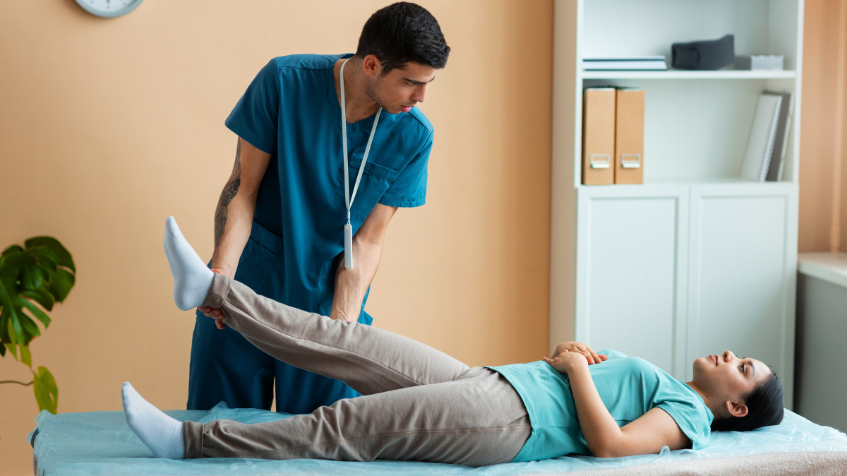
Recovery following surgery often requires structured rehabilitation to restore mobility, improve muscle function, and support a gradual return to daily activities. Physiotherapy forms an important part of the postoperative recovery process for many orthopaedic and general surgical procedures.
Individualised Rehabilitation Goals
The rehabilitation programme is planned according to:
- Type of Surgery Performed
- Healing Stage
- Functional Limitations
- Pain Levels
- Medical History
- Overall Physical Condition
- Recovery Objectives
Rehabilitation Strategies
Depending on the clinical situation, therapy may include:
- Range-of-Motion Exercises
- Progressive Strengthening
- Walking Re-Education
- Functional Mobility Training
- Balance Improvement
- Joint Flexibility Exercises
- Gradual Activity Progression
The pace of rehabilitation varies between individuals and is adjusted according to recovery milestones and clinical assessment.
Neurological Rehabilitation
Neurological conditions can affect movement, coordination, balance, muscle control, and independence in daily life. Physiotherapy aims to maximise functional ability through structured rehabilitation programmes designed around each patient's neurological condition and physical capabilities.
Conditions That May Benefit
Rehabilitation may be considered for individuals with:
- Stroke-Related Weakness
- Balance Disorders
- Gait Abnormalities
- Coordination Difficulties
- Reduced Functional Mobility
- Neurological Movement Impairments
Rehabilitation Focus
Therapy may include:
- Balance Training
- Walking Practice
- Functional Task Training
- Muscle Activation Exercises
- Coordination Activities
- Transfer Training
- Mobility Improvement Strategies
Treatment plans are regularly reviewed and modified according to the patient's progress and rehabilitation goals.
Balance, Mobility & Gait Training
Maintaining good balance and efficient walking patterns is essential for independence and fall prevention. Age-related changes, neurological disorders, injuries, and certain medical conditions can affect mobility and increase the risk of falls.
Assessment Components
The Physiotherapist evaluates:
- Walking Pattern
- Standing Balance
- Lower Limb Strength
- Joint Movement
- Functional Mobility
- Fall Risk Factors
- Assistive Device Requirements When Necessary
Rehabilitation Objectives
Therapy Focuses on Improving:
- Walking Confidence
- Balance Control
- Lower Limb Strength
- Functional Independence
- Safe Mobility
- Endurance During Daily Activities
Patients may also receive education on home safety measures and strategies to reduce the risk of falls.
Pain Management Through Physiotherapy
Persistent musculoskeletal pain can interfere with work, exercise, sleep, and overall quality of life. Physiotherapy aims to address the underlying movement dysfunction contributing to pain rather than focusing solely on symptom relief.
Following a detailed assessment, management may include:
<- Therapeutic Exercises
- Manual Therapy Techniques Where Appropriate
- Postural Correction
- Movement Re-Education
- Flexibility Programmes
- Ergonomic Advice
- Activity Modification
- Individualised Home Exercise Plans
Pain management strategies are tailored to each patient's diagnosis, functional abilities, and long-term rehabilitation goals.
Patient Education & Self-Management
Successful rehabilitation extends beyond clinic-based sessions. Educating patients about their condition and encouraging active participation in recovery are essential components of physiotherapy.
Our Physiotherapy team provides guidance on:
- Safe Movement Techniques
- Home Exercise Programmes
- Workplace Ergonomics
- Correct Posture
- Injury Prevention Strategies
- Joint Protection Techniques
- Lifestyle Modifications to Support Long-Term Physical Health
Patients who actively participate in their rehabilitation programme often experience improved confidence in managing their condition and maintaining functional gains.
Monitoring Progress Throughout Rehabilitation
Physiotherapy is a dynamic process that requires regular reassessment to ensure the rehabilitation programme continues to meet the patient's changing needs.
During follow-up visits, the Physiotherapist may review:
- Pain Levels
- Joint Mobility
- Muscle Strength
- Functional Performance
- Walking Ability
- Balance
- Achievement of Rehabilitation Goals
- Response to Prescribed Exercises
Based on these findings, the rehabilitation plan may be adjusted to support continued improvement while maintaining patient safety.
Individualised Rehabilitation for Every Patient
No two patients recover in exactly the same way. Age, medical history, diagnosis, physical fitness, lifestyle, and personal goals all influence rehabilitation planning and expected outcomes.
At Deepam Hospitals, Guduvanchery, every physiotherapy programme is designed following a comprehensive clinical assessment and is continuously adapted to reflect the patient's progress throughout the rehabilitation journey.
Our objective is to help patients improve mobility, restore functional independence, enhance physical performance, and return to everyday activities with confidence through safe, evidence-based physiotherapy care.
Dr. Raveena
Consultant Physiotherapist
At Deepam Hospitals, our Department of Physiotherapy is led by Dr. Raveena (BPT), a dedicated Physiotherapist committed to helping patients improve mobility, restore physical function, and enhance their overall quality of life through personalised rehabilitation programmes.
Dr. Raveena believes that every patient has unique healthcare needs. Rather than following a standard treatment approach, she carefully evaluates each individual's symptoms, functional abilities, medical history, lifestyle, and rehabilitation goals before developing a personalised physiotherapy plan.
With a strong emphasis on patient education, clinical assessment, and evidence-based rehabilitation, Dr. Raveena works closely with patients throughout their recovery journey, encouraging active participation and long-term self-management to achieve meaningful functional improvement.
Our Approach to Patient-Centred Physiotherapy Care
At Deepam Hospitals, we believe physiotherapy is not just about relieving symptoms—it is about helping people regain confidence in movement, improve independence, and return to the activities that matter most to them.
Our rehabilitation philosophy is based on:
- Comprehensive Clinical Assessment
- Individualised Rehabilitation Planning
- Evidence-Based Physiotherapy Practice
- Functional Goal Setting
- Patient Education and Empowerment
- Continuous Monitoring of Progress
- Collaborative Decision-Making Throughout Rehabilitation
Every recommendation is tailored to the patient's condition and designed to support safe, realistic, and sustainable recovery.
Preparing for Your Physiotherapy Consultation
A well-prepared consultation helps the Physiotherapist understand your condition more accurately and develop an effective rehabilitation strategy.
To make the most of your appointment, consider bringing:
- Previous Medical Records
- Imaging Reports Such as X-Rays or MRI Scans (If Available)
- Details of Recent Surgeries or Injuries
- Current Medications
- Referral Notes from Your Doctor, If Applicable
- Comfortable Clothing That Allows Easy Movement During Physical Assessment
- A List of Symptoms, Including When They Started and What Activities Make Them Better or Worse
Providing complete information enables the Physiotherapist to perform a thorough evaluation and recommend the most appropriate rehabilitation plan.
Setting Realistic Rehabilitation Goals
Successful physiotherapy is built on achievable goals that reflect each patient's lifestyle, occupation, physical abilities, and overall health.
During your consultation, rehabilitation goals may include:
- Improving Independence in Daily Activities
- Restoring Safe Movement Patterns
- Enhancing Flexibility and Joint Function
- Increasing Muscle Strength
- Supporting a Gradual Return to Work or Recreational Activities
- Improving Balance and Physical Confidence
- Preventing Future Movement-Related Problems
Goals are reviewed periodically to ensure the rehabilitation programme continues to meet the patient's changing needs.
Working Together for Better Outcomes
Effective rehabilitation is a partnership between the Physiotherapist and the patient. Consistent participation, open communication, and adherence to professional advice contribute significantly to long-term progress.
Patients are encouraged to:
- Attend Scheduled Therapy Sessions
- Perform Prescribed Home Exercises as Instructed
- Report Changes in Symptoms Promptly
- Follow Activity Recommendations
- Discuss Any Concerns or Difficulties During Rehabilitation
- Maintain Regular Follow-Up Appointments
Active participation helps the rehabilitation programme remain effective and responsive to individual progress.
Frequently Asked Questions
Depending on your healthcare needs and hospital processes, you may consult a Physiotherapist directly or be referred by another specialist. Patients recovering from surgery, injury, neurological conditions, or orthopaedic problems are often referred as part of their overall treatment plan.
Your programme is based on a detailed physical assessment, your diagnosis, medical history, functional limitations, lifestyle, and personal recovery goals. The treatment plan is individualised and may be modified as your condition improves.
If appropriate, your Physiotherapist may recommend home exercises as part of your rehabilitation programme. These exercises are selected according to your condition and are intended to complement supervised therapy sessions.
The number of sessions varies from person to person. Factors such as the nature of the condition, severity of symptoms, rehabilitation goals, response to therapy, and overall health influence the duration of treatment.
In many cases, physiotherapy includes education on posture, body mechanics, movement techniques, flexibility, and strengthening exercises that may help reduce the risk of future injuries and support long-term physical health.
You should seek medical advice if you experience worsening pain, new symptoms, sudden swelling, significant weakness, loss of movement, or any unexpected change in your condition during rehabilitation.
Why Choose Deepam Hospitals for Physiotherapy in Guduvanchery?
Patients choose Deepam Hospitals because we combine professional expertise with compassionate, patient-focused rehabilitation services.
Our Physiotherapy Department offers:
- Qualified and Experienced Physiotherapist
- Individualised Rehabilitation Programmes
- Evidence-Based Physiotherapy Practices
- Comprehensive Functional Assessment
- Patient Education and Self-Management Guidance
- Multidisciplinary Coordination with Medical Specialists
- Modern Rehabilitation Facilities
- Ethical and Patient-Centred Care
- Convenient Access Through Our Multispeciality Hospitals in Tambaram, Guduvanchery, and Singaperumal Koil (SP Koil), Supported by Healthcare Centres in Perungalathur, Urapakkam, and Maraimalai Nagar.
We are committed to helping patients improve movement, regain confidence, and achieve the highest possible level of physical function through personalised rehabilitation.
Medical Disclaimer
The information provided on this page is for educational purposes only and should not be considered medical advice, diagnosis, or treatment. Always consult a qualified healthcare professional for personalised medical guidance. In case of a medical emergency, seek immediate medical attention or visit the nearest hospital.
Book Your Physiotherapy Consultation
If pain, reduced mobility, muscle weakness, balance problems, or recovery after injury or surgery is affecting your daily life, seeking timely physiotherapy assessment can help identify the underlying problem and establish an appropriate rehabilitation plan.
At Deepam Hospitals, Guduvanchery, Dr. Raveena (BPT) provides comprehensive physiotherapy assessment and personalised rehabilitation programmes designed around each patient's unique healthcare needs.
Schedule your consultation today and begin your journey towards improved mobility, greater independence, and better physical well-being with expert physiotherapy care.
Contact Us