- For appointment (+91) 97904 97905
Best Anaesthesiology Hospital in Tambaram
Safe, Personalised & Evidence-Based Anaesthesia Care for Every Surgical Journey
Anaesthesiology is one of the most critical medical specialties in modern healthcare, ensuring patient safety, comfort, and clinical stability before, during, and after surgical and diagnostic procedures. Beyond administering anaesthesia, anaesthesiologists play a vital role in evaluating patients before surgery, monitoring vital functions throughout procedures, managing pain, and supporting recovery through coordinated perioperative care. Their expertise is essential for delivering safe surgical outcomes across routine, complex, and emergency procedures.
At Deepam Hospitals, Tambaram, our Department of Anaesthesiology provides comprehensive anaesthesia services tailored to the unique medical needs of every patient. From preoperative assessment and anaesthesia planning to intraoperative monitoring and postoperative pain management, our team follows evidence-based protocols designed to prioritise patient safety, minimise surgical risks, and support smooth recovery.
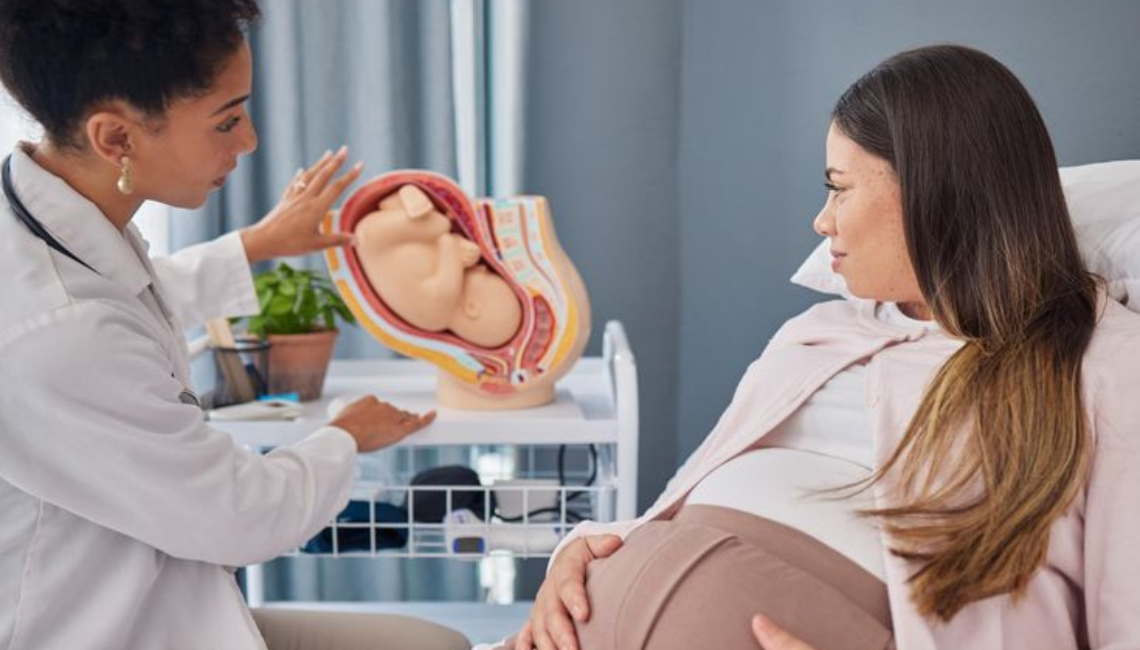
Deepam Hospitals is a trusted healthcare network with multispeciality hospitals in Tambaram, Guduvanchery, and Singaperumal Koil (SP Koil), supported by healthcare centres in Perungalathur, Urapakkam, and Maraimalai Nagar. This integrated healthcare network enables patients to access specialised surgical care, advanced diagnostic facilities, critical care support, and multidisciplinary medical expertise across multiple locations.
Our Anaesthesiology Department is led by Dr. Rajarajan Balasubramanian (MBBS, MD, DNB, FNB (Pain Medicine), FIPM, FIPP (WIP, USA), DABRM (USA)), an experienced anaesthesiologist with expertise in perioperative medicine, patient safety, advanced pain management, and modern anaesthesia techniques. Every anaesthesia plan is individualised according to the patient's age, overall health, medical history, type of surgery, and clinical risk profile.
Patients from Tambaram, East Tambaram, West Tambaram, Selaiyur, Camp Road, Chromepet, Chitlapakkam, Sembakkam, Perungalathur, Mudichur, Urapakkam, Guduvanchery, Maraimalai Nagar, and nearby communities trust Deepam Hospitals for safe anaesthesia services delivered through advanced monitoring systems, internationally accepted clinical standards, and compassionate patient-centred care.
Your Anaesthesia Questions, Answered
What does an anaesthesiologist do?
An anaesthesiologist is a specialist doctor responsible for ensuring patient safety before, during, and after medical or surgical procedures. Their responsibilities include evaluating a patient's medical condition, selecting the most appropriate anaesthesia technique, continuously monitoring vital signs during surgery, managing pain, maintaining airway safety, and supporting recovery immediately after the procedure.
Is anaesthesia safe?
Modern anaesthesia is considered highly safe when administered by qualified anaesthesiologists using appropriate monitoring equipment and evidence-based clinical protocols. Before surgery, every patient undergoes a detailed medical assessment to identify individual risk factors and develop a personalised anaesthesia plan that prioritises safety throughout the procedure.
What happens before anaesthesia is given?
Before administering anaesthesia, the anaesthesiologist reviews the patient's medical history, current medications, allergies, previous anaesthesia experiences, laboratory investigations, and overall health status. This preoperative evaluation helps determine the safest anaesthesia approach while reducing the likelihood of preventable complications during surgery.
Do all surgeries require general anaesthesia?
No. The type of anaesthesia depends on several factors, including the nature of the procedure, surgical duration, patient health, and clinical requirements. Some procedures may require general anaesthesia, while others are safely performed using regional anaesthesia, local anaesthesia, or monitored sedation under the supervision of an anaesthesiologist.
Why is continuous monitoring important during surgery?
Continuous monitoring allows the anaesthesia team to observe vital signs such as heart rate, blood pressure, oxygen levels, breathing, and other physiological parameters throughout the procedure. Real-time monitoring helps maintain patient stability, supports rapid clinical decision-making, and contributes significantly to safe surgical care.
Why Choose Deepam Hospitals for Anaesthesia Services in Tambaram?
Anaesthesiology is a highly specialised field that combines advanced medical knowledge, precise clinical judgement, and continuous patient monitoring. At Deepam Hospitals, Tambaram, our anaesthesia team works collaboratively with surgeons, physicians, intensivists, nursing professionals, and critical care specialists to ensure every patient receives safe, personalised, and evidence-based perioperative care.
Every anaesthesia plan is carefully designed according to the patient's medical condition, surgical complexity, age, and individual risk profile. Our focus extends beyond the operating theatre to include comprehensive perioperative support, pain management, and continuous monitoring that promotes safer surgical outcomes.
Why Patients Choose Deepam Hospitals
- Experienced consultant anaesthesiologist with advanced international qualifications
- Personalised anaesthesia planning for each patient
- Comprehensive preoperative anaesthesia assessment
- Safe general, regional, and local anaesthesia services
- Advanced intraoperative monitoring systems
- Expertise in perioperative medicine and patient safety
- Anaesthesia support for routine, complex, and emergency surgeries
- Multidisciplinary collaboration with surgical and critical care teams
- Evidence-based clinical protocols aligned with international standards
- Patient-centred care focused on comfort, safety, and optimal recovery
Understanding the Role of Anaesthesiology in Modern Healthcare
Anaesthesiology extends far beyond simply administering medication before surgery. It is a comprehensive medical specialty dedicated to protecting patients throughout the entire surgical journey by maintaining physiological stability, managing pain, and responding rapidly to any changes in a patient's condition.
Modern anaesthesiologists play an integral role in perioperative medicine, participating in preoperative evaluation, surgical planning, intraoperative monitoring, postoperative pain control, emergency care, intensive care support, and critical decision-making during complex medical procedures. Their expertise contributes significantly to improved surgical safety, reduced complications, enhanced patient comfort, and better overall healthcare outcomes.
As surgical techniques continue to advance, the role of anaesthesiology has evolved alongside them, incorporating sophisticated monitoring technologies, evidence-based safety protocols, and personalised anaesthesia strategies that support patients across all age groups and levels of surgical complexity.
Preparing for Safe Surgery With Expert Anaesthesia Care
Why Anaesthesia Is Essential During Surgery
Explain the role of anaesthesia in maintaining comfort, safety, and surgical precision.
Focus on patient awareness:
- Preventing pain perception
- Supporting vital functions
- Helping surgeons perform procedures safely
- Ensuring a controlled surgical environment
Keyword Integration:
- Anaesthesia Care in Guduvanchery
- Anaesthesiology Hospital in Guduvanchery
- Surgical Anaesthesia Support
- Patient Safety During Surgery
Types of Anaesthesia Explained
Awareness-focused explanation only
- General Anaesthesia
- Regional Anaesthesia
- Local Anaesthesia
- Monitored Anaesthesia Care (Sedation)
Preoperative Anaesthesia Assessment
- Reviewing medical history
- Understanding existing health conditions
- Evaluating previous anaesthesia experiences
- Assessing individual surgical requirements
- Planning a safer anaesthesia approach
Factors That Influence Anaesthesia Planning
- Type and duration of surgery
- Patient age and overall health
- Existing medical conditions
- Previous surgical history
- Allergies and medications
- Individual safety considerations
What Patients Should Share Before Surgery
- Existing health conditions
- Current medications
- Allergies
- Previous reactions to anaesthesia
- Lifestyle-related information
| Anaesthesia Type | General Purpose | Common Considerations |
|---|---|---|
| General Anaesthesia | Creates a temporary state of unconsciousness during surgery | Used based on surgical requirements and patient assessment |
| Regional Anaesthesia | Numbs a specific region of the body | Selected depending on procedure and safety factors |
| Local Anaesthesia | Provides numbness in a small targeted area | Suitable for procedures involving limited areas |
| Monitored Anaesthesia Care | Provides controlled sedation with monitoring support | Planned according to patient needs and procedure requirements |
Importance of Patient Safety During Surgery
- Continuous monitoring
- Careful planning
- Communication between medical teams
- Individualised safety measures
- Importance of experienced anaesthesia support
Personalised Anaesthesia Planning
- Individual evaluation
- Procedure-specific planning
- Patient-focused anaesthesia strategies
- Safety-driven decision making
General Anaesthesia
- Role during major surgical procedures
- Importance of controlled unconsciousness
- Anaesthesia team involvement
Regional Anaesthesia
- Targeted pain-blocking approach
- Importance in selected surgical procedures
- Specialist planning
Local Anaesthesia
- Focused numbing approach
- Suitable surgical situations
- Importance of accurate administration
Monitored Anaesthesia Care (Sedation)
- Sedation with continuous observation
- Patient comfort management
- Procedure-specific requirements
Airway Management
- Maintaining airway safety
- Monitoring breathing functions
- Anaesthesia expertise in airway support
Intraoperative Monitoring
- Continuous observation of vital parameters
- Real-time safety assessment
- Anaesthesia team responsibility
Anaesthesia for High-Risk Patients
- Complex medical conditions
- Individual risk assessment
- Coordinated perioperative planning
Emergency Anaesthesia
- Rapid assessment
- Emergency surgical readiness
- Critical decision-making support
Day-Care Surgery Anaesthesia
- Anaesthesia planning for short-stay procedures
- Safety-focused approach
- Coordinated surgical care
Postoperative Pain Control
- Role of anaesthesia specialists
- Pain management strategies after procedures
- Supporting surgical outcomes
Multidisciplinary Surgical Support
- Surgeons
- Anaesthesiologists
- Nursing teams
- Critical care specialists
- Coordinated patient management
Dr. Rajarajan Balasubramanian
Consultant Anaesthesiologist
Safe anaesthesia care requires precision, experience, continuous monitoring, and a thorough understanding of each patient's medical condition. Dr. Rajarajan Balasubramanian is dedicated to providing personalised anaesthesia care by combining clinical expertise, patient safety practices, and evidence-based approaches throughout the surgical journey.
With expertise in anaesthesiology, perioperative medicine, and pain management, he focuses on ensuring patients receive appropriate care tailored to their surgical requirements, health status, and individual risk factors. His approach prioritises patient comfort, safety, communication, and coordinated care with surgical teams.
The Patient Journey Before, During & After Surgery
Every patient's surgical experience involves careful coordination between multiple healthcare professionals. The anaesthesia team plays an important role in supporting patient safety and comfort throughout the entire perioperative journey.
Before Surgery
Before any procedure, patients are guided through a planned care pathway designed around their medical history, current health condition, and surgical requirements.
The healthcare team focuses on:
- Understanding the patient's overall health background
- Reviewing relevant medical information
- Coordinating care with surgical specialists
- Preparing patients emotionally and physically for surgery
- Addressing patient concerns and expectations
Clear communication before surgery helps patients feel informed and confident about their healthcare journey.
During Surgery
During the procedure, the anaesthesia team remains closely involved in monitoring the patient's condition and supporting surgical safety.
The focus includes:
- Continuous monitoring of vital parameters
- Maintaining patient stability
- Coordinating with the surgical team
- Responding to changes during the procedure
- Supporting a safe operating environment
Anaesthesia care is an essential component of modern surgery, helping medical teams perform procedures while prioritising patient wellbeing.
After Surgery
Following surgery, patients continue to receive professional medical observation and support as they transition through the recovery phase.
Postoperative anaesthesia care focuses on:
- Monitoring recovery progress
- Assessing patient comfort
- Supporting safe transition after surgery
- Identifying any concerns requiring medical attention
- Coordinating with the surgical and nursing teams
This continued involvement helps ensure a smoother recovery experience.
Recovery After Anaesthesia
Recovery after anaesthesia varies depending on the type of surgery, individual health factors, and the patient's response to medication. The anaesthesia team works closely with other healthcare professionals to monitor recovery and support patient safety.
During recovery, patients may receive guidance regarding:
- Rest and activity levels
- Medication instructions
- Follow-up appointments
- Monitoring symptoms
- Returning to routine activities safely
Patients are encouraged to communicate any concerns during the recovery period so appropriate medical guidance can be provided.
Patient Instructions After Surgery
Following medical advice after surgery plays an important role in supporting recovery and preventing avoidable complications.
Patients are generally advised to:
- Follow all instructions provided by the healthcare team
- Take prescribed medications as directed
- Attend scheduled follow-up visits
- Maintain adequate rest and hydration
- Avoid activities restricted by the treating doctor
- Report unusual symptoms promptly
- Follow wound care instructions when applicable
Every patient's recovery plan is personalised according to the procedure performed and overall health condition.
Your Anaesthesia Care Questions, Answered
Anaesthesia helps create a safe and controlled environment during surgical procedures by supporting patient comfort, reducing awareness of surgical sensations, and allowing surgeons to perform necessary procedures effectively.
Anaesthesia care is provided by qualified anaesthesiologists who specialise in managing patient safety, monitoring vital functions, and supporting perioperative care.
The anaesthesia team continuously monitors the patient's condition, coordinates with other specialists, and provides personalised care based on individual medical requirements.
Yes. Recovery depends on factors such as the type of procedure, individual health condition, medications used, and the patient's overall response.
Patients should contact their healthcare provider if they experience unusual symptoms, worsening discomfort, unexpected changes, or concerns during the recovery period.
Why Patients Trust Deepam Hospitals for Anaesthesia Care
Patients and families trust Deepam Hospitals because of our commitment to safe surgical care, experienced medical professionals, advanced healthcare infrastructure, and coordinated multidisciplinary approach.
Our strengths include:
- Experienced anaesthesia specialists
- Patient-focused perioperative care
- Close coordination with surgical departments
- Modern monitoring facilities
- Individualised anaesthesia planning
- Focus on patient safety and comfort
- Comprehensive support throughout the surgical journey
- Ethical and evidence-based healthcare practices
Deepam Hospitals is a trusted healthcare network with multispeciality hospitals in Tambaram, Guduvanchery, and Singaperumal Koil (SP Koil), supported by healthcare centres in Perungalathur, Urapakkam, and Maraimalai Nagar.
Medical Disclaimer
The information provided on this page is for educational purposes only and should not be considered medical advice, diagnosis, or treatment. Anaesthesia decisions vary based on individual health conditions and surgical requirements. Always consult a qualified healthcare professional for personalised medical guidance.
Begin Your Safe Surgical Journey with Expert Anaesthesia Care
Choosing an experienced anaesthesia team is an important step towards a safer surgical experience. At Deepam Hospitals, Guduvanchery, patients receive coordinated perioperative care designed around safety, comfort, and personalised medical needs.
Consult Dr. Rajarajan Balasubramanian for expert anaesthesia support and comprehensive perioperative care focused on patient safety at every stage of surgery.
Contact Us