- For appointment (+91) 97904 97905
Best Pulmonology Hospital in Tambaram
Expert Pulmonology Care for Healthy Lungs, Better Breathing & Long-Term Respiratory Wellness
Breathing is something most people rarely think about until it becomes difficult. Every breath supplies oxygen to the body's organs, supports physical activity, improves sleep quality, and enables people to live active, productive lives. When lung diseases or respiratory disorders interfere with normal breathing, they can affect every aspect of daily living—from walking short distances and climbing stairs to working, exercising, and even sleeping comfortably.
Respiratory diseases are among the most common health conditions affecting people of all ages. While some conditions develop suddenly due to infections, others progress gradually over many years because of allergies, smoking, environmental pollution, occupational exposure, or chronic inflammation. Persistent cough, wheezing, chest tightness, repeated chest infections, breathlessness, or unexplained fatigue should never be ignored, as these symptoms may indicate an underlying respiratory condition that requires specialist evaluation.
At Deepam Hospitals, Tambaram, our Department of Pulmonology is dedicated to helping patients achieve better respiratory health through early diagnosis, comprehensive evaluation, evidence-based treatment, and long-term disease management. Our goal is not only to treat lung diseases but also to preserve lung function, improve breathing comfort, prevent complications, and enhance the overall quality of life for every patient.
Deepam Hospitals is a trusted healthcare network with multispeciality hospitals in Tambaram, Guduvanchery, and Singaperumal Koil (SP Koil), supported by healthcare centres in Perungalathur, Urapakkam, and Maraimalai Nagar.
Our Pulmonology Department is led by Dr. Bindhu, Consultant Pulmonologist, who provides expert medical care for patients with both acute and chronic respiratory disorders. Using a patient-centred approach supported by modern diagnostic techniques and internationally accepted clinical guidelines, every treatment plan is tailored according to the individual's medical condition, lifestyle, and long-term respiratory health goals.
Whether you require evaluation for persistent cough, asthma management, COPD treatment, tuberculosis care, lung infection management, interstitial lung disease assessment, or specialist advice for unexplained breathing difficulties, Deepam Hospitals offers comprehensive pulmonology services under one roof.
Patients from Tambaram, Chromepet, Pallavaram, Selaiyur, Camp Road, Chitlapakkam, Sembakkam, Perungalathur, Mudichur, Urapakkam, Guduvanchery, Maraimalai Nagar, Vandalur, and surrounding communities trust Deepam Hospitals for accessible, compassionate, and evidence-based respiratory care delivered by experienced specialists.
Comprehensive Pulmonology Services at Deepam Hospitals
Respiratory medicine involves much more than treating coughs or chest infections. Pulmonologists diagnose and manage a wide spectrum of diseases affecting the lungs, airways, pleura, and respiratory muscles. Many respiratory disorders require careful evaluation because symptoms often overlap, making specialist assessment essential for an accurate diagnosis.
Our Pulmonology Department provides expert evaluation and management for:
- Asthma
- Chronic Obstructive Pulmonary Disease (COPD)
- Pneumonia
- Tuberculosis (TB)
- Chronic cough
- Bronchitis
- Lung infections
- Interstitial Lung Disease (ILD)
- Pulmonary fibrosis
- Bronchiectasis
- Pleural diseases
- Allergic respiratory disorders
- Occupational lung diseases
- Sleep-related breathing disorders
- Respiratory allergies
- Smoking-related lung diseases
Every patient receives personalised medical care based on clinical assessment, diagnostic findings, and internationally accepted treatment protocols.
Your Respiratory Health Questions Answered
What does a pulmonologist treat?
A pulmonologist specialises in diagnosing, treating, and managing diseases affecting the lungs and respiratory system. This includes conditions such as asthma, COPD, pneumonia, tuberculosis, chronic cough, lung infections, interstitial lung disease, bronchitis, pulmonary fibrosis, sleep-related breathing disorders, and other respiratory illnesses.
When should I consult a pulmonologist?
You should consult a pulmonologist if you experience symptoms such as:
- Persistent cough lasting more than three weeks
- Shortness of breath
- Wheezing
- Chest tightness
- Recurrent chest infections
- Difficulty breathing during physical activity
- Coughing up blood
- Persistent mucus production
- Unexplained breathing discomfort
- Snoring associated with breathing pauses during sleep
Early evaluation helps identify respiratory conditions before complications develop.
Can breathing problems always indicate lung disease?
Not necessarily. Breathing difficulties may also result from heart disease, allergies, anaemia, obesity, anxiety, or other medical conditions. A comprehensive clinical evaluation helps determine the exact cause and ensures patients receive the most appropriate treatment.
Are chronic lung diseases curable?
Some respiratory conditions can be completely treated, while others require ongoing medical management. With early diagnosis, personalised treatment, regular monitoring, and healthy lifestyle practices, many chronic respiratory diseases can be effectively controlled, allowing patients to maintain a good quality of life.
Why is early diagnosis important in respiratory diseases?
Early diagnosis allows respiratory diseases to be identified before they cause significant lung damage or long-term complications. Prompt medical care can improve symptom control, preserve lung function, reduce hospitalisations, and support better long-term health outcomes.
Why Choose Deepam Hospitals for Pulmonology Care in Tambaram?
Choosing the right pulmonology hospital is an important decision for individuals experiencing respiratory symptoms or living with chronic lung diseases. Effective respiratory care requires experienced specialists, accurate diagnosis, personalised treatment planning, ongoing monitoring, and access to comprehensive medical facilities.
At Deepam Hospitals, we combine medical expertise with compassionate patient care to deliver high-quality pulmonology services for patients of all ages.
Our Strengths Include:
- Experienced Consultant Pulmonologist
- Comprehensive respiratory disease evaluation
- Advanced pulmonary diagnostic support
- Evidence-based clinical practice
- Personalised treatment planning
- Long-term management of chronic respiratory diseases
- Preventive respiratory healthcare
- Multidisciplinary medical collaboration
- Patient-centred approach
- Ethical and transparent medical care
Our objective is to help every patient breathe more comfortably while improving respiratory function, reducing disease progression, and supporting lifelong lung health.
Understanding the Respiratory System
The respiratory system is one of the body's most essential organ systems, responsible for delivering oxygen to every cell while removing carbon dioxide. Healthy lungs support physical activity, brain function, heart health, sleep quality, and overall wellbeing. Even minor changes in lung function can significantly affect energy levels, exercise tolerance, and daily activities.
The respiratory system includes the nose, sinuses, throat (pharynx), voice box (larynx), windpipe (trachea), bronchi, bronchioles, lungs, air sacs (alveoli), and the diaphragm. These structures work together to ensure efficient breathing and oxygen exchange.
When disease affects any part of this system, normal breathing becomes difficult. Respiratory disorders may develop suddenly because of infections or gradually due to chronic inflammation, allergies, smoking, environmental pollution, or occupational exposure. Some lung diseases remain silent during the early stages, making routine evaluation and prompt medical attention extremely important.
Common Respiratory Diseases Managed by a Pulmonologist
Pulmonologists specialise in diagnosing and managing a broad spectrum of respiratory conditions, ranging from short-term infections to lifelong chronic lung diseases.
Some of the most frequently treated conditions include:
- Asthma
- Chronic Obstructive Pulmonary Disease (COPD)
- Pneumonia
- Tuberculosis (TB)
- Acute and Chronic Bronchitis
- Chronic Cough
- Lung Infections
- Bronchiectasis
- Interstitial Lung Disease (ILD)
- Pulmonary Fibrosis
- Pleural Effusion
- Allergic Airway Diseases
- Occupational Lung Disorders
- Sleep-Related Breathing Disorders
Although these conditions may share similar symptoms, each requires a different diagnostic approach and treatment strategy. Specialist evaluation ensures accurate diagnosis and appropriate medical care.
Asthma – A Chronic Airway Disorder
Asthma is a long-term inflammatory condition that causes narrowing of the airways, making it difficult for air to move freely in and out of the lungs. Symptoms may occur occasionally or persist for long periods depending on disease severity and trigger exposure.
Asthma symptoms commonly include:
- Wheezing
- Breathlessness
- Chest tightness
- Persistent cough
- Night-time coughing
- Difficulty breathing during exercise
- Symptoms triggered by dust, pollen, smoke, cold air, or respiratory infections
While asthma cannot always be cured, early diagnosis and appropriate medical management help most individuals lead healthy and active lives with good symptom control.
Chronic Obstructive Pulmonary Disease (COPD)
COPD is a progressive respiratory disease characterised by persistent airflow limitation. It usually develops gradually over many years and is commonly associated with smoking, although non-smokers exposed to environmental pollutants or occupational dust may also develop the condition.
People living with COPD may experience:
- Chronic productive cough
- Shortness of breath
- Wheezing
- Chest discomfort
- Frequent respiratory infections
- Reduced exercise capacity
- Fatigue during everyday activities
Since COPD progresses slowly, early recognition allows interventions that help preserve lung function, reduce symptom severity, and improve long-term quality of life.
Respiratory Infections: Pneumonia, Tuberculosis & Bronchitis
Respiratory infections affect millions of people each year and range from mild illnesses to potentially serious lung diseases.
Pneumonia
Pneumonia occurs when the tiny air sacs within the lungs become inflamed, often due to bacterial, viral, or fungal infections. Common symptoms include fever, productive cough, chest pain, breathlessness, chills, and general weakness.
Tuberculosis (TB)
Tuberculosis is a contagious bacterial infection that most commonly affects the lungs. Early symptoms may be mild, but untreated TB can cause significant lung damage and spread to other individuals.
Typical warning signs include:
- Persistent cough lasting longer than two weeks
- Weight loss
- Night sweats
- Fever
- Fatigue
- Coughing up blood
Bronchitis
Bronchitis refers to inflammation of the bronchial tubes that carry air into the lungs. Acute bronchitis usually develops following viral infections, while chronic bronchitis forms part of chronic obstructive pulmonary disease (COPD).
Early medical evaluation helps distinguish between these conditions and guides appropriate management.
Chronic Cough: More Than Just a Persistent Symptom
Many people assume that a cough will resolve without medical attention. However, a cough lasting more than three weeks should never be ignored.
Persistent cough may be associated with:
- Asthma
- Chronic bronchitis
- Lung infections
- Tuberculosis
- Allergies
- Acid reflux disease (GERD)
- Smoking-related lung disease
- Interstitial lung disease
- Certain medications
Identifying the underlying cause is essential, as treatment depends on the specific diagnosis rather than the symptom alone.
Warning Signs That Require Specialist Evaluation
Respiratory diseases often begin with subtle symptoms that gradually become more noticeable over time. Seeking specialist care early may help prevent complications and improve treatment outcomes.
Consult a pulmonologist if you experience:
- Persistent cough
- Recurrent chest infections
- Breathlessness during routine activities
- Wheezing
- Chest tightness
- Chronic mucus production
- Coughing up blood
- Unexplained weight loss
- Fever associated with persistent respiratory symptoms
- Noisy breathing
- Difficulty sleeping due to breathing problems
- Loud snoring with pauses in breathing
Prompt evaluation helps identify the cause before significant lung damage develops.
Risk Factors for Respiratory Diseases
Several lifestyle, environmental, occupational, and medical factors increase the likelihood of developing respiratory disorders.
Common risk factors include:
- Active smoking
- Passive smoking (second-hand smoke)
- Outdoor air pollution
- Indoor smoke from biomass fuels
- Occupational exposure to dust, chemicals, and industrial fumes
- Family history of asthma or chronic lung disease
- Seasonal or environmental allergies
- Recurrent respiratory infections
- Advanced age
- Reduced immunity
- Obesity, particularly in sleep-related breathing disorders
Understanding these risk factors enables individuals to make informed lifestyle choices and seek medical advice before symptoms become severe.

Common Respiratory Conditions at a Glance
| Respiratory Condition | Primary Area Affected | Common Symptoms | Importance of Early Diagnosis |
|---|---|---|---|
| Asthma | Airways | Wheezing, cough, chest tightness | Improves symptom control and reduces severe attacks |
| COPD | Airways & Lungs | Breathlessness, chronic cough, mucus | Slows disease progression and improves lung function |
| Pneumonia | Lung air sacs | Fever, cough, chest pain | Enables timely treatment and reduces complications |
| Tuberculosis (TB) | Lungs | Persistent cough, weight loss, night sweats | Prevents disease spread and supports effective treatment |
| Bronchitis | Bronchial tubes | Productive cough, chest discomfort | Helps differentiate acute infection from chronic disease |
| Interstitial Lung Disease | Lung tissue | Dry cough, progressive breathlessness | Early evaluation helps preserve lung function |
The Importance of Early Pulmonology Consultation
Many respiratory conditions respond more effectively when diagnosed in their initial stages. Delaying medical evaluation may allow inflammation, infection, or chronic lung damage to progress, making treatment more complex and increasing the risk of complications.
Consulting a pulmonologist at the earliest sign of persistent respiratory symptoms offers several important benefits:
- Accurate diagnosis based on clinical expertise
- Identification of underlying respiratory diseases
- Early assessment of lung function
- Timely management of infections and chronic conditions
- Reduced risk of permanent lung damage
- Better symptom control
- Improved breathing capacity
- Enhanced long-term quality of life
Protecting lung health begins with recognising early warning signs and seeking specialist care before symptoms interfere with daily life. Whether symptoms are mild or persistent, timely evaluation provides the best opportunity to maintain healthy lungs and prevent future respiratory complications.
Comprehensive Respiratory Evaluation for Accurate Diagnosis
Successful treatment begins with identifying the exact cause of a patient's breathing problem. Respiratory symptoms such as chronic cough, wheezing, breathlessness, chest discomfort, or repeated chest infections may appear similar but can arise from very different underlying conditions. Treating symptoms without understanding their cause may delay recovery and increase the risk of complications.
At Deepam Hospitals, Tambaram, every patient undergoes a structured respiratory assessment designed to provide a clear understanding of their lung health. Rather than following a one-size-fits-all approach, our pulmonology team evaluates each individual based on their symptoms, medical history, lifestyle, environmental exposures, and overall health status.
A comprehensive assessment may include:
- Detailed review of present symptoms
- Previous respiratory illnesses
- Family history of lung diseases
- Smoking history and tobacco exposure
- Occupational exposure to dust, chemicals, or industrial pollutants
- Allergy history
- Existing medical conditions such as diabetes or heart disease
- Current medications
- Physical examination of the respiratory system
This detailed evaluation helps identify whether symptoms are related to asthma, COPD, infections, allergies, interstitial lung disease, sleep-related breathing disorders, or other pulmonary conditions.
Advanced Pulmonary Diagnostic Services
Respiratory medicine relies on accurate diagnostic investigations to distinguish between different lung disorders. At Deepam Hospitals, modern diagnostic facilities support early detection and informed clinical decision-making.
Depending on the patient's condition, investigations may include:
Pulmonary Function Testing (PFT)
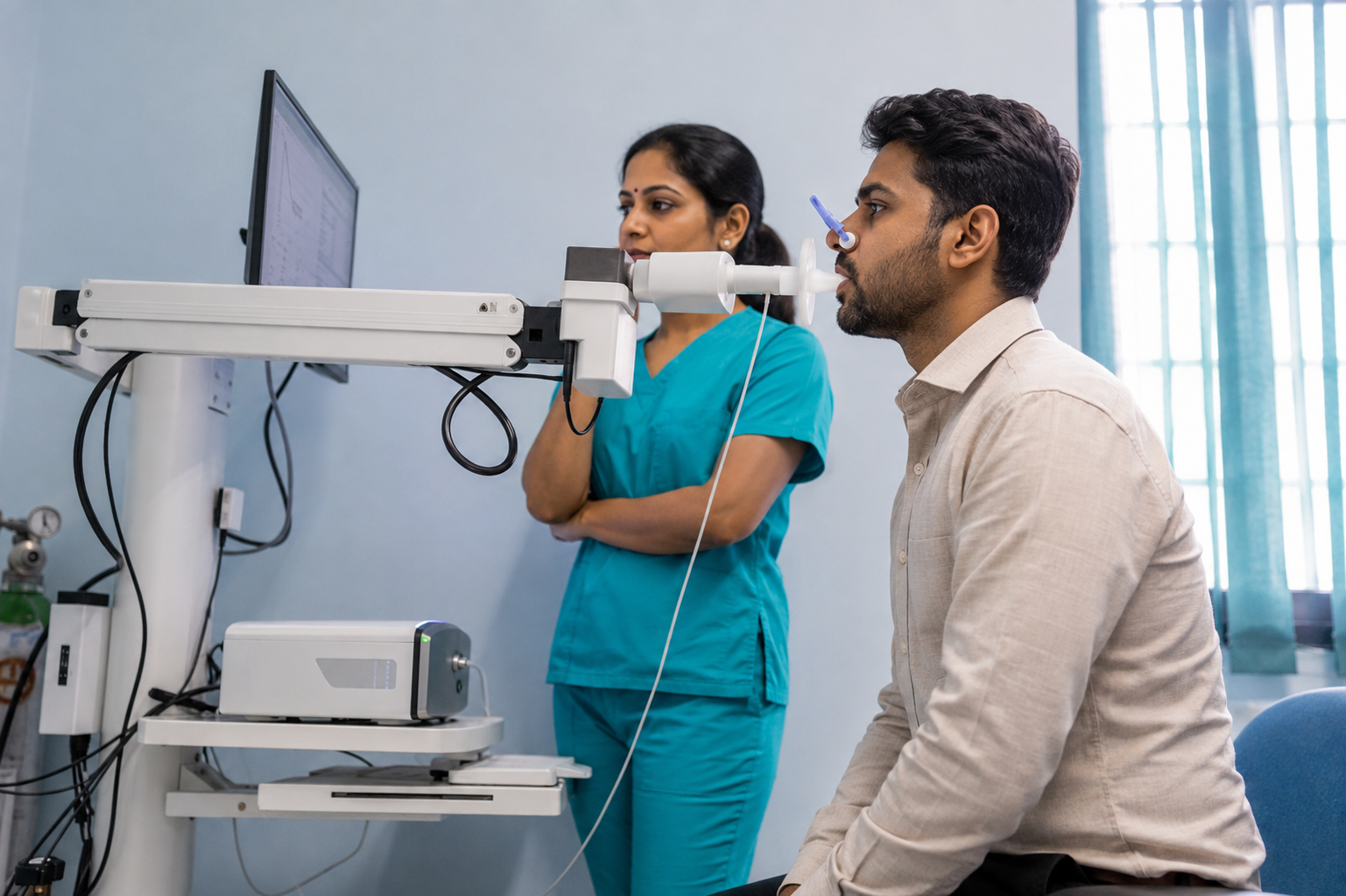
Pulmonary Function Tests measure how efficiently the lungs inhale, exhale, and transfer oxygen. These tests are particularly valuable for evaluating asthma, COPD, restrictive lung diseases, and unexplained breathlessness.
Spirometry
Spirometry is one of the most commonly performed respiratory investigations. It measures airflow through the lungs and helps diagnose airway obstruction, monitor disease progression, and evaluate treatment response.
Chest Imaging
Imaging studies such as chest X-rays and High-Resolution Computed Tomography (HRCT) scans provide detailed visual assessment of the lungs, airways, pleura, and surrounding structures. These investigations assist in diagnosing infections, fibrosis, lung nodules, bronchiectasis, and other structural abnormalities.
Laboratory Investigations
Blood tests, sputum analysis, microbiological investigations, and other laboratory evaluations help identify infections, inflammation, immune-related disorders, and systemic conditions affecting respiratory health.
Oxygen Assessment
Pulse oximetry and arterial blood gas (ABG) analysis help evaluate oxygen levels and determine how effectively the lungs are supplying oxygen to the body.
Every investigation is recommended only when clinically appropriate, ensuring patients receive evidence-based and personalised diagnostic care.
Personalised Asthma Care
Asthma is a chronic respiratory condition that requires continuous medical supervision rather than occasional treatment during symptom flare-ups. Effective asthma management focuses on controlling airway inflammation, improving breathing, reducing emergency episodes, and helping patients maintain normal daily activities.
Our asthma management approach includes:
- Comprehensive assessment of symptom severity
- Identification of allergy and environmental triggers
- Lung function evaluation
- Individualised medication planning
- Education on proper inhaler technique
- Monitoring treatment effectiveness
- Periodic review and adjustment of therapy
By creating personalised asthma action plans, we help patients achieve better disease control while minimising disruptions to work, school, exercise, and daily life.
Comprehensive COPD Management
Chronic Obstructive Pulmonary Disease (COPD) is a progressive condition that requires long-term medical care and regular monitoring. Although COPD cannot always be reversed, timely intervention helps reduce symptoms, preserve lung function, and improve overall quality of life.
Our COPD management programme focuses on:
- Accurate disease assessment
- Symptom control
- Prevention of acute exacerbations
- Optimising breathing capacity
- Improving physical endurance
- Reducing hospital admissions
- Supporting long-term respiratory independence
Each patient's treatment plan is personalised according to disease severity, lifestyle, associated medical conditions, and individual healthcare goals.
Expert Care for Lung Infections
Respiratory infections vary in severity and require careful clinical evaluation to determine the most appropriate course of management. Delayed treatment may increase the risk of complications, particularly in older adults and individuals with weakened immune systems.
Our pulmonology team provides specialist care for:
- Pneumonia
- Tuberculosis (TB)
- Acute bronchitis
- Chronic bronchitis
- Viral respiratory infections
- Bacterial lung infections
- Recurrent lower respiratory tract infections
Evaluation includes clinical examination, diagnostic investigations, and continuous monitoring to ensure safe and effective recovery.
Specialised Management of Interstitial Lung Disease & Pulmonary Fibrosis
Interstitial Lung Disease (ILD) includes a group of disorders affecting the lung tissue and its ability to exchange oxygen efficiently. Pulmonary fibrosis, one of the more recognised forms of ILD, may gradually reduce lung capacity if left untreated.
Our specialists provide comprehensive evaluation for patients experiencing:
- Progressive shortness of breath
- Persistent dry cough
- Reduced exercise tolerance
- Abnormal chest imaging
- Suspected occupational or environmental lung disease
Early diagnosis allows appropriate monitoring and management aimed at preserving lung function and improving long-term respiratory outcomes.
Evaluation of Chronic Cough & Unexplained Breathlessness
Persistent cough and unexplained breathlessness are among the most common reasons for pulmonology consultation. While these symptoms may appear straightforward, they often have multiple possible causes.
Our specialists carefully investigate chronic respiratory symptoms to identify conditions such as:
- Asthma
- COPD
- Chronic bronchitis
- Allergic airway disease
- Lung infections
- Tuberculosis
- Interstitial lung disease
- Gastroesophageal reflux disease (GERD)
- Medication-related cough
- Occupational lung disorders
A systematic diagnostic approach helps avoid unnecessary treatments while ensuring patients receive accurate diagnosis and targeted care.
Bronchoscopy & Advanced Airway Assessment
Bronchoscopy is an advanced diagnostic procedure that allows direct visual examination of the airways using a specialised flexible instrument.
It may be recommended for selected patients with:
- Persistent unexplained cough
- Recurrent respiratory infections
- Suspected airway obstruction
- Persistent coughing up blood
- Abnormal imaging findings
- Lung masses requiring further evaluation
When clinically indicated, bronchoscopy provides valuable information that supports accurate diagnosis and guides future treatment decisions.
Evidence-Based Pulmonology Care
Every respiratory condition presents unique clinical challenges. At Deepam Hospitals, treatment decisions are based on internationally accepted pulmonary medicine guidelines, current scientific evidence, and the individual needs of each patient.
Our evidence-based approach includes:
- Comprehensive clinical assessment
- Accurate diagnostic interpretation
- Individualised treatment strategies
- Regular monitoring of disease progression
- Patient education and shared decision-making
- Preventive respiratory healthcare
- Coordination with other medical specialties when required
This personalised model of care enables patients to receive safe, ethical, and scientifically supported treatment while promoting healthier lungs and improved quality of life.
Technology Supporting Better Respiratory Outcomes
Modern pulmonology combines specialist expertise with advanced diagnostic technology to achieve earlier diagnosis and more precise treatment planning.
Our respiratory care pathway is supported by:
- Advanced pulmonary function testing
- High-quality imaging services
- Laboratory diagnostic support
- Continuous oxygen monitoring
- Bronchoscopic airway evaluation (when indicated)
- Integrated electronic medical records for continuity of care
- Multidisciplinary collaboration across specialties
The integration of technology with clinical expertise allows our team to make informed decisions, monitor treatment effectiveness, and deliver comprehensive respiratory care with confidence.
Managing Chronic Respiratory Diseases Beyond Treatment
Respiratory care does not end once a diagnosis is made or medications are prescribed. Many lung conditions require continuous monitoring to ensure that symptoms remain under control, lung function is preserved, and complications are detected early.
Conditions such as asthma, Chronic Obstructive Pulmonary Disease (COPD), bronchiectasis, interstitial lung disease, pulmonary fibrosis, and certain sleep-related breathing disorders are often lifelong conditions that benefit from structured follow-up care. The objective is not only to manage symptoms but also to help patients maintain independence, remain physically active, and enjoy a better quality of life.
At Deepam Hospitals, Tambaram, our pulmonology team works closely with patients to create long-term respiratory care plans that evolve according to changes in health status, age, lifestyle, and treatment response. Every follow-up consultation provides an opportunity to reassess respiratory health, review medications, evaluate lung function, and address new concerns before they become serious.
The Importance of Regular Pulmonology Follow-Up
Respiratory diseases can change gradually over time, sometimes without obvious symptoms. Regular consultations with a pulmonologist allow early identification of disease progression and provide opportunities to optimise treatment.
Routine follow-up appointments may help:
- Monitor symptom control
- Evaluate breathing capacity
- Review lung function reports
- Assess treatment effectiveness
- Identify medication-related concerns
- Detect complications at an early stage
- Reduce emergency hospital visits
- Improve long-term disease outcomes
Patients who attend regular follow-up appointments are often better equipped to manage their respiratory condition and respond promptly to any changes in their health.
Pulmonary Rehabilitation: Improving Everyday Life
Pulmonary rehabilitation is an essential component of modern respiratory medicine, particularly for individuals living with chronic lung diseases. It is a medically supervised programme that combines physical conditioning, breathing techniques, education, and lifestyle guidance to improve overall respiratory function.
Rather than focusing solely on medication, pulmonary rehabilitation helps patients regain confidence in performing everyday activities while reducing the physical limitations caused by breathlessness.
A personalised rehabilitation programme may include:
- Breathing retraining exercises
- Chest expansion exercises
- Airway clearance techniques
- Walking and endurance training
- Muscle strengthening activities
- Energy conservation strategies
- Nutritional counselling
- Education about respiratory disease management
The programme is tailored according to each patient's age, diagnosis, physical ability, and healthcare goals, helping improve exercise tolerance and overall quality of life.
Supporting Better Lung Health Through Healthy Lifestyle Choices
Medical treatment is only one aspect of maintaining healthy lungs. Daily lifestyle habits have a significant influence on respiratory health, particularly for individuals living with chronic lung diseases.
Our pulmonology team encourages patients to adopt healthy practices such as:
- Avoiding smoking and tobacco products
- Staying away from second-hand smoke
- Limiting exposure to air pollution whenever possible
- Wearing protective masks in dusty or chemical-prone work environments
- Maintaining a healthy body weight
- Engaging in regular physical activity appropriate for individual fitness levels
- Eating a balanced diet rich in fruits, vegetables, and protein
- Drinking adequate water to support mucus clearance
- Practising breathing exercises as recommended by the pulmonologist
- Prioritising adequate sleep and stress management
These habits support lung function, improve overall health, and complement medical treatment.
Preventing Respiratory Infections
Respiratory infections can worsen existing lung diseases and may lead to serious complications, especially in older adults and individuals with chronic respiratory disorders.
Preventive measures include:
- Maintaining good hand hygiene
- Avoiding close contact with individuals who have contagious respiratory infections
- Following recommended vaccination schedules after consulting your doctor
- Seeking medical care for persistent fever, cough, or breathlessness
- Completing prescribed medications as directed
- Maintaining good nutrition to support immune function
- Managing chronic illnesses such as diabetes and heart disease effectively
Early prevention reduces the risk of hospitalisation and supports long-term respiratory health.
Sleep and Respiratory Health
Quality sleep plays an important role in maintaining healthy lung function and overall wellbeing. Certain respiratory disorders become more noticeable during sleep and may interfere with oxygen delivery, resulting in poor-quality rest and daytime fatigue.
Medical evaluation should be considered for individuals experiencing:
- Loud snoring
- Repeated pauses in breathing during sleep
- Excessive daytime sleepiness
- Morning headaches
- Difficulty concentrating
- Frequent night-time awakenings due to breathlessness
Early recognition of sleep-related breathing disorders supports timely management and reduces the risk of long-term health complications.
Multidisciplinary Collaboration for Comprehensive Respiratory Care
Many respiratory diseases are associated with other medical conditions that require coordinated healthcare. Managing these conditions effectively often involves collaboration between several medical specialties.
At Deepam Hospitals, pulmonologists work closely with experts in:
- Internal Medicine
- Critical Care
- Cardiology
- ENT (Ear, Nose & Throat)
- Infectious Diseases
- Radiology
- Physiotherapy
- Nutrition and Dietetics
- Emergency Medicine
- Laboratory Medicine
This integrated approach allows patients to receive comprehensive care without unnecessary delays while ensuring that all aspects of their health are considered during treatment planning.
Empowering Patients Through Education
Patient education is one of the most valuable tools in respiratory medicine. Individuals who understand their condition are more likely to recognise early warning signs, follow treatment plans correctly, and participate actively in their own healthcare.
During consultations, patients receive guidance on:
- Understanding their respiratory diagnosis
- Correct inhaler usage and medication adherence
- Recognising symptoms that require urgent medical attention
- Avoiding environmental triggers
- Monitoring changes in breathing patterns
- Maintaining healthy daily routines
- Preparing for seasonal respiratory illnesses
- Knowing when to schedule follow-up appointments
Education encourages confidence, reduces anxiety, and promotes long-term disease control.
Our Commitment to Evidence-Based Respiratory Care
At Deepam Hospitals, respiratory care is guided by internationally accepted clinical guidelines, ethical medical practice, and personalised patient care. Every treatment decision is based on scientific evidence, comprehensive evaluation, and the individual health needs of the patient.
Our commitment includes:
- Accurate diagnosis using advanced pulmonary investigations
- Personalised treatment plans for every patient
- Safe and evidence-based medical care
- Long-term monitoring of chronic respiratory diseases
- Preventive healthcare and lifestyle counselling
- Continuous patient education
- Compassionate communication and shared decision-making
- Collaboration across medical specialties for comprehensive care
By combining modern pulmonology with compassionate healthcare, we aim to help every patient breathe comfortably, stay active, and enjoy a healthier future.
Building a Future with Better Lung Health
Healthy lungs contribute to every stage of life, from childhood through older adulthood. Protecting respiratory health requires awareness, early medical evaluation, preventive care, and consistent follow-up. Whether managing a chronic respiratory condition or recovering from an acute illness, ongoing specialist support helps patients achieve better health outcomes.
At Deepam Hospitals, our mission extends beyond treating respiratory diseases. We strive to build lasting relationships with our patients by providing trusted guidance, personalised care, and continuous support that promotes lifelong respiratory wellness.
Through advanced diagnostics, evidence-based medicine, multidisciplinary expertise, and compassionate care, we remain committed to helping every individual breathe easier, live healthier, and enjoy an improved quality of life.
Dr. Bindhu
Consultant Pulmonologist
The Department of Pulmonology at Deepam Hospitals is led by Dr. Bindhu, a dedicated Pulmonologist committed to delivering comprehensive respiratory care through accurate diagnosis, evidence-based treatment, and compassionate patient support.
Dr. Bindhu evaluates and manages a broad spectrum of respiratory conditions, ranging from common breathing disorders to complex chronic lung diseases. Her patient-first approach emphasises understanding each individual's symptoms, lifestyle, medical history, and long-term health goals before developing a personalised treatment strategy.
Clinical Interests
Every consultation focuses on delivering clear communication, accurate diagnosis, evidence-based care, and continuous medical support to help patients achieve healthier lungs and improved quality of life.
Your Pulmonology Care Journey at Deepam Hospitals
Receiving respiratory care can sometimes feel overwhelming, especially when symptoms have persisted for weeks or months. At Deepam Hospitals, we aim to make every stage of the patient journey smooth, transparent, and reassuring.
Your care journey includes:
Step 1 – Initial Consultation
Your consultation begins with a detailed discussion about your symptoms, medical history, occupational exposure, allergies, previous illnesses, medications, smoking history, and lifestyle factors. This comprehensive evaluation helps identify potential causes of your respiratory symptoms.
Step 2 – Clinical Examination
A thorough respiratory examination allows the pulmonologist to assess breathing patterns, lung sounds, oxygen levels, and other clinical findings that may indicate an underlying lung condition.
Step 3 – Diagnostic Evaluation
If required, pulmonary investigations such as pulmonary function testing, spirometry, chest imaging, laboratory tests, or bronchoscopy are recommended to confirm the diagnosis and determine the severity of the condition.
Step 4 – Personalised Treatment Planning
Following diagnosis, an individualised treatment plan is developed according to the patient's condition, age, overall health, lifestyle, and treatment goals.
The plan may include:
- Medical management
- Lifestyle recommendations
- Pulmonary rehabilitation guidance
- Preventive respiratory care
- Long-term monitoring
Step 5 – Ongoing Follow-Up
Respiratory conditions often require periodic review to ensure continued improvement. Follow-up visits allow the pulmonologist to evaluate symptom control, monitor lung function, review medications, and make necessary adjustments based on clinical progress.
Why Patients Trust Deepam Hospitals for Pulmonology Care
Selecting the right pulmonology hospital involves more than finding a specialist—it requires confidence in the quality of care, access to advanced diagnostics, and long-term medical support.
Patients choose Deepam Hospitals because we offer:
- Experienced Pulmonology Specialist
- Patient-centred respiratory care
- Comprehensive pulmonary evaluation
- Advanced diagnostic support
- Evidence-based clinical practice
- Personalised treatment plans
- Ethical and transparent medical care
- Multidisciplinary specialist collaboration
- Long-term disease monitoring
- Compassionate healthcare focused on improving quality of life
Our commitment is to provide every patient with high-quality respiratory care that is safe, personalised, and supported by current medical evidence.
Frequently Asked Questions About Pulmonology
You should consult a pulmonologist if you experience persistent cough, wheezing, breathlessness, repeated chest infections, coughing up blood, chest tightness, unexplained shortness of breath, or breathing problems that interfere with your daily activities or sleep.
Yes. Although these conditions often require long-term management, early diagnosis, regular follow-up, personalised treatment, and healthy lifestyle practices help many patients maintain excellent symptom control and lead active lives.
Pulmonologists assess lung function using clinical examination and specialised investigations such as spirometry, pulmonary function tests (PFT), pulse oximetry, imaging studies, and other diagnostic procedures depending on the patient's symptoms.
No. A chronic cough may result from asthma, allergies, acid reflux, infections, smoking, or other medical conditions. However, any cough lasting longer than three weeks should be medically evaluated to determine its underlying cause.
While not every respiratory disease can be prevented, avoiding smoking, reducing exposure to pollution, maintaining vaccinations, managing allergies, practising good hygiene, and seeking timely medical care significantly reduce the risk of many respiratory illnesses.
Healthy lungs are supported by regular physical activity, avoiding tobacco products, maintaining a healthy weight, staying hydrated, eating a balanced diet, following medical advice, and attending regular health check-ups when recommended.
No. Breathlessness may also be associated with heart disease, anaemia, obesity, anxiety, or other medical conditions. A specialist evaluation helps identify the exact cause and guides appropriate treatment.
Deepam Hospitals provides comprehensive respiratory care through experienced pulmonology expertise, advanced diagnostic facilities, personalised treatment plans, evidence-based medicine, multidisciplinary collaboration, and compassionate patient care—all under one roof.
Medical Disclaimer
The information provided on this page is intended solely for educational and informational purposes. It should not be considered a substitute for professional medical advice, diagnosis, or treatment. Every respiratory condition is unique and requires evaluation by a qualified pulmonologist. If you experience persistent breathing difficulties, severe chest pain, coughing up blood, or any medical emergency, seek immediate medical attention without delay. Always consult your healthcare provider before starting, stopping, or changing any medication or treatment plan.
Take the Next Step Towards Better Breathing and Lung Health
Healthy breathing is essential for living an active and fulfilling life. If you or a loved one experiences persistent cough, wheezing, shortness of breath, recurrent chest infections, or other respiratory concerns, seeking timely specialist care can make a significant difference.
At Deepam Hospitals, Tambaram, Dr. Bindhu offers comprehensive evaluation and personalised treatment for asthma, COPD, pneumonia, tuberculosis, chronic cough, bronchitis, lung infections, interstitial lung disease, pulmonary fibrosis, sleep-related breathing disorders, and other respiratory conditions.
Our goal is to help every patient breathe easier, recover confidently, and maintain healthier lungs through expert medical care, advanced diagnostics, and long-term respiratory support.
Contact Us