- For appointment (+91) 97904 97905
Best Orthopaedics & Joint Replacement Hospital in Tambaram
Comprehensive Bone, Joint & Musculoskeletal Care to Restore Mobility and Improve Quality of Life
Healthy bones and joints are essential for maintaining an active, independent, and pain-free lifestyle. Whether it is a sports injury, fracture, arthritis, traumatic injury, joint degeneration, or age-related mobility problem, timely orthopaedic care plays a vital role in restoring movement, relieving pain, and improving overall quality of life. Early diagnosis and appropriate medical intervention can help prevent complications, preserve joint function, and support faster recovery.
At Deepam Hospitals, Tambaram, our Department of Orthopaedics & Joint Replacement provides comprehensive care for patients of all ages, ranging from children with congenital or developmental orthopaedic conditions to adults requiring advanced trauma care, sports injury management, regenerative medicine, or joint replacement surgery. Our specialists focus on preserving mobility, restoring function, and helping patients return to their daily activities safely and confidently.
Deepam Hospitals is a trusted healthcare network with multispeciality hospitals in Tambaram, Guduvanchery, and Singaperumal Koil (SP Koil), supported by healthcare centres in Perungalathur, Urapakkam, and Maraimalai Nagar. Our integrated healthcare network enables patients to access specialised orthopaedic care, advanced diagnostics, rehabilitation services, and multidisciplinary treatment closer to their communities.
Whether you are experiencing persistent joint pain, recovering from a fracture or dislocation, living with arthritis, suffering from a sports injury, or considering knee replacement or joint replacement surgery, our experienced orthopaedic team provides evidence-based treatment plans tailored to your condition, lifestyle, and long-term mobility goals.
Patients from East Tambaram, West Tambaram, Selaiyur, Camp Road, Chromepet, Chitlapakkam, Sembakkam, Mudichur, Perungalathur, Urapakkam, Guduvanchery, Maraimalai Nagar, and surrounding communities trust Deepam Hospitals for comprehensive orthopaedic care delivered with clinical expertise, compassionate support, and modern treatment approaches.
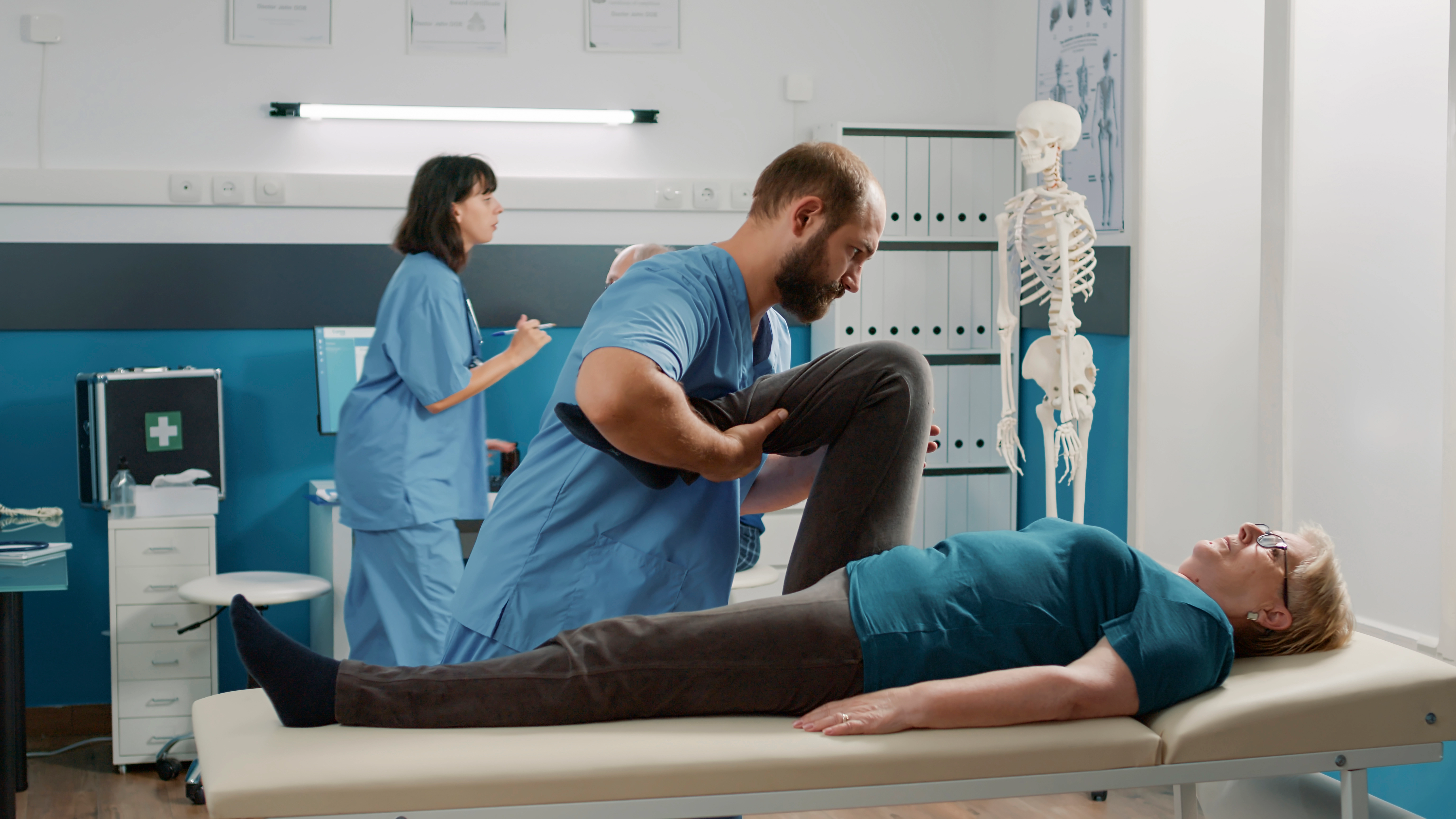
Your Bone & Joint Health Questions, Answered
When should I consult an orthopaedic specialist?
You should consult an orthopaedic specialist if you experience persistent joint pain, swelling, stiffness, fractures, dislocations, sports injuries, reduced mobility, difficulty walking, recurring back or neck pain, or bone and muscle injuries that do not improve with rest. Early medical evaluation helps identify the underlying cause and allows timely treatment before the condition worsens.
What conditions are treated by an orthopaedic specialist?
Orthopaedic specialists diagnose and manage a wide range of musculoskeletal conditions, including fractures, dislocations, arthritis, traumatic injuries, ligament injuries, tendon disorders, sports injuries, paediatric orthopaedic conditions, degenerative joint diseases, and conditions requiring joint replacement or arthroplasty.
When is joint replacement surgery recommended?
Joint replacement surgery may be recommended when severe joint damage causes persistent pain, stiffness, reduced mobility, and difficulty performing everyday activities despite appropriate conservative management. A detailed orthopaedic evaluation helps determine whether joint replacement is the most suitable treatment option.
Can sports injuries heal without surgery?
Many sports injuries can be successfully managed through medical treatment, rehabilitation, activity modification, and physiotherapy. However, some ligament tears, fractures, cartilage injuries, or severe joint damage may require surgical intervention depending on the extent of the injury and the patient's activity level.
What is the difference between orthopaedics and joint replacement surgery?
Orthopaedics is the medical speciality that focuses on diagnosing, treating, and preventing disorders affecting bones, joints, muscles, ligaments, tendons, and the musculoskeletal system. Joint replacement is one of the advanced surgical procedures performed within orthopaedics to replace damaged joints and restore mobility when other treatment options are no longer effective.
Why Choose Deepam Hospitals for Orthopaedics & Joint Replacement in Tambaram?
Choosing the right orthopaedic hospital is essential for achieving successful treatment outcomes and long-term mobility. At Deepam Hospitals, Tambaram, we combine experienced orthopaedic specialists, modern medical technology, evidence-based treatment protocols, and multidisciplinary support to provide comprehensive musculoskeletal care under one roof.
Our department is committed to delivering personalised orthopaedic care that addresses each patient's individual condition, activity level, age, and recovery goals. Whether the focus is trauma care, fracture management, sports medicine, regenerative medicine, paediatric orthopaedics, or joint replacement, every treatment plan is developed to optimise function, reduce pain, and improve quality of life.
Why Patients Choose Deepam Hospitals
- Experienced orthopaedic specialists with expertise across multiple subspecialties
- Comprehensive fracture, trauma, and emergency orthopaedic care
- Advanced joint replacement and arthroplasty services
- Specialised sports medicine and sports injury management
- Expertise in paediatric orthopaedics
- Regenerative medicine for selected musculoskeletal conditions
- Modern diagnostic imaging and orthopaedic evaluation
- Multidisciplinary rehabilitation and recovery planning
- Evidence-based treatment following current orthopaedic practices
- Personalised care focused on restoring mobility and independence
Understanding Bone, Joint & Musculoskeletal Health
The musculoskeletal system provides the structural framework that allows the body to move, maintain posture, and perform everyday activities. Bones, joints, muscles, ligaments, tendons, and cartilage work together to support movement, stability, and physical function. When any part of this system is affected by injury, disease, degeneration, or overuse, it can significantly impact mobility, productivity, and overall quality of life.
Maintaining musculoskeletal health involves more than treating injuries. It includes preserving bone strength, protecting joint function, promoting healthy movement, and identifying orthopaedic conditions before they lead to long-term disability. Regular medical evaluation is especially important for individuals with chronic joint pain, previous fractures, sports-related injuries, age-related joint degeneration, osteoporosis, or a family history of musculoskeletal disorders.
At Deepam Hospitals, our orthopaedic specialists focus on helping patients maintain healthy movement through timely evaluation, accurate diagnosis, personalised treatment planning, and long-term orthopaedic care that supports an active and independent lifestyle.
Common Orthopaedic Conditions That Can Affect Mobility
The musculoskeletal system is continuously exposed to physical stress through daily activities, work, sports, and ageing. As a result, bones, joints, muscles, ligaments, tendons, and cartilage can become injured or gradually wear down over time. While some orthopaedic conditions develop suddenly following trauma, others progress slowly and may initially cause only mild discomfort before significantly affecting mobility and independence.
Some of the most frequently encountered orthopaedic conditions include:
- Osteoarthritis
- Joint degeneration
- Fractures
- Joint dislocations
- Sports-related injuries
- Ligament injuries
- Tendon disorders
- Cartilage injuries
- Shoulder disorders
- Knee pain
- Hip pain
- Back pain
- Neck pain
- Paediatric orthopaedic conditions
- Traumatic musculoskeletal injuries
Recognising these conditions early allows patients to seek appropriate medical evaluation before permanent joint damage or long-term functional limitations develop.
Arthritis & Degenerative Joint Disorders
Arthritis is one of the leading causes of chronic joint pain and reduced mobility worldwide. It occurs when the structures within a joint gradually deteriorate, resulting in pain, stiffness, swelling, and difficulty performing routine activities such as walking, climbing stairs, bending, or standing for prolonged periods.
Although arthritis commonly affects older adults, younger individuals may also develop joint degeneration due to previous injuries, repetitive strain, obesity, congenital abnormalities, or certain medical conditions.
Maintaining joint health through early clinical assessment allows healthcare professionals to identify degenerative changes before they severely impact movement and quality of life.
Fractures, Dislocations & Traumatic Bone Injuries
Bones and joints may sustain injuries following falls, road traffic accidents, workplace incidents, sports participation, or direct physical trauma. The severity of these injuries can vary considerably, ranging from simple fractures to complex multiple-trauma injuries involving surrounding muscles, ligaments, nerves, and blood vessels.
Traumatic orthopaedic injuries require prompt medical evaluation to determine the extent of damage and minimise the risk of complications such as joint instability, improper bone healing, long-term stiffness, or chronic pain.
Early orthopaedic assessment is particularly important following high-impact injuries, even when symptoms initially appear mild.
Sports Injuries & Overuse Disorders
Participation in recreational activities, fitness programmes, and competitive sports places repeated stress on the musculoskeletal system. Without proper conditioning, recovery, or injury prevention strategies, athletes and physically active individuals may develop acute injuries or chronic overuse disorders.
Sports-related orthopaedic conditions commonly affect:
- Knees
- Shoulders
- Ankles
- Elbows
- Wrists
- Hips
- Muscles
- Tendons
- Ligaments
Orthopaedic Conditions in Children
Sports Injuries & Overuse Disorders
Children experience continuous bone growth and musculoskeletal development, making their orthopaedic healthcare needs different from those of adults. Certain congenital, developmental, traumatic, or growth-related conditions require specialised evaluation to support healthy skeletal development and physical function.
Parents should seek medical evaluation if a child experiences:
- Persistent limping
- Difficulty walking
- Limb deformities
- Joint swelling
- Recurrent fractures
- Delayed motor development
- Persistent bone pain
- Sports-related injuries
Early paediatric orthopaedic assessment supports appropriate growth while helping prevent future mobility problems.
When Should You Seek Immediate Orthopaedic Care?
Some musculoskeletal injuries require urgent medical attention to prevent permanent damage and improve treatment outcomes. Delaying evaluation may increase the risk of complications involving bones, joints, muscles, ligaments, nerves, or surrounding soft tissues.
You should seek immediate orthopaedic assessment if you experience:
- Suspected bone fracture
- Joint dislocation
- Severe swelling after injury
- Inability to bear weight
- Sudden loss of joint movement
- Visible bone deformity
- Severe joint pain following trauma
- Persistent numbness after an injury
- Sports injury causing instability
- Major road traffic or workplace injuries
Prompt orthopaedic evaluation helps determine the severity of the injury and supports timely clinical decision-making.
Common Orthopaedic Conditions & Their Impact on Daily Life
| Orthopaedic Condition | How It Can Affect Daily Activities |
|---|---|
| Osteoarthritis | Difficulty walking, climbing stairs, or standing for long periods |
| Fractures | Restricted movement and reduced ability to perform routine activities |
| Joint Dislocations | Joint instability and limited range of motion |
| Sports Injuries | Reduced athletic performance and difficulty with physical activities |
| Traumatic Injuries | Impaired mobility depending on the severity of injury |
| Paediatric Orthopaedic Conditions | May influence normal growth, movement, and physical development |
| Degenerative Joint Disorders | Progressive stiffness, pain, and reduced independence |
Why Early Orthopaedic Evaluation Matters
Many musculoskeletal conditions become more difficult to manage when medical attention is delayed. Early orthopaedic evaluation enables healthcare professionals to understand the underlying cause of symptoms, assess the extent of injury or degeneration, and develop an appropriate management strategy before complications develop.
Timely assessment also helps preserve joint function, maintain mobility, reduce long-term disability, and support a quicker return to everyday activities. Whether the concern involves persistent joint pain, recurrent injuries, childhood orthopaedic conditions, or traumatic bone injuries, seeking expert evaluation at the right time can significantly improve long-term outcomes.
Benefits of Prioritising Bone & Joint Health
Benefits of Prioritising Bone & Joint Health
Some of the long-term benefits include:
- Better mobility and flexibility
- Early identification of bone and joint disorders
- Reduced risk of long-term joint damage
- Improved physical function
- Better musculoskeletal health during ageing
- Enhanced participation in work, sports, and daily activities
- Improved quality of life through healthy movement
- Greater confidence in maintaining an active lifestyle
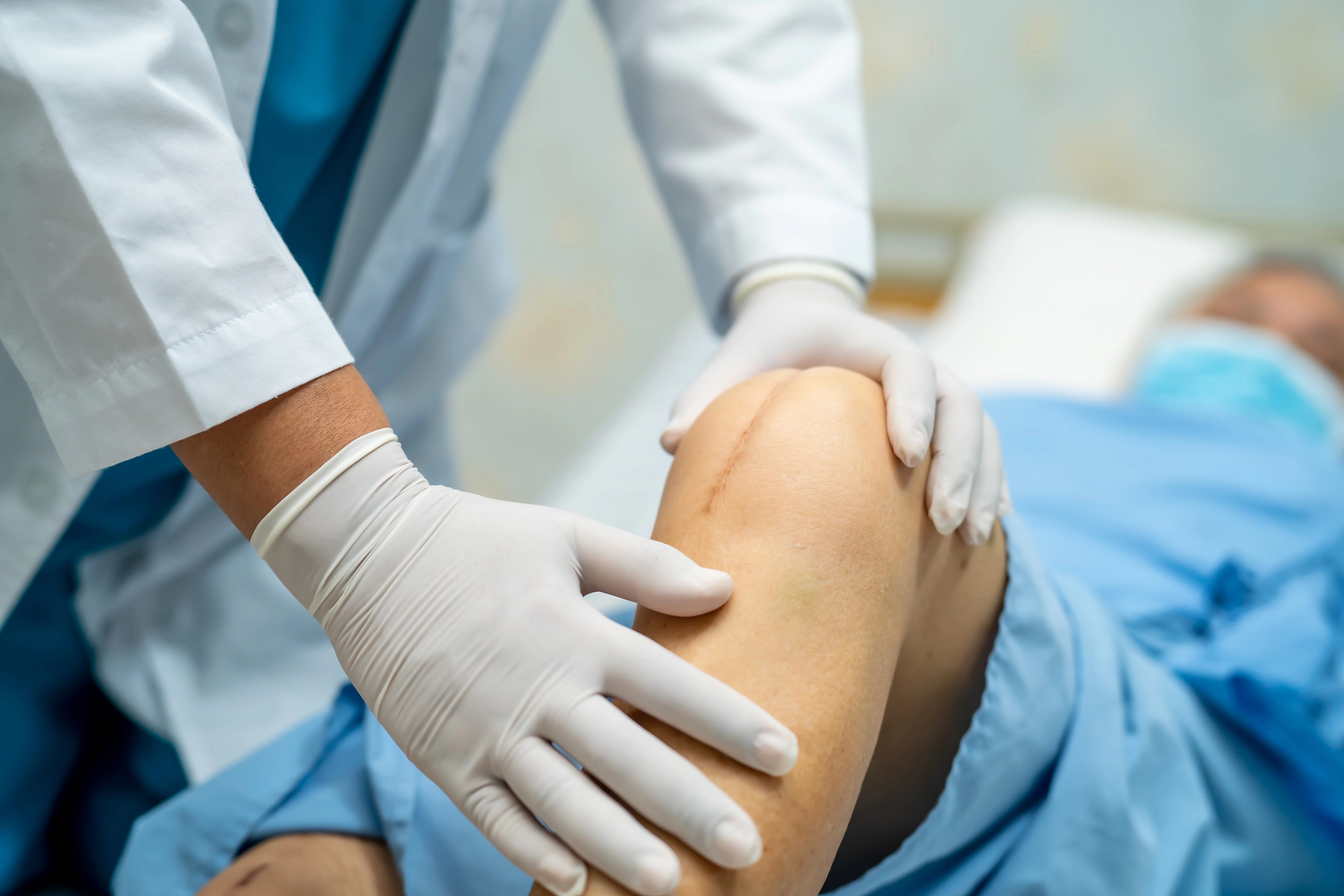
Personalised Orthopaedic Evaluation & Treatment Planning
Every orthopaedic condition requires an individualised treatment approach because no two patients experience the same injury, pain pattern, lifestyle demands, or functional limitations. Age, occupation, physical activity, medical history, bone quality, previous injuries, and long-term mobility goals all influence clinical decision-making.
At Deepam Hospitals, Tambaram, every patient undergoes a comprehensive orthopaedic assessment before a treatment plan is developed. Our specialists combine clinical examination, imaging findings, functional assessment, and patient expectations to recommend the most appropriate management strategy. The objective is not only to treat the existing condition but also to restore mobility, preserve joint function, and improve long-term quality of life.
Advanced Fracture & Dislocation Management
Bone fractures and joint dislocations require timely assessment to ensure proper alignment, stability, and healing. The choice of treatment depends on factors such as the type of fracture, location of injury, patient age, bone quality, and the extent of surrounding soft tissue damage.
Our orthopaedic team provides comprehensive care for:
- Simple and complex fractures
- Upper limb fractures
- Lower limb fractures
- Joint dislocations
- Multiple traumatic fractures
- Sports-related fractures
- Fragility fractures in older adults
The primary objective is to restore bone stability, maintain joint alignment, preserve limb function, and minimise long-term complications through evidence-based orthopaedic care.
Comprehensive Trauma Care
Traumatic orthopaedic injuries often require rapid evaluation and coordinated medical care to reduce complications and improve recovery. Injuries resulting from road traffic accidents, workplace incidents, falls, and sports-related trauma may involve multiple bones, joints, muscles, ligaments, and surrounding soft tissues.
Our trauma care services include:
- Emergency orthopaedic assessment
- Management of complex musculoskeletal injuries
- Polytrauma coordination
- Limb preservation strategies
- Post-trauma functional assessment
- Ongoing orthopaedic monitoring
A structured trauma management pathway allows early intervention while supporting optimal functional recovery.
Joint Replacement Surgery for Advanced Joint Disease
When severe joint damage significantly affects movement, independence, and quality of life, joint replacement surgery may become an appropriate treatment option. The procedure involves replacing damaged joint surfaces with specially designed implants to restore function and relieve pain.
Joint replacement is commonly considered for patients experiencing:
High-risk pregnancies may include:
- Advanced osteoarthritis
- Severe joint degeneration
- Persistent joint stiffness
- Reduced mobility
- Joint deformity
- Failure of conservative treatment
Treatment recommendations are always based on detailed clinical evaluation and individual patient needs.
Knee Replacement – Restoring Comfortable Movement
The knee is one of the body's most active weight-bearing joints and is frequently affected by arthritis, injury, and age-related wear. Persistent knee pain can make everyday activities such as walking, climbing stairs, sitting, or standing increasingly difficult.
For appropriately selected patients, knee replacement surgery aims to improve joint function, reduce pain, and support greater independence in daily life. Comprehensive evaluation, careful surgical planning, and coordinated postoperative care contribute to successful long-term outcomes.
Arthroplasty – Modern Solutions for Damaged Joints
Arthroplasty refers to reconstructive joint surgery designed to improve joint movement and restore function when natural joint structures have been significantly damaged.
Depending on the patient's condition, arthroplasty may be considered for selected joints affected by:
- Degenerative joint disease
- Advanced arthritis
- Traumatic joint damage
- Joint deformities
- Previous recurrent miscarriages
- Functional impairment
Every decision regarding arthroplasty is based on detailed orthopaedic assessment, imaging findings, patient activity level, and expected functional outcomes.
Sports Medicine for Active Individuals
Helping Couples Understand Their Fertility Health
Sports injuries require specialised evaluation that considers both injury recovery and safe return to physical activity. Athletes and physically active individuals often have different functional demands compared to the general population, making personalised rehabilitation planning essential.
Our sports medicine services support patients with:
- Ligament injuries
- Muscle injuries
- Tendon disorders
- Overuse injuries
- Joint instability
- Exercise-related musculoskeletal conditions
The goal is to restore strength, flexibility, stability, and performance while reducing the risk of recurrent injuries.
Regenerative Medicine in Orthopaedics
Regenerative medicine represents an evolving area of orthopaedic care that focuses on supporting the body's natural healing processes for selected musculoskeletal conditions. Depending on the clinical situation, regenerative approaches may be considered as part of a personalised treatment strategy.
Potential applications include selected cases involving:
- Tendon disorders
- Ligament injuries
- Early joint degeneration
- Sports-related soft tissue injuries
- Certain chronic musculoskeletal conditions
Suitability for regenerative medicine depends on individual clinical evaluation and specialist recommendations.
Specialised Paediatric Orthopaedic Care
Children require orthopaedic care that supports healthy skeletal growth while addressing congenital, developmental, traumatic, and acquired musculoskeletal conditions. Since growing bones differ significantly from adult bones, treatment planning requires specialised expertise.
Our paediatric orthopaedic services focus on preserving normal growth, improving physical function, and supporting healthy musculoskeletal development through age-appropriate evaluation and management.
Successful orthopaedic treatment often involves collaboration across multiple medical specialties. At Deepam Hospitals, orthopaedic surgeons work closely with radiologists, anaesthesiologists, physiotherapists, rehabilitation specialists, pain management experts, physicians, and nursing teams to deliver coordinated musculoskeletal care.
This multidisciplinary approach supports accurate diagnosis, personalised treatment planning, effective postoperative rehabilitation, and continuous follow-up, helping patients regain mobility and confidence throughout their recovery.
Individualised Orthopaedic Treatment Planning
Successful orthopaedic care begins with selecting the right treatment for the right patient. Every musculoskeletal condition differs in its severity, functional impact, activity level, and long-term prognosis. At Deepam Hospitals, Tambaram, treatment decisions are made after a comprehensive assessment of the patient's medical history, physical examination, imaging findings, lifestyle, occupation, and recovery expectations.
Our specialists prioritise preserving natural joint function whenever possible while recommending surgical intervention only when clinically necessary. This personalised approach helps improve mobility, relieve pain, and restore independence through evidence-based orthopaedic care.
Advanced Fracture Care & Bone Reconstruction
Fractures range from simple bone injuries to highly complex trauma involving multiple bones and surrounding soft tissues. Proper alignment, stabilisation, and healing are essential for restoring normal limb function and preventing long-term disability.
Our orthopaedic specialists manage:
- Simple fractures
- Complex fractures
- Open fractures
- Multiple bone injuries
- Joint fractures
- Fractures associated with trauma
- Fragility fractures in elderly patients
Treatment strategies are determined according to fracture type, bone quality, patient age, and overall clinical condition, ensuring the most appropriate management for optimal recovery.
Comprehensive Trauma & Emergency Orthopaedic Care
Traumatic musculoskeletal injuries require immediate medical evaluation and coordinated care. High-impact accidents can affect bones, joints, muscles, ligaments, tendons, nerves, and surrounding soft tissues simultaneously, making timely intervention essential.
Our trauma services support patients with:
- Road traffic accident injuries
- Workplace injuries
- Sports trauma
- Fall-related fractures
- Crush injuries
- Multiple orthopaedic injuries
- Complex limb trauma
Our coordinated approach enables rapid diagnosis, stabilisation, and comprehensive treatment planning while prioritising patient safety and functional recovery.
Joint Replacement Surgery for Improved Mobility
Joint replacement surgery is considered when severe joint damage significantly limits mobility, causes persistent pain, and affects daily activities despite appropriate conservative management.
Joint replacement may benefit patients experiencing:
- Advanced osteoarthritis
- Severe joint degeneration
- Chronic joint stiffness
- Progressive loss of movement
- Significant functional limitation
- Reduced quality of life due to joint disease
Our orthopaedic team carefully evaluates each patient's condition before recommending surgery, ensuring treatment decisions align with long-term mobility goals and overall health.
Knee Replacement for Advanced Knee Disorders
The knee is one of the most important weight-bearing joints in the body and is frequently affected by arthritis, injury, and age-related degeneration. When knee pain becomes persistent and interferes with walking, climbing stairs, or routine activities, surgical intervention may become an appropriate treatment option.
Knee replacement surgery focuses on restoring joint movement, improving stability, reducing pain, and helping patients regain confidence in performing everyday activities. Comprehensive preoperative assessment and personalised postoperative planning contribute significantly to successful long-term outcomes.
Arthroplasty for Joint Preservation & Functional Restoration
Arthroplasty is an advanced orthopaedic procedure performed to reconstruct or replace damaged joints affected by injury or degenerative disease. The objective is to restore joint mechanics, improve flexibility, and enhance overall physical function.
Arthroplasty may be considered for:
- Advanced arthritist
- Size
- Joint deformities
- Severe cartilage damage
- Degenerative joint disease
- Post-traumatic joint damage
Each surgical plan is customised according to the patient's anatomy, functional requirements, and long-term lifestyle expectations.
Sports Medicine for Injury Recovery & Performance
Sports-related musculoskeletal injuries require specialised evaluation that considers both medical recovery and safe return to physical activity. Athletes, fitness enthusiasts, and physically active individuals often require treatment plans designed to restore performance while minimising the risk of recurrent injuries.
Our Sports Medicine services support the management of:
- Ligament injuries
- Tendon injuries
- Muscle strains
- Cartilage injuries
- Joint instability
- Overuse injuries
- Exercise-related musculoskeletal disorders
Treatment planning focuses on restoring flexibility, strength, endurance, balance, and functional performance based on each patient's activity level.
Regenerative Medicine for Musculoskeletal Disorders
Regenerative medicine is an emerging field within orthopaedics that focuses on supporting the body's natural healing mechanisms for selected musculoskeletal conditions. These advanced therapies may be considered in carefully selected patients depending on the nature and severity of the condition.
Potential applications include:
- Early joint degeneration
- Chronic tendon disorders
- Ligament injuries
- Selected sports injuries
- Certain soft tissue conditions
Clinical suitability is determined through detailed orthopaedic evaluation and evidence-based patient selection.
Specialised Paediatric Orthopaedic Services
Children require orthopaedic care that takes into account their growing bones, developing joints, and changing musculoskeletal system. Conditions affecting children require careful assessment to ensure healthy growth while maintaining normal physical development.
At Deepam Hospitals, laparoscopic procedures are considered after careful evaluation and when clinically appropriate.
Our paediatric orthopaedic services include evaluation and management of:
- Congenital orthopaedic conditions
- Developmental bone disorders
- Growth-related deformities
- Childhood fractures
- Sports injuries in children
- Limb alignment concerns
Age-specific treatment planning supports healthy skeletal development while helping children return safely to their daily activities.
Integrated Orthopaedic Rehabilitation Planning
Successful orthopaedic treatment extends beyond medical or surgical intervention. Functional recovery requires coordinated rehabilitation that supports mobility, muscle strength, joint flexibility, and overall physical independence.
Our rehabilitation planning is designed to help patients:
- Improve joint movement
- Restore muscle strength
- Enhance balance and coordination
- Improve walking ability
- Regain functional independence
- Safely return to work, sports, and daily activities
Rehabilitation programmes are personalised according to the patient's condition, treatment approach, and recovery goals.
Multidisciplinary Musculoskeletal Care
Managing complex orthopaedic conditions often requires collaboration between multiple healthcare specialists. At Deepam Hospitals, orthopaedic surgeons work closely with radiologists, anaesthesiologists, physiotherapists, rehabilitation experts, pain specialists, physicians, and nursing teams to deliver comprehensive musculoskeletal care.
This multidisciplinary model supports accurate diagnosis, coordinated treatment planning, seamless perioperative care, structured rehabilitation, and long-term follow-up, helping patients achieve improved mobility, enhanced function, and better overall quality of life.
Personalised Orthopaedic Treatment Planning
Every orthopaedic condition requires a carefully planned treatment strategy based on the patient's age, lifestyle, occupation, medical history, activity level, and long-term functional goals. Whether the condition involves an acute injury, chronic joint disease, or age-related degeneration, choosing the most appropriate treatment pathway is essential for restoring mobility and improving quality of life.
At Deepam Hospitals, Tambaram, every patient undergoes a comprehensive orthopaedic evaluation before treatment begins. Our specialists combine clinical examination, diagnostic imaging, functional assessment, and patient expectations to create customised treatment plans that focus on pain relief, joint preservation, mobility restoration, and long-term musculoskeletal health.
Comprehensive Fracture & Dislocation Management
Bone fractures and joint dislocations require prompt and specialised care to restore normal alignment and prevent long-term complications. The treatment approach varies depending on the type of fracture, severity of injury, age of the patient, bone quality, and associated soft tissue damage.
Our orthopaedic specialists provide comprehensive care for:
- Simple and complex fractures
- Joint dislocations
- Upper and lower limb fractures
- Traumatic bone injuries
- Multiple fractures following accidents
- Fragility fractures associated with osteoporosis
Accurate diagnosis and structured management help promote proper bone healing while restoring stability, movement, and functional independence.
Advanced Trauma & Emergency Orthopaedic Services
Traumatic injuries often involve multiple structures including bones, joints, muscles, tendons, ligaments, and surrounding soft tissues. These injuries require rapid assessment and coordinated medical care to minimise complications and maximise recovery.
Our trauma services include the management of:
- Road traffic accident injuries
- Workplace trauma
- Fall-related orthopaedic injuries
- Crush injuries
- Sports-related trauma
- Multiple orthopaedic injuries
Joint Replacement Surgery for Advanced Joint Disorders
Preventive Women's Healthcare
Joint replacement surgery is considered for patients with severe joint damage that significantly limits movement, affects daily activities, and reduces quality of life despite appropriate non-surgical treatment.
Joint replacement may be recommended for conditions such as:
- Advanced osteoarthritis
- Severe joint degeneration
- Progressive cartilage damage
- Chronic joint pain
- Reduced joint mobility
- Functional disability affecting everyday activities
Every patient undergoes detailed clinical evaluation before surgery is recommended, ensuring that treatment decisions are aligned with individual health status and long-term mobility goals.
Knee Replacement for Improved Mobility & Independence
The knee is one of the body's most important weight-bearing joints and is frequently affected by arthritis, traumatic injuries, and age-related degeneration. Persistent knee pain can gradually interfere with walking, climbing stairs, standing, exercising, and performing everyday tasks.
Knee replacement surgery aims to restore smoother joint movement, improve stability, reduce pain, and enhance overall physical function. Comprehensive preoperative planning and personalised postoperative care contribute to improved long-term outcomes and better patient satisfaction.
Arthroplasty for Functional Joint Restoration
Arthroplasty is an advanced orthopaedic procedure performed to reconstruct or replace damaged joints, helping patients regain movement and improve overall function.
Depending on the patient's condition, arthroplasty may be considered for:
- Degenerative joint disease
- Advanced arthritis
- Joint deformities
- Post-traumatic joint damage
- Cartilage deterioration
Every surgical decision is made after thorough orthopaedic evaluation, ensuring the procedure is appropriate for the patient's clinical condition and functional expectations.
Sports Medicine for Active Lifestyles
Sports injuries require specialised medical care that focuses not only on healing but also on restoring physical performance and preventing recurrent injuries. Athletes, fitness enthusiasts, and physically active individuals often place greater demands on their musculoskeletal system, making personalised treatment planning essential.
Our Sports Medicine services support patients with:
- Ligament injuries
- Muscle strains
- Tendon injuries
- Cartilage damage
- Joint instability
- Overuse injuries
- Exercise-related musculoskeletal disorders
The goal is to help patients safely return to recreational activities, competitive sports, and active lifestyles while preserving long-term joint health.
Patient suitability is determined following detailed orthopaedic evaluation and evidence-based clinical recommendations.
Specialised Paediatric Orthopaedic Care
Children require orthopaedic care that considers their growing bones, developing joints, and changing musculoskeletal anatomy. Early evaluation of childhood orthopaedic conditions helps support normal growth while preventing long-term functional limitations.
Our paediatric orthopaedic services include the evaluation and management of:
- Developmental bone disorders
- Congenital musculoskeletal conditions
- Childhood fractures
- Limb alignment abnormalities
- Growth-related orthopaedic concerns
- Sports injuries in children
Treatment plans are individualised to promote healthy skeletal development while maintaining age-appropriate physical activity.
Coordinated Rehabilitation & Functional Recovery Planning
Restoring mobility involves more than treating the underlying condition. Structured rehabilitation plays a crucial role in helping patients regain strength, flexibility, balance, coordination, and confidence after orthopaedic treatment.
Individualised rehabilitation programmes focus on:
- Improving joint movement
- Restoring muscle strength
- Enhancing flexibility
- Improving walking ability
- Supporting functional independence
- Returning safely to work, sports, and daily activities
Each rehabilitation plan is developed according to the patient's diagnosis, treatment approach, and personal recovery goals.
Multidisciplinary Orthopaedic Excellence
Comprehensive orthopaedic care often requires collaboration between multiple medical specialists. At Deepam Hospitals, orthopaedic surgeons work alongside radiologists, anaesthesiologists, physiotherapists, rehabilitation specialists, pain management experts, physicians, and experienced nursing teams to provide coordinated musculoskeletal care.
This collaborative approach enables accurate diagnosis, personalised treatment planning, seamless perioperative management, structured rehabilitation, and continuous follow-up, ensuring every patient receives comprehensive care aimed at restoring movement, improving function, and enhancing overall quality of life.
Dr. R. Anantha Kumar
Our Orthopaedics & Joint Replacement Department is led by experienced specialists dedicated to helping patients regain mobility, restore independence, and improve their quality of life through evidence-based orthopaedic care.
Dr. R. Anantha Kumar specialises in the diagnosis and management of fractures, dislocations, traumatic injuries, joint disorders, and knee replacement surgery. His patient-centred approach focuses on restoring function, reducing pain, and helping patients safely return to their daily activities through personalised orthopaedic care.
Dr. N. Gowthaman
Dr. N. Gowthaman has expertise in comprehensive trauma care, arthroplasty, paediatric orthopaedics, regenerative medicine, and sports medicine. He is committed to delivering modern orthopaedic solutions that support faster functional recovery while preserving long-term musculoskeletal health.
Your Orthopaedic Care Journey
Every orthopaedic condition follows a different path to recovery. At Deepam Hospitals, patients receive structured care from their first consultation through rehabilitation and long-term follow-up.
Initial Consultation
The journey begins with understanding the patient's symptoms, injury history, lifestyle, occupation, activity level, previous treatments, and functional limitations. This helps the orthopaedic specialist understand how the condition affects everyday life.
Comprehensive Evaluation
After clinical assessment and diagnostic investigations, the specialist explains the diagnosis, discusses available treatment options, and develops an individualised management plan suited to the patient's health goals.
Shared Decision-Making
Patients are encouraged to actively participate in treatment decisions. Understanding the expected benefits, recovery process, and long-term outcomes helps patients make informed choices with confidence.
Follow-Up & Progress Assessment
Regular follow-up appointments help monitor healing, evaluate functional improvement, assess mobility, and modify rehabilitation plans whenever necessary to support continued recovery.
Recovery & Rehabilitation After Orthopaedic Care
Recovery is an important stage of orthopaedic treatment because restoring movement requires time, consistency, and guided rehabilitation. Recovery plans are customised according to the patient's age, diagnosis, type of treatment, physical demands, and overall health.
Rehabilitation guidance may include:
- Gradual return to daily activities
- Joint mobility exercises
- Muscle strengthening programmes
- Balance and coordination training
- Walking progression
- Pain management strategies
- Home exercise guidance
- Scheduled follow-up assessments
A structured rehabilitation programme supports better functional outcomes while helping patients regain confidence in movement.
Maintaining Healthy Bones & Joints for Life
Strong bones and healthy joints require continuous attention throughout life. Maintaining musculoskeletal health involves adopting healthy habits that protect mobility and reduce the risk of future injuries or joint degeneration.
Helpful lifestyle practices include:
- Maintaining a healthy body weight
- Staying physically active
- Performing regular strength and flexibility exercises
- Following good posture and ergonomic practices
- Eating a calcium- and protein-rich balanced diet
- Ensuring adequate vitamin D intake
- Preventing falls through safe home environments
- Seeking early medical advice for persistent joint pain or injuries
These habits help support long-term mobility and overall physical wellbeing.
Frequently Asked Questions
If bone pain, joint pain, swelling, stiffness, reduced movement, or an injury interferes with your daily activities or does not improve, an orthopaedic evaluation is recommended.
Recovery varies depending on the type of injury, treatment received, age, overall health, and rehabilitation progress. Your orthopaedic specialist will provide an individualised recovery timeline.
Yes. Physiotherapy often plays a key role in restoring strength, flexibility, balance, and mobility while helping patients safely return to normal activities.
Many patients successfully return to sports following appropriate treatment and rehabilitation. The timing depends on the type of injury, healing progress, and medical assessment.
Regular exercise, healthy nutrition, maintaining an appropriate body weight, protecting joints from repetitive strain, and seeking timely medical care for persistent pain all contribute to healthier joints during ageing.
Why Patients Trust Deepam Hospitals for Orthopaedic Care
Patients choose Deepam Hospitals because we combine specialist expertise, personalised treatment planning, advanced orthopaedic services, and compassionate care to support recovery and long-term mobility.
Our strengths include:
- Experienced orthopaedic specialists
- Comprehensive fracture and trauma care
- Advanced joint replacement expertise
- Sports medicine and regenerative medicine services
- Paediatric orthopaedic care
- Individualised rehabilitation planning
- Modern diagnostic support
- Multidisciplinary clinical collaboration
- Patient-centred treatment approach
- Commitment to restoring mobility and improving quality of life
Deepam Hospitals is a trusted healthcare network with multispeciality hospitals in Tambaram, Guduvanchery, and Singaperumal Koil (SP Koil), supported by healthcare centres in Perungalathur, Urapakkam, and Maraimalai Nagar. Through this integrated network, patients have convenient access to specialised orthopaedic expertise, advanced diagnostics, rehabilitation services, and coordinated healthcare across multiple locations.
Medical Disclaimer
The information provided on this page is for educational purposes only and should not be considered medical advice, diagnosis, or treatment. Always consult a qualified healthcare professional for personalised medical guidance. In case of a medical emergency involving fractures, traumatic injuries, or severe joint pain, seek immediate medical attention or visit the nearest hospital.
Take the First Step Towards Better Bone & Joint Health
Whether you are experiencing persistent joint pain, recovering from an injury, managing arthritis, or exploring treatment options for joint replacement, the Department of Orthopaedics & Joint Replacement at Deepam Hospitals, Tambaram is committed to helping you regain movement, restore confidence, and improve your quality of life.
Consult Dr. R. Anantha Kumar or Dr. N. Gowthaman for personalised orthopaedic care supported by clinical expertise, advanced technology, and a comprehensive rehabilitation approach designed to keep you moving with confidence.
Contact Us