- For appointment (+91) 97904 97905
Best Infectious Disease Care Hospital in Tambaram
Comprehensive Diagnosis, Treatment & Prevention of Infectious Diseases for Better Health
Infectious diseases remain one of the leading causes of illness worldwide and can affect people of all ages. These conditions are caused by bacteria, viruses, fungi, or parasites and may spread through direct contact, contaminated food or water, insect bites, respiratory droplets, or environmental exposure. While many infections are mild and self-limiting, others require prompt medical evaluation and specialised treatment to prevent serious complications and protect both individual and public health.
At Deepam Hospitals, Tambaram, our Department of Infectious Disease Care provides comprehensive evaluation, accurate diagnosis, personalised treatment, and preventive healthcare for a wide range of infectious diseases. Our approach combines evidence-based medicine, advanced laboratory diagnostics, infection control practices, and patient education to ensure timely management and improved recovery outcomes.
Deepam Hospitals is a trusted healthcare network with multispeciality hospitals in Tambaram, Guduvanchery, and Singaperumal Koil (SP Koil), supported by healthcare centres in Perungalathur, Urapakkam, and Maraimalai Nagar. Through our integrated healthcare network, patients have access to specialised infectious disease consultations, fever evaluation, vaccination services, diagnostic investigations, preventive healthcare, and multidisciplinary medical support close to their communities.
Our Infectious Disease Care Department is led by Dr. Jennie Suresh (MBBS, MD, AFIH, CCEBDM), an experienced physician with expertise in the diagnosis, treatment, and prevention of infectious diseases, occupational health, fever management, chronic disease care, and evidence-based infection control practices. Every treatment plan is individualised according to the patient's symptoms, medical history, travel history, existing health conditions, and diagnostic findings.
Whether you are experiencing persistent fever, recurrent infections, respiratory infections, urinary tract infections, skin infections, gastrointestinal infections, tropical illnesses, or require vaccination and preventive infection counselling, our team is committed to delivering compassionate, evidence-based care that promotes faster recovery and long-term wellbeing.
Patients from East Tambaram, West Tambaram, Selaiyur, Camp Road, Chromepet, Chitlapakkam, Sembakkam, Mudichur, Perungalathur, Urapakkam, Guduvanchery, Maraimalai Nagar, and surrounding communities trust Deepam Hospitals for comprehensive infectious disease care delivered with clinical excellence, advanced diagnostics, and a strong commitment to patient safety.
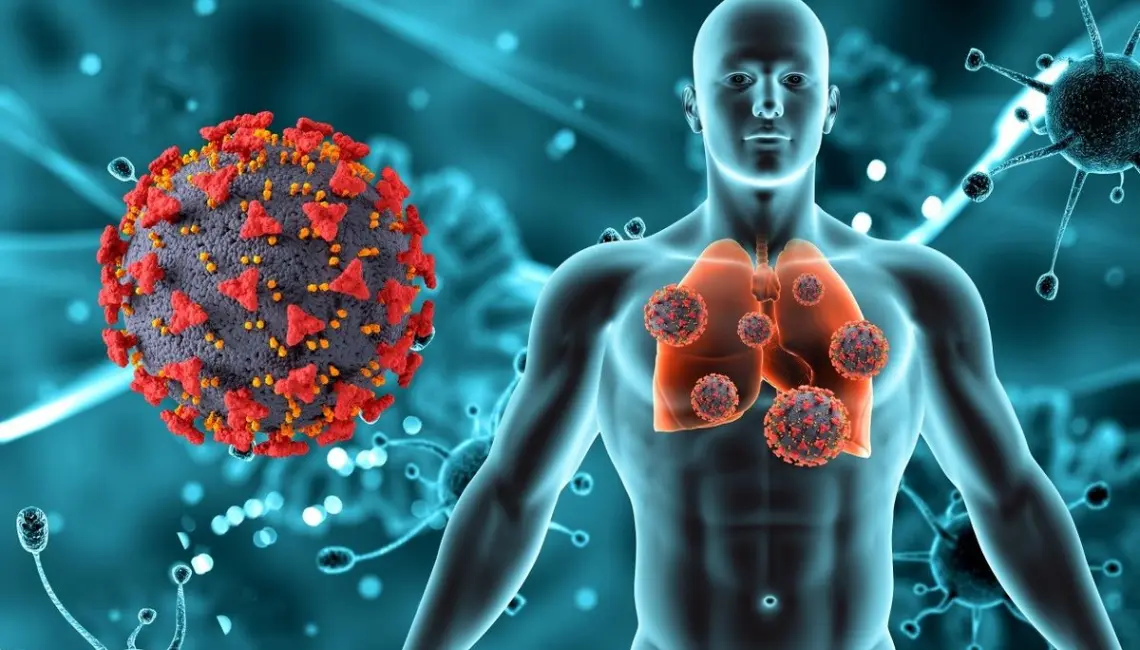
Your Infectious Disease Questions, Answered
What is an infectious disease?
An infectious disease is an illness caused by microorganisms such as bacteria, viruses, fungi, or parasites. Some infections spread from person to person, while others may be transmitted through contaminated food, water, insect bites, animals, or environmental exposure.
When should I consult an infectious disease specialist?
You should seek medical evaluation if you experience persistent or recurrent fever, unexplained infections, infections that do not improve with routine treatment, frequent illnesses, travel-related infections, or conditions requiring specialised infection management and preventive care.
Can infectious diseases be prevented?
Many infectious diseases can be prevented through good hygiene, vaccination, safe food and water practices, infection control measures, healthy lifestyle habits, and timely medical care. Early diagnosis also helps reduce the spread of infections and prevents complications.
What types of infections are treated by an infectious disease specialist?
An infectious disease specialist evaluates and manages bacterial, viral, fungal, and parasitic infections affecting various organs, including respiratory infections, urinary tract infections, gastrointestinal infections, skin and soft tissue infections, tropical diseases, travel-related illnesses, and complex or recurrent infections.
Why is early diagnosis important for infectious diseases?
Early diagnosis helps identify the exact cause of infection, allows timely treatment, reduces the risk of complications, prevents unnecessary use of antibiotics, and lowers the chance of infection spreading to others.
Why Choose Deepam Hospitals for Infectious Disease Care?
Effective infectious disease management requires accurate diagnosis, timely treatment, responsible use of antimicrobial medications, and strong infection prevention practices. At Deepam Hospitals, Tambaram, our Infectious Disease Care Department provides evidence-based medical care supported by advanced diagnostic facilities and a multidisciplinary healthcare approach.
We focus not only on treating infections but also on identifying their underlying cause, preventing recurrence, educating patients, and promoting public health through preventive strategies and vaccination guidance. Every patient receives personalised care that aligns with the latest clinical guidelines while maintaining the highest standards of safety and quality.
Why Patients Choose Deepam Hospitals
- Experienced Infectious Disease Physician
- Comprehensive Fever Evaluation
- Advanced Infection Diagnosis
- Bacterial, Viral, Fungal & Parasitic Infection Care
- Vaccination & Preventive Healthcare
- Infection Screening & Laboratory Support
- Personalised Treatment Plans
- Evidence-Based Infection Management
- Multidisciplinary Medical Care
- Compassionate, Patient-Centred Healthcare
Comprehensive Infectious Disease Care for Individuals & Families
Infectious diseases can affect people at every stage of life, from children with common viral illnesses to adults with complex infections and older adults with weakened immunity. Appropriate medical evaluation is essential because infections often present with similar symptoms, making accurate diagnosis critical for selecting the right treatment and preventing complications.
At Deepam Hospitals, our goal is to provide comprehensive infectious disease care through timely diagnosis, personalised treatment, preventive healthcare, patient education, and long-term follow-up when required. By combining clinical expertise with modern diagnostic technology and evidence-based medicine, we help individuals recover safely while supporting healthier families and stronger communities.
Understanding Different Types of Infectious Diseases
Infectious diseases are illnesses caused by microorganisms that invade the body and multiply, leading to a wide range of symptoms depending on the affected organ system. Some infections resolve quickly with appropriate care, while others may require specialised medical evaluation and long-term monitoring.
The four major categories of infectious diseases include:
- Bacterial infections – Caused by bacteria that affect different parts of the body.
- Viral infections – Caused by viruses that spread through various modes of transmission.
- Fungal infections – Often affect the skin, nails, lungs, or other organs, particularly in people with weakened immunity.
- Parasitic infections – Caused by parasites transmitted through contaminated food, water, insect bites, or environmental exposure.
Identifying the exact cause of an infection is essential because each type requires a different medical approach.
How Do Infectious Diseases Spread?
Microorganisms can spread through several routes depending on the type of infection. Understanding these transmission methods helps individuals adopt preventive measures that reduce the risk of illness.
Common modes of transmission include:
- Direct person-to-person contact
- Respiratory droplets from coughing or sneezing
- Contaminated food and drinking water
- Insect bites such as mosquitoes
- Contact with contaminated surfaces
- Blood and body fluids
- Animal-to-human transmission
- Healthcare-associated exposure
Following good hygiene practices and seeking early medical care can significantly reduce the spread of many infectious diseases.
Common Infectious Diseases Seen in Clinical Practice
Infections may affect different organs and body systems, producing a wide variety of symptoms. Some illnesses are seasonal, while others may occur throughout the year depending on environmental and individual risk factors.
Common infectious diseases include:
- Viral fever
- Influenza
- COVID-19
- Dengue fever
- Typhoid fever
- Tuberculosis
- Urinary tract infections (UTIs)
- Skin and soft tissue infections
- Gastrointestinal infections
- Respiratory tract infections
- Fungal skin infections
- Parasitic intestinal infections
Early medical evaluation helps determine the underlying cause and supports appropriate management.
Who Is at Greater Risk of Developing Infections?
Although anyone can develop an infection, certain groups may have a higher risk because of age, existing medical conditions, occupational exposure, or weakened immunity.
Higher-risk individuals include:
- Older adults
- Young children
- Pregnant women
- Individuals with diabetes
- People with weakened immune systems
- Patients receiving chemotherapy
- Individuals with chronic kidney or liver disease
- Healthcare workers
- Frequent international travellers
- People living with long-term medical conditions
Recognising these risk factors encourages timely medical evaluation and preventive healthcare.
Warning Signs That Should Not Be Ignored
Many infectious diseases begin with mild symptoms, but some infections can worsen rapidly if left untreated. Persistent or unusual symptoms should always be assessed by a qualified healthcare professional.
Seek medical evaluation if you experience:
- Persistent or recurrent fever
- Chills and excessive sweating
- Persistent cough
- Difficulty breathing
- Severe sore throat
- Painful urination
- Persistent diarrhoea or vomiting
- Skin redness, swelling, or discharge
- Unexplained fatigue
- Unexplained weight loss
- Enlarged lymph nodes
- Recurrent infections
Early diagnosis improves treatment outcomes while reducing the risk of complications.
Community-Acquired & Healthcare-Associated Infections
Infections may develop in everyday community settings or during healthcare treatment. Understanding the difference helps patients appreciate the importance of infection prevention and timely medical care.
Community-Acquired Infections
These infections develop outside hospitals or healthcare facilities and are commonly spread through daily interactions, contaminated food or water, respiratory droplets, or environmental exposure.
Healthcare-Associated Infections
Healthcare-associated infections may develop during or after receiving medical care. Hospitals follow strict infection prevention protocols to minimise these risks while maintaining patient safety.
Both types of infections require accurate diagnosis and appropriate medical management.
Common Infectious Diseases & Why Early Diagnosis Matters
| Infectious Disease | Why Early Medical Evaluation Is Important |
|---|---|
| Viral Fever | Helps identify the underlying viral illness and monitor recovery |
| Respiratory Infections | Supports timely diagnosis and reduces complications affecting the lungs |
| Urinary Tract Infection | Prevents progression to more serious kidney-related infections |
| Skin & Soft Tissue Infection | Reduces the risk of deeper tissue involvement and delayed healing |
| Gastrointestinal Infection | Helps prevent dehydration and identifies the underlying cause |
| Dengue & Tropical Infections | Enables close monitoring and early supportive medical care |
| Tuberculosis | Supports early diagnosis and helps reduce disease transmission |
Why Early Diagnosis & Infection Prevention Matter
Prompt medical evaluation allows healthcare professionals to identify the cause of infection, recommend appropriate investigations, and begin timely treatment. Early diagnosis also helps reduce unnecessary antibiotic use, limits disease transmission, and supports faster recovery.
The long-term benefits include:
- Earlier diagnosis of infectious diseases
- Better treatment outcomes
- Reduced risk of complications
- Prevention of infection spread
- Improved public health protection
- Responsible antimicrobial use
- Better long-term recovery
- Greater confidence in managing future health risks
Recognising symptoms early and seeking timely medical care plays an important role in protecting both individual health and community wellbeing.

Personalised Infectious Disease Assessment
Every infection is unique, and successful treatment begins with identifying its exact cause. At Deepam Hospitals, Tambaram, our Infectious Disease Care team performs a comprehensive medical evaluation that considers the patient's symptoms, medical history, travel history, occupational exposure, vaccination status, existing health conditions, and laboratory findings before developing an individualised treatment plan.
Our goal is not only to treat the infection but also to identify the underlying source, reduce the risk of recurrence, and protect long-term health through evidence-based medical care.
Comprehensive Fever Evaluation & Diagnostic Work-Up
Persistent or unexplained fever may be the first indication of an underlying infection. Since fever can result from a wide range of bacterial, viral, fungal, parasitic, or inflammatory conditions, careful evaluation is essential for accurate diagnosis.
Our comprehensive fever assessment includes:
- Detailed clinical history
- Complete physical examination
- Laboratory investigations
- Blood and urine analysis
- Microbiological testing when indicated
- Imaging studies when clinically required
- Review of travel and exposure history
- Assessment of associated medical conditions
A structured diagnostic approach enables our specialists to determine the cause of fever accurately and recommend the most appropriate treatment.
Personalised Management of Bacterial, Viral, Fungal & Parasitic Infections
Different microorganisms require different treatment strategies. Our specialists develop personalised treatment plans after identifying the type of infection and assessing the patient's overall health.
We provide comprehensive care for:
- Bacterial infections
- Viral infections
- Fungal infections
- Parasitic infections
- Tropical infections
- Respiratory infections
- Urinary tract infections
- Gastrointestinal infections
- Skin and soft tissue infections
- Recurrent or complicated infections
Every treatment plan is individualised according to the patient's diagnosis, age, immune status, existing medical conditions, and clinical response.
Responsible Antibiotic Stewardship
The appropriate use of antibiotics plays an important role in modern healthcare. Antibiotics should only be prescribed when clinically necessary and selected according to the suspected or confirmed infection.
At Deepam Hospitals, we follow the principles of antimicrobial stewardship, which focus on:
- Appropriate antibiotic selection
- Responsible antibiotic prescribing
- Avoiding unnecessary antibiotic use
- Reviewing treatment effectiveness
- Monitoring clinical response
- Supporting antimicrobial resistance prevention
This evidence-based approach helps improve patient outcomes while promoting the responsible use of antimicrobial medicines.
Vaccination & Preventive Infection Care
Preventive healthcare plays a significant role in reducing the burden of infectious diseases. Vaccination helps protect individuals against several vaccine-preventable infections and contributes to improved community health.
Our preventive services include:
- Adult vaccination guidance
- Travel vaccination advice
- Occupational vaccination recommendations
- Risk-based immunisation counselling
- Preventive healthcare education
- Infection prevention counselling
Vaccination recommendations are individualised according to age, occupation, travel plans, existing health conditions, and national immunisation guidelines.
Occupational Health & Workplace Infection Prevention
Certain occupations expose individuals to a higher risk of infectious diseases because of frequent contact with patients, biological materials, industrial environments, or public settings.
Our occupational health services include:
- Workplace infection risk assessment
- Pre-employment medical evaluation
- Occupational vaccination guidance
- Infection prevention counselling
- Health surveillance programmes
- Return-to-work medical assessment
- Employee wellness support
These services help organisations maintain healthier workplaces while protecting employee wellbeing.
Infection Control & Patient Safety
Preventing the spread of infections is an essential component of quality healthcare. Deepam Hospitals follows established infection prevention and control practices that protect patients, healthcare professionals, and visitors.
Our infection control measures include:
- Standard infection prevention protocols
- Hand hygiene practices
- Safe isolation procedures when required
- Sterilisation and disinfection standards
- Personal protective equipment (PPE) use
- Continuous infection surveillance
- Patient safety initiatives
Maintaining high infection control standards helps reduce healthcare-associated infections while supporting safer clinical care.
Multidisciplinary Infectious Disease Care
Some infections affect multiple organs and require coordinated care from various medical specialties. Our Infectious Disease Department works closely with physicians, pulmonologists, nephrologists, gastroenterologists, dermatologists, intensivists, microbiologists, radiologists, emergency physicians, and critical care teams to provide comprehensive patient care.
This multidisciplinary collaboration supports:
- Accurate diagnosis
- Individualised treatment planning
- Better coordination between specialists
- Management of complex infections
- Continuous patient monitoring
- Improved long-term health outcomes
Working together allows us to deliver holistic care while addressing every aspect of the patient's health.
Long-Term Follow-Up & Recovery Monitoring
Some infectious diseases require continued medical observation even after symptoms improve. Follow-up appointments help ensure complete recovery, evaluate treatment response, monitor laboratory findings when required, and identify any recurrence or complications at an early stage.
Long-term monitoring supports:
- Assessment of clinical recovery
- Review of treatment effectiveness
- Monitoring for recurrence
- Ongoing patient education
- Preventive healthcare planning
- Long-term health maintenance
Regular follow-up enables patients to recover safely while reducing the likelihood of future infection-related complications.
Meet Our Infectious Disease Specialist
Managing infectious diseases requires clinical expertise, accurate medical judgement, and a personalised approach to every patient. At Deepam Hospitals, our Infectious Disease Care Department is committed to delivering evidence-based treatment while ensuring patient safety, timely intervention, and long-term health protection.
Dr. Jennie Suresh
Consultant – Infectious Disease Care
Dr. Jennie Suresh is an experienced physician specialising in the diagnosis, treatment, and prevention of infectious diseases. With additional expertise in Occupational Health (AFIH) and Diabetes Management (CCEBDM), she provides comprehensive care for patients with acute infections, recurrent illnesses, workplace-related health concerns, fever of unknown origin, and chronic medical conditions requiring integrated infection management.
Her patient-centred approach focuses on accurate diagnosis, evidence-based treatment, preventive healthcare, and educating patients about maintaining long-term health while reducing the risk of recurrent infections.
Your Infectious Disease Care Journey
Every infection is different, and every patient requires an individualised approach. At Deepam Hospitals, we follow a structured care pathway that ensures accurate diagnosis, timely treatment, and continuous medical support throughout recovery.
Initial Medical Consultation
The journey begins with a detailed discussion about the patient's symptoms, medical history, previous infections, travel history, occupational exposure, lifestyle, vaccination history, and underlying medical conditions. This comprehensive evaluation helps identify possible sources of infection.
Clinical Assessment
Our specialist carefully reviews clinical findings and diagnostic reports to understand the severity of the illness and determine the most appropriate treatment pathway based on the patient's overall health.
Personalised Care Planning
Each treatment plan is tailored according to the type of infection, the patient's immune status, associated medical conditions, and expected recovery goals. Patients are also educated about medication adherence, hygiene practices, and preventive measures.
Recovery & Follow-Up
Regular follow-up appointments help monitor clinical improvement, evaluate recovery, review laboratory results when necessary, and ensure the infection has resolved completely while reducing the likelihood of recurrence.
Recovery After an Infectious Illness
Recovering from an infection does not always end when symptoms disappear. Depending on the severity of the illness, the body may require additional time to regain strength, restore immune function, and return to normal daily activities.
Our specialists provide personalised recovery guidance that may include:
- Completing the prescribed course of medication
- Maintaining adequate hydration
- Consuming a balanced, nutritious diet
- Getting sufficient rest and sleep
- Following hygiene recommendations
- Attending scheduled follow-up visits
- Monitoring for recurring or new symptoms
- Gradually resuming normal activities based on medical advice
Following these recommendations supports safe recovery and promotes long-term wellbeing.
Strengthening Immunity & Preventing Future Infections
Maintaining a healthy immune system plays an important role in protecting the body against future infections. While immunity varies between individuals, healthy daily habits can contribute to better overall resistance against illness.
Our healthcare team encourages patients to:
- Eat a balanced and nutritious diet
- Stay physically active
- Maintain healthy sleep patterns
- Practice regular hand hygiene
- Stay up to date with recommended vaccinations
- Manage chronic medical conditions effectively
- Avoid unnecessary self-medication
- Seek early medical care for persistent symptoms
Preventive healthcare combined with healthy lifestyle choices helps support long-term immune health.
Long-Term Health Monitoring
Certain infections require periodic medical review even after treatment has been completed. Long-term follow-up helps ensure complete recovery while identifying any delayed complications or recurrence at an early stage.
Ongoing follow-up may include:
- Monitoring overall health status
- Reviewing recovery progress
- Assessing recurrence risk
- Evaluating chronic medical conditions
- Updating preventive healthcare recommendations
- Reinforcing infection prevention practices
This proactive approach supports long-term wellness while helping patients maintain confidence in their overall health.
Your Infectious Disease Questions, Answered
Many infectious diseases can be effectively treated and resolved with timely medical care. However, recovery depends on the type of infection, the patient's overall health, immune status, and adherence to the recommended treatment plan.
Follow-up appointments help confirm that the infection has resolved, monitor recovery, identify any recurrence, and ensure there are no long-term complications requiring additional care.
Some infections may recur depending on the underlying cause, immune status, environmental exposure, or existing medical conditions. Following preventive healthcare advice and attending regular medical reviews can help reduce this risk.
Practising good hand hygiene, maintaining respiratory etiquette, following food safety measures, receiving recommended vaccinations, avoiding unnecessary exposure during active illness, and seeking timely medical care all contribute to reducing the spread of infections.
Seek urgent medical evaluation if you experience persistent high fever, severe breathing difficulty, confusion, dehydration, rapidly spreading skin infections, persistent vomiting, or any sudden worsening of your condition.
Why Patients Trust Deepam Hospitals for Infectious Disease Care
Patients choose Deepam Hospitals because we combine clinical expertise, accurate diagnosis, preventive healthcare, and compassionate patient-centred care to manage a wide range of infectious diseases safely and effectively.
Our strengths include:
- Experienced Infectious Disease Physician
- Comprehensive Fever Evaluation
- Advanced Infection Diagnosis
- Evidence-Based Infection Management
- Vaccination & Preventive Healthcare
- Occupational Health Expertise
- Personalised Treatment Plans
- Multidisciplinary Medical Support
- Long-Term Follow-Up Care
- Commitment to Patient Safety and Public Health
Medical Disclaimer
The information provided on this page is intended for educational purposes only and should not be considered medical advice, diagnosis, or treatment. Always consult a qualified healthcare professional for personalised medical guidance. If you experience persistent high fever, severe infection symptoms, difficulty breathing, altered consciousness, or any medical emergency, seek immediate medical attention or visit the nearest emergency department without delay.
Protect Your Health with Expert Infectious Disease Care
Early diagnosis, appropriate treatment, and preventive healthcare are essential for managing infectious diseases and protecting long-term health. Whether you are experiencing persistent fever, recurrent infections, travel-related illnesses, or require specialised infection management, the Department of Infectious Disease Care at Deepam Hospitals, Tambaram is committed to providing compassionate, evidence-based medical care tailored to your individual needs.
Schedule a consultation with Dr. Jennie Suresh to receive comprehensive infectious disease evaluation, personalised treatment, and preventive healthcare that supports your recovery, protects your family, and promotes lifelong wellbeing.
Contact Us