- For appointment (+91) 97904 97905
Best Urology Hospital in Tambaram
Comprehensive Kidney, Bladder, Prostate & Urinary Care for Men and Women
The urinary system plays a vital role in maintaining the body's overall health by filtering waste, regulating fluid balance, and supporting normal kidney function. Conditions affecting the kidneys, ureters, bladder, prostate, urethra, or male reproductive system can significantly impact comfort, daily activities, and long-term wellbeing if left untreated. Early evaluation by a qualified urologist helps identify the underlying cause, enables timely intervention, and reduces the risk of complications.
At Deepam Hospitals, Tambaram, our Department of Urology provides comprehensive, evidence-based care for a wide range of urological conditions affecting both men and women. From kidney stone disease and urinary tract disorders to enlarged prostate, urinary incontinence, male infertility, and complex urological conditions, our specialists deliver personalised care supported by modern diagnostics and advanced minimally invasive techniques.

Deepam Hospitals is a trusted healthcare network with multispeciality hospitals in Tambaram, Guduvanchery, and Singaperumal Koil (SP Koil), supported by healthcare centres in Perungalathur, Urapakkam, and Maraimalai Nagar.
Our team of experienced urologists combines clinical expertise with patient-centred care to help preserve kidney function, improve urinary health, and restore quality of life. Whether you require evaluation for blood in the urine, recurrent urinary infections, difficulty passing urine, kidney stones, bladder disorders, or prostate-related concerns, we provide coordinated care tailored to your individual needs.
Patients from Tambaram, East Tambaram, West Tambaram, Selaiyur, Camp Road, Chromepet, Chitlapakkam, Sembakkam, Perungalathur, Mudichur, Urapakkam, Guduvanchery, Maraimalai Nagar, and surrounding communities trust Deepam Hospitals for comprehensive urology services delivered with compassion, precision, and clinical excellence.
Your Urology Questions, Answered
When should I consult a urologist?
You should consult a urologist if you experience persistent urinary symptoms such as painful urination, blood in the urine, frequent urination, difficulty passing urine, urinary leakage, kidney stone symptoms, recurrent urinary tract infections, or concerns related to the prostate or male reproductive system. Early evaluation helps identify the underlying cause and supports timely treatment.
What conditions are treated by a urologist?
A urologist diagnoses and manages conditions affecting the urinary tract and male reproductive system. These include kidney stones, urinary tract infections (UTIs), enlarged prostate (Benign Prostatic Hyperplasia), bladder disorders, urinary incontinence, urethral stricture, male infertility, uro-oncology conditions, and other urological disorders.
What are the common signs of kidney stones?
Kidney stones may cause severe pain in the back or side, pain during urination, blood in the urine, nausea, vomiting, frequent urination, or difficulty passing urine. Symptoms vary depending on the size and location of the stone, making early medical evaluation important.
Is blood in the urine always a serious problem?
Blood in the urine should never be ignored. Although it may result from infections, kidney stones, or other treatable conditions, it can also indicate more serious urinary tract disorders. A comprehensive urological evaluation helps determine the underlying cause.
Can urinary problems affect both men and women?
Yes. Many urological conditions, including kidney stones, urinary tract infections, bladder disorders, and urinary incontinence, can affect both men and women. Some conditions, such as enlarged prostate disease, are specific to men.
Why Choose Deepam Hospitals for Urology in Tambaram?
Choosing the right urology hospital is important for protecting kidney health, preserving urinary function, and ensuring appropriate long-term care. At Deepam Hospitals, Tambaram, our urology department combines experienced specialists, modern diagnostic technology, minimally invasive expertise, and multidisciplinary collaboration to deliver comprehensive care for patients across all age groups.
Our approach focuses on accurate diagnosis, personalised treatment planning, patient education, and continuity of care. Every management plan is tailored according to the patient's symptoms, medical history, overall health, and long-term wellbeing.
Why Patients Choose Us
- Experienced consultant urologists
- Comprehensive kidney stone care
- Expertise in laser urology and endourology
- Advanced prostate evaluation and management
- Minimally invasive urological procedures
- Male infertility and andrology services
- Uro-oncology expertise
- Reconstructive urology care
- Modern diagnostic facilities
- Multidisciplinary patient-centred care
Understanding the Urinary System
The urinary system is responsible for filtering waste products from the blood, regulating fluid and electrolyte balance, maintaining healthy blood pressure, and eliminating toxins through urine. It consists of the kidneys, ureters, bladder, and urethra, all of which work together to support normal body function.
In men, the prostate gland and male reproductive organs are also closely associated with urological health. Conditions affecting any part of this system may interfere with normal urination, kidney function, or reproductive health, making timely evaluation essential.
Maintaining urinary health involves more than treating disease. Regular medical assessment, early recognition of urinary symptoms, adequate hydration, management of chronic conditions such as diabetes and hypertension, and prompt specialist consultation when symptoms arise all contribute to healthier kidneys and improved long-term wellbeing.
At Deepam Hospitals, our specialists are committed to providing comprehensive urological care that supports healthy urinary function, early diagnosis, and personalised management throughout every stage of life.
Common Urological Conditions That Should Not Be Ignored
Urological disorders can affect people of all ages and may involve the kidneys, ureters, bladder, urethra, prostate gland, or male reproductive organs. Some conditions develop suddenly with severe symptoms, while others progress gradually and may remain unnoticed until they begin affecting daily activities or kidney function.
Although occasional urinary discomfort may not always indicate a serious problem, persistent or recurring symptoms deserve professional evaluation. Early diagnosis allows many urological conditions to be identified before they lead to complications such as recurrent infections, urinary obstruction, kidney damage, or reduced quality of life.
Some of the commonly encountered urological conditions include:
- Kidney stones
- Enlarged prostate (Benign Prostatic Hyperplasia)
- Urinary tract infections (UTIs)
- Bladder disorders
- Urinary incontinence
- Urethral stricture disease
- Blood in the urine (Haematuria)
- Male infertility
- Urological cancers
- Other urinary tract disorders
Kidney Stones – One of the Most Common Urological Conditions
Kidney stones develop when minerals and salts present in urine crystallise and gradually form hard deposits inside the kidneys or urinary tract. Stones vary in size and may remain within the kidney or move into the ureter, where they can interfere with the normal flow of urine.
Patients may experience symptoms such as:
- Severe pain in the back or side
- Pain radiating towards the lower abdomen
- Burning sensation while passing urine
- Blood in the urine
- Frequent urge to urinate
- Nausea or vomiting
- Difficulty passing urine
Small stones may pass naturally, while larger stones require timely medical evaluation to prevent urinary obstruction and preserve kidney function.
Enlarged Prostate (Benign Prostatic Hyperplasia)
Benign Prostatic Hyperplasia (BPH) is a common age-related condition in men in which the prostate gland gradually enlarges and compresses the urethra, making urination more difficult.
Common urinary symptoms include:
- Weak urine stream
- Difficulty starting urination
- Frequent urination, particularly at night
- Feeling that the bladder has not emptied completely
- Interrupted urine flow
- Sudden urgency to urinate
Although BPH is not cancer, appropriate medical assessment is important because similar symptoms may also occur in other prostate conditions.
Urinary Tract Infections & Bladder Disorders
Urinary tract infections occur when bacteria enter the urinary system and multiply within the bladder or other parts of the urinary tract. While infections are common, especially among women, they may also occur in men, children, and older adults.
Typical symptoms include:
- Burning during urination
- Frequent urination
- Cloudy or foul-smelling urine
- Pelvic discomfort
- Fever in some cases
- Lower abdominal pain
Recurrent urinary infections may indicate an underlying urological condition requiring further evaluation.
Urinary Incontinence & Bladder Control Problems
Urinary incontinence refers to the involuntary leakage of urine due to reduced bladder control. Although it becomes more common with ageing, it should never be considered a normal part of growing older.
Bladder control problems may affect both men and women and can interfere with social activities, work, emotional wellbeing, and overall quality of life.
Patients should seek evaluation if urinary leakage becomes frequent, progressive, or begins affecting everyday activities.
Blood in the Urine (Haematuria)
The presence of blood in urine may be visible to the naked eye or detected only during laboratory testing. Regardless of the amount, haematuria should always be evaluated because it can be associated with kidney stones, urinary tract infections, prostate disorders, kidney disease, or other urological conditions.
Ignoring blood in the urine may delay diagnosis of potentially significant underlying disorders.
Male Reproductive & Andrological Conditions
Urology also includes the evaluation of several conditions affecting the male reproductive system. Men experiencing fertility concerns, erectile dysfunction, testicular discomfort, or other reproductive health issues may benefit from specialised urological assessment.
Certain reproductive conditions may occur independently, while others are associated with hormonal, urinary, or structural abnormalities that require detailed evaluation.
Common Urological Conditions & Why Early Assessment Matters
| Condition | Why Early Evaluation Is Important |
|---|---|
| Kidney Stones | Helps prevent urinary blockage, infection, and kidney damage |
| Enlarged Prostate (BPH) | Reduces urinary complications and preserves bladder function |
| Urinary Tract Infection | Prevents recurrent infections and kidney involvement |
| Blood in Urine | Identifies underlying urinary tract or kidney conditions |
| Urinary Incontinence | Helps determine the cause and improve bladder control |
| Male Infertility | Enables timely evaluation of reproductive health factors |
| Urethral Stricture | Supports restoration of normal urinary flow and prevents long-term complications |
When Should You Seek a Urological Evaluation?
Many patients postpone medical consultation because urinary symptoms may initially appear mild or intermittent. However, delaying evaluation can allow certain conditions to progress and increase the likelihood of complications.
You should consider consulting a urologist if you experience:
- Persistent pain while passing urine
- Blood in the urine
- Recurrent urinary tract infections
- Difficulty passing urine
- Frequent urination, especially at night
- Sudden urinary urgency
- Urinary leakage
- Severe flank or kidney pain
- Recurrent kidney stones
- Persistent male reproductive health concerns
Early specialist assessment supports accurate diagnosis and appropriate management before symptoms begin affecting kidney function, bladder health, or overall wellbeing.
Why Early Diagnosis Protects Kidney & Urinary Health
Many urological conditions respond more effectively when identified during their early stages. Timely medical evaluation helps determine the underlying cause of symptoms, supports appropriate treatment planning, reduces the risk of recurrent disease, and protects long-term kidney and bladder function.
Seeking prompt medical attention also allows patients to receive appropriate counselling regarding lifestyle modifications, ongoing monitoring, and preventive strategies that contribute to better urinary health throughout life.
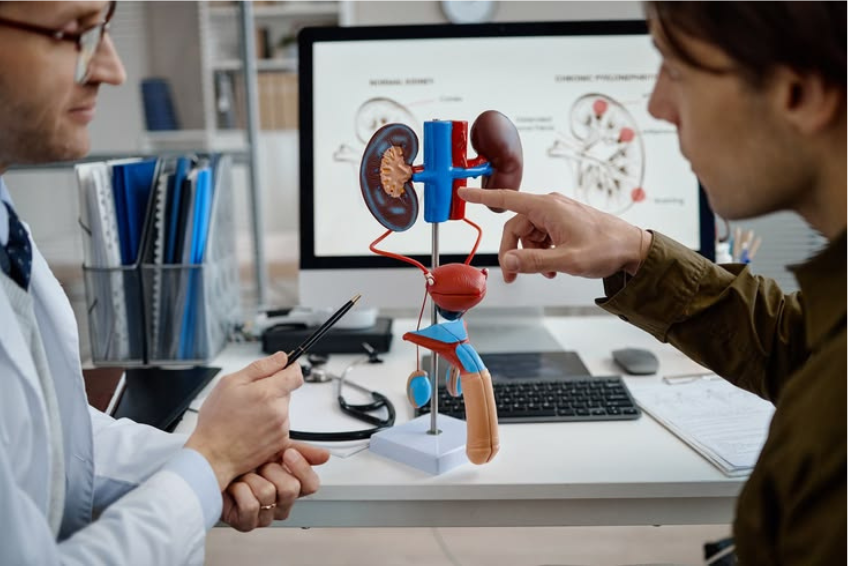
Personalised Urological Evaluation & Clinical Decision-Making
Every urological condition requires an individualised treatment plan based on the patient's symptoms, age, overall health, kidney function, lifestyle, medical history, and future health goals. Since no two patients present with the same clinical needs, treatment decisions are made only after a thorough evaluation and appropriate diagnostic investigations.
At Deepam Hospitals, Tambaram, our urologists adopt an evidence-based approach to clinical decision-making, carefully evaluating each case before recommending the most appropriate management strategy. Whenever possible, treatment plans focus on preserving normal urinary function, protecting kidney health, and achieving the best possible long-term outcomes with the least invasive approach.
Comprehensive Kidney Stone Management
Kidney stone disease requires careful assessment because the ideal treatment depends on several clinical factors, including the size, location, composition, and number of stones, as well as the patient's symptoms and kidney function.
Our specialists provide comprehensive management for:
- Small and large kidney stones
- Ureteric stones
- Recurrent stone disease
- Multiple kidney stones
- Obstructive stone disease
- Complex urinary stone conditions
Every treatment plan is designed to relieve obstruction, preserve kidney function, minimise recurrence, and restore normal urinary drainage while prioritising patient safety.
Advanced Laser Urology
Laser technology has transformed modern urological care by enabling precise treatment for selected urinary tract conditions while reducing tissue trauma and supporting quicker recovery in appropriately selected patients.
Laser-based procedures are commonly used in the management of:
- Kidney stones
- Ureteric stones
- Enlarged prostate (BPH)
- Selected urinary tract obstructions
Clinical suitability is determined after detailed evaluation, imaging studies, and assessment by the treating urologist.
Endourology & Minimally Invasive Urological Procedures
Endourology involves performing specialised urological procedures through natural urinary passages or very small access points, avoiding the need for large surgical incisions in many suitable cases.
These minimally invasive techniques are widely used for the evaluation and management of:
- Kidney stone disease
- Ureteric obstruction
- Bladder disorders
- Urethral conditions
- Selected kidney disorders
By using advanced endoscopic technology, our specialists aim to provide effective treatment while reducing postoperative discomfort and facilitating faster recovery.
Comprehensive Prostate Care
Prostate disorders become increasingly common with age and require accurate evaluation to determine the most appropriate management strategy. At Deepam Hospitals, prostate care focuses on preserving urinary function while addressing the underlying condition through evidence-based clinical practice.
Our urology team provides specialised evaluation and management for:
- Benign Prostatic Hyperplasia (BPH)
- Urinary obstruction related to prostate enlargement
- Prostate-related urinary symptoms
- Prostate health monitoring
- Surgical management when clinically indicated
Every treatment recommendation is individualised according to symptom severity, overall health, and patient expectations.
Uro-Oncology Services
Certain cancers affecting the kidneys, bladder, prostate, ureters, or other parts of the urinary tract require specialised evaluation and coordinated care. Early diagnosis and structured treatment planning play an important role in achieving favourable clinical outcomes.
Our uro-oncology services involve multidisciplinary collaboration whenever required, ensuring patients receive comprehensive evaluation, appropriate investigations, treatment planning, and long-term follow-up under specialist supervision.
Reconstructive Urology
Reconstructive urology focuses on restoring the normal structure and function of the urinary tract in patients affected by congenital abnormalities, trauma, strictures, previous surgeries, or complex urological conditions.
Treatment planning is tailored according to:
- Functional urinary problems
- Structural abnormalities
- Urethral stricture disease
- Post-traumatic urinary reconstruction
- Complex reconstructive requirements
The objective is to improve urinary function while enhancing long-term quality of life.
Male Infertility & Andrology Services
Male reproductive health requires specialised evaluation that considers hormonal, anatomical, and functional factors affecting fertility and overall wellbeing.
Our andrology services support patients requiring assessment for:
- Male infertility
- Reproductive health concerns
- Male sexual health disorders
- Structural reproductive abnormalities
- Functional urological conditions affecting fertility
Comprehensive evaluation enables personalised management plans based on the individual's clinical findings and future reproductive goals.
Urinary Incontinence & Functional Urology
Bladder control disorders can significantly affect confidence, daily activities, and emotional wellbeing. At Deepam Hospitals, patients with urinary incontinence receive comprehensive evaluation to determine the underlying cause before treatment recommendations are made.
Assessment may include evaluation of:
- Bladder function
- Urinary flow
- Pelvic floor support
- Neurological factors
- Functional urinary disorders
Individualised management plans are developed according to the patient's diagnosis, age, lifestyle, and severity of symptoms.
Multidisciplinary Urology Care
Managing complex urological conditions often requires collaboration between multiple medical specialties. At Deepam Hospitals, our urologists work closely with nephrologists, radiologists, anaesthesiologists, physicians, pathologists, intensivists, rehabilitation specialists, and experienced nursing teams to deliver coordinated patient care.
This multidisciplinary approach supports accurate diagnosis, personalised treatment planning, seamless perioperative care, comprehensive follow-up, and improved long-term outcomes for patients with both routine and complex urological conditions.
Meet Our Urology Specialists
The Department of Urology at Deepam Hospitals, Tambaram is supported by experienced consultants who provide personalised, evidence-based care for patients with conditions affecting the kidneys, ureters, bladder, prostate, urethra, and male reproductive system. Every consultation is centred on understanding the patient's concerns, explaining available options, and developing a care plan that prioritises long-term urinary health and quality of life.
Dr. A. Raghavendran
Urologist
Dr. A. Raghavendran has extensive experience in the diagnosis and management of a wide spectrum of urological disorders. His clinical interests include kidney stone disease, laser urology, endourology, enlarged prostate (BPH), urinary tract disorders, reconstructive urology, and minimally invasive urological surgery. He is committed to providing evidence-based care with a strong emphasis on patient education, safety, and long-term clinical outcomes.
Areas of Expertise
Dr. Senthil Kumar
Urologist
Dr. Senthil Kumar offers comprehensive urological care for patients with bladder disorders, kidney stone disease, urinary tract conditions, prostate problems, urinary incontinence, and general adult urology. He believes in developing personalised treatment plans that align with each patient's medical needs, lifestyle, and long-term health goals while ensuring continuity of care throughout every stage of treatment.
Areas of Expertise
Dr. T. Senthil Kumar
Urologist
Dr. T. Senthil Kumar specialises in laser urology, endourology, uro-oncology, male infertility, andrology, urethral stricture disease, reconstructive urology, and advanced minimally invasive urological procedures. His clinical approach combines precision, innovation, and compassionate patient care to deliver effective solutions for both routine and complex urological conditions.
Areas of Expertise
A Coordinated Approach to Urological Care
Successful urological care often requires more than the expertise of a single specialist. At Deepam Hospitals, patients benefit from coordinated care delivered through collaboration between urologists, nephrologists, physicians, radiologists, anaesthesiologists, pathologists, rehabilitation professionals, and experienced nursing teams.
This integrated model supports accurate diagnosis, smooth communication across specialties, well-planned treatment pathways, and consistent follow-up, allowing patients to receive comprehensive care within a single healthcare network.
What to Expect During Your Urology Consultation
Visiting a urologist for the first time can feel unfamiliar for many patients. Our consultation process is designed to create a comfortable environment where patients can openly discuss urinary or reproductive health concerns without hesitation.
During the consultation, your specialist will:
Understand Your Medical History
Understand your medical history and symptoms in detail so that care can begin with a clear clinical picture.
Review Previous Records
Review previous medical records and investigations, if available, to avoid unnecessary repetition and guide next steps.
Clinical Assessment
Perform an appropriate clinical assessment and explain the possible causes of your condition clearly.
Investigations When Needed
Recommend further investigations only when clinically necessary to confirm the diagnosis.
Discuss Management Options
Discuss suitable management options in a clear and transparent manner and involve you in every treatment decision.
Answer Your Questions
Answer your questions openly so you can make informed decisions with confidence throughout the care journey.
Continuing Care Beyond Treatment
Understand Your Medical History
Understand your medical history and symptoms in detail so that care can begin with a clear clinical picture.
Review Previous Records
Review previous medical records and investigations, if available, to avoid unnecessary repetition and guide next steps.
Clinical Assessment
Perform an appropriate clinical assessment and explain the possible causes of your condition clearly.
Investigations When Needed
Recommend further investigations only when clinically necessary to confirm the diagnosis.
Discuss Management Options
Discuss suitable management options in a clear and transparent manner and involve you in every treatment decision.
Answer Your Questions
Answer your questions openly so you can make informed decisions with confidence throughout the care journey.
Long-term urinary health depends not only on successful treatment but also on regular follow-up and ongoing medical guidance. Certain urological conditions may require periodic monitoring to assess kidney function, urinary flow, bladder health, or prostate status over time.
Our follow-up approach focuses on:
- Monitoring clinical progress
- Assessing symptom improvement
- Reviewing investigation results when required
- Supporting long-term urinary function
- Identifying recurrence at an early stage
- Providing continued medical guidance whenever necessary
This continuity of care allows patients to remain actively involved in maintaining their urinary health.
Supporting Healthy Kidney & Urinary Function
Maintaining a healthy urinary system requires attention to everyday lifestyle habits. Although recommendations differ depending on individual medical conditions, adopting healthy practices can support kidney function and urinary wellbeing throughout life.
General measures that contribute to better urinary health include:
- Drinking sufficient water according to medical advice
- Following a nutritionally balanced diet
- Maintaining healthy blood sugar and blood pressure levels
- Avoiding prolonged delay in passing urine
- Remaining physically active
- Following prescribed medications as advised
- Attending regular medical reviews when recommended
- Seeking prompt medical evaluation for new urinary symptoms
Healthy lifestyle choices, together with timely medical care, play an important role in preserving long-term kidney and bladder function.
Frequently Asked Questions
Persistent urinary pain, visible blood in the urine, difficulty passing urine, recurrent urinary infections, severe flank pain, urinary leakage, or sudden changes in urinary habits should always be evaluated by a qualified urologist.
Yes. Although prostate disorders are unique to men, women may experience kidney stones, urinary tract infections, bladder disorders, urinary incontinence, and several other urological conditions that require specialist care.
No. Many urological conditions can be managed without surgery. The most appropriate treatment depends on the underlying diagnosis, severity of symptoms, and overall health of the patient.
Regular follow-up helps monitor recovery, evaluate urinary function, assess kidney health, identify recurrence when applicable, and ensure that patients continue to receive appropriate medical guidance.
Choosing an experienced urologist involves considering clinical expertise, evidence-based practice, access to advanced diagnostics, multidisciplinary support, and a patient-centred approach to care. Discussing your symptoms openly with your specialist helps ensure an appropriate evaluation and personalised treatment plan.
Why Patients Trust Deepam Hospitals for Urology in Tambaram
Patients and families choose Deepam Hospitals because of our commitment to ethical medical practice, clinical excellence, personalised care, and comprehensive urological services delivered under one roof.
Our strengths include:
- Experienced team of consultant urologists
- Advanced diagnostic support
- Expertise in minimally invasive urology
- Comprehensive kidney stone and prostate care
- Dedicated uro-oncology and reconstructive urology services
- Male infertility and andrology expertise
- Multidisciplinary clinical collaboration
- Personalised treatment pathways
- Compassionate patient care
- Continuous follow-up focused on long-term wellbeing
Medical Disclaimer
The information provided on this page is intended for educational purposes only and should not replace professional medical advice, diagnosis, or treatment. Always consult a qualified healthcare professional for personalised guidance. If you experience severe pain, inability to pass urine, heavy bleeding, or other urgent urological symptoms, seek immediate medical attention.
Begin Your Journey Towards Better Urological Health
Whether you are experiencing urinary symptoms, seeking an evaluation for kidney stones, prostate concerns, bladder disorders, or male reproductive health issues, the Department of Urology at Deepam Hospitals, Tambaram is committed to providing compassionate, evidence-based care tailored to your individual needs.
Our experienced team of Dr. A. Raghavendran, Dr. Senthil Kumar, and Dr. T. Senthil Kumar works collaboratively to deliver personalised care with the shared goal of protecting kidney function, restoring urinary health, and improving your quality of life.
Contact Us