- For appointment (+91) 97904 97905
Best Gastroenterology & Laparoscopic Surgery Hospital in Tambaram
Expert Care for Digestive Health, Liver Disorders & Minimally Invasive Gastrointestinal Surgery
A healthy digestive system is essential for overall well-being, enabling the body to absorb nutrients, eliminate waste, maintain energy levels, and support immune function. When the digestive tract is affected by conditions such as acid reflux, stomach ulcers, liver disease, gallbladder disorders, intestinal problems, or gastrointestinal infections, it can significantly impact daily life and long-term health. While occasional digestive discomfort is common, persistent symptoms should never be ignored, as they may indicate an underlying medical condition that requires timely evaluation.
At Deepam Hospitals, Tambaram, our Department of Gastroenterology & Laparoscopic Surgery provides comprehensive care for diseases affecting the oesophagus, stomach, intestines, liver, gallbladder, pancreas, colon, and rectum. Our specialists combine advanced medical gastroenterology with modern laparoscopic surgical expertise to diagnose, treat, and manage a wide range of digestive disorders using evidence-based, patient-centred approaches.
Deepam Hospitals is a trusted healthcare network with multispeciality hospitals in Tambaram, Guduvanchery, and Singaperumal Koil (SP Koil), supported by healthcare centres in Perungalathur, Urapakkam, and Maraimalai Nagar. Patients benefit from coordinated care, advanced diagnostic facilities, minimally invasive surgical expertise, and multidisciplinary treatment under one roof, ensuring seamless management for both common and complex gastrointestinal conditions.
Whether you are experiencing persistent acidity, abdominal pain, bloating, constipation, diarrhoea, difficulty swallowing, liver-related concerns, gallstones, or require advanced gastrointestinal surgery, our experienced team is committed to delivering personalised treatment plans focused on accurate diagnosis, effective treatment, faster recovery, and long-term digestive health.
Patients from Tambaram, East Tambaram, West Tambaram, Selaiyur, Camp Road, Chromepet, Chitlapakkam, Sembakkam, Perungalathur, Mudichur, Urapakkam, Guduvanchery, Maraimalai Nagar, and surrounding areas trust Deepam Hospitals for compassionate, evidence-based gastroenterology and laparoscopic surgical care.
Your Digestive Health Questions, Answered
When should I consult a gastroenterologist?
You should consult a gastroenterologist if you experience persistent acidity, heartburn, abdominal pain, bloating, difficulty swallowing, chronic constipation, diarrhoea, unexplained weight loss, blood in the stool, jaundice, or ongoing digestive symptoms that do not improve with routine treatment. Early evaluation can help identify the underlying cause and support timely medical management.
What conditions are treated by a gastroenterologist?
A gastroenterologist diagnoses and manages conditions affecting the digestive system, including acid reflux (GERD), gastritis, peptic ulcers, irritable bowel syndrome (IBS), inflammatory bowel disease (IBD), liver disorders, fatty liver disease, hepatitis, pancreatitis, gallbladder disease, gastrointestinal bleeding, colorectal disorders, and digestive infections.
What is laparoscopic gastrointestinal surgery?
Laparoscopic surgery is a minimally invasive surgical technique that uses small incisions and specialised instruments to perform operations on the digestive system. Depending on the condition, laparoscopic procedures may offer reduced postoperative discomfort, smaller scars, shorter hospital stays, and faster recovery compared with conventional open surgery.
What is the difference between Gastroenterology and Laparoscopic Surgery?
Gastroenterology focuses on the medical diagnosis and treatment of digestive diseases using clinical evaluation, medications, endoscopy, and other non-surgical techniques. Laparoscopic Surgery is a surgical speciality that treats gastrointestinal conditions requiring operative management using minimally invasive techniques whenever appropriate. Together, these specialties provide comprehensive care for a wide range of digestive disorders.
Are digestive disorders always serious?
Not all digestive problems indicate serious illness. However, persistent or recurring symptoms should never be ignored because they may be associated with conditions that benefit from early diagnosis and appropriate treatment. A detailed medical evaluation helps determine the cause and guide the most suitable management plan.
Why Choose Deepam Hospitals for Gastroenterology & Laparoscopic Surgery?
Digestive disorders often require coordinated care involving physicians, gastroenterologists, surgeons, radiologists, anaesthesiologists, dietitians, and rehabilitation teams. At Deepam Hospitals, we provide an integrated approach that combines advanced diagnostics, medical expertise, minimally invasive surgical techniques, and personalised follow-up care to support the best possible outcomes.
Every patient receives a treatment plan tailored to their diagnosis, symptoms, lifestyle, nutritional needs, and overall health. Our focus extends beyond treating disease—we aim to restore digestive function, improve quality of life, reduce complications, and promote long-term gastrointestinal wellness through evidence-based care.
Why Patients Choose Deepam Hospitals
- Experienced gastroenterology and laparoscopic surgery specialists
- Comprehensive evaluation for digestive, liver, pancreatic, and intestinal disorders
- Advanced diagnostic endoscopy and gastrointestinal investigations
- Expertise in minimally invasive laparoscopic gastrointestinal surgery
- Personalised treatment plans based on current clinical guidelines
- Multidisciplinary approach for complex digestive diseases
- Modern operation theatres and advanced medical infrastructure
- Compassionate, patient-centred care with nutritional guidance
- Focus on faster recovery and improved digestive health
- Continuity of care through consultation, treatment, surgery, and follow-up
Understanding Your Digestive System
The digestive system is responsible for breaking down food, absorbing nutrients, processing fluids, and eliminating waste from the body. It includes the oesophagus, stomach, small intestine, large intestine (colon), rectum, liver, gallbladder, pancreas, and associated organs that work together to support digestion and overall health.
Because these organs function as an interconnected system, a problem affecting one part of the digestive tract may influence other organs as well. Conditions involving the liver may affect digestion and metabolism, while diseases of the pancreas or gallbladder can interfere with nutrient absorption. Similarly, disorders of the stomach or intestines may lead to chronic discomfort, nutritional deficiencies, or changes in bowel habits.
Maintaining digestive health involves recognising persistent symptoms early, seeking timely medical evaluation, following evidence-based treatment recommendations, and adopting healthy lifestyle practices. At Deepam Hospitals, our Gastroenterology & Laparoscopic Surgery Department is committed to providing comprehensive care that supports healthy digestion, effective disease management, and improved quality of life for patients across every stage of gastrointestinal health.
Common Digestive Disorders That Should Not Be Ignored
Digestive disorders are among the most common health conditions affecting people of all ages. While occasional indigestion or stomach discomfort may resolve on its own, persistent digestive symptoms can interfere with nutrition, daily activities, and overall quality of life. Some gastrointestinal diseases develop gradually with subtle symptoms, making early recognition essential for timely diagnosis and effective management.
Common digestive conditions include:
- Gastroesophageal Reflux Disease (GERD)
- Gastritis
- Peptic ulcer disease
- Irritable Bowel Syndrome (IBS)
- Inflammatory Bowel Disease (IBD)
- Constipation
- Chronic diarrhoea
- Gastrointestinal infections
- Haemorrhoids (Piles)
- Anal fissures
- Digestive bleeding
- Colorectal disorders
Many of these conditions share similar symptoms, making professional medical evaluation important for identifying the exact cause.
Liver, Gallbladder & Pancreatic Disorders
The liver, gallbladder, and pancreas play essential roles in digestion, metabolism, and nutrient absorption. Diseases affecting these organs may initially present with mild digestive complaints before progressing to more significant health problems if left untreated.
Some commonly encountered conditions include:
- Fatty liver disease
- Hepatitis
- Liver inflammation
- Gallstones
- Gallbladder inflammation
- Pancreatitis
- Bile duct disorders
- Liver function abnormalities
Early identification of liver and biliary disorders allows timely medical assessment while helping reduce the risk of long-term complications.
Acid Reflux, Gastric Disorders & Upper Digestive Problems
Occasional acidity after eating is common, but persistent acid reflux or recurring stomach discomfort may indicate an underlying gastrointestinal condition. Disorders affecting the oesophagus and stomach can gradually impact eating habits, sleep quality, nutrition, and overall wellbeing.
Patients frequently seek evaluation for concerns such as:
- Frequent heartburn
- Acid reflux
- Persistent indigestion
- Upper abdominal discomfort
- Nausea
- Difficulty swallowing
- Stomach inflammation
- Recurrent gastric ulcers
Persistent upper digestive symptoms should always be assessed rather than managed with repeated self-medication.
Intestinal Health & Bowel Disorders
Healthy bowel function is essential for nutrient absorption and waste elimination. Persistent changes in bowel habits may indicate underlying intestinal disorders that require further medical evaluation.
Common intestinal concerns include:
- Chronic constipation
- Persistent diarrhoea
- Abdominal bloating
- Excessive gas
- Abdominal cramps
- Blood in stool
- Unexplained changes in bowel habits
- EMalabsorption disorders
Since several gastrointestinal conditions present with similar bowel symptoms, accurate diagnosis is essential for determining the underlying cause.
When Should You Consult a Gastroenterologist?
Many digestive symptoms improve with temporary lifestyle modifications, but persistent or recurrent symptoms should never be ignored. Seeking timely medical advice helps identify underlying gastrointestinal diseases before they progress or lead to complications.
Medical evaluation is recommended if you experience:
- Persistent abdominal pain
- Frequent acidity or heartburn
- Difficulty swallowing
- Ongoing nausea or vomiting
- Blood in vomit or stool
- Unexplained weight loss
- Chronic constipation
- Persistent diarrhoea
- Yellowing of the skin or eyes (jaundice)
- Long-standing digestive discomfort
Early consultation allows appropriate investigations to be performed and supports better long-term digestive health.
Common Digestive Symptoms & Possible Areas Affected
| Symptom | Digestive System Area Commonly Involved |
|---|---|
| Heartburn & Acid Reflux | Oesophagus and Stomach |
| Upper Abdominal Pain | Stomach, Gallbladder, Liver, Pancreas |
| Difficulty Swallowing | Oesophagus |
| Persistent Bloating | Stomach, Small Intestine, Colon |
| Chronic Constipation | Colon and Rectum |
| Persistent Diarrhoea | Small Intestine and Colon |
| Jaundice | Liver and Biliary System |
| Blood in Stool | Colon, Rectum, or Lower Gastrointestinal Tract |
Why Early Gastrointestinal Evaluation Matters
Many gastrointestinal diseases become more complex when diagnosis is delayed. Symptoms such as abdominal pain, altered bowel habits, unexplained weight loss, persistent acidity, or digestive bleeding may represent conditions that benefit from early investigation and timely management.
Comprehensive evaluation enables specialists to understand the underlying cause, recommend appropriate investigations, and develop an individualised management strategy before significant complications occur. Early diagnosis also helps reduce disease progression, improve treatment outcomes, and support better long-term digestive health.
Benefits of Prioritising Digestive Health
Maintaining digestive health is an important part of overall physical wellbeing. Early medical attention and regular follow-up for persistent gastrointestinal symptoms can help preserve digestive function and improve quality of life.
Key benefits include:
Benefits of Employee Health Screening
- Earlier identification of digestive diseases
- Better understanding of persistent gastrointestinal symptoms
- Improved digestive comfort and nutritional health
- Reduced risk of disease-related complications
- Timely assessment of liver and pancreatic disorders
- Better bowel health and gastrointestinal function
- Support for long-term digestive wellness
- Improved overall health through comprehensive gastrointestinal care
Personalised Gastrointestinal Evaluation & Clinical Decision-Making
Every digestive disorder requires an individualised approach because gastrointestinal diseases vary in their cause, severity, and impact on overall health. Factors such as age, medical history, nutritional status, lifestyle, previous surgeries, associated medical conditions, and diagnostic findings all influence the choice of treatment.
At Deepam Hospitals, Tambaram, every patient undergoes a comprehensive clinical assessment before a personalised management plan is developed. Our specialists carefully correlate clinical findings with laboratory investigations, imaging studies, and gastrointestinal diagnostic procedures to determine the most appropriate course of treatment. This evidence-based approach helps ensure accurate diagnosis while supporting effective short-term management and long-term digestive health.
Medical Gastroenterology Services
Many gastrointestinal conditions can be effectively managed through specialised medical care without requiring surgery. Our Department of Gastroenterology provides comprehensive evaluation and treatment for diseases affecting the oesophagus, stomach, intestines, liver, pancreas, gallbladder, and biliary system using current evidence-based clinical guidelines.
Medical gastroenterology services include evaluation and management of:
- Acid reflux disorders
- Gastric and intestinal diseases
- Liver disorders
- Fatty liver disease
- Hepatitis
- Pancreatic disordersh
- Gallbladder-related conditions
- Functional gastrointestinal disorders
- Inflammatory bowel diseases
- Gastrointestinal infections
Each treatment plan is individualised to address the patient's diagnosis, clinical condition, nutritional status, and long-term health goals.
Advanced Diagnostic Endoscopy
Common Workplace Health Concerns
Endoscopy plays a vital role in diagnosing a wide range of digestive diseases by allowing specialists to directly examine the upper gastrointestinal tract. It is an important diagnostic tool for identifying inflammation, ulcers, bleeding, structural abnormalities, and other gastrointestinal conditions that may not be detected through routine clinical examination alone.
Upper gastrointestinal endoscopy may be recommended for patients requiring evaluation of:
- Persistent upper digestive symptoms
- Difficulty swallowing
- Recurrent vomiting
- Gastrointestinal bleeding
- Chronic upper abdominal discomfort
- Suspected ulcers
- Oesophageal disorders
The need for endoscopy is determined after clinical evaluation and based on established medical indications.
Colonoscopy for Comprehensive Lower Gastrointestinal Assessment
Colonoscopy is a specialised diagnostic procedure used to evaluate the large intestine and rectum. It assists gastroenterologists in investigating persistent lower gastrointestinal symptoms while helping identify abnormalities affecting the colon.
Colonoscopy may be considered for patients with:
- Persistent changes in bowel habits
- Chronic diarrhoea
- Rectal bleeding
- Unexplained anaemia
- Chronic abdominal pain
- Inflammatory bowel disease assessment
- Colorectal disease evaluation
Recommendations for colonoscopy are always based on individual clinical assessment and accepted screening or diagnostic guidelines.
Therapeutic Endoscopic Procedures
In addition to diagnosis, endoscopy can also support the management of selected gastrointestinal conditions through minimally invasive therapeutic interventions. Depending on the patient's clinical needs, certain procedures may be performed during endoscopic evaluation, reducing the need for more invasive surgical approaches in appropriate cases.
Therapeutic endoscopic services may include:
- Management of gastrointestinal bleeding
- Removal of selected gastrointestinal polyps
- Foreign body removal
- Dilatation of narrowed segments of the digestive tract
- Tissue biopsy for laboratory analysis
The choice of therapeutic procedure depends entirely on the underlying condition and specialist evaluation.
Advanced Laparoscopic Gastrointestinal Surgery
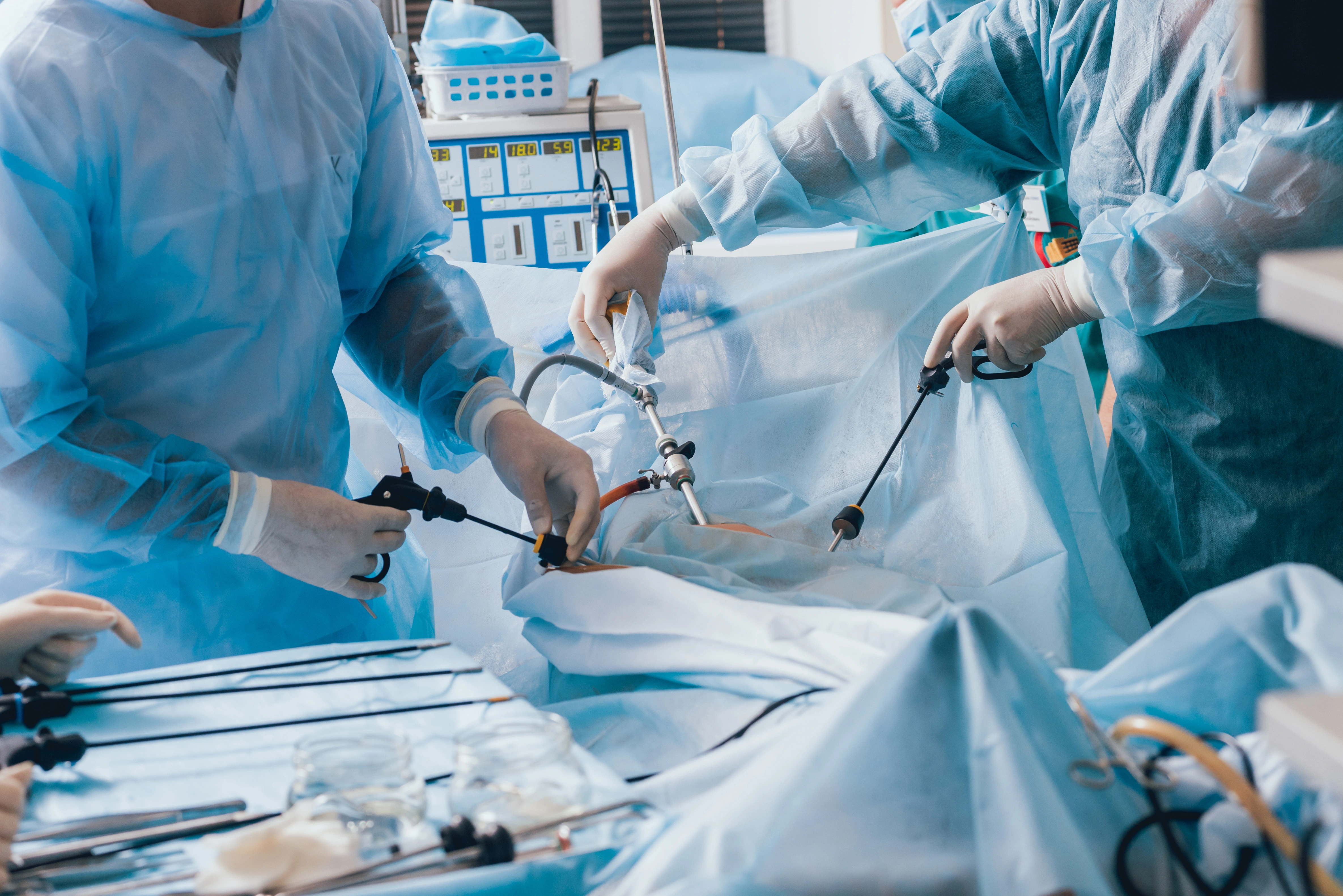
When surgery becomes necessary, minimally invasive laparoscopic techniques often provide an effective alternative to conventional open surgery for selected gastrointestinal conditions. Laparoscopic surgery uses specialised instruments inserted through small incisions, allowing surgeons to perform complex procedures with greater precision.
Potential advantages of laparoscopic surgery may include:
- Smaller surgical incisions
- Reduced postoperative discomfort
- Lower blood loss
- Faster recovery
- Shorter hospital stay
- Earlier return to daily activities
- Improved cosmetic outcomes
The suitability of laparoscopic surgery depends on the patient's diagnosis, overall health, and surgical requirements.
Laparoscopic Gallbladder Surgery
Gallbladder disorders, particularly symptomatic gallstones and gallbladder inflammation, are among the most common gastrointestinal conditions requiring surgical management. Laparoscopic gallbladder surgery is widely performed for appropriately selected patients after careful clinical evaluation.
Before recommending surgery, our specialists assess:
- Severity of symptoms
- Imaging findings
- Presence of complications
- Overall medical fitness
- Previous abdominal surgeries
- Individual patient risk factors
Every surgical recommendation is based on current evidence-based clinical practice and personalised patient assessment.
Laparoscopic Appendix Surgery
Appendicitis is one of the most common surgical emergencies affecting the digestive system. Timely diagnosis and appropriate surgical management help reduce the risk of complications associated with delayed treatment.
Laparoscopic appendicectomy allows surgeons to remove the inflamed appendix using minimally invasive techniques while supporting faster postoperative recovery for suitable patients.
The decision to perform surgery is based on clinical examination, laboratory findings, and diagnostic imaging.
Laparoscopic Hernia Surgery
Hernias involving the abdominal wall may gradually enlarge over time and can sometimes lead to discomfort or complications if left untreated. Laparoscopic hernia repair offers a minimally invasive surgical option for selected patients depending on the size, location, and complexity of the hernia.
Each patient undergoes detailed surgical evaluation to determine the most appropriate technique while considering individual health status and expected recovery outcomes.
Multidisciplinary Care for Complex Digestive Disorders
Many gastrointestinal diseases require coordinated care involving multiple medical specialties. At Deepam Hospitals, gastroenterologists and laparoscopic surgeons work closely with radiologists, anaesthesiologists, pathologists, intensivists, physicians, nutritionists, and specialised nursing teams to provide integrated digestive healthcare.
This multidisciplinary approach enables accurate diagnosis, coordinated treatment planning, seamless perioperative care, nutritional optimisation, and structured follow-up, ensuring patients receive comprehensive management throughout every stage of their healthcare journey.
Dr. B. Mahadevan
Consultant Gastroenterologist
Dr. N. Ananthasamy is committed to providing safe, ethical, and patient-focused surgical care. With advanced training in General Surgery, he combines sound clinical judgment with modern surgical techniques to deliver treatment tailored to each patient's individual medical needs.
Dr. B. Mahadevan specialises in the prevention, diagnosis, and medical management of diseases affecting the digestive system. His clinical expertise includes disorders of the oesophagus, stomach, intestines, liver, pancreas, gallbladder, and biliary tract. He focuses on evidence-based treatment, comprehensive digestive evaluation, and helping patients achieve better gastrointestinal health through personalised medical care.
Expert digestive healthcare requires close collaboration between medical gastroenterologists and gastrointestinal surgeons. At Deepam Hospitals, Tambaram, our specialists work together to provide seamless care—from diagnosis and medical management to advanced laparoscopic surgery and long-term follow-up.
Dr. Sugaprakash
Consultant Surgical Gastroenterologist & Laparoscopic Surgeon
Dr. Sugaprakash is experienced in advanced laparoscopic and gastrointestinal surgery for a wide range of digestive conditions. His expertise includes minimally invasive abdominal procedures, gastrointestinal surgical care, and complex digestive surgery. He is committed to providing safe surgical treatment with a focus on precision, patient safety, and enhanced recovery.
Your Digestive Care Journey at Deepam Hospitals
Digestive health concerns often require more than a single consultation. At Deepam Hospitals, patients receive coordinated care through every stage of diagnosis, treatment, and follow-up, ensuring continuity and confidence throughout their healthcare journey.
Your care pathway typically includes:
- Detailed consultation and medical history
- Comprehensive clinical examination
- Personalised diagnostic planning
- Discussion of treatment options
- Shared decision-making with the patient and family
- Ongoing monitoring during treatment
- Scheduled follow-up and long-term digestive health support
This structured approach helps patients understand their condition while actively participating in decisions about their care.
Recovery After Gastrointestinal Treatment
Recovery varies depending on the individual's diagnosis, overall health, and the type of treatment received. Whether a patient has undergone medical treatment or laparoscopic surgery, structured follow-up plays an important role in supporting healing and monitoring progress.
Follow-up care may include:
- Clinical review appointments
- Medication assessment
- Nutritional monitoring
- Symptom review
- Laboratory follow-up when required
- Lifestyle counselling
- Long-term digestive health monitoring
Regular follow-up allows specialists to assess recovery, address concerns promptly, and optimise long-term treatment outcomes.
Nutrition & Lifestyle for Long-Term Digestive Wellness
Healthy digestive function depends not only on medical treatment but also on sustainable lifestyle habits. Patients are encouraged to adopt dietary and behavioural practices that support gastrointestinal health and reduce the risk of recurring digestive problems.
General recommendations include:
- Eating a balanced, fibre-rich diet
- Staying adequately hydrated
- Limiting highly processed and excessively fatty foods
- Maintaining a healthy body weight
- Engaging in regular physical activity
- Avoiding tobacco use
- Limiting alcohol consumption
- Following prescribed medications and dietary advice
- Attending regular follow-up appointments
Lifestyle recommendations are always personalised according to the patient's medical condition and nutritional requirements.
Supporting Lifelong Digestive Health
The digestive system changes throughout different stages of life, making ongoing health monitoring an important part of preventive care. Regular medical review can help detect changes early, optimise digestive function, and support better long-term health outcomes.
Long-term digestive care focuses on:
- Maintaining healthy gastrointestinal function
- Monitoring chronic digestive disorders
- Supporting liver and pancreatic health
- Promoting healthy bowel function
- Improving nutritional wellbeing
- Encouraging preventive healthcare practices
- Reducing the risk of disease recurrence
- Enhancing overall quality of life
Our goal is to help every patient maintain lifelong digestive wellness through continued medical guidance and personalised care.
Frequently Asked Questions
No. Many gastrointestinal conditions can be managed effectively with medical treatment, dietary modifications, lifestyle changes, or endoscopic procedures. Surgery is considered only when clinically indicated after thorough evaluation.
For suitable patients, laparoscopic surgery may offer smaller incisions, reduced postoperative discomfort, shorter hospital stays, quicker recovery, and earlier return to normal activities. The choice of surgical approach depends on the patient's condition.
The need for gastrointestinal screening depends on age, family history, symptoms, and individual risk factors. Your gastroenterologist will recommend an appropriate screening schedule based on current clinical guidelines.
While not all digestive disorders are preventable, maintaining a healthy diet, exercising regularly, avoiding tobacco, limiting alcohol, and seeking timely medical care for persistent symptoms can support better digestive health.
Follow-up appointments help specialists monitor recovery, review treatment effectiveness, assess nutritional health, detect recurrence when applicable, and provide ongoing guidance for maintaining digestive wellness.
Why Patients Trust Deepam Hospitals for Gastroenterology & Laparoscopic Surgery
Choosing the right digestive healthcare team is important for achieving the best possible outcomes. At Deepam Hospitals, our specialists combine clinical expertise, advanced technology, evidence-based practice, and compassionate care to provide comprehensive gastrointestinal services under one roof.
Patients trust our department because of our:
- Experienced gastroenterologists and laparoscopic surgeons
- Comprehensive medical and surgical digestive care
- Advanced endoscopy and minimally invasive surgical expertise
- Personalised treatment planning
- Multidisciplinary approach for complex gastrointestinal diseases
- Modern diagnostic and surgical facilities
- Focus on patient education and shared decision-making
- Evidence-based clinical protocols
- Structured follow-up and long-term digestive care
- Commitment to patient safety and quality healthcare
Medical Disclaimer
The information provided on this page is for educational purposes only and should not be considered medical advice, diagnosis, or treatment. Always consult a qualified healthcare professional for personalised medical guidance. In case of a medical emergency, seek immediate medical attention or visit the nearest hospital.
Take the First Step Towards Better Digestive Health
Digestive symptoms should never be ignored, especially when they persist or affect your quality of life. Whether you require expert medical gastroenterology consultation, advanced diagnostic evaluation, or minimally invasive gastrointestinal surgery, the Department of Gastroenterology & Laparoscopic Surgery at Deepam Hospitals, Tambaram is committed to providing comprehensive, compassionate, and evidence-based care.
Schedule a consultation with Dr. B. Mahadevan or Dr. Sugaprakash to receive personalised digestive healthcare designed to support accurate diagnosis, effective treatment, faster recovery, and long-term gastrointestinal wellness.
Contact Us