- For appointment (+91) 97904 97905
Best Plastic Surgery Hospital in Tambaram
Restoring Function, Rebuilding Confidence & Advancing Reconstructive Care
Plastic surgery is a specialised branch of surgery dedicated to restoring the form, function, and appearance of different parts of the body affected by injury, burns, congenital conditions, infections, cancer treatment, or tissue loss. While many people associate plastic surgery only with cosmetic procedures, its primary role in modern healthcare extends far beyond aesthetics. Reconstructive plastic surgery focuses on repairing damaged tissues, improving physical function, supporting wound healing, and helping patients regain confidence and independence.
At Deepam Hospitals, Tambaram, our Department of Plastic Surgery provides comprehensive reconstructive surgical care using evidence-based techniques and personalised treatment planning. From complex wound reconstruction and scar management to burn reconstruction, hand surgery, and congenital deformity correction, our goal is to restore both function and quality of life while delivering compassionate, patient-centred care.
Deepam Hospitals is a trusted healthcare network with multispeciality hospitals in Tambaram, Guduvanchery, and Singaperumal Koil (SP Koil), supported by healthcare centres in Perungalathur, Urapakkam, and Maraimalai Nagar.
Patients from Tambaram, East Tambaram, West Tambaram, Selaiyur, Camp Road, Chromepet, Chitlapakkam, Sembakkam, Perungalathur, Mudichur, Urapakkam, Guduvanchery, Maraimalai Nagar, and surrounding areas trust Deepam Hospitals for advanced plastic and reconstructive surgery that combines surgical precision with a commitment to restoring health, movement, and confidence.
Your Plastic Surgery Questions, Answered
What is plastic surgery?
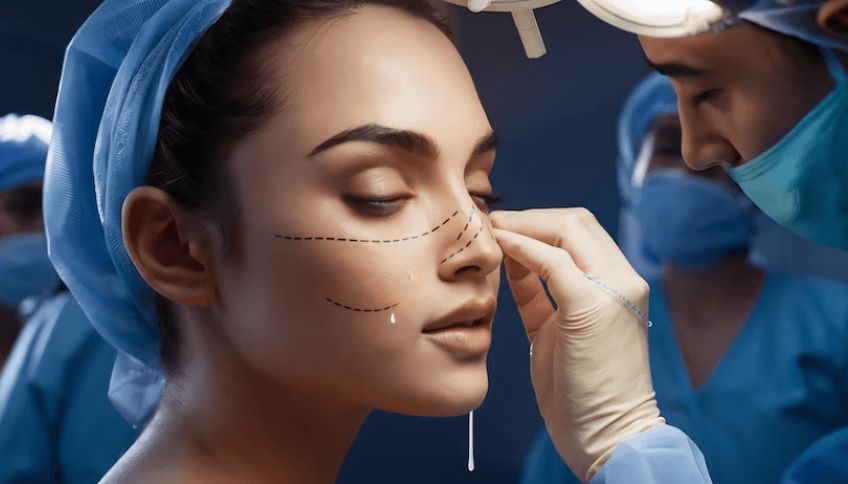
Plastic surgery is a medical speciality that focuses on repairing, reconstructing, or restoring body tissues affected by injury, burns, congenital abnormalities, disease, or previous surgery. It aims to improve both physical function and appearance whenever medically appropriate.
Is plastic surgery only for cosmetic purposes?
No. A significant portion of plastic surgery involves reconstructive procedures performed to restore function, repair damaged tissues, improve wound healing, and help patients recover after trauma, burns, cancer treatment, or congenital conditions. Cosmetic surgery is only one aspect of the broader speciality.
When should I consult a plastic surgeon?
You may benefit from consulting a plastic surgeon if you have suffered traumatic injuries, burns, persistent wounds, tissue loss, hand injuries, facial injuries, congenital deformities, problematic scars, or require reconstructive surgery following cancer treatment or other medical conditions.
Can plastic surgery improve function as well as appearance?
Yes. Reconstructive plastic surgery is designed to restore normal movement, protect important body structures, improve tissue healing, and enhance overall function while also considering aesthetic outcomes whenever possible.
How is reconstructive surgery different from cosmetic surgery?
Reconstructive surgery addresses medical conditions affecting body structure and function, whereas cosmetic surgery is primarily performed to enhance physical appearance. Reconstructive procedures are often medically necessary and focus on restoring normal anatomy and function.
Why Choose Deepam Hospitals for Plastic Surgery in Tambaram?
Plastic surgery requires careful surgical planning, precision, and a thorough understanding of anatomy, tissue healing, and functional restoration. At Deepam Hospitals, every patient receives individualised care based on their medical condition, surgical needs, and long-term recovery goals.
Our multidisciplinary approach brings together surgical expertise, advanced diagnostic support, anaesthesia services, wound care, rehabilitation, and ongoing follow-up to provide comprehensive reconstructive care from consultation through recovery.
Why Patients Choose Deepam Hospitals
- Experienced plastic and reconstructive surgeon
- Comprehensive reconstructive surgical care
- Advanced wound reconstruction expertise
- Burn reconstruction services
- Scar revision and scar management
- Hand and soft tissue reconstruction
- Personalised surgical planning
- Multidisciplinary medical collaboration
- Patient-focused care and long-term follow-up
- Commitment to safety, function, and quality outcomes
Understanding Plastic & Reconstructive Surgery
Plastic and reconstructive surgery is dedicated to restoring tissues affected by disease, injury, birth defects, or surgical removal. Unlike many surgical specialties that focus on a single organ, plastic surgery involves repairing skin, muscles, tendons, nerves, blood vessels, and soft tissues throughout the body.
Reconstructive procedures are carefully planned to restore structural integrity while preserving or improving physical function. Depending on the condition, treatment may involve tissue rearrangement, wound closure techniques, skin grafting, flap reconstruction, or microsurgical procedures.
Plastic surgeons frequently work alongside specialists from orthopaedics, general surgery, oncology, neurosurgery, vascular surgery, and other disciplines to provide coordinated patient care.
Conditions That May Require Plastic Surgery
Plastic surgery can help manage a wide range of medical conditions involving tissue damage, structural abnormalities, or functional impairment. Every patient requires an individual assessment to determine the most appropriate reconstructive approach.
Conditions commonly evaluated include:
- Traumatic soft tissue injuries
- Burn injuries
- Chronic non-healing wounds
- Scar contractures
- Complex scars
- Facial injuries
- Hand injuries
- Skin and soft tissue defects
- Congenital deformities
- Tissue loss following tumour removal
- Pressure sores
- Post-traumatic reconstruction needs
The specific treatment strategy depends on the location, severity, and functional impact of the condition.
When Should You Seek a Plastic Surgery Consultation?
Early assessment by a plastic surgeon can improve treatment planning and support better reconstructive outcomes. Prompt evaluation is particularly important when injuries involve extensive skin loss, deep wounds, exposed tendons or bones, burns, or complex soft tissue damage.
Depending on the patient's needs, evaluation may include:
- Deep or complex wounds
- Significant burn injuries
- Persistent wounds that do not heal
- Restricted movement caused by scars
- Tissue loss following injury
- Congenital abnormalities affecting function
- Hand injuries involving tendons or soft tissues
- Facial injuries requiring specialised reconstruction
- Defects following cancer surgery
- Complex soft tissue infections requiring reconstruction
Seeking timely specialist care allows appropriate surgical planning while reducing the risk of long-term complications.
Common Reconstructive Conditions & Surgical Goals
| Condition | Primary Reconstructive Goal |
|---|---|
| Burn Injuries | Restore skin coverage, mobility, and function |
| Traumatic Soft Tissue Injuries | Repair damaged tissues and preserve function |
| Hand Injuries | Restore movement, strength, and dexterity |
| Chronic Wounds | Promote durable wound closure and healing |
| Scar Contractures | Improve movement and reduce tissue restriction |
| Congenital Deformities | Support normal structure, function, and development |
| Post-Cancer Tissue Defects | Reconstruct tissues following tumour removal |
The Importance of Early Reconstructive Care
Timely reconstructive care plays an important role in preserving tissue health, maintaining physical function, and supporting successful recovery. Early intervention allows surgeons to evaluate tissue viability, minimise complications, and develop a comprehensive surgical plan tailored to each patient's needs.
Appropriate reconstructive care may contribute to:
- Better wound healing
- Improved preservation of healthy tissues
- Enhanced functional recovery
- Reduced scar-related complications
- Greater mobility and independence
- Improved hand and facial function
- Better long-term physical outcomes
- Enhanced quality of life
By addressing reconstructive needs at the right time, patients have the opportunity to achieve improved physical function while supporting long-term health and wellbeing.
Personalised Surgical Evaluation & Reconstructive Planning
Every reconstructive procedure begins with a detailed understanding of the patient's medical condition, tissue damage, functional limitations, overall health, and long-term recovery goals. Since reconstructive surgery often involves restoring both appearance and physical function, treatment planning must be highly individualised.
At Deepam Hospitals, Tambaram, each patient undergoes a comprehensive surgical evaluation that includes clinical examination, diagnostic assessment, tissue evaluation, and functional analysis. Our reconstructive surgeon develops a personalised surgical plan designed to achieve optimal tissue repair while preserving movement, sensation, and structural integrity whenever possible.
Advanced Reconstructive Plastic Surgery
Reconstructive plastic surgery focuses on repairing defects caused by trauma, disease, burns, congenital abnormalities, or previous surgical procedures. The primary objective is to restore normal anatomy while improving physical function and supporting long-term healing.
Reconstructive procedures may be performed for:
- Complex soft tissue defects
- Traumatic tissue loss
- Congenital structural abnormalities
- Facial reconstruction
- Hand reconstruction
- Defects following tumour removal
- Functional tissue restoration
Every reconstructive procedure is carefully planned according to the location of the defect, surrounding healthy tissue, blood supply, and expected functional outcome.
Burn Reconstruction & Functional Restoration
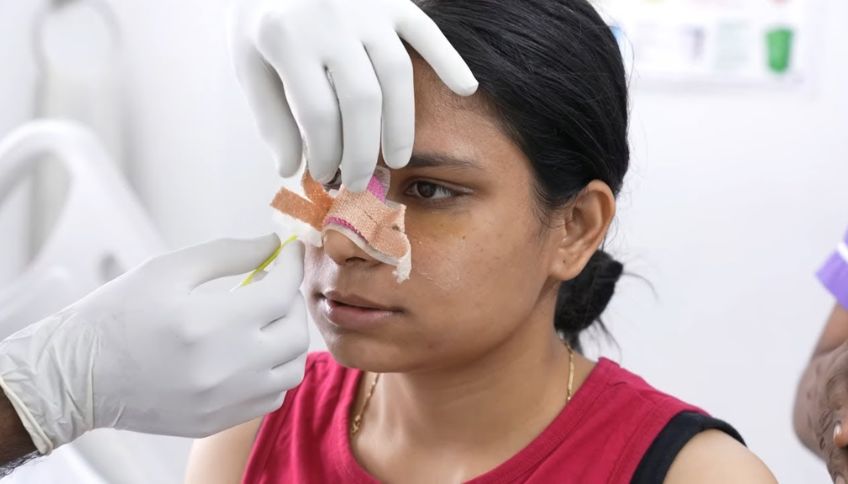
Burn injuries can affect skin, muscles, joints, and underlying soft tissues, sometimes resulting in restricted movement and scar contractures. Reconstructive surgery plays an important role in improving tissue flexibility, restoring mobility, and enhancing long-term functional outcomes after burn injuries.
Burn reconstruction may involve:
- Scar contracture release
- Functional tissue reconstruction
- Skin coverage procedures
- Soft tissue restoration
- Reconstruction to improve joint movement
- Long-term reconstructive planning
Each reconstructive approach is tailored to the severity of the burn injury and the patient's functional needs.
Scar Revision & Scar Reconstruction
Although scars are a natural part of healing, certain scars may become thick, painful, restrictive, or cosmetically significant. Scar revision procedures aim to improve scar appearance while reducing functional limitations caused by abnormal scar formation.
Scar reconstruction may be considered for:
- Hypertrophic scars
- Contracture scars
- Post-traumatic scars
- Burn scars
- Post-surgical tissue loss
- Complex soft tissue defects
Treatment planning depends on scar maturity, location, surrounding tissue quality, and individual patient expectations.
Skin Grafting & Soft Tissue Reconstruction
Extensive wounds or tissue loss may require additional tissue coverage to protect underlying structures and promote healing. Skin grafting and soft tissue reconstruction are commonly used techniques that help restore skin continuity while supporting long-term tissue recovery.
These procedures may be considered for:
- Large skin defects
- Traumatic wounds
- Burn injuries
- Chronic wounds
- Post-surgical tissue loss
- Complex soft tissue defects
The selection of reconstructive techniques depends on wound characteristics, tissue availability, circulation, and overall patient health.
Hand & Upper Limb Reconstruction
The hand contains a complex network of bones, tendons, nerves, muscles, blood vessels, and soft tissues that work together to provide strength, precision, and fine motor control. Injuries affecting these structures require specialised reconstructive expertise to preserve hand function.
Our plastic surgery team provides reconstructive care for selected hand conditions involving:
- Soft tissue injuries
- Tendon exposure
- Skin loss
- Traumatic hand defects
- Functional reconstruction
- Complex upper limb soft tissue injuries
Treatment focuses on preserving movement, dexterity, sensation, and functional independence.
Facial Reconstruction
Facial injuries and tissue defects require careful surgical planning because they affect both appearance and important functions such as speaking, eating, breathing, blinking, and facial expression.
Facial reconstruction may be required following:
- Traumatic injuries
- Tissue loss
- Congenital abnormalities
- Surgical removal of lesions
- Complex facial wounds
Every reconstructive procedure aims to restore facial structure while preserving normal facial function and symmetry whenever possible.
Congenital Deformity Reconstruction
Some individuals are born with structural abnormalities that affect normal growth, appearance, or physical function. Plastic and reconstructive surgery may be performed to improve anatomy while supporting healthy physical development.
Treatment planning for congenital conditions considers:
- Patient age
- Growth potential
- Functional limitations
- Long-term reconstructive goals
- Overall health
Management often involves collaboration with paediatric specialists and other multidisciplinary teams when appropriate.
Post-Cancer Reconstruction
Following the surgical removal of certain tumours, patients may require reconstructive procedures to restore tissues affected during cancer treatment. Reconstruction plays an important role in helping patients recover physical function while improving overall quality of life.
Depending on the clinical situation, reconstruction may focus on:
- Soft tissue restoration
- Skin coverage
- Facial reconstruction
- Functional rehabilitation
- Structural support
- Improved wound healing
Each reconstruction plan is developed in close coordination with the oncology and surgical teams.
Microsurgical & Precision Reconstructive Techniques
Modern plastic surgery incorporates advanced microsurgical techniques that allow surgeons to reconstruct complex tissue defects using highly specialised methods. Microsurgery enables delicate repair of blood vessels, nerves, and soft tissues with exceptional precision.
Depending on the patient's condition, microsurgical techniques may support:
- Complex tissue reconstruction
- Soft tissue transfer
- Functional restoration
- Limb preservation
- Advanced wound reconstruction
- Composite tissue repair
The use of precision surgical techniques contributes to improved reconstructive outcomes in carefully selected patients.
Multidisciplinary Plastic Surgery Care
Complex reconstructive procedures frequently require collaboration between multiple medical specialties. At Deepam Hospitals, our Plastic Surgery Department works closely with orthopaedic surgeons, general surgeons, oncologists, neurosurgeons, anaesthesiologists, rehabilitation specialists, wound care teams, radiologists, and nursing professionals to deliver coordinated patient care.
This multidisciplinary approach ensures comprehensive treatment planning, safe perioperative management, structured recovery, and long-term follow-up, allowing patients to receive integrated care throughout every stage of reconstruction.
Dr. Dinesh K. R.
Consultant Plastic & Reconstructive Surgeon
Dr. Dinesh K. R. is a qualified Plastic and Reconstructive Surgeon dedicated to restoring function, improving tissue integrity, and helping patients regain confidence following injury, disease, congenital conditions, or complex tissue loss. His patient-centred approach combines meticulous surgical planning with compassionate care to ensure every treatment plan is tailored to the individual's medical condition and long-term recovery goals.
By focusing on both functional restoration and overall wellbeing, Dr. Dinesh works closely with patients throughout their surgical journey, ensuring they understand every stage of treatment, recovery, and follow-up care.
Your Plastic Surgery Journey
Every reconstructive procedure begins with understanding the patient's medical needs, personal expectations, and functional goals. At Deepam Hospitals, plastic surgery is delivered through a structured care pathway that ensures patients receive comprehensive support before, during, and after surgery.
The journey typically includes:
Initial Consultation
The first consultation focuses on understanding the patient's medical history, previous treatments, symptoms, lifestyle, and specific reconstructive needs. This detailed evaluation helps identify the most appropriate surgical approach while addressing patient concerns and expectations.
Individualised Surgical Planning
Based on clinical findings and diagnostic evaluation, a personalised surgical plan is developed. Patients receive clear explanations regarding the recommended procedure, expected outcomes, possible alternatives, and recovery process, enabling informed decision-making.
Surgical Care
Every procedure is performed using evidence-based surgical practices with a strong emphasis on patient safety, tissue preservation, and functional restoration.
Postoperative Follow-Up
Regular follow-up appointments allow the surgical team to monitor healing, assess recovery, evaluate functional improvement, and provide ongoing guidance throughout the rehabilitation process.
Recovery After Reconstructive Plastic Surgery
Recovery is an essential part of achieving successful long-term outcomes. Healing timelines vary depending on the type of reconstruction performed, the location of surgery, overall health, and individual healing capacity.
Patients receive personalised recovery guidance that may include:
- Wound care instructions
- Activity recommendations
- Follow-up schedules
- Scar care guidance
- Nutrition advice to support healing
- Monitoring for normal healing progress
- Gradual return to work and daily activities
Close follow-up allows the surgical team to support patients throughout each stage of recovery while addressing any concerns promptly.
Supporting Healthy Wound Healing
Successful reconstruction continues beyond the operating room. Proper wound care plays a significant role in promoting healing, protecting reconstructed tissues, and achieving the best possible functional outcome.
Patients are encouraged to:
- Follow wound care instructions carefully
- Attend all scheduled follow-up visits
- Maintain good personal hygiene
- Eat a balanced, protein-rich diet
- Stay well hydrated
- Avoid smoking and tobacco use
- Protect healing tissues from unnecessary strain
- Contact the medical team if unusual symptoms occur
Consistent postoperative care contributes to healthier tissue recovery and long-term surgical success.
Living Well After Reconstruction
The goal of reconstructive plastic surgery is to help patients return to a fulfilling and active life with improved physical function and confidence. As recovery progresses, patients receive practical guidance on safely resuming work, exercise, household responsibilities, and recreational activities.
Long-term health recommendations may include:
- Maintaining physical fitness
- Protecting reconstructed areas during activities
- Practising good skin care
- Following ergonomic techniques where appropriate
- Monitoring any long-term functional changes
- Seeking timely medical review for new concerns
Adopting healthy lifestyle habits supports ongoing recovery while helping preserve the results of reconstructive surgery.
Frequently Asked Questions AboutPlastic Surgery Answered
Every surgical procedure results in some degree of scarring. However, plastic surgeons use specialised techniques to optimise wound healing and position incisions carefully whenever clinically possible. Scar appearance generally improves gradually over time.
Recovery varies according to the type of surgery performed, the area treated, the patient's overall health, and individual healing response. Your surgeon will provide personalised recovery guidance during follow-up visits.
Many patients benefit from scheduled follow-up appointments to monitor healing, assess functional recovery, evaluate scar maturation, and ensure optimal long-term outcomes.
Many reconstructive procedures are performed specifically to restore or improve physical function, depending on the underlying condition and extent of tissue damage. Your surgeon will discuss realistic expectations based on your diagnosis.
Preparation may involve medical evaluation, optimisation of existing health conditions, medication review, smoking cessation if applicable, nutritional guidance, and understanding postoperative recovery instructions. Following your surgeon's recommendations helps support safer surgery and smoother recovery.
Why Patients Choose Deepam Hospitals for Plastic Surgery in Tambaram
Patients choose Deepam Hospitals because we combine specialised reconstructive expertise with compassionate, patient-focused care designed to restore both function and quality of life.
Our strengths include:
- Qualified Plastic & Reconstructive Surgeon
- Individualised surgical planning
- Advanced reconstructive surgical expertise
- Comprehensive wound reconstruction
- Burn and scar reconstruction services
- Functional tissue restoration
- Multidisciplinary collaboration
- Ethical, evidence-based surgical care
- Personalised recovery support
- Commitment to patient safety and long-term outcomes
Deepam Hospitals is a trusted healthcare network with multispeciality hospitals in Tambaram, Guduvanchery, and Singaperumal Koil (SP Koil), supported by healthcare centres in Perungalathur, Urapakkam, and Maraimalai Nagar. Through this integrated healthcare network, patients have convenient access to specialised surgical expertise, advanced diagnostics, inpatient care, rehabilitation services, and coordinated follow-up across multiple locations.
Medical Disclaimer
The information provided on this page is intended for educational purposes only and should not be considered medical advice, diagnosis, or treatment. Plastic surgery recommendations vary based on each patient's medical condition and should always be discussed with a qualified plastic and reconstructive surgeon. If you have a medical emergency or severe injury, seek immediate medical attention.
Book Your Plastic Surgery Consultation Today
Whether you require reconstructive surgery following trauma, burns, congenital conditions, complex wounds, or tissue loss, the Department of Plastic Surgery at Deepam Hospitals, Tambaram is committed to delivering safe, personalised, and evidence-based surgical care.
Consult Dr. Dinesh K. R. for expert evaluation and a customised treatment plan focused on restoring function, supporting recovery, and improving your quality of life through advanced reconstructive plastic surgery.
Contact Us