- For appointment (+91) 97904 97905
Best Emergency & Intensive Care Unit (ICU) Hospital in Tambaram
24/7 Emergency Medical Care, Trauma Management & Advanced Critical Care Services
Medical emergencies can occur unexpectedly and require immediate attention to protect life, prevent complications, and improve recovery outcomes. Whether it is a road traffic accident, severe injury, chest pain, stroke symptoms, breathing difficulty, poisoning, or any life-threatening medical condition, receiving prompt emergency care from an experienced medical team can make a significant difference during the most critical moments.
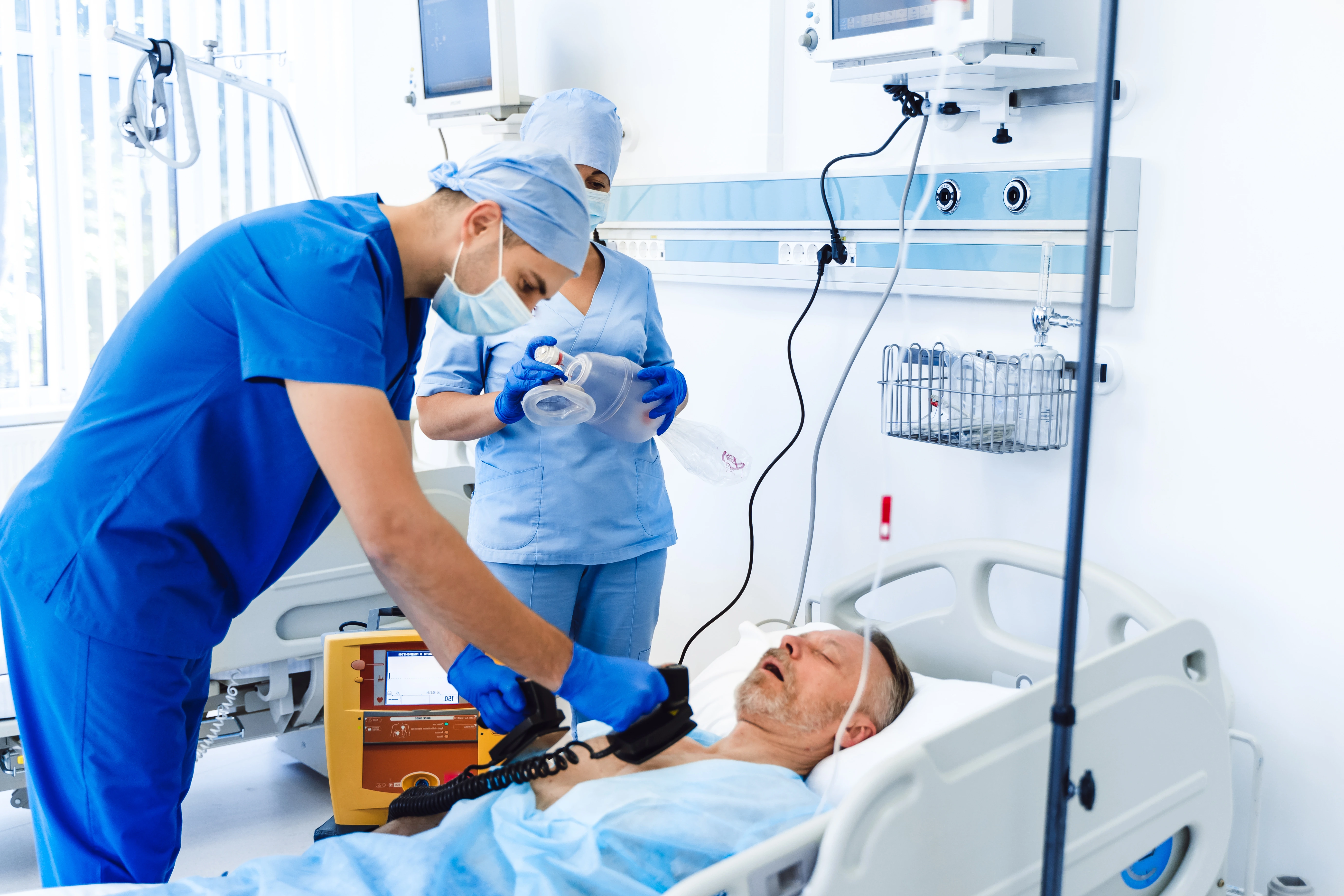
At Deepam Hospitals, Tambaram, our Department of Emergency & Trauma Care delivers round-the-clock emergency medical services supported by advanced diagnostic facilities, Intensive Care Unit (ICU) services, life-support technology, and multidisciplinary specialists. Our emergency department is designed to provide rapid assessment, immediate stabilisation, timely intervention, and continuous monitoring for patients experiencing critical illnesses, traumatic injuries, and medical emergencies.
Deepam Hospitals is a trusted healthcare network with multispeciality hospitals in Tambaram, Guduvanchery, and Singaperumal Koil (SP Koil), supported by healthcare centres in Perungalathur, Urapakkam, and Maraimalai Nagar. Through our integrated healthcare network, patients have access to emergency medical services, trauma care, intensive care, advanced diagnostics, specialist consultations, and coordinated treatment whenever urgent medical attention is required.
Our Emergency & Trauma Care team is trained to manage a wide range of emergencies, including cardiac emergencies, stroke, severe infections, respiratory distress, fractures, burns, poisoning, uncontrolled bleeding, accidents, and other life-threatening conditions. Working closely with specialists across multiple departments, our team ensures that patients receive comprehensive emergency care from the moment they arrive until they are safely transferred for ongoing treatment or recovery.
Whether you require emergency treatment for a sudden illness, accident-related injury, critical medical condition, or intensive care support, our experienced emergency medicine professionals are committed to delivering rapid, compassionate, and evidence-based care every hour of every day.
Patients from East Tambaram, West Tambaram, Selaiyur, Camp Road, Chromepet, Chitlapakkam, Sembakkam, Mudichur, Perungalathur, Urapakkam, Guduvanchery, Maraimalai Nagar, and surrounding communities trust Deepam Hospitals for reliable emergency medical services, advanced trauma care, and comprehensive critical care delivered with speed, precision, and compassion.
Your Emergency Care Questions, Answered
What is Emergency & Trauma Care?
Emergency & Trauma Care is a specialised medical service that provides immediate evaluation, stabilisation, diagnosis, and treatment for patients experiencing sudden illnesses, serious injuries, accidents, or life-threatening medical conditions requiring urgent medical attention.
When should I visit the Emergency Department?
You should seek immediate emergency medical care if you experience severe chest pain, difficulty breathing, sudden weakness, stroke symptoms, heavy bleeding, major injuries, fractures, burns, poisoning, seizures, unconsciousness, or any condition that appears life-threatening or rapidly worsening.
What is the role of an Intensive Care Unit (ICU)?
The Intensive Care Unit (ICU) provides specialised care for critically ill patients who require continuous monitoring, advanced life-support systems, specialised medications, and multidisciplinary medical management. ICU care is designed for patients whose conditions require close observation and immediate intervention when necessary.
Can trauma care improve recovery after serious injuries?
Yes. Rapid trauma assessment, early stabilisation, accurate diagnosis, and coordinated multidisciplinary treatment help reduce complications, improve survival, and support better recovery following serious accidents or traumatic injuries.
Why is immediate emergency treatment important?
Many emergency medical conditions are highly time-sensitive. Receiving prompt medical attention allows healthcare professionals to stabilise the patient, begin appropriate treatment quickly, minimise complications, and improve the chances of successful recovery.
Why Choose Deepam Hospitals for Emergency & Trauma Care?
Emergencies require more than speed—they require experienced clinical judgement, coordinated teamwork, advanced medical technology, and immediate access to specialist care. At Deepam Hospitals, Tambaram, our Emergency & Trauma Care Department is equipped to respond quickly to medical emergencies while delivering safe, evidence-based, and patient-centred treatment.
Our multidisciplinary emergency team works together to assess, stabilise, diagnose, and manage critically ill and injured patients using structured emergency protocols and continuous clinical monitoring. This integrated approach enables rapid decision-making and seamless coordination between emergency physicians, intensivists, surgeons, cardiologists, neurologists, orthopaedic specialists, anaesthesiologists, and critical care teams.
Why Patients Trust Deepam Hospitals
- 24×7 Emergency Medical Services
- Dedicated Trauma Care Unit
- Advanced Intensive Care Unit (ICU)
- Rapid emergency assessment and stabilisation
- Continuous patient monitoring
- Modern life-support systems
- Multidisciplinary emergency specialists
- Emergency diagnostic support
- Immediate access to speciality care
- Compassionate emergency treatment focused on patient safety
Understanding Emergency & Critical Care Medicine
Emergency medicine focuses on the immediate assessment and management of patients with acute illnesses and injuries that require urgent medical attention. Critical care medicine supports patients whose conditions require advanced monitoring, organ support, and specialised treatment within the Intensive Care Unit.
Together, Emergency & Trauma Care and Critical Care Medicine form an essential part of modern healthcare by ensuring that patients receive timely intervention during the most critical phases of illness or injury. From rapid diagnosis and emergency stabilisation to intensive monitoring and multidisciplinary management, these services are designed to improve patient outcomes while providing continuous care throughout the emergency treatment journey.
At Deepam Hospitals, our commitment is to deliver timely emergency response, evidence-based critical care, and coordinated specialist support that helps patients receive the right care at the right time during medical emergencies.
Medical Emergencies Can Happen Without Warning
Medical emergencies often occur unexpectedly and can affect people of any age. While some emergencies result from accidents or injuries, others may arise due to sudden medical conditions affecting the heart, brain, lungs, or other vital organs.
Recognising that a condition requires urgent medical attention is the first step towards improving patient outcomes. Delaying emergency care may increase the risk of complications and reduce the effectiveness of life-saving treatment.
Some emergencies develop gradually, while others occur within minutes and require immediate medical evaluation.
Common Medical Conditions That Require Emergency Care
Emergency departments manage a wide range of acute illnesses that require rapid medical assessment and prompt intervention.
Some of the most common medical emergencies include:
- Heart attack
- Stroke
- Severe breathing difficulty
- High fever with altered consciousness
- Severe allergic reactions
- Uncontrolled seizures
- Poisoning
- Sudden loss of consciousness
- Severe dehydration
- Acute abdominal pain
- Diabetic emergencies
- Serious infections leading to sepsis
Early recognition and immediate transport to an emergency department can significantly improve treatment outcomes.
Trauma & Accident Emergencies
- Road traffic accidents
- Stroke
- Falls from height
- Head injuries
- Bone fractures
- Joint dislocations
- Deep cuts and uncontrolled bleeding
- Chest injuries
- Abdominal trauma
- Crush injuries
- Burn injuries
Prompt medical evaluation helps determine the severity of injuries and ensures appropriate emergency care is initiated without delay.
Cardiac & Stroke Emergencies
Certain cardiovascular and neurological emergencies require immediate medical attention because treatment is highly time-sensitive.
A person experiencing symptoms such as chest pain, sudden weakness on one side of the body, difficulty speaking, sudden vision changes, severe dizziness, or collapse should receive emergency medical evaluation as quickly as possible.
Rapid recognition and immediate medical care improve the chances of recovery while helping reduce long-term complications associated with heart attacks and strokes.
Emergency Care for Children & Older Adults
Children and senior citizens often respond differently to medical emergencies and may deteriorate more rapidly than healthy adults. They require careful assessment by experienced emergency healthcare professionals.
Emergency conditions commonly requiring immediate evaluation include:
Children
- High fever with lethargy
- Difficulty breathing
- Convulsions
- Severe dehydration
- Bone fractures
- Serious injuries
- Accidental poisoning
Older Adults
- Sudden confusion
- Falls with suspected fractures
- Chest pain
- Stroke symptoms
- Severe infections
- Breathing difficulties
Early medical assessment helps ensure timely diagnosis and appropriate emergency management for these vulnerable age groups.
Warning Signs That Should Never Be Ignored
Many life-threatening conditions present with warning signs that require immediate medical evaluation. Seeking prompt emergency care can make a critical difference in patient survival and recovery.
Visit the nearest emergency department immediately if you experience:
- Persistent or severe chest pain
- Difficulty breathing
- Sudden weakness or paralysis
- Loss of consciousness
- Severe bleeding that does not stop
- Repeated seizures
- Serious head injury
- Severe burns
- Suspected poisoning
- Sudden confusion or altered mental status
Never delay seeking emergency medical care if symptoms appear severe or rapidly worsen.
Common Emergencies & Why Immediate Care Matters
| Emergency Situation | Why Immediate Medical Attention Is Important |
|---|---|
| Chest Pain | Early evaluation helps identify life-threatening heart conditions |
| Stroke Symptoms | Rapid assessment improves the opportunity for timely treatment |
| Severe Trauma | Early stabilisation reduces complications from major injuries |
| Difficulty Breathing | Immediate care helps support adequate oxygen delivery |
| Severe Bleeding | Prompt treatment helps reduce excessive blood loss |
| Poisoning | Early medical management may reduce serious toxic effects |
| Loss of Consciousness | Requires urgent evaluation to determine the underlying cause |
| Severe Burns | Early assessment helps minimise complications and supports recovery |
Why Every Minute Matters During an Emergency
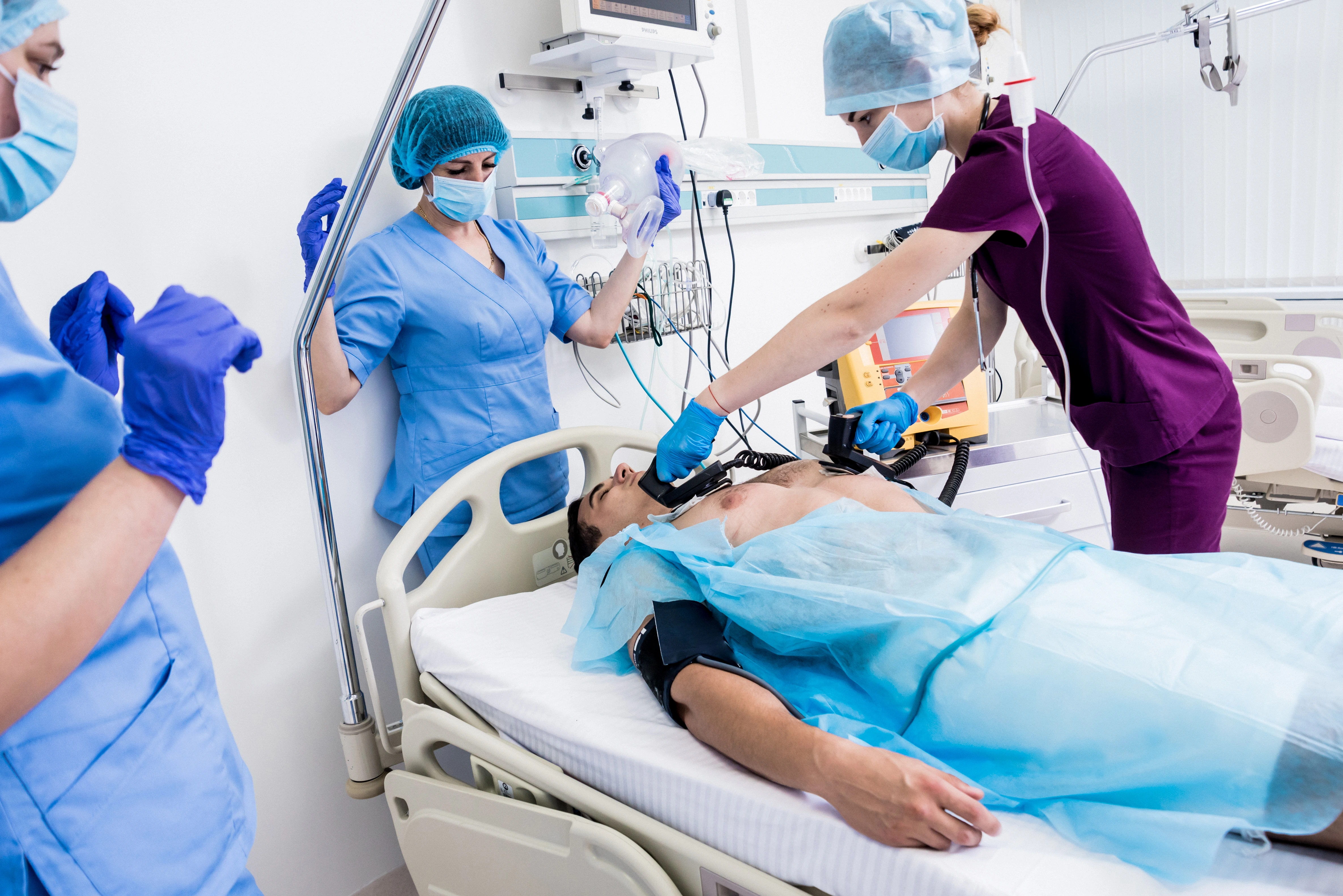
Emergency medicine is built around the principle that early intervention saves lives. Many critical conditions have a limited window during which treatment is most effective. The faster a patient receives professional medical attention, the greater the opportunity to prevent complications and improve recovery.
Seeking immediate emergency care can help:
- Reduce the severity of medical complications
- Improve survival during critical illnesses
- Support faster diagnosis
- Enable timely specialist intervention
- Improve recovery following serious injuries
- Protect vital organ function
- Enhance overall patient outcomes
Knowing when to seek emergency medical care is an important part of protecting your health and the health of your loved ones.
24×7 Emergency Medical Services for Immediate Response
Medical emergencies require rapid assessment, timely intervention, and coordinated clinical decision-making. At Deepam Hospitals, Tambaram, our Emergency Department operates 24 hours a day, 7 days a week, ensuring patients receive immediate medical attention whenever emergencies occur.
Our emergency team follows structured emergency care protocols to prioritise patients according to the severity of their condition. From arrival through diagnosis and stabilisation, every step is designed to minimise treatment delays and deliver prompt medical care during time-sensitive situations.
Our emergency department is equipped to manage both medical and surgical emergencies while ensuring smooth coordination with speciality departments whenever advanced treatment is required.
Trauma Stabilisation for Serious Injuries
Trauma patients often require immediate stabilisation before further investigations or specialised treatment can begin. Our trauma care team follows internationally accepted trauma management principles to rapidly assess injuries, protect vital organ function, and initiate emergency treatment.
Trauma stabilisation includes:
- Initial patient assessment
- Airway evaluation
- Breathing and circulation assessment
- Bleeding controlt
- Fracture stabilisation
- Pain management
- Continuous clinical monitoring
- Rapid coordination with surgical specialists
Early stabilisation helps reduce complications while preparing patients for definitive treatment based on the severity of their injuries.
Advanced Intensive Care Unit (ICU)
Patients with life-threatening illnesses or major trauma often require continuous observation beyond the emergency department. Our Intensive Care Unit (ICU) provides specialised medical care for critically ill patients requiring advanced monitoring and organ support.
The ICU is designed to care for patients with:
- Severe infections
- Multi-organ dysfunction
- Major trauma
- Cardiac emergencies
- Respiratory failure
- Neurological emergencies
- Post-operative critical care
- Complex medical emergencies
Highly trained healthcare professionals continuously monitor patients using advanced critical care equipment to ensure rapid recognition of clinical changes and timely medical intervention.
Advanced Life Support & Ventilator Care
Some critically ill patients require temporary assistance to maintain breathing or support failing organ systems. Our critical care team provides advanced life-support services using modern equipment and evidence-based critical care practices.
Life-support services may include:
- Mechanical ventilator support
- Oxygen therapy
- Advanced airway management
- Haemodynamic monitoring
- Cardiac monitoring
- Intravenous critical care therapies
- Organ function support
Each patient's condition is assessed individually, and life-support measures are provided according to their specific medical requirements while maintaining continuous monitoring throughout treatment.
Fertility evaluation may include:
Maintaining a clear airway is one of the highest priorities during emergency medical care. Patients experiencing severe respiratory distress, unconsciousness, major trauma, or critical illness may require advanced airway management to ensure adequate oxygen delivery.
Our emergency and critical care specialists are trained in advanced airway procedures, including:
- Endotracheal intubation
- Emergency airway stabilisation
- Mechanical ventilation initiation
- Airway monitoring
- Percutaneous tracheostomy (when clinically indicated)
These procedures are performed in carefully selected situations using established emergency medicine protocols and continuous patient monitoring.
Rapid Emergency Diagnostic Support
Accurate diagnosis is essential for making timely treatment decisions during emergencies. Our emergency department has immediate access to advanced diagnostic services that assist clinicians in evaluating critically ill patients without unnecessary delays.
Emergency diagnostic support includes:
- Laboratory investigations
- Digital X-ray
- Electrocardiogram (ECG)
- Ultrasound
- CT Scan (when indicated)
- MRI coordination (when clinically required)
- Blood gas analysis
- Point-of-care emergency investigations
Quick access to diagnostic information enables faster clinical decisions and supports timely specialist intervention.
Coordinated Emergency Surgical & Specialist Care
Many emergencies require collaboration between multiple medical specialties. At Deepam Hospitals, emergency physicians work closely with surgeons, orthopaedic specialists, neurosurgeons, cardiologists, neurologists, anaesthesiologists, intensivists, paediatricians, obstetricians, and other specialists to ensure seamless patient care.
This multidisciplinary coordination supports:
- Immediate specialist consultation
- Emergency surgical planning
- Faster treatment decisions
- Continuous communication between departments
- Comprehensive patient management
- Improved continuity of care
Integrated teamwork allows patients to receive appropriate speciality care without unnecessary delays during critical situations.
Continuous Monitoring in Critical Care
Critical illnesses can change rapidly, making continuous observation an essential part of emergency and intensive care medicine. Our ICU and emergency teams use advanced monitoring systems to assess patient progress and respond promptly to any changes in clinical condition.
Continuous monitoring includes:
- Heart rate monitoring
- Blood pressure monitoring
- Acne
- Oxygen saturation assessment
- Respiratory monitoring
- Neurological observation
- Fluid balance monitoring
- Organ function assessment
This continuous surveillance enables early identification of complications and supports timely medical intervention throughout the patient's recovery.
Frequently Asked Questions
Emergency departments are intended for serious illnesses or injuries that require immediate medical attention, including severe chest pain, stroke symptoms, major trauma, difficulty breathing, uncontrolled bleeding, or sudden loss of consciousness.
Patients are prioritised using an emergency triage system. Individuals with life-threatening conditions are treated immediately, while patients with less urgent conditions are managed according to clinical priority.
Yes. Whenever appropriate and in accordance with hospital policies, our healthcare team communicates with designated family members regarding the patient's condition and treatment progress.
Depending on your recovery, you may be transferred to a speciality ward, discharged with follow-up instructions, or advised to undergo rehabilitation and continued medical review.
Yes. Our Emergency & Trauma Care Department works closely with specialists from multiple disciplines to ensure patients receive comprehensive medical and surgical care whenever required.
Why Patients Trust Deepam Hospitals for Emergency & Trauma Care
Patients and families rely on Deepam Hospitals because we combine rapid emergency response with advanced critical care, experienced specialists, and compassionate support during life's most urgent situations.
Our strengths include:
- 24×7 emergency medical services
- Dedicated trauma care
- Advanced Intensive Care Unit (ICU)
- Experienced emergency physicians and critical care specialists
- Modern life-support and monitoring technology
- Rapid access to diagnostic services
- Multidisciplinary specialist collaboration
- Continuous patient monitoring
- Family-centred communication
- Commitment to safe, timely, and evidence-based emergency care
Medical Disclaimer
The information provided on this page is for educational purposes only and should not replace professional medical advice. If you or someone near you experiences a medical emergency, severe injury, chest pain, stroke symptoms, difficulty breathing, uncontrolled bleeding, or loss of consciousness, seek immediate emergency medical care or visit the nearest emergency department without delay.
Every Second Matters During a Medical Emergency
Medical emergencies require immediate attention, expert clinical judgement, and coordinated multidisciplinary care. Whether facing a serious injury, sudden illness, cardiac emergency, neurological emergency, or any life-threatening condition, the Department of Emergency & Trauma Care at Deepam Hospitals, Tambaram is prepared to provide timely medical intervention, advanced critical care, and continuous support whenever it matters most.
Our dedicated emergency and intensive care teams are available 24 hours a day, 7 days a week, ensuring that patients receive rapid, compassionate, and comprehensive emergency care when every second counts.
Contact Us