- For appointment (+91) 97904 97905
Best General Surgery Hospital in Tambaram
Advanced Surgical Care with Precision, Safety & Compassion
Surgery plays an important role in modern healthcare by providing effective treatment for a wide range of medical conditions that cannot be managed through medication or lifestyle changes alone. Advances in surgical techniques, anaesthesia, and postoperative care have transformed many procedures into safer, less invasive, and more efficient treatments, helping patients recover faster while improving overall outcomes.
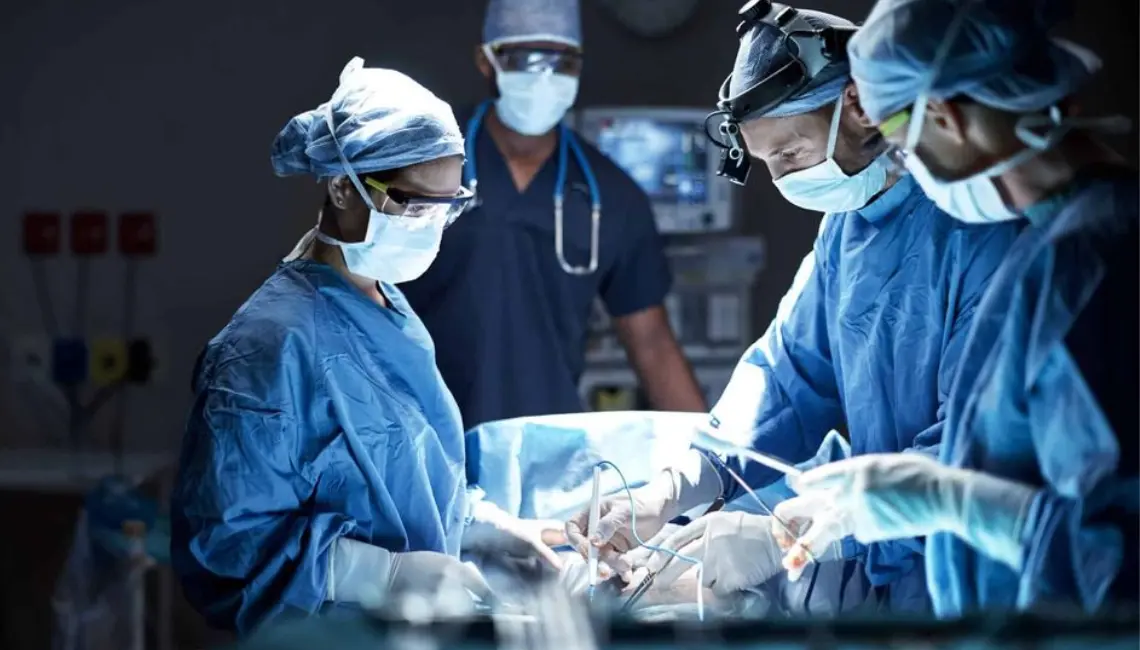
At Deepam Hospitals, Tambaram, our Department of General Surgery offers comprehensive surgical care for patients requiring elective and emergency procedures. Led by Dr. N. Ananthasamy, MBBS, MS, MCh, Consultant General Surgeon, our department combines clinical expertise, evidence-based surgical practice, and patient-centred care to deliver safe and effective treatment for various surgical conditions. Every treatment plan is developed after careful clinical evaluation, ensuring that surgery is recommended only when it provides the most appropriate benefit for the patient.
Deepam Hospitals is a trusted healthcare network with multispeciality hospitals in Tambaram, Guduvanchery, and Singaperumal Koil (SP Koil), supported by healthcare centres in Perungalathur, Urapakkam, and Maraimalai Nagar. Supported by advanced diagnostic services, modern operation theatres, experienced anaesthesia teams, and multidisciplinary specialists, we provide coordinated surgical care from diagnosis through recovery under one roof.
General Surgery encompasses the diagnosis, surgical management, and postoperative care of conditions affecting the abdomen, digestive system, soft tissues, skin, thyroid, breast, and other parts of the body. Our approach emphasises accurate diagnosis, personalised surgical planning, minimally invasive techniques whenever clinically appropriate, and comprehensive follow-up to promote safe healing and long-term recovery.
Patients from Tambaram, East Tambaram, West Tambaram, Selaiyur, Camp Road, Chromepet, Chitlapakkam, Sembakkam, Perungalathur, Mudichur, Urapakkam, Guduvanchery, Maraimalai Nagar, and neighbouring communities rely on Deepam Hospitals for trusted surgical expertise, compassionate patient care, and comprehensive treatment designed to support better health and improved quality of life.

Your General Surgery Questions, Answered
What is General Surgery?
General Surgery is a medical specialty focused on diagnosing and treating a wide variety of conditions that may require surgical intervention. General surgeons manage disorders involving the abdomen, digestive system, skin, soft tissues, thyroid, breast, hernias, and several other surgical conditions while also providing preoperative assessment and postoperative care.
When should I consult a general surgeon?
A consultation with a general surgeon may be recommended if you experience persistent abdominal pain, hernias, gallbladder problems, breast lumps, thyroid swellings, skin or soft tissue growths, non-healing wounds, recurrent piles, or other conditions where surgical evaluation may be beneficial. Your primary care physician or specialist may also refer you for surgical assessment.
Is surgery always necessary?
No. Surgery is recommended only after careful clinical evaluation and when it is considered the most effective treatment option. Many conditions can initially be managed with medication, observation, or lifestyle modifications. A general surgeon assesses each patient's condition individually before recommending operative treatment.
What is minimally invasive surgery?
Minimally invasive surgery, commonly known as laparoscopic or keyhole surgery, uses small incisions and specialised surgical instruments to perform certain procedures. Depending on the patient's condition, this approach may reduce postoperative discomfort, minimise scarring, shorten hospital stay, and support faster recovery compared with conventional open surgery.
How do surgeons decide whether surgery is required?
The decision is based on several factors, including the patient's symptoms, physical examination, medical history, imaging studies, laboratory investigations, overall health, and expected benefits of surgery. The surgeon carefully explains available treatment options, potential risks, expected outcomes, and recovery before recommending an appropriate management plan.
Why Choose Deepam Hospitals for General Surgery?
Successful surgical care involves much more than the operation itself. It begins with accurate diagnosis, careful treatment planning, patient education, and coordinated care before, during, and after surgery. At Deepam Hospitals, Tambaram, every patient receives personalised attention supported by modern surgical practices and a multidisciplinary healthcare team committed to delivering safe and effective outcomes.
Our surgical department focuses on evidence-based clinical decision-making, patient safety, minimally invasive approaches whenever appropriate, and comprehensive postoperative care that promotes smooth recovery and long-term well-being.
Why Patients Choose Deepam Hospitals
- Experienced Consultant General Surgeon with expertise in a broad range of surgical conditions
- Individualised surgical evaluation and treatment planning
- Advanced operation theatre facilities with modern surgical technology
- Minimally invasive surgical techniques whenever clinically appropriate
- Comprehensive preoperative assessment and patient counselling
- Coordinated care with anaesthesiologists, physicians, radiologists, and other specialists
- Dedicated postoperative monitoring and recovery support
- Patient-centred approach focused on safety, comfort, and informed decision-making
- Ethical, evidence-based surgical care following established medical guidelines
- Comprehensive multidisciplinary support under one roof
Understanding Modern General Surgery
General Surgery has evolved significantly over the past several decades. Today's surgical care combines advanced medical knowledge, sophisticated imaging, minimally invasive techniques, improved anaesthesia, and enhanced recovery protocols to provide safer and more effective treatment than ever before.
A modern general surgeon is not simply an operating specialist but also a clinical decision-maker who evaluates whether surgery is necessary, determines the most appropriate surgical approach, coordinates multidisciplinary care, and monitors recovery after treatment. Every recommendation is based on careful assessment of the patient's overall health, underlying condition, and individual treatment goals.
General surgeons manage both planned (elective) procedures and emergency surgical conditions. They also play an essential role in diagnosing diseases, interpreting diagnostic investigations, managing surgical complications, and collaborating with physicians from multiple specialties to ensure comprehensive patient care.
At Deepam Hospitals, our Department of General Surgery is committed to delivering high-quality surgical services that combine clinical expertise, modern technology, patient education, and compassionate care. By prioritising safety, precision, and personalised treatment, we help patients make informed healthcare decisions while supporting successful recovery and improved long-term outcomes.
Surgery Is Recommended Only When It Offers the Best Outcome
Many people believe that consulting a surgeon automatically means an operation will be required. In reality, one of the primary responsibilities of a general surgeon is to determine whether surgery is the most appropriate treatment or whether a condition can be managed using non-surgical methods.
Treatment recommendations are based on several factors, including the nature of the condition, severity of symptoms, diagnostic findings, overall health, and the potential benefits and risks of surgery. Whenever possible, conservative treatment options are considered before recommending an operation.
This patient-centred approach ensures that every decision is made in the patient's best interest.
Why Early Surgical Evaluation Matters
Delaying medical evaluation may allow certain surgical conditions to progress, making treatment more complex than it would have been if diagnosed earlier. Early assessment allows surgeons to identify problems before serious complications develop and helps patients understand all available treatment options.
Early surgical consultation may be beneficial for:
- Persistent abdominal pain
- Hernias
- Recurrent gallbladder symptoms
- Breast lumps
- Thyroid swellings
- Soft tissue masses
- Non-healing wounds
- Persistent anal discomfort
- Recurrent skin infections
Timely diagnosis often contributes to safer treatment planning and improved recovery.
Common Conditions That May Require Surgical Assessment
General surgeons evaluate a wide variety of conditions affecting different parts of the body. Not every condition requires surgery, but appropriate assessment helps determine the most suitable treatment pathway.
Common surgical conditions include:
- Hernias
- Gallstones
- Appendicitis
- Lipomas
- Sebaceous cysts
- Breast lumps
- Thyroid nodules
- Piles
- Anal fissures
- Soft tissue swellings
- Skin lesions
- Non-healing wounds
Each condition requires individual clinical evaluation before treatment decisions are made.
Understanding Minimally Invasive Surgery
Modern surgery has advanced significantly through minimally invasive techniques, commonly referred to as laparoscopic or keyhole surgery. Instead of one large incision, specialised instruments and a camera are introduced through small openings, allowing the surgeon to perform selected procedures with greater precision.
Depending on the medical condition and patient suitability, minimally invasive surgery may offer several potential advantages:
- Smaller surgical incisions
- Reduced tissue disruption
- Less postoperative discomfort
- Faster recovery
- Shorter hospital stay
- Earlier return to normal activities
- Smaller scars
However, not every patient or condition is suitable for laparoscopic surgery. The most appropriate surgical approach is determined after careful medical evaluation.
Preparing for Surgery
Proper preparation plays an important role in achieving successful surgical outcomes. Before any planned operation, patients undergo comprehensive assessment to ensure they are medically fit for the procedure and anaesthesia.
Preparation may include:
- Clinical examination
- Blood investigations
- Imaging studies
- Review of current medications
- Anaesthesia evaluation
- Management of existing medical conditions
- Fasting instructions
- Patient counselling regarding the planned procedure
Understanding the preparation process helps patients feel more confident and informed before surgery.
Understanding Anaesthesia
Anaesthesia allows surgical procedures to be performed safely and comfortably by preventing pain during the operation. The type of anaesthesia depends on the procedure being performed, the patient's medical condition, and the recommendation of the anaesthesia team.
Common types include:
- Local anaesthesia
- Regional anaesthesia
- Spinal anaesthesia
- General anaesthesia
Before surgery, the anaesthesiologist reviews the patient's medical history, medications, allergies, and previous anaesthesia experiences to develop an individualised anaesthetic plan.
Surgical Safety Is a Team Effort
Patient safety remains the highest priority throughout every stage of surgical care. Modern surgical practice follows internationally accepted safety protocols designed to minimise risks before, during, and after surgery.
Important safety measures include:
- Patient identity verification
- Surgical site confirmation
- Sterile operating environment
- Equipment safety checks
- Continuous monitoring during surgery
- Infection prevention protocols
- Standardised surgical safety checklists
- Postoperative observation
These protocols help ensure consistent, high-quality surgical care.
Preventing Surgical Complications
Although surgery is generally safe, every procedure carries some degree of risk. Careful planning, adherence to medical guidelines, and appropriate postoperative care help minimise complications and support successful healing.
Patients contribute to safer recovery by:
- Following preoperative instructions carefully
- Taking medications as prescribed
- Keeping surgical wounds clean
- Attending follow-up appointments
- Reporting unusual symptoms promptly
- Gradually resuming activities according to medical advice
Active participation in postoperative care supports smoother recovery.
Recovery After Surgery
Recovery differs from one patient to another and depends on the type of operation performed, overall health, age, and the body's natural healing process. Some procedures allow patients to return home on the same day, while others require a longer period of observation and rehabilitation.
Recovery often includes:
- Pain management
- Wound care
- Gradual return to physical activity
- Nutritional support
- Medication review
- Monitoring for complications
- Scheduled follow-up visits
Following medical advice during recovery promotes healing and reduces the likelihood of postoperative problems.
Why Follow-Up Care Is Essential
The surgical procedure itself is only one part of the overall treatment process. Follow-up consultations allow the surgical team to assess healing, review pathology reports if applicable, remove sutures when necessary, and address any concerns that arise during recovery.
Regular follow-up helps:
- Monitor wound healing
- Detect complications early
- Review recovery progress
- Adjust medications when required
- Provide guidance on returning to work or exercise
- Plan additional treatment if necessary
Ongoing communication between patients and their surgeon contributes to safer long-term outcomes.
| Feature | Open Surgery | Laparoscopic Surgery |
|---|---|---|
| Surgical Incision | Larger incision | Small keyhole incisions |
| Surgical Access | Direct visual access | Camera-assisted visualisation |
| Tissue Disruption | Relatively greater | Generally less |
| Recovery Time | May be longer depending on procedure | Often shorter for suitable cases |
| Hospital Stay | Depends on procedure | May be reduced in selected patients |
| Scarring | Larger surgical scar | Smaller scars |
| Suitability | Complex or specific conditions | Selected conditions based on patient evaluation |
Note: The choice between open and laparoscopic surgery depends on the patient's condition, the nature of the disease, and the surgeon's clinical judgment. One technique is not universally better than the other.
Myths & Facts About General Surgery
Many misconceptions about surgery can create unnecessary anxiety and delay treatment. Understanding the facts helps patients make informed healthcare decisions.
Myth: Every surgical consultation results in an operation.
Fact: Many conditions are successfully managed with observation, medication, or lifestyle changes. Surgery is recommended only when it provides the greatest clinical benefit.
Myth: Modern surgery always requires a long hospital stay.
Fact: Advances in surgical techniques and perioperative care have made many procedures safer, with some allowing patients to return home the same day or after a short hospital stay, depending on the procedure.
Myth: Recovery is the same for everyone.
Fact: Recovery varies according to the type of surgery, overall health, age, and individual healing response. Personalised recovery plans help optimise outcomes.
Myth: Larger operations always produce better results.
Fact: Surgeons select the least invasive and most effective procedure that is appropriate for each patient's condition. The goal is safe treatment with the best possible clinical outcome.
Empowering Patients Through Surgical Knowledge
Understanding why surgery is recommended, how procedures are planned, and what to expect during recovery enables patients to participate confidently in their healthcare decisions. Modern General Surgery is built on evidence-based practice, patient safety, clear communication, and personalised treatment planning.
Being informed encourages meaningful discussions with your surgeon, reduces uncertainty, and supports a smoother surgical journey from diagnosis through recovery.
Comprehensive Surgical Consultation & Clinical Assessment
Every successful surgical outcome begins with a detailed clinical evaluation. At Deepam Hospitals, Tambaram, our Department of General Surgery provides comprehensive assessments to determine the underlying cause of a patient's condition and identify the most appropriate treatment approach. Surgery is recommended only after a thorough review of symptoms, physical findings, diagnostic investigations, and overall health status.
During a surgical consultation, our team carefully evaluates the patient's medical history, previous treatments, existing health conditions, and imaging findings. This comprehensive assessment helps determine whether conservative management, minimally invasive surgery, or conventional surgery offers the best possible outcome.
Hernia Evaluation & Surgical Management
A hernia occurs when an internal organ or tissue protrudes through a weakened area of muscle or connective tissue. While some hernias may initially cause mild discomfort, untreated hernias can gradually enlarge or lead to complications that require urgent surgical attention.
At Deepam Hospitals, patients undergo careful evaluation to determine the type, location, and severity of the hernia before an individualised treatment plan is developed. Whenever clinically appropriate, minimally invasive surgical techniques may be considered to support effective repair and recovery.
Our team evaluates various types of hernias, including:
- Inguinal hernia
- Umbilical hernia
- Femoral hernia
- Incisional hernia
- Epigastric hernia
Treatment recommendations are based on clinical findings and the patient's overall health.
Gallbladder Disease Evaluation & Surgical Care
Gallbladder disorders commonly develop due to gallstones or inflammation and may cause abdominal pain, nausea, indigestion, or digestive discomfort. Persistent or recurrent symptoms often require specialist surgical assessment.
Our department provides comprehensive evaluation for patients with suspected gallbladder disease using clinical examination, laboratory investigations, and imaging studies. When surgical treatment becomes necessary, laparoscopic gallbladder surgery may be recommended depending on the patient's condition and overall suitability.
Appendix Disorders & Emergency Surgical Assessment
Appendicitis is one of the most common emergency surgical conditions and requires timely medical attention to prevent complications. Patients experiencing persistent pain in the lower right abdomen, fever, nausea, or vomiting should seek immediate medical evaluation.
Our General Surgery team performs prompt assessment using physical examination, laboratory testing, and diagnostic imaging to establish an accurate diagnosis. Early surgical intervention helps reduce the risk of appendix rupture and associated complications.
Breast Lump Evaluation
The discovery of a breast lump can understandably cause concern. However, not every breast lump is cancerous, and many are benign conditions that require careful clinical assessment rather than immediate surgery.
At Deepam Hospitals, our General Surgery department evaluates breast lumps through detailed history taking, physical examination, imaging investigations, and additional diagnostic procedures whenever clinically indicated. Treatment recommendations are individualised based on the nature of the condition, patient age, and diagnostic findings.
Thyroid Swelling & Thyroid Surgery Assessment
The thyroid gland influences numerous metabolic processes throughout the body. Enlargement of the thyroid, thyroid nodules, or other thyroid abnormalities require comprehensive evaluation to determine the most appropriate management strategy.
Our General Surgery department provides assessment for:
- Thyroid nodules
- Goitre
- Thyroid enlargement
- Suspicious thyroid lesions
- Conditions requiring thyroid surgery
Patients receive coordinated care with endocrinologists, radiologists, and pathologists whenever multidisciplinary evaluation is beneficial.
Lipoma, Sebaceous Cysts & Soft Tissue Swellings
Soft tissue swellings are common reasons for surgical consultation. Although many growths are non-cancerous, persistent enlargement, discomfort, infection, or cosmetic concerns may warrant further evaluation.
Our surgeons assess various soft tissue conditions, including:
- Lipomas
- Sebaceous cysts
- Benign skin swellings
- Soft tissue masses
- Localised swellings requiring surgical opinion
Treatment decisions are based on clinical examination, imaging findings, and individual patient preferences whenever appropriate.
Piles, Anal Fissures & Other Anorectal Conditions
Conditions affecting the anal region can significantly affect comfort and quality of life. Early medical evaluation helps determine the underlying cause while identifying the most suitable treatment approach.
Our General Surgery department evaluates patients with:
- Haemorrhoids (Piles)
- Anal fissures
- Perianal swellings
- Anal discomfort
- Rectal bleeding requiring surgical assessment
Following comprehensive evaluation, treatment may involve conservative measures, minimally invasive procedures, or surgery depending on the severity of the condition.
Wound Care & Surgical Management of Non-Healing Wounds
Some wounds require specialised surgical assessment due to delayed healing, infection, or underlying medical conditions such as diabetes or poor circulation.
Our wound management services include:
- Assessment of chronic wounds
- Surgical wound care
- Debridement when clinically indicated
- Infection evaluation
- Dressing recommendations
- Monitoring wound healing progress
Comprehensive wound care promotes faster healing while reducing the risk of complications.
Minor Surgical Procedures
Many common conditions can be treated through planned minor surgical procedures performed under appropriate anaesthesia. These procedures are generally associated with shorter recovery periods and allow patients to resume normal activities relatively quickly.
Minor procedures may include:
- Lipoma removal
- Sebaceous cyst excision
- Skin lesion removal
- Abscess drainage
- Nail procedures
- Small soft tissue excisions
Every procedure is performed following strict surgical safety and infection-control protocols.
Minimally Invasive (Laparoscopic) Surgical Services
Advances in laparoscopic surgery have transformed the treatment of many abdominal conditions by reducing tissue trauma while supporting faster recovery. Whenever clinically appropriate, minimally invasive techniques are considered during surgical planning.
Potential benefits of laparoscopic surgery include:
- Smaller incisions
- Reduced postoperative discomfort
- Earlier mobilisation
- Shorter hospital stay for selected procedures
- Faster return to everyday activities
- Improved cosmetic outcomes
The suitability of laparoscopic surgery depends on the patient's condition, medical history, and the nature of the surgical problem.
Emergency General Surgical Care
Certain medical emergencies require immediate surgical evaluation to prevent life-threatening complications. Our General Surgery department works closely with the Emergency Department, Diagnostic Imaging, Intensive Care, and Anaesthesia teams to deliver prompt assessment and timely intervention.
Emergency surgical conditions may include:
- Acute appendicitis
- Intestinal obstruction
- Complicated hernias
- Acute abdominal emergencies
- Soft tissue infections requiring surgical treatment
- Traumatic surgical injuries
Rapid diagnosis and coordinated care play a crucial role in improving patient outcomes during surgical emergencies.
Collaborative Surgical Care Across Multiple Specialties
Modern surgical treatment often involves collaboration between different medical specialties to ensure comprehensive patient care. At Deepam Hospitals, the Department of General Surgery works alongside experts from various disciplines whenever multidisciplinary input is required.
Our surgeons collaborate with specialists in:
- Gastroenterology
- Family Medicine
- General Medicine
- Obstetrics & Gynaecology
- Orthopaedics
- Urology
- Anaesthesiology
- Diagnostic & Radiology
- Intensive Care Medicine
- Pathology
This integrated healthcare model enables patients to receive coordinated diagnosis, surgical planning, perioperative care, and postoperative follow-up under one roof.
Surgical Excellence Supported by Compassionate Care
At Deepam Hospitals, Tambaram, General Surgery is built on a commitment to clinical excellence, patient safety, and personalised care. Every patient receives an individualised treatment plan based on thorough evaluation, evidence-based surgical practices, and open communication throughout the treatment journey.
From the initial consultation through surgery, recovery, and follow-up, our multidisciplinary team remains dedicated to delivering high-quality surgical care that supports safe outcomes, faster recovery, and improved long-term health.
Dr. N. Ananthasamy
Consultant – General Surgeon
Dr. N. Ananthasamy is committed to providing safe, ethical, and patient-focused surgical care. With advanced training in General Surgery, he combines sound clinical judgment with modern surgical techniques to deliver treatment tailored to each patient's individual medical needs.
Rather than recommending surgery as the first option, Dr. Ananthasamy believes in careful evaluation, evidence-based decision-making, and transparent communication. Every patient receives a detailed explanation of their condition, available treatment options, expected benefits, potential risks, and recovery process, allowing them to make informed decisions with confidence.
Working alongside experienced anaesthesiologists, physicians, radiologists, pathologists, and critical care specialists, he ensures that each patient receives coordinated care before, during, and after surgery. His commitment extends beyond the operating theatre, with continued attention to postoperative recovery, wound healing, and long-term patient well-being.
Your Surgical Consultation Journey
A surgical consultation is an opportunity to understand your condition, discuss available treatment options, and develop an individualised care plan. At Deepam Hospitals, Tambaram, every consultation is designed to provide clarity, reassurance, and personalised guidance.
During your appointment, the consultation may include:
- Discussion of your symptoms and medical concerns
- Review of your previous medical records and investigations
- Comprehensive physical examination
- Interpretation of laboratory and imaging findings
- Explanation of the diagnosis in simple language
- Discussion of surgical and non-surgical treatment options
- Opportunity to ask questions and clarify concerns
- Planning additional investigations if required
- Development of an individualised treatment strategy
This thorough evaluation ensures that every recommendation is based on sound medical evidence and the patient's overall health.
Preparing for a Planned Surgical Procedure
When surgery is recommended, careful preparation helps improve safety and supports a smoother recovery. Patients receive clear instructions before the procedure so they understand every step involved.
Preoperative preparation may include:
- Routine health evaluation
- Review of medications and allergies
- Blood investigations and imaging studies
- Anaesthesia assessment
- Instructions regarding fasting before surgery
- Guidance about medications that may require temporary adjustment
- Discussion of expected hospital stay and recovery timeline
- Information about postoperative care at home
Well-informed patients often feel more confident and better prepared for surgery.
Care After Surgery: Supporting a Smooth Recovery
Recovery continues long after the operation has been completed. At Deepam Hospitals, postoperative care focuses on promoting healing, monitoring recovery, reducing discomfort, and helping patients safely return to their normal daily activities.
Following surgery, patients receive guidance on:
- Pain management
- Surgical wound care
- Medication schedules
- Nutrition during recovery
- Physical activity recommendations
- Personal hygiene after surgery
- Recognition of warning signs that require medical attention
- Follow-up appointments and progress evaluation
Every recovery plan is tailored to the type of surgery performed and the patient's overall health.
Long-Term Follow-Up & Recovery Monitoring
Healing does not end when a patient leaves the hospital. Regular follow-up appointments allow the surgical team to assess recovery, monitor wound healing, review investigation results when necessary, and provide ongoing support throughout the healing process.
Follow-up consultations may include:
- Examination of surgical wounds
- Suture or staple removal when required
- Review of pathology reports
- Monitoring recovery milestones
- Evaluation of pain and mobility
- Advice regarding return to work, driving, and exercise
- Planning additional treatment if clinically indicated
This continued medical supervision helps ensure safe recovery and provides reassurance during the healing journey.
Our Commitment to Surgical Quality & Patient Safety
Every surgical procedure performed at Deepam Hospitals follows established clinical protocols designed to deliver high standards of patient safety and quality care.
Our commitment includes:
- Evidence-based surgical practices
- Comprehensive preoperative assessment
- Strict infection prevention measures
- Modern operation theatre facilities
- Advanced anaesthesia support
- Continuous patient monitoring
- Multidisciplinary collaboration
- Ethical and transparent communication
- Personalised postoperative care
- Ongoing quality improvement initiatives
Patient safety remains the guiding principle throughout every stage of surgical care.
Frequently Asked Questions
You should consider consulting a general surgeon if you have a hernia, persistent abdominal pain, gallbladder problems, breast lumps, thyroid swelling, recurrent piles, soft tissue swellings, or any condition for which your doctor recommends surgical evaluation.
No. Although laparoscopic surgery offers several advantages for selected conditions, not every patient is an appropriate candidate. The most suitable surgical approach is determined after comprehensive clinical evaluation.
No. A surgical consultation does not necessarily result in an operation. Many conditions can be managed conservatively, while surgery is recommended only when it provides the greatest clinical benefit.
Hospital stay varies depending on the procedure performed, your general health, and the speed of recovery. Some procedures are completed as day-care surgeries, while others require a longer period of observation.
Recovery differs from person to person and depends on the type of operation performed. Your surgeon will provide individualised guidance regarding work, exercise, driving, lifting heavy objects, and other daily activities during follow-up consultations.
Following postoperative instructions carefully, taking medications as prescribed, attending follow-up appointments, maintaining wound hygiene, eating a balanced diet, and reporting unusual symptoms promptly all contribute to safer recovery.
Why Patients Choose Deepam Hospitals for General Surgery
Patients trust Deepam Hospitals, Tambaram because we combine modern surgical expertise with compassionate, patient-centred care. Every treatment plan is guided by clinical evidence, ethical practice, and a commitment to delivering safe surgical outcomes while ensuring patients remain fully informed throughout their healthcare journey.
Our strengths include:
- Experienced Consultant General Surgeon
- Individualised surgical evaluation
- Advanced operation theatre infrastructure
- Modern minimally invasive surgical techniques
- Comprehensive diagnostic support
- Experienced anaesthesia and perioperative care teams
- Multidisciplinary collaboration across specialties
- Evidence-based treatment planning
- Dedicated postoperative recovery support
- Compassionate care focused on patient safety and long-term well-being
Medical Disclaimer
The information provided on this page is intended solely for educational purposes and should not be considered a substitute for professional medical advice, diagnosis, or treatment. Surgical recommendations vary depending on each patient's medical condition, clinical findings, and overall health. Always consult a qualified surgeon for personalised medical evaluation and treatment. If you experience severe abdominal pain, sudden swelling, uncontrolled bleeding, or any medical emergency, seek immediate medical attention without delay.
Expert Surgical Care for Better Health
Choosing the right surgical team is an important step towards successful treatment and recovery. Whether you require evaluation for a hernia, gallbladder disease, appendicitis, breast lump, thyroid condition, soft tissue swelling, or another surgical concern, the Department of General Surgery at Deepam Hospitals, Tambaram is committed to delivering comprehensive surgical care with precision, compassion, and clinical excellence.
Consult Dr. N. Ananthasamy, MBBS, MS, MCh, for expert surgical evaluation, personalised treatment planning, and coordinated care designed to help you achieve the best possible health outcomes.
Contact Us