- For appointment (+91) 97904 97905
Best Diagnostic & Radiology Hospital in Tambaram
Accurate Medical Imaging for Early Diagnosis and Better Clinical Decisions
Medical imaging has transformed modern healthcare by enabling doctors to diagnose diseases accurately, monitor medical conditions, and guide treatment planning with greater precision. From evaluating injuries and detecting infections to identifying chronic diseases and supporting preventive healthcare, diagnostic imaging plays a vital role in almost every medical specialty. Early and accurate imaging often helps healthcare professionals detect health concerns before symptoms become severe, allowing timely medical intervention and improved patient outcomes.
At Deepam Hospitals, Tambaram, our Department of Diagnostic & Radiology provides comprehensive medical imaging services that support accurate diagnosis, disease monitoring, and evidence-based clinical decision-making. Our radiology department works closely with physicians and specialists across multiple disciplines to deliver high-quality diagnostic information that contributes to effective patient care.
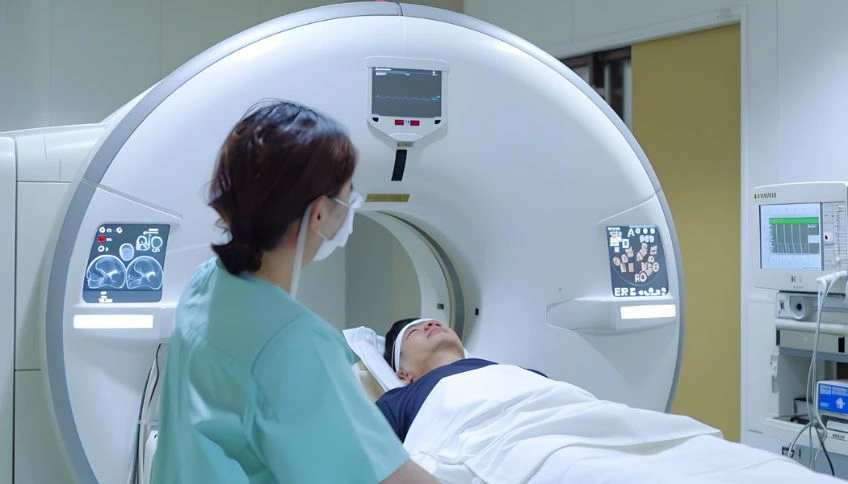
Deepam Hospitals is a trusted healthcare network with multispeciality hospitals in Tambaram, Guduvanchery, and Singaperumal Koil (SP Koil), supported by healthcare centres in Perungalathur, Urapakkam, and Maraimalai Nagar. Supported by modern imaging technology and experienced radiology expertise, we are committed to providing reliable diagnostic services while ensuring patient safety, comfort, and timely reporting.
Every imaging study is performed according to established medical protocols, with careful attention to image quality, diagnostic accuracy, and clinical relevance. Whether a patient requires imaging for routine health evaluation, injury assessment, chronic disease monitoring, or specialist consultation, our goal is to provide dependable diagnostic support that helps clinicians make informed healthcare decisions.
Patients from Tambaram, East Tambaram, West Tambaram, Selaiyur, Camp Road, Chromepet, Chitlapakkam, Sembakkam, Perungalathur, Mudichur, Urapakkam, Guduvanchery, Maraimalai Nagar, and surrounding areas trust Deepam Hospitals for comprehensive diagnostic imaging services delivered with precision, professionalism, and patient-centred care.
Your Diagnostic Imaging Questions, Answered
What is diagnostic radiology?
Diagnostic radiology is a medical specialty that uses imaging technologies to examine organs, bones, muscles, blood vessels, and other internal structures. These images help doctors diagnose diseases, evaluate injuries, monitor treatment progress, and plan appropriate medical or surgical care.
Why do doctors recommend imaging tests?
Doctors recommend diagnostic imaging when additional information is needed beyond a physical examination or laboratory tests. Imaging studies help identify the cause of symptoms, confirm a diagnosis, assess disease severity, monitor recovery, and guide further medical management.
Are diagnostic imaging tests safe?
Most diagnostic imaging procedures are considered safe when performed according to established medical guidelines. Imaging examinations are recommended only when clinically appropriate, and every effort is made to ensure patient safety while obtaining accurate diagnostic information.
What types of conditions can diagnostic imaging help evaluate?
Medical imaging assists in evaluating a wide range of health conditions, including bone injuries, joint disorders, chest diseases, abdominal conditions, neurological disorders, kidney stones, pregnancy-related assessments, vascular diseases, infections, and many other medical concerns across multiple specialties.
Why is early diagnosis through imaging important?
Early diagnostic imaging may help detect diseases before they progress, allowing doctors to begin appropriate treatment sooner. Accurate imaging also supports better treatment planning, helps avoid unnecessary procedures, and contributes to improved patient outcomes.
Why Choose Deepam Hospitals for Diagnostic & Radiology Services?
High-quality medical imaging requires advanced technology, clinical expertise, and accurate interpretation. At Deepam Hospitals, Tambaram, our radiology department is committed to providing dependable diagnostic services that support physicians in delivering safe, timely, and evidence-based patient care.
Every imaging examination is performed with careful attention to patient comfort, image quality, and diagnostic accuracy. Our radiology team follows established protocols to ensure that imaging studies provide clinically meaningful information while maintaining high standards of safety and professionalism.
Why Patients Choose Deepam Hospitals
- Experienced radiologist providing accurate diagnostic interpretation
- Comprehensive diagnostic imaging services under one roof
- Modern digital imaging technology
- High-quality image acquisition and reporting
- Patient-centred approach with attention to safety and comfort
- Timely diagnostic reports to support clinical decision-making
- Evidence-based radiology practices
- Multidisciplinary collaboration with medical specialists
- Commitment to diagnostic accuracy and quality assurance
- Trusted imaging services for patients of all age groups
Understanding Diagnostic Imaging & Radiology
Diagnostic imaging is one of the most important tools in modern medicine because it allows healthcare professionals to visualise structures inside the human body without the need for major surgical procedures. By producing detailed images of bones, organs, blood vessels, muscles, joints, and soft tissues, radiology helps doctors evaluate both common and complex medical conditions with greater confidence.
Different imaging techniques provide different types of clinical information depending on the condition being evaluated. Some imaging studies are useful for assessing bones and joints, while others provide detailed views of internal organs, blood flow, pregnancy, or soft tissues. Selecting the most appropriate imaging examination depends on the patient's symptoms, medical history, physical findings, and the clinical question being investigated.
At Deepam Hospitals, our Department of Diagnostic & Radiology supports nearly every medical specialty by providing reliable imaging services that contribute to accurate diagnosis, effective treatment planning, and ongoing monitoring of patient health. Through modern technology, expert image interpretation, and close collaboration with treating physicians, we are committed to delivering diagnostic excellence that supports better healthcare outcomes.
Why Early Diagnosis Makes a Difference
Many medical conditions begin with subtle or non-specific symptoms that cannot always be identified through physical examination alone. Diagnostic imaging allows healthcare professionals to look inside the body, helping detect structural changes, injuries, infections, inflammation, and other abnormalities that may not be visible externally.
Identifying health concerns during their early stages often enables timely medical intervention, supports more effective treatment planning, and helps reduce the risk of complications. Whether evaluating a sudden injury or monitoring a chronic disease, early diagnosis plays an important role in improving overall patient outcomes.
What Is Medical Imaging?
Medical imaging refers to a group of non-invasive technologies that create visual representations of internal organs, bones, joints, muscles, blood vessels, and soft tissues. These images provide valuable clinical information that assists doctors in diagnosing diseases, assessing injuries, monitoring recovery, and evaluating treatment effectiveness.
Different imaging methods are designed to answer different clinical questions. The most appropriate imaging study is selected by the treating doctor based on the patient's symptoms, medical history, and examination findings.
How Radiology Supports Modern Healthcare
Diagnostic radiology is an essential part of nearly every medical specialty. Physicians rely on imaging studies to support clinical decision-making across a wide range of healthcare services.
Radiology contributes to:
- Emergency and trauma care
- Orthopaedic assessment
- Cardiology investigations
- Neurological evaluation
- Gastrointestinal disorders
- Obstetrics and gynaecology
- Paediatric healthcare
- Urology
- Oncology
- General surgery
By providing detailed internal images, radiology helps clinicians confirm diagnoses and plan appropriate patient care.
Digital X-Ray
Digital X-ray imaging is one of the most commonly performed diagnostic investigations. It provides clear images of bones, joints, and certain soft tissues while allowing doctors to evaluate fractures, arthritis, chest conditions, and other medical concerns.
Compared with older imaging systems, digital radiography offers improved image quality, faster image processing, and easier storage of diagnostic records.
Ultrasound Imaging
Ultrasound uses high-frequency sound waves to produce real-time images of internal organs and soft tissues. Because it does not use ionising radiation, ultrasound is widely used for evaluating abdominal organs, pregnancy, pelvic structures, soft tissues, and various medical conditions.
Ultrasound also allows doctors to observe organ movement and certain physiological functions during the examination.
Doppler Ultrasound
Doppler ultrasound is a specialised form of ultrasound that evaluates blood flow through arteries and veins. It helps doctors assess circulation, identify vascular abnormalities, and monitor blood flow in different parts of the body.
This imaging technique plays an important role in evaluating vascular health and supporting clinical decision-making for several circulatory conditions.
CT Scan: Cross-Sectional Body Imaging
Computed Tomography (CT) combines advanced computer technology with X-ray imaging to create detailed cross-sectional views of the body. CT imaging provides valuable information about bones, internal organs, blood vessels, and soft tissues, particularly in situations requiring rapid diagnostic evaluation.
Doctors may recommend CT imaging when additional anatomical detail is needed beyond conventional radiography.
MRI: Advanced Soft Tissue Imaging
Magnetic Resonance Imaging (MRI) uses powerful magnetic fields and radio waves to generate highly detailed images of soft tissues, muscles, ligaments, joints, the brain, spinal cord, and internal organs.
Unlike X-rays and CT scans, MRI does not use ionising radiation. It is especially valuable when detailed evaluation of soft tissue structures is required.
Mammography & Breast Health Awareness
Mammography is a specialised imaging technique used to examine breast tissue. It plays an important role in the early detection and evaluation of breast abnormalities.
Regular breast health awareness, combined with appropriate clinical evaluation and imaging when recommended by a healthcare professional, contributes to earlier diagnosis and improved treatment planning.
Fluoroscopy & Dynamic Imaging
Fluoroscopy is an imaging technique that provides continuous, real-time visualisation of internal structures during certain diagnostic or medical procedures. Unlike static images, fluoroscopy allows healthcare professionals to observe movement within the body, helping assess specific anatomical and functional conditions.
The decision to perform fluoroscopic imaging depends entirely on the patient's clinical needs.
Radiation Safety in Diagnostic Imaging
Many patients are concerned about radiation exposure during medical imaging. Modern radiology departments follow internationally accepted safety principles to ensure that imaging studies are performed only when medically justified and with the lowest appropriate radiation exposure required to obtain accurate diagnostic information.
Healthcare professionals carefully consider:
- The clinical necessity of the examination
- Patient age
- Medical history
- Previous imaging studies
- Alternative imaging methods when appropriate
- Established radiation safety protocols
Patient safety remains a fundamental priority in every imaging decision.
When Is Diagnostic Imaging Recommended?
Doctors recommend imaging examinations when additional information is required to support diagnosis, monitor disease progression, or evaluate treatment response. The choice of imaging depends on the clinical question being investigated rather than using a single imaging test for every patient.
Medical imaging may be recommended for:
- Persistent or unexplained pain
- Bone and joint injuries
- Chest symptoms
Abdominal discomfort
- Neurological concerns
- Pregnancy-related assessment
- Vascular evaluation
- Monitoring chronic diseases
- Follow-up after surgery or treatment
- Preventive health screening in selected situations
Appropriate imaging helps clinicians make informed decisions while avoiding unnecessary investigations.
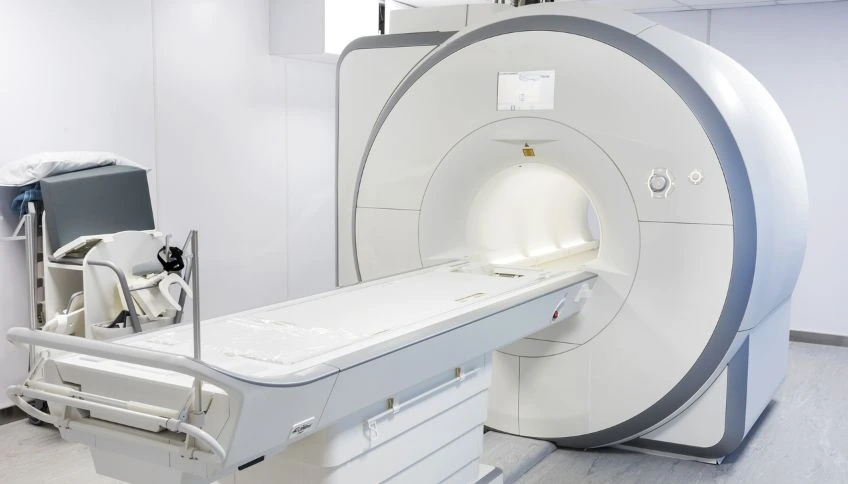
Common Imaging Modalities & Their Clinical Purpose
| Imaging Modality | Primary Clinical Purpose |
|---|---|
| Digital X-Ray | Evaluation of bones, joints, chest, and selected medical conditions |
| Ultrasound | Assessment of soft tissues, abdominal organs, pregnancy, and pelvic structures |
| Doppler Ultrasound | Evaluation of blood circulation and vascular health |
| CT Scan | Detailed cross-sectional imaging of bones, organs, and internal structures |
| MRI | High-resolution imaging of soft tissues, joints, spine, brain, and internal organs |
| Mammography | Clinical evaluation and imaging of breast tissue |
| Fluoroscopy | Real-time visualisation during selected diagnostic examinations |
Why Accurate Imaging Matters in Modern Medicine
High-quality diagnostic imaging provides valuable information that supports confident clinical decision-making. Accurate image acquisition and interpretation help doctors confirm diagnoses, monitor disease progression, evaluate treatment response, and determine the most appropriate course of care.
Reliable imaging contributes to:
- Earlier identification of medical conditions
- Better treatment planning
- Improved coordination between specialists
- Reduced diagnostic uncertainty
- More informed clinical decisions
- Enhanced patient safety
- Ongoing monitoring of chronic diseases
- Better overall healthcare outcomes
As healthcare continues to advance, diagnostic radiology remains one of the most important tools for delivering safe, evidence-based, and patient-centred medical care.
Personalised Diagnostic Imaging Consultation
Every imaging examination begins with understanding the patient's clinical condition and the information required by the treating physician. At Deepam Hospitals, Tambaram, each diagnostic study is performed according to established medical protocols, ensuring that the selected imaging investigation is appropriate for the patient's symptoms, medical history, and clinical requirements.
Our radiology department works in close coordination with referring doctors to ensure that imaging studies answer specific clinical questions and provide meaningful diagnostic information. This personalised approach improves diagnostic accuracy while supporting effective treatment planning across multiple medical specialties.
Advanced Digital X-Ray Services
Digital X-ray remains one of the most frequently used imaging techniques in modern medicine because it provides fast, reliable evaluation of bones, joints, and selected internal structures. At Deepam Hospitals, digital radiography is performed using modern imaging technology that produces high-quality images while supporting efficient clinical workflows.
Digital X-ray services assist physicians in evaluating:
- Bone injuries and fractures
- Joint disorders
- Degenerative skeletal conditions
- Chest imaging
- Spine assessment
- Post-operative follow-up
- Orthopaedic evaluation
High-quality digital imaging supports timely diagnosis while allowing rapid access to diagnostic information.
Comprehensive Ultrasound Imaging
Ultrasound is a versatile imaging technique that provides real-time visualisation of internal organs and soft tissues without using ionising radiation. It plays an important role in evaluating multiple body systems across various medical specialties.
Ultrasound examinations may support the clinical assessment of:
- Abdominal organs
- Liver and gallbladder
- Kidneys and urinary tract
- Pelvic organs
- Pregnancy-related evaluation
- Thyroid gland
- Soft tissue abnormalities
- Superficial swellings
Each examination is tailored according to the clinical indication provided by the referring physician.
Doppler Ultrasound for Vascular Assessment
Healthy blood circulation is essential for normal body function. Doppler ultrasound provides valuable information about blood flow within arteries and veins, supporting the evaluation of vascular conditions without the need for invasive procedures.
Doppler imaging may be recommended to assess:
- Arterial blood flow
- Venous circulation
- Peripheral vascular disorders
- Blood vessel abnormalities
- Pregnancy-related vascular assessment
- Post-treatment vascular monitoring
Accurate vascular imaging helps clinicians make informed decisions regarding further evaluation and ongoing patient care.
CT Imaging Support
Computed Tomography (CT) provides detailed cross-sectional images that assist physicians in evaluating a wide variety of medical conditions affecting different organ systems. CT imaging is particularly valuable when rapid and detailed anatomical assessment is required.
CT imaging contributes to the evaluation of:
- Head and brain conditions
- Chest disorders
- Abdominal diseases
- Pelvic conditions
- Bone injuries
- Complex fractures
- Internal organ assessment
- Emergency medical conditions
Our radiology department coordinates CT imaging according to clinical requirements and established diagnostic protocols.
MRI Referral & Imaging Coordination
Magnetic Resonance Imaging (MRI) offers highly detailed visualisation of soft tissues, joints, nerves, muscles, ligaments, and internal organs. When MRI is clinically indicated, coordinated imaging support ensures that patients receive appropriate investigations based on their medical condition.
MRI evaluation may assist in assessing:
- Brain and spinal disorders
- Joint injuries
- Ligament and tendon abnormalities
- Muscle disorders
- Neurological conditions
- Soft tissue diseases
- Selected abdominal and pelvic conditions
The choice of MRI examination is determined by the referring physician based on the patient's clinical needs.
Women's Imaging Services
Women's healthcare often requires specialised imaging for accurate diagnosis and ongoing monitoring. Diagnostic imaging supports clinicians in evaluating various conditions affecting breast health, reproductive organs, and pregnancy.
Women's imaging services may include support for:
- Breast imaging
- Pelvic ultrasound
- Pregnancy-related ultrasound examinations
- Gynaecological imaging
- Follow-up imaging when clinically indicated
Each imaging study is performed with sensitivity, privacy, and patient comfort as priorities.
Abdominal & Pelvic Imaging
Abdominal imaging plays a significant role in evaluating digestive organs, urinary structures, and other abdominal tissues. Depending on the clinical situation, different imaging techniques may be selected to provide the necessary diagnostic information.
Clinical evaluation may include imaging of:
- Liver
- Gallbladder
- Pancreas
- Spleen
- Kidneys
- Urinary bladder
- Intestinal structures
- Female pelvic organs
Accurate abdominal imaging supports both emergency and routine clinical evaluation.
Musculoskeletal Imaging
Bones, joints, muscles, tendons, and ligaments frequently require imaging for accurate diagnosis following injury or during the evaluation of chronic musculoskeletal disorders.
Musculoskeletal imaging assists clinicians in assessing:
- Fractures
- Joint disorders
- Sports injuries
- Arthritis
- Soft tissue injuries
- Degenerative bone conditions
- Post-operative healing
- Orthopaedic follow-up
Detailed imaging helps orthopaedic specialists develop appropriate treatment strategies while monitoring recovery.
Chest & Thoracic Imaging
Chest imaging provides valuable information about the lungs, heart, airways, and surrounding thoracic structures. It supports physicians in evaluating respiratory symptoms, monitoring chronic lung diseases, and assessing various thoracic conditions.
Chest imaging contributes to the assessment of:
- Lung infections
- Chronic respiratory diseases
- Pleural abnormalities
- Cardiac enlargement
- Chest trauma
- Pulmonary disorders
- Follow-up of known chest conditions
Imaging findings are interpreted within the broader clinical context provided by the treating physician.
Accurate Image Interpretation & Diagnostic Reporting
Producing high-quality images is only one part of diagnostic radiology. Careful image interpretation by an experienced radiologist transforms imaging findings into clinically meaningful reports that guide patient management.
Radiology reporting focuses on:
- Systematic image analysis
- Correlation with clinical history
- Identification of significant abnormalities
- Clear and structured reporting
- Timely communication with treating physicians
- Support for evidence-based clinical decisions
Accurate reporting plays a critical role in helping healthcare teams deliver safe and effective patient care.
Image-Guided Diagnostic Support
Certain medical conditions may require imaging guidance during selected diagnostic procedures to improve precision and safety. Image-guided techniques allow clinicians to visualise anatomical structures while performing specific diagnostic interventions.
When clinically appropriate, imaging guidance may support:
- Fluid aspiration
- Diagnostic sampling
- Localisation of lesions
- Procedure planning
- Follow-up evaluation
The choice of image-guided procedure depends entirely on the patient's medical condition and clinical indication.
Emergency Diagnostic Imaging
Emergency departments rely heavily on rapid diagnostic imaging to evaluate patients with acute illness or injury. Timely imaging helps healthcare teams make critical decisions while supporting prompt medical or surgical intervention when required.
Emergency imaging frequently assists in evaluating:
- Trauma
- Suspected fractures
- Head injuries
- Acute abdominal pain
- Chest emergencies
- Stroke evaluation
- Internal injuries
- Emergency surgical conditions
Fast access to diagnostic information contributes to more efficient emergency care and improved patient outcomes.
Multidisciplinary Diagnostic Collaboration
Modern healthcare depends on close collaboration between radiologists and other medical specialists. At Deepam Hospitals, the Department of Diagnostic & Radiology works alongside physicians, surgeons, orthopaedic specialists, neurologists, obstetricians, paediatricians, cardiologists, oncologists, and emergency medicine teams to provide integrated diagnostic support.
This multidisciplinary approach helps ensure:
- Accurate clinical correlation
- Comprehensive patient evaluation
- Timely diagnostic reporting
- Better communication between specialists
- Evidence-based treatment planning
- Improved continuity of care
- Enhanced patient safety
By combining advanced imaging technology with expert radiology interpretation and collaborative clinical care, Deepam Hospitals supports accurate diagnosis across every stage of the patient journey.
Dr. Sujeeth
Consultant Radiologist
Dr. Sujeeth is committed to delivering accurate, timely, and clinically meaningful diagnostic imaging that supports confident medical decision-making. As a Consultant Radiologist, he works closely with physicians and specialists across multiple departments to ensure that every imaging examination contributes valuable information for diagnosis, treatment planning, and patient management.
With a strong focus on precision, quality, and patient safety, Dr. Sujeeth carefully interprets diagnostic images while considering each patient's clinical history and the referring physician's findings. His evidence-based approach helps clinicians make informed decisions that support better healthcare outcomes across a wide range of medical conditions.
Your Diagnostic Imaging Journey
Every imaging examination is an important step in understanding your health. At Deepam Hospitals, Tambaram, we strive to make the diagnostic process organised, comfortable, and patient-friendly while maintaining the highest standards of accuracy and professionalism.
Your visit generally includes:
- Verification of your referral and clinical information
- Review of relevant medical history
- Guidance on the recommended imaging examination
- Safe and comfortable positioning during image acquisition
- Clear instructions from trained imaging professionals
- Completion of the examination according to established protocols
- Expert radiology interpretation and structured reporting
- Communication of results to your treating doctor
Every stage of the imaging process is designed to support accurate diagnosis while ensuring patient comfort and confidence.
Preparing for Your Imaging Examination
Preparation requirements vary depending on the type of imaging study being performed. Following the recommended instructions helps improve image quality and reduces the possibility of repeat examinations.
Depending on the investigation, your healthcare team may advise you regarding:
- Fasting before selected imaging studies
- Maintaining adequate hydration
- Wearing comfortable clothing
- Removing jewellery or metallic accessories when necessary
- Bringing previous imaging reports for comparison
- Informing staff about pregnancy or possible pregnancy
- Sharing information about allergies, medications, or implanted medical devices
Patients receive personalised preparation instructions based on the specific imaging examination requested by their treating physician.
After Your Diagnostic Imaging Test
Most diagnostic imaging procedures allow patients to return to their usual daily activities immediately after the examination. In situations where additional precautions are required, patients receive individual instructions before leaving the department.
Following your examination:
- Images undergo detailed review by the radiologist
- Findings are documented in a structured radiology report
- Reports are shared with the referring doctor
- Your treating physician explains the results within the context of your overall health
- Additional investigations or follow-up imaging may be recommended if clinically appropriate
This coordinated approach ensures that imaging findings are integrated into your ongoing medical care.
Our Commitment to Diagnostic Quality & Patient Safety
Accurate imaging depends not only on advanced equipment but also on quality assurance throughout every stage of the diagnostic process. At Deepam Hospitals, patient safety, diagnostic consistency, and clinical accuracy remain central to every examination.
Our department is committed to:
- Following standard imaging protocols
- Maintaining high-quality diagnostic images
- Supporting radiation safety principles where applicable
- Ensuring patient privacy and confidentiality
- Delivering clear, clinically relevant reports
- Continuous quality improvement in imaging services
- Collaboration with multidisciplinary healthcare teams
By maintaining rigorous quality standards, we help clinicians make well-informed decisions while providing patients with dependable diagnostic support.
Why Patients Trust Deepam Hospitals for Diagnostic & Radiology Services
Patients choose Deepam Hospitals, Tambaram because our radiology department combines advanced imaging technology with experienced clinical interpretation and patient-focused care. We understand that accurate diagnosis forms the foundation of effective treatment, and we are committed to delivering reliable imaging services that support better healthcare decisions.
Our strengths include:
- Experienced Consultant Radiologist
- Comprehensive diagnostic imaging services
- Modern digital imaging technology
- Accurate image interpretation and structured reporting
- Patient-centred diagnostic experience
- High standards of quality assurance
- Strong focus on patient safety
- Timely reporting to support clinical care
- Close collaboration with multidisciplinary specialists
- Trusted diagnostic support for patients of all age groups
By maintaining rigorous quality standards, we help clinicians make well-informed decisions while providing patients with dependable diagnostic support.
Frequently Asked Questions
Many imaging investigations are requested by a treating physician to answer a specific clinical question. The type of referral required depends on the examination and your individual healthcare needs.
The duration varies according to the type of imaging study. Some examinations are completed within a few minutes, while others may require additional time depending on the body part being evaluated and the complexity of the investigation.
Reporting times vary based on the type of examination and clinical urgency. Once interpreted by the radiologist, the report is shared with your referring doctor, who will discuss the findings and any further recommendations with you.
Yes. Earlier X-rays, ultrasound scans, CT scans, or MRI studies often provide valuable comparison information, allowing the radiologist to assess changes over time and support more accurate interpretation.
The radiologist analyses the medical images in detail and prepares a structured report describing the findings. This report provides essential information that helps your treating doctor establish a diagnosis and determine the most appropriate management plan.
Medical Disclaimer
The information provided on this page is intended for educational purposes only and should not be considered medical advice, diagnosis, or treatment. Diagnostic imaging should always be performed based on clinical evaluation and the recommendation of a qualified healthcare professional. Please consult your treating doctor or radiologist for personalised guidance regarding imaging investigations and interpretation of results.
Supporting Better Healthcare Through Accurate Diagnosis
Every successful treatment begins with a clear understanding of the underlying condition. At the Department of Diagnostic & Radiology, Deepam Hospitals, Tambaram, we are committed to providing reliable medical imaging that helps physicians diagnose diseases, monitor recovery, and plan effective treatment with confidence.
Whether your doctor recommends an X-ray, ultrasound, Doppler study, CT scan, or another diagnostic imaging investigation, our experienced radiology team is dedicated to delivering accurate imaging, timely reporting, and compassionate patient care throughout your healthcare journey.
