- For appointment (+91) 97904 97905
Best Paediatrics & Neonatology Hospital in Tambaram
Comprehensive Healthcare for Newborns, Infants, Children & Adolescents
Every child deserves a healthy start in life supported by compassionate, evidence-based medical care. From the first moments after birth through infancy, childhood, and adolescence, children require specialised healthcare that addresses their unique physical, developmental, nutritional, and emotional needs. Timely medical attention, preventive care, and continuous growth monitoring play a crucial role in ensuring healthy development and reducing the risk of childhood illnesses.
At Deepam Hospitals, Tambaram, the Department of Paediatrics & Neonatology provides comprehensive healthcare services for newborns, infants, children, and adolescents in a safe, child-friendly environment. Our team focuses on preventive healthcare, early diagnosis, developmental monitoring, immunisation, neonatal support, and the management of common as well as complex childhood medical conditions.
Understanding that every child grows differently, we provide personalised care based on age, medical history, developmental milestones, nutritional status, and overall health. Parents receive clear guidance and support at every stage, empowering them to make informed decisions about their child's wellbeing while promoting healthy growth and development.
Whether your child requires routine health check-ups, newborn care, vaccinations, developmental assessments, or specialised paediatric consultation, our department is committed to delivering compassionate care supported by modern medical practices and a family-centred approach.
Families from Tambaram, East Tambaram, West Tambaram, Selaiyur, Camp Road, Chromepet, Chitlapakkam, Sembakkam, Perungalathur, Mudichur, Urapakkam, Guduvanchery, Maraimalai Nagar, and surrounding areas trust Deepam Hospitals for comprehensive paediatric and neonatal healthcare under one roof.
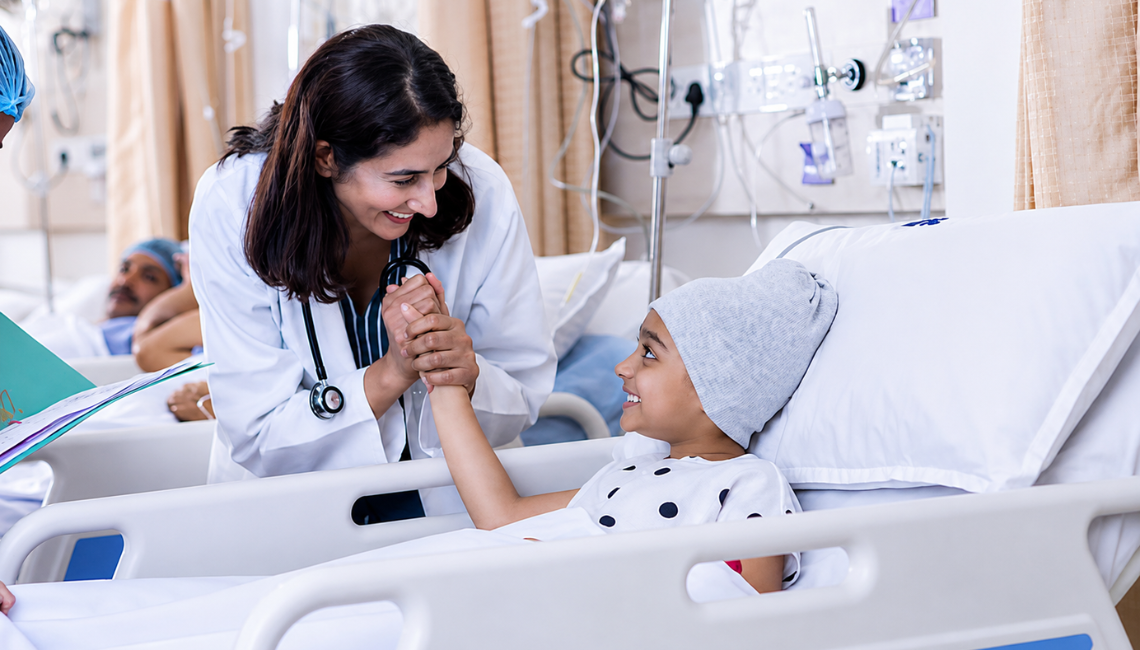
Your Child's Health Questions, Answered
When should I take my child to a paediatrician?
Children should visit a paediatrician for regular health check-ups, vaccinations, growth monitoring, developmental assessments, fever, cough, infections, digestive problems, allergies, nutritional concerns, behavioural changes, or whenever parents notice unusual symptoms affecting their child's health.
What is the difference between Paediatrics and Neonatology?
Paediatrics focuses on the healthcare of infants, children, and adolescents, while Neonatology is a specialised branch dedicated to the care of newborn babies, particularly premature infants and newborns requiring advanced medical support immediately after birth.
How often should children undergo routine health check-ups?
Regular health check-ups are recommended throughout childhood to monitor physical growth, developmental milestones, nutritional status, hearing, vision, and overall wellbeing. The frequency varies according to the child's age and healthcare needs.
Why are childhood vaccinations important?
Vaccinations help protect children against several serious infectious diseases by strengthening the immune system before exposure to harmful infections. Following the recommended immunisation schedule contributes to individual and community health.
Can developmental delays be identified early?
Yes. Regular developmental screening helps monitor physical, cognitive, language, social, and emotional milestones, allowing healthcare professionals to recognise developmental concerns early and recommend timely interventions when required.
Why Choose Deepam Hospitals for Paediatrics & Neonatology?
Children require specialised healthcare that combines medical expertise with compassion and family involvement. At Deepam Hospitals, our Paediatrics & Neonatology Department is designed to provide age-appropriate care in a welcoming environment that helps children and parents feel comfortable throughout their healthcare journey.
Our approach extends beyond treating illnesses. We focus on preventive healthcare, early identification of medical concerns, developmental monitoring, nutritional guidance, immunisation, and comprehensive support for newborns and growing children. Every child receives individualised attention based on their health requirements and developmental stage.
Why Families Choose Deepam Hospitals
- Comprehensive healthcare for newborns, infants, children, and adolescents
- Experienced paediatricians and paediatric surgical specialists
- Child-friendly consultation and treatment environment
- Comprehensive immunisation and preventive healthcare services
- Developmental and growth monitoring
- Neonatal care for newborn babies
- Emergency paediatric medical support
- Family-centred care and parental education
- Evidence-based clinical practices
- Multidisciplinary collaboration for specialised paediatric care
Supporting Healthy Growth from Birth Through Adolescence
Childhood is a period of continuous growth and development, with each stage presenting unique healthcare needs. Regular medical supervision helps monitor physical growth, cognitive development, nutrition, emotional wellbeing, and overall health while enabling early identification of conditions that may affect long-term development.
At Deepam Hospitals, our Paediatrics & Neonatology Department provides continuous healthcare support from birth through adolescence. We encourage preventive healthcare, healthy lifestyle habits, nutritional awareness, developmental surveillance, and regular medical evaluations to help children achieve their full potential while supporting parents with trusted medical guidance.
Nurturing Healthy Beginnings Through Expert Newborn Care
The first few weeks after birth are among the most critical stages of a child's life. During this period, newborns undergo rapid physical and physiological changes as they adapt to life outside the womb. Close medical observation helps assess feeding, breathing, growth, temperature regulation, and overall health while identifying any concerns that may require prompt attention.
Comprehensive neonatal care supports healthy development by ensuring newborns receive appropriate medical assessments, nutritional guidance, and continuous monitoring during the early days of life. Parents are also educated about newborn care, feeding practices, sleep patterns, hygiene, and recognising warning signs that require medical evaluation.
Early neonatal care provides a strong foundation for healthy growth and helps families feel confident in caring for their newborns at home.
Common Childhood Illnesses and Health Concerns
As children grow, their immune systems continue to develop, making them more susceptible to certain infections and seasonal illnesses. While many childhood illnesses are mild and self-limiting, some require timely medical evaluation to prevent complications and ensure appropriate care.
<Common paediatric health concerns include:
- Common cold and seasonal flu
- Viral infections
- Bacterial infections
- Chickenpox
- Ear, nose, and throat infections
- Fever of unknown origin
- Gastrointestinal infections
- Allergic conditions
- Nutritional deficiencies
- Childhood asthma and wheezing
- Skin infections
- Mild dehydration due to illness
Recognising symptoms early and seeking medical advice when needed can help children recover safely while reducing the risk of complications.
Monitoring Growth, Nutrition & Development
A child's health is measured not only by the absence of illness but also by healthy physical growth and developmental progress. Regular assessments help monitor weight, height, head circumference, nutrition, behaviour, speech, learning abilities, and motor development according to age-specific milestones.
Growth monitoring allows healthcare professionals to:
- Evaluate healthy physical development
- Identify nutritional concerns
- Monitor developmental milestones
- Assess feeding patterns
- Recognise behavioural changes
- Detect developmental delays at an early stage
Regular monitoring supports timely intervention whenever developmental concerns are identified and helps parents better understand their child's changing healthcare needs.
Childhood Vaccination – Protecting Children Against Preventable Diseases
Immunisation is one of the most effective ways to protect children from several serious infectious diseases. Vaccines help strengthen the body's immune response, reducing the likelihood of severe illness and contributing to healthier communities through broader disease prevention.
Following the recommended vaccination schedule helps protect children during their most vulnerable years while supporting long-term health. Parents are encouraged to maintain vaccination records and attend scheduled immunisation appointments to ensure timely protection.
In addition to vaccinations, preventive healthcare includes regular medical examinations, nutritional guidance, developmental assessments, and health education to support overall child wellbeing.
When Should Parents Seek Immediate Medical Attention?
While many childhood illnesses improve with appropriate care, certain symptoms require prompt medical evaluation. Early recognition allows healthcare professionals to assess the child's condition quickly and provide appropriate medical support when necessary.
Parents should seek immediate medical attention if a child experiences:
- Difficulty breathing
- Persistent high fever
- Convulsions or seizures
- Poor feeding in newborns
- Persistent vomiting or diarrhoea
- Severe dehydration
- Extreme drowsiness or unresponsiveness
- Bluish discoloration of the lips or skin
- Continuous crying with signs of severe discomfort
- Sudden changes in behaviour or consciousness
Timely medical assessment plays an important role in ensuring safe and effective care during emergencies.
Understanding Child Healthcare Services
| Stage of Childhood | Healthcare Focus | Why It Matters |
|---|---|---|
| Newborn (0–28 Days) | Neonatal assessment, feeding support, newborn screening | Supports healthy adaptation after birth |
| Infancy | Growth monitoring, immunisation, nutrition | Promotes healthy physical and brain development |
| Early Childhood | Developmental milestones, infection prevention, behavioural assessment | Encourages healthy learning and development |
| School-Age Children | Routine health check-ups, vision, hearing, nutrition | Maintains overall health and academic readiness |
| Adolescents | Physical growth, puberty guidance, preventive healthcare | Supports healthy transition into adulthood |
The Benefits of Preventive Paediatric Care
Preventive paediatric healthcare helps children achieve healthy growth while reducing the risk of illness and supporting long-term wellbeing. Regular consultations allow healthcare professionals to monitor development, identify concerns early, and guide families on maintaining healthy lifestyles.
Some of the key benefits include:
- Early identification of growth and developmental concerns
- Better protection through timely immunisation
- Improved nutritional health
- Early recognition of childhood illnesses
- Support for healthy physical and cognitive development
- Guidance for parents on age-appropriate child care
- Reduced risk of preventable complications
- Encouragement of lifelong healthy habits
By prioritising preventive healthcare from infancy through adolescence, families can support their children's overall health and development while building a strong foundation for a healthier future.
Personalised Paediatric Care for Every Child
EEvery child is unique, and so are their healthcare needs. Factors such as age, birth history, medical condition, developmental stage, nutritional status, and family history play an important role in determining the most appropriate course of care. At Deepam Hospitals, Tambaram, every child undergoes a thorough clinical evaluation to ensure that treatment decisions are tailored to their individual health requirements.
Our paediatric team follows evidence-based clinical protocols while maintaining a compassionate, child-friendly approach. Parents are actively involved in understanding their child's condition, treatment options, and ongoing care plan, helping them make informed decisions with confidence.
Comprehensive Care for Acute & Chronic Childhood Illnesses
Children may experience a wide range of illnesses that require careful medical assessment and timely intervention. While many conditions resolve with appropriate treatment, some require ongoing medical supervision to ensure complete recovery and healthy development.
Our paediatric department manages:
- Acute childhood illnesses
- Chronic paediatric medical conditions
- Persistent fever
- Respiratory infections
- Gastrointestinal infections
- Skin infections
- Nutritional concerns
- Recurrent childhood illnesses
Each child receives individualised care based on their clinical condition, age, and overall health status, ensuring safe and effective management.
Diagnosis & Management of Viral and Bacterial Infections
Infections are among the most common reasons for paediatric consultations. Accurate diagnosis helps differentiate between viral and bacterial infections, allowing clinicians to recommend the most appropriate treatment while avoiding unnecessary medication.
Our specialists evaluate children presenting with:
- Viral fever
- Seasonal viral infections
- Bacterial respiratory infections
- Ear and throat infections
- Gastrointestinal infections
- Skin and soft tissue infections
- Urinary tract infections
- Childhood infectious diseases
Early diagnosis and appropriate medical management help reduce complications while supporting faster recovery.
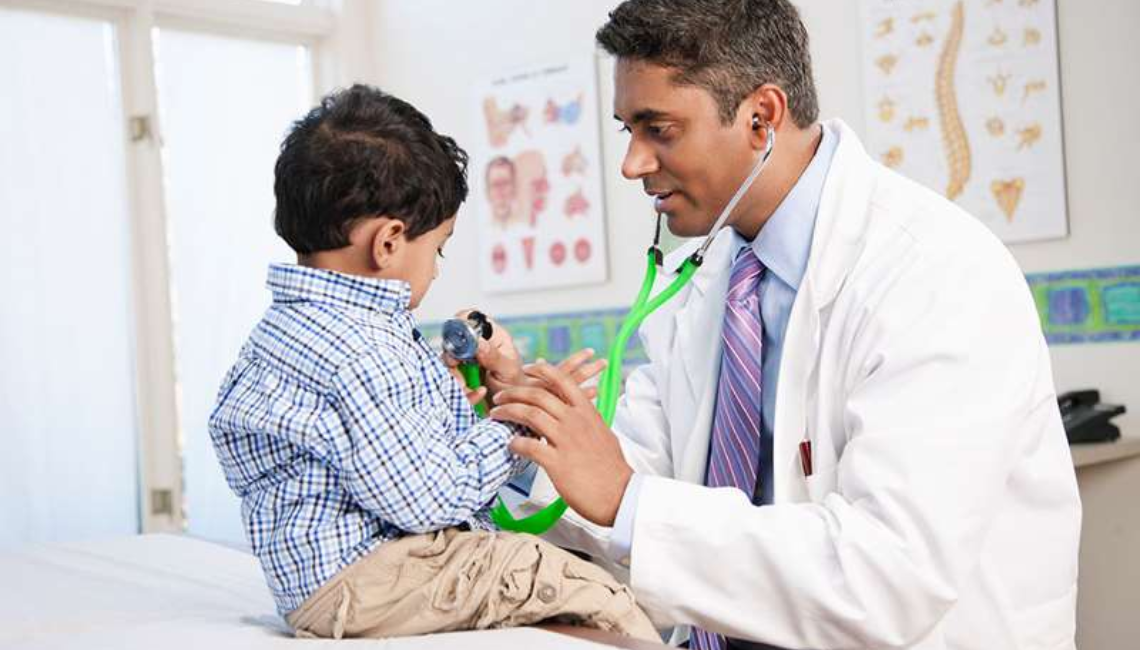
Expert Care for Cold, Seasonal Flu & Childhood Infectious Diseases
Seasonal illnesses are common among infants and children, particularly during periods of changing weather. While most children recover without complications, younger infants and children with underlying medical conditions may require closer observation and medical care.
Our team provides comprehensive evaluation and management for:
- Common cold
- Seasonal influenza
- Chickenpox
- Viral respiratory illnesses
- Fever associated with infections
- Childhood viral outbreaks
Treatment plans are based on the child's symptoms, overall health, and clinical assessment to promote safe recovery.
Advanced Neonatal Care for High-Risk Newborns
Some newborns require specialised medical attention immediately after birth due to prematurity, low birth weight, congenital conditions, respiratory difficulties, or complications during delivery. Advanced neonatal care focuses on stabilising these babies while supporting healthy growth and development during the early stages of life.
Our neonatal services include:
- Assessment of high-risk newborns
- Neonatal monitoring
- Respiratory support when required
- Feeding assistance
- Temperature regulation
- Infection management
- Care for premature infants
- Ongoing neonatal observation
Every newborn receives continuous monitoring by trained healthcare professionals in an environment designed to support safe and specialised neonatal care.
Paediatric Critical Care for Medical Emergencies
Critically ill children require prompt diagnosis, rapid intervention, and continuous monitoring. Our paediatric critical care services are designed to provide comprehensive medical support for children experiencing serious illnesses or medical emergencies.
The paediatric critical care team manages children with:
- Severe respiratory distress
- Serious infections
- Dehydration requiring intensive care
- Neurological emergencies
- Shock
- Multi-organ involvement
- Post-operative monitoring for complex paediatric procedures
Close monitoring and coordinated specialist care help ensure timely intervention and improved clinical outcomes.
Advanced Paediatric Surgical Services
Some childhood conditions require specialised surgical expertise to achieve the best possible outcomes. Our paediatric surgical team provides comprehensive evaluation and age-appropriate surgical care using modern techniques that prioritise safety, precision, and faster recovery.
The department offers expertise in:
- Paediatric laparoscopy
- Paediatric thoracoscopy
- Paediatric urology
- Neonatal intestinal obstruction surgery
- Paediatric oncology surgery
- Day-care paediatric procedures
Each surgical plan is individualised based on the child's diagnosis, age, overall health, and long-term wellbeing.
Minimally Invasive Paediatric Surgery
Minimally invasive surgery has transformed paediatric surgical care by reducing surgical trauma while improving comfort and recovery. Laparoscopic and thoracoscopic procedures use specialised instruments and small incisions to perform selected surgeries with greater precision.
Potential advantages include:
- Smaller surgical incisions
- Reduced postoperative discomfort
- Less blood loss
- Shorter hospital stay
- Earlier return to routine activities
- Improved cosmetic outcomes
The suitability of minimally invasive surgery depends on the child's medical condition and is determined after comprehensive clinical evaluation.
Paediatric Urology & Neonatal Surgical Care
Certain congenital and acquired urinary tract conditions require specialised evaluation and surgical management during infancy and childhood. Our paediatric surgical team provides comprehensive care for children with urological disorders while ensuring age-appropriate treatment planning and long-term follow-up.
The department also offers specialised management for neonatal intestinal obstruction and other congenital surgical conditions requiring early intervention, with close collaboration between paediatricians, neonatologists, anaesthesiologists, and paediatric surgeons.
Multidisciplinary Care for Complex Childhood Conditions
Children with complex medical or surgical conditions often benefit from coordinated care involving multiple specialists. At Deepam Hospitals, paediatricians, neonatologists, paediatric surgeons, anaesthesiologists, radiologists, nutritionists, physiotherapists, and critical care specialists work together to develop comprehensive treatment plans tailored to each child's individual needs.
This collaborative approach ensures continuity of care, improves communication between healthcare teams, and supports better outcomes for children requiring specialised medical attention.
Dr. Kavitha
Paediatrician
Dr. Kavitha provides comprehensive paediatric care with a focus on preventive health and the management of common childhood illnesses. Her areas of expertise include routine vaccinations, acute and chronic infections, viral illnesses, bacterial infections, and regular child health assessments. She believes in educating parents about their child's health while promoting preventive care and healthy development.
Dr. M. Seshathri
Paediatrician
Dr. M. Seshathri has extensive experience in managing childhood illnesses ranging from seasonal infections to critically ill children requiring specialised medical care. His expertise includes cold and seasonal flu, viral infections, chickenpox, and paediatric critical care. He is dedicated to delivering timely, evidence-based treatment while ensuring the highest standards of patient safety.
Dr. Raghul
Paediatrician
Dr. Raghul specialises in advanced paediatric surgical care for infants and children. His expertise includes paediatric laparoscopy, thoracoscopy, paediatric urology, paediatric oncology, neonatal intestinal obstruction, and day-care paediatric procedures. He is committed to using modern surgical techniques that support precision, safety, and faster recovery while minimising discomfort for young patients.
A Child-Friendly Healthcare Journey
Every child's healthcare journey begins with understanding not only the medical condition but also the concerns of parents and caregivers. At Deepam Hospitals, we create a welcoming and reassuring environment where families feel informed, supported, and involved throughout every stage of care.
The journey starts with a detailed clinical assessment, followed by personalised treatment planning based on the child's age, medical history, and current health condition. Parents receive clear explanations regarding investigations, treatment options, expected outcomes, and follow-up care, helping them make confident decisions for their child's health.
Recovery & Follow-Up Care
Recovery is an essential part of paediatric healthcare. Whether a child is recovering from an illness, hospitalisation, or surgery, structured follow-up care helps ensure that healing progresses as expected while supporting healthy physical and emotional wellbeing.
Depending on the child's condition, follow-up care may include:
- Monitoring overall recovery
- Nutritional advice for healthy growth
- Medication review and guidance
- Assessment of physical activity
- Wound care after surgical procedures
- Developmental reassessment when required
- Ongoing communication with parents
Regular follow-up visits also provide opportunities to address any new concerns and ensure continuity of care.
Supporting Families Beyond Hospital Care
Parents play a central role in a child's health and recovery. Our healthcare team works closely with families by providing practical guidance, education, and reassurance that extends beyond hospital visits.
We encourage parents to:
- Follow prescribed medications carefully.
- Maintain healthy nutrition and hydration.
- Encourage age-appropriate physical activity.
- Ensure adequate sleep and rest.
- Attend scheduled follow-up appointments.
- Observe developmental progress at home.
- Seek medical advice if new symptoms develop.
- Maintain routine health records for future consultations.
Empowering parents with knowledge helps create a supportive environment where children can grow and thrive.
Long-Term Child Health & Development
Children continue to grow physically, emotionally, and intellectually throughout infancy, childhood, and adolescence. Regular medical follow-up helps ensure that health concerns are addressed promptly while supporting continued development at every stage.
Long-term paediatric care focuses on:
- Healthy physical growth
- Age-appropriate developmental progress
- Nutritional wellbeing
- Emotional and behavioural health
- School readiness
- Adolescent health guidance
- Healthy lifestyle habits
- Overall quality of life
By maintaining continuity of care, families can better support their child's lifelong health and wellbeing.
Why Families Trust Deepam Hospitals for Paediatric & Neonatal Care
Children require specialised healthcare delivered with compassion, patience, and clinical expertise. At Deepam Hospitals, our multidisciplinary team is dedicated to providing personalised care that supports healthy growth, timely diagnosis, advanced treatment, and long-term wellbeing.
Families choose our department because of our:
- Experienced paediatricians and paediatric surgeon
- Comprehensive newborn, infant, and child healthcare
- Child-friendly consultation and treatment environment
- Expertise in neonatal and paediatric critical care
- Advanced minimally invasive paediatric surgical services
- Family-centred approach with parental involvement
- Evidence-based medical and surgical practices
- Coordinated multidisciplinary care
- Commitment to child safety and quality healthcare
- Continuity of care from newborn stage through adolescence
Deepam Hospitals is a trusted healthcare network with multispeciality hospitals in Tambaram, Guduvanchery, and Singaperumal Koil (SP Koil), supported by healthcare centres in Perungalathur, Urapakkam, and Maraimalai Nagar.
Frequently Asked Questions
The frequency depends on your child's age, overall health, vaccination schedule, and medical needs. Infants usually require more frequent visits, while older children benefit from regular annual health check-ups and consultations whenever they become ill.
Newborns should undergo scheduled medical evaluations during the first weeks of life to assess feeding, weight gain, jaundice, overall health, and early developmental progress. Your paediatrician will recommend an appropriate follow-up schedule.
When clinically appropriate, minimally invasive paediatric surgery is considered safe and offers several advantages, including smaller incisions, reduced discomfort, and quicker recovery. The decision depends on the child's medical condition and surgical requirements.
Yes. Family-centred care is an important part of paediatric practice. Parents are encouraged to participate in discussions, understand treatment plans, ask questions, and remain actively involved throughout their child's healthcare journey.
Follow-up consultations help monitor recovery, assess growth and development, review treatment outcomes, and address any ongoing health concerns. Regular reviews support long-term wellbeing and continuity of care.
Medical Disclaimer
The information provided on this page is for educational purposes only and should not be considered medical advice, diagnosis, or treatment. Always consult a qualified healthcare professional for personalised medical guidance. In case of a medical emergency involving a newborn or child, seek immediate medical attention or visit the nearest hospital.
Give Your Child the Best Start with Expert Paediatric Care
Every child deserves compassionate medical care that supports healthy growth from the very beginning. Whether your child needs newborn care, specialised paediatric consultation, vaccination guidance, treatment for childhood illnesses, or advanced paediatric surgery, the Department of Paediatrics & Neonatology at Deepam Hospitals, Tambaram is committed to delivering safe, personalised, and evidence-based healthcare.
Schedule a consultation with our experienced paediatric specialists to ensure your child receives comprehensive care designed to promote lifelong health, development, and wellbeing. Contact Us
