- For appointment (+91) 97904 97905
Rehabilitation Medicine & Physiotherapy Near Urapakkam
Helping You Recover, Move Better & Regain Independence
Recovery is not always complete when an illness is treated or a surgery is successfully performed. Many patients need continued support to rebuild strength, restore movement, improve balance, manage pain, and return to their everyday routines. This is where Rehabilitation Medicine and Physiotherapy play an important role.
Rehabilitation focuses on helping individuals regain or maintain their physical abilities and functional independence after injury, illness, surgery, neurological conditions, or age-related changes. The goal is to help each person achieve the highest level of safe and practical function possible based on their individual condition and recovery needs.
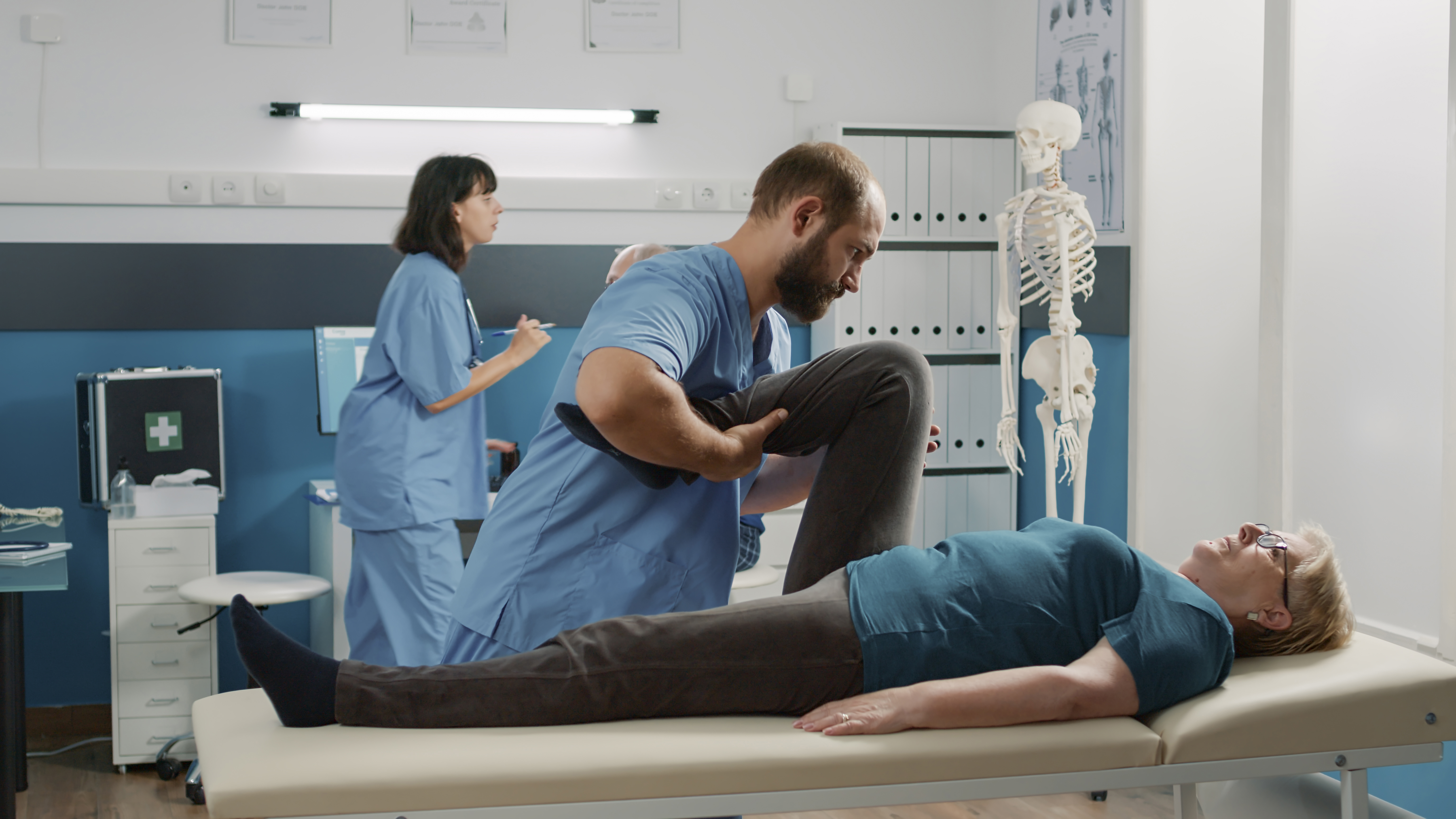
At Deepam Hospitals near Urapakkam, Rehabilitation Medicine and Physiotherapy care is designed around the individual. Treatment may focus on improving mobility, muscle strength, flexibility, balance, coordination, endurance, and the ability to perform everyday activities.The rehabilitation approach is tailored according to the patient's medical condition, physical abilities, lifestyle, and personal recovery goals.
Under the guidance of Dr. Natarajan, our rehabilitation care aims to support patients throughout their recovery journey, whether you are recovering after an orthopaedic procedure, managing a physical limitation, experiencing difficulty with movement, or seeking support to improve functional independence.rehabilitation can form an important part of your overall healthcare plan.
Our approach focuses on functional recovery rather than temporary symptom relief alone. By combining clinical assessment, personalised rehabilitation planning, therapeutic exercises, mobility training, and ongoing progress monitoring, patients can work towards improved physical function and greater confidence in their daily activities.
Deepam Hospitals serves patients from Urapakkam, Guduvanchery, Kilambakkam, Perungalathur, Vandalur, Tambaram, Maraimalai Nagar, Mannivakkam, Mudichur, and surrounding areas, providing access to comprehensive rehabilitation and physiotherapy support as part of a broader multispeciality healthcare network.
Rehabilitation Medicine and Physiotherapy at Deepam Hospitals near Urapakkam focuses on helping patients improve mobility, strength, flexibility, balance, physical function, and independence after injury, illness, surgery, or other conditions affecting movement. Under the guidance of Dr. Natarajan, rehabilitation programmes are personalised to each patient's medical condition, functional abilities, lifestyle, and recovery goals.
Quick Answers: Rehabilitation & Physiotherapy
What is Rehabilitation Medicine?
Rehabilitation Medicine focuses on improving a person's physical function, mobility, independence, and quality of life after injury, illness, surgery, or conditions that affect movement and daily activities.
What does Physiotherapy help with?
Physiotherapy can help improve movement, muscle strength, flexibility, balance, coordination, and physical function while supporting recovery from injuries, surgeries, and various medical conditions.
Who can benefit from rehabilitation?
People recovering from injuries, surgeries, neurological conditions, orthopaedic problems, prolonged illness, or physical limitations may benefit from personalised rehabilitation care.
Is physiotherapy only for pain?
No. Physiotherapy can address more than pain. It may also focus on restoring movement, improving strength, enhancing balance, preventing physical limitations, and helping patients return to daily activities.
When should I start rehabilitation after surgery?
The appropriate timing depends on the type of surgery and your overall health. Your treating doctor and rehabilitation specialist can determine when therapy should begin and what level of activity is appropriate.
Can rehabilitation help older adults?
Yes. Rehabilitation may help older adults maintain mobility, improve balance and strength, support independence, and reduce the impact of physical limitations associated with ageing or illness.
Key Takeaways
- Personalised Rehabilitation Medicine and Physiotherapy
- Care focused on mobility and functional recovery
- Support following injury and surgery
- Strength and flexibility improvement
- Balance and coordination training
- Assistance with restoring everyday physical function
- Rehabilitation plans tailored to individual needs
- Guidance for safe and progressive recovery
- Support for maintaining independence
- Care available for patients near Urapakkam and surrounding areas
Why Choose Deepam Hospitals for Rehabilitation & Physiotherapy?
Rehabilitation is most effective when the care plan reflects the individual's actual physical abilities, medical condition, and daily needs. At Deepam Hospitals, rehabilitation care is designed with a patient-focused approach that considers both immediate recovery and long-term functional goals.
Our Rehabilitation Approach Includes:
- Individual functional assessment
- Personalised rehabilitation planning
- Goal-oriented therapy
- Progress-based exercise programmes
- Mobility and movement training
- Strength and flexibility development
- Balance and coordination support
- Recovery guidance following medical treatment
- Ongoing assessment of functional progress
- Coordination with relevant medical specialties when required
The objective is to help patients move towards greater physicalconfidence and independence through structured, clinically guided rehabilitation.
Did You Know?
Rehabilitation Can Be About More Than Recovery
Rehabilitation is not limited to helping someone recover after an injury or surgery. It can also help individuals adapt to physical limitations, maintain existing abilities, prevent further functional decline, and improve their ability to participate in everyday activities.
For some patients, the goal may be to walk comfortably again. For others, it may be returning to work, managing daily household activities, improving balance, or maintaining independence as they age.
The right rehabilitation goal is therefore different for every individual.
When Should You Consult a Rehabilitation Specialist or Physiotherapist?
You may benefit from a rehabilitation assessment if you experience:
- Difficulty walking or moving comfortably
- Reduced muscle strength
- Stiffness affecting daily activities
- Limited joint movement
- Difficulty maintaining balance
- Reduced physical endurance
- Loss of mobility after prolonged illness
- Recovery challenges following surgery
- Difficulty returning to normal activities after an injury
- Movement limitations affecting work or daily life
- Physical weakness following hospitalisation
- Need for guidance with safe physical recovery
Early assessment can help identify functional limitations and determine whether a structured rehabilitation programme may be beneficial.
Rehabilitation as a Part of Complete Healthcare
Recovery often involves more than one stage. Medical treatment may address the underlying disease or injury, while rehabilitation helps the individual regain physical abilities and adapt to everyday life.
For example:
Medical Treatment → Stabilisation → Rehabilitation → Functional Recovery → Return to Daily Activities
This coordinated approach can be particularly valuable for patients recovering from orthopaedic procedures, traumatic injuries, prolonged illness, neurological conditions, or periods of reduced mobility.
Rehabilitation works alongside medical care to help bridge the gap between being medically stable and being functionally independent.
A Functional Approach to Recovery
The true measure of recovery is often how well a person can return to meaningful activities in daily life. Rehabilitation therefore looks beyond isolated symptoms and considers how physical limitations affect walking, working, exercising, self-care, and participation in family or social activities.
At Deepam Hospitals, rehabilitation goals are developed around the individual's needs and may include improving:
- Walking ability
- Functional movement
- Muscle performance
- Joint mobility
- Physical endurance
- Balance
- Coordination
- Confidence during movement
- Ability to perform daily activities
With appropriate assessment and consistent participation, rehabilitation can become an important part of the journey towards improved physical function and independence.
What Is Rehabilitation Medicine?
Rehabilitation Medicine is a specialised area of healthcare that focuses on helping people regain, maintain, or improve their physical abilities and independence following illness, injury, surgery, or disability.
While acute medical treatment focuses on managing the immediate medical problem, rehabilitation focuses on what happens next—helping the individual return to meaningful activities and achieve the best possible level of function.
Depending on the person's condition, rehabilitation may address:
- Movement and mobility
- Muscle strength
- Joint flexibility
- Balance and coordination
- Physical endurance
- Functional independence
- Ability to perform daily activities
- Safe return to work or routine activities
The rehabilitation process is highly individualised because every person's physical abilities, medical history, and recovery goals are different.
Understanding Physiotherapy
Physiotherapy is an important component of rehabilitation that uses movement-based techniques and therapeutic exercises to help improve physical function.
A physiotherapist may assess how a person moves and identify limitations in:
- Strength
- Flexibility
- Joint mobility
- Balance
- Coordination
- Posture
- Walking pattern
- Functional movement
Based on this assessment, an appropriate therapy programme can be planned to address the individual's specific needs.
Physiotherapy may be useful after an injury or surgery, but it can also support people managing long-term physical limitations or conditions that affect movement.
Rehabilitation Is Not One-Size-Fits-All
Two people with the same medical condition may have completely different rehabilitation needs. Age, physical fitness, occupation, lifestyle, medical history, severity of the condition, and personal goals can all influence the recovery process.
For example:
- A working professional may need rehabilitation focused on returning to work.
- An athlete may need sport-specific functional recovery.
- An older adult may need balance and mobility support.
- A patient after surgery may require progressive strengthening.
- A person recovering from prolonged hospitalisation may need to rebuild general physical endurance.
This is why rehabilitation programmes should be individually assessed rather than following a standard routine for everyone.
Who May Benefit From Rehabilitation?
Rehabilitation can be useful for people experiencing temporary or long-term limitations in physical function.
It may benefit individuals recovering from:
- Orthopaedic surgery
- Joint replacement
- Fractures
- Traumatic injuries
- Sports injuries
- Neurological conditions
- Stroke
- Prolonged hospitalisation
- Serious illness
- Age-related mobility changes
- Muscle weakness
- Balance difficulties
The specific rehabilitation approach depends on the underlying condition and the individual's functional requirements.
Different Areas of Rehabilitation
Rehabilitation can address different aspects of physical recovery depending on the patient's condition.
Orthopaedic Rehabilitation
Focuses on restoring movement and function following bone, joint, muscle, tendon, or ligament problems, including recovery after orthopaedic procedures.
Post-Surgical Rehabilitation
Supports the gradual return of movement and physical function following surgery. The programme is adapted according to the type of procedure and the patient's recovery stage.
Neurological Rehabilitation
Helps individuals experiencing movement, coordination, balance, or functional difficulties associated with neurological conditions.
Injury Rehabilitation
Supports recovery following accidents, falls, sports injuries, or other physical trauma.
Geriatric Rehabilitation
Focuses on maintaining mobility, strength, balance, and independence among older adults.
Functional Rehabilitation
Concentrates on helping individuals perform everyday activities more safely and independently.
Factors That Can Affect Your Recovery
Recovery is influenced by several factors, and progress may vary significantly from one person to another.
Important factors include:
- Type and severity of the condition
- Age
- Overall health
- Existing medical conditions
- Physical fitness
- Nutrition
- Sleep quality
- Consistency with rehabilitation
- Mental and emotional wellbeing
- Support from family or caregivers
- Early initiation of appropriate rehabilitation
Understanding these factors helps patients maintain realistic expectations and actively participate in their recovery journey.
Why Consistency Matters in Rehabilitation
Rehabilitation is usually a progressive process rather than a one-time intervention. Improvements in strength, flexibility, balance, and physical function often require regular participation and gradual progression.
Following a prescribed rehabilitation plan can help patients:
- Build physical strength gradually
- Improve movement patterns
- Develop better balance
- Increase activity tolerance
- Regain confidence in movement
- Reduce the risk of physical deconditioning
Patients should follow professional guidance and avoid making sudden changes to their exercise programme without appropriate advice.
Common Functional Challenges
Some people may experience difficulties that affect their everyday independence even after the primary medical condition has been treated.
These may include:
- Difficulty walking
- Trouble climbing stairs
- Reduced ability to stand for long periods
- Difficulty getting up from a chair
- Reduced arm or leg strength
- Limited joint movement
- Poor balance
- Reduced coordination
- Difficulty performing household tasks
- Reduced stamina during routine activities
A rehabilitation assessment can help identify the underlying functional limitations and determine whether structured rehabilitation may be appropriate.
Signs That You May Need a Rehabilitation Assessment
Consider seeking professional rehabilitation advice if you notice:
- Your movement has not returned after an injury
- You remain physically weak after illness or hospitalisation
- Pain or stiffness limits normal activities
- You have difficulty walking or maintaining balance
- You struggle with everyday tasks after surgery
- You feel less confident while moving
- Your physical endurance has significantly reduced
- You are unable to return to your previous level of activity
Early assessment can help identify functional problems and establish appropriate recovery goals.
Rehabilitation Care Snapshot
Functional Assessment
What It Evaluates
A rehabilitation assessment may examine movement, strength, flexibility, balance, coordination, endurance, and functional abilities.
Why It Matters
It helps identify the specific areas affecting your daily activities and provides a foundation for creating an individualised rehabilitation plan.
The Goal
To improve physical function, support independence, and help you safely return to meaningful everyday activities.
Rehabilitation Needs at Different Stages of Recovery
| Recovery Stage | Common Functional Focus | Rehabilitation Goal |
|---|---|---|
| Early Recovery | Protecting the affected area and maintaining safe movement | Preventing unnecessary loss of physical function |
| Active Recovery | Gradually improving strength and mobility | Restore movement and physical capacity |
| Functional Recovery | Practising everyday movements and activities | Improve independence in daily life |
| Return to Activity | Building endurance and confidence | Safely resume work, exercise, or routine activities |
| Long-Term Maintenance | Maintaining strength, mobility, and physical ability | Support lasting function and reduce physical decline |
Rehabilitation & Prevention of Physical Deconditioning
Periods of inactivity can lead to loss of muscle strength, reduced endurance, stiffness, and decreased confidence in movement. This can happen after prolonged hospitalisation, illness, surgery, or extended periods of rest.
Appropriate rehabilitation can help individuals gradually rebuild physical capacity and return to activity safely.
The rehabilitation approach may focus on:
- Gradual activity progression
- Muscle strengthening
- Mobility exercises
- Balance activities
- Functional movement practice
- Endurance development
The level and intensity of activity should always be appropriate to the individual's medical condition and recovery stage.
When Early Rehabilitation can Makes a Difference
Timely rehabilitation may help patients address functional limitations before they become more difficult to manage. Early professional assessment can identify movement problems, establish realistic goals, and guide patients through a safe recovery pathway.
Rehabilitation May help with:
- Restoring physical function
- Maintaining mobility
- Improving muscle performance
- Supporting independence
- Reducing the impact of prolonged inactivity
- Improving confidence with movement
- Facilitating a gradual return to daily activities
The most appropriate timing for rehabilitation depends on the underlying condition and should be determined by the treating medical team.
A Note for Patients & Caregivers
Successful rehabilitation is a shared process. Patients, family members, caregivers, doctors, physiotherapists, and other healthcare professionals may all contribute to recovery.
Patients can support their rehabilitation journey by:
- Attending scheduled sessions
- Following professional instructions
- Communicating changes in symptoms
- Practising recommended exercises safely
- Maintaining appropriate activity levels
- Asking questions when unsure
- Attending follow-up assessments
Family and caregiver support can also be valuable, particularly for individuals who require assistance with mobility or daily activities.
Comprehensive Rehabilitation Assessment
Effective rehabilitation begins with understanding how a medical condition has affected a person's ability to move and function. A detailed assessment helps identify physical limitations and establish meaningful recovery goals.
Depending on the individual's needs, assessment may consider:
- Muscle strength
- Joint range of motion
- Flexibility
- Balance
- Coordination
- Walking pattern
- Posture
- Physical endurance
- Functional movement
- Ability to perform daily activities
The findings help create a rehabilitation programme that is appropriate for the patient's current physical abilities and long-term goals.
Personalised Physiotherapy Programmes
No two patients have exactly the same rehabilitation needs. A personalised physiotherapy programme is developed according to the individual's diagnosis, physical condition, functional limitations, and recovery objectives.
Therapy may incorporate:
- Therapeutic exercises
- Strengthening activities
- Flexibility exercises
- Mobility training
- Balance exercises
- Coordination activities
- Functional movement practice
- Progressive activity training
The programme can be adjusted as the patient's physical abilities and functional performance improve.
Therapeutic Exercise & Movement Training
Therapeutic exercises form an important part of physiotherapy and rehabilitation. These exercises are selected based on the patient's physical limitations and are progressed gradually according to recovery.
The focus may include:
- Improving muscle strength
- Increasing joint mobility
- Developing flexibility
- Enhancing balance
- Improving coordination
- Building physical endurance
- Supporting functional movement
The objective is to help patients develop the physical capacity needed to perform everyday activities more comfortably and safely.
Post-Surgical Rehabilitation
Recovery after surgery often involves a gradual return to movement and physical activity. Rehabilitation can help patients progress safely through different stages of functional recovery.
Post-surgical rehabilitation may be relevant following:
- Joint replacement procedures
- Orthopaedic surgeries
- Fracture-related procedures
- Ligament or tendon surgery
- Other procedures affecting physical mobility
The rehabilitation programme is tailored to the specific surgery and the patient's medical condition. Progression is guided by the treating medical team and rehabilitation professional.
Rehabilitation Snapshot – Post-Surgical Recovery
Assessment
The patient's movement, strength, mobility, and functional abilities are evaluated.
Planning
A structured rehabilitation programme is created based on the type of surgery and recovery stage.
Progression
Exercises and activities are gradually progressing as physical function improves.
Functional Goal
The aim is to help the patient safely regain mobility and return to appropriate daily activities.
Orthopaedic Rehabilitation
Orthopaedic rehabilitation supports patients experiencing physical limitations associated with bones, joints, muscles, ligaments, and tendons, helping restore movement following bone, joint, muscle, tendon, or ligament problems.
It may form part of recovery following:
- Fractures
- Joint replacement
- Knee conditions
- Shoulder conditions
- Sports injuries
- Traumatic injuries
- Joint stiffness
- Musculoskeletal problems
Rehabilitation programmes focus on restoring movement, rebuilding strength, improving physical function, and supporting a safe return to everyday activities.
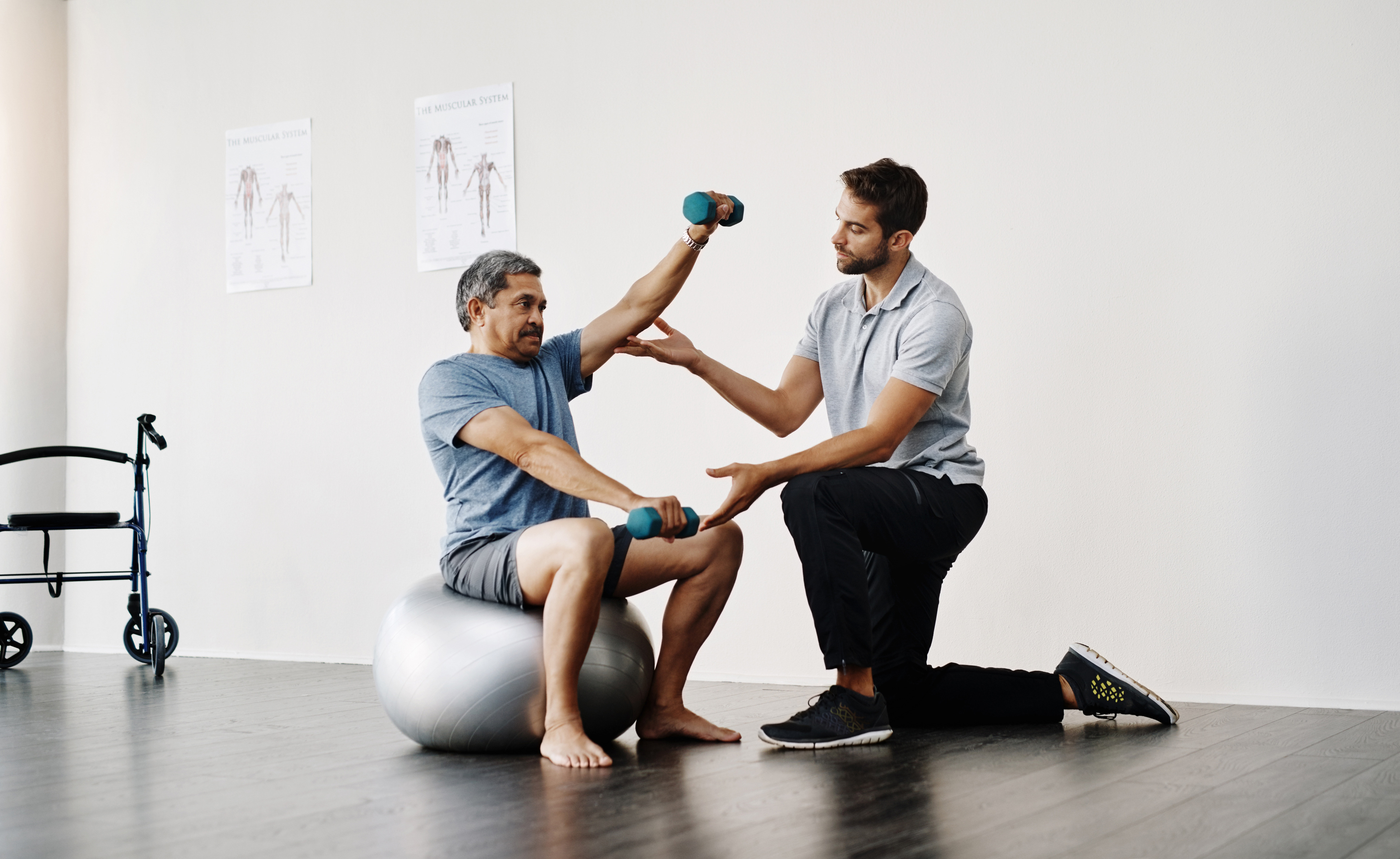
Neurological Rehabilitation
Neurological conditions can affect movement, balance, coordination, muscle control, and independence. Rehabilitation aims to help individuals maximise their functional abilities and adapt to physical challenges.
Neurological Rehabilitation May Support Individuals Experiencing:
- Stroke-related movement difficulties
- Balance problems
- Coordination challenges
- Muscle weakness
- Mobility limitations
- Functional difficulties associated with neurological conditions
The rehabilitation approach is personalised according to the individual's neurological condition and functional requirements.
Mobility & Gait Training
Walking difficulties can affect independence and confidence. Gait and mobility training focuses on improving safe movement and helping patients develop better control during walking and functional activities.
Training may address:
- Walking patterns
- Balance during movement
- Lower-limb strength
- Coordination
- Safe transfers
- Stair navigation
- Use of mobility aids when clinically appropriate
The goal is to help patients move more safely and efficiently within their physical capabilities.
Balance & Coordination Rehabilitation
Reduced balance can increase the risk of falls and make everyday activities more challenging. Balance-focused rehabilitation aims to improve stability, body awareness, coordination, and confidence during movement.
It May Be Beneficial For:
- Older adults
- Patients recovering from illness
- Individuals with neurological conditions
- People experiencing reduced mobility
- Patients with balance-related functional limitations
Training is progressed according to the patient's abilities and safety requirements.
Strength & Conditioning for Functional Recovery
Muscle weakness can develop following surgery, injury, illness, or prolonged inactivity. Progressive strengthening programmes help patients rebuild physical capacity and improve their ability to perform functional activities.
Strength-Focused Rehabilitation May Target
- Upper-limb strength
- Lower-limb strength
- Core stability
- Functional strength
- Postural control
- Physical endurance
Exercises are selected and progressed based on individual assessment rather than using the same programme for every patient.
Rehabilitation After Prolonged Illness or Hospitalisation
Extended periods of illness or hospitalisation can lead to reduced physical activity, muscle weakness, fatigue, and loss of functional independence.
Rehabilitation May Help Patients Gradually Rebuild:
- Muscle strength
- Physical endurance
- Mobility
- Balance
- Confidence in movement
- Ability to perform routine activities
A gradual and medically appropriate approach helps patients progress towards their previous level of function whenever possible.
Functional Independence Training
The ultimate goal of rehabilitation is often to improve a person's ability to manage everyday life. Functional rehabilitation focuses on movements and activities that are meaningful to the individual.
Depending on the patient's needs, therapy may focus on:
- Getting in and out of bed
- Sitting and standing
- Walking
- Climbing stairs
- Performing household activities
- Returning to work
- Resuming recreational activities
- Improving independence in daily routines
This approach ensures that rehabilitation goals are connected to real-life functional needs.
Rehabilitation for Older Adults
Age-related changes, illness, surgery, and periods of inactivity can affect strength and mobility in older adults. Rehabilitation can help support physical independence while addressing individual functional limitations.
The Focus May Include
- Mobility maintenance
- Strength improvement
- Balance training
- Fall-risk reduction strategies
- Walking confidence
- Functional activity practice
The programme is adapted to the individual's health status, physical abilities, and daily requirements.
Progress Monitoring & Programme Modification
Rehabilitation is an evolving process. As patients improve, their therapy programmes may need to be modified to match their changing physical abilities.
Progress may be monitored through:
- Changes in mobility
- Improvement in muscle strength
- Increased range of motion
- Better balance
- Improved endurance
- Functional activity performance
- Ability to perform daily tasks
Regular reassessment helps ensure that rehabilitation remains relevant to the patient's recovery goals.
Multidisciplinary Rehabilitation Support
Some patients require rehabilitation as part of a broader medical treatment plan. Depending on the condition, rehabilitation care may be coordinated with other medical specialties
This may involve collaboration with:
- Orthopaedics & Joint Replacement
- Emergency & Trauma Care
- Neurology
- Neurosurgery
- General Medicine
- Geriatric Care
- Pain Management
- Nutrition & Dietetics
Such coordination allows rehabilitation to be integrated into the patient's overall healthcare pathway when necessary.
Conditions That May Require Rehabilitation Support
Rehabilitation and physiotherapy may be considered as part of care for individuals experiencing:
- Fracture recovery
- Joint replacement recovery
- Post-surgical weakness
- Sports injuries
- Traumatic injuries
- Muscle weakness
- Joint stiffness
- Reduced mobility
- Balance difficulties
- Neurological movement problems
- Post-hospitalisation deconditioning
- Age-related functional decline
The suitability of rehabilitation depends on individual clinical assessment.
A Goal-Oriented Rehabilitation Model
At Deepam Hospitals, rehabilitation is approached as a progressive journey rather than a single treatment session.
Assess
Understanding the patient's physical abilities and functional limitations
↓Plan
Establish realistic and meaningful rehabilitation goals.
↓Treat
Apply appropriate therapeutic exercises and movement-based interventions.
↓Progress
Gradually increasing physical demands according to recovery.
↓Reassess
Monitor changes in strength, mobility, balance, and function.
↓Restore
Work towards greater independence and a safe return to meaningful activities.
What Makes a Rehabilitation Programme Effective?
A successful rehabilitation programme generally depends on several factors working together:
- Accurate functional assessment
- Clear recovery goals
- Appropriate exercise selection
- Gradual progression
- Regular participation
- Ongoing professional monitoring
- Patient education
- Communication between healthcare professionals
- Active involvement of the patient
The rehabilitation plan should always be adapted to the patient's medical condition and physical capabilities.
Dr. Natarajan
Rehabilitation Medicine / Physiotherapy
Rehabilitation is a gradual process that requires understanding the patient's individual challenges, physical abilities, and personal goals. Under the guidance of Dr. Natarajan, rehabilitation care at Deepam Hospitals focuses on helping individuals work towards improved physical function and greater independence.
The rehabilitation approach considers how a person's condition affects their ability to move and participate in everyday life. Treatment goals may range from improving mobility and strength to regaining confidence in daily activities following injury, surgery, illness, or prolonged physical inactivity.
Each patient's rehabilitation journey is approached individually, with progress monitored according to their functional goals and response to therapy.
Areas of Focus
What to Expect During Your Rehabilitation Journey
Starting physiotherapy or rehabilitation can sometimes feel unfamiliar, particularly after surgery, injury, or a prolonged illness. Understanding the process can help patients participate more confidently in their recovery.
1. Initial Discussion
Your rehabilitation journey begins with understanding your medical history, current concerns, previous treatments, physical limitations, and recovery expectations.
2. Functional Assessment
Your physical abilities and movement limitations are evaluated to understand how your condition affects everyday activities.
3. Goal Setting
Rehabilitation goals are established according to your individual needs — these may involve walking, improving strength, returning to work, managing daily activities, or regaining independence.
4. Personalised Programme
A structured rehabilitation plan is developed based on your condition, physical abilities, and recovery requirements.
5. Progressive Recovery
Therapy progresses gradually as your strength, mobility, balance, and functional abilities improve.
6. Regular Review
Your progress is monitored, and the rehabilitation programme may be modified according to your recovery and changing functional needs.
Your Role in the Recovery Process
Rehabilitation works best when patients actively participate in their recovery. The healthcare team provides professional guidance, but consistent patient involvement is an important part of making progress.
Patients Can Support Their Rehabilitation By:
- Attending scheduled therapy sessions
- Following professional instructions
- Performing recommended exercises correctly
- Communicating changes in pain or physical ability
- Asking questions about unfamiliar exercises
- Following activity recommendations
- Attending follow-up assessments
- Maintaining realistic recovery expectations
Recovery is not always linear. Some days may feel easier than others, and progress can vary depending on the underlying condition.
Home-Based Support Between Therapy Sessions
The time between physiotherapy sessions can also contribute to recovery. Depending on the individual's condition, rehabilitation professionals may recommend exercises or activities to continue at home.
Home-Based Rehabilitation Guidance May Focus On:
- Maintaining appropriate movement
- Practising prescribed exercises
- Following safe activity levels
- Continuing mobility exercises
- Supporting flexibility
- Maintaining strength
- Applying safe movement techniques
Patients should perform only exercises recommended by their healthcare professional and should seek guidance if an activity causes unexpected or worsening symptoms.
Returning to Everyday Activities
One of the most important rehabilitation milestones is being able to participate in meaningful daily activities again .
Depending on the patient's condition,recovery Goals May Include:
- Walking independently
- Returning to work
- Managing household activities
- Climbing stairs safely
- Resuming recreational activities
- Improving physical endurance
- Returning to appropriate exercise
- Becoming more independent with daily routines
The timing of return to these activities varies from person to person. A gradual approach helps ensure that activity levels match the individual's recovery stage.
Maintaining Mobility After Rehabilitation
Completing a rehabilitation programme does not necessarily mean physical health should be neglected. Maintaining appropriate activity and healthy movement habits can help support long-term physical function.
Long-Term Mobility May Be Supported Through:
- Regular physical activity
- Appropriate strengthening exercises
- Maintaining flexibility
- Staying active within personal limits
- Maintaining a healthy body weight
- Avoiding prolonged inactivity
- Following medical recommendations
- Seeking assessment when new movement problems develop
The appropriate level of activity depends on individual health and should be discussed with a healthcare professional when necessary.
Supporting Independence Through Rehabilitation
For many patients, the most meaningful measure of recovery is the ability to participate in everyday life with greater confidence and independence.
Rehabilitation May Help Individuals Work Towards Goals Such As:
- Moving safely around the home
- Performing personal care activities
- Returning to work
- Participating in family activities
- Managing community mobility
- Resuming hobbies
- Improving confidence in physical movement
The definition of successful recovery is different for every person. Rehabilitation goals should therefore reflect what matters most to the individual.
Frequently Asked Questions
You may benefit from a physiotherapy assessment if pain, stiffness, weakness, reduced mobility, balance problems, or physical limitations are affecting your daily activities or recovery after an injury or surgery.
Yes. Physiotherapy is often an important part of recovery following joint replacement. A rehabilitation programme may help patients progressively improve movement, strength, mobility, and functional ability according to their surgeon's recommendations.
Some exercises or movements may feel challenging, particularly when recovering from an injury or surgery. However, rehabilitation should be appropriately adjusted to your condition. If you experience significant or unexpected pain, inform your healthcare professional.
The timing depends on the type of surgery, your medical condition, and your surgeon's instructions. Some rehabilitation begins early, while other programmes may require a longer period before certain activities are introduced.
The duration varies depending on your diagnosis, severity of the condition, recovery progress, and rehabilitation goals. Your rehabilitation specialist can recommend an appropriate treatment duration based on your individual assessment.
Yes. Depending on the underlying cause, rehabilitation may include balance and coordination exercises designed to improve stability and confidence during movement.
No. Rehabilitation can support people recovering from injuries, neurological conditions, prolonged illness, physical deconditioning, and other conditions that affect movement or independence.
Yes. Rehabilitation may help older adults maintain mobility, improve physical strength, support balance, and preserve independence according to their individual health needs.
Comfortable clothing that allows easy movement is generally suitable. Depending on the area being assessed or treated, your physiotherapist may provide specific guidance.
If your physiotherapist recommends a home exercise programme, following it consistently can support progress between therapy sessions. Exercises should be performed as instructed, and any concerns should be discussed with your rehabilitation professional.
If an exercise causes severe or unexpected pain, significant swelling, new weakness, dizziness, or other concerning symptoms, stop the activity and contact your healthcare professional for guidance.
Why Patients Trust Deepam Hospitals for Rehabilitation & Physiotherapy
Patients choose Deepam Hospitals because rehabilitation is delivered through a personalised, evidence-based, and patient-focused approach. Our goal is to help every individual regain physical independence while supporting safe, sustainable recovery.
Related Departments
Depending on your condition, rehabilitation may be coordinated with:
- Orthopaedics & Joint Replacement
- Emergency & Trauma Care
- Neurology
- Neurosurgery
- General Medicine
- Geriatric Care
- Pain Management
- Nutrition & Dietetics
Medical Disclaimer
The information provided on this page is for general educational purposes and should not be considered a substitute for professional medical advice, diagnosis, or treatment. Rehabilitation programmes must be individually assessed and tailored to each patient's medical condition and physical abilities. Do not begin or modify an exercise programme without appropriate professional guidance when you have an existing medical condition, recent surgery, or significant injury. If you experience sudden severe pain, significant weakness, loss of movement, or any medical emergency, seek immediate medical attention.
Begin Your Journey Towards Better Movement
Recovery can be a gradual process, but the right rehabilitation support can help you work towards meaningful functional goals. Whether you are recovering from surgery, managing an injury, rebuilding strength after illness, or experiencing difficulty with mobility, a personalised rehabilitation assessment can help identify the next appropriate step.
Consult Dr. Natarajan at Deepam Hospitals near Urapakkam to discuss your rehabilitation needs and explore a personalised approach focused on improving movement, physical function, and independence.
Book a Rehabilitation Medicine / Physiotherapy consultation today and take a positive step towards better mobility and functional recovery.
Contact Us