- For appointment (+91) 97904 97905
Best Neurology Hospital Near Urapakkam
Comprehensive Brain, Spine & Nerve Care for Better Neurological Health
The nervous system is the body's control centre, coordinating everything from movement, sensation, memory, speech, vision, and balance to breathing, heartbeat, and vital organ functions. When the brain, spinal cord, or peripheral nerves are affected by illness or injury, even simple daily activities can become challenging. Neurological disorders may develop suddenly, such as a stroke, or progress gradually over time, affecting a person's independence, mobility, and overall quality of life. Early diagnosis and timely neurological care play a crucial role in preserving brain function and improving long-term health outcomes.
Neurological conditions can affect individuals of all ages. Persistent headaches, dizziness, numbness, weakness, seizures, tremors, memory changes, difficulty walking, or unexplained loss of balance should never be ignored. Recognising these symptoms early and seeking specialist evaluation allows many neurological disorders to be identified and managed before complications occur.
At Deepam Hospitals near Urapakkam, our Department of Neurology provides comprehensive evaluation, diagnosis, treatment, and long-term management for disorders affecting the brain, spinal cord, nerves, and muscles. Our approach combines clinical expertise, advanced diagnostic support, personalised treatment planning, and continuous follow-up to help patients achieve the best possible neurological health.
Deepam Hospitals is a trusted healthcare network with multispeciality hospitals in Tambaram, Guduvanchery, and Singaperumal Koil (SP Koil), supported by healthcare centres in Perungalathur, Urapakkam, and Maraimalai Nagar.
Our Neurology Department is led by Dr. S. Robert Wilson (MBBS, MD, DM – Neurology), an experienced neurologist dedicated to diagnosing and managing a wide spectrum of neurological disorders. Every patient receives an individualised care plan based on their symptoms, medical history, diagnostic findings, lifestyle, and long-term healthcare goals, ensuring treatment that is both evidence-based and patient-centred.
Patients from Urapakkam, Kilambakkam, Guduvanchery, Perungalathur, Vandalur, Mannivakkam, Mudichur, Maraimalai Nagar, West Tambaram, and nearby communities choose Deepam Hospitals for accessible neurological expertise, timely diagnosis, and compassionate care tailored to their individual needs.
Deepam Hospitals near Urapakkam offers comprehensive Neurology services under the care of Dr. S. Robert Wilson (MBBS, MD, DM – Neurology). We evaluate and manage disorders affecting the brain, spinal cord, nerves, and muscles, providing personalised neurological care focused on accurate diagnosis, symptom management, recovery, and long-term brain health.
Quick Answers
What does a neurologist treat?
A neurologist diagnoses and manages disorders affecting the brain, spinal cord, peripheral nerves, and muscles, including stroke, epilepsy, migraine, Parkinson's disease, neuropathy, memory disorders, and movement disorders.
When should I see a neurologist?
Consult a neurologist if you experience persistent headaches, seizures, dizziness, numbness, weakness, tremors, memory problems, balance issues, or unexplained changes in speech or movement.
Are neurological disorders treatable?
Many neurological conditions can be effectively managed through early diagnosis, appropriate medical care, regular monitoring, rehabilitation, and lifestyle modifications, depending on the underlying condition.
Is every headache a neurological problem?
No. While many headaches are not caused by serious neurological disease, frequent, severe, sudden, or unusual headaches should be medically evaluated to identify their underlying cause.
What happens during a neurological consultation?
A neurological consultation includes a detailed medical history, neurological examination, assessment of reflexes, muscle strength, coordination, sensation, balance, and, when required, appropriate diagnostic investigations.
Can neurological diseases affect daily life?
Yes. Neurological conditions may influence movement, memory, speech, coordination, sensation, and independence. Early medical care helps improve function and supports a better quality of life.
Key Takeaways
- Comprehensive Neurology Care Near Urapakkam
- Expert Neurologist – Dr. S. Robert Wilson
- Brain, Spine & Nerve Disorder Evaluation
- Stroke & Seizure Assessment
- Migraine & Headache Management
- Parkinson's & Movement Disorder Care
- Personalised Neurological Treatment Plans
- Laparoscopic and hysteroscopic gynaecological surgery
- Long-Term Follow-up & Monitoring
- Multidisciplinary Patient Care
- Accessible Care for Families Across Urapakkam
Why Choose Deepam Hospitals
and other specialists.Neurological disorders often require timely diagnosis, continuous monitoring, and coordinated care. At Deepam Hospitals, our Neurology Department is committed to delivering personalised care that focuses on identifying the underlying cause of symptoms, supporting recovery, and helping patients maintain the best possible neurological function.
Why Patients Choose Our Neurology Department
- Experienced Neurology Specialist
- Comprehensive Neurological Evaluation
- Evidence-Based Clinical Care
- Personalised Treatment Planning
- Advanced Diagnostic Support
- Long-Term Neurological Monitoring
- Collaborative Multispecialty Care
- Patient-Centred Approach
- Compassionate Clinical Environment
- Easily Accessible Near Urapakkam
Understanding the Importance of Brain Health
The brain and nervous system influence every aspect of daily life—from thinking, speaking, learning, and remembering to movement, coordination, and sensation. Protecting neurological health involves recognising symptoms early, attending regular medical evaluations when needed, and following healthy lifestyle practices that support brain function throughout life.
At Deepam Hospitals, we believe that informed patients make better healthcare decisions. Through early diagnosis, personalised care, and continuous neurological support, we aim to help patients maintain independence, improve function, and enhance their overall quality of life.
Did You Know?
- The brain contains billions of nerve cells that communicate through complex electrical signals every second.
- Stroke is a medical emergency where early treatment can significantly improve recovery.
- Frequent dizziness, balance problems, or unexplained numbness should always be medically evaluated.
- Not every neurological condition requires surgery; many can be managed effectively with appropriate medical care and regular follow-up.
- Healthy sleep, regular exercise, blood pressure control, and diabetes management all contribute to better brain health.
When Should You Consult a Neurologist?
Neurological symptoms can sometimes be subtle in the beginning but may become more serious if left untreated. Early consultation allows timely diagnosis and appropriate management before symptoms progress.
You should seek neurological evaluation if you experience:
- Persistent or severe headaches
- Sudden weakness of the face, arm, or leg
- Seizures or unexplained loss of consciousness
- Tingling or numbness in the limbs
- Difficulty with balance or walking
- Tremors or involuntary movements
- Memory loss or confusion
- Speech or swallowing difficulties
- Persistent dizziness or vertigo
- Vision changes related to neurological causes
- Muscle weakness
- Recurrent fainting episodes
Caring for Your Brain Throughout Life
Brain health is closely connected to overall health. Managing conditions such as high blood pressure, diabetes, and high cholesterol, maintaining a healthy lifestyle, staying mentally active, and seeking timely neurological care when symptoms appear can reduce the risk of many neurological complications.
At Deepam Hospitals near Urapakkam, our goal is to provide comprehensive neurological care that supports patients through every stage of diagnosis, treatment, recovery, and long-term wellness while helping them live healthier, safer, and more independent lives.
How the Nervous System Works
The nervous system is one of the most complex systems in the human body. It consists of the brain, spinal cord, and peripheral nerves, which work together to control movement, sensation, thinking, memory, speech, coordination, and the functioning of vital organs. Every action—from lifting your hand to recognising a familiar face—depends on healthy communication between nerve cells.
When this communication is disrupted due to disease, injury, or degeneration, neurological symptoms can develop. Some disorders appear suddenly, while others progress gradually over time. Understanding these conditions helps individuals recognise symptoms early and seek appropriate medical care before complications arise.
Common Neurological Disorders
Neurological conditions can affect people at any stage of life. Some disorders are temporary and treatable, while others require long-term monitoring and ongoing medical care.
Common neurological disorders include:
- Stroke
- Migraine and chronic headaches
- Epilepsy and seizure disorders
- Parkinson's disease
- Peripheral neuropathy
- Vertigo and balance disorders
- Dementia and memory disorders
- Multiple sclerosis
- Movement disorders
- Nerve compression syndromes
- Facial nerve disorders
- Muscle weakness related to neurological diseases
Early identification allows doctors to diagnose the condition accurately and begin appropriate management before symptoms worsen.
Understanding Stroke
A stroke occurs when the blood supply to a part of the brain is interrupted or when a blood vessel in the brain ruptures. Since brain cells depend on a continuous supply of oxygen and nutrients, interruption of blood flow can quickly lead to permanent brain damage if not treated promptly.
Common warning signs include:
- Sudden weakness on one side of the body
- Difficulty speaking or understanding speech
- Sudden facial drooping
- Loss of balance
- Sudden vision problems
- Severe unexplained headache
Recognising these symptoms early and seeking emergency medical care can significantly improve recovery outcomes.
Headaches: When Are They More Than Just a Headache?
Headaches are among the most common neurological complaints. While many headaches are related to stress, lack of sleep, or dehydration, some may indicate an underlying neurological condition that requires medical evaluation.
A neurological assessment is recommended if headaches are:
- Severe and sudden in onset
- Increasing in frequency
- Associated with vomiting
- Accompanied by vision changes
- Linked with weakness or numbness
- Triggered by coughing or exertion
- Different from previous headaches
Understanding headache patterns helps determine whether further neurological evaluation is necessary.
Conditions That Increase Neurological Risk
Several health conditions and lifestyle factors can increase the likelihood of developing neurological disorders. Although not every risk factor can be prevented, many can be managed through healthy lifestyle choices and regular medical care.
Common risk factors include:
- High blood pressure
- Diabetes mellitus
- High cholesterol
- Smoking
- Excessive alcohol consumption
- Obesity
- Physical inactivity
- Advancing age
- Family history of neurological disease
- Previous stroke or transient ischemic attack (TIA)
- Head injuries
- Chronic stress
Managing these factors contributes to better brain and nerve health over the long term.
Protecting Your Brain Every Day
Maintaining neurological health involves more than treating illness. Everyday habits play an important role in preserving cognitive function, reducing vascular risk, and supporting healthy ageing.
Simple measures that support brain health include:
- Following a balanced diet
- Exercising regularly
- Maintaining healthy blood pressure
- Controlling blood sugar levels
- Avoiding tobacco products
- Limiting alcohol consumption
- Getting adequate sleep
- Managing stress effectively
- Staying mentally active
- Attending regular health check-ups
Healthy habits today can help reduce the risk of future neurological problems.
Symptoms That Should Never Be Ignored
Many neurological disorders begin with symptoms that may appear mild but gradually become more noticeable. Prompt evaluation allows specialists to identify the underlying cause and recommend timely treatment.
Consult a neurologist if you experience:
- Persistent headaches
- Recurrent dizziness
- Loss of balance
- Sudden numbness
- Weakness in the arms or legs
- Tremors
- Difficulty speaking
- Memory loss
- Seizures
- Muscle weakness
- Walking difficulties
- Vision disturbances associated with neurological symptoms
Seeking medical advice early can prevent delayed diagnosis and improve long-term neurological outcomes.
Neurology Care Snapshot
Early Neurological Assessment
Purpose
To identify disorders affecting the brain, spinal cord, nerves, or muscles before symptoms progress.
Who May Benefit?
- Adults with persistent neurological symptoms
- Individuals with recurrent headaches
- Patients experiencing seizures
- People with balance or movement problems
- Individuals with memory concerns
- Patients recovering from stroke
Benefits
- Accurate diagnosis
- Early treatment planning
- Better symptom control
- Reduced risk of complications
- Improved quality of life
- Long-term neurological monitoring
Common Neurological Symptoms & Why Early Evaluation Matters
| Neurological Symptom | Why Early Medical Assessment Is Important |
|---|---|
| Sudden Weakness | May indicate stroke or other serious neurological conditions requiring urgent evaluation. |
| Persistent Headache | Helps identify migraines or underlying neurological disorders needing further assessment. |
| Seizures | Enables accurate diagnosis, appropriate management, and prevention of future complications. |
| Numbness or Tingling | May suggest nerve disorders, spinal conditions, or neurological disease. |
| Balance Problems | Early evaluation helps determine disorders affecting the brain, inner ear, or nervous system. |
| Memory Changes | Supports timely identification of cognitive disorders and appropriate long-term care. |
| Tremors | Helps distinguish movement disorders and develop personalised treatment strategies. |
Why Early Neurological Evaluation Matters
Neurological conditions often progress silently before noticeable symptoms appear. Delaying medical evaluation may allow certain disorders to worsen, affecting movement, memory, speech, or daily functioning. Early neurological assessment enables timely diagnosis, appropriate investigations, and personalised treatment planning based on each patient's condition.
Seeking specialist care at the earliest stage may help:
- Improve treatment outcomes
- Reduce the risk of neurological complications
- Preserve brain and nerve function
- Improve mobility and coordination
- Support cognitive health
- Enhance long-term quality of life
- Facilitate ongoing monitoring where required
- Encourage better disease management through early intervention
Timely neurological care not only addresses current symptoms but also supports long-term brain health, independence, and overall wellbeing.
Comprehensive Neurological Evaluation
Every neurological condition presents differently, making accurate diagnosis the foundation of effective treatment. At Deepam Hospitals near Urapakkam, our neurology team performs a detailed assessment to understand the cause of symptoms before recommending an individualised treatment plan.
A neurological evaluation may include:
- Detailed medical history
- Neurological examination
- Muscle strength assessment
- Reflex testing
- Sensory evaluation
- Balance and coordination assessment
- Cranial nerve examination
- Cognitive assessment
- Review of previous investigations
A thorough evaluation helps identify neurological disorders early and guides the most appropriate treatment pathway.
Stroke Evaluation & Ongoing Care
Stroke requires immediate medical attention and continued neurological follow-up to minimise disability and improve recovery. Our neurology department provides comprehensive stroke assessment to determine the type of stroke, identify possible risk factors, and develop a personalised long-term care plan.
Stroke services include:
- Neurological assessment
- Stroke risk evaluation
- Diagnostic investigation review
- Secondary stroke prevention planning
- Functional monitoring
- Long-term neurological follow-up
Early neurological intervention plays a vital role in preserving brain function and supporting better recovery outcomes.
Neurology Care Snapshot – Stroke Assessment
Purpose
To identify the cause of stroke, evaluate neurological function, and reduce the risk of future events.
Recommended For
- Patients with suspected stroke
- Individuals recovering from stroke
- Patients with transient neurological symptoms
- High-risk individuals requiring evaluation
Benefits
- Early diagnosis
- Better neurological monitoring
- Reduced recurrence risk
- Personalised treatment planning
- Improved long-term outcomes
Headache & Migraine Clinic
Recurring headaches should not be considered a normal part of everyday life. While many headaches are harmless, persistent or severe headaches may indicate an underlying neurological disorder that requires specialist evaluation.
Our headache services focus on:
- Migraine assessment
- Chronic headache evaluation
- Headache pattern analysis
- Trigger identification
- Individualised treatment planning
- Long-term symptom monitoring
Understanding the nature of a headache helps determine the most suitable management strategy while improving quality of life.
Epilepsy & Seizure Disorder Management
Seizures can occur due to various neurological conditions and require careful assessment to determine their underlying cause. Every patient undergoes a detailed neurological evaluation to establish an accurate diagnosis and develop a personalised management plan.
Our epilepsy care includes:
- First seizure evaluation
- Recurrent seizure assessment
- Neurological examination
- Treatment planning
- Lifestyle guidance
- Regular follow-up
Continuous monitoring helps reduce seizure-related complications and supports long-term neurological stability.
Parkinson's Disease & Movement Disorder Care
Movement disorders can affect mobility, balance, coordination, and independence. Early neurological evaluation allows symptoms to be recognised promptly and managed through an individualised care plan.

We assess patients experiencing:
- Tremors
- Muscle rigidity
- Slowed movement
- Balance difficulties
- Walking problems
- Involuntary movements
Every treatment plan is tailored according to disease severity, age, functional ability, and individual healthcare goals.
Treatment Snapshot – Movement Disorder Care
Purpose
To improve mobility, reduce symptoms, and support daily functioning.
Suitable For
- Parkinson's disease
- Essential tremor
- Movement disorders
- Balance disorders
Benefits
- Better symptom control
- Improved mobility
- Enhanced quality of life
- Personalised long-term care
- Regular neurological monitoring
Peripheral Nerve Disorder Evaluation
Peripheral nerves connect the brain and spinal cord to different parts of the body. Damage to these nerves may result in numbness, tingling, weakness, burning sensations, or loss of sensation.
Our neurological assessment helps evaluate:
- Peripheral neuropathy
- Nerve compression disorders
- Sensory disturbances
- Muscle weakness
- Nerve-related pain
- Functional limitations
Accurate diagnosis helps identify the underlying cause and supports targeted treatment.
Vertigo & Balance Disorder Assessment
Persistent dizziness or imbalance can significantly affect daily activities and increase the risk of falls. Since vertigo may arise from neurological or inner ear disorders, a comprehensive evaluation is important to determine the exact cause.
Assessment includes:
- Balance evaluation
- Neurological examination
- Coordination assessment
- Gait analysis
- Eye movement assessment
- Clinical history review
A structured assessment helps distinguish neurological causes from other balance-related conditions.
Memory & Cognitive Health Assessment
Changes in memory, concentration, or thinking ability should not always be considered a normal part of ageing. Neurological assessment helps identify cognitive disorders at an early stage and provides guidance for ongoing care and monitoring.
Our evaluation focuses on:
- Memory assessment
- Cognitive function
- Attention and concentration
- Language abilities
- Behavioural changes
- Functional independence
Early recognition allows patients and families to receive timely medical guidance and long-term support.
Neurodiagnostic Investigations
Neurological disorders often require specialised investigations to confirm a diagnosis and understand the extent of the condition. Based on the clinical evaluation, appropriate diagnostic tests may be recommended.
Investigations may include:
- Brain imaging
- Spine imaging
- Nerve conduction studies
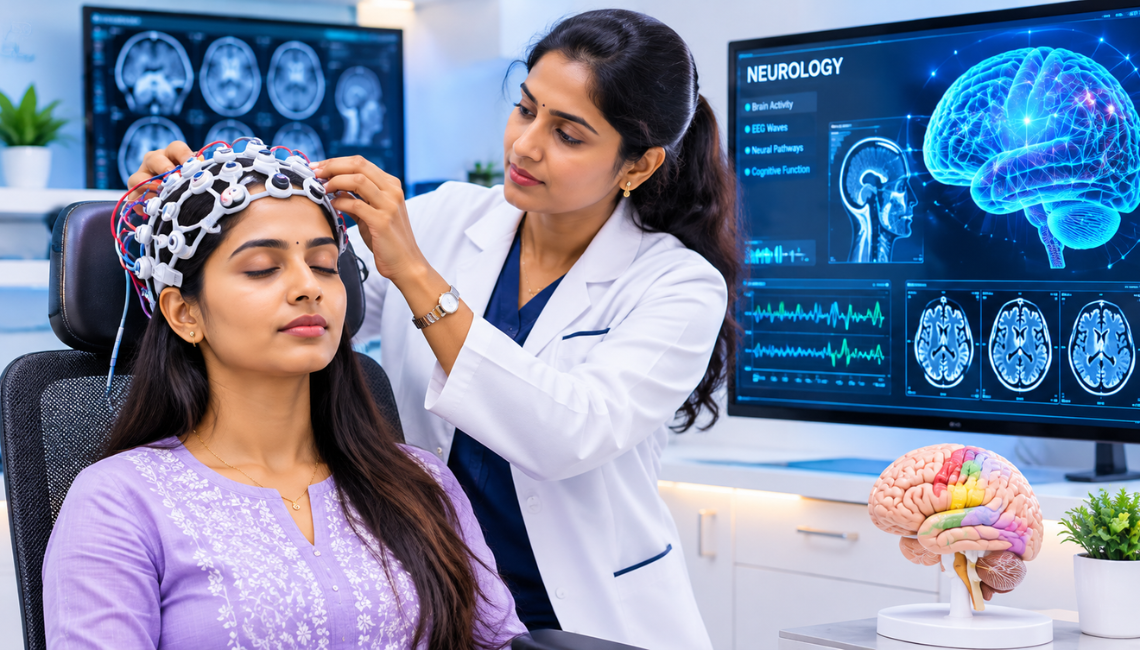
- Electroencephalogram (EEG)
- Blood investigations
- Functional neurological assessments
Every investigation is recommended only when clinically appropriate and interpreted alongside the patient's symptoms and examination findings.
Conditions We Commonly Evaluate
Our Neurology Department provides comprehensive evaluation and management for:
- Stroke
- Migraine
- Chronic headaches
- Epilepsy
- Parkinson's disease
- Peripheral neuropathy
- Vertigo
- Memory disorders
- Tremors
- Movement disorders
- Facial nerve disorders
- Neurological weakness
- Balance disorders
Each patient receives a personalised care plan designed around their diagnosis, lifestyle, and long-term neurological health.
Collaborative Neurological Care
Neurological disorders often involve multiple aspects of health. To provide comprehensive care, our neurologist works closely with specialists across different departments whenever required.
Our multidisciplinary approach includes collaboration with:
- Emergency & Trauma Care
- Intensive Care Unit (ICU)
- General Medicine
- Physiotherapy & Rehabilitation
- Radiology & Imaging
- Laboratory Services
- Nutrition & Dietetics
- Orthopaedics (for neurological mobility concerns)
This integrated model ensures continuity of care from diagnosis through long-term neurological management.
Did You Know?
Many neurological conditions develop gradually and may initially present with subtle symptoms such as mild numbness, occasional dizziness, or changes in balance. Seeking specialist evaluation at an early stage can help identify neurological disorders before they significantly affect daily activities, allowing for timely treatment and improved long-term outcomes.
Dr. S. Robert Wilson
Consultant – Neurology
Neurological disorders often require careful evaluation, accurate diagnosis, and continuous follow-up to achieve the best possible outcomes. At Deepam Hospitals, every patient receives personalised neurological care based on their symptoms, diagnosis, lifestyle, and long-term health goals.
Dr. S. Robert Wilson is a highly qualified neurologist with expertise in diagnosing and managing disorders affecting the brain, spinal cord, peripheral nerves, and muscles. His patient-centred approach combines detailed neurological assessment with evidence-based treatment planning to help patients manage neurological conditions, improve daily functioning, and maintain a better quality of life.
He believes that every neurological condition requires an individualised care plan supported by continuous monitoring, patient education, and coordinated multidisciplinary care whenever needed.
Your Neurology Care Journey
Neurological conditions can vary greatly from one person to another. Our structured care pathway ensures every patient receives a thorough evaluation, clear diagnosis, and personalised treatment plan.
Step 1 — Understanding Your Symptoms
Your consultation begins with a detailed discussion about your symptoms, medical history, family history, medications, previous illnesses, and how your condition affects your daily life.
Step 2 — Comprehensive Neurological Examination
A systematic neurological examination helps assess muscle strength, sensation, reflexes, coordination, balance, cranial nerve function, memory, speech, and cognitive abilities.
Step 3 — Diagnostic Planning
When clinically indicated, appropriate neurological investigations are recommended to confirm the diagnosis and understand the underlying cause of the condition.
Step 4 — Personalised Management Plan
Based on the findings, a treatment plan is created to address the patient's specific neurological condition, functional needs, and long-term health goals. Patients receive clear guidance regarding treatment options, follow-up schedules, and lifestyle recommendations.
Step 5 — Long-Term Monitoring
Many neurological disorders require periodic review. Regular follow-up appointments allow ongoing assessment, treatment adjustments when necessary, and monitoring of neurological function over time.
Living Well with a Neurological Disorder
Many neurological conditions can be successfully managed with consistent medical care, healthy lifestyle choices, and regular follow-up. While every condition is different, maintaining a proactive approach to health often helps improve function and independence.
Patients are encouraged to:
- Take prescribed medications regularly
- Attend scheduled follow-up visits
- Report new or worsening symptoms promptly
- Stay physically active within medical advice
- Maintain adequate sleep
- Follow a balanced diet
- Control blood pressure, diabetes, and cholesterol
- Avoid smoking and excessive alcohol intake
Good long-term disease management contributes to improved neurological health and overall wellbeing.
Daily Brain Health Checklist
Every Day
- Stay physically active
- Eat a nutritious, balanced diet
- Breastfeeding support
- Keep well hydrated
- Get adequate sleep
- Challenge your brain through reading, puzzles, or learning
- Take medications as prescribed
- Manage stress effectively
- Monitor chronic health conditions
These simple daily habits help support healthy brain function and may reduce the risk of future neurological complications.
Recovery & Ongoing Neurological Support
Recovery from a neurological condition varies depending on the diagnosis, severity of illness, age, and overall health. Some patients recover completely, while others benefit from ongoing rehabilitation and long-term neurological care.
Recovery often involves:
- Regular neurological assessments
- Monitoring symptom progression
- Medication review
- Functional improvement
- Rehabilitation support
- Lifestyle modification
- Family education
- Periodic follow-up
The objective is to maximise independence, improve quality of life, and support long-term neurological wellbeing.
Maintaining Brain Health Across Every Stage of Life
Brain health is influenced by lifestyle, medical conditions, genetics, and ageing. Preventive healthcare plays an important role in preserving memory, movement, and cognitive function throughout life.
Healthy practices include:
- Maintaining a healthy weight
- Regular cardiovascular exercise
- Managing blood pressure
- Controlling diabetes
- Avoiding tobacco use
- Limiting alcohol consumption
- Staying socially connected
- Engaging in lifelong learning
- Seeking prompt medical care for neurological symptoms
Looking after brain health today contributes to healthier ageing tomorrow.
Frequently Asked Questions
A neurologist should be consulted when symptoms involve the brain, spinal cord, nerves, or muscles, such as seizures, persistent headaches, tremors, weakness, numbness, balance problems, or memory changes.
No. Many headaches are related to common conditions such as stress or sinus problems. However, severe, persistent, or unusual headaches should be medically evaluated to rule out neurological causes.
Sudden facial drooping, weakness of one side of the body, difficulty speaking, loss of balance, or sudden vision changes require immediate emergency medical attention
Not all neurological diseases are preventable, but controlling blood pressure, diabetes, cholesterol, avoiding smoking, exercising regularly, and maintaining a healthy lifestyle may reduce the risk of several neurological conditions.
Some neurological disorders require regular monitoring to assess symptom progression, treatment response, and overall neurological health. Your neurologist will advise an appropriate follow-up schedule.
Diagnosis is based on a detailed medical history, neurological examination, and when necessary, specialised investigations such as imaging studies, EEG, nerve conduction studies, or laboratory tests.
TYes. Rehabilitation, including physiotherapy and other supportive therapies, often helps improve movement, coordination, balance, strength, and independence after certain neurological conditions.
Seek immediate medical attention if you experience sudden weakness, facial drooping, seizures, loss of consciousness, severe unexplained headache, sudden vision loss, or difficulty speaking.
Medical Disclaimer
The information provided on this page is intended for educational purposes only and should not replace professional medical advice, diagnosis, or treatment. Neurological disorders vary widely in severity and presentation, and treatment recommendations should always be based on an individual clinical assessment. If you experience sudden weakness, seizures, facial drooping, severe headache, difficulty speaking, loss of consciousness, or any other neurological emergency, seek immediate medical attention without delay.
Take the Next Step Towards Better Neurological Health
Changes in memory, movement, sensation, balance, or coordination should never be ignored. Whether you are experiencing new neurological symptoms or require ongoing management for an existing condition, timely specialist care can make a meaningful difference in your health and quality of life.
Consult Dr. S. Robert Wilson, Consultant Neurologist, at Deepam Hospitals near Urapakkam for a comprehensive neurological evaluation and personalised care plan designed to support your long-term brain, spine, and nerve health.
Contact Us