- For appointment (+91) 97904 97905
Plastic Surgery Hospital Near Urapakkam
Specialised Plastic Surgery for Reconstruction, Restoration & Personalised Care
Plastic surgery is a specialised medical field focused on restoring, repairing, reconstructing, and improving the function and appearance of different parts of the body. It plays an important role in helping patients recover from injuries, burns, congenital conditions, surgical procedures, and other physical changes that may affect function, confidence, or quality of life.
Contrary to the common belief that plastic surgery is only about cosmetic procedures, the specialty also includes reconstructive surgery, which can help restore damaged tissues, improve physical function, and support recovery after trauma or medical conditions. Plastic surgeons may work with patients requiring reconstruction following injuries, burns, congenital abnormalities, or other conditions that affect the body's structure and function.
At Deepam Hospitals near Urapakkam, the Department of Plastic Surgery provides personalised consultations and comprehensive care based on each patient's individual medical needs and treatment goals. The approach begins with understanding the patient's concerns, medical history, physical condition, and expected outcomes before developing an appropriate treatment plan.
Our Plastic Surgery Department is led by Dr. Dinesh K R, MBBS, MS, MCh, who provides specialist evaluation and personalised guidance for patients seeking plastic surgical care.
Plastic surgery may involve different approaches depending on the patient's condition. Some individuals may require reconstructive care to restore form and function after an injury or medical condition, while others may seek aesthetic consultation for concerns related to their appearance. The suitability of any procedure depends on a detailed clinical assessment and individual health factors.
Deepam Hospitals serves patients from Urapakkam, Guduvanchery, Kilambakkam, Perungalathur, Vandalur, Mannivakkam, Mudichur, Maraimalai Nagar, Tambaram, and surrounding areas, offering access to specialist medical care within a multispeciality healthcare environment.
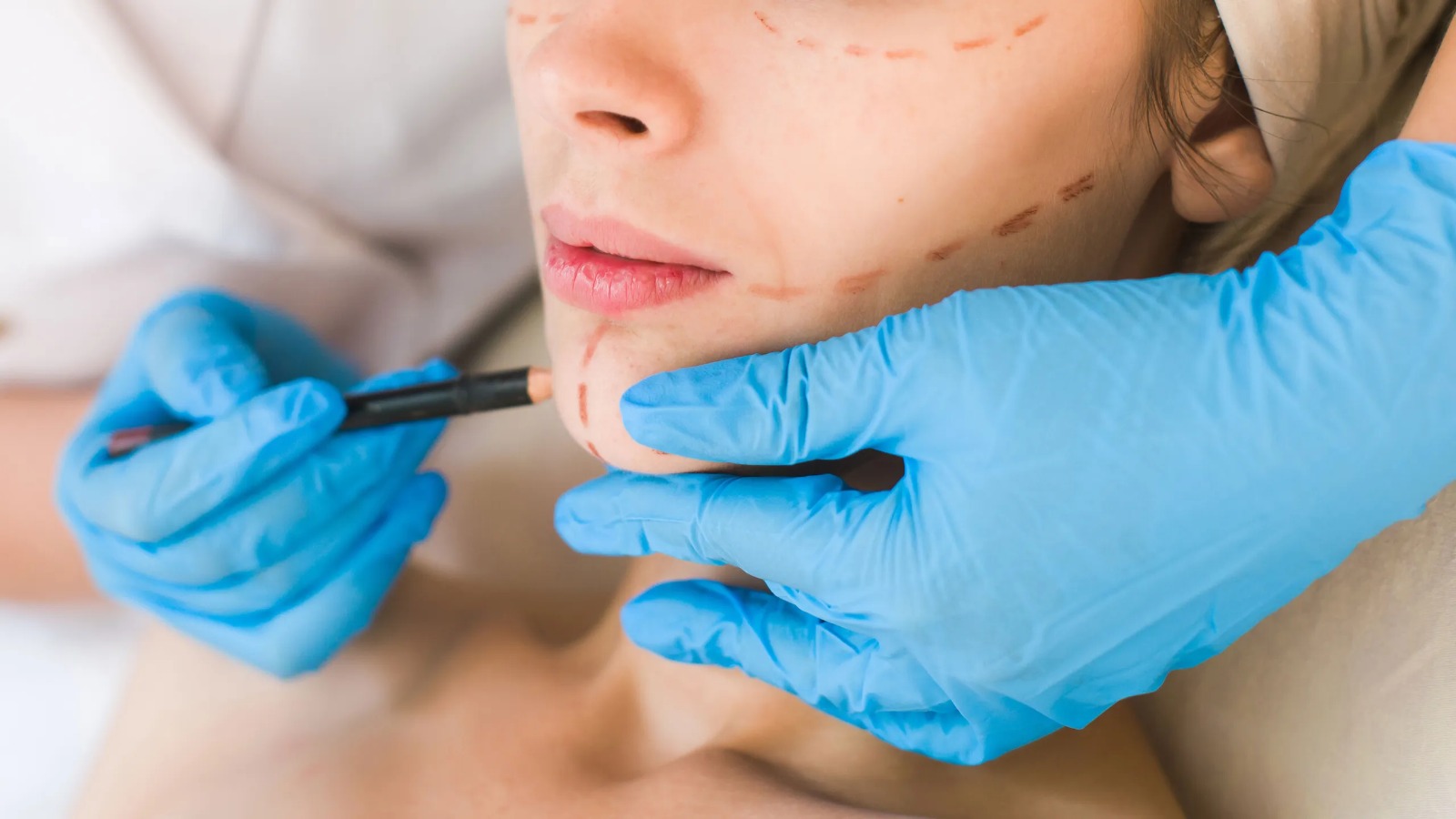
Deepam Hospitals near Urapakkam offers specialised Plastic Surgery consultations under Dr. Dinesh K R (MBBS, MS, MCh). Plastic Surgery focuses on reconstructive and aesthetic care, helping patients address physical concerns related to injuries, burns, congenital conditions, medical procedures, and appearance. Treatment recommendations are personalised following a detailed medical evaluation and consultation.
Quick Answers at a Glance
What is Plastic Surgery?
Plastic Surgery is a specialised surgical field that focuses on repairing, reconstructing, restoring, or reshaping body tissues to improve physical function and, when appropriate, appearance.
Is Plastic Surgery only for cosmetic purposes?
No. Plastic Surgery includes both reconstructive and aesthetic care. Reconstructive procedures may help restore function and physical structures affected by injury, burns, congenital conditions, or medical treatment.
When should I consult a Plastic Surgeon?
A consultation may be appropriate if you require reconstruction after an injury or burn, have a congenital physical concern, need tissue repair, or wish to discuss an aesthetic concern with a qualified specialist.
Is Plastic Surgery suitable for everyone?
Not every procedure is suitable for every individual. A Plastic Surgeon evaluates your overall health, medical history, physical condition, expectations, and treatment goals before recommending an appropriate approach.
What happens during a Plastic Surgery consultation?
The consultation generally involves discussing your concerns, reviewing your medical history, performing a clinical assessment, explaining suitable treatment options, and discussing potential benefits, risks, and expected recovery.
How do I know which Plastic Surgery procedure is right for me?
The appropriate procedure depends on your individual condition and goals. A qualified Plastic Surgeon can assess your needs and explain whether surgical or non-surgical options may be suitable.
Key Takeaways
- Plastic Surgery includes both reconstructive and aesthetic care
- Reconstructive procedures may help restore form and function after injuries, burns, or medical conditions
- Aesthetic consultations focus on individual concerns regarding physical appearance
- Every patient's treatment plan should be based on a personalised medical evaluation
- A detailed consultation helps patients understand available options, expected outcomes, and possible risks
- Plastic Surgery may involve collaboration with other medical specialties when patients have complex healthcare needs
- Early specialist evaluation can help determine the most appropriate treatment pathway
Why Choose Deepam Hospitals
Choosing a Plastic Surgery department requires careful consideration of clinical expertise, patient safety, appropriate evaluation, and access to supporting medical services. At Deepam Hospitals, patients receive specialist consultation within a multispeciality healthcare environment where individual medical needs can be assessed comprehensively.
Our Approach to Plastic Surgical Care
- Specialist Plastic Surgery consultation
- Individualised assessment for every patient
- Focus on appropriate treatment selection
- Reconstructive and aesthetic care guidance
- Clear discussion of treatment expectations
- Multispeciality medical support when required
- Personalised pre-treatment evaluation
- Follow-up planning based on individual needs
The goal is to ensure that every patient understands their treatment options and makes an informed decision in consultation with a qualified specialist.
Reconstructive & Aesthetic Plastic Surgery: Understanding the Difference
Plastic Surgery broadly includes two important areas of care: reconstructive surgery and aesthetic surgery. Although both involve specialised surgical techniques, their primary objectives can differ.
Reconstructive Plastic Surgery
Reconstructive procedures are generally performed to restore or improve the function and structure of body tissues affected by:
- Accidental injuries
- Burns
- Congenital conditions
- Tissue damage
- Medical or surgical treatment
- Structural abnormalities
The primary objective is often to restore physical function and reconstruct affected areas.
Aesthetic Plastic Surgery
Aesthetic procedures are focused on addressing concerns related to physical appearance. Treatment decisions are highly individual and should be based on realistic expectations, overall health, and professional medical advice.
A consultation allows patients to understand:
- Available options
- Expected outcomes
- Possible limitations
- Potential risks
- Recovery requirements
- Whether the procedure is medically appropriate
Did You Know?
Plastic Surgery is not limited to cosmetic enhancement. Reconstructive Plastic Surgery can play an important role in restoring tissue structure and function following injuries, burns, congenital conditions, and certain medical treatments.
When Should You Consult a Plastic Surgeon?
Consider consulting a qualified Plastic Surgeon if you have:
- A physical injury requiring tissue reconstruction
- Scarring following an injury or surgery
- Burns requiring specialised surgical assessment
- A congenital structural concern
- Tissue loss or damage
- A physical condition affecting function
- A concern about reconstructive treatment
- An aesthetic concern you would like professionally evaluated
- Questions about whether surgery may be appropriate for your condition
A specialist consultation does not necessarily mean surgery is required. The purpose of the evaluation is to understand your concern and determine the most appropriate course of action.
Making an Informed Decision About Plastic Surgery
Plastic Surgery is a highly individualised field, and every patient's circumstances are different. A successful treatment plan begins with realistic expectations, an understanding of potential outcomes, and open communication between the patient and surgeon.
Before considering any procedure, patients should discuss:
- Their primary concern
- Medical and surgical history
- Existing health conditions
- Current medications
- Expected results
- Potential risks and complications
- Recovery requirements
- Alternative treatment options
An informed consultation allows patients to make decisions based on professional medical advice rather than assumptions or unrealistic expectations.
Your Health & Safety Come First
Plastic Surgery requires careful patient selection, appropriate surgical planning, and professional medical supervision. At Deepam Hospitals, the focus is on understanding each patient's individual needs and recommending treatment only when clinically appropriate.
Whether the goal is reconstruction following an injury or discussing an aesthetic concern, the first step is always a comprehensive consultation with a qualified Plastic Surgeon.
Related Medical Support
Plastic Surgery may require collaboration with other departments depending on the patient's condition. When necessary, care may involve coordination with:
- Emergency & Trauma Care
- General Surgery
- Orthopaedics
- Dermatology
- Anaesthesiology
- Radiology & Imaging
- Physiotherapy & Rehabilitation
- Wound Care Services
This multidisciplinary approach can be particularly valuable for patients with complex injuries, trauma, or conditions requiring coordinated medical management.
Understanding the Role of Plastic Surgery
Plastic Surgery is a broad surgical specialty that addresses conditions involving the skin, soft tissues, and other structures of the body. Depending on the patient's needs, treatment may focus on restoring function, repairing damaged tissues, reconstructing affected areas, or addressing specific aesthetic concerns.
The specialty can be broadly understood through two areas:
- Reconstructive Plastic Surgery – focuses on restoring form and function affected by injury, burns, congenital conditions, tissue loss, or medical treatment
- Aesthetic Plastic Surgery – focuses on addressing individual concerns related to physical appearance and body features
Although these areas have different objectives, both require careful assessment, surgical planning, and realistic expectations.
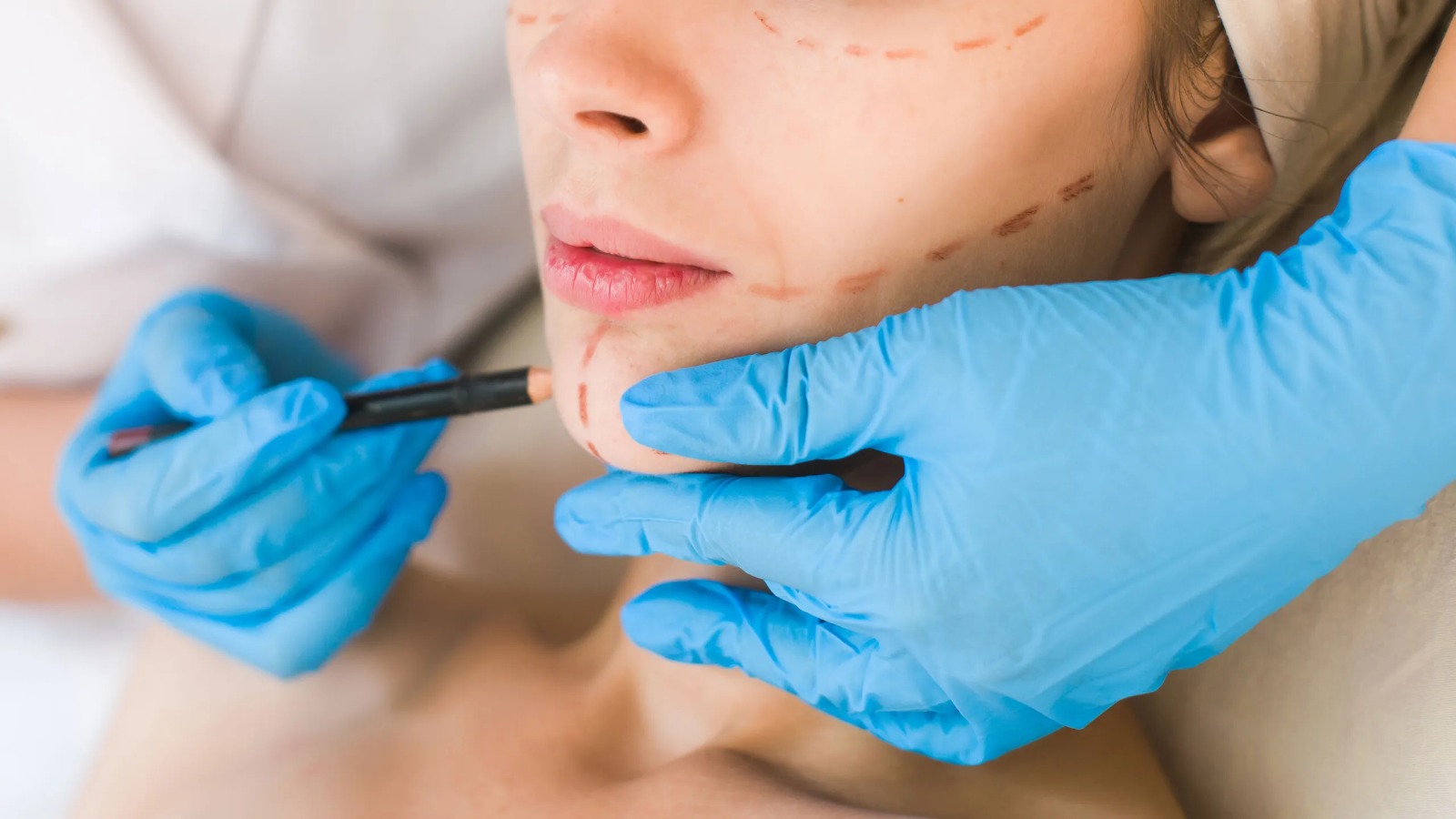
Reconstructive Plastic Surgery After Injury
Accidents and traumatic injuries can sometimes cause damage to the skin, soft tissues, and other structures. Depending on the severity and location of the injury, specialised reconstructive care may be required to support healing and restore function.
Reconstructive evaluation may be considered following:
- Road traffic accidents
- Workplace injuries
- Severe cuts or lacerations
- Soft tissue damage
- Burns
- Traumatic tissue loss
- Complex wounds
The appropriate approach depends on the extent of the injury, the patient's overall health, and the tissues involved.
Understanding Burn-Related Injuries
Burn injuries can range from minor superficial damage to more complex injuries involving deeper tissues. Severe burns may affect movement, healing, and the appearance of the affected area.
Depending on the nature of the injury, patients may require specialised assessment for:
- Wound healing
- Scar formation
- Tissue damage
- Contractures affecting movement
- Functional limitations
- Long-term reconstructive needs
Early medical evaluation is important for significant burns, while patients with persistent functional or structural concerns after healing may benefit from specialist Plastic Surgery assessment.
Scars & Their Impact
Scarring is a natural part of the body's healing process following injuries, burns, infections, or surgery. While many scars gradually become less noticeable over time, some may remain prominent or cause physical discomfort and restricted movement.
Scar-related concerns may include:
- Raised scars
- Thickened scars
- Contracted scars
- Scars affecting movement
- Scars following burns
- Scars after trauma
- Scars causing functional limitations
Not every scar requires surgical treatment. A Plastic Surgeon can evaluate the scar and determine whether observation, non-surgical management, or reconstructive intervention may be appropriate.
Congenital Conditions & Structural Concerns
Some individuals are born with structural differences or congenital conditions that may affect physical appearance or function. Depending on the condition, Plastic Surgery may play a role in reconstructive treatment as part of a broader medical care plan.
Assessment may help determine:
- The nature of the structural concern
- Its impact on function
- The appropriate timing of treatment
- Whether reconstruction is indicated
- Whether other specialists should be involved
Treatment decisions are highly individual and depend on the patient's age, health, condition, and specific needs.
Factors That Influence Plastic Surgery Treatment
The decision to undergo Plastic Surgery involves more than the procedure itself. Several factors are considered before recommending any surgical intervention.
These may include:
- Overall physical health
- Existing medical conditions
- Previous surgeries
- Current medications
- Smoking or tobacco exposure
- Healing capacity
- Nature and severity of the condition
- Patient expectations
- Recovery requirements
- Potential risks and complications
A thorough evaluation allows the surgeon to determine whether a particular treatment is appropriate and safe for the individual patient.
When Is Reconstructive Care Considered?
Reconstructive Plastic Surgery may be considered when a physical condition affects the structure or function of a particular body area.
Potential situations include:
- Significant tissue damage
- Severe scars affecting movement
- Burn-related contractures
- Traumatic tissue loss
- Congenital structural differences
- Reconstruction following certain medical treatments
- Functional problems caused by tissue changes
The primary objective is to restore or improve function and structure wherever medically possible.
Understanding Aesthetic Plastic Surgery
Aesthetic Plastic Surgery focuses on individual concerns related to physical appearance. Decisions regarding aesthetic procedures are personal and should always be made after a professional consultation.
A proper consultation helps patients understand:
- Whether their concern can be addressed surgically
- What results may realistically be expected
- Whether non-surgical alternatives exist
- Potential risks and limitations
- Recovery requirements
- The possibility of additional procedures
Every individual has different anatomy and healing characteristics, so outcomes can vary between patients.
Warning Signs That May Require Specialist Assessment
Certain physical changes or complications should not be ignored, particularly when they affect function or continue to worsen.
Consider seeking specialist evaluation if you experience:
- A wound that is not healing as expected
- Significant scarring after an injury
- Scar tissue restricting movement
- Persistent changes following a burn
- Tissue damage after trauma
- A structural abnormality affecting function
- Persistent swelling around a healed injury
- Changes that cause difficulty with normal movement
- Concerns following previous reconstructive surgery
Early assessment can help determine whether further treatment or monitoring is appropriate.
Plastic Surgery Care Snapshot
Specialist Evaluation
Purpose
To assess structural, functional, reconstructive, or aesthetic concerns and determine the most appropriate treatment pathway.
Who May Benefit?
- Patients with post-traumatic tissue damage
- Individuals with significant scars
- Patients recovering from burns
- People with congenital structural concerns
- Individuals seeking professional advice about aesthetic concerns
Assessment May Consider
- Medical history
- Physical examination
- Previous treatments
- Functional limitations
- Overall health
- Individual expectations
Goal
To develop a safe, realistic, and personalised approach based on the patient's specific needs.
Common Concerns & Why Specialist Evaluation Matters
| Concern | Why Professional Assessment May Be Important |
|---|---|
| Post-traumatic tissue damage | Helps determine the extent of structural injury and appropriate reconstructive options |
| Significant scarring | Identifies whether the scar is primarily cosmetic or causing functional limitations |
| Burn-related changes | Evaluates healing, scar contractures, and possible effects on movement |
| Congenital structural differences | Helps assess functional impact and determine whether reconstruction may be appropriate |
| Non-healing wounds | May require evaluation to identify underlying factors affecting healing |
| Post-surgical concerns | Allows assessment of healing and determines whether further management is required |
| Aesthetic concerns | Provides realistic information about potential treatment options, limitations, and risks |
Why Early Specialist Assessment Can Matter
Some reconstructive concerns become more difficult to manage when treatment is delayed, particularly when scar tissue begins to restrict movement or when wounds fail to heal appropriately.
Early specialist assessment may help:
- Identify problems affecting healing
- Evaluate functional limitations
- Plan appropriate reconstructive care
- Address scar-related restrictions
- Coordinate treatment with other specialties
- Set realistic expectations
- Reduce unnecessary delays in care
However, the ideal timing of Plastic Surgery intervention varies significantly depending on the patient's condition. A specialist evaluation is the best way to determine the appropriate timing.
Preparing for a Plastic Surgery Consultation
Patients can make their consultation more productive by preparing relevant information before their appointment.
It may be helpful to bring:
- Previous medical records
- Details of earlier surgeries
- Relevant imaging reports
- List of current medications
- Information about allergies
- Details of previous injuries or burns
- Questions about treatment and recovery
Patients should also openly discuss their expectations and concerns. Clear communication helps the surgeon understand the patient's priorities and provide appropriate guidance.
A Personalised Approach to Plastic Surgery
There is no single treatment that is suitable for every patient. The same type of injury, scar, or structural concern may require different approaches depending on the individual's anatomy, medical history, healing capacity, and functional requirements.
For this reason, Plastic Surgery should always begin with a detailed consultation rather than selecting a procedure based solely on photographs, online information, or another person's experience.
A specialist assessment helps ensure that treatment recommendations are based on individual clinical needs, safety considerations, and realistic expectations.
Comprehensive Plastic Surgery Consultation
The first step in Plastic Surgery is a detailed specialist consultation. At Deepam Hospitals near Urapakkam, the assessment is centred on understanding the patient's specific concern, medical background, physical condition, and desired treatment goals.
During the consultation, the Plastic Surgeon may assess:
- The nature and extent of the concern
- Previous medical and surgical history
- Existing health conditions
- Previous injuries or treatments
- Functional limitations
- Skin and soft tissue condition
- Individual expectations
- Suitability for surgical intervention
Based on the evaluation, the surgeon can explain suitable treatment approaches, expected outcomes, possible risks, recovery requirements, and alternatives where appropriate.
Reconstructive Plastic Surgery
Reconstructive Plastic Surgery focuses on restoring or improving the structure and function of tissues affected by injury, burns, congenital conditions, or other medical circumstances.
The treatment approach may be considered for patients experiencing:
- Tissue loss
- Post-traumatic defects
- Significant scarring
- Burn-related deformities
- Functional limitations
- Structural abnormalities
- Complex wound-related concerns
The objective of reconstructive care is to achieve the best possible functional and structural outcome while considering the patient's overall health and individual circumstances.
Plastic Surgery for Trauma-Related Injuries
Severe trauma can result in injuries involving the skin and soft tissues that may require specialised reconstructive attention after initial emergency care.
Plastic Surgery may form part of a multidisciplinary treatment plan for selected patients with:
- Complex soft tissue injuries
- Significant lacerations
- Tissue loss
- Extensive wounds
- Post-traumatic defects
- Injuries affecting functional movement
The timing and type of reconstructive intervention depend on the severity of the injury and the patient's overall clinical condition.
Burn Reconstruction & Post-Burn Care
Burn injuries can sometimes result in long-term scars, contractures, and changes that affect movement or physical function. After the initial burn has healed, some patients may require specialist evaluation to address persistent structural or functional concerns.
Plastic Surgery assessment may help evaluate:
- Post-burn scarring
- Scar contractures
- Restricted movement
- Changes in tissue flexibility
- Functional limitations
- Reconstructive requirements
Treatment planning is individualised according to the location, severity, and impact of the burn-related changes.
Scar Revision & Scar-Related Concerns
Some scars may become raised, thickened, contracted, or uncomfortable, while others may affect movement or function. Plastic Surgery consultation can help determine whether further management is appropriate.
Depending on the nature of the scar, treatment planning may consider:
- Scar characteristics
- Location
- Age of the scar
- Effect on movement
- Previous scar treatments
- Functional impact
- Patient expectations
Not all scars require surgery, and the most appropriate approach is determined after clinical evaluation.
Management of Soft Tissue Defects
Damage to the skin and underlying soft tissues can occur due to accidents, burns, infections, or medical procedures. When tissue loss affects the structure or function of an area, reconstructive Plastic Surgery may be considered.
The treatment strategy depends on:
- Size of the affected area
- Location of tissue loss
- Depth of the defect
- Condition of surrounding tissues
- Patient's overall health
- Functional requirements
The primary goal is to restore tissue coverage and support the best possible functional recovery.
Reconstructive Care for Functional Improvement
Plastic Surgery is not solely concerned with appearance. In selected cases, reconstruction can help improve physical function affected by scarring, tissue damage, or structural changes.
Functional concerns may include:
- Restricted joint movement
- Tight scar tissue
- Difficulty with normal movement
- Structural changes after injury
- Tissue damage affecting daily activities
Treatment planning focuses on addressing the underlying structural problem while considering the patient's functional goals.
Aesthetic Plastic Surgery Consultation
Patients who are considering an aesthetic procedure can discuss their concerns with a qualified Plastic Surgeon during a detailed consultation.
The consultation may cover:
- The patient's specific concern
- Available treatment approaches
- Expected outcomes
- Individual anatomical factors
- Possible limitations
- Potential risks
- Recovery requirements
- Alternative options
The purpose of the consultation is to help patients make an informed decision based on realistic expectations rather than promising a particular result.
Individualised Treatment Planning
No two patients have exactly the same anatomy, medical history, healing response, or treatment goals. For this reason, Plastic Surgery requires a personalised approach.
Treatment planning may consider:
- Age
- General health
- Medical history
- Previous procedures
- Nature of the condition
- Functional requirements
- Skin and tissue quality
- Recovery expectations
The final treatment recommendation is made only after a complete specialist assessment.
Pre-Surgical Evaluation
When surgery is considered appropriate, patients may undergo a pre-operative assessment to determine their readiness for the procedure.
Depending on the planned surgery and individual health status, evaluation may include:
- Medical history review
- Physical examination
- Medication review
- Allergy assessment
- Relevant laboratory investigations
- Anaesthesia evaluation
- Risk assessment
This process helps identify potential health concerns and supports safer surgical planning.
Post-Surgical Monitoring & Follow-Up
After a Plastic Surgery procedure, follow-up care is an important part of the overall treatment pathway. Regular reviews allow the medical team to monitor healing and identify concerns at an early stage.
Follow-up may involve:
- Wound assessment
- Healing evaluation
- Scar monitoring
- Infection surveillance
- Functional assessment
- Dressing or wound care guidance
- Recovery progress review
The frequency and duration of follow-up depend on the type of procedure and individual recovery.
Multidisciplinary Plastic Surgery Care
Certain reconstructive cases may require coordinated care involving multiple medical specialties. At Deepam Hospitals, Plastic Surgery can work alongside other departments when a patient's condition requires comprehensive medical management.
Depending on individual needs, multidisciplinary support may involve:
- Emergency & Trauma Care
- General Surgery
- Orthopaedics
- Dermatology
- Anaesthesiology
- Radiology & Imaging
- Physiotherapy & Rehabilitation
- Wound Care
Collaborative care can be particularly valuable for complex injuries, trauma, burns, and patients with multiple medical needs.
Plastic Surgery Care Pathway
| Stage | What Happens | Primary Objective |
|---|---|---|
| Specialist Consultation | Patient's concern and medical history are reviewed | Understand individual needs |
| Clinical Assessment | Physical condition and functional concerns are evaluated | Determine the underlying problem |
| Treatment Planning | Suitable options and alternatives are discussed | Create an individualised care plan |
| Pre-Surgical Evaluation | Health and surgical readiness are assessed | Support safe treatment planning |
| Procedure or Treatment | The recommended intervention is performed when appropriate | Address the identified concern |
| Follow-Up | Healing and recovery are monitored | Support safe recovery and functional outcomes |
What to Expect From Your Treatment Plan
Every Plastic Surgery treatment plan should clearly explain the expected process before proceeding. Patients are encouraged to discuss their concerns openly and ask questions about their proposed treatment.
Your consultation may help you understand:
- Why a particular treatment is being recommended
- Whether non-surgical options are available
- What the procedure involves
- Potential risks and complications
- Expected recovery time
- Follow-up requirements
- Possible limitations of treatment
- Realistic expected outcomes
Understanding these factors helps patients make informed healthcare decisions.
A Safe & Individualised Approach to Surgical Care
Plastic Surgery requires careful planning because each patient's physical characteristics, medical history, and healing response are different. At Deepam Hospitals, treatment recommendations are based on individual clinical evaluation rather than a one-size-fits-all approach.
The focus is on selecting an appropriate treatment pathway, explaining realistic expectations, and providing medical support throughout the patient's care journey.
Meet Your Plastic Surgeon
Plastic Surgery requires a combination of surgical expertise, careful planning, and a clear understanding of each patient's individual needs. A detailed consultation helps ensure that treatment decisions are based on the patient's medical condition, functional requirements, and realistic expectations.
Dr. Dinesh K R
Consultant – Plastic Surgery
Dr. Dinesh K R is a qualified Plastic Surgeon with MBBS, MS, and MCh qualifications. He provides specialist evaluation for patients seeking Plastic Surgery care, with an approach centred on understanding individual concerns and developing appropriate treatment plans.
During consultation, patients can discuss their medical history, previous injuries or procedures, reconstructive requirements, or aesthetic concerns. Treatment recommendations are made following appropriate clinical assessment, with attention to patient safety, realistic expectations, and individual healthcare needs.
Your Plastic Surgery Patient Journey
Every patient's experience is different, and the treatment pathway depends on the nature and complexity of the condition. A structured approach helps patients understand each stage of their care.
Step 1 – Initial Consultation
Your journey begins with an open discussion about your primary concern, previous medical history, existing conditions, and treatment expectations.
Step 2 – Personalised Assessment
The Plastic Surgeon evaluates the affected area and considers factors that may influence treatment, healing, and recovery.
Step 3 – Treatment Discussion
Suitable treatment options are explained, including the expected benefits, limitations, possible risks, and alternatives where applicable.
Step 4 – Individualised Care
If treatment or surgery is recommended, the care plan is developed according to your specific clinical requirements and overall health.
Step 5 – Follow-Up & Recovery
After treatment, follow-up appointments help monitor healing, evaluate progress, and address any concerns during the recovery period.
Recovery After Plastic Surgery
Recovery varies significantly depending on the type of procedure, the area treated, the patient's general health, and individual healing response. Following post-operative instructions carefully is an important part of achieving a safe recovery.
Patients may be advised to:
- Follow wound-care instructions
- Take prescribed medications as directed
- Keep scheduled follow-up appointments
- Avoid activities restricted by the surgeon
- Protect the treated area
- Maintain appropriate hygiene
- Follow recommendations regarding physical activity
- Report unusual symptoms promptly
Your surgeon will provide personalised guidance based on the procedure performed.
Post-Treatment Wound Care
Appropriate wound care is an important component of recovery after surgery or reconstructive treatment. Keeping the surgical area clean and following dressing instructions can support healthy healing.
Patients should:
- Follow dressing instructions carefully
- Avoid unnecessary handling of the wound
- Take prescribed medicines as directed
- Attend scheduled wound reviews
- Observe for unexpected changes
- Contact the medical team if concerning symptoms develop
Individual wound-care instructions may differ depending on the procedure and should always be followed as advised by the treating surgeon.
Supporting Healthy Scar Healing
Scars naturally form as the body repairs injured or surgically treated tissue. Their final appearance can vary depending on the location, depth of the wound, genetics, skin characteristics, and healing process.
After treatment, patients may be advised to:
- Follow the surgeon's wound-care instructions
- Protect healing skin from excessive sun exposure
- Avoid unnecessary tension on healing areas
- Attend follow-up appointments
- Follow recommended scar-care measures
Scar maturation can take time, and the appearance of a scar may continue to change during the healing process.
Returning to Daily Activities
The time required to resume normal activities depends on the type of Plastic Surgery procedure and the patient's recovery progress.
Your surgeon may provide guidance regarding:
- Returning to work
- Driving
- Physical exercise
- Lifting heavy objects
- Sports participation
- Personal care
- Exposure to sunlight
- Other routine activities
Patients should gradually resume activities according to medical advice rather than rushing the recovery process.
Long-Term Reconstructive Care
Some reconstructive conditions may require ongoing monitoring even after the initial treatment has been completed. Long-term follow-up can be particularly relevant for patients recovering from significant trauma, burns, or complex tissue injuries.
Continued care may help monitor:
- Functional improvement
- Scar maturation
- Tissue healing
- Movement restrictions
- Changes in reconstructed areas
- Need for additional treatment
The duration of follow-up varies according to the patient's condition and treatment pathway.
Maintaining Realistic Expectations
Plastic Surgery outcomes can vary from person to person. Factors such as anatomy, age, health, healing response, lifestyle, and the complexity of the condition can influence results.
A detailed consultation helps patients understand:
- What treatment can realistically achieve
- What improvements may be expected
- Possible limitations
- Potential risks
- Recovery requirements
- Whether additional treatment may be necessary
Having realistic expectations is an important part of making an informed decision about Plastic Surgery.
Frequently Asked Questions
Dr. Dinesh K R holds MBBS, MS, and MCh qualifications and provides specialist Plastic Surgery consultation.
No. Plastic Surgery includes reconstructive care as well as aesthetic procedures. Reconstructive surgery may help restore structure and function following injuries, burns, congenital conditions, or other medical circumstances.
Yes. If a scar is causing functional problems, discomfort, significant structural changes, or concerns about its appearance, a Plastic Surgeon can evaluate it and advise whether treatment is appropriate.
Depending on the nature of the injury, Plastic Surgery may help address certain post-burn scars, contractures, and functional limitations. The appropriate timing and treatment depend on individual clinical assessment.
No. Many wounds can heal with appropriate medical and wound care. Plastic Surgery consultation may be considered for complex wounds, significant tissue loss, or wounds requiring specialised reconstruction.
Recovery varies depending on the procedure, the patient's health, and the complexity of the condition. Your surgeon will provide personalised guidance about expected recovery and activity restrictions.
Not necessarily. Treatment may improve the appearance or function of certain scars, but complete removal of a scar cannot usually be guaranteed. The expected outcome depends on individual factors.
The best way to determine suitability is through a consultation with a qualified Plastic Surgeon. Your medical history, physical condition, expectations, and treatment goals will be evaluated before making a recommendation.
If relevant, bring previous medical records, surgical reports, imaging results, medication details, and information about previous injuries or treatments. You should also be prepared to discuss your primary concerns and expectations.
Seek prompt medical attention if you experience severe or rapidly worsening symptoms, significant bleeding, breathing difficulty, loss of consciousness, or other signs of a medical emergency. Follow your surgeon's specific post-operative instructions for concerns related to your procedure.
Related Medical Departments
Depending on your individual condition, Plastic Surgery care may involve coordination with:
- Emergency & Trauma Care
- General Surgery
- Orthopaedics
- Dermatology
- Anaesthesiology
- Radiology & Imaging
- Physiotherapy & Rehabilitation
- Wound Care Services
Medical Disclaimer
The information provided on this page is for general educational purposes and should not replace professional medical advice, diagnosis, or treatment. Plastic Surgery procedures and treatment options are highly individualised, and suitability can only be determined after an appropriate consultation and clinical assessment. Expected outcomes and recovery times may vary between patients. Please consult a qualified Plastic Surgeon for personalised medical advice. In case of a medical emergency, seek immediate medical attention.
Begin Your Plastic Surgery Consultation
Whether you are considering reconstructive care after an injury, seeking specialist evaluation for a scar or burn-related concern, or looking for professional guidance regarding an aesthetic concern, the first step is a detailed consultation.
At Deepam Hospitals near Urapakkam, Dr. Dinesh K R (MBBS, MS, MCh) provides specialist Plastic Surgery consultations to understand individual patient needs and guide them towards an appropriate treatment pathway.
Book a consultation to discuss your concerns, understand your options, and make an informed decision about your Plastic Surgery care.
Contact Us