- For appointment (+91) 97904 97905
Best Medical Oncology Hospital Near Urapakkam
Comprehensive Medical Oncology Care with Compassion, Expertise & Personalised Cancer Treatment
A cancer diagnosis can bring uncertainty, questions, and emotional challenges for both patients and their families. However, advances in medical oncology have transformed cancer care, offering more effective treatment options, personalised therapies, and improved outcomes than ever before. Early diagnosis, accurate staging, evidence-based treatment planning, and continuous supportive care all play a vital role in helping patients manage cancer while maintaining the best possible quality of life.
Medical oncology is a specialised branch of medicine dedicated to the diagnosis, treatment, and long-term management of cancer using medications such as chemotherapy, targeted therapy, immunotherapy, hormonal therapy, and other systemic treatments. Beyond treating cancer itself, medical oncologists help patients manage treatment-related side effects, monitor recovery, and provide ongoing care throughout every stage of the cancer journey.
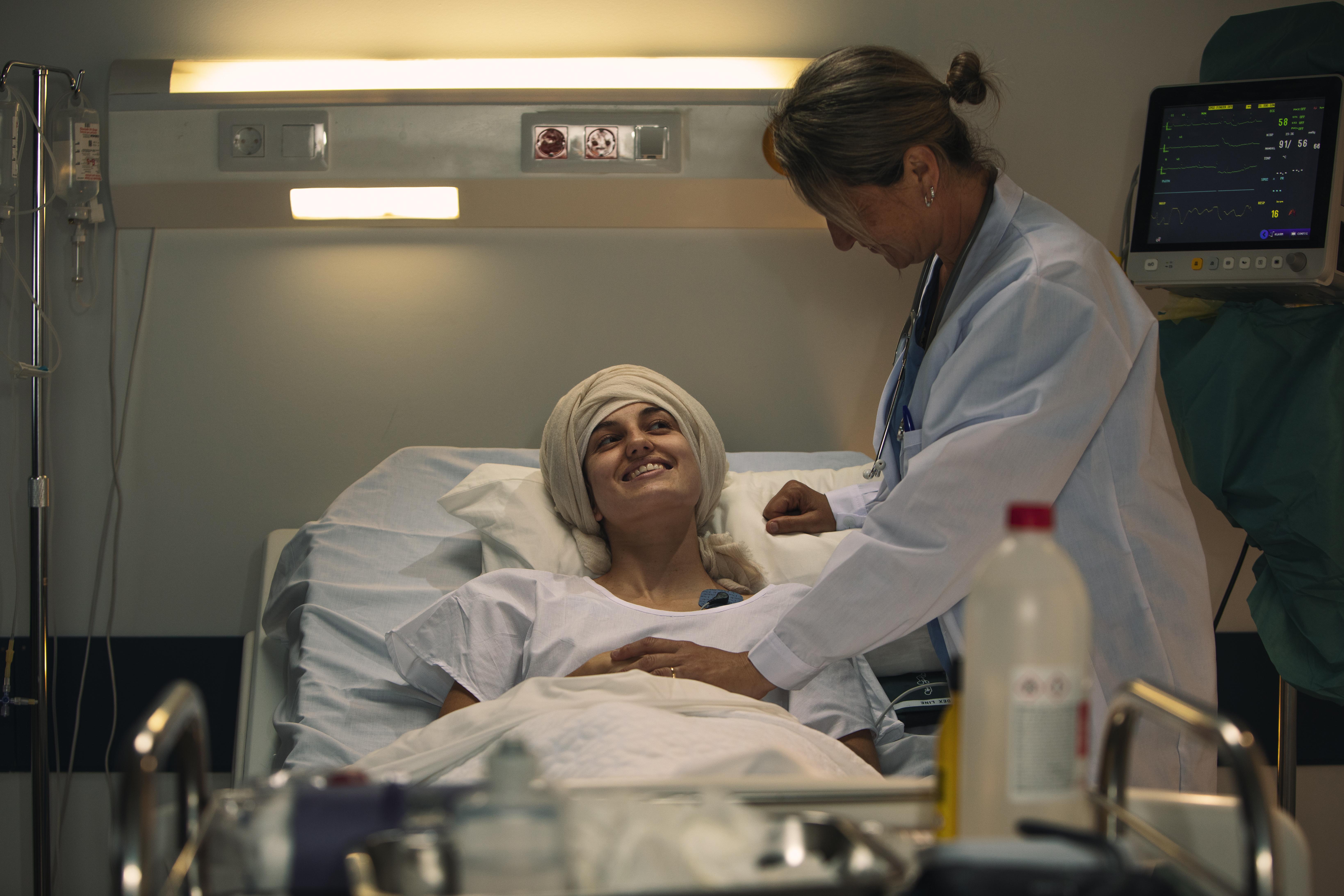
At Deepam Hospitals near Urapakkam, our Department of Medical Oncology provides comprehensive, patient-centred cancer care tailored to each individual's diagnosis, overall health, treatment goals, and personal needs. We believe that every patient deserves compassionate care, clear communication, and access to modern treatment approaches supported by clinical expertise and multidisciplinary collaboration.
Deepam Hospitals is a trusted healthcare network with multispeciality hospitals in Tambaram, Guduvanchery, and Singaperumal Koil (SP Koil), supported by healthcare centres in Perungalathur, Urapakkam, and Maraimalai Nagar.
Our oncology services are led by Dr. Vijay (MBBS, MD), Consultant – Medical Oncology, who provides personalised evaluation and evidence-based treatment planning for patients diagnosed with different types of cancer. Every treatment plan is carefully developed after considering the type of cancer, stage of disease, overall health, response to treatment, and the patient's individual goals.
Patients from Urapakkam, Kilambakkam, Guduvanchery, Perungalathur, Vandalur, Mannivakkam, Mudichur, Maraimalai Nagar, West Tambaram, and surrounding areas choose Deepam Hospitals for accessible, compassionate, and comprehensive oncology care delivered with dignity, respect, and clinical excellence.
Deepam Hospitals near Urapakkam provides comprehensive Medical Oncology services under the care of Dr. Vijay. Our department offers personalised cancer evaluation, chemotherapy, targeted therapy, immunotherapy, hormonal therapy, supportive cancer care, treatment monitoring, and multidisciplinary oncology services designed to improve treatment outcomes and enhance quality of life.
Quick Answers at a Glance
Medical Oncology Consultation
A medical oncologist evaluates your diagnosis, explains available treatment options, develops a personalised treatment plan, and coordinates your cancer care throughout every stage of treatment and follow-up.
Chemotherapy
Chemotherapy uses specialised medications to destroy cancer cells, slow tumour growth, or reduce the risk of cancer recurrence. Treatment schedules are carefully planned based on the type and stage of cancer.
Targeted Therapy
Targeted therapy works by attacking specific molecules or genetic changes involved in cancer growth, helping to treat certain cancers more precisely while minimising damage to healthy cells.
Immunotherapy
Immunotherapy helps strengthen the body's own immune system to recognise and fight certain types of cancer, offering an advanced treatment option for selected patients.
Supportive Cancer Care
Cancer care includes much more than treating the disease. Supportive care focuses on managing symptoms, improving comfort, maintaining nutrition, reducing treatment side effects, and enhancing overall wellbeing throughout treatment.
Long-Term Cancer Follow-up
Regular follow-up appointments help monitor treatment response, detect recurrence when applicable, manage long-term side effects, and support patients as they recover after cancer treatment.
Key Highlights
- Comprehensive Medical Oncology Services
- Personalised Cancer Treatment Plans
- Expert Care by Dr. Vijay
- Chemotherapy Services
- Targeted Therapy & Immunotherapy
- Supportive Cancer Care
- Individualised Treatment Monitoring
- Multidisciplinary Cancer Management
- Compassionate Patient-Centred Approach
- Easily Accessible for Patients Near Urapakkam
Why Choose Deepam Hospitals
Cancer treatment requires specialised medical expertise, careful planning, and continuous support throughout every stage of care. At Deepam Hospitals near Urapakkam, we combine evidence-based oncology care with personalised treatment planning to help patients receive comprehensive medical support in a compassionate environment.
Why Patients Choose Our Medical Oncology Department
- Experienced Medical Oncologist
- Personalised Cancer Treatment Plans
- Comprehensive Chemotherapy Services
- Advanced Systemic Cancer Therapies
- Multidisciplinary Cancer Care
- Individualised Treatment Monitoring
- Supportive Symptom Management
- Patient & Family Counselling
- Compassionate Clinical Care
- Convenient Access Near Urapakkam
Advancing Cancer Care with Personalised Treatment
Cancer treatment is not the same for every patient. Modern oncology focuses on developing treatment strategies that are tailored to the individual's diagnosis, stage of disease, overall health, and treatment goals. This personalised approach helps optimise outcomes while supporting the patient's physical and emotional wellbeing throughout the treatment journey.
At Deepam Hospitals, we believe in empowering patients through clear communication, shared decision-making, and coordinated multidisciplinary care. Our goal is to ensure that every patient receives the right treatment at the right time while maintaining the highest standards of safety, comfort, and clinical excellence.
Did You Know?
- Many cancers can be treated more effectively when diagnosed at an early stage.
- Modern cancer treatment often combines different therapies to improve treatment outcomes.
- Advances in targeted therapy and immunotherapy have expanded treatment options for many cancer types.
- Regular follow-up care is an important part of long-term cancer management after treatment is completed.
- Supportive care can help patients better manage treatment-related symptoms and maintain quality of life throughout therapy.
When Should You Consult a Medical Oncologist?
Early consultation with a medical oncologist helps patients understand their diagnosis, explore treatment options, and begin appropriate care without unnecessary delay.
You should consider consulting a medical oncologist if you:
- Have been diagnosed with cancer
- Require a second opinion regarding cancer treatment
- Need chemotherapy or systemic cancer therapy
- Have been advised to undergo targeted therapy or immunotherapy
- Experience recurrence of previously treated cancer
- Require ongoing cancer treatment monitoring
- Need supportive care during cancer treatment
- Have concerns regarding cancer treatment side effects
- Require long-term follow-up after completing treatment
Every Cancer Journey Deserves Individualised Care
Facing cancer can be challenging, but no patient should face it alone. Comprehensive oncology care combines medical expertise, advanced treatment options, compassionate support, and continuous follow-up to help patients navigate every stage of diagnosis, treatment, recovery, and survivorship.
At Deepam Hospitals near Urapakkam, we remain committed to delivering personalised Medical Oncology care that focuses not only on treating cancer but also on supporting the overall wellbeing of every patient and family entrusted to our care.
Related Cancer Care Services
Our Medical Oncology Department works closely with:
- General Medicine
- Diagnostic & Radiology
- Laboratory Services
- Nutrition & Dietetics
- Pain & Palliative Care
- General Surgery
- Emergency & Critical Care
This collaborative approach enables comprehensive cancer evaluation, treatment planning, supportive care, and long-term follow-up under one healthcare network.
Understanding Cancer
Cancer is a group of diseases in which abnormal cells grow uncontrollably and may spread to different parts of the body. Under normal circumstances, healthy cells grow, divide, and die in a controlled manner. However, when genetic changes occur, some cells continue to multiply without regulation, forming a mass called a tumour or affecting blood and bone marrow in cancers such as leukaemia.
Not all tumours are cancerous. Some are benign and do not spread, while malignant tumours have the potential to invade nearby tissues or spread to distant organs through the bloodstream or lymphatic system.
With advances in medical science, many cancers can now be treated successfully, especially when diagnosed early and managed with personalised treatment plans.
How Cancer Develops
Cancer develops through a series of changes in the body's cells over time. These changes may result from ageing, inherited genetic factors, environmental exposures, lifestyle habits, infections, or long-term inflammation. While not every risk factor can be prevented, understanding these influences encourages people to seek medical attention promptly when unusual symptoms appear.
The development of cancer is often gradual, which is why regular health check-ups and awareness of warning signs are important components of preventive healthcare.
Common Types of Cancer
Medical oncology plays a vital role in the treatment and long-term management of many different cancers affecting various organs of the body.
Some commonly treated cancers include:
- Breast cancer
- Lung cancer
- Colorectal cancer
- Stomach cancer
- Liver cancer
- Ovarian cancer
- Cervical cancer
- Prostate cancer
- Head and neck cancers
- Blood cancers (Leukaemia, Lymphoma, Multiple Myeloma)
- Pancreatic cancer
- Kidney cancer
Every cancer is unique, and treatment recommendations are based on the cancer type, stage, and the patient's overall health
Factors That May Increase Cancer Risk
Cancer can affect anyone, but certain factors may increase the likelihood of developing the disease. Having one or more risk factors does not necessarily mean a person will develop cancer, just as some individuals with cancer may have no obvious risk factors.
Common risk factors include:
- Increasing age
- Tobacco use
- Excessive alcohol consumption
- Family history of certain cancers
- Obesity
- Physical inactivity
- Unhealthy dietary habits
- Long-term exposure to harmful chemicals
- Excessive ultraviolet (UV) radiation
- Certain viral infections
- Chronic inflammation
- Environmental pollution
Adopting healthy lifestyle habits may help reduce the risk of several types of cancer.
Recognising Early Warning Signs
Cancer symptoms vary depending on the type and location of the disease. Many symptoms are not specific to cancer and may occur due to other medical conditions. However, persistent or unexplained symptoms should never be ignored.
Seek medical evaluation if you experience:
- Unexplained weight loss
- Persistent fatigue
- A lump or swelling
- Persistent cough or hoarseness
- Difficulty swallowing
- Changes in bowel or bladder habits
- Unusual bleeding or discharge
- Persistent pain without an obvious cause
- Changes in skin lesions or moles
- Non-healing wounds
- Persistent fever without infection
Early medical evaluation allows appropriate investigations to identify the underlying cause.
The Importance of Early Diagnosis
One of the most important factors influencing cancer outcomes is how early the disease is diagnosed. Detecting cancer before it spreads often provides more treatment options and may improve overall prognosis.
Early diagnosis can help:
- Begin treatment sooner
- Improve treatment response
- Reduce complications
- Increase treatment options
- Preserve organ function whenever possible
- Improve long-term quality of life
Routine health check-ups, cancer screening programmes, and prompt medical evaluation of unusual symptoms all contribute to earlier diagnosis.
Cancer Screening – A Proactive Approach
Cancer screening aims to identify certain cancers before symptoms appear or detect disease at an early stage when treatment may be more effective.
Depending on age, gender, family history, and individual risk factors, screening may include:
- Breast cancer screening
- Cervical cancer screening
- Colorectal cancer screening
- Prostate health evaluation
- Oral cancer examination
- Lung cancer screening for eligible individuals
Your doctor can recommend appropriate screening based on your personal health profile.
Cancer Care Snapshot
Early Cancer Evaluation
Purpose
To investigate suspicious symptoms, confirm a diagnosis, determine the stage of disease, and plan appropriate treatment.
Who May Benefit?
- Individuals with persistent unexplained symptoms
- Patients referred after abnormal test results
- People with a strong family history of cancer
- Patients requiring a second opinion
- Individuals diagnosed with cancer
Benefits
- Earlier diagnosis
- Personalised treatment planning
- Better understanding of treatment options
- Timely specialist care
- Improved treatment coordination
Common Warning Signs & Why Prompt Evaluation Matters
| Warning Sign | Why Medical Evaluation Is Important |
|---|---|
| Persistent unexplained weight loss | May indicate an underlying medical condition requiring investigation. |
| Lump or swelling | Helps determine whether the swelling is benign or requires further evaluation. |
| Persistent cough | Identifies underlying respiratory or other medical causes, including when further cancer assessment is appropriate. |
| Unusual bleeding | Early assessment helps identify the source and appropriate treatment. |
| Difficulty swallowing | Evaluates conditions affecting the food pipe, throat, or surrounding structures. |
| Non-healing ulcers or wounds | Persistent lesions should be assessed to determine the underlying cause. |
| Changes in bowel habits | May require investigation to identify gastrointestinal disorders. |
Why Timely Oncology Consultation Matters
A diagnosis of cancer can be overwhelming, but early consultation with a medical oncologist provides patients and families with the information and guidance needed to make informed decisions about treatment.
Timely oncology consultation helps:
- Confirm the diagnosis and staging
- Understand available treatment options
- Develop a personalised treatment strategy
- Coordinate care with other specialists
- Manage symptoms effectively
- Address questions and concerns
- Plan long-term follow-up after treatment
Modern oncology focuses not only on treating cancer but also on supporting patients physically, emotionally, and medically throughout every stage of care.
Personalised Cancer Evaluation & Treatment Planning
Every cancer diagnosis is unique, requiring an individualised treatment strategy based on the patient's medical condition and the characteristics of the disease. At Deepam Hospitals near Urapakkam, our Medical Oncology Department develops personalised treatment plans after carefully reviewing the type of cancer, stage of disease, pathology reports, imaging findings, previous treatments, and overall health status.
Our evaluation process includes:
- Comprehensive medical assessment
- Review of diagnostic reports
- Cancer staging evaluation
- Treatment suitability assessment
- Discussion of available treatment options
- Individualised treatment planning
- Ongoing treatment review
This personalised approach helps ensure that every patient receives treatment best suited to their clinical needs and long-term goals.
Chemotherapy Services
Chemotherapy remains one of the most effective treatments for many types of cancer. Depending on the diagnosis, chemotherapy may be recommended to destroy cancer cells, reduce tumour size, control disease progression, prevent recurrence, or improve treatment outcomes when combined with surgery or radiation therapy.
Our chemotherapy services include:
- Initial chemotherapy consultation
- Individualised chemotherapy protocols
- Day-care chemotherapy administration
- Treatment cycle monitoring
- Side-effect assessment
- Response evaluation
- Follow-up consultations
Every chemotherapy schedule is carefully planned and monitored to maximise effectiveness while supporting patient safety and comfort.
Oncology Treatment Snapshot – Chemotherapy
Purpose
To treat cancer using carefully selected anti-cancer medications tailored to the patient's diagnosis.
Recommended For
- Solid tumours
- Blood cancers
- Pre-surgical treatment
- Post-surgical treatment
- Advanced-stage cancers
- Recurrent cancers
Benefits
- Helps control cancer growth
- May reduce tumour size
- Supports long-term disease management
- Can reduce the risk of recurrence in selected cancers
- Forms part of comprehensive cancer treatment
Targeted Therapy
Targeted therapy represents an important advancement in cancer treatment by acting on specific molecules or genetic changes responsible for cancer growth. Unlike traditional treatments, targeted therapies are designed for patients whose cancers have particular biological characteristics.
Targeted therapy may be considered for selected cancers based on:
- Tumour biology
- Biomarker testing
- Genetic profiling
- Clinical evaluation
- Current treatment guidelines
Our oncologist carefully determines whether targeted therapy is an appropriate option after reviewing all relevant clinical information.
Immunotherapy
Immunotherapy is an innovative treatment approach that enhances the body's natural immune system to recognise and attack cancer cells. It has become an important treatment option for several cancers and may be recommended either alone or in combination with other therapies.
Immunotherapy planning includes:
- Clinical eligibility assessment
- Review of diagnostic findings
- Treatment counselling
- Monitoring during therapy
- Response assessment
- Long-term follow-up
Not every cancer requires immunotherapy, and treatment recommendations are always individualised.
Did You Know?
Modern cancer treatment is becoming increasingly personalised. Advances in molecular diagnostics allow oncologists to select therapies based on the unique biological characteristics of certain cancers, helping provide more precise and effective treatment for eligible patients.
Hormonal Therapy for Hormone-Sensitive Cancers
Certain cancers depend on hormones for growth. Hormonal therapy works by reducing hormone production or blocking their effects, helping slow or control cancer progression in suitable patients.
Hormonal therapy may be considered for selected:
- Breast cancers
- Prostate cancers
- Other hormone-sensitive tumours
Treatment decisions are based on clinical evaluation, pathology findings, and established oncology guidelines.
Supportive Oncology Care
Cancer treatment extends beyond controlling the disease itself. Supportive oncology care focuses on helping patients maintain their physical wellbeing, manage symptoms, and improve their quality of life throughout treatment.
Supportive care may include:
- Symptom management
- Fatigue management
- Nutritional guidance
- Emotional support
- Treatment-related counselling
- Monitoring treatment tolerance
- General wellbeing assessment
Our goal is to help patients remain as comfortable and active as possible during treatment.
Managing Treatment-Related Side Effects
Cancer therapies may affect healthy cells as well as cancer cells, making careful monitoring an essential part of treatment. Our oncology team works closely with patients to identify, manage, and reduce treatment-related side effects whenever possible.
Common areas of monitoring include:
- Fatigue
- Appetite changes
- Nausea and vomiting
- Blood count changes
- Infection risk
- Weight changes
- General health status
Regular review appointments help ensure treatment continues safely and effectively.
Supportive Care Snapshot
Focus
Helping patients remain healthy, comfortable, and supported throughout cancer treatment.
Includes
- Symptom monitoring
- Nutrition advice
- Side-effect management
- Treatment education
- Emotional support
- Follow-up assessment
Goal
Improve quality of life while enabling patients to continue their cancer treatment safely.
Ongoing Treatment Monitoring
Cancer treatment requires regular evaluation to understand how well therapy is working and whether adjustments are needed. Throughout treatment, patients undergo periodic reviews to monitor their response and overall health.
Monitoring may involve:
- Clinical assessment
- Review of symptoms
- Blood investigations
- Imaging studies when indicated
- Treatment response evaluation
- Medication review
- Long-term surveillance planning
Continuous monitoring allows treatment plans to evolve according to each patient's progress.
Conditions Commonly Managed by Medical Oncologists
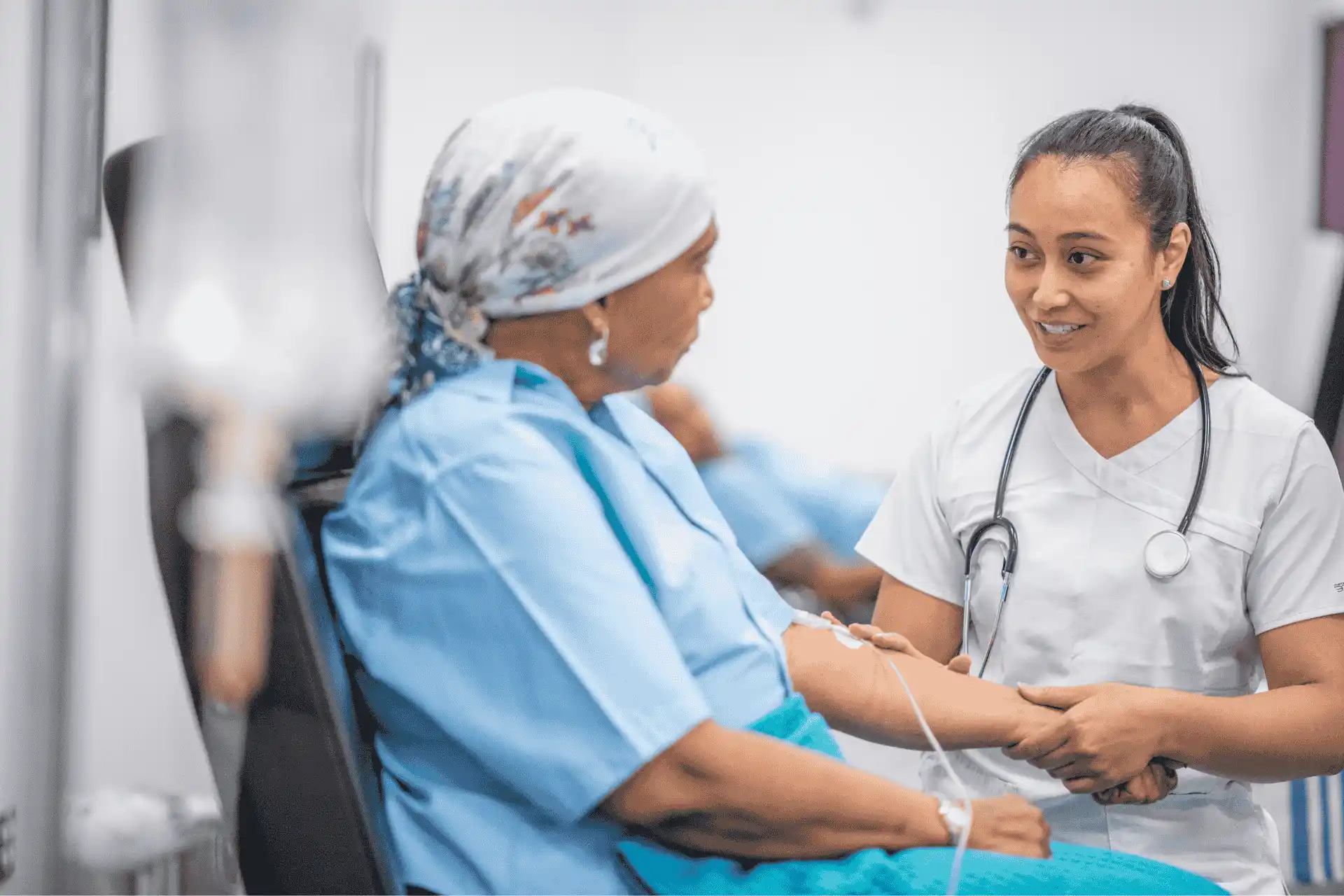
Our Medical Oncology Department provides specialised care for patients diagnosed with:
- Breast cancer
- Lung cancer
- Colorectal cancer
- Gastric cancer
- Liver cancer
- Ovarian cancer
- Cervical cancer
- Prostate cancer
- Head and neck cancers
- Blood cancers
- Pancreatic cancer
- Kidney cancer
Each patient receives an evidence-based treatment plan tailored to their diagnosis, stage of disease, and overall health.
Multidisciplinary Cancer Care
Cancer treatment often requires the expertise of multiple healthcare professionals working together to achieve the best possible outcomes. At Deepam Hospitals, our Medical Oncology Department collaborates with several specialties to ensure coordinated and comprehensive patient care.
Our multidisciplinary team works closely with:
- General Surgery
- Diagnostic & Radiology
- Pathology & Laboratory Medicine
- Nutrition & Dietetics
- Pain & Palliative Care
- Emergency & Critical Care
- General Medicine
This collaborative approach supports accurate diagnosis, coordinated treatment planning, effective symptom management, and comprehensive follow-up throughout the patient's cancer journey.
Dr. Vijay
Consultant – Medical Oncology
Cancer treatment is a journey that requires clinical expertise, compassionate communication, and continuous support. At Deepam Hospitals, every patient receives personalised oncology care designed to address not only the disease but also their overall health, comfort, and quality of life.
Dr. Vijay provides comprehensive evaluation and medical management for patients diagnosed with different types of cancer. His approach combines evidence-based oncology practices with personalised treatment planning, ensuring that every patient receives care tailored to their diagnosis, stage of disease, treatment goals, and general health.
Throughout the treatment journey, patients and families receive clear guidance regarding treatment options, expected outcomes, follow-up schedules, and supportive care, enabling them to make informed healthcare decisions with confidence.
Your Cancer Care Journey
Every patient's experience with cancer is unique. At Deepam Hospitals, we follow a structured care pathway that promotes timely diagnosis, coordinated treatment, and continuous support throughout every stage of care.
Step 1 – Initial Consultation
The journey begins with a detailed discussion about your diagnosis, symptoms, previous medical records, biopsy findings, imaging reports, and overall health. Understanding your concerns helps create a treatment plan that reflects your medical needs and personal preferences.
Step 2 – Treatment Planning
Based on the diagnosis and staging, a personalised treatment strategy is developed. The available treatment options, expected benefits, possible side effects, and treatment schedule are discussed thoroughly with the patient and family.
Step 3 – Beginning Treatment
Treatment is initiated according to the planned schedule. Throughout therapy, regular assessments help monitor your health, treatment tolerance, and clinical progress while allowing timely adjustments whenever necessary.
Step 4 – Continuous Monitoring
Scheduled review appointments help evaluate your response to treatment, monitor overall wellbeing, and address any symptoms or concerns that may arise during therapy.
Step 5 – Long-Term Follow-up
Even after completing treatment, ongoing follow-up remains an important part of cancer care. Regular reviews help monitor recovery, support long-term health, and identify any concerns that may require additional evaluation.
Living Well During Cancer Treatment
Daily routines and healthy lifestyle choices can support overall wellbeing while undergoing cancer treatment. Although every patient's experience is different, maintaining healthy habits may help improve comfort and recovery.
General recommendations include:
- Eat a balanced and nutritious diet
- Stay adequately hydrated
- Get sufficient rest
- Remain physically active as advised by your doctor
- Take medications exactly as prescribed
- Report new symptoms promptly
- Attend all scheduled appointments
- Accept support from family and caregivers when needed
These simple measures can contribute to better overall health throughout treatment.
Wellness Snapshot
Focus
Supporting physical and emotional wellbeing throughout cancer treatment.
Healthy Practices
- Nutritious meals
- Hydration
- Adequate sleep
- Gentle physical activity
- Medication adherence
- Emotional support
- Regular follow-up
Goal
To help patients maintain strength, improve treatment tolerance, and support overall quality of life.
Life After Cancer Treatment
Completing cancer treatment marks an important milestone, but ongoing healthcare remains essential. Recovery varies from person to person, and long-term follow-up helps ensure continued wellbeing.
Follow-up care may include:
- Periodic clinical examinations
- Blood tests when indicated
- Imaging studies if required
- Monitoring for recurrence
- Management of long-term treatment effects
- Lifestyle counselling
- Preventive healthcare guidance
Regular follow-up appointments help patients transition confidently into survivorship while maintaining long-term health.
Emotional Wellbeing Matters
A cancer diagnosis can affect emotional health as much as physical health. Feelings of anxiety, uncertainty, or stress are common during treatment and recovery.
Patients and families are encouraged to:
- Ask questions whenever they have concerns
- Maintain open communication with their healthcare team
- Seek emotional support from family and friends
- Participate actively in treatment decisions
- Focus on realistic recovery goals
Addressing emotional wellbeing is an important part of comprehensive cancer care.
Frequently Asked Questions
A medical oncologist specialises in diagnosing, treating, and monitoring cancer using medications such as chemotherapy, targeted therapy, immunotherapy, and hormonal therapy while coordinating long-term cancer care.
No. Treatment depends on the type of cancer, its stage, and individual clinical factors. Some patients may benefit from other therapies or a combination of treatments.
Treatment recommendations are based on the cancer type, stage, pathology findings, imaging results, overall health, and current clinical guidelines.
The follow-up schedule varies depending on your diagnosis, treatment received, and recovery progress. Your oncologist will recommend an individualised review plan.
Some patients are able to continue working, while others may require temporary adjustments depending on their treatment and overall health. Your doctor will provide guidance based on your individual situation.
Supportive care helps manage treatment-related symptoms, improve comfort, maintain nutrition, and support physical and emotional wellbeing throughout therapy.
Bring your previous medical records, biopsy reports, imaging studies, laboratory reports, medication list, and any referral documents to help your oncologist review your case comprehensively.
Seek prompt medical attention if you develop persistent fever, severe pain, uncontrolled vomiting, unusual bleeding, breathing difficulty, sudden weakness, or any new symptom that significantly worsens during treatment.
Related Departments
For coordinated cancer care, our Medical Oncology Department works closely with:
- General Surgery
- Diagnostic & Radiology
- Laboratory Services
- Nutrition & Dietetics
- Emergency & Critical Care
- General Medicine
- Pain & Palliative Care
Medical Disclaimer
The information provided on this page is intended for educational purposes only and should not replace professional medical advice, diagnosis, or treatment. Every cancer diagnosis is unique, and treatment recommendations vary based on individual clinical assessment. Please consult a qualified Medical Oncologist for personalised medical guidance. If you experience persistent fever, uncontrolled pain, severe bleeding, difficulty breathing, or any medical emergency during cancer treatment, seek immediate medical attention without delay.
Begin Your Treatment Journey with Confidence
Receiving the right oncology care at the right time can make a meaningful difference in your treatment experience. Whether you have recently been diagnosed, require a second opinion, or are beginning systemic cancer treatment, expert guidance and personalised care are essential at every stage.
Consult Dr. Vijay at Deepam Hospitals near Urapakkam for comprehensive Medical Oncology care focused on accurate evaluation, evidence-based treatment, compassionate support, and long-term follow-up tailored to your individual healthcare needs.
Schedule your consultation today and take the next step towards better women's health with confidence.
Contact Us