- For appointment (+91) 97904 97905
Best Diagnostic & Radiology Services Near Urapakkam
Accurate Medical Imaging for Early Diagnosis & Better Healthcare Decisions
Diagnostic radiology plays a vital role in modern healthcare by helping doctors visualize internal structures of the body, identify diseases, evaluate injuries, monitor health conditions, and guide treatment planning. Medical imaging provides valuable information that often cannot be obtained through physical examination alone. Diagnostic imaging includes X-rays, ultrasound scans, CT scans, MRI scans, and other imaging techniques that support accurate diagnosis and patient care.
At Deepam Hospitals near Urapakkam, our Diagnostic & Radiology Department provides comprehensive imaging services that support early detection, clinical decision-making, disease monitoring, and multidisciplinary patient care.
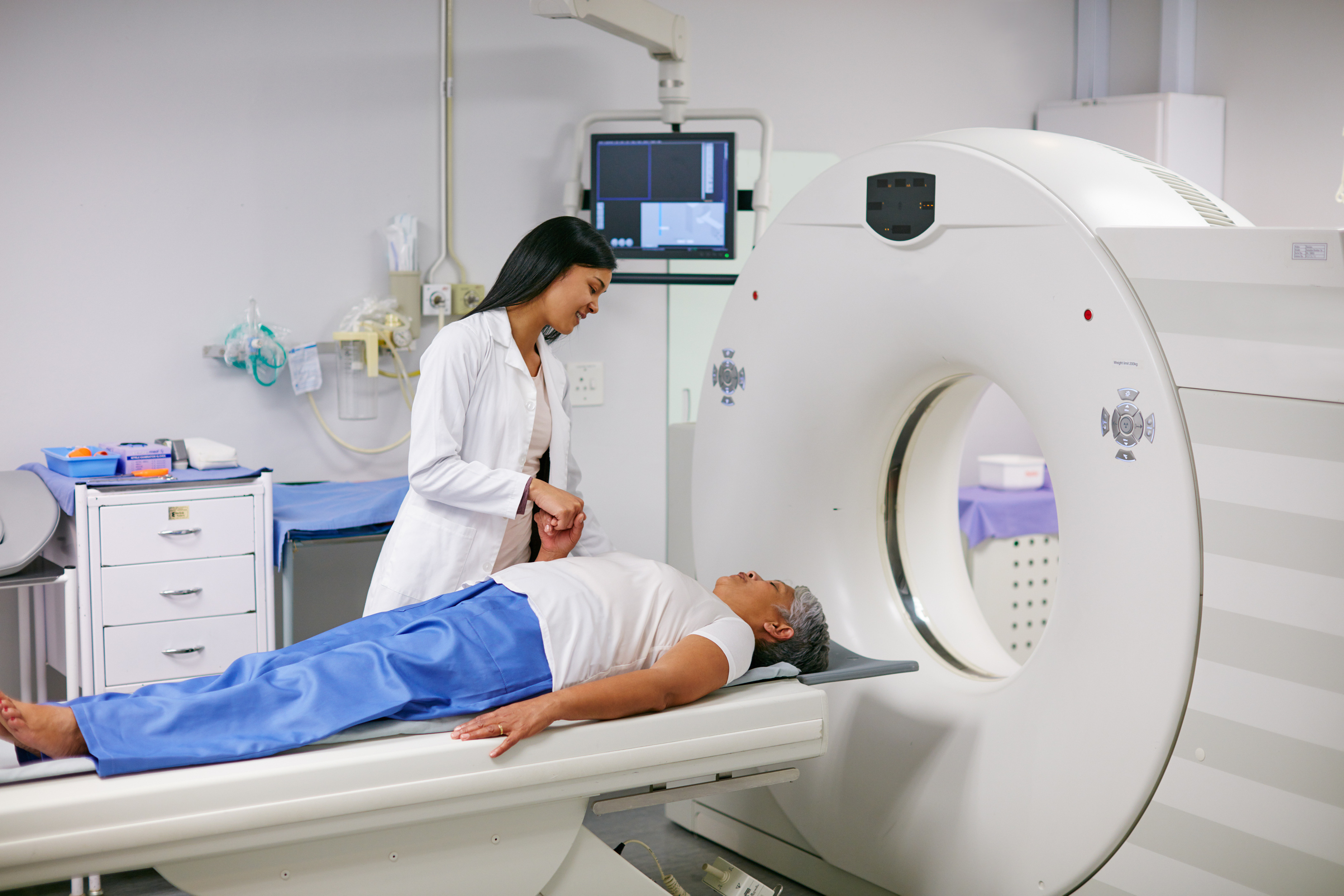
Deepam Hospitals is a trusted healthcare network with multispeciality hospitals in Tambaram, Guduvanchery, and Singaperumal Koil (SP Koil), supported by healthcare centres in Perungalathur, Urapakkam, and Maraimalai Nagar.
Our department is supported by experienced radiologists including Dr. S. Sujeeth, MBBS, MD (RD) and Dr. Abinaya R, MBBS, MD (RD), who provide expert interpretation of medical images and detailed diagnostic reporting to assist treating physicians in delivering appropriate care.
Patients from Urapakkam, Kilambakkam, Guduvanchery, Perungalathur, Vandalur, Mannivakkam, Mudichur, Tambaram, Maraimalai Nagar, and surrounding areas trust Deepam Hospitals for reliable diagnostic imaging, radiology consultations, ultrasound evaluations, and comprehensive imaging support.
The Diagnostic & Radiology Department at Deepam Hospitals near Urapakkam provides comprehensive medical imaging services including X-rays, ultrasound studies, diagnostic evaluations, and expert radiology reporting. Our radiologists support accurate diagnosis, treatment planning, preventive healthcare, and multidisciplinary medical care through advanced imaging solutions.
Quick Answers at a Glance
What Is Diagnostic Radiology?
Diagnostic radiology is a medical specialty that uses imaging technologies such as X-rays, ultrasound, CT scans, and MRI scans to diagnose diseases, evaluate injuries, monitor health conditions, and support treatment planning.
Why Is Medical Imaging Important?
Medical imaging allows healthcare providers to examine internal organs, bones, blood vessels, and tissues, helping identify health conditions that may not be visible during a physical examination.
What Types of Imaging Are Commonly Used?
Common diagnostic imaging methods include:
- Digital X-Ray
- Ultrasound
- Doppler Studies
- CT Scan
- MRI Scan
The imaging method chosen depends on the medical condition being evaluated.
Who Interprets Diagnostic Images?
Radiologists are specially trained physicians who analyze and interpret medical images and provide reports to the treating doctor.
Can Diagnostic Imaging Help Detect Diseases Early?
Yes. Diagnostic imaging often helps identify medical conditions at an early stage, allowing timely evaluation and treatment planning.
Is Medical Imaging Used Only for Diagnosis?
No. Imaging may also be used to monitor treatment progress, assess recovery, evaluate injuries, and guide certain medical procedures.
Key Takeaways
- Comprehensive Diagnostic Imaging Services
- Expert Radiologist Evaluation
- Accurate Medical Imaging Interpretation
- Support for Early Disease Detection
- X-Ray & Ultrasound Services
- Diagnostic Reporting & Clinical Correlation
- Imaging for Preventive Healthcare
- Multidisciplinary Medical Support
- Patient-Centred Diagnostic Care
- Convenient Access Near Urapakkam
Why Choose Deepam Hospitals
Accurate diagnosis is often the first step toward effective treatment. Our Diagnostic & Radiology Department focuses on delivering reliable imaging services, timely reporting, and comprehensive diagnostic support for patients across multiple specialties.
Highlights of Our Diagnostic & Radiology Department
- Experienced Consultant Radiologists
- Comprehensive Diagnostic Imaging Support
- Accurate Image Interpretation
- Timely Diagnostic Reporting
- Preventive Health Imaging
- Support for Emergency & Routine Care
- Multidisciplinary Clinical Collaboration
- Patient-Focused Imaging Services
- Evidence-Based Diagnostic Approach
- Easily Accessible from Urapakkam
The Importance of Early & Accurate Diagnosis
Many health conditions develop internally before obvious symptoms appear. Diagnostic imaging helps healthcare professionals identify abnormalities, assess disease progression, evaluate injuries, and support timely medical intervention. Modern imaging technologies have significantly improved the ability to diagnose and monitor various medical conditions.
Early and accurate diagnosis often contributes to more informed healthcare decisions and improved patient management.
Did You Know?
- Diagnostic imaging creates detailed pictures of organs, bones, tissues, and blood vessels inside the body.
- X-rays remain one of the most commonly used imaging methods worldwide.
- Ultrasound uses sound waves rather than radiation to create images of internal structures.
- Radiologists play a critical role in interpreting medical images and assisting physicians with diagnosis and treatment planning.
- Diagnostic imaging is used not only for diagnosis but also for monitoring treatment and recovery.
When Should You Undergo Diagnostic Imaging?
A healthcare provider may recommend imaging studies if you have:
- Persistent pain
- Suspected fractures or injuries
- Abdominal discomfort
- Chest symptoms
- Swelling or lumps
- Pregnancy-related evaluations
- Sports injuries
- Neurological symptoms
- Follow-up monitoring of medical conditions
- Preventive health screening needs
The type of imaging recommended depends on the clinical concern and medical evaluation.
Supporting Better Clinical Decisions
Medical imaging has become an essential component of modern healthcare. By providing detailed visual information about internal body structures, diagnostic radiology supports healthcare professionals in making informed clinical decisions, planning treatments, and monitoring patient progress.
At Deepam Hospitals near Urapakkam, our Diagnostic & Radiology Department is committed to providing dependable imaging services, accurate reporting, and patient-centred diagnostic care that supports better health outcomes.
Related Specialties
Our Diagnostic & Radiology Department works closely with:
- General Medicine
- Cardiology
- Orthopaedics
- Gastroenterology
- General Surgery
- Obstetrics & Gynaecology
- Paediatrics
- Geriatric Medicine
- Diabetology
- Emergency Medicine
This collaborative approach supports comprehensive diagnosis and coordinated patient care.
What Is Diagnostic Radiology?
Diagnostic radiology is a medical specialty that uses imaging technologies to examine the inside of the body without surgery. These images help healthcare professionals identify abnormalities, evaluate symptoms, detect diseases, assess injuries, and monitor ongoing medical conditions.
Radiology plays a crucial role in modern healthcare because many conditions cannot be fully evaluated through physical examination alone.
Why Medical Imaging Is Important
Medical imaging provides detailed visual information about organs, tissues, bones, blood vessels, and other internal structures.
Imaging helps healthcare providers:
- Identify medical conditions
- Confirm diagnoses
- Evaluate injuries
- Monitor disease progression
- Guide treatment decisions
- Assess recovery
Accurate imaging often contributes to more effective patient care and clinical decision-making.
How Diagnostic Imaging Supports Healthcare
Diagnostic imaging is used across nearly every medical specialty.
It supports:
- Early disease detection
- Preventive healthcare
- Emergency medical care
- Surgical planning
- Chronic disease monitoring
- Follow-up evaluations
By providing detailed internal images, radiology helps clinicians make informed healthcare decisions.
Understanding X-Ray Imaging
X-rays are one of the most commonly used diagnostic imaging methods.
They are often used to evaluate:
- Bone fractures
- Joint conditions
- Chest conditions
- Certain infections
- Skeletal abnormalities
X-ray imaging is typically quick, widely available, and useful for a variety of clinical situations.
Understanding Ultrasound Imaging
Ultrasound uses sound waves to create images of internal organs and tissues.
Ultrasound may be used to evaluate:
- Abdominal organs
- Pregnancy-related conditions
- Soft tissues
- Blood flow
- Pelvic structures
Because ultrasound does not use ionizing radiation, it is commonly used in various patient populations.
Understanding CT Scan Imaging
Computed Tomography (CT) combines multiple X-ray images to create detailed cross-sectional views of the body.
CT scans may help evaluate:
- Internal injuries
- Head conditions
- Chest abnormalities
- Abdominal concerns
- Certain complex medical conditions
CT imaging provides more detailed anatomical information compared to standard X-rays.
Understanding MRI Imaging
Magnetic Resonance Imaging (MRI) uses magnetic fields and radio waves to produce highly detailed images of organs and tissues.
MRI may be useful for evaluating:
- Brain and spinal conditions
- Musculoskeletal injuries
- Soft tissue abnormalities
- Joint conditions
- Certain neurological concerns
MRI provides detailed imaging without using ionizing radiation.
Image-Guided Diagnostics
Modern imaging technologies help physicians evaluate internal structures with greater precision.
Image-guided diagnostics support:
- More accurate assessments
- Better treatment planning
- Monitoring of medical conditions
- Follow-up evaluations
- Improved clinical decision-making
These advancements contribute significantly to modern patient care.
Common Reasons for Diagnostic Imaging
A healthcare provider may recommend imaging for a variety of reasons.
Common indications include:
- Persistent pain
- Injuries and trauma
- Swelling or masses
- Abdominal symptoms
- Chest-related concerns
- Neurological symptoms
- Pregnancy monitoring
- Preventive evaluations
- Chronic disease follow-up
The specific imaging study depends on the clinical concern being evaluated.
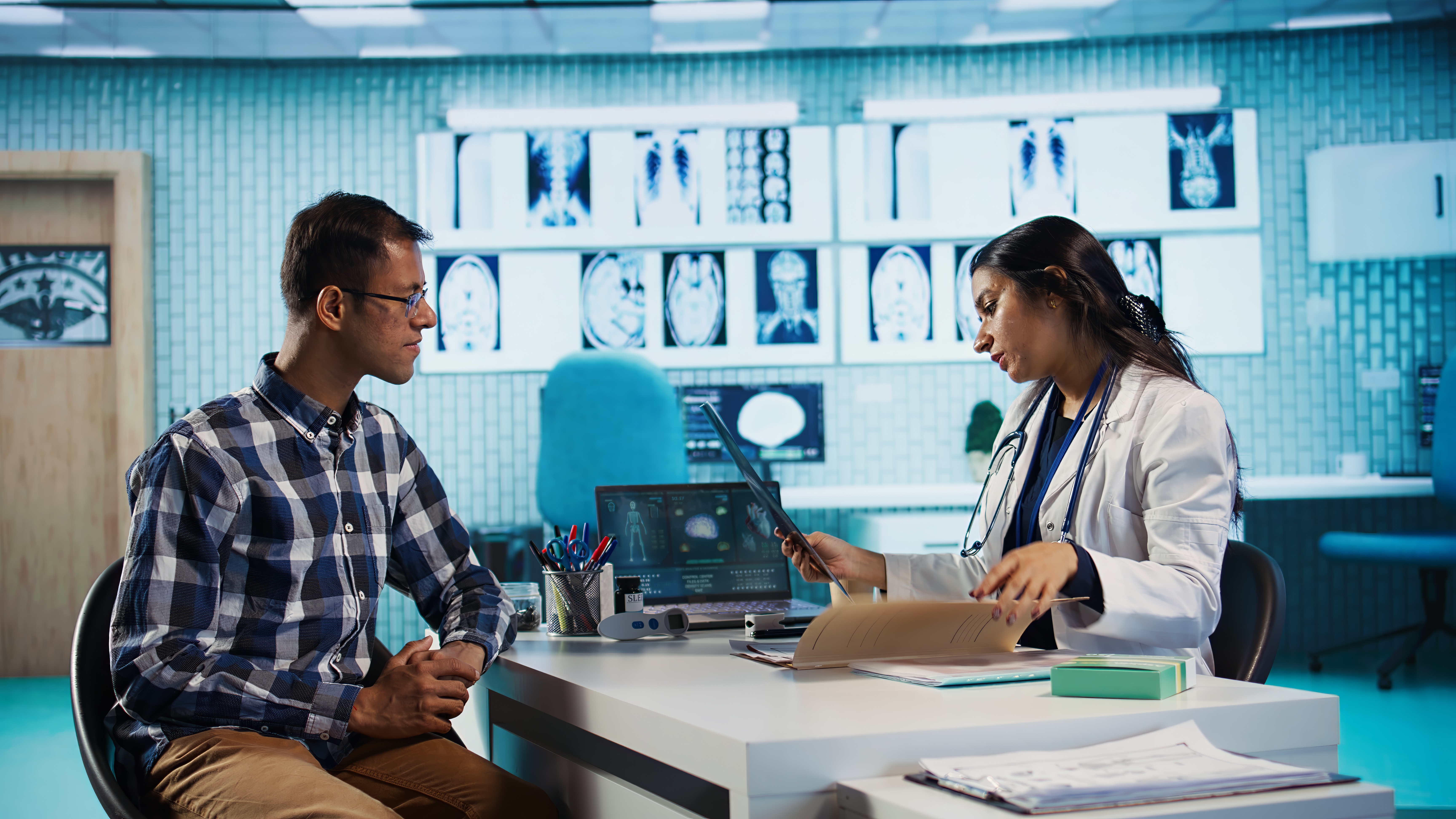
Benefits of Early Diagnosis Through Imaging
Many medical conditions may develop before symptoms become obvious.
Diagnostic imaging can help:
- Detect abnormalities early
- Support prompt medical evaluation
- Improve treatment planning
- Monitor disease progression
- Assess treatment response
Early identification often allows healthcare teams to intervene more effectively.
Radiology Safety & Patient Awareness
Patient safety is an important aspect of diagnostic imaging.
Healthcare professionals carefully consider:
- Appropriate imaging selection
- Clinical necessity
- Patient-specific factors
- Radiation exposure considerations
- Diagnostic benefits
Not all imaging tests involve radiation. For example, ultrasound and MRI use different technologies to generate images.
Understanding Radiology Reports
After an imaging study is completed, a radiologist reviews the images and prepares a detailed report.
The report may include:
- Observations from the images
- Findings related to the area examined
- Diagnostic impressions
- Recommendations for clinical correlation
The treating physician uses this information alongside clinical evaluation and other investigations to guide patient care.
Diagnostic Imaging Snapshot
Focus
Using medical imaging technologies to support accurate diagnosis, treatment planning, and ongoing health monitoring.
Key Imaging Methods
- Digital X-Ray
- Ultrasound
- Doppler Studies
- CT Scan
- MRI Scan
Primary Goals
- Early detection
- Accurate diagnosis
- Disease monitoring
- Treatment support
- Preventive healthcare
Diagnostic Imaging Overview Table
| Imaging Method | Common Purpose |
|---|---|
| X-Ray | Evaluation of bones, joints, and chest conditions. |
| Ultrasound | Assessment of organs, soft tissues, and pregnancy-related evaluations. |
| Doppler Study | Evaluation of blood flow and vascular health. |
| CT Scan | Detailed cross-sectional imaging of internal structures. |
| MRI Scan | High-resolution imaging of soft tissues, joints, brain, and spine. |
The Importance of Accurate Reporting
Diagnostic imaging is only one part of the healthcare process. Accurate interpretation and reporting are equally important.
High-quality radiology reporting helps:
- Improve diagnostic accuracy
- Support treating physicians
- Assist treatment planning
- Guide further investigations when needed
- Enhance patient care coordination
Radiologists play a key role in transforming imaging findings into meaningful clinical information.
Looking Beyond the Images
Medical imaging is more than simply taking pictures of the body. It is a critical diagnostic tool that helps healthcare professionals understand underlying health conditions, assess disease progression, evaluate treatment response, and support preventive healthcare.
When combined with clinical expertise and multidisciplinary care, diagnostic imaging contributes significantly to safer, more effective, and more informed medical decision-making.
Comprehensive Radiology Consultation & Imaging Review
Diagnostic imaging is most effective when combined with expert clinical interpretation. Radiology consultations help ensure that imaging findings are accurately analyzed and communicated to the treating healthcare team.
Radiology review may involve:
- Clinical history correlation
- Image evaluation
- Diagnostic interpretation
- Report preparation
- Follow-up imaging recommendations
- Support for treatment planning
Accurate interpretation helps physicians make informed healthcare decisions.
Digital X-Ray Services
Digital X-rays are among the most frequently used imaging investigations in healthcare.
Digital X-ray imaging may assist in evaluating:
- Bone injuries
- Fractures
- Joint abnormalities
- Chest conditions
- Musculoskeletal concerns
Digital technology allows efficient image acquisition and supports diagnostic evaluation.
Ultrasound Imaging Services
Ultrasound imaging uses sound waves to visualize internal organs and soft tissues.
Ultrasound studies may be performed for:
- Abdominal evaluations
- Pelvic assessments
- Pregnancy-related imaging
- Soft tissue examinations
- Organ health assessments
Ultrasound is widely used because it provides real-time imaging without ionizing radiation.
Diagnostic Imaging Assessment Snapshot
Focus
Providing accurate imaging support for diagnosis, monitoring, and treatment planning.
Core Services
- Digital X-Ray
- Ultrasound Imaging
- Doppler Studies
- CT Imaging Support
- MRI Evaluation Support
- Diagnostic Reporting
Goal
To support timely diagnosis, clinical decision-making, and comprehensive patient care.
Doppler Studies
Doppler imaging is a specialised ultrasound technique used to evaluate blood flow within blood vessels.
Doppler studies may assist in assessing:
- Circulation patterns
- Blood vessel function
- Vascular health
- Blood flow abnormalities
These studies provide valuable information for clinical evaluation and ongoing monitoring.
CT Scan Evaluation Support
Computed Tomography (CT) imaging provides detailed cross-sectional images of the body.
CT scan evaluations may support assessment of:
- Head conditions
- Chest concerns
- Abdominal symptoms
- Internal injuries
- Complex medical conditions
CT imaging often provides detailed anatomical information that assists healthcare providers in diagnosis and treatment planning.
MRI Evaluation Support
Magnetic Resonance Imaging (MRI) produces detailed images of organs, joints, nerves, muscles, and soft tissues.
MRI evaluations may support:
- Brain imaging
- Spine assessments
- Joint evaluations
- Musculoskeletal imaging
- Soft tissue investigations
MRI is particularly useful when detailed tissue visualization is required.
Diagnostic Imaging for Emergency Care
Emergency situations often require rapid diagnostic evaluation.
Imaging support may assist in the assessment of:
- Traumatic injuries
- Suspected fractures
- Acute abdominal symptoms
- Chest emergencies
- Neurological concerns
Timely imaging helps clinicians make prompt treatment decisions when urgent care is needed.
Women's Imaging Support
Diagnostic imaging plays an important role in women's healthcare.
Imaging services may support:
- Pregnancy-related evaluations
- Pelvic imaging
- Abdominal assessments
- General diagnostic investigations
Imaging recommendations are based on clinical indications and healthcare needs.
Musculoskeletal Imaging
Musculoskeletal imaging focuses on bones, joints, muscles, tendons, and related structures.
This may assist in evaluating:
- Sports injuries
- Joint conditions
- Bone abnormalities
- Soft tissue injuries
- Musculoskeletal pain
Imaging findings help support accurate diagnosis and treatment planning.
Abdominal Imaging
Abdominal imaging helps healthcare providers evaluate internal organs and structures within the abdomen.
Assessment may include:
- Liver evaluation
- Gallbladder assessment
- Kidney imaging
- Pancreatic evaluation
- General abdominal investigations
Imaging supports clinical evaluation when symptoms or health concerns require further investigation.
Chest Imaging
Chest imaging is commonly used to evaluate structures within the thoracic region.
It may assist in assessing:
- Lung health
- Respiratory symptoms
- Chest discomfort
- Certain infections
- General thoracic conditions
Chest imaging remains an important component of diagnostic healthcare.
Preventive Health Imaging
Medical imaging may sometimes be used as part of broader preventive healthcare evaluations.
Preventive imaging can help:
- Identify certain abnormalities early
- Support routine health assessments
- Monitor existing health conditions
- Assist long-term healthcare planning
The need for preventive imaging is determined based on individual clinical circumstances.
Image Interpretation & Reporting
The quality of diagnostic imaging depends not only on image acquisition but also on expert interpretation.
Radiology reporting includes:
- Image review
- Identification of findings
- Clinical correlation
- Diagnostic impressions
- Detailed reporting for treating physicians
Accurate reporting supports effective communication between radiologists and the healthcare team.
Diagnostic Services & Their Purpose
| Service | Purpose |
|---|---|
| Digital X-Ray | Evaluates bones, joints, and chest conditions. |
| Ultrasound Imaging | Assesses organs, soft tissues, and pregnancy-related conditions. |
| Doppler Studies | Evaluates blood flow and vascular structures. |
| CT Imaging Support | Provides detailed cross-sectional body imaging. |
| MRI Evaluation Support | Offers detailed soft tissue and neurological imaging. |
| Emergency Imaging | Assists rapid diagnostic assessment. |
| Musculoskeletal Imaging | Supports evaluation of bones, joints, and soft tissues. |
| Abdominal Imaging | Assesses abdominal organs and structures. |
| Chest Imaging | Evaluates lungs and thoracic structures. |
| Radiology Reporting | Provides expert image interpretation and clinical insights. |
Conditions Commonly Evaluated Through Diagnostic Imaging
Our Diagnostic & Radiology Department supports the evaluation of:
- Bone injuries and fractures
- Joint abnormalities
- Sports injuries
- Abdominal symptoms
- Chest conditions
- Neurological concerns
- Vascular conditions
- Pregnancy-related assessments
- Musculoskeletal disorders
- General diagnostic investigations
Imaging findings are interpreted in conjunction with clinical evaluation to support comprehensive patient care.
Multidisciplinary Diagnostic Support
Radiology serves as a central component of modern healthcare and supports nearly every medical specialty.
Our Diagnostic & Radiology Department works closely with:
- General Medicine
- Cardiology
- Orthopaedics
- Gastroenterology
- General Surgery
- Obstetrics & Gynaecology
- Paediatrics
- Diabetology
- Geriatric Medicine
- Emergency Medicine
This collaborative approach helps ensure accurate diagnosis, coordinated care, and better patient outcomes.
Did You Know?
Many treatment decisions across medical specialties are supported by diagnostic imaging findings. Radiology helps physicians visualize internal structures, monitor disease progression, evaluate treatment response, and guide patient management with greater precision.
Meet Our Radiology Specialists
Accurate medical imaging requires both advanced technology and expert interpretation. Radiologists play a crucial role in evaluating imaging studies and providing detailed reports that support diagnosis, treatment planning, and ongoing patient care.
Dr. S. Sujeeth
Consultant Radiologist
Dr. S. Sujeeth specializes in diagnostic imaging, radiological evaluation, image interpretation, and clinical reporting across a wide range of medical conditions.
Dr. Abinaya R
Consultant Radiologist
Dr. Abinaya R provides comprehensive radiology services and diagnostic image interpretation, supporting clinicians with accurate reporting and evidence-based diagnostic insights.
Your Diagnostic Imaging Journey
Medical imaging is an important part of modern healthcare and helps physicians understand conditions that may not be visible through physical examination alone.
Step 1 – Clinical Evaluation
The imaging process usually begins when a healthcare provider recommends a diagnostic study based on symptoms, medical history, examination findings, or follow-up requirements.
Step 2 – Imaging Selection
The most appropriate imaging test is selected according to the clinical concern.
This may include:
- Digital X-Ray
- Ultrasound
- Doppler Study
- CT Scan
- MRI Scan
The choice depends on the body area being examined and the information required.
Step 3 – Image Acquisition
During the procedure, trained healthcare professionals perform the imaging study according to established protocols. The duration and preparation requirements vary depending on the type of examination.
Step 4 – Radiologist Review
After the images are obtained, the radiologist carefully evaluates them and identifies relevant findings.
The review process includes:
- Image analysis
- Clinical correlation
- Diagnostic interpretation
- Report preparation
Step 5 – Clinical Follow-Up
The imaging report is shared with the treating doctor, who discusses the findings and recommends further evaluation, treatment, or follow-up if required.
Preparing for an Imaging Test
Preparation depends on the specific imaging study being performed.
General recommendations may include:
- Bringing previous reports if available
- Informing staff about current medications
- Sharing relevant medical history
- Following any fasting instructions if provided
- Arriving on time for scheduled appointments
Specific preparation guidelines will be explained before the procedure.
Imaging Care Snapshot
Focus
Providing safe, accurate, and patient-centred diagnostic imaging services.
Key Elements
- Appropriate imaging selection
- Expert image interpretation
- Detailed reporting
- Patient safety
- Clinical collaboration
- Timely diagnostic support
Goal
To support accurate diagnosis and informed healthcare decisions.
Understanding Your Radiology Report
A radiology report is a medical document prepared by the radiologist after reviewing the imaging study.
Reports generally include:
- Description of the examination
- Relevant findings
- Diagnostic observations
- Clinical impressions
The report helps the treating physician understand the imaging results and determine appropriate next steps.
Why Accurate Reporting Matters
Radiology reports are an important part of the healthcare decision-making process.
Accurate reporting helps:
- Support diagnosis
- Guide treatment planning
- Monitor disease progression
- Evaluate treatment response
- Improve care coordination
Radiologists work closely with referring physicians to ensure meaningful interpretation of imaging findings.
Patient Comfort & Safety During Imaging
Patient safety remains a priority throughout the imaging process.
Healthcare teams focus on:
- Appropriate test selection
- Safe imaging practices
- Clear patient communication
- Individualised care considerations
- Quality assurance protocols
Patients are encouraged to ask questions and share any concerns before undergoing an imaging study.
Diagnostic Imaging in Preventive Healthcare
Medical imaging may sometimes contribute to preventive healthcare by assisting in the evaluation of certain conditions before symptoms become severe.
Benefits may include:
- Earlier identification of abnormalities
- Monitoring of existing health conditions
- Support for routine health evaluations
- Improved long-term healthcare planning
Preventive imaging recommendations depend on individual clinical needs.
Frequently Asked Questions
Radiologists are medical doctors specially trained to analyze diagnostic images and prepare detailed reports for your treating physician.
The duration varies depending on the type of imaging study being performed. Some examinations may take only a few minutes, while others may require more time.
No. Different imaging techniques provide different types of information. Your doctor selects the most appropriate study based on your medical condition.
Report availability may vary depending on the examination and hospital process. Your healthcare provider will discuss the results and next steps.
No. Imaging may also be used for preventive healthcare, routine evaluations, injury assessment, and monitoring existing medical conditions.
In some situations, diagnostic imaging may identify abnormalities before obvious symptoms develop, allowing earlier medical evaluation.
Different imaging techniques provide different information. Multiple studies may be required to obtain a more complete clinical picture.
Radiology plays a central role in diagnosis, treatment planning, disease monitoring, emergency care, and preventive healthcare across nearly all medical specialties.
Take the Next Step Towards Accurate Diagnosis
Accurate diagnosis is often the foundation of effective healthcare. High-quality medical imaging and expert radiology reporting help physicians identify conditions, monitor health concerns, and develop appropriate treatment plans.
Whether you require a routine X-ray, ultrasound evaluation, Doppler study, advanced imaging support, or diagnostic interpretation, the Diagnostic & Radiology Department at Deepam Hospitals near Urapakkam is committed to providing reliable, patient-focused imaging services.
Schedule your diagnostic imaging appointment today and benefit from comprehensive radiology support delivered by experienced specialists.
Related Departments
Our Diagnostic & Radiology Department works closely with:
- General Medicine
- Cardiology
- Orthopaedics
- Gastroenterology
- General Surgery
- Obstetrics & Gynaecology
- Paediatrics
- Diabetology
- Geriatric Medicine
- Emergency Medicine
This multidisciplinary collaboration supports accurate diagnosis and coordinated patient care.
Medical Disclaimer
The information provided on this page is intended for educational purposes only and should not replace professional medical advice, diagnosis, or treatment. Diagnostic imaging recommendations vary based on individual symptoms, medical history, and healthcare needs. Please consult a qualified healthcare professional for personalised medical evaluation and imaging guidance. In the event of a medical emergency, seek immediate medical attention.
