- For appointment (+91) 97904 97905
Sports Medicine & Sports Injury Care
Helping You Recover, Move Better & Return to the Activities You Love
Sports and physical activity play an important role in maintaining strength, fitness, mobility, and overall wellbeing. However, active individuals can sometimes experience injuries that affect muscles, tendons, ligaments, bones, and joints. A sudden fall, awkward movement, repetitive training, or excessive physical activity may result in pain and restricted movement, making it difficult to continue playing sports or performing everyday activities.
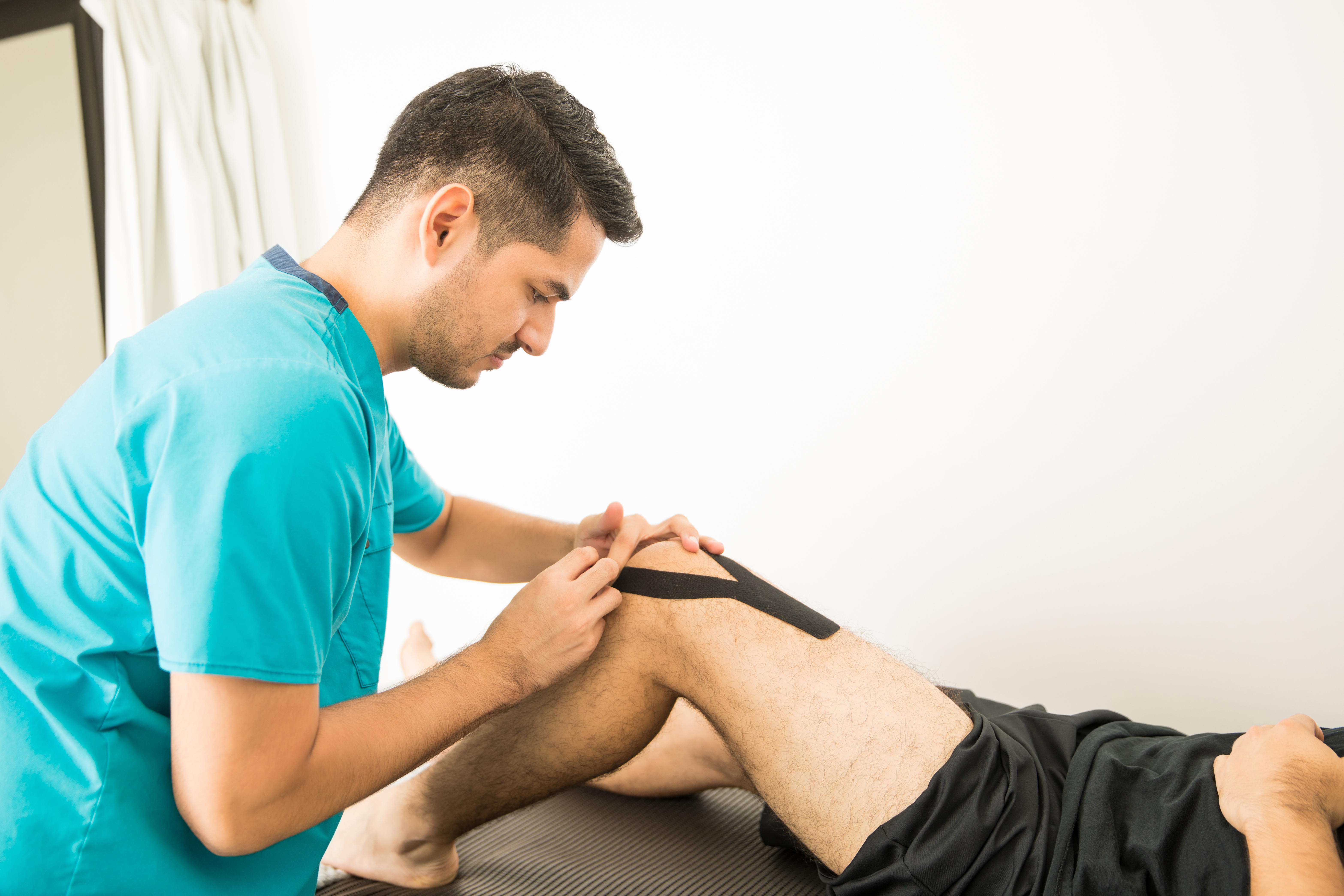
Sports injuries are not limited to professional athletes. They can affect school and college students, fitness enthusiasts, recreational players, runners, gym-goers, dancers, and anyone who participates in regular physical activity. Even a seemingly minor injury can become a persistent problem if it is ignored or if a person returns to activity before adequate recovery.
At Deepam Hospitals near Urapakkam, our Sports Medicine services focus on the assessment and management of musculoskeletal injuries associated with sports, exercise, physical activity, and active lifestyles. Our approach aims to identify the source of the problem, manage symptoms appropriately, support functional recovery, and help individuals return to their preferred activities safely.
The department is supported by Dr. R. Anantha Kumar, Consultant Orthopaedic Surgeon, MBBS, D.Ortho, with expertise in orthopaedic conditions and musculoskeletal care. His clinical experience provides patients with specialist assessment for injuries affecting the bones, joints, muscles, ligaments, and other structures involved in movement.
Sports medicine is not only about treating an injury after it happens. It also involves understanding how the injury occurred, identifying factors that may contribute to recurrence, supporting rehabilitation, and helping individuals gradually resume physical activity. A personalised approach can be particularly valuable for people who want to remain active while protecting their long-term musculoskeletal health.
Deepam Hospitals serves patients from Urapakkam, Guduvanchery, Kilambakkam, Perungalathur, Vandalur, Mannivakkam, Mudichur, Maraimalai Nagar, Tambaram, and surrounding areas, providing access to specialist orthopaedic and sports injury care within a multispeciality healthcare environment.
Deepam Hospitals near Urapakkam provides Sports Medicine and sports injury care under Dr. R. Anantha Kumar, Consultant Orthopaedic Surgeon (MBBS, D.Ortho). The department provides specialist assessment and management for sports and exercise-related musculoskeletal injuries, including sprains, strains, muscle and ligament injuries, overuse conditions, and activity-related pain, with a focus on recovery, rehabilitation, injury prevention, and safe return to physical activity.
Quick Answers at a Glance
What is Sports Medicine?
Sports Medicine is a specialised area of healthcare focused on preventing, evaluating, and managing injuries and physical conditions related to sports, exercise, and active lifestyles.
Who Can Benefit from Sports Medicine?
Sports medicine care can benefit professional athletes, recreational players, runners, gym enthusiasts, students, fitness participants, and anyone experiencing pain or injury related to physical activity.
What Sports Injuries Can Be Evaluated?
Sports-related problems may include sprains, strains, muscle injuries, tendon problems, ligament injuries, joint pain, and overuse conditions.
Should I See a Doctor for a Minor Sports Injury?
If pain persists, swelling increases, movement becomes difficult, or the injury affects your ability to participate in normal activities, a specialist assessment can help identify the underlying problem.
How Can I Return to Sports Safely?
Returning to sports should generally be gradual and based on recovery, functional ability, strength, mobility, and the advice of your healthcare professional rather than relying only on the absence of pain.
Can Sports Injuries Be Prevented?
While not every injury can be prevented, appropriate warm-up, gradual training progression, proper technique, suitable equipment, adequate recovery, and attention to early symptoms may help reduce injury risk.
Key Takeaways
- Specialist Sports Medicine and Injury Care
- Consultation with Dr. R. Anantha Kumar
- Assessment of Sports & Exercise-Related Injuries
- Care for Sprains and Strains
- Evaluation of Muscle and Ligament Injuries
- Support for Activity-Related Musculoskeletal Pain
- Overuse Injury Assessment
- Rehabilitation-Focused Recovery
- Guidance for Safe Return to Physical Activity
- Orthopaedic Support Within a Multispeciality Hospital
Why Choose Deepam Hospitals for Sports Medicine?
An active lifestyle can be an important part of physical and mental wellbeing, which is why an injury should be managed with the goal of restoring function rather than simply reducing short-term discomfort.
At Deepam Hospitals, our sports medicine approach combines orthopaedic expertise with a focus on functional recovery. We aim to understand how an injury affects your movement and daily activities while developing care based on your individual condition and activity requirements.
Our Sports Medicine Approach
- Specialist Orthopaedic Evaluation
- Individualised Injury Assessment
- Focus on Functional Recovery
- Activity-Specific Clinical Guidance
- Rehabilitation-Oriented Care
- Support for Active Individuals
- Multispeciality Medical Coordination
- Guidance for Safe Activity Resumption
Sports Medicine Is More Than Injury Treatment
For an active person, recovery is not simply about making pain disappear. The ultimate goal may be to walk comfortably, return to training, resume recreational activities, or perform at the same level as before an injury.
This is why sports medicine considers the individual's activity level, movement patterns, physical demands, injury history, and recovery goals. Understanding these factors helps create a more meaningful pathway towards returning to an active lifestyle.
Whether you are a competitive athlete or someone who enjoys weekend sports, timely assessment can help you understand your injury and make informed decisions about your recovery.
Did You Know?
- Sports injuries can occur during organised competitions as well as everyday exercise and recreational activities.
- Repeated pain during training may sometimes indicate an underlying overuse problem rather than a single sudden injury.
- Returning to sports too quickly after an injury may increase the risk of recurrence.
- Recovery needs can differ significantly between a professional athlete and a recreational player.
- Pain is not always the only sign of a sports injury; swelling, weakness, instability, reduced flexibility, or changes in movement can also indicate a problem.
- A gradual return to activity allows the body to rebuild strength and function before returning to full physical demands.
When Should You Consult a Sports Medicine Specialist?
Not every ache after exercise requires specialist care. However, certain symptoms should not be ignored, particularly when they persist or interfere with physical activity.
Consider consulting a Sports Medicine or Orthopaedic specialist if you experience:
- Persistent pain during or after exercise
- Swelling following a sports injury
- Difficulty putting weight on a limb
- Reduced joint movement
- Muscle weakness after an injury
- Repeated sprains or similar injuries
- Joint instability during physical activity
- Pain that keeps returning during training
- Difficulty returning to your previous activity level
- An injury that does not improve as expected
- Pain that affects your normal daily activities
Early assessment can help determine whether the problem requires rest and rehabilitation or further medical evaluation.
Your Activity. Your Recovery. Your Goals.
Every active individual has a different reason for wanting to recover. A professional athlete may want to return to competition, while a student may want to resume school sports, and a recreational player may simply want to enjoy weekend games without pain.
Sports Medicine care should therefore be personalised around the individual's physical demands and recovery goals.
At Deepam Hospitals near Urapakkam,our aim is to help patients understand their injuries, receive appropriate specialist care, and work towards a safe and sustainable return to the activities that are important to them.
Related Services
Sports injury care may involve coordination with:
- Orthopaedics & Joint Replacement
- Physiotherapy & Rehabilitation
- Emergency & Trauma Care
- Radiology & Imaging
- Nutrition & Dietetics
- General Medicine
- Pain Management
This collaborative approach can support patients who require additional evaluation, rehabilitation, or medical care during their recovery journey.
Understanding Sports & Exercise-Related Injuries
Physical activity places demands on the body's muscles, tendons, ligaments, bones, and joints. When these structures are exposed to a sudden force, incorrect movement, repetitive stress, or workload beyond their ability to adapt, an injury may occur.
Sports injuries can range from temporary discomfort to conditions that significantly affect movement and performance. The severity of an injury does not always depend on how much pain is experienced initially, which is why persistent symptoms should be evaluated rather than ignored.
A proper understanding of injury patterns can help active individuals recognise problems early and make informed decisions about rest, medical assessment, and recovery.
Acute Injuries vs Overuse Injuries
Sports injuries are often broadly classified according to how they develop.
Acute Sports Injuries
These occur suddenly, often during a specific movement, impact, fall, or collision.
Examples may include:
- Sprains
- Strains
- Muscle injuries
- Ligament injuries
- Joint injuries
- Sports-related fractures
A sudden injury may cause immediate pain, swelling, reduced movement, or difficulty continuing the activity.
Overuse Injuries
These develop gradually when a particular body structure experiences repeated stress without adequate recovery. They may occur when training intensity, duration, or frequency increases faster than the body can adapt.
Common features include:
- Gradually increasing pain
- Discomfort during repetitive activity
- Pain that returns with training
- Reduced performance
- Persistent soreness
- Stiffness after activity
Early attention to recurring symptoms may help prevent a minor problem from becoming a long-term limitation.
Common Sports Injury Patterns
Different activities place different demands on the body. Running may create repetitive stress on the lower limbs, while contact sports may involve sudden impacts, and racquet sports may require repeated upper-limb movements.
Sports-related problems can involve:
- Muscles
- Tendons
- Ligaments
- Bones
- Joints
- Cartilage
- Soft tissues
The affected area and type of injury often depend on the sport, movement pattern, training intensity, playing surface, equipment, and individual physical condition.
What Increases the Risk of Sports Injuries?
Several factors can increase the likelihood of injury. Some relate to the individual, while others are associated with training methods or the environment.
Potential risk factors include:
- Sudden increase in training intensity
- Inadequate warm-up
- Poor movement technique
- Muscle weakness
- Limited flexibility
- Previous injuries
- Insufficient recovery time
- Repetitive training
- Improper sports equipment
- Unsuitable footwear
- Poor playing surfaces
- Fatigue
- Returning to activity too soon after an injury
Understanding these factors can help individuals make safer choices about training and physical activity.
The Importance of Warm-Up & Recovery
The body needs time to prepare for physical activity and recover afterwards. A suitable warm-up can help prepare muscles and joints for movement, while appropriate recovery allows the body to adapt to training demands.
A balanced activity routine may include:
- Gradual warm-up
- Activity-specific preparation
- Appropriate training progression
- Adequate rest periods
- Recovery between demanding sessions
- Proper hydration
- Balanced nutrition
- Sufficient sleep
The right combination of training and recovery can support physical performance while reducing unnecessary strain.
Recognising Early Signs of a Sports Injury
Many active individuals continue training despite pain because they believe the discomfort will resolve on its own. However, recurring symptoms may indicate that the body is not recovering adequately.
Pay attention to:
- Pain that repeatedly returns during activity
- Swelling after exercise
- Persistent muscle soreness
- Reduced strength
- Difficulty performing familiar movements
- Decreased flexibility
- Joint instability
- Changes in running or walking pattern
- Reduced sports performance
- Pain that continues even after rest
These symptoms may warrant professional evaluation, especially when they interfere with daily activities or physical performance.
Sports Injury Prevention: What Active Individuals Can Do
Injury prevention begins before an injury occurs. While no strategy can eliminate every risk, adopting safe training practices can help protect the body and support consistent participation in physical activity.
Build Gradually
Increase training volume and intensity progressively rather than making sudden changes.
Prioritise Technique
Correct movement patterns can help reduce unnecessary stress on muscles and joints.
Allow Recovery
Rest days and adequate recovery are important components of a sustainable training routine.
Strengthen Supporting Muscles
Building appropriate strength can improve stability and help the body manage physical demands.
Use Suitable Equipment
Proper footwear and activity-specific equipment may help improve comfort, movement, and safety.
Listen to Your Body
Persistent pain or repeated discomfort should not be ignored simply to continue training.
Sports Injury Care Snapshot:
Early Assessment of Activity-Related Pain
Purpose
To identify the possible cause of persistent pain or injury and determine whether further medical evaluation is needed.
May Benefit
- Athletes
- Runners
- Gym enthusiasts
- Fitness participants
- Recreational players
- School and college sports participants
Key Advantages
- Early identification of potential injuries
- Better understanding of injury patterns
- Appropriate activity guidance
- Reduced risk of prolonged symptoms
- Support for informed recovery decisions
Common Sports Injury Types & Typical Patterns
| Injury Category | How It May Occur | Common Features |
|---|---|---|
| Sprain | Sudden twisting or excessive joint movement | Pain, swelling, and reduced joint function |
| Strain | Excessive stretching or force affecting muscle or tendon | Muscle pain, tenderness, or weakness |
| Muscle Injury | Sudden force or excessive physical demand | Localised pain and reduced muscle performance |
| Ligament Injury | Sudden change in direction, impact, or joint stress | Instability, swelling, or difficulty using the affected joint |
| Overuse Injury | Repeated stress without sufficient recovery | Gradual pain that may worsen with continued activity |
| Sports-Related Fracture | Direct impact or excessive force on a bone | Significant pain and difficulty using the affected area |
Why Early Sports Injury Assessment Matters
Continuing to train through persistent pain may sometimes worsen an underlying injury or prolong recovery. Early evaluation provides an opportunity to understand the cause of symptoms and determine the appropriate next step.
A timely assessment may help:
- Identify the source of pain
- Prevent worsening of an injury
- Reduce unnecessary interruption to physical activity
- Support appropriate recovery planning
- Address factors contributing to repeated injuries
- Improve the chances of returning to activity safely
The sooner an injury is understood, the better the opportunity to make informed decisions about recovery and future activity.
When Pain Changes Your Performance
One important sign that an injury may need attention is a noticeable change in how you move or perform.
For example, you may begin to:
- Alter your running pattern
- Avoid using one side of your body
- Reduce your training intensity
- Compensate with another muscle group
- Experience reduced speed or endurance
- Avoid specific movements
These changes may indicate that your body is adapting to pain or weakness. Addressing the underlying problem can help prevent compensatory movement patterns from becoming established.
Returning to Activity Requires More Than Pain Relief
Feeling less pain does not always mean that the body has fully recovered. Depending on the injury, an individual may also need to regain strength, flexibility, balance, coordination, and confidence before returning to demanding physical activity.
A safe return should consider:
- Pain levels
- Movement quality
- Strength
- Flexibility
- Joint stability
- Functional ability
- Sport-specific demands
This is particularly important for individuals returning to competitive or high-intensity activity.
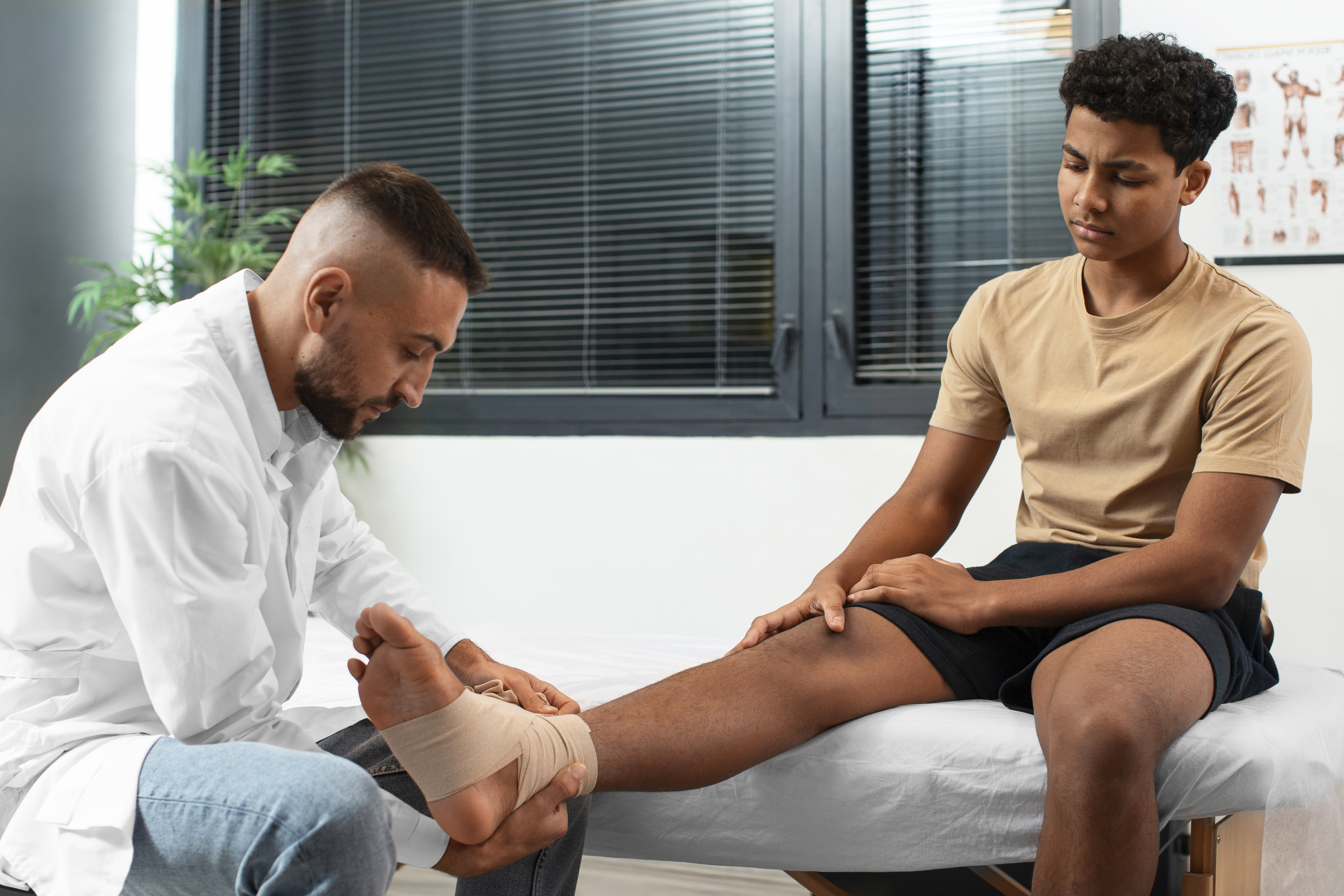
Comprehensive Sports Injury Assessment
An accurate diagnosis is the foundation of effective sports injury care. Different injuries can produce similar symptoms, making a detailed clinical evaluation important for identifying the underlying problem.
At Deepam Hospitals near Urapakkam, sports injury assessment begins with understanding how the injury occurred, the activity being performed, previous injury history, and the symptoms experienced.
The assessment may consider:
- Mechanism of injury
- Location and nature of pain
- Swelling and tenderness
- Joint stability
- Range of movement
- Muscle strength
- Functional limitations
- Previous injuries
- Current activity and training level
When clinically indicated, diagnostic imaging or other investigations may be recommended to support the evaluation.
Sprain & Strain Management
Sprains and strains are common sports-related injuries that can affect individuals across different levels of physical activity.
A sprain generally involves structures supporting a joint, while a strain typically affects a muscle or tendon. The severity and location of the injury influence the appropriate management approach.
Care may focus on:
- Clinical evaluation
- Assessment of injury severity
- Symptom management
- Protection of the affected area
- Gradual restoration of movement
- Functional recovery
- Rehabilitation guidance
The objective is to support healing while helping the individual progressively regain normal function.
Muscle & Tendon Injury Care
Muscles and tendons experience significant stress during running, jumping, lifting, throwing, and other athletic movements. Sudden force or repetitive loading can result in injury.
Sports-related muscle and tendon problems may present with:
- Localised pain
- Tenderness
- Reduced strength
- Stiffness
- Difficulty performing specific movements
- Reduced activity tolerance
A detailed assessment helps determine the severity of the condition and guides an appropriate recovery strategy.
Ligament Injury Evaluation
Ligaments help stabilise joints and are particularly important during activities involving rapid changes in direction, jumping, landing, or contact.
Ligament injuries may result from:
- Sudden twisting
- Awkward landing
- Direct impact
- Rapid change in direction
- Excessive joint movement
Depending on the injury, patients may experience pain, swelling, instability, or difficulty participating in sports. Specialist evaluation helps determine the extent of the injury and the appropriate management pathway.
Overuse Injury Management
Unlike sudden injuries, overuse conditions often develop gradually as a result of repetitive physical stress. They may affect individuals who increase their training too quickly or do not allow sufficient recovery between demanding activities.
Managing an overuse problem involves understanding:
- Training patterns
- Activity frequency
- Exercise intensity
- Recovery periods
- Previous injuries
- Movement mechanics
- Physical conditioning
Identifying contributing factors is important for reducing the likelihood of recurring symptoms and supporting a sustainable return to activity.
Sports Injury Care Snapshot
Assessment Focus
Understanding the injury, identifying affected structures, and evaluating functional limitations.
Care May Include
- Clinical evaluation
- Injury-specific management
- Activity modification
- Functional assessment
- Rehabilitation planning
- Return-to-activity guidance
Overall Goal
To help individuals recover function, regain confidence in movement, and safely progress towards their desired level of physical activity.
Activity-Specific Recovery Planning
The demands placed on the body differ from one activity to another. A runner, football player, swimmer, dancer, and gym enthusiast may require different functional abilities before returning to their normal activities.
Recovery planning may therefore consider:
- Type of sport or activity
- Physical demands
- Frequency of participation
- Competitive level
- Position or role in the sport
- Previous injury history
- Individual recovery goals
This approach helps ensure that the recovery process is relevant to the person's actual physical requirements.
Rehabilitation & Functional Recovery
Rehabilitation is an important component of sports injury care. The goal is not only to reduce symptoms but also to restore the physical abilities required for everyday activities and sports participation.
Depending on the injury, rehabilitation may focus on:
- Restoring range of movement
- Improving muscle strength
- Building flexibility
- Enhancing balance
- Improving coordination
- Developing joint stability
- Rebuilding functional capacity
Progress should be gradual and guided by the individual's recovery status.
Return-to-Activity Assessment
Returning to sports or exercise too soon can increase the risk of reinjury. A return-to-activity plan should consider whether the individual has regained the physical abilities required for their specific activity.
Before returning to demanding physical activity, relevant factors may include:
- Pain-free or significantly improved movement
- Adequate strength
- Sufficient flexibility
- Joint stability
- Functional movement
- Activity-specific readiness
- Confidence in the affected area
The timing of return varies depending on the injury and individual recovery.
Managing Recurrent Sports Injuries
Repeated injuries in the same area may indicate underlying factors that need to be addressed. Simply treating each episode without understanding why the injury keeps returning may not provide a long-term solution.
A specialist evaluation may consider:
- Previous injury history
- Muscle imbalance
- Training load
- Recovery patterns
- Movement mechanics
- Technique
- Physical conditioning
Understanding these factors can help develop a more sustainable approach to future activity.
Sports Medicine Care for Different Active Groups
Competitive Athletes
May require structured injury assessment and activity-specific recovery planning to support a safe return to competition.
Recreational Players
Can benefit from timely evaluation when an injury interferes with regular games or exercise.
Runners & Fitness Enthusiasts
May seek care for recurring pain, overuse problems, or injuries related to increased training.
Students & Young Athletes
May require age-appropriate assessment and guidance when participating in organised sports or physical activities.
Active Adults
Can receive support for injuries affecting exercise routines, recreational activities, and general mobility.
Coordinated Sports Injury Care
Sports injuries may sometimes require support from more than one healthcare discipline. At Deepam Hospitals, sports medicine care can be coordinated with relevant departments depending on the patient's needs.
These may include:
- Orthopaedics & Joint Replacement – for bone, joint, and musculoskeletal conditions
- Physiotherapy & Rehabilitation – for functional recovery and movement restoration
- Emergency & Trauma Care – for acute injuries requiring immediate attention
- Radiology & Imaging – when diagnostic imaging is clinically indicated
- Nutrition & Dietetics – for appropriate nutritional support when required
- General Medicine – for assessment of relevant underlying health conditions
This collaborative approach helps address the broader healthcare needs of active individuals.
From Injury to Activity: A Structured Recovery Pathway
- Injury Occurs
- Sports Injury Assessment
- Diagnosis & Severity Evaluation
- Personalised Management Plan
- Functional Recovery & Rehabilitation
- Activity-Specific Progression
- Return-to-Activity Assessment
- Gradual Resumption of Sports or Exercise
The recovery timeline varies from person to person and depends on the nature and severity of the injury, overall health, and individual recovery progress.
Dr. R. Anantha Kumar
Consultant Orthopaedic Surgeon
Dr. R. Anantha Kumar provides orthopaedic and musculoskeletal care for individuals experiencing injuries and conditions affecting movement and physical activity. His clinical expertise includes the assessment and management of injuries involving bones, joints, muscles, ligaments, and other structures that contribute to mobility and physical function.
As part of Sports Medicine care, his approach focuses on understanding the nature of an injury, assessing its impact on movement, and helping patients work towards functional recovery. Whether the patient is a competitive athlete, recreational player, fitness enthusiast, or an active individual, care is planned according to their condition and activity requirements.
What to Expect During Your Sports Medicine Consultation
Your first consultation is an opportunity to understand what may be causing your symptoms and how the problem is affecting your activity.
Your Consultation May Include:
1. Discussion of Your Activity
The specialist may ask about your sport, exercise routine, training frequency, recent changes in activity, and the movement that caused your symptoms.
2. Understanding the Injury
Details such as when the pain started, whether it followed a specific incident, and whether symptoms have changed over time help provide important clinical information.
3. Physical Assessment
The affected area may be assessed for movement, strength, stability, tenderness, and functional limitations.
4. Further Evaluation When Required
Depending on the clinical findings, appropriate diagnostic investigations may be recommended.
5. Personalised Care Guidance
Your specialist will explain the likely condition and discuss suitable next steps based on your individual needs.
Your Journey from Injury to Recovery
Recovery from a sports injury is a process rather than a single event. The pathway may differ depending on the type and severity of the injury, but a structured approach can help patients understand what to expect.
Assessment
The first step is understanding the injury and determining how it affects your physical function.
Initial Recovery
The affected area may require appropriate protection and activity modification while the body begins the healing process.
Functional Rehabilitation
Once appropriate, rehabilitation focuses on restoring movement, strength, flexibility, balance, and coordination.
Activity Progression
Physical activity is gradually increased according to recovery progress and individual requirements.
Return to Sports
The final stage involves returning to normal sports or exercise activities when the individual has achieved the necessary level of physical readiness.
Returning to Sports After an Injury
One of the most common concerns after an injury is: "When can I play again?"
The answer depends on several factors rather than a fixed number of days or weeks. Returning to sports should be based on the individual's recovery and the physical demands of their activity.
Important considerations may include:
- Pain and symptom improvement
- Adequate strength
- Joint stability
- Flexibility and range of motion
- Balance and coordination
- Functional movement
- Ability to perform activity-specific tasks
- Confidence in the affected area
A gradual return can help the body adapt to increasing physical demands and may reduce the risk of returning to full activity before adequate recovery.
Rehabilitation: Rebuilding Physical Confidence
After an injury, some individuals may feel hesitant to use the affected area even after physical healing has progressed. This can influence movement patterns and confidence during activity.
Rehabilitation can help individuals progressively work towards:
- Normal movement
- Improved strength
- Better flexibility
- Greater balance
- Enhanced coordination
- Improved physical confidence
- Safe participation in preferred activities
The rehabilitation process should be adapted to the individual's injury, physical condition, and activity goals.
Supporting Recovery at Home
Following medical and rehabilitation advice consistently can contribute to a smoother recovery. Patients should follow the specific recommendations provided by their healthcare professional.
General recovery principles may include:
- Follow prescribed treatment instructions
- Avoid activities that aggravate symptoms
- Attend recommended follow-up appointments
- Complete rehabilitation exercises as advised
- Allow sufficient recovery time
- Gradually increase physical activity
- Maintain balanced nutrition and hydration
- Report worsening or recurring symptoms
Avoid making sudden changes to activity levels simply because symptoms have temporarily improved.
Preventing Repeat Sports Injuries
After recovering from an injury, returning to the same activity without addressing contributing factors may increase the possibility of another injury.
Long-term injury prevention may involve:
- Gradual training progression
- Appropriate warm-up
- Adequate recovery between sessions
- Strength and conditioning
- Activity-specific preparation
- Correct movement technique
- Appropriate equipment
- Attention to recurring pain
- Maintaining physical fitness
Understanding why an injury occurred can be as important as treating the injury itself.
Building a Sustainable Active Lifestyle
Sports Medicine is not only relevant when an injury occurs. It can also support individuals who want to remain active while managing their physical health responsibly.
A sustainable approach to physical activity involves balancing:
- Training — Building physical capacity progressively
- Recovery — Allowing adequate time for the body to adapt
- Nutrition — Supporting overall health and physical demands
- Technique — Performing activities with appropriate movement patterns
- Prevention — Recognising early warning signs and addressing risk factors
This balance can help individuals maintain an active lifestyle while being mindful of their musculoskeletal health.
Frequently Asked Questions
Sports Medicine focuses specifically on injuries and physical conditions related to sports, exercise, and active lifestyles. Orthopaedics covers a broader range of conditions involving the bones, joints, muscles, ligaments, and musculoskeletal system. Sports Medicine and Orthopaedics often overlap when managing sports-related injuries.
No. Sports Medicine can benefit anyone who participates in physical activity, including recreational players, runners, gym enthusiasts, students, fitness participants, and active adults.
It depends on the cause and severity of the pain. Persistent or worsening pain should not be ignored. A specialist can help determine whether activity modification or further evaluation is appropriate.
The timeline varies depending on the type and severity of the injury, treatment, recovery progress, and demands of the sport. Return to activity should ideally be gradual and based on functional readiness rather than time alone.
Repeated injuries may be associated with factors such as inadequate rehabilitation, premature return to activity, training errors, muscle weakness, movement patterns, or insufficient recovery. A detailed assessment can help identify possible contributing factors.
No prevention strategy can eliminate every injury risk. However, appropriate training progression, conditioning, warm-up, recovery, suitable equipment, and early attention to symptoms may help reduce the likelihood of certain injuries.
Pain relief does not always mean that strength, flexibility, stability, or function have completely returned. Depending on the injury, rehabilitation may help restore physical capacity and prepare the individual for a safer return to activity.
Seek prompt medical care following a significant injury if there is severe pain, obvious deformity, inability to use the affected limb, significant swelling, loss of sensation, or difficulty moving the injured area.
Ready to Get Back to What You Love?
An injury can temporarily interrupt your routine, but appropriate assessment and a structured recovery plan can help you work towards returning to the activities that matter to you.
Whether you are dealing with a new sports injury, recurring activity-related pain, or difficulty returning to your usual level of exercise, consult Dr. R. Anantha Kumar, Consultant Orthopaedic Surgeon, at Deepam Hospitals near Urapakkam for a professional evaluation and personalised guidance.
Take the right step towards recovery, restore your physical function, and work towards a confident return to an active lifestyle.
Related Care
Depending on your individual healthcare needs, Sports Medicine may work alongside:
- Orthopaedics & Joint Replacement
- Physiotherapy & Rehabilitation
- Emergency & Trauma Care
- Radiology & Imaging
- Nutrition & Dietetics
- General Medicine
- Pain Management
Coordinated care can be particularly useful when an injury requires specialist evaluation, rehabilitation, diagnostic support, or additional medical attention.
Medical Disclaimer
The information provided on this page is for general educational purposes only and should not be considered a substitute for professional medical advice, diagnosis, or treatment. Sports injuries vary in severity, and recovery timelines differ between individuals. Please consult a qualified healthcare professional for an appropriate clinical assessment and personalised treatment recommendations. If you experience a serious injury, severe pain, significant swelling, visible deformity, loss of sensation, or inability to use the affected body part, seek prompt medical attention.
Get Back to the Activities You Love
Whether you are dealing with a new sports injury, recurring activity-related pain, or difficulty returning to your usual level of exercise, an early consultation with a qualified Sports Medicine specialist can help determine the most appropriate course of care.
At Deepam Hospitals near Urapakkam, Dr. R. Anantha Kumar, MBBS, D.Ortho provides comprehensive evaluation, rehabilitation-focused recovery planning, and personalised guidance for a safe return to physical activity.
Book your consultation today and take the right step towards recovery and a confident return to an active lifestyle.
Contact Us