- For appointment (+91) 97904 97905
Infectious Disease Specialist Near Urapakkam
Expert Care for the Diagnosis, Management & Prevention of Infections
Infectious diseases can affect people of all ages and range from common infections to complex conditions requiring specialized medical evaluation. Early diagnosis, appropriate treatment, and preventive measures play an important role in reducing complications and supporting recovery.
At Deepam Hospitals near Urapakkam, Infectious Disease Care is led by Dr. K. Arun, MBBS, MD, DNB, MRCP (UK), who provides expert evaluation and management of a wide range of infectious conditions. Our approach focuses on accurate diagnosis, evidence-based treatment, infection prevention, and long-term patient wellbeing.
At Deepam Hospitals near Urapakkam, our Department of Pain & Stress Management provides comprehensive evaluation and personalised treatment for a wide range of painful conditions and stress-related health concerns. We believe that successful pain management is not just about reducing pain but also about restoring mobility, improving emotional wellbeing, enhancing sleep, and helping patients regain their quality of life.
Deepam Hospitals is a trusted healthcare network with multispeciality hospitals in Tambaram, Guduvanchery, and Singaperumal Koil (SP Koil), supported by healthcare centres in Perungalathur, Urapakkam, and Maraimalai Nagar.
Patients from Urapakkam, Kilambakkam, Guduvanchery, Perungalathur, Vandalur, Mannivakkam, Mudichur, Tambaram, Maraimalai Nagar, and surrounding areas seek infectious disease consultation for persistent fever, recurrent infections, travel-related illnesses, infection risk assessment, and preventive healthcare guidance.
The Infectious Disease Care services at Deepam Hospitals near Urapakkam, led by Dr. K. Arun, MBBS, MD, DNB, MRCP (UK), focus on the diagnosis, treatment, monitoring, and prevention of infectious diseases. Services include evaluation of fever, bacterial infections, viral infections, recurrent infections, infection risk assessment, and preventive healthcare support for patients of all age groups.
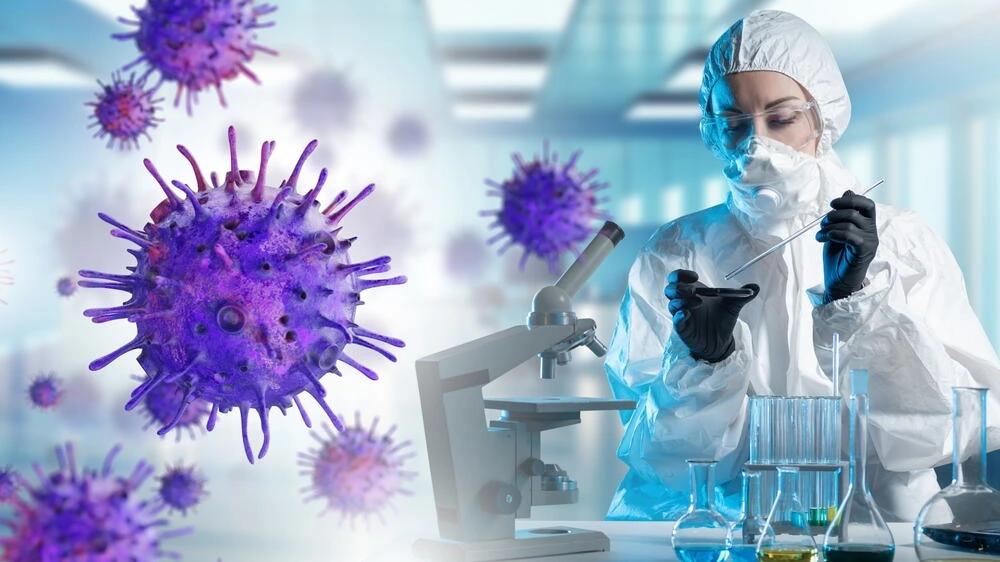
Quick Answers at a Glance
What Is Infectious Disease Care?
Infectious Disease Care focuses on the diagnosis, treatment, prevention, and monitoring of illnesses caused by bacteria, viruses, fungi, parasites, and other infectious agents.
When Should I See an Infectious Disease Specialist?
You may benefit from consultation if you have:
- Persistent or unexplained fever
- Recurrent infections
- Travel-related illnesses
- Complex infections
- Frequent infections
- Infection-related health concerns
What Causes Infectious Diseases?
Infections may be caused by:
- Bacteria
- Viruses
- Fungi
- Parasites
- Other microorganisms
The cause determines the most appropriate treatment and management approach.
Can Infectious Diseases Be Prevented?
Many infections can be reduced through preventive measures such as good hygiene practices, vaccinations, health awareness, and timely medical care.
Are Recurrent Infections a Concern?
Repeated infections may require medical evaluation to identify potential underlying causes and determine appropriate management strategies.
Can Infectious Disease Specialists Help with Fever Evaluation??
Yes. Persistent, recurrent, or unexplained fever is one of the common reasons patients seek infectious disease consultation.
Key Takeaways
- Expert Infectious Disease Evaluation
- Fever & Infection Assessment
- Bacterial Infection Management
- Viral Infection Care
- Recurrent Infection Evaluation
- Infection Prevention Guidance
- Travel-Related Infection Assessment
- Chronic Infection Monitoring
- Evidence-Based Medical Care
- Accessible Specialist Support Near Urapakkam
Why Choose Deepam Hospitals
Managing infections often requires specialized expertise, accurate diagnosis, and coordinated medical care. Our Infectious Disease services focus on identifying the cause of infection, providing appropriate treatment recommendations, and supporting long-term health outcomes.
Highlights of Our Infectious Disease Care
- Specialist-Led Infection Management
- Comprehensive Fever Evaluation
- Evidence-Based Treatment Approaches
- Recurrent Infection Assessment
- Infection Prevention Guidance
- Travel & Tropical Infection Evaluation
- Multidisciplinary Medical Support
- Diagnostic & Laboratory Coordination
- Patient-Centred Care Approach
- Convenient Access for Families Near Urapakkam
Understanding the Importance of Infection Care
Infections can affect different parts of the body and vary widely in severity. While some infections resolve with appropriate treatment, others may require specialized evaluation to identify underlying causes, prevent complications, and support recovery.
Early medical assessment is particularly important when symptoms persist, worsen, or recur frequently.
Did You Know?
- Infectious diseases can be caused by bacteria, viruses, fungi, or parasites.
- Fever is one of the most common signs of infection, but not all infections present with fever.
- Some infections may spread from person to person, while others are acquired through environmental exposure.
- Recurrent infections may sometimes indicate underlying health concerns that require further evaluation
- Preventive healthcare measures can help reduce the risk of many infectious diseases.
When Should You Consult an Infectious Disease Specialist?
You may consider seeking specialist evaluation if you experience:
- Persistent fever
- Recurrent infections
- Frequent unexplained illnesses
- Travel-related health concerns
- Infections that do not improve as expected
- Chronic or complex infections
- Concerns about infection prevention
- Need for specialised infection assessment
Early evaluation may help support accurate diagnosis and timely management.
Supporting Better Health Through Infection Prevention
Preventing infections is just as important as treating them. Through patient education, risk assessment, preventive guidance, and timely medical intervention, infectious disease care helps support healthier individuals and communities.
At Deepam Hospitals near Urapakkam, we are committed to providing comprehensive infectious disease evaluation, preventive healthcare support, and patient-centred infection management.
What Are Infectious Diseases?
Infectious diseases are illnesses caused by microorganisms that enter the body and multiply, leading to infection.
These microorganisms may include:
- Bacteria
- Viruses
- Fungi
- Parasites
Some infections are mild and short-lived, while others may require specialized medical evaluation and treatment.
What Causes Infections?
Infections occur when harmful microorganisms enter the body and overcome its natural defense mechanisms.
Several factors may influence the risk of infection, including:
- Exposure to infectious organisms
- Weakened immune function
- Environmental conditions
- Existing health conditions
- Poor hygiene practices
- Close contact with infected individuals
The type of microorganism involved often determines the severity and treatment approach.
Types of Infectious Diseases
Infectious diseases can affect different organs and body systems.
Common categories include:
- Bacterial infections
- Viral infections
- Fungal infections
- Parasitic infections
Understanding the cause of infection is important for selecting appropriate treatment and prevention strategies.
Bacterial Infections
Bacterial infections occur when harmful bacteria enter the body and multiply.
Examples may affect:
- Respiratory system
- Digestive system
- Skin and soft tissues
- Urinary tract
- Bloodstream
Many bacterial infections can be effectively managed when diagnosed and treated appropriately.
Viral Infections
Viruses are microscopic infectious agents that require living cells to multiply.
Viral infections may affect:
- Respiratory tract
- Digestive tract
- Nervous system
- Liver
- Other organs
Symptoms and severity can vary depending on the virus involved and the patient's overall health.
Fungal Infections
Fungal infections are caused by fungi that can affect different parts of the body.
They may involve:
- Skin
- Nails
- Mouth
- Respiratory system
- Internal organs in certain situations
Some fungal infections are mild, while others may require specialized medical attention.
Parasitic Infections
Parasitic infections occur when parasites live on or inside the body.
These infections may be acquired through:
- Contaminated food or water
- Insect bites
- Environmental exposure
- Travel to certain regions
Early identification helps support appropriate management and recovery.
How Infections Spread
Different infections spread through different routes.
Common modes of transmission include:
Direct Contact
Physical contact with an infected individual.
Respiratory Droplets
Spread through coughing, sneezing, or close contact.
Contaminated Food & Water
Consumption of unsafe food or water sources.
Environmental Exposure
Contact with contaminated surfaces or environments.
Insect-Borne Transmission
Spread through mosquitoes, ticks, or other insects.
Understanding transmission helps support infection prevention efforts.
Recognising Common Signs of Infection
Symptoms may vary depending on the cause and location of infection.
Common warning signs may include:
- Fever
- Fatigue
- Chills
- Cough
- Sore throat
- Skin changes
- Digestive symptoms
- Unexplained discomfort
Persistent or worsening symptoms should be evaluated by a healthcare professional.
Importance of Early Diagnosis
Early diagnosis allows healthcare providers to:
- Identify the cause of infection
- Recommend appropriate treatment
- Reduce complications
- Monitor disease progression
- Support faster recovery
Timely evaluation is especially important when symptoms are severe, persistent, or recurrent.
Infection Prevention & Control
Preventing infections is an important part of maintaining overall health.
Preventive measures may include:
- Regular hand hygiene
- Safe food practices
- Vaccination
- Respiratory hygiene
- Environmental cleanliness
- Seeking timely medical care
Consistent preventive practices can help reduce the risk of many infectious diseases.
Who May Be at Higher Risk?
Certain individuals may be more vulnerable to infections.
Risk factors may include:
- Advanced age
- Chronic health conditions
- Reduced immune function
- Frequent exposure to infectious environments
- Recent hospitalization
- International travel
Risk levels vary from person to person and should be assessed individually.
Infectious Disease Snapshot
Focus
Diagnosing, managing, monitoring, and preventing illnesses caused by infectious microorganisms.
Core Areas
- Infection diagnosis
- Fever evaluation
- Infection prevention
- Chronic infection monitoring
- Risk assessment
- Patient education
Goal
To promote early diagnosis, effective management, and prevention of infectious diseases.
Infectious Disease Awareness Table
| Topic | Why It Matters |
|---|---|
| Early Diagnosis | Helps identify infections before complications develop. |
| Infection Prevention | Reduces the spread of infectious diseases. |
| Fever Evaluation | May help detect underlying infections. |
| Hygiene Practices | Supports infection control and prevention. |
| Risk Assessment | Helps identify individuals who may require additional monitoring. |
| Medical Follow-Up | Supports recovery and long-term health management. |
Why Timely Medical Care Matters
While some infections may resolve without complications, others can progress if left untreated.
Prompt medical attention may help:
- Identify serious infections early
- Improve treatment outcomes
- Prevent disease progression
- Reduce transmission risks
- Support overall recovery
Individuals experiencing persistent symptoms, recurrent infections, or unexplained fever should seek medical evaluation.
Building Healthier Communities Through Prevention
Infectious disease care is not limited to treating illnesses. It also focuses on prevention, education, awareness, and reducing the impact of infections within families and communities.
By combining early diagnosis, preventive healthcare practices, and appropriate medical management, individuals can better protect themselves and those around them from infectious diseases.
Evaluation of Fever & Unexplained Infections
Persistent or unexplained fever may sometimes indicate an underlying infection that requires detailed medical assessment.
Comprehensive fever evaluation may include:
- Clinical history review
- Symptom assessment
- Physical examination
- Infection source identification
- Diagnostic investigations when required
A structured evaluation helps determine the most appropriate treatment and follow-up plan.
Diagnosis of Bacterial Infections
Accurate identification of bacterial infections is important for effective treatment planning.
Assessment may involve:
- Clinical examination
- Laboratory investigations
- Review of infection patterns
- Evaluation of symptom severity
Early diagnosis can help support timely management and reduce the risk of complications.
Clinical Care Snapshot
Focus
Providing specialized diagnosis, treatment, monitoring, and prevention of infectious diseases.
Core Services
- Fever Evaluation
- Infection Diagnosis
- Recurrent Infection Assessment
- Infection Risk Assessment
- Preventive Guidance
- Long-Term Infection Monitoring
Goal
To deliver evidence-based infection care while supporting recovery, prevention, and overall health.
Viral Infection Management
Viral infections can affect multiple organ systems and present with a wide variety of symptoms.
Specialist evaluation may assist with:
- Symptom assessment
- Diagnostic clarification
- Monitoring disease progression
- Recovery planning
- Follow-up care
Management strategies vary depending on the type of infection and individual patient factors.
Tropical & Travel-Related Infection Assessment
Travel and environmental exposure can sometimes increase the risk of certain infectious diseases.
Specialized assessment may be beneficial for:
- Travel-related illnesses
- Tropical infections
- Unexplained fever after travel
- Exposure-related health concerns
- Imported infectious diseases
Detailed medical history and exposure assessment play an important role in diagnosis.
Recurrent Infection Evaluation
Repeated infections may indicate underlying factors that require further investigation.
Evaluation may focus on:
- Frequency of infections
- Infection severity
- Immune system considerations
- Chronic health conditions
- Lifestyle and environmental factors
Identifying potential contributing factors helps guide long-term management strategies.
Infection Risk Assessment
Understanding infection risk is an important aspect of preventive healthcare.
Risk assessment may consider:
- Medical history
- Occupational exposure
- Travel history
- Existing health conditions
- Immune status
- Environmental factors
Risk evaluation helps support personalized prevention and monitoring plans.
Chronic Infection Monitoring
Some infections may require ongoing observation and follow-up.
Long-term monitoring may include:
- Clinical reviews
- Symptom tracking
- Follow-up investigations
- Treatment response assessment
- Preventive care planning
Regular monitoring helps healthcare providers evaluate progress and make informed clinical decisions.
Infection Prevention Guidance
Preventive healthcare plays a significant role in reducing the burden of infectious diseases.
Preventive guidance may include:
- Hygiene education
- Lifestyle recommendations
- Infection risk reduction strategies
- Exposure prevention advice
- Health awareness counselling
Patient education supports informed healthcare decisions and healthier outcomes.
Vaccination & Preventive Advice
Vaccination is one of the important tools used in preventing many infectious diseases.
Preventive healthcare discussions may include:
- Vaccination awareness
- Immunisation recommendations
- Travel-related preventive advice
- Infection prevention strategies
- Health protection guidance
Recommendations are individualized according to age, health status, and risk profile.
Hospital-Acquired Infection Assessment
Certain infections may develop during or after healthcare-related exposure.
Specialist evaluation may assist in:
- Identifying infection sources
- Reviewing risk factors
- Monitoring recovery
- Coordinating treatment plans
- OSupporting infection control measures
Timely assessment can help improve patient outcomes and reduce complications.
Specialist Referral Coordination
Some patients may require input from multiple medical specialties.
Infectious Disease Care often works closely with:
- General Medicine
- Pulmonology
- Gastroenterology
- Critical Care Medicine
- Diabetology
- Paediatrics
- Geriatric Medicine
- Diagnostic & Radiology
Coordinated care supports comprehensive infection management and follow-up.
Infectious Disease Services Table
| Service | Purpose |
|---|---|
| Fever Evaluation | Investigation of persistent or unexplained fever. |
| Bacterial Infection Assessment | Diagnosis and management planning for bacterial infections. |
| Viral Infection Management | Evaluation and monitoring of viral illnesses. |
| Travel-Related Infection Assessment | Investigation of infections associated with travel or exposure. |
| Recurrent Infection Evaluation | Assessment of repeated or persistent infections. |
| Infection Risk Assessment | Identification of infection-related risk factors. |
| Chronic Infection Monitoring | Long-term follow-up and progress evaluation. |
| Infection Prevention Guidance | Education and preventive healthcare support. |
| Vaccination Advicet | Guidance regarding infection prevention strategies. |
| Specialist Coordination | Collaborative management with other medical departments. |
Conditions Commonly Evaluated
Infectious Disease Care may assist with the evaluation of:
- Persistent fever
- Recurrent infections
- Respiratory infections
- Gastrointestinal infections
- Skin and soft tissue infections
- Travel-related illnesses
- Chronic infections
- Unexplained infection-related symptoms
Each patient receives individualized assessment and management based on clinical findings and healthcare needs.
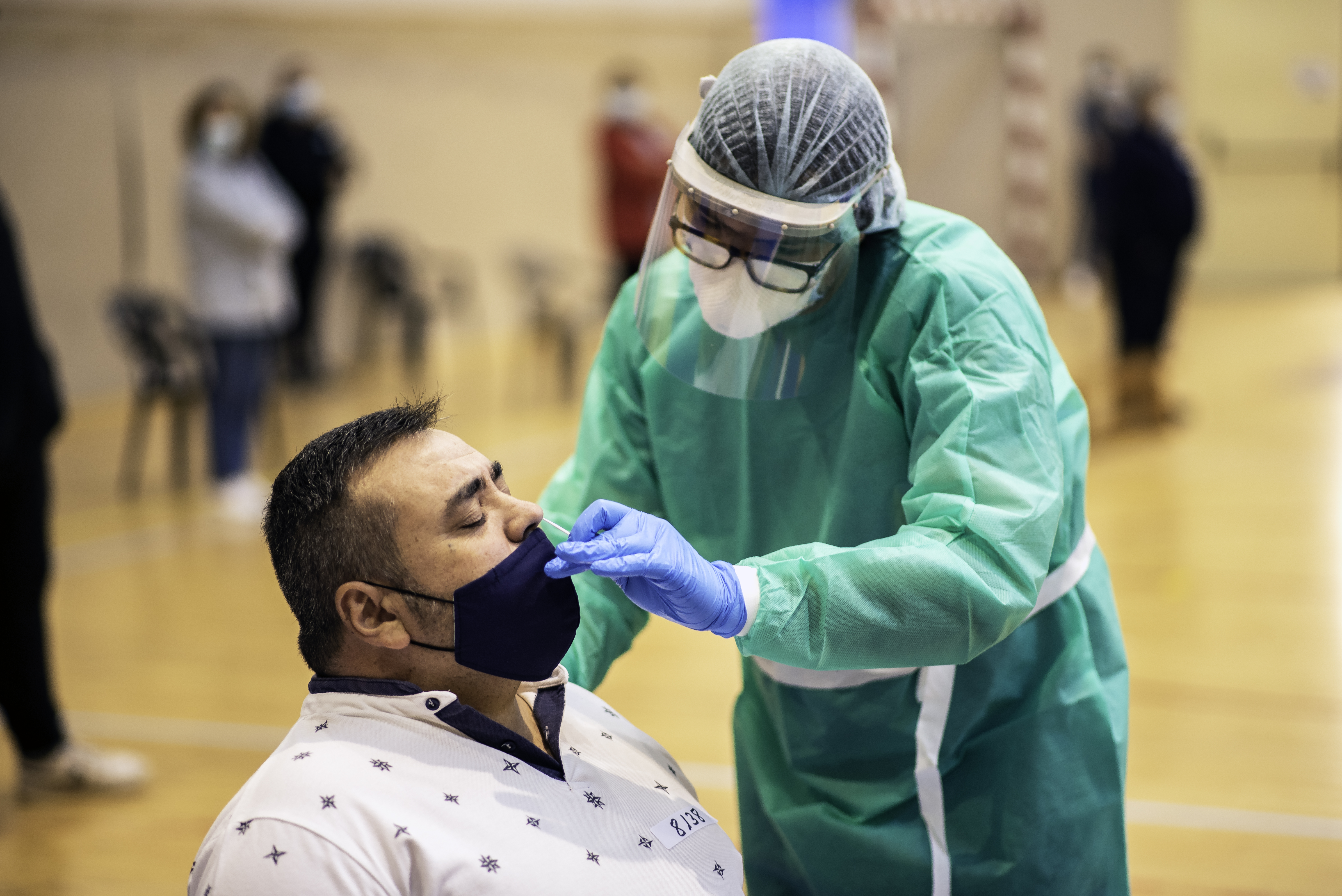
Multidisciplinary Infection Care Support
Effective infection management often requires collaboration across multiple specialties.
Our Infectious Disease Care services work closely with:
- General Medicine
- Family Medicine
- Pulmonology
- Gastroenterology
- Diabetology
- Paediatrics
- Geriatric Medicine
- Emergency Medicine
- Critical Care Medicine
- Diagnostic & Radiology
This multidisciplinary approach supports accurate diagnosis, coordinated treatment, and comprehensive patient care.
Did You Know?
Many infections present with symptoms that may resemble other medical conditions. Specialized evaluation can help identify the underlying cause, guide appropriate investigations, and support targeted treatment planning when necessary.
Dr. K. Arun
Consultant in Infectious Disease Care at Deepam Hospitals.
With advanced training and expertise in infectious diseases, Dr. Arun focuses on the evaluation, diagnosis, management, and prevention of a wide range of infections. His approach emphasizes evidence-based medical care, accurate diagnosis, patient education, infection prevention, and coordinated treatment planning.
Patients seek consultation for concerns such as persistent fever, recurrent infections, complex infectious conditions, travel-related illnesses, and infection risk assessment.
About Our Infectious Disease Care Services
Infectious diseases can vary significantly in their causes, symptoms, and severity. Some infections resolve quickly, while others may require specialized evaluation, monitoring, and long-term follow-up.
At Deepam Hospitals near Urapakkam, our Infectious Disease Care services focus on identifying the cause of infection, understanding risk factors, guiding appropriate investigations, and supporting patients throughout their treatment and recovery journey.
The goal is not only to manage infections but also to help prevent future health complications through education and preventive care.
What to Expect During Your Consultation
An infectious disease consultation involves a detailed review of symptoms, medical history, and possible exposure risks.
Step 1 – Detailed Medical History
The consultation may include discussion about:
- Current symptoms
- Duration of illness
- Previous infections
- Travel history
- Recent hospitalizations
- Existing medical conditions
- Medication history
This information helps provide valuable diagnostic clues.
Step 2 – Clinical Assessment
A comprehensive evaluation may include:
- Physical examination
- Symptom review
- Assessment of infection severity
- Evaluation of potential infection sources
The assessment helps guide further investigations if required.
Step 3 – Diagnostic Planning
Depending on clinical findings, diagnostic recommendations may include:
- Blood tests
- Laboratory investigations
- Imaging studies
- Specialized infection-related testing
The objective is to identify the cause of symptoms as accurately as possible.
Step 4 – Treatment & Follow-Up
After evaluation, a personalised management plan is developed.
This may involve:
- Treatment recommendations
- Monitoring plans
- Preventive advice
- Follow-up consultations
- Coordination with other specialists
Ongoing follow-up helps assess recovery and treatment response.
Infectious Disease Care Journey Snapshot
Focus
Providing accurate diagnosis, effective infection management, preventive guidance, and long-term patient support.
Key Elements
- Detailed medical evaluation
- Infection risk assessment
- Diagnostic investigations
- Individualised treatment planning
- Recovery monitoring
- Prevention education
Goal
To support timely diagnosis, effective management, and improved long-term health outcomes.
Understanding Diagnostic Investigations
Accurate diagnosis is often the foundation of effective infection management.
Investigations may help:
- Identify the infectious cause
- Determine infection severity
- Assess treatment response
- Detect complications
- Guide future management decisions
Not every patient requires extensive testing, and recommendations are based on individual clinical needs.
Infection Prevention Education
Preventing infections remains an important aspect of healthcare.
Patient education may focus on:
- Hand hygiene practices
- Safe food and water habits
- Travel health precautions
- Vaccination awareness
- Infection risk reduction strategies
- Community health awareness
Preventive measures can help reduce the likelihood of future infections.
Recovery & Follow-Up Care
Recovery timelines vary depending on the type of infection and individual health factors.
Follow-up care may involve:
- Monitoring symptom improvement
- Reviewing test results
- Assessing treatment response
- Identifying recurrence risks
- Supporting long-term wellness
Regular medical follow-up can help ensure ongoing recovery and health stability.
Living Well After Infection
After recovering from an infection, maintaining good health habits can help support long-term wellbeing.
Healthcare providers may recommend:
- Healthy lifestyle practices
- Adequate hydration
- Balanced nutrition
- Regular medical check-ups
- Preventive healthcare measures
Long-term wellness often involves both recovery and prevention.
Frequently Asked Questions
An Infectious Disease Specialist evaluates and manages illnesses caused by bacteria, viruses, fungi, parasites, and other infectious agents.
You may benefit from specialist evaluation if you have persistent fever, recurrent infections, unexplained symptoms, travel-related illnesses, or infections that are difficult to diagnose or manage.
No. Many infections can be managed through routine medical care. Specialist consultation may be recommended when infections are complex, persistent, recurrent, or require advanced evaluation.
In some cases, repeated infections may suggest underlying health concerns that require further investigation and medical assessment.
Patients may find it helpful to bring:
- Previous medical records
- Laboratory reports
- Imaging reports
- Current medication list
- Vaccination history if available
- Previous medical records
- Laboratory reports
- Imaging reports
- Current medication list
- Vaccination history if available
These records can support a more comprehensive evaluation.
Many infections can be reduced through preventive healthcare measures such as good hygiene practices, vaccinations, health awareness, and timely medical care.
Early diagnosis can help identify the cause of infection, support appropriate treatment planning, and reduce the risk of complications.
Follow-up needs vary depending on the infection, treatment response, and overall health status of the patient.
Protecting Health Through Early Action
Infections can affect overall health and wellbeing in many ways. Timely evaluation, accurate diagnosis, and preventive healthcare measures play an important role in reducing complications and supporting recovery.
At Deepam Hospitals near Urapakkam, our Infectious Disease Care services are committed to helping patients receive expert guidance, appropriate treatment, and long-term support for infection-related health concerns.
Related Departments
Our Infectious Disease Care services work closely with:
- General Medicine
- Family Medicine
- Pulmonology
- Gastroenterology
- Diabetology
- Paediatrics
- Geriatric Medicine
- Emergency Medicine
- Critical Care Medicine
- Diagnostic & Radiology
Our Infectious Disease Care services work closely with:
- General Medicine
- Family Medicine
- Pulmonology
- Gastroenterology
- Diabetology
- Paediatrics
- Geriatric Medicine
- Emergency Medicine
- Critical Care Medicine
- Diagnostic & Radiology
This multidisciplinary collaboration supports comprehensive diagnosis, treatment planning, and long-term patient care.
Medical Disclaimer
The information provided on this page is intended for educational purposes only and should not replace professional medical advice, diagnosis, or treatment. Infectious diseases vary in severity and presentation, and medical decisions should always be based on individual clinical evaluation by qualified healthcare professionals. If you are experiencing severe symptoms, persistent fever, or a medical emergency, seek immediate medical attention.
Schedule an Infectious Disease Consultation
If you are experiencing persistent fever, recurrent infections, unexplained illness, travel-related health concerns, or require infection prevention guidance, professional medical evaluation can help.
Consult Dr. K. Arun, MBBS, MD, DNB, MRCP (UK), Consultant in Infectious Disease Care, at Deepam Hospitals near Urapakkam for comprehensive infection assessment, diagnosis, and management.
