- For appointment (+91) 97904 97905
Best Orthopaedics & Joint Replacement Hospital Near Urapakkam
Advanced Bone, Joint & Trauma Care to Help You Move with Confidence
Healthy bones and joints are essential for maintaining an active, independent, and pain-free lifestyle. Whether it is walking comfortably, climbing stairs, playing sports, or performing everyday activities, a well-functioning musculoskeletal system allows people of all ages to live with confidence. However, injuries, arthritis, age-related joint degeneration, fractures, sports injuries, and traumatic accidents can significantly affect mobility, productivity, and overall quality of life. Early orthopaedic evaluation and timely treatment are essential to restore movement, relieve pain, and prevent long-term complications.
Musculoskeletal problems can affect anyone—from children with fractures and young athletes with sports injuries to adults experiencing joint pain and older individuals living with severe arthritis. Ignoring persistent pain, swelling, stiffness, or restricted movement may lead to worsening joint damage and reduced mobility over time. Seeking expert orthopaedic care at the right time helps preserve joint function and supports faster recovery.
At Deepam Hospitals near Urapakkam, our Department of Orthopaedics & Joint Replacement provides comprehensive diagnosis, treatment, rehabilitation, and preventive care for a wide range of bone, joint, ligament, muscle, and traumatic injuries. Our focus is not only on treating injuries but also on helping patients regain strength, restore movement, improve physical function, and return safely to their daily activities.
Deepam Hospitals is a trusted healthcare network with multispeciality hospitals in Tambaram, Guduvanchery, and Singaperumal Koil (SP Koil), supported by healthcare centres in Perungalathur, Urapakkam, and Maraimalai Nagar.
Our department is led by Dr. R. Anantha Kumar (MBBS, D.Ortho), an experienced Orthopaedic Surgeon with expertise in Fractures & Dislocations, Joint Replacement, Traumatic Injuries, and Knee Replacement Surgery. Every patient receives an individualised treatment plan based on the type of injury, severity of the condition, age, activity level, lifestyle, and long-term mobility goals. Whether treatment involves conservative management or advanced surgical intervention, our priority is to achieve the best possible functional recovery.
Patients from Urapakkam, Kilambakkam, Guduvanchery, Perungalathur, Vandalur, Mannivakkam, Mudichur, Maraimalai Nagar, West Tambaram, and nearby localities rely on Deepam Hospitals for timely orthopaedic care, advanced fracture management, joint replacement expertise, and comprehensive rehabilitation delivered through a patient-focused approach.
Deepam Hospitals near Urapakkam provides comprehensive Orthopaedics & Joint Replacement services under the care of Dr. R. Anantha Kumar. Our department specialises in fracture and dislocation management, traumatic injuries, knee replacement, joint replacement surgery, and personalised orthopaedic care designed to relieve pain, restore mobility, and improve quality of life for patients of all ages.
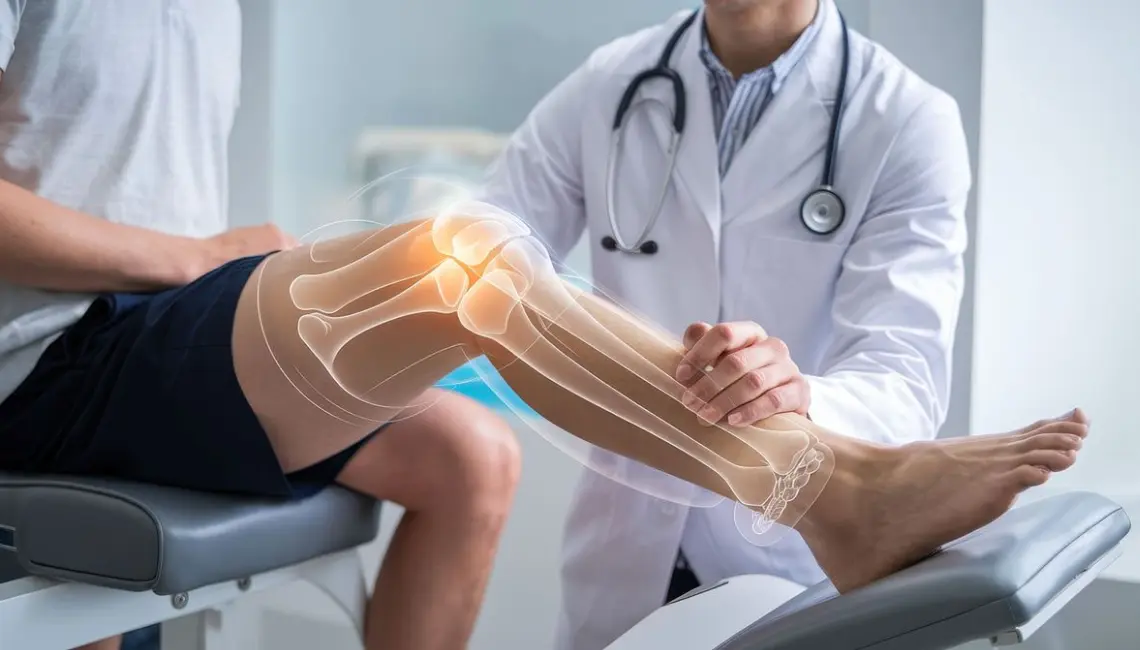
Quick Answers at a Glance
Fracture & Dislocation Care
Prompt orthopaedic assessment and appropriate fracture management help bones heal correctly, restore function, reduce pain, and minimise the risk of long-term complications following accidents or injuries.
Joint Replacement Surgery
Joint replacement is recommended for patients with severe joint damage when pain and stiffness significantly affect daily activities and conservative treatments no longer provide adequate relief.
Knee Replacement
Advanced knee replacement surgery helps relieve chronic knee pain caused by severe arthritis or joint degeneration, allowing patients to regain mobility and improve their quality of life.
Trauma & Accident Care
Orthopaedic trauma care focuses on diagnosing and treating injuries involving bones, joints, muscles, ligaments, and tendons resulting from falls, road traffic accidents, workplace injuries, and sports-related trauma.
Joint Pain Evaluation
Persistent joint pain, swelling, stiffness, or reduced mobility should be assessed early to identify the underlying cause and develop a personalised treatment plan before the condition progresses.
Mobility & Rehabilitation
Recovery extends beyond treatment. Structured rehabilitation and guided physical recovery help patients regain strength, restore joint function, improve flexibility, and safely return to everyday activities.
Key Takeaways
- Comprehensive Orthopaedic & Joint Replacement Care
- Expert Orthopaedic Surgeon – Dr. R. Anantha Kumar
- Fracture & Dislocation Management
- Trauma & Accident Care
- Knee Replacement Surgery
- Advanced Joint Replacement Procedures
- Personalised Orthopaedic Treatment Plans
- Focus on Pain Relief & Mobility Restoration
- Rehabilitation & Functional Recovery
- Easily Accessible for Patients Near Urapakkam
Why Choose Deepam Hospitals
Receiving the right orthopaedic care at the right time can significantly improve recovery, mobility, and long-term joint health. At Deepam Hospitals near Urapakkam, we combine experienced orthopaedic expertise, accurate diagnosis, advanced surgical capabilities, and rehabilitation-focused care to help patients recover safely and confidently.
Why Patients Choose Our Orthopaedic Department
- Experienced Orthopaedic Surgeon
- Advanced Fracture & Trauma Care
- Comprehensive Joint Replacement Services
- Specialised Knee Replacement Surgery
- Individualised Treatment Planning
- Modern Diagnostic Support
- Rehabilitation-Focused Recovery
- Multidisciplinary Orthopaedic Care
- Patient-Centred Clinical Approach
- Convenient Care Close to Urapakkam
Restoring Movement, Rebuilding Lives
Movement is an essential part of everyday life, and orthopaedic care plays a vital role in preserving independence and physical wellbeing. Whether recovering from an injury, managing arthritis, or considering joint replacement, every patient deserves a treatment plan tailored to their lifestyle, health goals, and functional needs.
At Deepam Hospitals, we focus on restoring movement rather than simply treating pain. By combining accurate diagnosis, evidence-based treatment, rehabilitation, and long-term follow-up, we help patients regain confidence, improve mobility, and return to the activities that matter most.
Did You Know?
- Not every fracture requires surgery; many fractures heal successfully with appropriate orthopaedic management and regular follow-up.
- Early treatment of joint injuries may help reduce the risk of long-term stiffness and mobility problems.
- Persistent knee pain lasting several weeks should not be ignored, especially if it affects walking or climbing stairs.
- Joint replacement surgery is generally considered when conservative treatments no longer provide adequate symptom relief.
- Rehabilitation is an important part of orthopaedic recovery and helps restore movement, strength, and joint function.
When Should You Consult an Orthopaedic Specialist?
Bone, joint, and muscle problems often worsen if left untreated. Early orthopaedic evaluation allows timely diagnosis and appropriate management before mobility becomes significantly affected.
Consult an orthopaedic specialist if you experience:
- Persistent joint or bone pain
- Difficulty walking or climbing stairs
- Swollen or stiff joints
- Reduced range of motion
- Suspected fracture after an injury
- Joint deformity following trauma
- Recurrent shoulder, knee, or hip pain
- Sports-related injuries
- Difficulty bearing weight on a limb
- Pain that interferes with daily activities
- Slow recovery after an accident
- Long-standing arthritis symptoms
Supporting Active Living Through Better Bone & Joint Health
Healthy bones and joints are essential for maintaining independence, productivity, and overall quality of life. Preventive care, timely diagnosis, appropriate treatment, and guided rehabilitation all contribute to healthier movement throughout life.
At Deepam Hospitals near Urapakkam, we are committed to helping patients overcome orthopaedic conditions through personalised care, advanced treatment, and long-term mobility support, enabling them to return to their daily routines with greater comfort, confidence, and improved physical function.
Related Orthopaedic Services
Our Orthopaedics & Joint Replacement Department works closely with:
- Physiotherapy & Rehabilitation
- Emergency & Trauma Care
- Radiology & Imaging
- Pain Management
- General Medicine
- Diabetology
- Nutrition & Dietetics
- Laboratory Services
This multidisciplinary approach ensures comprehensive care for patients recovering from injuries, fractures, joint disorders, and orthopaedic surgeries.
Understanding Bone & Joint Health
The human musculoskeletal system is made up of bones, joints, muscles, ligaments, tendons, and cartilage that work together to provide strength, stability, balance, and movement. Healthy bones and joints allow people to perform everyday activities such as walking, climbing stairs, lifting objects, exercising, and participating in recreational activities without discomfort.
As we age, natural wear and tear, injuries, repetitive movements, medical conditions, and lifestyle habits can gradually affect the health of our bones and joints. These changes may lead to pain, stiffness, swelling, reduced flexibility, and limitations in daily activities. Understanding these changes and seeking timely orthopaedic care can help preserve joint function and improve long-term mobility.
Common Orthopaedic Conditions
Orthopaedic problems affect people of all age groups, from children with fractures to elderly individuals experiencing arthritis or joint degeneration. While some conditions develop suddenly after an injury, others progress gradually over months or years.
Common orthopaedic conditions include:
- Fractures
- Joint dislocations
- Knee arthritis
- Hip arthritis
- Shoulder pain
- Sports injuries
- Ligament injuries
- Tendon disorders
- Back and neck pain
- Osteoporosis
- Age-related joint degeneration
- Traumatic bone injuries
Recognising these conditions early helps prevent complications and supports better recovery outcomes.
Why Joint Health Changes Over Time
Joints are designed to provide smooth and painless movement. Over time, repeated use, ageing, injuries, excess body weight, and medical conditions may gradually damage the cartilage that cushions the joints. As cartilage wears down, movement becomes more painful, stiffness increases, and daily activities become more difficult.
Joint problems commonly affect:
- Knees
- Hips
- Shoulders
- Ankles
- Wrists
- Elbows
Maintaining joint health through timely medical care, regular physical activity, and healthy lifestyle habits can help preserve mobility for many years.
Understanding Traumatic Injuries
Traumatic orthopaedic injuries occur suddenly and often require immediate medical attention. They may result from road traffic accidents, falls, workplace incidents, sports injuries, or direct impact.
Traumatic injuries may involve:
- Bone fractures
- Joint dislocations
- Ligament tears
- Muscle injuries
- Tendon damage
- Multiple bone injuries
Prompt evaluation allows appropriate treatment planning while reducing the risk of long-term disability or complications.
Who Is More Likely to Develop Orthopaedic Problems?
Certain factors increase the likelihood of developing bone and joint conditions. While some risk factors cannot be changed, many can be managed through preventive healthcare and healthy lifestyle choices.
Common risk factors include:
- Increasing age
- Previous fractures
- Obesity
- Physically demanding occupations
- Repetitive joint movements
- Sports participation
- Poor posture
- Lack of regular exercise
- Osteoporosis
- Family history of arthritis
- Vitamin D deficiency
- Calcium deficiency
Recognising these risk factors encourages individuals to seek medical advice before symptoms become severe.
Lifestyle Habits That Support Healthy Bones & Joints
Healthy bones and joints depend not only on medical treatment but also on everyday lifestyle choices. Simple preventive measures can significantly reduce the risk of injuries and support long-term musculoskeletal health.
Healthy habits include:
- Maintaining a healthy body weight
- Regular low-impact exercise
- Strengthening muscles around joints
- Eating calcium-rich foods
- Ensuring adequate Vitamin D intake
- Practising good posture
- Using proper lifting techniques
- Wearing supportive footwear
- Preventing falls at home
- Staying physically active
Consistent healthy habits help protect joints while improving flexibility, strength, and balance.
Warning Signs You Should Never Ignore
Bone and joint conditions often develop gradually. Early symptoms may seem mild but can worsen if left untreated. Prompt orthopaedic evaluation helps identify the cause before permanent joint damage occurs.
Consult an orthopaedic specialist if you notice:
- Persistent joint pain
- Joint swelling
- Morning stiffness
- Difficulty bending or straightening joints
- Limited movement
- Bone pain after an injury
- Visible deformity
- Clicking or locking joints
- Difficulty walking
- Recurrent joint instability
- Persistent back or neck pain
- Pain lasting more than a few weeks
Ignoring these symptoms may delay treatment and affect long-term mobility.
Orthopaedic Care Snapshot
Early Bone & Joint Evaluation
Purpose
Identify the underlying cause of pain, injury, stiffness, or reduced movement before the condition progresses.
Who Can Benefit?
- Individuals with persistent joint pain
- Patients recovering from injuries
- Older adults with arthritis
- Sports enthusiasts
- People experiencing reduced mobility
Benefits
- Early diagnosis
- Better pain management
- Preservation of joint function
- Reduced risk of complications
- Improved quality of life
- Personalised treatment planning
Bone & Joint Conditions and Why Early Evaluation Matters
| Condition | Why Early Orthopaedic Evaluation Is Important |
|---|---|
| Fractures | Promotes proper bone healing and restores normal function. |
| Joint Dislocations | Helps stabilise the joint and reduce the risk of recurrent instability. |
| Knee Arthritis | Supports pain management and preserves joint mobility before advanced degeneration occurs. |
| Sports Injuries | Allows early treatment of ligament, tendon, or muscle injuries for faster recovery. |
| Traumatic Injuries | Identifies hidden bone or soft tissue damage following accidents. |
| Persistent Joint Pain | Helps determine the underlying cause and prevents long-term joint deterioration. |
| Osteoporosis | Enables early management to reduce the risk of future fractures and maintain bone strength. |
Why Early Orthopaedic Consultation Makes a Difference
Many orthopaedic conditions respond better when diagnosed before significant joint damage or functional limitation develops. Early consultation allows specialists to identify the underlying problem, recommend appropriate investigations, and begin timely treatment that supports faster recovery and better long-term outcomes.
Seeking medical advice at the earliest stage can help:
- Preserve healthy joint function
- Improve mobility
- Reduce chronic pain
- Prevent complications
- Lower the risk of disability
- Support faster recovery after injuries
- Delay progression of degenerative joint conditions
- Improve overall quality of life
Taking early action is one of the most effective ways to maintain healthy bones, protect joint function, and continue enjoying an active lifestyle.
Personalised Orthopaedic Evaluation
Every orthopaedic condition is unique, requiring a thorough clinical assessment before deciding on the most appropriate treatment. At Deepam Hospitals near Urapakkam, our orthopaedic team carefully evaluates each patient's symptoms, medical history, injury mechanism, activity level, occupation, and lifestyle to understand the root cause of pain or mobility limitations.
The evaluation may include:
- Detailed medical history
- Physical examination
- Joint stability assessment
- Range of motion evaluation
- Functional mobility assessment
- Imaging review when required
- Individual risk assessment
This comprehensive approach helps us develop a personalised treatment strategy aimed at restoring movement, relieving pain, and improving long-term function.
Comprehensive Fracture Management
Bone fractures require prompt diagnosis and appropriate treatment to ensure proper healing and restore normal function. Whether caused by falls, sports injuries, road traffic accidents, or workplace trauma, timely orthopaedic intervention helps minimise complications and supports faster recovery.
Our fracture care services include:
- Initial fracture assessment
- Closed fracture management
- Complex fracture evaluation
- Dislocation management
- Fracture stabilisation
- Post-treatment monitoring
- Functional recovery planning
- Long-term follow-up
Every fracture is managed according to its type, location, severity, and the patient's overall health.
Orthopaedic Treatment Snapshot – Fracture Care
Purpose
Restore proper bone alignment, promote healing, and regain normal movement after a fracture.
Recommended For
- Simple fractures
- Complex fractures
- Sports-related fractures
- Accident-related injuries
- Elderly patients with fractures
Benefits
- Proper bone healing
- Reduced risk of deformity
- Better functional recovery
- Improved mobility
- Lower risk of long-term complications
Advanced Trauma & Accident Care
Orthopaedic trauma involves injuries affecting bones, joints, muscles, ligaments, and tendons following accidents or sudden impact. Early intervention plays an essential role in restoring limb function and preventing permanent disability.
Our trauma services manage injuries resulting from:
- Road traffic accidents
- Falls
- Workplace accidents
- Sports injuries
- Domestic injuries
- High-impact trauma
Every trauma patient receives prompt assessment and a treatment plan tailored to the severity of the injury and overall health condition.
Joint Replacement for Advanced Joint Damage
Joint replacement surgery is considered when severe joint disease significantly affects mobility, independence, and quality of life. The procedure involves replacing damaged joint surfaces with artificial implants that help restore movement and reduce pain.
Joint replacement may be recommended for:
- Advanced arthritis
- Severe joint degeneration
- Chronic joint pain
- Loss of joint function
- Joint deformity
- Failed conservative treatment
Each patient undergoes a detailed assessment to determine whether joint replacement is the most suitable option.
Treatment Snapshot – Joint Replacement
Purpose
Replace damaged joint surfaces to relieve pain and improve mobility.
Suitable For
- Severe arthritis
- Advanced joint degeneration
- Persistent pain limiting daily activities
- Reduced joint function
Potential Benefits
- Improved movement
- Better quality of life
- Enhanced joint function
- Long-term pain relief
- Greater independence
Knee Replacement Surgery
The knee is one of the body's most active weight-bearing joints and is commonly affected by arthritis and age-related wear. When severe knee pain limits walking, climbing stairs, or performing routine activities, knee replacement surgery may provide significant functional improvement.
Our approach includes:
- Comprehensive knee assessment
- Evaluation of joint damage
- Individual treatment planning
- Surgical counselling
- Functional rehabilitation planning
- Long-term follow-up
The decision to perform knee replacement is based on clinical evaluation, imaging findings, symptom severity, and patient expectations.
Knee Replacement vs Conservative Care
| Conservative Management | Knee Replacement Surgery |
|---|---|
| Appropriate for early or moderate joint problems | Considered for advanced joint damage |
| Focuses on symptom management | Focuses on restoring joint function |
| May include medication and rehabilitation | Surgical replacement of damaged joint surfaces |
| Suitable when joint function is reasonably preserved | Recommended when daily activities are significantly affected |
Management of Joint Dislocations
A joint dislocation occurs when the bones forming a joint move out of their normal position, often following trauma or sudden impact. Prompt reduction and appropriate orthopaedic care help restore joint stability and reduce the risk of future complications.
Commonly affected joints include:
- Shoulder
- Elbow
- Finger joints
- Hip
- Knee
- Ankle
Timely treatment supports faster recovery and improved joint function.
Personalised Rehabilitation Planning
Recovery does not end after treatment or surgery. Rehabilitation plays an important role in restoring flexibility, muscle strength, balance, and confidence during movement.
Every rehabilitation plan is customised according to:
- Type of injury
- Surgical procedure (if performed)
- Age
- Physical fitness
- Occupation
- Functional goals
- Lifestyle requirements
A structured rehabilitation programme helps patients safely return to work, sports, and everyday activities.
Conditions We Commonly Treat
Our Orthopaedics & Joint Replacement Department provides evaluation and treatment for:
- Bone fractures
- Joint dislocations
- Knee arthritis
- Hip arthritis
- Shoulder disorders
- Traumatic injuries
- Sports injuries
- Ligament injuries
- Tendon disorders
- Joint stiffness
- Chronic joint pain
- Degenerative joint diseases
Each treatment plan is personalised to meet the patient's condition, lifestyle, and recovery goals.
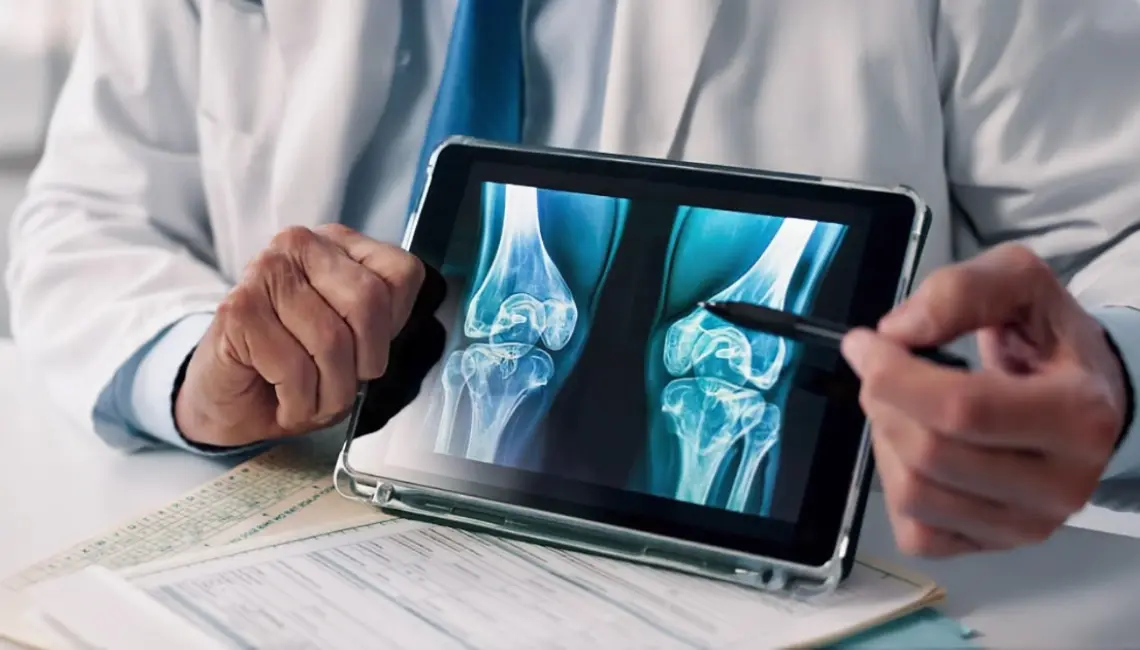
Integrated Orthopaedic Care
Successful orthopaedic treatment often requires collaboration across multiple specialties.
Our department works closely with:
- Physiotherapy & Rehabilitation
- Emergency & Trauma Care
- Radiology & Imaging
- General Medicine
- Diabetology
- Nutrition & Dietetics
- Laboratory Services
- Anaesthesiology
This multidisciplinary approach supports accurate diagnosis, effective treatment, smoother recovery, and long-term musculoskeletal health.
Did You Know?
Many patients believe joint replacement should only be considered as a last resort. However, for carefully selected individuals with advanced joint damage, timely joint replacement can improve mobility, reduce pain, and enhance overall quality of life. The decision is always based on a detailed clinical evaluation and the patient's individual needs.
Meet Your Orthopaedic Specialist
Successful orthopaedic treatment is not only about relieving pain but also about restoring movement, improving function, and helping patients return to an active lifestyle. At Deepam Hospitals, every patient receives personalised orthopaedic care based on their condition, functional needs, and recovery goals.
Dr. R. Anantha Kumar
Consultant – Orthopaedics & Joint Replacement
Dr. R. Anantha Kumar specialises in the diagnosis and management of bone, joint, and musculoskeletal conditions. His expertise includes fracture and dislocation management, traumatic injuries, knee replacement, and joint replacement surgery. He focuses on delivering evidence-based treatment with the goal of reducing pain, restoring mobility, and improving long-term quality of life.
Every treatment decision is carefully planned after understanding the patient's medical condition, lifestyle, age, activity level, and expectations, ensuring an individualised approach to orthopaedic care.
Your Orthopaedic Care Journey
Every patient follows a structured treatment pathway designed to achieve the best possible recovery while ensuring informed decision-making throughout the process.
Step 1 – Understanding Your Concern
Your consultation begins with a detailed discussion about your symptoms, previous injuries, medical history, daily activities, and how your condition affects your quality of life.
Step 2 – Comprehensive Clinical Assessment
A thorough physical examination, functional evaluation, and appropriate diagnostic investigations help identify the exact cause of your symptoms and determine the most suitable treatment approach.
Step 3 – Individualised Treatment Planning
Based on the diagnosis, a personalised treatment plan is created. Whenever possible, conservative treatment options are considered first. If surgery is required, every aspect of the procedure, expected outcomes, benefits, and recovery process is clearly explained.
Step 4 – Treatment & Mobility Restoration
Whether your treatment involves fracture care, trauma management, joint replacement, or surgical intervention, every stage focuses on restoring stability, improving movement, and reducing pain while supporting safe recovery.
Step 5 – Rehabilitation & Follow-up
Regular follow-up appointments help monitor healing, assess functional recovery, evaluate mobility, and modify rehabilitation plans whenever necessary to achieve the best long-term outcome.
Recovery After Orthopaedic Treatment
Recovery is a gradual process that varies depending on the injury, treatment method, overall health, and level of physical activity. Following your orthopaedic specialist's recommendations plays an important role in restoring strength and mobility while reducing the risk of complications.
Patients are encouraged to:
- Take medications as prescribed
- Follow activity restrictions
- Attend scheduled follow-up visits
- Perform rehabilitation exercises
- Maintain adequate nutrition
- Protect the affected joint or limb
- Report unusual pain or swelling promptly
Consistent follow-up and rehabilitation contribute significantly to successful recovery.
Recovery Snapshot
Recovery Focus
Promoting healing while safely restoring movement and physical function.
Recovery Priorities
- Pain management
- Gradual mobility improvement
- Muscle strengthening
- Joint flexibility
- Safe return to routine activities
- Ongoing clinical monitoring
Goal
To help patients regain independence, improve confidence in movement, and return to an active lifestyle with better joint function.
Rehabilitation – Regaining Strength & Mobility
Rehabilitation is an essential part of orthopaedic recovery. After fractures, trauma, or joint replacement surgery, structured rehabilitation helps patients rebuild muscle strength, improve flexibility, restore balance, and regain confidence during movement.
Rehabilitation may include:
- Range-of-motion exercises
- Muscle strengthening
- Balance training
- Walking practice
- Joint mobility exercises
- Functional activity training
- Gradual return-to-work guidance
A personalised rehabilitation programme supports long-term recovery while reducing the likelihood of stiffness or functional limitations.
Protecting Your Bones & Joints for the Future
Maintaining healthy bones and joints requires ongoing care even after successful treatment. Adopting healthy lifestyle habits helps preserve joint function, reduce unnecessary stress on weight-bearing joints, and support lifelong mobility.
Helpful measures include:
- Maintaining a healthy body weight
- Staying physically active
- Performing regular strengthening exercises
- Eating calcium-rich foods
- Maintaining adequate Vitamin D levels
- Using proper posture and lifting techniques
- Wearing supportive footwear
- Preventing falls, especially in older adults
- Attending regular orthopaedic reviews when advised
Healthy lifestyle choices contribute to stronger bones, healthier joints, and improved quality of life.
Frequently Asked Questions
You should seek medical advice if you have persistent bone or joint pain, swelling, stiffness, reduced movement, difficulty walking, or pain following an injury or accident.
No. Many fractures can be managed without surgery, depending on the type, location, severity, and alignment of the bone. Your orthopaedic surgeon will recommend the most appropriate treatment.
Knee replacement may be considered when severe arthritis or joint damage causes persistent pain, reduced mobility, and significant difficulty performing daily activities despite appropriate non-surgical treatment.
Recovery varies depending on the type of fracture, the patient's age, overall health, and the treatment provided. Your orthopaedic specialist will guide you through each stage of healing and rehabilitation.
Many patients gradually return to routine daily activities after completing recovery and rehabilitation. Your surgeon will advise when it is safe to resume specific activities based on your progress.
Rehabilitation helps improve joint movement, muscle strength, flexibility, and balance while supporting a safer and more complete recovery.
Maintaining a healthy weight, staying physically active, eating a balanced diet rich in calcium and Vitamin D, and seeking early medical attention for injuries or persistent pain can help support long-term musculoskeletal health.
Seek immediate medical attention if you experience severe pain after an injury, inability to move a limb, visible bone deformity, heavy bleeding, numbness, loss of sensation, or suspected fractures following a major accident.
Take the First Step Towards Better Mobility
Bone and joint problems should never prevent you from living an active and independent life. Whether you are recovering from an injury, experiencing persistent joint pain, or considering joint replacement surgery, timely orthopaedic care can help restore movement, relieve discomfort, and improve your quality of life.
Schedule a consultation with Dr. R. Anantha Kumar at Deepam Hospitals near Urapakkam for a comprehensive orthopaedic evaluation and a personalised treatment plan designed to help you move with greater comfort, confidence, and independence.
Contact UsRelated Specialties
Our Orthopaedics & Joint Replacement Department works closely with:
- Physiotherapy & Rehabilitation
- Emergency & Trauma Care
- Pain Management
- Radiology & Imaging
- General Medicine
- Diabetology
- Nutrition & Dietetics
- Laboratory Services
This multidisciplinary collaboration supports comprehensive diagnosis, treatment, rehabilitation, and long-term musculoskeletal care.
Medical Disclaimer
The information provided on this page is intended for educational purposes only and should not replace professional medical advice, diagnosis, or treatment. Every orthopaedic condition is different, and treatment recommendations vary based on individual clinical assessment. Please consult a qualified orthopaedic specialist for personalised medical guidance. If you experience severe pain after an injury, inability to move a limb, suspected fracture, joint deformity, or any medical emergency, seek immediate medical attention without delay.
