- For appointment (+91) 97904 97905
Best Nephrology Hospital Near Urapakkam
Comprehensive Kidney Care for Better Health and Long-Term Wellbeing
Healthy kidneys play a vital role in maintaining overall health. They continuously filter waste products from the blood, regulate body fluids, balance essential minerals, support healthy blood pressure, and contribute to the production of red blood cells. When kidney function becomes impaired, these important processes are affected, potentially leading to serious health complications if left untreated.
Kidney diseases often develop gradually and may not produce noticeable symptoms during their early stages. Many individuals remain unaware of declining kidney function until the condition has progressed significantly. Regular medical evaluation and early diagnosis are essential for detecting kidney disorders before permanent damage occurs. Timely treatment can help slow disease progression, manage symptoms, preserve kidney function, and improve quality of life.
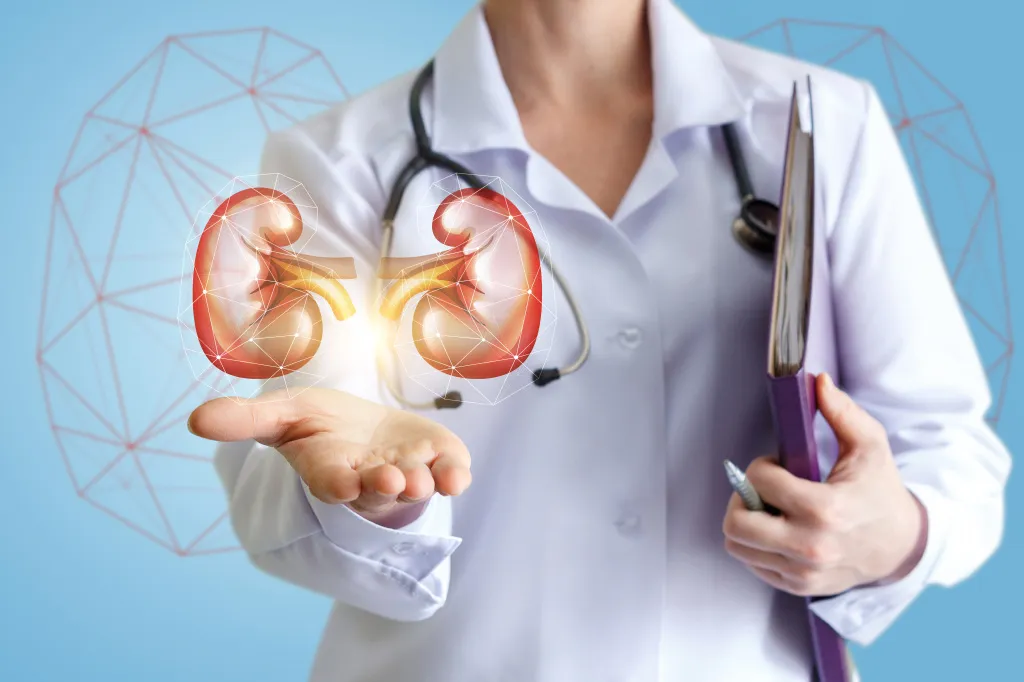
At Deepam Hospitals near Urapakkam, our Department of Nephrology provides comprehensive evaluation, diagnosis, treatment, and long-term management of a wide range of kidney-related conditions. Our approach combines clinical expertise, advanced diagnostic support, personalised treatment plans, and continuous monitoring to help patients maintain optimal kidney health.
We care for patients experiencing chronic kidney disease, diabetic kidney disease, high blood pressure affecting the kidneys, electrolyte disorders, urinary abnormalities, kidney infections, kidney stone-related complications, and other renal conditions. Every patient receives individualised care based on their medical history, kidney function, lifestyle, and overall health goals.
As a trusted multispeciality healthcare network, Deepam Hospitals serves patients through hospitals in Tambaram, Guduvanchery, and Singaperumal Koil (SP Koil), along with health centres in Urapakkam, Perungalathur, and Maraimalai Nagar. Patients from Kilambakkam, Vandalur, Guduvanchery, Mannivakkam, West Tambaram, Mudichur, and surrounding areas rely on our experienced team for compassionate kidney care close to home.
Whether you need evaluation for persistent swelling, uncontrolled blood pressure, abnormal kidney function tests, protein in urine, recurrent urinary problems, or long-term management of chronic kidney disease, our goal is to help protect your kidney function through early diagnosis, evidence-based treatment, and ongoing medical support.
Deepam Hospitals near Urapakkam offers comprehensive Nephrology services for chronic kidney disease, diabetic kidney disease, hypertension-related kidney disorders, kidney infections, electrolyte imbalance, urinary abnormalities, and preventive kidney care. Our patient-focused approach emphasises early diagnosis, personalised treatment, regular monitoring, and long-term kidney health.
Quick Answers
What is Nephrology?
Nephrology is the medical specialty dedicated to diagnosing, treating, and preventing diseases affecting the kidneys, including chronic kidney disease, electrolyte disorders, and kidney-related complications.
When should I consult a nephrologist?
You should consult a nephrologist if you have abnormal kidney function tests, persistent swelling, uncontrolled blood pressure, protein or blood in urine, recurrent kidney infections, or diabetes affecting kidney health.
Can kidney disease be treated early?
Yes. Early diagnosis and timely treatment can help slow disease progression, protect remaining kidney function, and reduce the risk of complications.
Does high blood pressure affect the kidneys?
Yes. Uncontrolled hypertension can damage the kidneys over time, while kidney disease itself can also contribute to elevated blood pressure.
Can diabetes damage the kidneys?
Yes. Long-standing diabetes is one of the leading causes of chronic kidney disease. Good blood sugar control and regular kidney monitoring help reduce the risk of kidney damage.
How can I protect my kidneys?
Maintaining healthy blood pressure, controlling diabetes, staying hydrated, eating a balanced diet, avoiding unnecessary medications, and undergoing regular health check-ups help support long-term kidney health.
Key Takeaways
- Comprehensive Kidney Evaluation
- Chronic Kidney Disease Management
- Diabetic Kidney Disease Care
- Hypertension-Related Kidney Disorders
- Kidney Infection Management
- Electrolyte Disorder Treatment
- Preventive Kidney Health Screening
- Individualised Treatment Plans
- Long-Term Kidney Function Monitoring
- Multidisciplinary Renal Care
Why Choose Deepam Hospitals for Nephrology?
Kidney diseases often require lifelong monitoring and coordinated medical care. At Deepam Hospitals, we provide comprehensive nephrology services focused on preserving kidney function, managing underlying medical conditions, and improving overall health through early intervention and personalised treatment.
Why Patients Trust Our Nephrology Department
- Comprehensive Kidney Assessment
- Early Detection of Kidney Disorders
- Personalised Treatment Plans
- Advanced Diagnostic Support
- Long-Term Kidney Function Monitoring
- Integrated Diabetes & Hypertension Care
- Evidence-Based Clinical Management
- Multidisciplinary Medical Collaboration
- Patient Education & Lifestyle Guidance
- Trusted Kidney Care Near Urapakkam
Understanding Kidney Health
The kidneys perform several essential functions that keep the body healthy. Every day, they filter large volumes of blood to remove waste products, regulate fluid balance, maintain electrolyte levels, support healthy blood pressure, and contribute to hormone production.
When kidney function declines, waste products and excess fluids may accumulate in the body, leading to complications involving the heart, bones, blood vessels, nerves, and other organs. Because kidney disease often develops silently, many patients do not notice symptoms until significant damage has already occurred.
Understanding kidney health, recognising early warning signs, and seeking timely medical evaluation are important steps in preventing long-term kidney complications.
Did You Know?
- Your kidneys filter approximately 180 litres of fluid every day, removing waste while conserving essential nutrients.
- Chronic kidney disease often develops without noticeable symptoms during its early stages.
- Diabetes and high blood pressure are among the most common causes of kidney damage.
- Simple blood and urine tests can help identify kidney disease before symptoms become severe.
- Healthy lifestyle habits can significantly reduce the risk of kidney-related complications.
- Early treatment helps preserve kidney function and improve long-term health outcomes.
When Should You Consult a Nephrologist?
Kidney disease can progress silently, making early consultation extremely important.
You should seek nephrology evaluation if you experience:
- Swelling of the feet, ankles, or face
- Persistent high blood pressure
- Abnormal kidney function tests
- Blood in urine
- Protein in urine
- Frequent urinary infections
- Reduced urine output
- Persistent fatigue
- Unexplained nausea
- Recurrent kidney stone-related problems
- Diabetes with declining kidney function
- Family history of kidney disease
Early evaluation allows kidney disorders to be identified and managed before irreversible damage occurs.
Our Commitment to Lifelong Kidney Care
At Deepam Hospitals, our commitment extends beyond treating kidney disease. We focus on helping patients understand their condition, manage risk factors, preserve kidney function, and maintain the best possible quality of life through continuous medical support.
By combining early diagnosis, personalised treatment, regular monitoring, and preventive healthcare, we strive to protect kidney health at every stage of life.
Related Services
Our Nephrology Department works closely with:
- Swelling of the feet, ankles, or face
- Persistent high blood pressure
- Abnormal kidney function tests
- Blood in urine
- Protein in urine
- Frequent urinary infections
- Reduced urine output
- Persistent fatigue
- Unexplained nausea
- Recurrent kidney stone-related problems
- Diabetes with declining kidney function
- Family history of kidney disease
This collaborative approach ensures comprehensive care for patients with both kidney disease and associated medical conditions.
Understanding the Role of the Kidneys
The kidneys are two bean-shaped organs located on either side of the spine below the rib cage. Although relatively small, they perform several essential functions that keep the body healthy and maintain the balance of fluids, minerals, and waste products.
Healthy kidneys continuously filter the blood to remove toxins and excess water, which are then eliminated through urine. They also help regulate blood pressure, maintain electrolyte balance, support bone health by activating vitamin D, and stimulate the production of red blood cells through hormone regulation.
When kidney function begins to decline, these vital processes become less efficient. Waste products can accumulate in the bloodstream, excess fluid may build up in the body, and important mineral levels may become imbalanced. Without timely medical care, kidney disease can gradually affect many other organs, including the heart, brain, bones, and blood vessels.
Understanding how the kidneys work helps patients appreciate the importance of protecting kidney health throughout life.
Common Kidney Diseases Treated by a Nephrologist
Nephrologists diagnose and manage a wide range of kidney-related conditions, from early-stage kidney disease to complex medical disorders affecting kidney function.
Common conditions include:
- Chronic Kidney Disease (CKD)
- Acute Kidney Injury (AKI)
- Diabetic Kidney Disease
- Hypertension-Related Kidney Damage
- Protein in Urine (Proteinuria)
- Blood in Urine (Hematuria)
- Kidney Infections
- Electrolyte Imbalances
- Fluid Balance Disorders
- Kidney Cysts
- Kidney Stone-Related Medical Complications
- Inherited Kidney Disorders
- Autoimmune Kidney Diseases
Each condition requires careful evaluation, ongoing monitoring, and an individualised treatment plan.
Chronic Kidney Disease (CKD)
Chronic Kidney Disease is a long-term condition in which the kidneys gradually lose their ability to function effectively. The progression is often slow, and many people remain symptom-free during the early stages.
If left untreated, CKD may eventually affect multiple body systems and increase the risk of cardiovascular disease, anaemia, bone disorders, and kidney failure.
Early diagnosis allows doctors to:
- Slow disease progression
- Protect remaining kidney function
- Control blood pressure
- Manage diabetes effectively
- Prevent complications
- Improve long-term quality of life
Regular monitoring is essential for patients diagnosed with CKD.
Diabetic Kidney Disease
Diabetes is one of the leading causes of chronic kidney disease worldwide. Persistently high blood sugar levels can gradually damage the tiny blood vessels responsible for filtering waste from the blood.
Patients with diabetes should undergo routine kidney screening, even if they feel well.
Early management focuses on:
- Blood sugar control
- Blood pressure management
- Kidney function monitoring
- Lifestyle modification
- Medication optimisation
- Preventing disease progression
Early intervention significantly improves long-term kidney health.
High Blood Pressure & Kidney Health
The kidneys and blood pressure are closely connected. Long-standing high blood pressure can damage the blood vessels inside the kidneys, reducing their filtering ability. At the same time, kidney disease itself may contribute to poorly controlled blood pressure.
Managing hypertension plays an important role in protecting kidney function.
Treatment often includes:
- Regular blood pressure monitoring
- Lifestyle modification
- Dietary guidance
- Medication management
- Routine kidney assessment
Controlling blood pressure helps reduce the risk of further kidney damage.
Acute Kidney Injury (AKI)
Acute Kidney Injury is a sudden decline in kidney function that develops over hours or days. Unlike chronic kidney disease, AKI often occurs rapidly and may be reversible if treated promptly.
Possible causes include:
- Severe dehydration
- Serious infections
- Certain medications
- Major surgery
- Reduced blood flow to the kidneys
- Urinary obstruction
Early recognition and treatment are essential to restore kidney function and prevent permanent damage.
Warning Signs of Kidney Disease
Kidney disease often develops silently, making it important to recognise symptoms that should never be ignored.
Common warning signs include:
- Swelling of the feet, ankles, hands, or face
- Persistent fatigue
- Loss of appetite
- Nausea or vomiting
- Difficulty concentrating
- Frequent urination, especially at night
- Reduced urine output
- Blood in urine
- Foamy urine
- Persistent high blood pressure
- Muscle cramps
- Itchy skin
- Shortness of breath due to fluid retention
Many of these symptoms may appear only after kidney function has significantly declined, highlighting the importance of routine screening for high-risk individuals.
Who Is at Higher Risk of Kidney Disease?
Certain individuals have a greater likelihood of developing kidney disorders and should undergo regular medical evaluation.
Risk factors include:
- Diabetes
- High blood pressure
- Obesity
- Increasing age
- Family history of kidney disease
- Cardiovascular disease
- Smoking
- Chronic use of certain pain medications
- Autoimmune disorders
- Recurrent urinary tract infections
- Previous kidney injury
Managing these risk factors can help reduce the likelihood of kidney damage.
Kidney Function Tests & Diagnosis
Accurate diagnosis is the foundation of effective nephrology care. A nephrologist may recommend different investigations based on the patient's symptoms and medical history.
Common diagnostic evaluations include:
- Blood tests to assess kidney function
- Urine analysis
- Urine protein testing
- Estimated Glomerular Filtration Rate (eGFR)
- Serum creatinine measurement
- Electrolyte testing
- Ultrasound of the kidneys
- Imaging studies when indicated
These investigations help determine the cause, severity, and progression of kidney disease while guiding appropriate treatment decisions.
Kidney Health Assessment Snapshot
Evaluation May Include
- Medical history
- Physical examination
- Blood pressure measurement
- Kidney function blood tests
- Urine analysis
- Kidney imaging
- Medication review
- Lifestyle assessment
Benefits
- Early diagnosis
- Timely treatment
- Better kidney protection
- Reduced complication risk
- Long-term kidney monitoring
Common Symptoms & Possible Kidney Conditions
| Symptom | Possible Kidney Condition |
|---|---|
| Swollen feet or ankles | Chronic Kidney Disease |
| Blood in urine | Kidney disease, infection, or urinary tract disorder |
| Foamy urine | Protein leakage from the kidneys |
| Persistent high blood pressure | Kidney disease or hypertension-related kidney damage |
| Frequent urination at night | Chronic Kidney Disease or diabetes-related kidney changes |
| Reduced urine output | Acute Kidney Injury or advanced kidney disease |
| Persistent fatigue | Reduced kidney function or anaemia associated with kidney disease |
| Recurrent urinary infections | Kidney infection or urinary tract abnormalities |
Why Early Kidney Screening Matters
Kidney disease is often called a "silent disease" because it may progress for months or even years without obvious symptoms. By the time noticeable symptoms develop, significant kidney damage may already have occurred.
Routine kidney screening is especially important for people with diabetes, hypertension, obesity, heart disease, or a family history of kidney disorders.
Early screening offers several benefits:
- Detects kidney disease before symptoms appear
- Helps preserve kidney function
- Supports early treatment
- Reduces the risk of kidney failure
- Prevents complications affecting the heart and blood vessels
- Improves long-term health outcomes
- Encourages healthier lifestyle choices
Simple blood and urine tests, combined with regular medical follow-up, can play a vital role in protecting kidney health and preventing disease progression.
Comprehensive Kidney Evaluation
Kidney disorders can affect people of all ages and often develop gradually without obvious symptoms. A detailed medical evaluation is essential for identifying the underlying cause of kidney problems and creating an effective treatment plan.
At Deepam Hospitals, every patient undergoes a thorough assessment that considers medical history, lifestyle, existing health conditions, medications, and laboratory findings. Our goal is to diagnose kidney disorders at the earliest possible stage and recommend personalised treatment that helps preserve kidney function.
Your evaluation may include:
- Detailed medical history
- Physical examination
- Blood pressure assessment
- Kidney function blood tests
- Urine analysis
- Urine protein evaluation
- Kidney imaging when required
- Medication review
- Lifestyle assessment
This comprehensive approach enables accurate diagnosis and supports long-term kidney health.
Chronic Kidney Disease (CKD) Management
Chronic Kidney Disease is a long-term condition in which kidney function gradually declines over time. Although kidney damage cannot always be reversed, early diagnosis and appropriate medical care can significantly slow disease progression and reduce complications.
Our CKD management focuses on:
- Early disease detection
- Monitoring kidney function
- Blood pressure control
- Blood sugar management for diabetic patients
- Nutritional counselling
- Lifestyle modification
- Medication optimisation
- Prevention of disease progression
Patients receive regular follow-up appointments to monitor kidney health and adjust treatment according to their clinical needs.
Chronic Kidney Disease Care Snapshot
Goals of Treatment
- Preserve kidney function
- Slow disease progression
- Control symptoms
- Prevent complications
- Improve overall quality of life
Ongoing Monitoring Includes
- Kidney function tests
- Blood pressure checks
- Urine protein monitoring
- Medication review
- Nutritional assessment
Diabetic Kidney Disease Management
Diabetes is one of the leading causes of kidney disease. Persistently elevated blood sugar levels can gradually damage the tiny blood vessels responsible for filtering waste from the bloodstream.
Our nephrology team works closely with diabetes specialists to provide comprehensive care aimed at protecting kidney health.
Treatment focuses on:
- Blood sugar optimisation
- Regular kidney screening
- Blood pressure management
- Medication adjustment
- Nutritional guidance
- Monitoring for early complications
- Patient education
Early intervention helps delay kidney damage and supports better long-term outcomes.
Hypertension-Related Kidney Care
High blood pressure and kidney disease are closely connected. Poorly controlled hypertension can damage the kidneys, while kidney disease can make blood pressure more difficult to control.
Our comprehensive hypertension-related kidney care includes:
- Blood pressure monitoring
- Kidney function assessment
- Medication management
- Lifestyle modification
- Dietary advice
- Long-term follow-up
Controlling blood pressure is one of the most effective ways to preserve kidney function and reduce cardiovascular risk.
Acute Kidney Injury (AKI) Evaluation & Treatment
Acute Kidney Injury is a sudden reduction in kidney function that requires prompt medical evaluation. Early diagnosis and treatment may allow kidney function to recover depending on the underlying cause.
Common causes include:
- Severe dehydration
- Serious infections
- Certain medications
- Reduced blood flow to the kidneys
- Urinary obstruction
- Major illness
Our approach includes:
- Rapid clinical assessment
- Identification of underlying causes
- Correction of fluid and electrolyte imbalance
- Medication review
- Ongoing kidney monitoring
Prompt treatment helps minimise long-term kidney damage.
Protein in Urine (Proteinuria) Assessment
Healthy kidneys normally prevent significant amounts of protein from entering the urine. When protein is detected, it may indicate early kidney damage.
Proteinuria may be associated with:
- Diabetes
- High blood pressure
- Chronic kidney disease
- Autoimmune disorders
- Certain inherited kidney diseases
Our evaluation includes:
- Urine protein testing
- Kidney function assessment
- Blood pressure evaluation
- Identification of underlying causes
- Long-term monitoring
Early treatment helps reduce ongoing kidney damage.
Proteinuria Assessment Snapshot
Why Protein Appears in Urine
- Kidney filter damage
- Diabetes
- High blood pressure
- Kidney inflammation
- Certain medical conditions
Treatment Goals
- Protect kidney function
- Reduce protein loss
- Manage underlying disease
- Slow disease progression
Blood in Urine (Hematuria) Evaluation
Blood in the urine should never be ignored, even if it occurs only once or is painless. Although some causes are temporary, hematuria may also indicate kidney disease or other urinary tract disorders.
Our evaluation focuses on identifying the cause through:
- Medical history
- Urine analysis
- Kidney function tests
- Imaging studies when indicated
- Further investigations if necessary
Accurate diagnosis helps guide appropriate treatment and ensures potentially serious conditions are not overlooked.
Electrolyte & Fluid Balance Disorders
Healthy kidneys regulate important minerals such as sodium, potassium, calcium, and phosphorus while maintaining the body's fluid balance.
When kidney function declines, electrolyte disturbances may develop and affect multiple organs.
Our nephrology team evaluates and manages:
- Sodium imbalance
- Potassium disorders
- Fluid overload
- Dehydration-related kidney problems
- Acid-base imbalance
- Mineral metabolism disorders
Treatment aims to restore balance while addressing the underlying kidney condition.
Kidney Infection Management
Kidney infections require prompt diagnosis and treatment to prevent complications and preserve kidney function.
Symptoms may include:
- Fever
- Back or flank pain
- Burning during urination
- Frequent urination
- Nausea
- Chills
Our management includes:
- Clinical evaluation
- Urine testing
- Kidney function assessment
- Imaging when required
- Appropriate medical treatment
- Follow-up monitoring
Early treatment reduces the risk of recurrent infections and permanent kidney damage.
Preventive Kidney Health Screening
Many kidney diseases can be identified before symptoms develop. Preventive screening is especially valuable for individuals at increased risk due to diabetes, hypertension, obesity, or a family history of kidney disease.
Our preventive kidney care focuses on:
- Early risk assessment
- Kidney function testing
- Blood pressure evaluation
- Urine screening
- Lifestyle counselling
- Diabetes management support
- Long-term health monitoring
Regular screening helps identify kidney problems early, allowing timely intervention and better long-term outcomes.
Personalised Kidney Care Plans
No two patients experience kidney disease in the same way. Every treatment plan at Deepam Hospitals is tailored to the individual's diagnosis, kidney function, overall health, lifestyle, and medical history.
Our personalised approach includes:
- Individual risk assessment
- Disease-specific treatment strategies
- Regular monitoring schedules
- Medication review
- Nutritional guidance
- Lifestyle recommendations
- Patient education
- Ongoing follow-up
By combining evidence-based medicine with compassionate care, we help patients actively participate in protecting their kidney health.
Conditions Commonly Managed
Our Nephrology Department provides comprehensive evaluation and long-term management for:
- Chronic Kidney Disease (CKD)
- Acute Kidney Injury (AKI)
- Diabetic Kidney Disease
- Hypertension-related Kidney Disorders
- Proteinuria
- Hematuria
- Electrolyte Imbalances
- Kidney Infections
- Fluid Balance Disorders
- Kidney Stone-related Medical Conditions
- Inherited Kidney Diseases
- Autoimmune Kidney Disorders
Did You Know?
Many people lose a significant amount of kidney function before experiencing noticeable symptoms. Regular kidney check-ups, especially for individuals with diabetes or high blood pressure, can detect problems early and help prevent serious complications. Protecting kidney health today can reduce the risk of long-term illness and improve overall wellbeing.
Long-Term Kidney Function Monitoring
Many kidney disorders require continuous medical supervision rather than one-time treatment. Regular monitoring helps assess how well the kidneys are functioning, evaluate the effectiveness of treatment, and detect changes before complications develop.
At Deepam Hospitals, our nephrology team develops personalised follow-up schedules based on each patient's condition, stage of kidney disease, associated medical problems, and treatment goals.
Regular monitoring may include:
- Kidney function blood tests
- Estimated Glomerular Filtration Rate (eGFR)
- Urine protein assessment
- Blood pressure monitoring
- Electrolyte evaluation
- Fluid balance assessment
- Medication review
- Lifestyle progress evaluation
Ongoing monitoring allows treatment plans to be adjusted promptly, helping patients maintain the best possible kidney function.
Managing Kidney Disease Through Lifestyle Changes
Healthy lifestyle choices play an important role in slowing kidney disease progression and supporting overall wellbeing. Medical treatment is most effective when combined with positive daily habits that reduce stress on the kidneys.
Patients are encouraged to:
- Maintain healthy blood pressure
- Control blood sugar levels
- Stay physically active
- Achieve a healthy body weight
- Avoid tobacco products
- Limit alcohol consumption
- Stay adequately hydrated
- Get sufficient sleep
- Attend regular medical check-ups
Small, consistent lifestyle improvements can make a significant difference in preserving kidney health over time.
Healthy Kidney Lifestyle Snapshot
Everyday Healthy Habits
- Drink adequate water unless medically restricted
- Eat balanced meals
- Exercise regularly
- Monitor blood pressure
- Control diabetes effectively
- Avoid smoking
- Take medicines as prescribed
- Attend routine follow-up visits
Benefits
- Protects kidney function
- Reduces disease progression
- Supports heart health
- Improves overall wellbeing
- Lowers complication risk
Nutrition for Kidney Health
Nutrition plays a central role in managing kidney disease. Since dietary requirements vary according to kidney function, age, medical conditions, and laboratory results, nutritional advice should always be individualised.
Our Nephrology Department works closely with experienced dietitians to develop personalised meal plans that support kidney health while meeting each patient's nutritional needs.
Depending on the condition, dietary guidance may focus on:
- Sodium intake
- Potassium balance
- Phosphorus management
- Protein requirements
- Fluid intake
- Blood sugar control
- Healthy weight management
Patients receive practical advice that is realistic, sustainable, and tailored to their daily lifestyle.
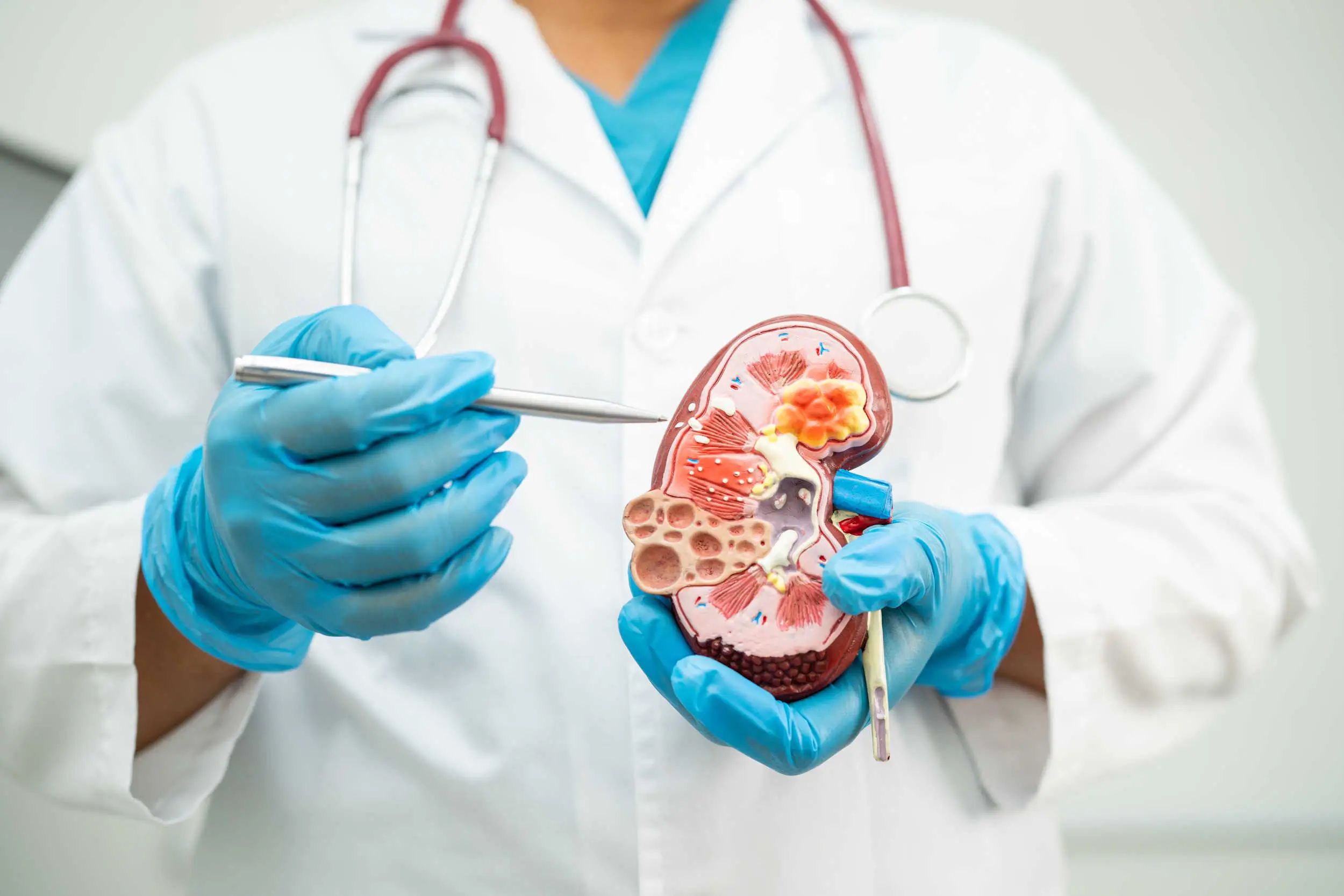
Medication Management & Kidney Protection
Many patients with kidney disease require long-term medications to control blood pressure, diabetes, electrolyte imbalance, or other associated conditions.
Our nephrology team regularly reviews medications to ensure they remain appropriate as kidney function changes.
Medication management includes:
- Reviewing current prescriptions
- Adjusting medicine doses when needed
- Identifying medications that may affect kidney function
- Monitoring treatment response
- Educating patients about safe medicine use
Patients are advised not to start new medications or herbal supplements without consulting their healthcare provider, as some products may place additional stress on the kidneys.
Preventing Kidney Disease Progression
Although some kidney conditions cannot be completely cured, early treatment and careful monitoring can significantly slow disease progression.
Key strategies include:
- Early diagnosis
- Blood pressure control
- Diabetes management
- Healthy nutrition
- Regular physical activity
- Medication adherence
- Avoiding unnecessary painkillers
- Monitoring kidney function regularly
- Managing cholesterol levels
- Prompt treatment of infections
A proactive approach helps preserve kidney function and reduces the likelihood of long-term complications.
Kidney Protection Snapshot
Focus Areas
- Blood pressure control
- Diabetes management
- Healthy diet
- Routine investigations
- Medication adherence
- Lifestyle modification
Long-Term Benefits
- Preserves kidney function
- Reduces complications
- Improves quality of life
- Supports healthier ageing
Recognising Possible Complications
Kidney disease may affect several body systems if not appropriately managed. Recognising complications early allows timely intervention and improved outcomes.
Possible complications may include:
- Persistent high blood pressure
- Anaemia
- Bone and mineral disorders
- Fluid overload
- Electrolyte imbalance
- Cardiovascular disease
- Reduced immunity
- Progressive decline in kidney function
Regular follow-up appointments allow these complications to be identified and managed before they become more serious.
Importance of Patient Education
Understanding kidney disease helps patients participate actively in their own care. At Deepam Hospitals, patient education is an important part of every treatment plan.
During consultations, patients receive guidance regarding:
- Understanding their diagnosis
- Laboratory test results
- Medication adherence
- Dietary modifications
- Healthy lifestyle practices
- Blood pressure monitoring
- Diabetes management
- Recognising warning signs
- Importance of regular follow-up
Well-informed patients are better equipped to make decisions that support long-term kidney health.
Multidisciplinary Kidney Care
Kidney disease often occurs alongside other medical conditions such as diabetes, hypertension, heart disease, and metabolic disorders. Coordinated care between different specialties ensures comprehensive treatment.
Our Nephrology Department collaborates closely with:
- General Medicine
- Diabetology
- Cardiology
- Urology
- Nutrition & Dietetics
- Diagnostic & Radiology
- Emergency & Critical Care
- Family Medicine
This multidisciplinary approach allows patients to receive integrated care for both kidney disease and associated health concerns.
Regular Follow-Up for Better Outcomes
Kidney health should be monitored even when symptoms improve. Regular follow-up appointments help ensure treatment remains effective and provide opportunities to detect changes before complications develop.
During follow-up visits, patients may undergo:
- Blood pressure assessment
- Kidney function tests
- Urine evaluation
- Medication review
- Nutritional counselling
- Lifestyle assessment
- Progress monitoring
- Treatment plan adjustments
Consistent follow-up promotes better long-term outcomes and helps patients maintain an active, healthy lifestyle.
Did You Know?
Healthy kidneys support nearly every major organ in the body. Protecting kidney function not only reduces the risk of kidney failure but also contributes to better heart health, healthier bones, improved blood pressure control, and overall wellbeing. Early diagnosis, healthy lifestyle choices, and regular medical follow-up are the most effective ways to preserve kidney health.
Dr. B. Karthikeyan
Consultant Nephrologist
At Deepam Hospitals near Urapakkam, our Nephrology Department is dedicated to helping patients protect and preserve kidney function through early diagnosis, evidence-based treatment, and long-term medical care. Our focus is on identifying kidney disorders at the earliest possible stage, managing chronic conditions effectively, and improving the overall quality of life for every patient.
Dr. B. Karthikeyan is an experienced Consultant Nephrologist who specialises in diagnosing, treating, and managing a wide range of kidney disorders. He provides comprehensive care for patients with chronic kidney disease, diabetic kidney disease, hypertension-related kidney disorders, electrolyte imbalances, urinary abnormalities, kidney infections, and other renal conditions.
His approach focuses on personalised treatment planning, preventive kidney care, patient education, and regular monitoring to preserve kidney function and reduce the risk of long-term complications. By working closely with patients and collaborating with other specialists, he helps ensure comprehensive care tailored to each individual's health needs.
Your Kidney Care Journey at Deepam Hospitals
Managing kidney disease requires more than treating symptoms—it involves continuous care, careful monitoring, and patient participation. At Deepam Hospitals, every patient follows a structured treatment pathway designed to support long-term kidney health.
Step 1 – Initial Nephrology Consultation
Your journey begins with a detailed discussion about your symptoms, medical history, family history, existing medical conditions, medications, and lifestyle.
During this consultation, the nephrologist evaluates:
- Kidney-related symptoms
- Blood pressure history
- Diabetes status
- Previous kidney problems
- Medication use
- Lifestyle and dietary habits
- Existing laboratory reports
This information helps identify possible causes of kidney dysfunction and guides further evaluation.
Step 2 – Kidney Function Assessment
After the initial consultation, appropriate investigations may be recommended to assess kidney health and determine the severity of the condition.
These may include:
- Blood tests
- Urine analysis
- Kidney function tests
- Urine protein assessment
- Electrolyte evaluation
- Kidney ultrasound
- Additional imaging when required
The results provide a clear understanding of kidney function and help develop an individualised treatment plan.
Step 3 – Personalised Treatment Planning
Every patient's kidney condition is unique. Based on the diagnosis, our nephrology team creates a personalised care plan that addresses both the kidney disorder and any associated medical conditions.
Treatment plans may include:
- Medical management
- Blood pressure optimisation
- Diabetes control
- Lifestyle modification
- Nutritional counselling
- Medication adjustments
- Regular monitoring
The goal is to preserve kidney function, minimise complications, and improve long-term health.
Step 4 – Continuous Monitoring
Kidney health can change over time, making regular follow-up essential.
During follow-up appointments, the medical team monitors:
- Kidney function
- Blood pressure
- Urine protein levels
- Blood sugar (when applicable)
- Electrolyte balance
- Response to treatment
Adjustments are made whenever necessary to ensure optimal kidney protection.
Step 5 – Long-Term Kidney Health Support
Our commitment continues beyond treatment. Patients receive ongoing education, preventive care, and lifestyle guidance to help maintain healthy kidney function and reduce future health risks.
Regular follow-up allows early identification of any changes and supports long-term wellbeing.
Tips for Maintaining Healthy Kidneys
Protecting your kidneys starts with healthy daily habits. Even small lifestyle changes can make a meaningful difference over time.
Simple ways to support kidney health include:
- Drink adequate water unless your doctor advises otherwise.
- Monitor your blood pressure regularly.
- Keep diabetes under good control.
- Eat a balanced, low-salt diet.
- Exercise regularly.
- Maintain a healthy body weight.
- Avoid smoking and tobacco products.
- Limit alcohol consumption.
- Avoid unnecessary use of painkillers without medical advice.
- Attend routine health check-ups.
- Take medications exactly as prescribed.
- Never ignore abnormal urine tests or persistent swelling.
These preventive measures help reduce the risk of kidney disease and support long-term health.
Kidney Health Checklist
Healthy Daily Practices
- Stay physically active
- Eat nutritious meals
- Monitor blood pressure
- Manage diabetes carefully
- Stay hydrated appropriately
- Take medicines as directed
- Attend scheduled follow-up visits
- Report new symptoms promptly
Benefits
- Supports healthy kidney function
- Reduces disease progression
- Lowers cardiovascular risk
- Improves overall quality of life
- Promotes healthier ageing
Frequently Asked Questions
A nephrologist diagnoses and manages diseases affecting the kidneys, including chronic kidney disease, diabetic kidney disease, acute kidney injury, electrolyte disorders, protein in urine, blood in urine, and hypertension-related kidney damage.
You should consult a nephrologist if you have abnormal kidney function tests, persistent swelling, uncontrolled blood pressure, protein or blood in the urine, recurrent kidney infections, or diabetes affecting kidney health.
Chronic kidney disease is usually a long-term condition. While it may not always be reversible, early diagnosis and appropriate treatment can slow progression and help preserve kidney function.
No. However, poorly controlled diabetes significantly increases the risk of kidney damage. Regular screening and good blood sugar control help reduce this risk.
Yes. Persistent high blood pressure can gradually damage the blood vessels within the kidneys, affecting their ability to filter waste effectively.
Doctors commonly use blood tests, urine analysis, estimated glomerular filtration rate (eGFR), serum creatinine levels, urine protein testing, and kidney imaging to assess kidney health.
Yes. Many people with early-stage kidney disease have no noticeable symptoms. Routine screening is especially important for individuals with diabetes, hypertension, or a family history of kidney disease.
The frequency depends on your overall health and risk factors. Patients with diabetes, high blood pressure, or existing kidney disease may require regular monitoring as recommended by their nephrologist.
Maintaining healthy blood pressure, controlling blood sugar, following a balanced diet, exercising regularly, avoiding smoking, staying hydrated, and attending routine medical check-ups all contribute to better kidney health.
Related Departments
To provide complete and coordinated patient care, our Nephrology Department works closely with:
- General Medicine
- Diabetology
- Cardiology
- Urology
- Nutrition & Dietetics
- Diagnostic & Radiology
- Emergency & Critical Care
- Family Medicine
- Intensive Care Services
This collaborative approach ensures comprehensive treatment for kidney disorders while addressing associated medical conditions that may affect long-term health.
Medical Disclaimer
The information provided on this page is intended for educational purposes only and should not be considered a substitute for professional medical advice, diagnosis, or treatment. Kidney diseases vary from person to person, and treatment decisions should always be made after consultation with a qualified nephrologist or healthcare professional. If you experience severe swelling, difficulty breathing, persistent vomiting, reduced urine output, severe pain, or any medical emergency, seek immediate medical attention without delay.
Your Kidney Health Matters
Healthy kidneys are essential for maintaining energy, regulating blood pressure, balancing body fluids, and supporting overall wellbeing. Because many kidney diseases progress silently, early diagnosis and ongoing medical care are the most effective ways to preserve kidney function and prevent complications.
At Deepam Hospitals near Urapakkam, we are committed to providing compassionate, evidence-based nephrology care tailored to each patient's needs. Whether you require evaluation for abnormal kidney function, management of chronic kidney disease, diabetic kidney care, or preventive screening, our team is here to support you through every stage of your kidney health journey.
Schedule your consultation today and take the next step towards better women's health with confidence.
Contact Us