- For appointment (+91) 97904 97905
Best Anaesthesiology Hospital Near Urapakkam
Safe, Personalised Anaesthesia Care for Every Surgical Journey
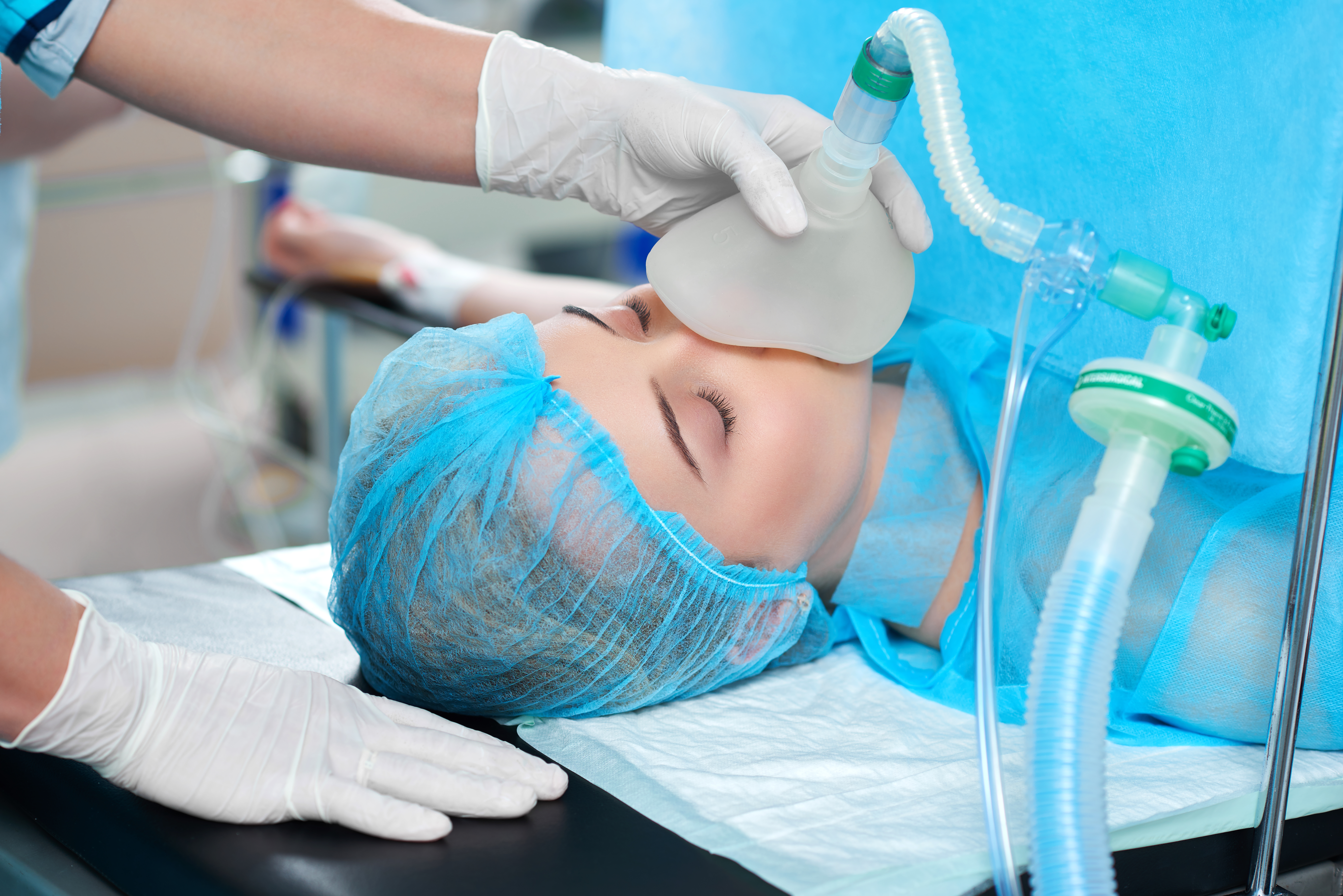
Anaesthesiology is a vital medical specialty that ensures patients undergo surgical and diagnostic procedures safely, comfortably, and with minimal pain. From the moment a patient is prepared for surgery until complete recovery after the procedure, anaesthesiologists play an essential role in monitoring vital functions, maintaining patient stability, and providing personalised anaesthesia care tailored to individual medical needs.
Modern anaesthesia is much more than administering medication before surgery. It involves comprehensive pre-operative evaluation, careful planning, continuous monitoring during procedures, and post-operative support to ensure patient safety at every stage. Whether undergoing a minor procedure, emergency surgery, or a complex operation, every patient requires an anaesthesia plan that considers their age, medical history, current health condition, allergies, and the type of surgery being performed.
At Deepam Hospitals near Urapakkam, our Department of Anaesthesiology provides safe, evidence-based anaesthesia services for patients of all age groups. We work closely with surgeons and other medical specialists to ensure every procedure is performed with the highest standards of patient safety, comfort, and clinical excellence.
Deepam Hospitals is a trusted multispeciality healthcare network with hospitals in Tambaram, Guduvanchery, and Singaperumal Koil (SP Koil), supported by healthcare centres in Perungalathur, Urapakkam, and Maraimalai Nagar.
Our department is led by Dr. RajaRajan Balasubramanian (MBBS, MD, DNB, FNB, FIPM, FIPP), an experienced Anaesthesiologist who specialises in comprehensive perioperative care, advanced anaesthesia techniques, patient monitoring, and post-operative recovery support. Every anaesthesia plan is customised to meet the patient's medical condition, surgical requirements, and overall health, ensuring maximum safety and comfort throughout the treatment process.
Patients from Urapakkam, Kilambakkam, Guduvanchery, Perungalathur, Vandalur, Mannivakkam, Mudichur, Maraimalai Nagar, West Tambaram, and surrounding areas trust Deepam Hospitals for safe anaesthesia care delivered with precision, compassion, and continuous medical supervision.
Deepam Hospitals near Urapakkam offers comprehensive Anaesthesiology services under the care of Dr. RajaRajan Balasubramanian. Our department provides pre-operative assessment, general anaesthesia, regional anaesthesia, spinal and epidural anaesthesia, intraoperative monitoring, and post-operative care to ensure patient safety and comfort throughout every surgical procedure.
Quick Answers at a Glance
What is Anaesthesiology?
Anaesthesiology is the medical specialty that focuses on providing safe anaesthesia, monitoring vital functions during procedures, and ensuring patient comfort before, during, and after surgery.
Why Do I Need a Pre-operative Assessment?
A pre-operative assessment helps evaluate your overall health, identify potential risks, review medications and allergies, and develop a personalised anaesthesia plan for a safer surgical experience.
Is Anaesthesia Safe?
Anaesthesia is generally very safe when administered by a qualified anaesthesiologist. Continuous monitoring throughout the procedure helps maintain patient safety and respond promptly to any changes.
What Types of Anaesthesia Are Available?
Depending on the procedure and your medical condition, anaesthesia may include general anaesthesia, regional anaesthesia, spinal anaesthesia, epidural anaesthesia, or sedation.
Will I Be Monitored Throughout Surgery?
Yes. During the procedure, the anaesthesiology team continuously monitors heart rate, blood pressure, oxygen levels, breathing, and other vital signs to ensure your safety.
What Happens After Surgery?
Following surgery, patients are carefully observed during recovery until the effects of anaesthesia wear off and vital signs remain stable before being transferred or discharged as appropriate.
Key Takeaways
- Comprehensive Anaesthesiology Services
- Expert Consultant – Dr. RajaRajan Balasubramanian
- Personalised Pre-operative Assessment
- General, Regional, Spinal & Epidural Anaesthesia
- Continuous Patient Monitoring
- Safe Perioperative Care
- Post-operative Recovery Support
- Individualised Anaesthesia Planning
- Evidence-Based Patient Safety Protocols
- Accessible Care Near Urapakkam
Why Choose Deepam Hospitals
Safe anaesthesia requires expertise, meticulous planning, and continuous monitoring. At Deepam Hospitals, every patient receives a personalised anaesthesia plan designed to support a safe surgical experience, minimise risks, and promote smooth recovery.
Why Patients Choose Our Anaesthesiology Department
- Experienced Anaesthesiology Specialist
- Individualised Anaesthesia Planning
- Comprehensive Pre-operative Evaluation
- Advanced Patient Monitoring
- Safe Anaesthesia Techniques
- Support for Minor & Major Surgical Procedures
- Collaborative Multispeciality Care
- Focus on Patient Comfort and Safety
- Evidence-Based Clinical Practices
- Easily Accessible for Patients Near Urapakkam
Every Safe Surgery Begins with Expert Anaesthesia Care
Behind every successful surgical procedure is a carefully planned anaesthesia strategy. From evaluating medical fitness before surgery to ensuring comfort during the procedure and monitoring recovery afterwards, anaesthesiologists play a critical role in achieving positive surgical outcomes.
At Deepam Hospitals, our focus is to provide safe, patient-centred anaesthesia care that supports surgeons, protects patients, and contributes to a smooth and successful treatment experience.
Did You Know?
- Anaesthesiologists remain with patients throughout the entire surgical procedure, continuously monitoring their condition.
- Every patient's anaesthesia plan is customised based on their health status, medical history, and surgical requirements.
- Modern monitoring equipment allows anaesthesiologists to closely track vital functions throughout surgery.
- A detailed pre-operative assessment helps reduce potential anaesthesia-related risks.
- Anaesthesiologists also play an important role in post-operative recovery and patient comfort.
When Should You Meet an Anaesthesiologist?
Neurological symptoms can sometimes be subtle in the beginning but may become more serious if left untreated. Early consultation allows timely diagnosis and appropriate management before symptoms progress.
You will typically meet an anaesthesiologist if you:
- Are scheduled for surgery
- Need a diagnostic procedure requiring sedation or anaesthesia
- Require emergency surgery
- Have a complex medical condition before surgery
- Have a history of reactions to anaesthesia
- Take multiple long-term medications
- Have heart, lung, kidney, or other chronic medical conditions
- Need specialised anaesthesia planning for high-risk procedures
Committed to Safer Surgical Experiences
Every surgical procedure deserves a carefully planned anaesthesia approach that prioritises patient safety, comfort, and confidence. At Deepam Hospitals near Urapakkam, our Anaesthesiology team works closely with surgeons and healthcare professionals to ensure every patient receives comprehensive perioperative care with the highest standards of clinical excellence.
Understanding Anaesthesia
Anaesthesia is an essential part of modern medicine that enables patients to undergo surgical, diagnostic, and therapeutic procedures safely and comfortably. It involves the use of carefully selected medications to prevent pain, minimise discomfort, and support vital body functions during medical procedures.
Anaesthesia is not a one-size-fits-all approach. Every patient's anaesthesia plan is personalised based on factors such as age, overall health, medical history, current medications, allergies, and the type of procedure being performed. This tailored approach helps ensure maximum safety and optimal outcomes throughout the treatment process.
The Role of an Anaesthesiologist
An anaesthesiologist is a specialist doctor responsible for planning, administering, and monitoring anaesthesia before, during, and after a procedure. Their role extends beyond the operating room, as they continuously assess the patient's condition, manage vital functions, and respond promptly to any changes during treatment.
An anaesthesiologist is involved in:
- Pre-operative medical evaluation
- Selecting the appropriate anaesthesia technique
- Administering anaesthesia safely
- Monitoring heart rate, blood pressure, breathing, and oxygen levels
- Managing patient comfort during procedures
- Supporting recovery after anaesthesia
- Coordinating care with surgeons and other specialists
Their expertise is central to ensuring a safe and successful surgical experience.
Different Types of Anaesthesia
The type of anaesthesia used depends on the nature of the procedure, the patient's health, and the surgeon's recommendation. Each technique is selected to provide the most appropriate level of comfort and safety.
General Anaesthesia
General anaesthesia temporarily induces a controlled state of unconsciousness, allowing patients to undergo major surgical procedures without awareness or pain.
Regional Anaesthesia
Regional anaesthesia numbs a specific area of the body while allowing the patient to remain awake or lightly sedated during the procedure.
Spinal & Epidural Anaesthesia
Spinal and epidural anaesthesia are commonly used for lower abdominal, pelvic, and lower limb surgeries. These techniques temporarily block sensation in the lower part of the body.
Sedation
Sedation helps patients remain calm and relaxed during selected diagnostic or minor procedures while maintaining appropriate levels of comfort.
Why Pre-operative Assessment Matters
A thorough pre-operative assessment helps the anaesthesiologist understand your overall health before surgery. This evaluation identifies potential risk factors, reviews medical history, and ensures that the anaesthesia plan is tailored to your individual needs.
During the assessment, the doctor may review:
- Previous surgeries
- Existing medical conditions
- Current medications
- Allergies
- History of anaesthesia reactions
- Heart and lung health
- Laboratory investigations
- Fasting status before surgery
A well-planned assessment contributes significantly to patient safety.
Common Factors That Influence Anaesthesia Planning
Every patient's health profile is different. Several factors are considered before choosing the most suitable anaesthesia technique.
These include:
- Age
- Body weight
- General health
- Type of surgery
- Existing medical conditions
- Medication history
- Pregnancy status
- Lifestyle habits such as smoking or alcohol use
- Previous anaesthesia experiences
Individualised planning helps reduce risks and improve patient outcomes.
Common Concerns About Anaesthesia
Many patients feel anxious before surgery, especially if they are receiving anaesthesia for the first time. Understanding what to expect can help reduce unnecessary worry.
Common questions include:
- Will I feel pain during surgery?
- How long will the anaesthesia last?
- When will I wake up after surgery?
- Is anaesthesia safe for older adults?
- Can I eat before surgery?
- What happens if I take regular medications?
Discussing these concerns with your anaesthesiologist before the procedure helps ensure a smoother and more comfortable experience.
Preparing for Anaesthesia
Following your doctor's instructions before surgery is an important part of safe anaesthesia care. Proper preparation helps minimise complications and supports a smooth recovery.
Patients are generally advised to:
- Follow fasting instructions carefully
- Inform the doctor about all medications
- Mention any allergies
- Share previous anaesthesia experiences
- Avoid smoking or alcohol before surgery if advised
- Arrange transportation after day-care procedures when required
Always follow the specific instructions provided by your healthcare team.
Anaesthesia Care Snapshot
Safe Anaesthesia Begins Before Surgery
Purpose
To provide personalised anaesthesia that ensures patient comfort, safety, and continuous monitoring throughout medical procedures.
Who May Need Anaesthesia?
- Patients undergoing surgery
- Individuals requiring diagnostic procedures
- Day-care surgical patients
- Emergency surgical cases
- Obstetric patients
- Orthopaedic procedures
Benefits
- Pain-free surgical experience
- Continuous monitoring
- Individualised anaesthesia planning
- Improved patient comfort
- Safer surgical procedures
- Better recovery support
Types of Anaesthesia & When They Are Commonly Used
| Type of Anaesthesia | Commonly Used For |
|---|---|
| General Anaesthesia | Major surgeries requiring complete unconsciousness |
| Regional Anaesthesia | Procedures involving a specific part of the body |
| Spinal Anaesthesia | Lower abdominal, pelvic, and lower limb surgeries |
| Epidural Anaesthesia | Childbirth and selected surgical procedures |
| Sedation | Minor procedures and diagnostic interventions requiring relaxation |
Why Early Anaesthesia Consultation Makes a Difference
Meeting your anaesthesiologist before surgery provides an opportunity to discuss your health, understand the planned anaesthesia technique, and address any concerns you may have. Early consultation helps identify medical conditions that may influence anaesthesia planning while ensuring appropriate precautions are taken before the procedure.
An early pre-operative evaluation can help:
- Improve patient safety
- Personalise the anaesthesia plan
- Reduce surgical risks
- Identify potential complications in advance
- Enhance patient confidence
- Support smoother recovery after surgery
- Facilitate better communication between the patient and healthcare team
Careful planning and expert anaesthesia management contribute significantly to a safe and successful surgical experience.
Personalised Pre-operative Assessment
Every surgical procedure begins with careful planning. Before administering anaesthesia, our anaesthesiology team performs a comprehensive pre-operative assessment to understand the patient's overall health and identify any factors that may influence anaesthesia or surgery.
The assessment typically includes:
- Review of medical history
- Current medications and allergies
- Previous surgical and anaesthesia history
- Physical examination
- Airway assessment
- Evaluation of heart and lung function
- Review of laboratory investigations
- Risk assessment based on the planned procedure
This evaluation helps create an individualised anaesthesia plan that supports patient safety throughout the surgical journey.
General Anaesthesia Services
General anaesthesia is used for procedures where patients need to remain completely unconscious and free from pain throughout surgery. During the procedure, our anaesthesiologist continuously monitors vital functions and adjusts medications as needed to maintain patient stability.
General anaesthesia is commonly used for:
- Major surgical procedures
- Abdominal surgeries
- Orthopaedic surgeries
- General surgical procedures
- ENT surgeries
- Emergency surgeries
- Complex operations
Every patient is closely observed before, during, and after surgery to ensure a smooth and safe recovery.
Anaesthesia Snapshot – General Anaesthesia
Purpose
Provide complete unconsciousness and pain control during major surgical procedures.
Recommended For
- Major operations
- Emergency surgeries
- Complex procedures
- Long-duration surgeries
Benefits
- Complete patient comfort
- Continuous monitoring
- Controlled airway management
- Stable surgical conditions
- Safe recovery under medical supervision
Regional Anaesthesia
Regional anaesthesia temporarily blocks sensation in a specific part of the body while allowing patients to remain awake or receive mild sedation, depending on the procedure.
This technique may be suitable for:
- Limb surgeries
- Selected orthopaedic procedures
- Hand surgeries
- Lower limb operations
- Certain vascular procedures
Regional anaesthesia can provide effective pain control while supporting early recovery in appropriately selected patients.
Spinal & Epidural Anaesthesia
Spinal and epidural anaesthesia are widely used techniques for surgeries involving the lower abdomen, pelvis, and lower limbs. They are also commonly used during childbirth and selected obstetric procedures.
These techniques help provide:
- Effective pain control
- Reduced sensation below the waist
- Comfortable surgical conditions
- Individualised anaesthesia care
The most appropriate technique is determined after evaluating the patient's medical condition and the planned procedure.
Did You Know?
Different surgical procedures require different anaesthesia techniques. The safest option is chosen after considering your overall health, the duration of surgery, and the specific type of operation being performed.
Sedation for Diagnostic & Minor Procedures
Peripheral nerves connect the brain and spinal cord to different parts of the body. Damage to these nerves may result in numbness, tingling, weakness, burning sensations, or loss of sensation.
Sedation may be used during:
- Diagnostic procedures
- Endoscopic examinations
- Minor surgical procedures
- Day-care interventions
- Short-duration treatments
The level of sedation is carefully adjusted to match the procedure and the patient's individual needs.
Continuous Intraoperative Monitoring
Patient monitoring remains one of the most important responsibilities of an anaesthesiologist throughout surgery. Advanced monitoring allows continuous assessment of vital body functions, helping detect even small changes that require immediate attention.
During surgery, our team monitors:
- Heart rate
- Blood pressure
- Oxygen saturation
- Respiratory function
- Body temperature
- Fluid balance
- Overall patient stability
Continuous observation helps maintain a safe surgical environment from the beginning of the procedure until recovery.
Post-operative Anaesthesia Care
Anaesthesia care continues after surgery until patients have safely recovered from the effects of anaesthetic medications. Recovery room monitoring allows the medical team to assess vital signs, comfort levels, and overall condition before discharge or transfer.
Post-operative care includes:
- Recovery monitoring
- Vital sign assessment
- Comfort evaluation
- Management of nausea or vomiting
- Observation of breathing and circulation
- Safe transition to the ward or discharge area
Careful monitoring during recovery contributes to a smoother post-operative experience.
Recovery Care Snapshot
Focus
Supporting safe recovery immediately after anaesthesia.
Includes
- Observation by trained professionals
- Vital signs monitoring
- Recovery assessment
- Patient comfort evaluation
- Readiness for discharge or transfer
Goal
Ensure patients recover safely from anaesthesia before leaving the recovery area.
Anaesthesia for Emergency Procedures
Emergency surgeries often require immediate anaesthesia planning while ensuring patient safety under urgent circumstances. Our anaesthesiology team works alongside emergency physicians and surgeons to provide prompt anaesthesia support for time-sensitive procedures.
Emergency anaesthesia services include:
- Rapid pre-operative assessment
- Emergency airway management
- Immediate anaesthesia administration
- Continuous monitoring
- Critical patient support
- Coordination with surgical teams
Every emergency case is managed with a focus on stabilisation, safety, and timely intervention.
Supporting Multiple Surgical Specialties
Our Anaesthesiology Department provides perioperative care across a wide range of medical and surgical specialties.
We regularly support:
- General Surgery
- Orthopaedics & Joint Replacement
- Obstetrics & Gynaecology
- ENT
- Emergency & Trauma Care
- Urology
- Gastrointestinal Surgery
- Day-care Surgery
Close collaboration with different departments helps ensure seamless patient care throughout the surgical process.
Individualised Anaesthesia Planning
No two patients are alike, and anaesthesia should never follow a standard approach. Every anaesthesia plan is customised after considering:
- Age
- Overall health
- Medical history
- Surgical complexity
- Existing health conditions
- Previous anaesthesia experiences
- Current medications
- Individual risk profile
This personalised approach helps optimise patient safety while supporting better surgical outcomes.
Our Focus Throughout Every Procedure
Our anaesthesiology team is committed to maintaining the highest standards of patient care before, during, and after every procedure.
Key priorities include:
- Patient safety
- Accurate anaesthesia delivery
- Continuous monitoring
- Effective communication
- Comfortable surgical experience
- Smooth recovery
- Collaborative perioperative care
- Evidence-based clinical practice
Dr. RajaRajan Balasubramanian
Consultant – Anaesthesiology
Dr. RajaRajan Balasubramanian is an experienced Anaesthesiologist with expertise in pre-operative evaluation, general anaesthesia, regional anaesthesia, spinal and epidural techniques, perioperative monitoring, and post-operative care. He works closely with surgeons and multidisciplinary teams to ensure every patient receives personalised anaesthesia care based on their health status, surgical needs, and safety requirements.
His approach focuses on detailed planning, patient safety, continuous monitoring, and evidence-based anaesthesia practices to provide a comfortable and secure treatment experience.
Your Anaesthesia Journey
Understanding what happens before, during, and after anaesthesia can help patients feel more informed and confident about their procedure.
Step 1 — Pre-operative Evaluation
Before surgery, the anaesthesiologist reviews your medical history, medications, allergies, previous surgeries, and overall health to create an appropriate anaesthesia plan.
Step 2 — Anaesthesia Planning
The most suitable type of anaesthesia is selected based on the procedure, your health condition, and individual medical requirements.
Step 3 — Monitoring During the Procedure
Throughout surgery or the procedure, your vital functions are continuously monitored to maintain stability and ensure patient safety.
Step 4 — Recovery After Anaesthesia
After the procedure, patients are observed in the recovery area until they are fully awake, comfortable, and medically stable.
Step 5 — Post-procedure Guidance
Before discharge or transfer, patients receive appropriate instructions regarding medications, activity levels, diet, and follow-up care when necessary.
Recovery After Anaesthesia
Recovery experiences vary depending on the type of anaesthesia, the procedure performed, and individual health factors. Most patients recover smoothly with appropriate monitoring and medical support.
Some patients may temporarily experience:
- Mild drowsiness
- Dry mouth
- Sore throat
- Nausea
- Tiredness
- Temporary dizziness
These effects generally improve as the anaesthetic medications wear off. If symptoms persist or unusual concerns arise, medical advice should be sought promptly.
Recovery Snapshot
Focus
Supporting a safe and comfortable transition after anaesthesia.
Patients May Need
- Observation after procedures
- Assistance while walking initially
- Adequate hydration
- Rest
- Follow-up instructions
Goal
To ensure complete recovery from anaesthesia while maintaining patient comfort and safety.
Preparing for a Smooth Surgical Experience
Patients can contribute to safer anaesthesia and better recovery by following pre-procedure instructions carefully.
Helpful recommendations include:
- Follow fasting instructions exactly
- Inform doctors about medications
- Mention allergies and previous anaesthesia experiences
- Avoid self-medication before surgery unless advised
- Arrange assistance after day-care procedures if required
- Follow discharge instructions carefully
Clear communication between patients and healthcare teams contributes to safer treatment experiences.
Frequently Asked Questions
Modern anaesthesia is generally very safe when administered by qualified anaesthesiologists using appropriate monitoring and personalised care plans.
This depends on the type of anaesthesia used. Some procedures require general anaesthesia, while others may use regional anaesthesia or sedation.
Some medications may need adjustment before surgery. Always discuss your current medications with your doctor and anaesthesiologist.
Fasting helps reduce certain risks associated with anaesthesia and is an important part of safe surgical preparation.
Recovery time varies depending on the type of anaesthesia, the procedure, and individual health conditions. Most patients recover under medical observation before discharge.
Yes. Anaesthesia plans are personalised based on age, health conditions, and medical history to support safe treatment for older adults.
You should share information about allergies, medications, existing medical conditions, previous surgeries, and any past experiences with anaesthesia.
Seek medical attention if you experience persistent breathing difficulty, severe nausea, unusual pain, chest discomfort, excessive drowsiness, or any concerning symptoms after discharge.
Medical Disclaimer
The information provided on this page is intended for educational purposes only and should not replace professional medical advice, diagnosis, or treatment. Every patient has unique medical needs, and anaesthesia plans are personalised based on individual health conditions and procedures. Please consult a qualified Anaesthesiologist for specific medical guidance. In case of medical emergencies or severe symptoms after a procedure, seek immediate medical attention.
Supporting Safe Surgery Through Expert Anaesthesia Care
Anaesthesia plays an important role in ensuring patient safety and comfort during medical procedures. Careful planning, continuous monitoring, and personalised treatment help create a smoother surgical experience and support better recovery.
Whether you are preparing for a planned procedure or require emergency surgical care, Deepam Hospitals near Urapakkam is committed to providing safe, evidence-based anaesthesia services through experienced specialists and multidisciplinary support.
Book a consultation to learn more about pre-operative evaluation and personalised anaesthesia planning for your upcoming procedure.
Contact Us